11 New Orleans Stops That Help Shape A Full Louisiana Experience
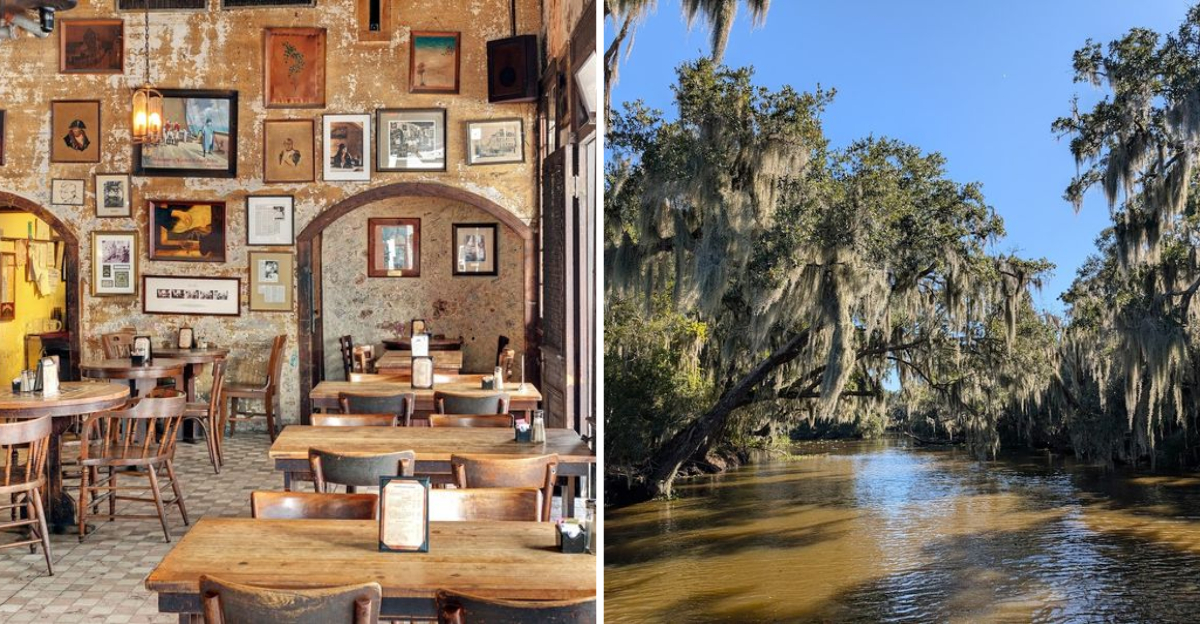
New Orleans gives you more than you can absorb in a single trip, and that is exactly the point.
The city layers history, culture, and food in ways that take time to untangle. First-time visitors often leave feeling like they only scratched the surface, because they did.
These stops are chosen not for fame but for context.
Each one adds a piece to a larger picture of what Louisiana actually is beneath the tourist-facing version of itself.
A full experience here means going past the obvious. Spending time in neighborhoods that do not show up on every list.
Eating in places where the food reflects something real about where you are. Come ready to look closer.
1. Cafe Du Monde
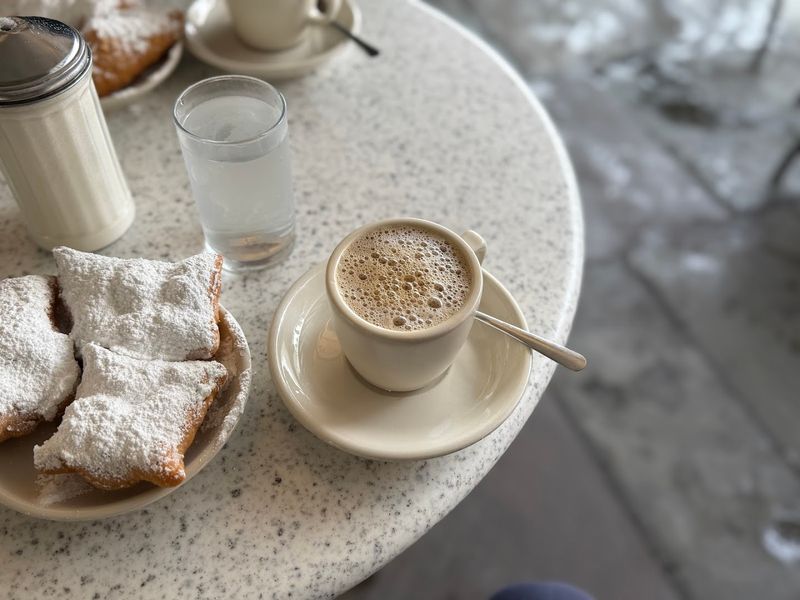
There is powdered sugar on my shirt, my shoes, and somehow my left ear. That is just part of the Cafe Du Monde experience.
This open-air cafe has been serving its two signature items since 1862. That kind of longevity is not an accident.
The beignets arrive hot and buried under a snowstorm of powdered sugar. The chicory coffee is dark, bold, and slightly bitter in the best possible way. Ordering both together is practically a local law.
First-timers always underestimate the powdered sugar situation, and the cafe offers no apologies for that.
The cafe at 800 Decatur St never closes, which means you can show up at 2 a.m. and still get a fresh order. I went at sunrise once, and the Mississippi River light made everything look golden.
The outdoor seating lets you watch the French Quarter slowly wake up around you. It is a simple ritual, but it is one of the most New Orleans things you can possibly do.
Some places earn their reputation through reinvention. Some earn it by simply refusing to change a single thing. Cafe Du Monde has built an entire legacy on the second approach.
2. Preservation Hall
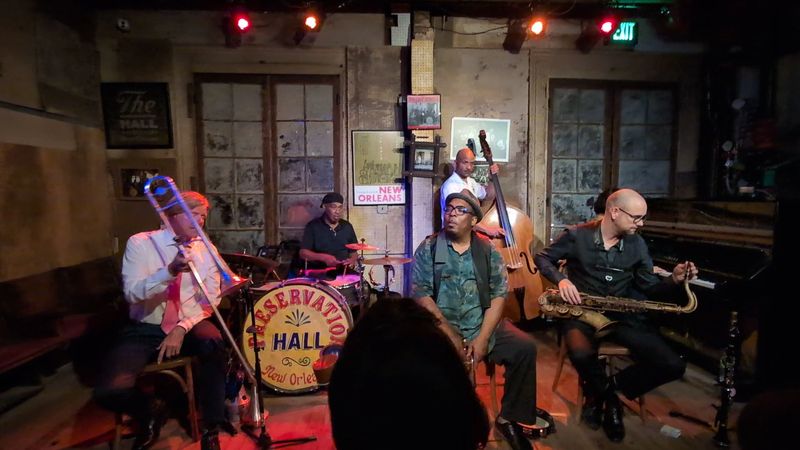
The room is small, a little worn, and absolutely electric. I squeezed in for a standing show at Preservation Hall at 726 St Peter St.
The musicians took the stage and launched into traditional New Orleans jazz that rattled the old walls in the best way. Nothing about that night felt rehearsed or polished.
Shows run nightly, and standing tickets are the most budget-friendly way in. Each set lasts about 45 minutes, which is perfectly concentrated. You are not there for a long sit-down concert. You are there for something raw and real.
Preservation Hall is one of the most historically important music rooms in the entire country. It has been keeping traditional jazz alive since the 1960s.
The musicians rotate, but the commitment to the art form never wavers. I left with my ears ringing and my heart genuinely full. That tiny room holds more soul than most concert halls ten times its size.
3. Commander’s Palace
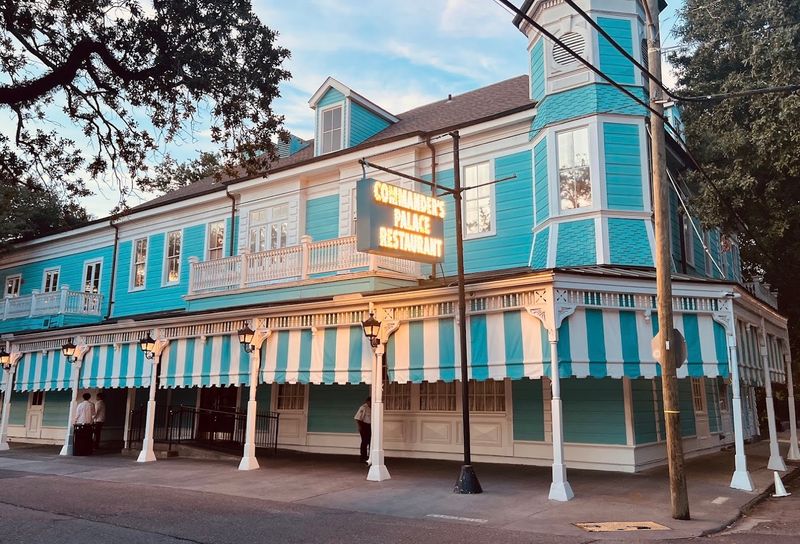
The turquoise paint job alone would make Commander’s Palace worth a second look. But once you sit down inside this Garden District landmark, you quickly understand why it has trained some of the most celebrated chefs in American culinary history.
The turtle soup is a must-order, and the bread pudding souffle is the kind of dessert that makes you rethink every dessert you have ever eaten before it.
The kitchen here has operated as a training ground for culinary talent that went on to define Louisiana cooking far beyond this single address.
Commander’s Palace represents the benchmark of Creole fine dining in Louisiana. The service matches the food in every possible way. I went for a Saturday lunch and ended up staying two hours longer than planned.
The dining room at 1403 Washington Ave hums with a particular kind of energy that only comes from decades of getting things exactly right. This is Louisiana cooking at its most refined.
A meal here does not just satisfy hunger, it gives you a reference point for everything else you will eat in this city.
4. Congo Square
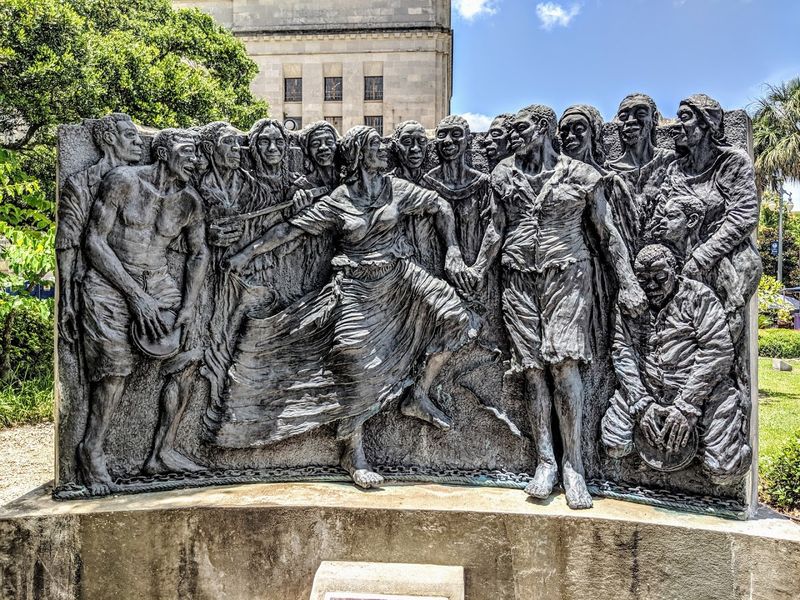
Long before jazz had a name, it had a home. That home was Congo Square inside Louis Armstrong Park in the Treme neighborhood.
On Sundays during the era of slavery, enslaved people were permitted to gather here to play music and maintain African cultural traditions. What happened in this square eventually shaped the sound of the entire world.
Historians widely consider Congo Square at 701 N Rampart St the birthplace of jazz. The rhythms and communal music-making that took place here laid the groundwork for an entire genre. That weight is present when you stand there, even now.
The square is free to enter and open daily, which makes it one of the most accessible and important stops on any New Orleans itinerary.
No concert hall or museum I visited compared to the feeling of standing in a spot where history was literally created by people who had almost nothing else. This is essential to Louisiana.
5. Dooky Chase Restaurant
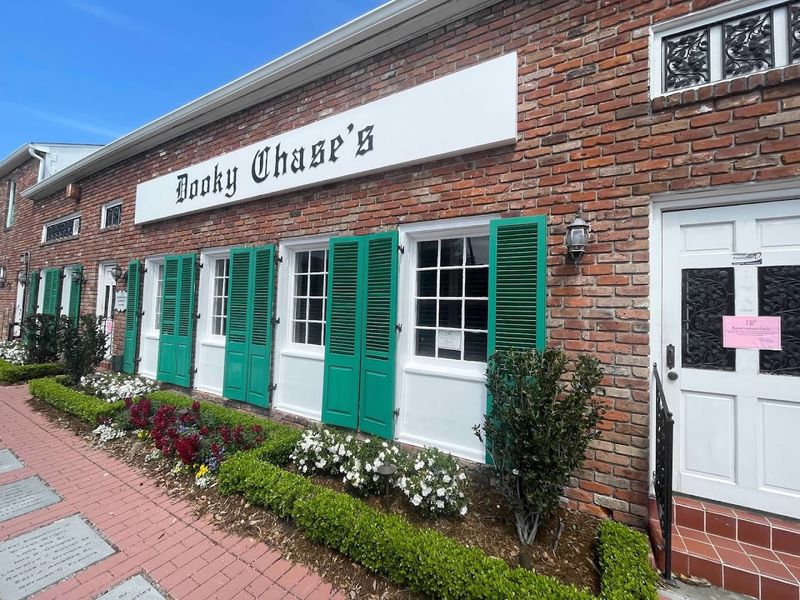
The gumbo at Dooky Chase arrived in a bowl so full it was practically overflowing. I understood immediately why people travel specifically for this meal.
Dooky Chase Restaurant is one of the most storied dining rooms in American history. It was a gathering point for leaders, artists, and community members at a time when that kind of space was rare and necessary.
The red beans and rice are every bit as important as the gumbo here. Both dishes carry the full weight of Creole soul food tradition.
Note that the restaurant at 2301 Orleans Ave is closed on Mondays, Sundays, and Tuesday through Thursday evenings, so plan accordingly. I timed my trip for a Friday lunch and left feeling like I had eaten history. That is not a small thing.
6. Whitney Plantation
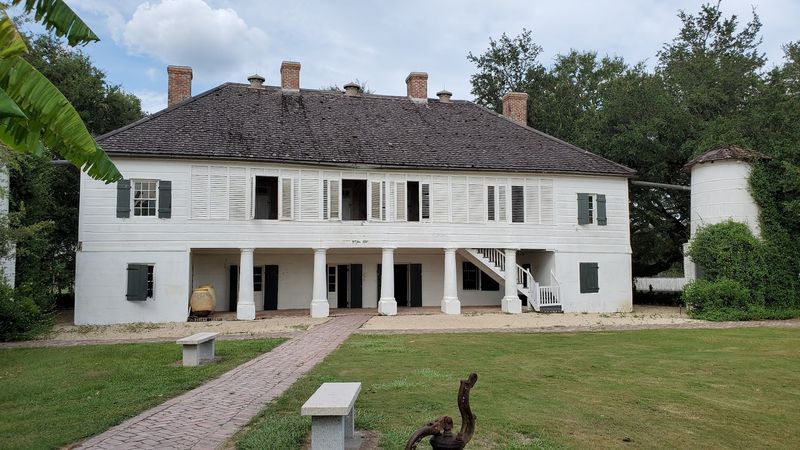
No other plantation museum in Louisiana does what Whitney Plantation does.
This is the only plantation in the state whose entire focus is the lived experience of enslaved people rather than the planter class. That distinction matters enormously, and walking through it changed how I understand Louisiana history at a fundamental level.
The decision to center this story on the people who built the land rather than the people who owned it makes this one of the most important historical sites in the entire South.
The memorials, sculptures, and first-person testimonies collected here are deeply moving. You read the names and words of people who were enslaved on this land. It is not comfortable, and it is not meant to be.
History told honestly rarely is, and Whitney Plantation does not soften a single edge of what happened here.
The guided experience at 5099 LA-18 is thorough and handled with great care and respect. Whitney Plantation is closed on Tuesdays, so build that into your planning.
This is not a stop you pair with something lighthearted afterward. It deserves its own day and your full attention. Essential Louisiana history lives in this ground.
Leave time to sit with what you have seen before moving on, because this place asks something of you that most tourist destinations never do.
7. Napoleon House
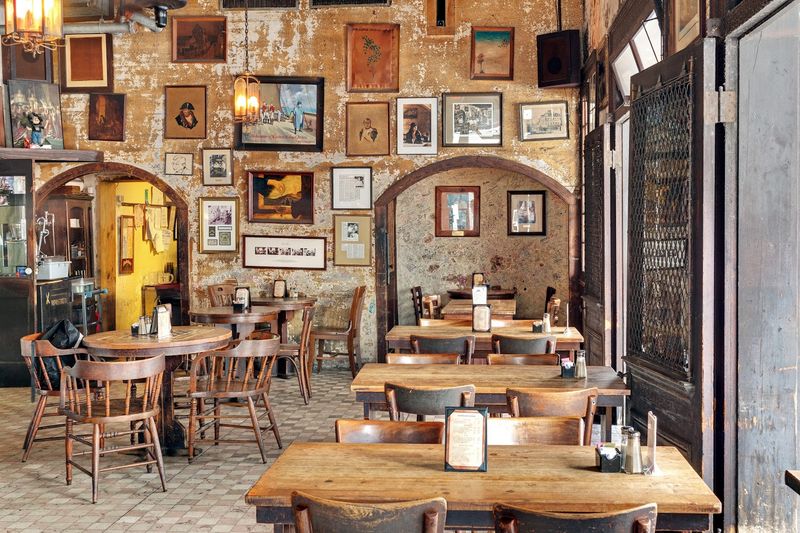
Peeling plaster walls have never looked so intentional. Napoleon House in the French Quarter is housed in a building from 1797, and it wears every one of those years proudly.
Classical music drifts through the air at a volume that encourages conversation rather than drowning it out. The whole atmosphere is wonderfully strange and completely its own thing.
The building was originally prepared to house Napoleon Bonaparte following his exile from France. He never actually made it to New Orleans, but the name and the legend stuck around.
That backstory alone makes the menu feel more dramatic.
The muffuletta at 500 Chartres St is widely considered one of the best in the city. After trying it I have no argument with that reputation.
Layers of cured meats, cheese, and olive salad on a round sesame roll make for a sandwich that needs no introduction. Napoleon House is open daily, so there is no excuse to skip it.
8. Bayou Swamp Tour
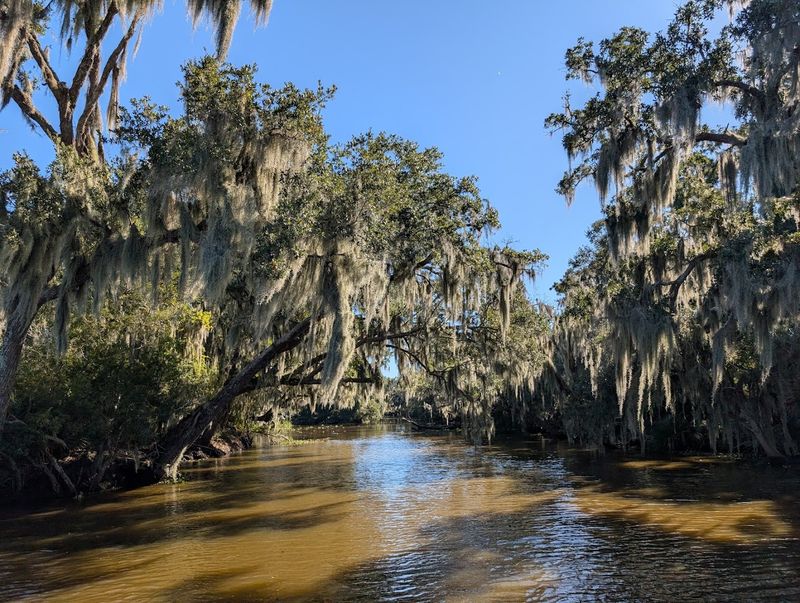
The alligator surfaced about four feet from the side of the boat, and nobody on board made a single sound.
A bayou swamp tour into the cypress swamps surrounding New Orleans is one of those experiences that reminds you how wild and untamed the natural world still is just outside a major city.
Pontoon and airboat options are both available depending on how much wind in your face you prefer. Either way, the scenery is extraordinary.
Spanish moss drapes from ancient cypress trees in curtains so thick they block out the light. Great blue herons stand absolutely still on submerged logs. The water is dark and quiet in a way that feels prehistoric.
Guides on these tours are knowledgeable about local ecology, wildlife habits, and the history of the bayou communities that have called this region home for generations.
Louisiana from the water is a completely different Louisiana than the one you see from the street. Both are worth your time.
9. The New Orleans Storyville Museum
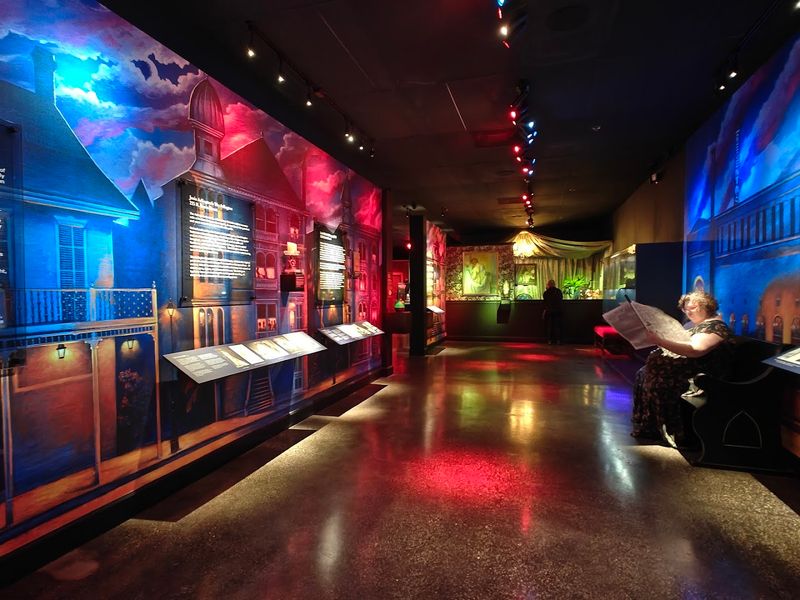
Understanding Storyville helps you understand why New Orleans music sounds the way it does. That connection is the whole point of being here.
History has a way of being complicated, and this museum does not flinch from that fact. The New Orleans Storyville Museum, at 1010 Conti St, sits on the site of the old red-light district where jazz first took commercial root in the early twentieth century.
The exhibits use holographic displays and period artifacts to tell a story that most history books skip over entirely. It is adults-only, thoughtfully curated, and genuinely fascinating.
The museum approaches its subject with a non-judgmental lens that I found refreshing. It contextualizes the social, economic, and racial dynamics of Storyville without sensationalizing any of it. That balance is harder to achieve than it sounds.
Jazz historians will find layers here that casual visitors might miss, so read every panel carefully. The museum is open daily, which makes scheduling easy.
10. JAMNOLA
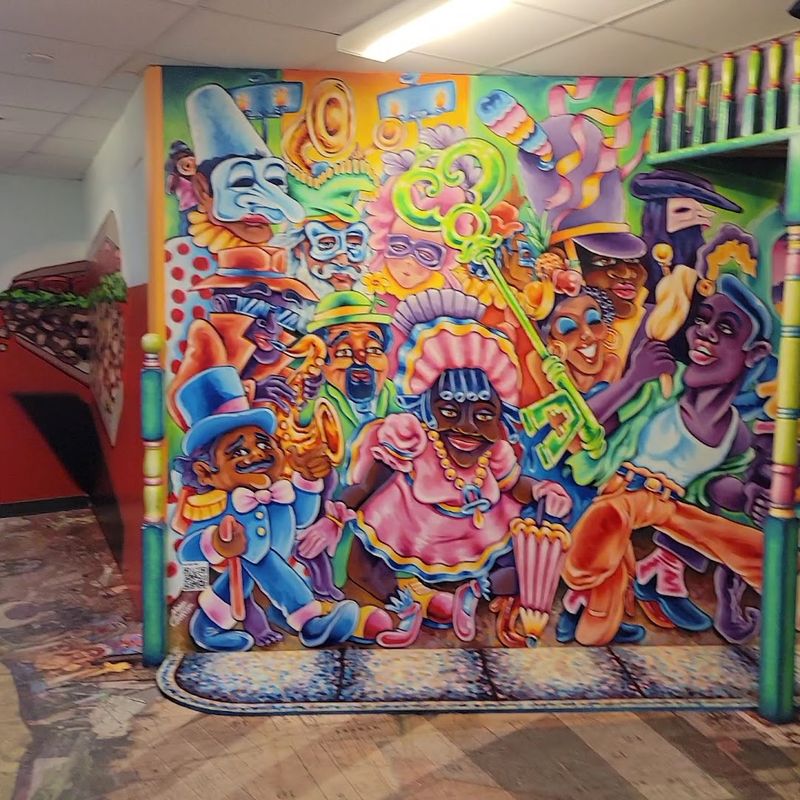
Every wall, ceiling, and floor of this building has been transformed into something that demands your attention.
JAMNOLA in the Marigny neighborhood is an immersive museum built entirely by local artists using recycled materials.
Jazz, Mardi Gras, voodoo, food culture, and the distinct neighborhoods of New Orleans all get their own dedicated spaces inside. It is loud with color and creativity in the most satisfying way.
The fact that everything here was made from recycled materials adds an extra layer of meaning to the art itself. These artists turned discarded things into celebrations of their own culture. That is a very New Orleans way of doing things.
JAMNOLA at 940 Frenchmen St is open Thursday through Monday, so check the schedule before you go. I spent a full afternoon moving from room to room and still did not feel like I had absorbed everything.
The Mardi Gras installation alone is worth the price of admission. This is the kind of museum that makes you want to know more about the city rather than feeling like you have already seen it all. A genuinely joyful stop.
11. Brennan’s
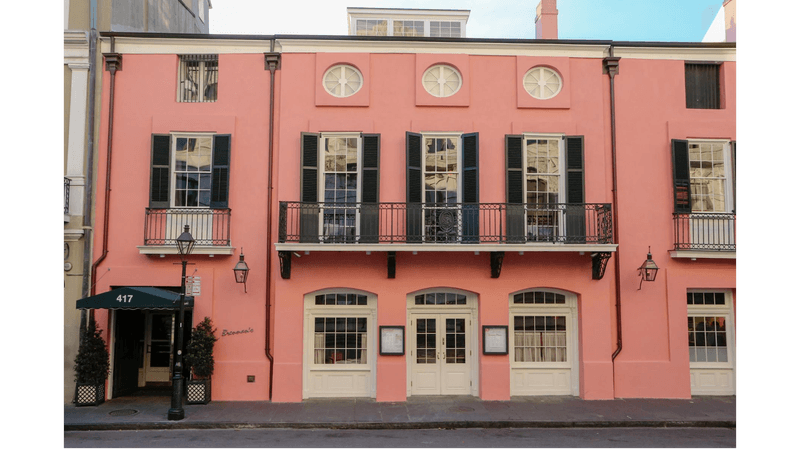
If you leave New Orleans without eating here, you have left a chapter of the story unread. Do not do that to yourself.
A flame rises tableside, bananas caramelize in the pan, and the whole dining room quietly turns to watch. Brennan’s at 417 Royal St has been preparing it tableside ever since.
Brunch here is one of the most specifically New Orleans meals you can possibly have.
The bruléed grapefruit is the kind of dish that makes you question every breakfast you have ever eaten before it. The menu balances classic Creole technique with a sense of occasion that feels earned rather than forced.
Everything about the experience is polished without being stiff. Brennan’s understands that a great meal is as much about how it unfolds as what arrives on the plate, and every course here reflects that understanding.
Brennan’s is open daily from 9 a.m., which makes it an ideal anchor for a morning in the French Quarter. I went on a Sunday and found the dining room already buzzing with energy by 9:30.
The service is attentive and warm in equal measure. A restaurant that has been doing this for many years has had enough time to figure out exactly what it is. The confidence that comes from that clarity shows in every single detail.