This Georgia Island Feels Frozen In Time And You Can Only Reach It By Ferry
There are places that exist outside the usual rhythm of things, where the noise of everyday life does not follow you across the water and the air actually feels different the moment you arrive.
This is one of those places, and Georgia has been quietly keeping it to itself for a very long time. You cannot drive there, which is already a significant filter on the kind of visitor it attracts.
You take a ferry, and somewhere in the middle of that short crossing, something shifts.
The mainland stays on its side of the water and everything that came with it, the traffic, the noise, the general insistence of modern life on being heard, simply does not make the trip.
What meets you on the other side is marshland and ancient oaks and a silence so complete it takes a few minutes to adjust to. Some islands just have that effect on people, and this one has been doing it for centuries.
The Place Which Plays By Different Rules
Before you even set foot on Sapelo Island, the journey itself tells you this place plays by different rules.
The only way in is the state-operated ferry departing from the Meridian Ferry Dock in Darien, Georgia, and that ride sets the tone for everything that follows.
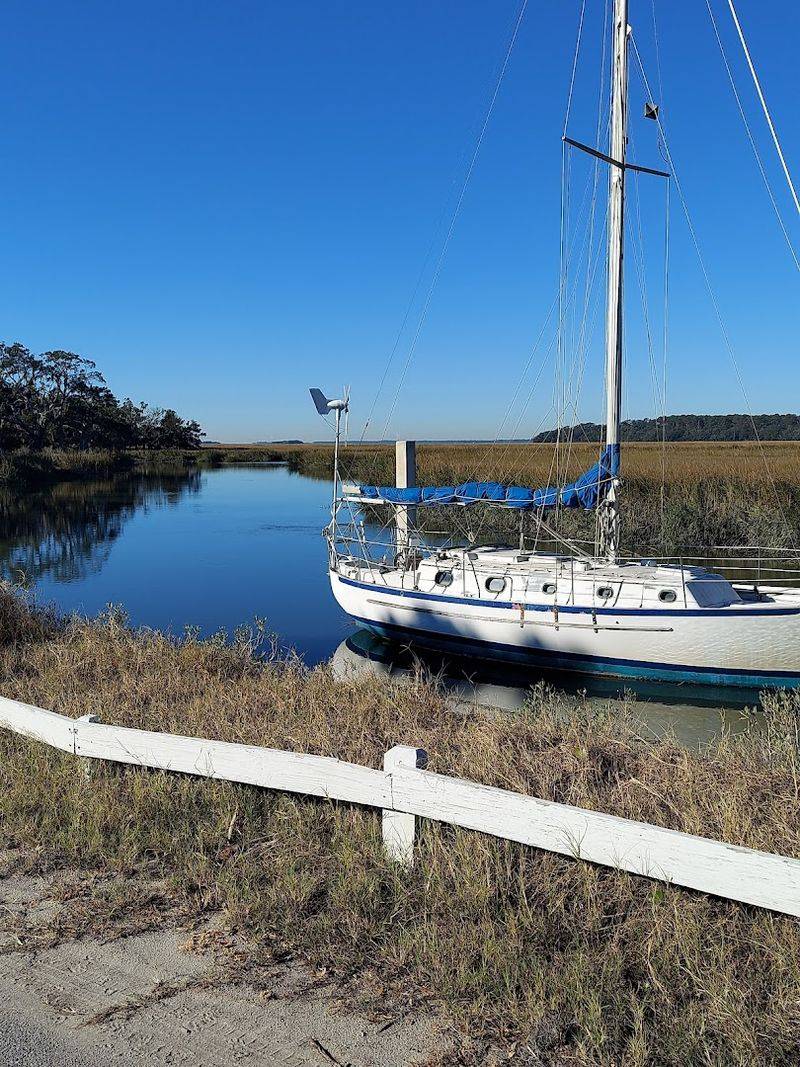
The crossing takes about 30 minutes, and the views of the Georgia marshlands are genuinely stunning. Golden spartina grass stretches in every direction.
Egrets stand perfectly still in the shallows like tiny white statues.
The ferry runs on a limited schedule, so you cannot just show up whenever you feel like it. Reservations are required, and spots fill fast, especially on weekends.
Planning ahead is not optional here, it is part of the ritual. That small effort of booking in advance makes the arrival feel earned, which honestly makes it even better.
There is something satisfying about reaching a place that requires a little patience to get to.
The Hog Hammock Community
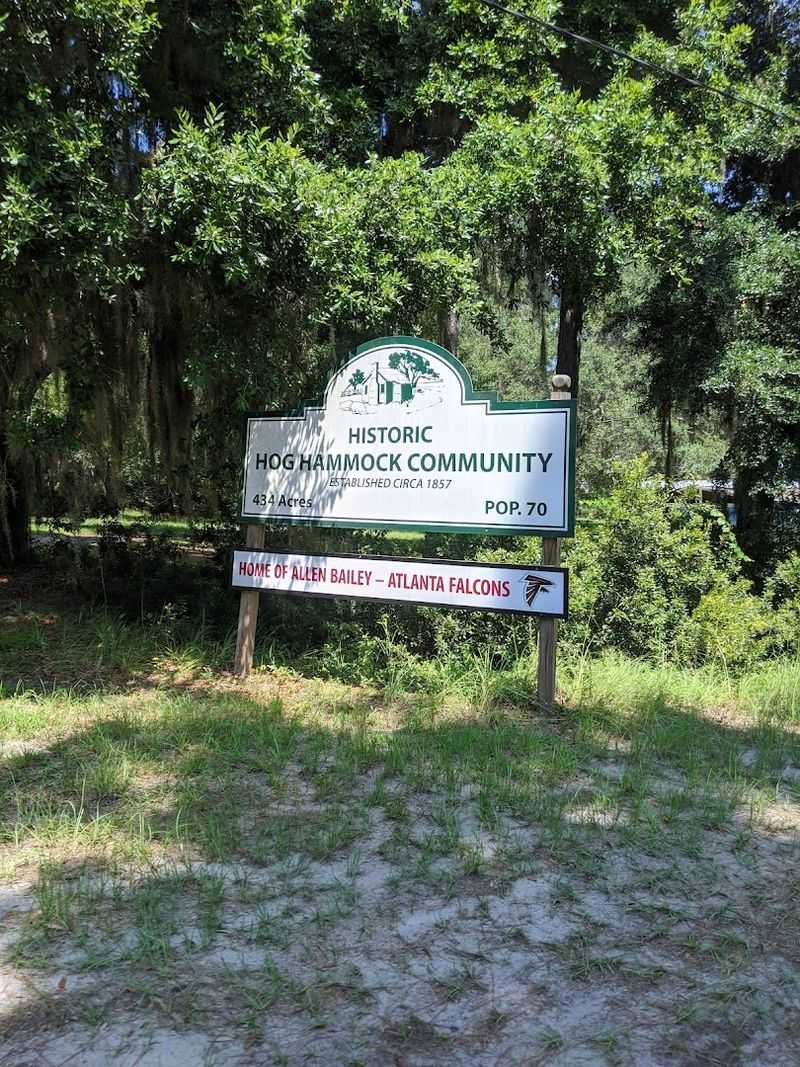
Hog Hammock is the kind of place that makes you slow your pace without anyone asking you to.
This small community on Sapelo Island is home to the Gullah Geechee people, descendants of Africans who maintained their language, traditions, and culture for generations right here on this island.
Walking through Hog Hammock feels genuinely different from anywhere else in Georgia. The houses are modest and personal.
Yards have character. People wave from porches.
The Gullah Geechee culture is recognized as one of the most intact African American cultural communities in the United States. That is not a small thing.
Visiting here is less about sightseeing and more about understanding a living history that is still very much alive.
The community has survived enormous pressures over the decades, and the fact that it still exists with such dignity is remarkable. If you go, be respectful.
This is not a museum exhibit.
Real people live here, and they deserve visitors who show up with genuine curiosity and good manners.
National Estuarine Research Reserve
Scientists have been studying Sapelo Island’s marshes since the 1950s, and once you see them up close, you completely understand why.
The Sapelo Island National Estuarine Research Reserve covers over 380,000 acres of marsh, water, and upland habitat, making it one of the largest protected estuarine systems in the eastern United States.
Standing at the edge of the marsh at low tide, you see a whole ecosystem doing its thing. Fiddler crabs scuttle across the mud flats.
Dolphins occasionally cruise the tidal creeks.
Ospreys circle overhead with suspicious confidence.
The reserve is not just a pretty backdrop. It is an active research site where scientists study everything from water quality to climate change impacts on coastal ecosystems.
Guided tours are available and genuinely interesting, even if ecology is not usually your thing. The guides explain how the marsh acts like a giant filter for coastal water and a nursery for marine life.
That context transforms what looks like a quiet swamp into something that feels almost alive with purpose. It is hard to leave without feeling a little more impressed by nature than when you arrived.
The Reynolds Mansion
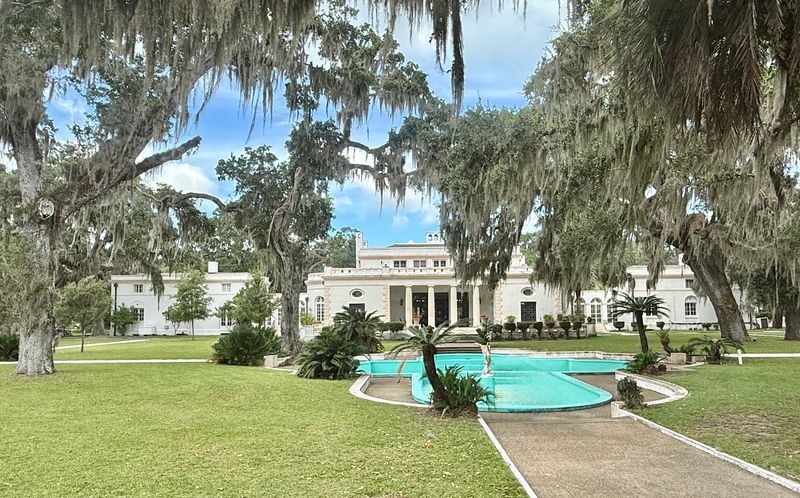
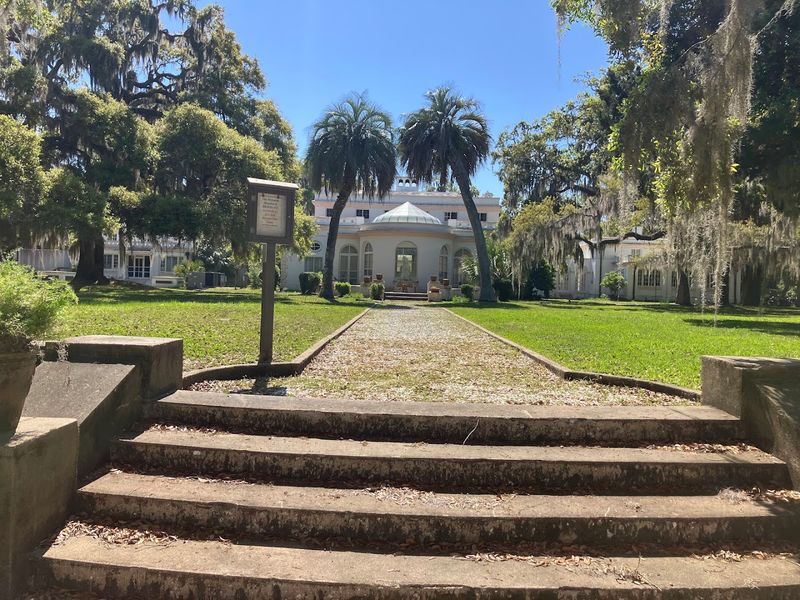
Richard Reynolds Jr., the tobacco heir, once owned most of Sapelo Island, and the mansion he left behind is a fascinating piece of that complicated history.
The Reynolds Mansion now operates as a bed and breakfast, which means you can actually sleep inside a piece of Georgia coastal history.
The building itself is impressive. Wide verandas, tall ceilings, and the kind of architectural details that remind you money was not an issue when this place was built.
Staying overnight gives you access to the island after the day-trippers leave, and that after-hours quiet is something special.
Waking up on Sapelo Island with no ferry crowds and nothing but birdsong outside your window is a genuinely rare experience.
The mansion hosts a limited number of guests, so availability is tight and booking early is essential. Meals are included in many packages, and the food is straightforward and good.
This is not a luxury spa retreat.
It is more like staying at a historic estate run by people who love the island and want you to love it too. That combination of history, comfort, and natural surroundings is honestly hard to beat anywhere on the Georgia coast.
The Beach At Nanny Goat
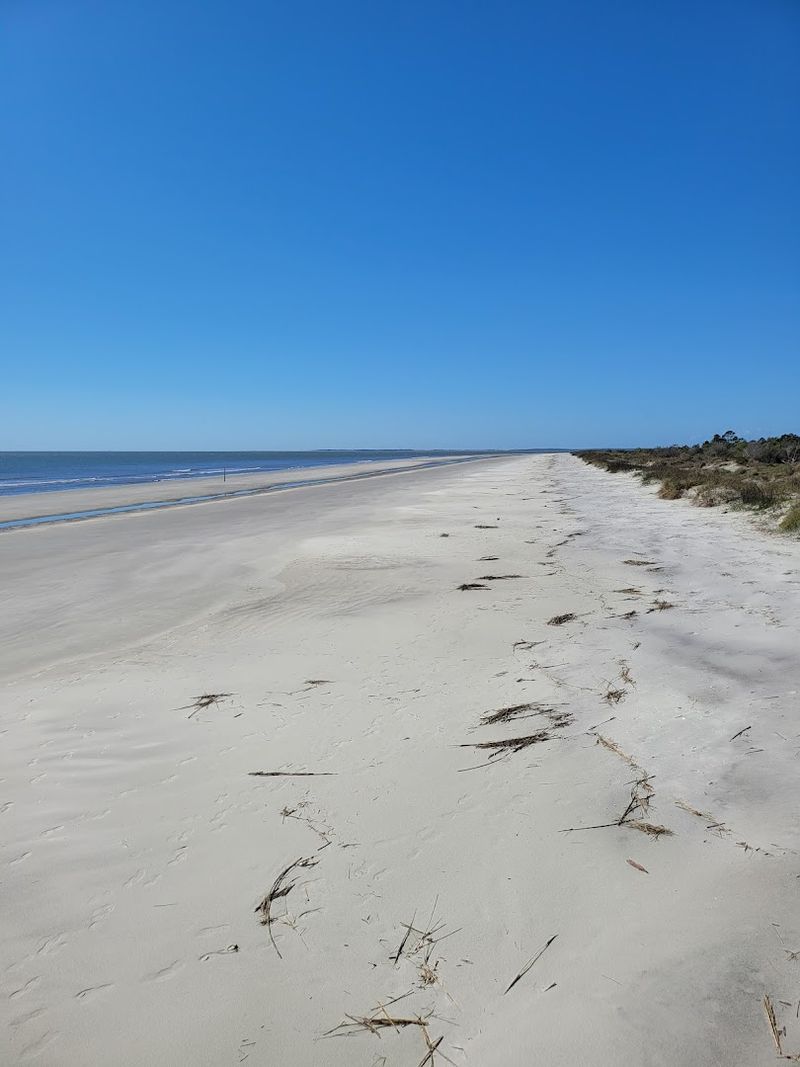
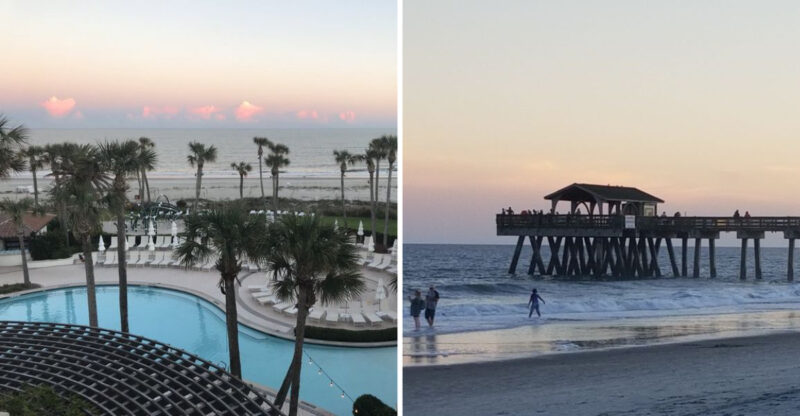
Nanny Goat Beach might be the most perfectly unspoiled stretch of sand I have ever stood on, and I say that having visited a fair number of beaches up and down the East Coast.
There are no beach chairs for rent. No umbrella vendors.
No frozen lemonade stands. Just sand, ocean, and the occasional loggerhead sea turtle track if you visit at the right time of year.
The beach faces the Atlantic and stretches for miles with essentially no development in sight. Shells are everywhere.
The water is warm in summer and the waves are gentle enough for casual swimming.
Reaching Nanny Goat requires either a bike ride or a short drive from the ferry dock, and that small extra effort keeps the crowds away.
Most day-trippers who visit the island do not make it all the way out here, which means you often have this entire beach to yourself. That is an almost absurd luxury for a publicly accessible beach in 2024.
If you bring a picnic, a book, and a willingness to do absolutely nothing productive for a few hours, Nanny Goat will reward you generously. Pack out everything you bring in.
The beach stays pristine because visitors treat it that way.
The Most Photographed Landmark
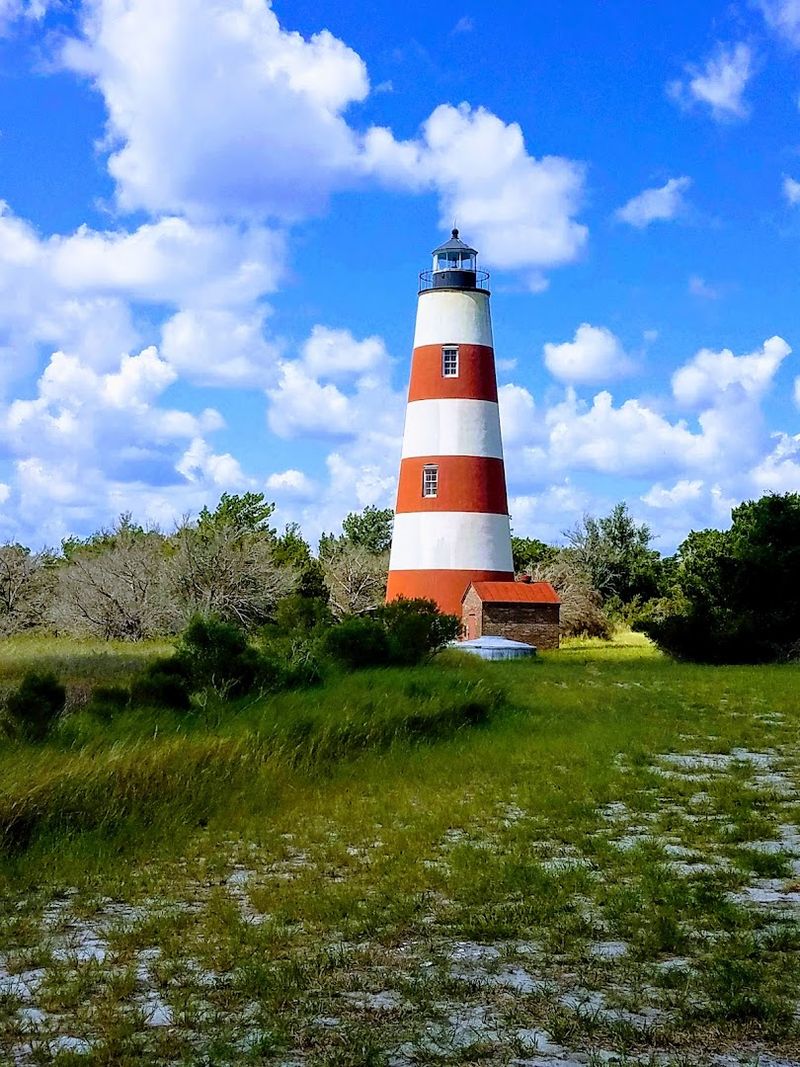
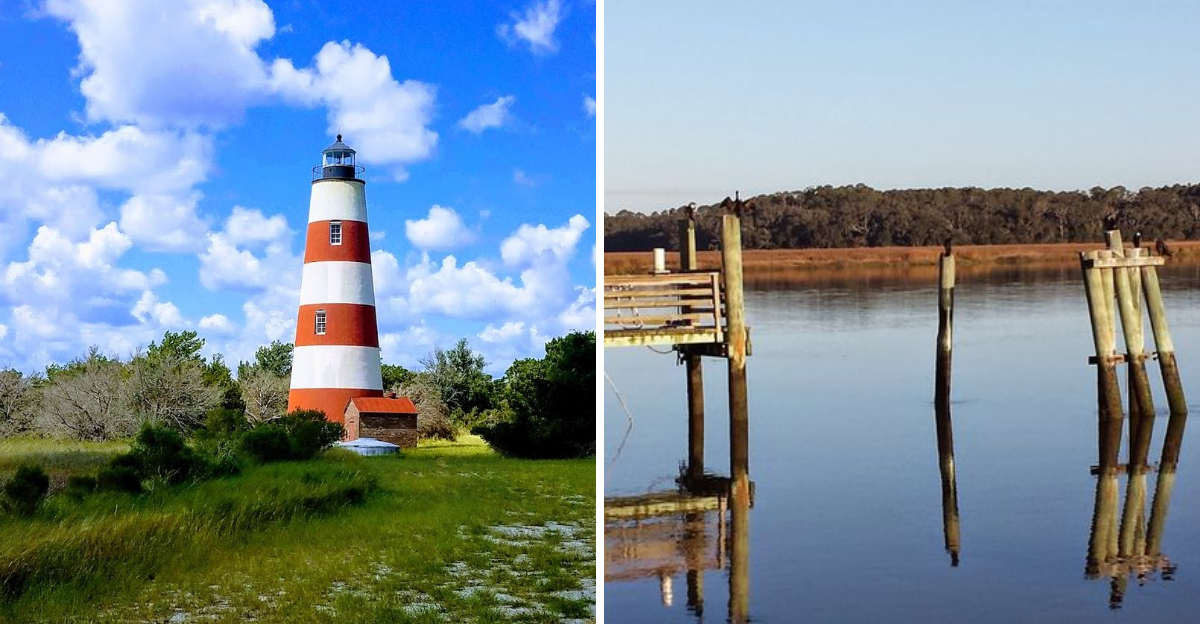
Built in 1820, the Sapelo Island Lighthouse has been guiding ships through Georgia’s coastal waters for over two centuries. That kind of longevity earns some respect.
The lighthouse was decommissioned and later restored, and today it stands as one of the most photographed landmarks on the island.
The brick structure is striking against the sky, especially in the late afternoon when the light turns golden and everything looks like a painting.
Access to the lighthouse is typically part of guided island tours, so check the schedule before you plan your visit.
What makes the lighthouse particularly interesting is the history layered underneath it.
The surrounding area has been inhabited since long before European settlers arrived, and the island itself has changed hands multiple times through history.
The lighthouse has watched all of it.
Standing at its base and looking out over the marshes and water, you get a genuine sense of how long people have been drawn to this place and how much it has managed to stay the same despite everything.
History feels tangible here in a way that plaques and museums rarely achieve. Bring a camera because you will absolutely want to remember this view.
Wildlife Watching
Sapelo Island is home to an almost embarrassing variety of wildlife, and you do not need to be a serious birder or naturalist to appreciate it.
White-tailed deer wander across open fields in the early morning like they own the place, which, honestly, they kind of do out here.
rmadillos rustle through the underbrush. Alligators sun themselves near freshwater ponds with the casual confidence of creatures that have no natural predators to worry about.
The birdlife alone is worth the ferry ticket. Painted buntings, which look almost too colorful to be real, show up seasonally.
Wood storks, roseate spoonbills, and dozens of shorebird species are regular visitors to the marshes.
Loggerhead sea turtles nest on the beaches from May through August, and the island is part of a protected nesting zone. If you visit during nesting season, keep your distance and avoid flashlights on the beach at night.
The island’s relative isolation means wildlife here behaves in ways you rarely see closer to developed areas.
Animals are less skittish, habitats are intact, and the whole ecosystem feels balanced in a way that is increasingly rare. Binoculars are worth bringing.
You will use them constantly.
The Time-Capsule
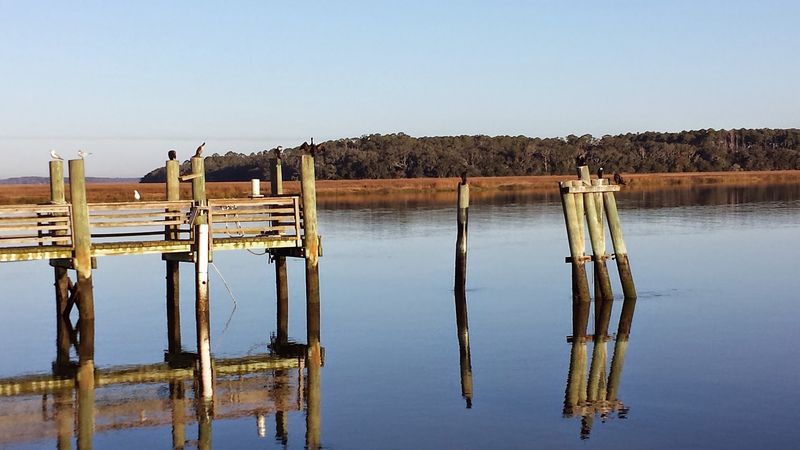
There is a specific feeling you get on Sapelo Island that is almost impossible to describe accurately to someone who has not experienced it. The roads are mostly unpaved.
Cell service is unreliable.
The only sounds at night are frogs, insects, and the occasional distant boat on the water. It feels less like visiting a place and more like stepping out of your regular life entirely.
That sense of being off the grid is not accidental.
The island has been protected from large-scale development for decades, partly through state ownership and partly through the determination of the communities and researchers who call it home.
Day trips are possible but an overnight stay is where the real magic happens. Once the afternoon ferry takes the day visitors back to the mainland, the island exhales.
The pace drops even further. Stars appear in numbers you probably forgot existed if you live near any city.
Sapelo Island is not trying to impress you with amenities or attractions.
It earns your affection through simplicity, history, and the rare feeling that some places in this world are still worth protecting. You leave quieter than you arrived, and that is genuinely the best possible outcome of any trip.