This Restored Georgia Village Feels Like Traveling Straight Back Into A 19th Century Southern Town
Close your eyes and picture the South before the modern world arrived. Now open them inside a place that has faithfully kept that world intact.
Georgia holds a restored village so carefully preserved it almost feels like a trick of time.
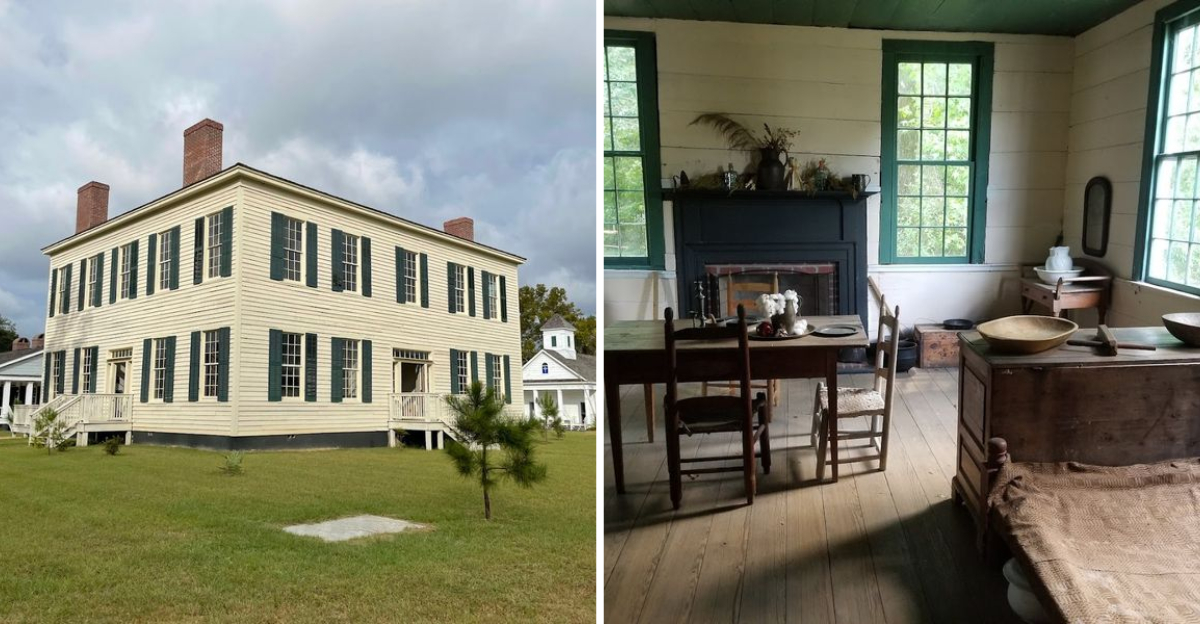
The architecture is original, the details are deliberate, and the atmosphere is thick with history. Cobblestones, porches, and quiet lanes tell a story no textbook could fully capture.
Every restored structure carries the weight of real lives lived within its walls. This is not a reconstruction. It is a resurrection.
Come ready to slow down and simply let the past breathe all around you.
Real Buildings Real Stories Real Town
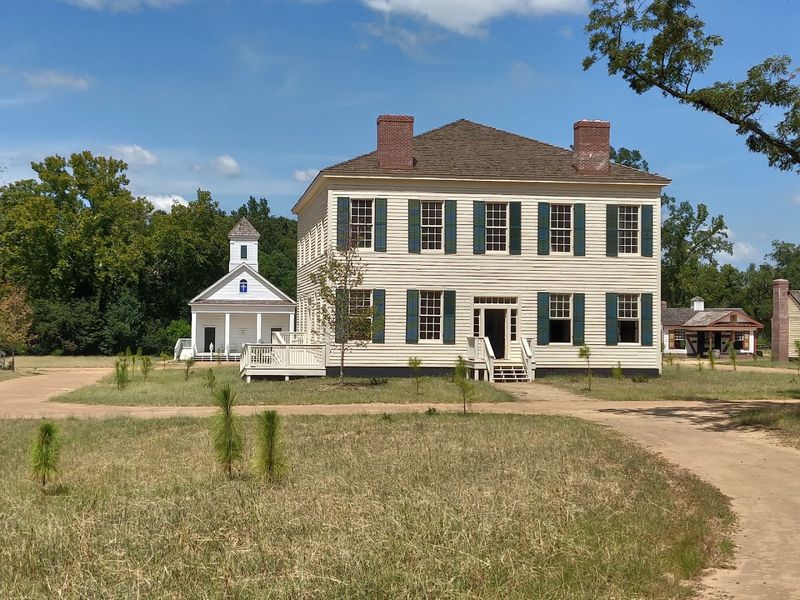
Not every history museum makes you forget what century you are in. Historic Westville Village does exactly that, and it starts the moment you pass through the entrance.
The concept behind the village is straightforward but powerful.
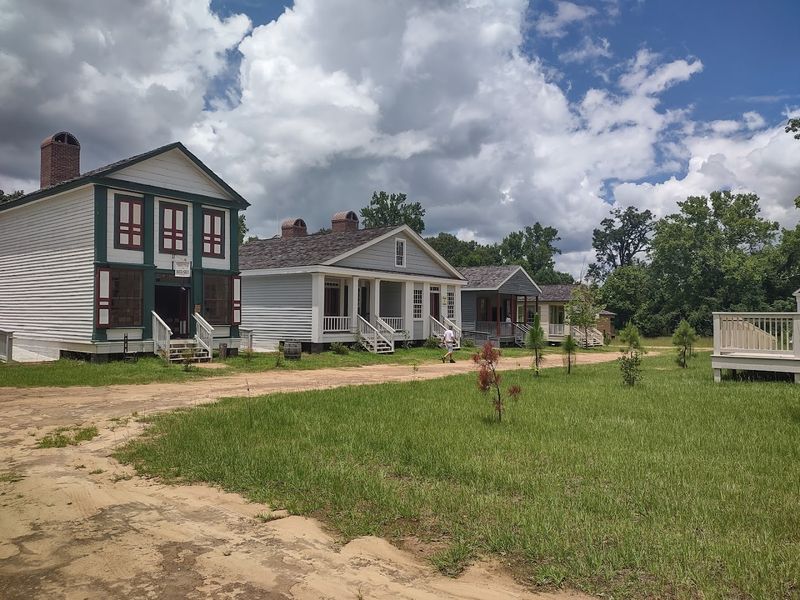
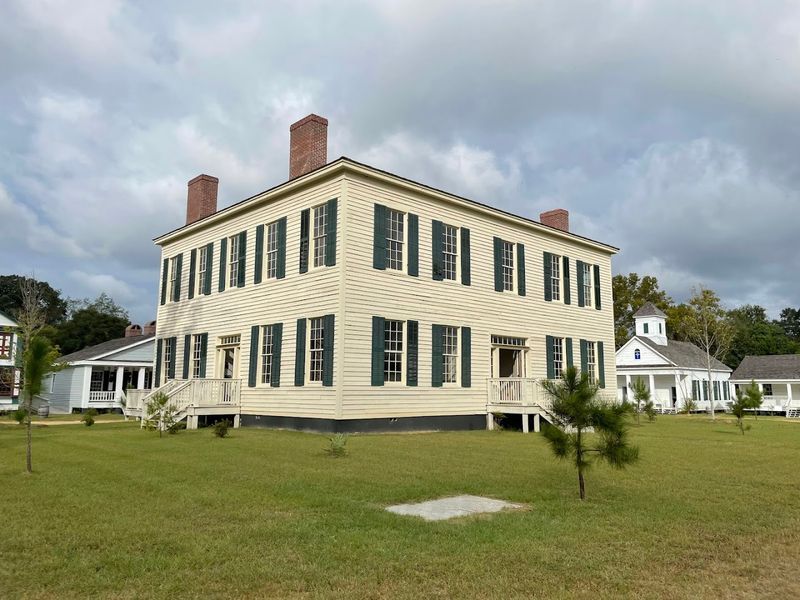
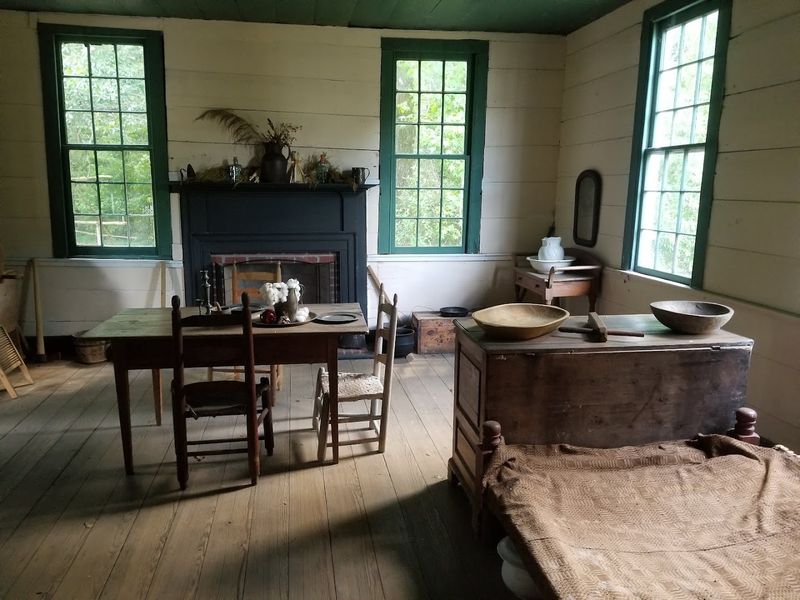
Authentic buildings from the 1800s and early 1850s were physically moved and reassembled here, creating a real town rather than a recreation. Each structure tells its own story, from modest homes to community gathering spots.
Georgia has a deep and layered history, and this village captures a specific slice of it with impressive care. What you can see there today is the result of years of dedication by historians, volunteers, and preservationists who wanted the past to remain tangible.
The village is located at 3557 S Lumpkin Rd in Columbus, and it definitely earns its spot on your bucket list.
Instant Time Travel
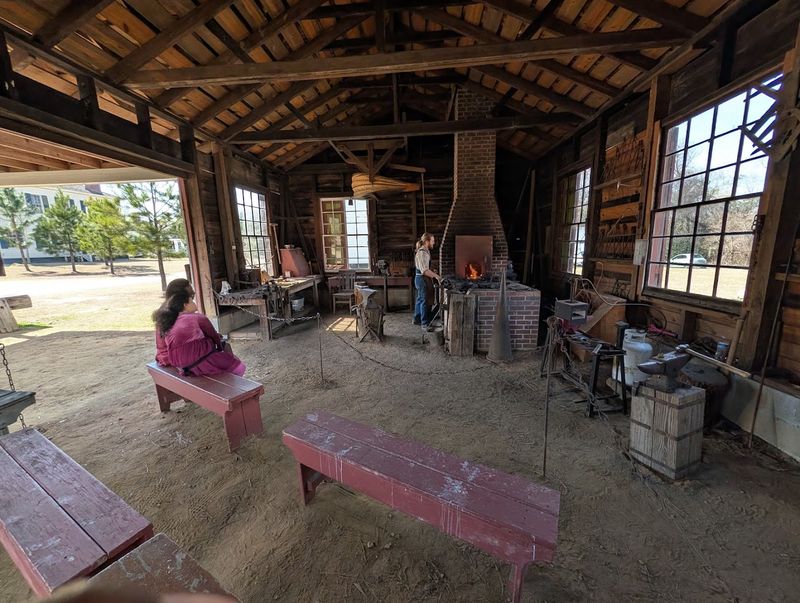
Visiting this place really feels less like a tour and more like a conversation across time. The costumed interpreters here do not just stand around reciting facts.
They actively demonstrate trades, answer questions, and invite visitors to participate in ways that most museums simply do not allow.
I watched a blacksmith shape a piece of iron with practiced ease, the sound of hammer on metal ringing across the open grounds. Nearby, a woodworker explained joinery techniques that predate power tools by centuries.
These are not performances for show. They are real skills being kept alive by people who genuinely care about what they do.
What makes Historic Westville Village stand out is that guests are encouraged to interact with many of the artifacts on display.
That hands-on approach is rare in historical settings, and it makes the experience far more memorable, especially for younger visitors.
Georgia rarely offers this kind of immersive education outside of a classroom, and the village fills that gap with energy and authenticity.
The General Store Magic
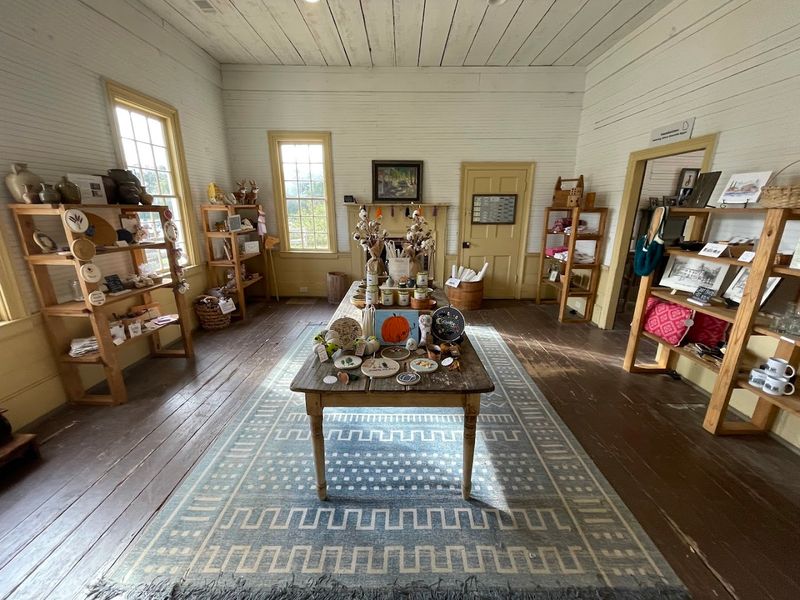
If there is one spot inside Historic Westville Village that I talk about again and again, it is the general store.
The store itself is stocked and arranged to reflect how a real 1850s general store would have looked and operated. Wooden shelves hold period-accurate goods, and the atmosphere inside is quiet and unhurried, a welcome contrast to modern retail.
An employee takes time with every guest, including young children, explaining the history of each item without making anyone feel rushed. Georgia has no shortage of historical sites, but few of them offer this level of personal engagement from their staff.
The general store is a reminder that sometimes the best part of a museum is not what is on the shelf but who is standing behind the counter.
Buildings With Real Stories
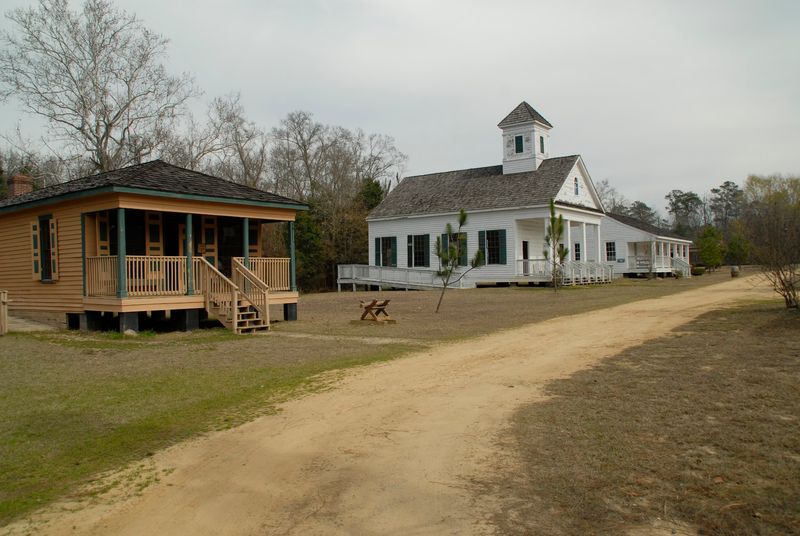
Every building at this village has a backstory that stretches back well over a century.
The structures include a working church, a doctor’s office, a courtroom, and the Singer boat shop, all of which were relocated from their original sites across Georgia. Each one has been maintained with careful attention to period detail.
I spent nearly an hour just moving from building to building, reading the information panels and talking to the interpreters inside each one.
The doctor’s office was particularly striking, with its original-style equipment and the quiet eeriness of a space that once served a very real community.
The courtroom felt equally powerful, its wooden benches and simple layout a reminder of how justice was administered in a very different era.
Visitors have noted that all the buildings are wheelchair accessible, which is a thoughtful detail that makes the experience open to everyone. Golf carts are also available for guests who need assistance navigating the grounds.
The site is still growing, with plans to add more structures and exhibits as the village expands. Each new addition promises to deepen the story that Historic Westville Village is working so hard to preserve for future generations across Georgia and beyond.
Crafts And Trades On Display
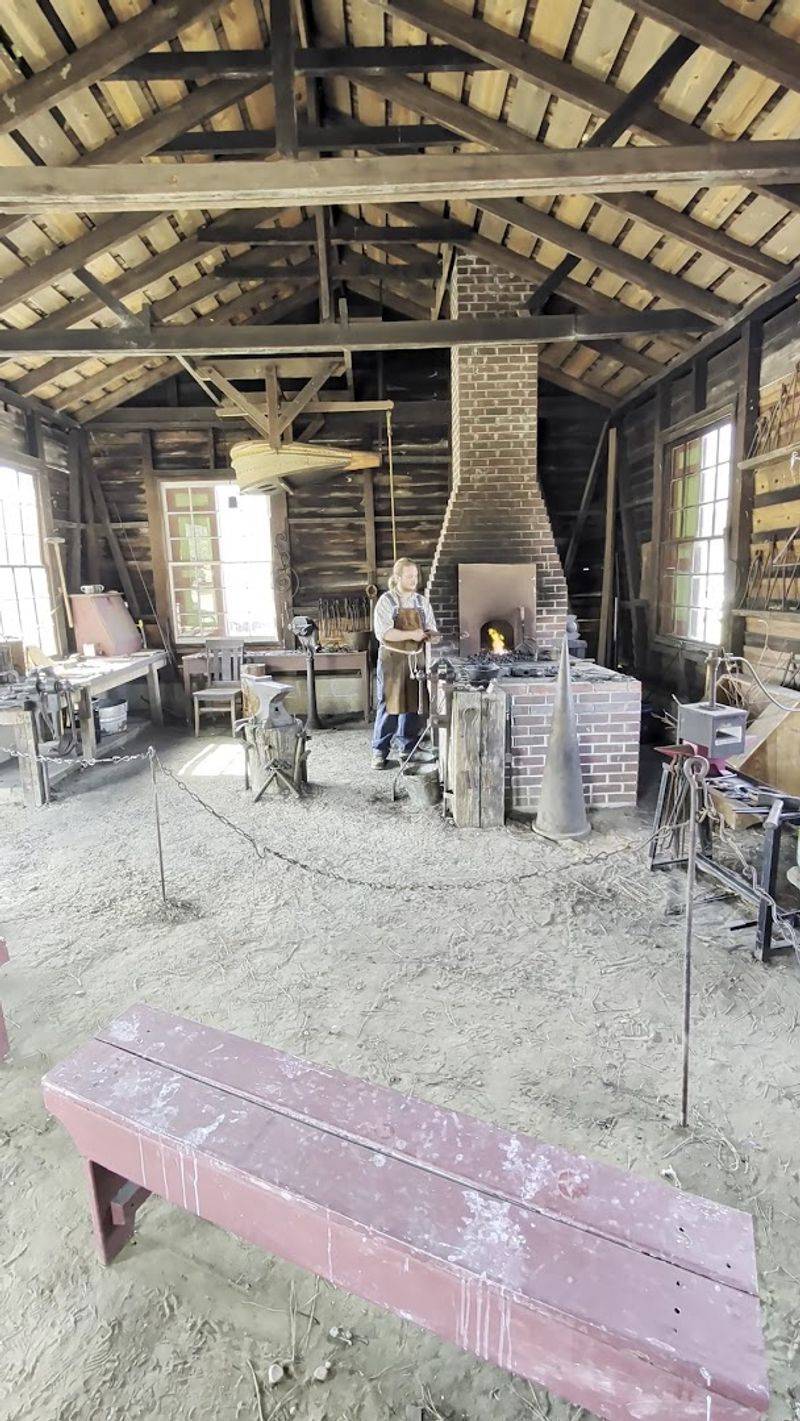
One of the most memorable parts of my visit was watching skilled artisans work through trades that most people today have never seen performed by hand.
The potter, the woodworker, and the blacksmith each occupied their own space on the grounds. Each one was genuinely happy to explain what they were doing and why it mattered.
The blacksmith was a crowd favorite, drawing small groups of visitors who watched in quiet fascination as raw iron became a recognizable shape through nothing but fire and force.
The potter offered a different kind of satisfaction, the slow and deliberate shaping of clay into functional objects using a foot-powered wheel.
These are not party tricks. They are living examples of the skills that built communities across the American South.
Georgia’s pre-Civil War economy relied heavily on these kinds of trades. Seeing them demonstrated in real time adds a layer of understanding that no photograph or textbook can fully provide.
The artisans here are clearly proud of their knowledge, and that pride is contagious. Even visitors who arrived with low expectations left talking about what they had seen.
Perfect For Families
Bringing kids to a history museum is always a good idea. This place genuinely delivers for families of all ages.
The hands-on format means children are not just expected to look and listen. They can touch, ask questions, and engage with what they are seeing in a way that keeps their attention naturally.
Several families with young children have shared that the interpreters adjusted their explanations based on the age of the visitor, making complex historical ideas accessible without dumbing them down.
The village has also hosted homeschool groups, and there is a dedicated Homeschool Day event that teachers and parents can plan around.
For families visiting Georgia with curious kids in tow, this is the kind of stop that generates real conversation on the drive home.
It is also relatively affordable, with admission described by multiple visitors as very reasonable for what the experience offers. That combination of educational depth and interactive energy makes it one of the more family-friendly history sites in the entire state.
Come Back Every Season
The village is not a one-visit kind of place, and the seasonal events are a big reason why. Cooler temperatures make it an especially pleasant time to explore the outdoor grounds, and the event typically brings out a larger number of interpreters and demonstrators.
The November festival as a fun and cheerful outing for both adults and children, with plenty of activity spread across the village grounds.
The atmosphere shifts noticeably during events, with more trades being demonstrated simultaneously and a stronger sense of community filling the space.
Checking the event schedule at westville.org before planning your trip is genuinely useful advice, not just a polite suggestion.
The number of interpreters available can vary depending on the day, and special events offer a noticeably richer experience than a standard weekday visit.
Georgia’s fall weather is also at its most comfortable during November, which makes the Harvest Fest a particularly well-timed opportunity to explore Historic Westville Village at its fullest and most festive.
What To Know Before You Go
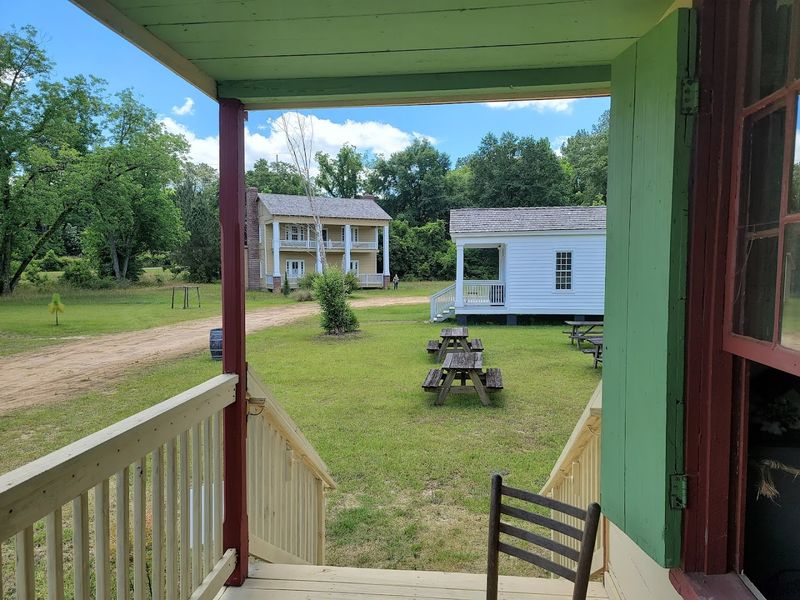
A little planning goes a long way when visiting this site. The village is open on Fridays and Saturdays only, from 10 AM to 4 PM, so mid-week travelers will need to adjust their schedule.
The grounds are entirely outdoors, which means summer visits can get warm. Wearing comfortable shoes and bringing water is a practical move, especially if you plan to spend a few hours exploring.
I must mention that the site can take anywhere from two to four hours to fully enjoy, depending on how long you spend with each interpreter.
Parking is available on site, and the location near Oxbow Meadows and the National Infantry Museum makes it easy to plan a full day of exploration in the southern Columbus area.
All buildings are wheelchair accessible, and golf carts are available for guests who need help covering the distance between structures.
The gift shop carries regional books and locally relevant items that make for thoughtful souvenirs. Admission is reasonably priced, and the overall value for the experience is consistently praised by visitors across all age groups visiting Georgia.
Why This Place Stays Memorable
Some places are interesting while you are there and forgettable by the time you reach the highway. Historic Westville Village is not one of them.
The combination of authentic structures, skilled interpreters, and a genuine commitment to preservation creates something that lingers in your memory long after you have left the grounds.
I kept thinking about the blacksmith on the drive back, the way he described his craft as a conversation between the smith and the metal.
The people who work and volunteer here clearly believe in what the village represents, and that belief shows in every interaction.
Georgia has a complicated and layered history, and places like this help make that history visible in a way that is honest, educational, and deeply human.
The village is still growing, with new exhibits and programs planned for the future, which means every return visit has the potential to offer something new.