This Connecticut Fabric Wonderland Has Crafters Coming From All Around
When a store has people driving from multiple states just to walk through the door, you know something special is going on inside. This Connecticut fabric wonderland has crafters coming from all around and one visit is all it takes to completely understand why.
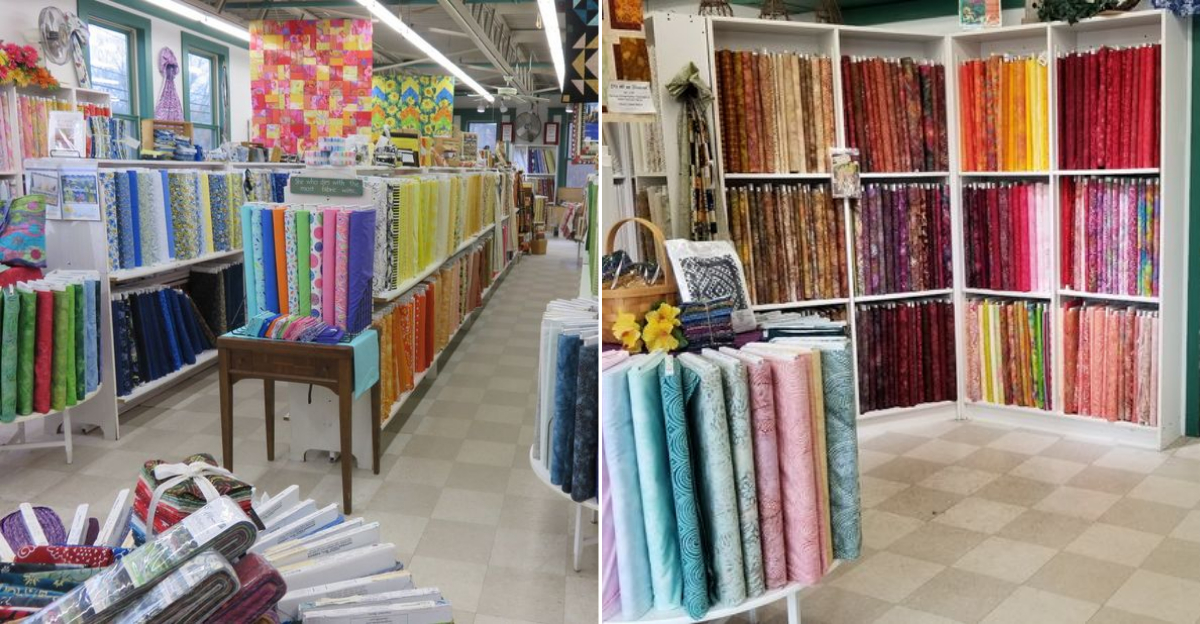
Floor to ceiling bolts of fabric in every color, pattern, and texture you could possibly dream up – the kind of selection that makes your project ideas start multiplying the second you walk in. Quilters, sewists, designers, hobbyists – everyone finds their thing here and usually way more of it than they planned on.
The staff actually knows their stuff which makes a bigger difference than people realize when you’re standing in an aisle completely overwhelmed by options.
Budget extra time, bring a list but don’t be surprised when you go completely off script, and maybe bring a bigger bag than you think you need.
1. Where To Find This Fabric Wonderland
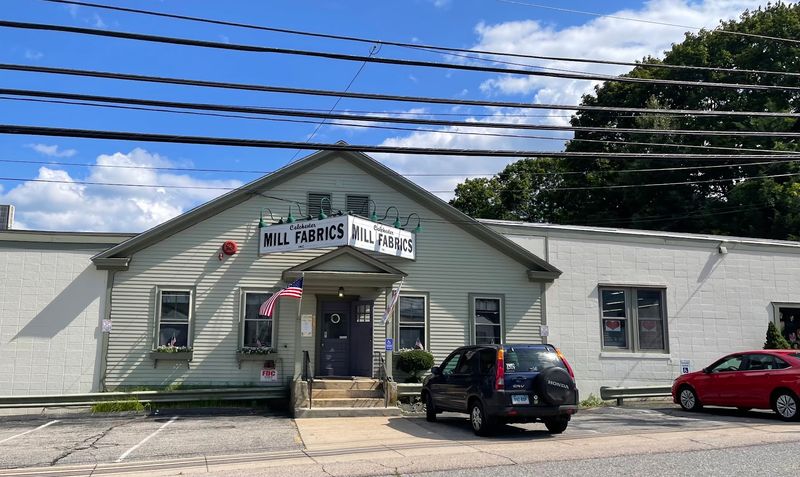
Getting to Colchester Mill Fabrics & Quilting is straightforward once you know where to look. From the outside, it has the look of a repainted factory, which makes the surprise of what waits inside all the more enjoyable for first-time visitors.
You’ll find the shop at 120 Lebanon Ave, Colchester, CT 06415, sitting just outside the main stretch of town in a building that once served an industrial purpose and now hums with creative energy instead.
Off-street parking is available at the location, which makes arriving by car relatively easy. The building is large enough to spot from the road, and the signage helps confirm you have found the right place.
Pulling out onto Lebanon Ave can feel a bit tight depending on traffic, so it helps to take your time when leaving.
The shop is open Monday through Sunday from 10 AM to 5 PM, which gives visitors a consistent window to plan around.
2. Why This Colchester Shop Feels Like A Fabric Wonderland
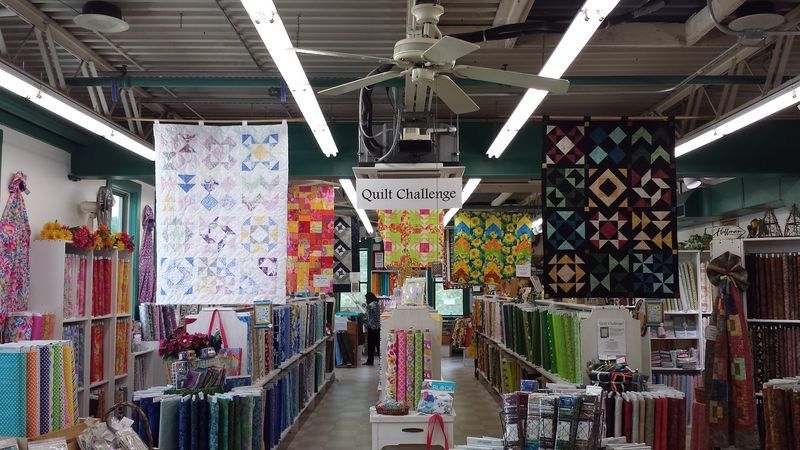
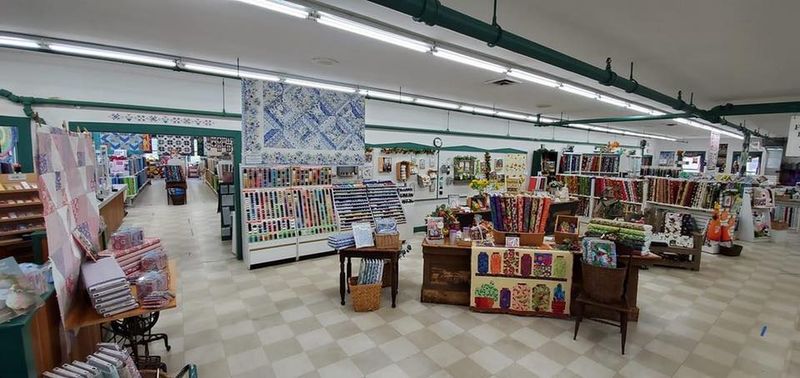
Walking into Colchester Mill Fabrics & Quilting for the first time tends to stop people in their tracks. The sheer scale of the space is unexpected, and the way fabrics are displayed across four distinct areas makes the whole store feel like a curated gallery rather than a warehouse.
Quilts hang at various heights, bolts of fabric are grouped thoughtfully by style and color, and finished project samples are placed throughout to spark ideas at every turn.
The building still carries traces of its industrial past, with high ceilings and open floor space that give the shop an airy, unhurried feel. That sense of room to breathe makes browsing genuinely comfortable, especially during busier weekend hours when shopping carts filled with fabric bolts move steadily through the aisles.
The displays are refreshed regularly, which means repeat visitors often find something new to notice even in familiar corners of the store.
Details matter here in a way that goes beyond just stocking shelves. Fabrics are arranged with an eye for how they interact visually, and finished examples of quilts and projects are placed nearby to help shoppers picture possibilities.
That combination of scale, organization, and visual storytelling is a big part of what earns the shop its wonderland reputation.
3. The Best Time To Browse Without Feeling Rushed
The shop opens at 10 AM every day of the week, and arriving close to opening tends to offer the most relaxed browsing conditions. Weekday mornings in particular tend to be quieter, which gives visitors more time to linger at cutting tables, flip through fabric collections, and ask questions without feeling like they are holding up a line.
Weekend afternoons can bring a livelier crowd, which has its own energy but also means cutting tables and staff attention may be shared more broadly. Shoppers who are planning to purchase larger quantities of fabric or who want guidance on a specific project may find a weekday visit more comfortable for that kind of focused interaction.
The store closes at 5 PM daily, so arriving at least an hour before closing allows enough time to cover the four main areas of the shop without rushing.
For those driving from out of state or making a longer trip of it, building in extra time is genuinely worthwhile. The store is large enough that a quick browse rarely does it justice, and many visitors report spending more time than expected once they start exploring the full range of what is available inside.
4. What Crafters Can Find Inside The Store
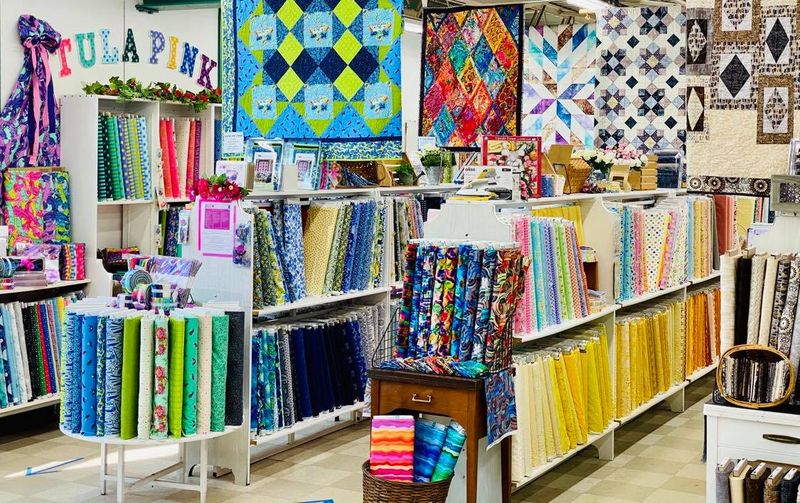
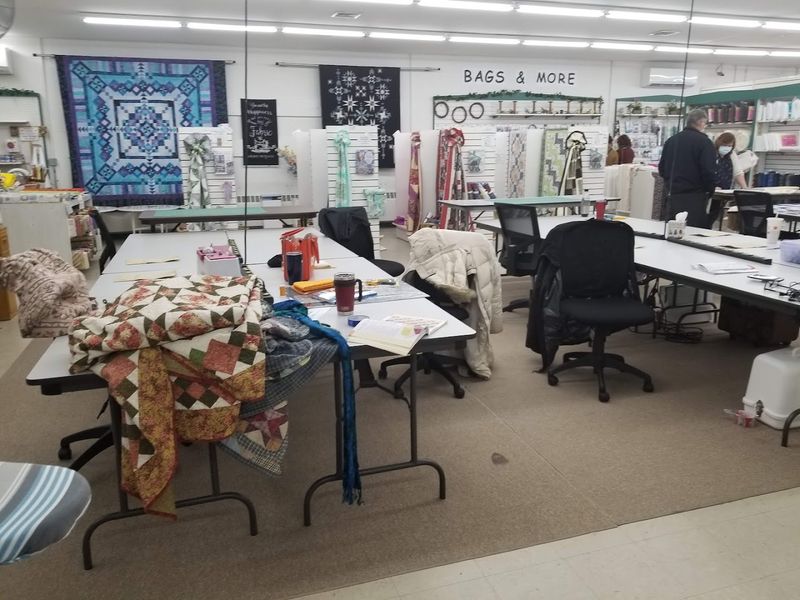
The layout of Colchester Mill Fabrics & Quilting is divided into four distinct areas, each serving a different corner of the fiber arts world. One section focuses on quilting fabrics, another covers novelty, flannel, and apparel fabrics, a third holds a spacious classroom area, and the fourth is dedicated to thread arts and other crafts including yarn.
That kind of variety under one roof is rare for a shop of this type and size.
Shoppers have found fabrics ranging from modern prints to traditional quilting patterns, alongside a selection of quilt backing fabrics, blenders, and novelty prints that cover a wide range of project styles. Buttons, thread, notions, and craft books round out the inventory, making it possible to arrive with a vague idea and leave with everything needed to start a project from scratch.
The store also carries patterns from a range of designers, which can be helpful for anyone looking for a new challenge.
Beyond the fabric itself, the store stocks supplies relevant to multiple fiber arts hobbies, including yarn and appropriate accessories for knitters and crocheters. The depth of inventory means most shoppers find what they came for and then discover several things they did not know they needed until they spotted them on the shelf.
5. Quilting Fabrics, Notions, Yarn, And More
Fabric selection is where Colchester Mill Fabrics & Quilting tends to earn the most praise from visiting crafters. The quilting fabric section alone carries an extensive range of prints, solids, and collections from well-known designers, and the bolts are organized in a way that makes comparison shopping feel intuitive rather than overwhelming.
Fat quarter bundles are also available and have been noted as particularly good value by shoppers who have made the trip from out of state.
Notions are stocked alongside the fabric sections, covering the practical tools that every sewing and quilting project requires. Thread in a wide range of colors, rotary cutters, rulers, batting, and binding supplies are among the items regularly available.
The store also carries quilt backing fabrics in wider widths, which can be harder to find in smaller shops and is a genuine draw for quilters working on larger projects.
The yarn section adds another dimension to the store for crafters who work across multiple fiber arts. It is not the primary focus of the shop, but it provides a meaningful selection for knitters and crocheters who want to pick up supplies alongside their fabric purchases.
The combination of quilting staples, sewing notions, and yarn makes a single trip to Colchester Mill genuinely productive for crafters with varied project lists.
6. Why Sewers And Quilters Love The Selection
Part of what keeps sewers and quilters returning to Colchester Mill Fabrics & Quilting is the breadth of the selection across different fabric styles and categories. The store carries both modern and traditional quilting fabrics, which means it serves a wide range of aesthetic preferences without leaning too far in one direction.
Shoppers who came in looking for a specific style have reported leaving with fabric for entirely different projects after spotting something unexpected on the shelves.
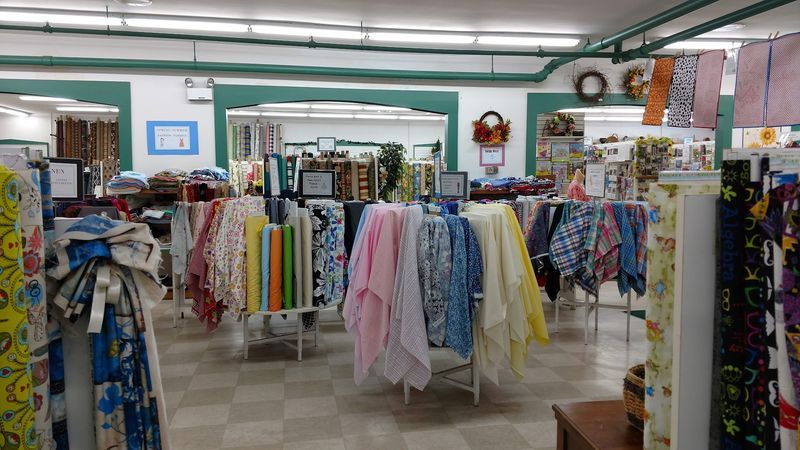
The apparel and novelty fabric section gives garment sewers a reason to visit alongside quilters, which is not always the case at shops that focus exclusively on quilting cotton. Flannel fabrics are also stocked, which is useful for makers working on cozy seasonal projects.
The cutting process uses scissors rather than a rotary cutter at the tables, so adding a few extra inches to any cut is a practical tip worth keeping in mind to account for squaring up later.
Fabric from specific designers, including specialty collections that can be difficult to source locally, has been found here both in-store and through the shop’s online ordering option. The online store ships quickly and at a flat rate, which has been a pleasant surprise for out-of-state shoppers who discovered the shop and wanted to reorder without making the drive again.
7. How Classes Make The Shop More Inspiring
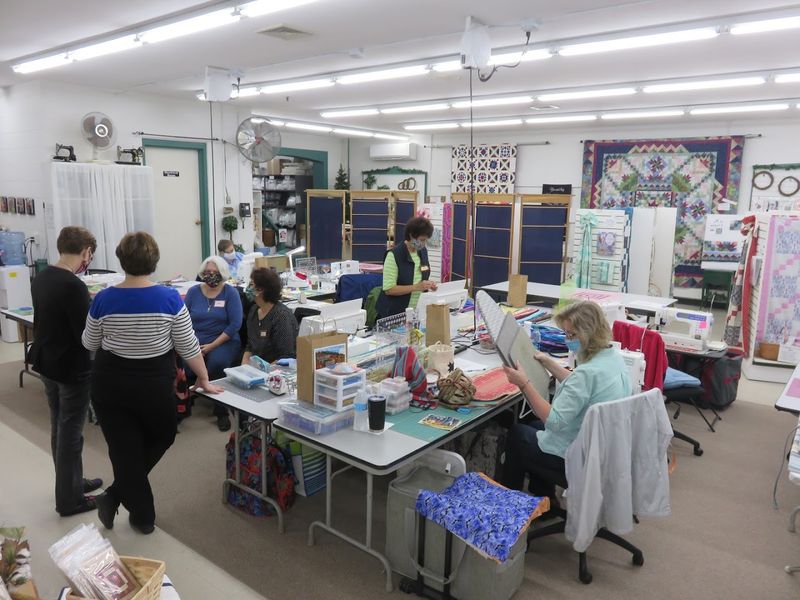
The classroom space at Colchester Mill Fabrics & Quilting is one of the features that sets it apart from shops that simply sell supplies. A dedicated teaching area takes up one of the four main sections of the building, and classes are offered regularly across a range of skill levels and project types.
Beginners who have never held a rotary cutter and experienced quilters looking to try a new technique both find options worth signing up for.
Past classes have covered projects like jelly roll rugs, quilting fundamentals, and specialty techniques that give crafters new skills to bring back to their home studios. The teaching staff tends to be knowledgeable and patient, creating an environment where questions are welcomed and the pace of learning feels comfortable rather than rushed.
For someone taking their first quilting class, the combination of a well-stocked store and a supportive teaching environment can be genuinely confidence-building.
The shop also hosts a monthly no-machine club, which offers a social crafting experience for those who prefer hand-work or simply enjoy the community aspect of gathering with other fiber arts enthusiasts. Classes fill up, so checking the schedule on the website and registering in advance is the most reliable way to secure a spot in a session that fits a planned visit.
8. A Look At Its Family-Owned History
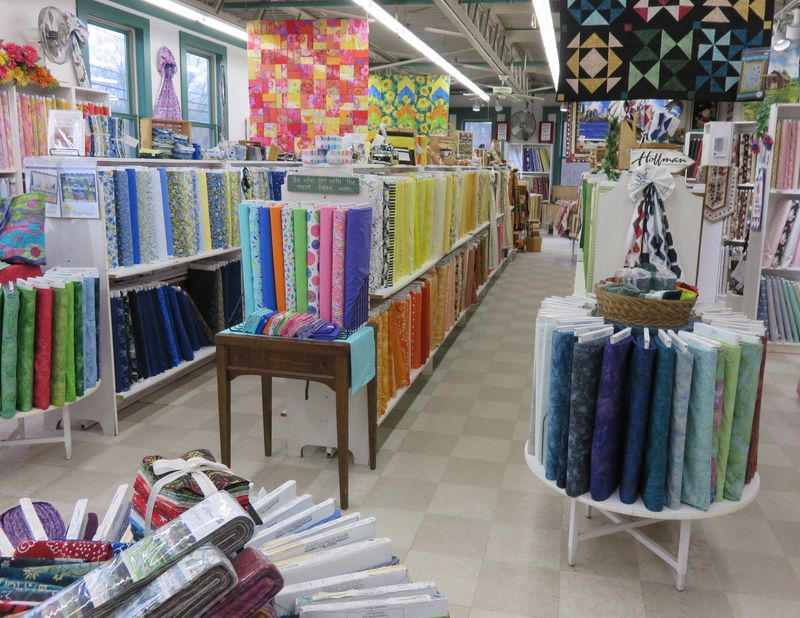
Colchester Mill Fabrics & Quilting has the unmistakable feel of a shop shaped by people who genuinely care about the craft. The staff’s knowledge, the thoughtful displays, and the welcoming atmosphere all suggest a place where creativity is taken seriously.
That kind of hands-on attention shapes the experience in ways that are hard to manufacture in a larger retail environment.
The building itself carries history in its bones, having started as an industrial space before being transformed into the sprawling creative hub it is today. The transformation reflects a clear vision for what a fabric shop can be when it is treated as a destination rather than just a retail transaction.
Displays are updated, the floor plan flows in a way that encourages exploration, and the overall aesthetic communicates a genuine investment in the shopping experience.
Long-time customers have noted that the store has evolved significantly over the years, with the merchandise selection, classroom programming, and overall presentation growing more refined with each visit. That kind of consistent improvement over time reflects a business that pays attention to what crafters need and how they like to shop.
The loyalty the store has built across its customer base reflects that commitment.
9. Tips For Planning Your First Visit
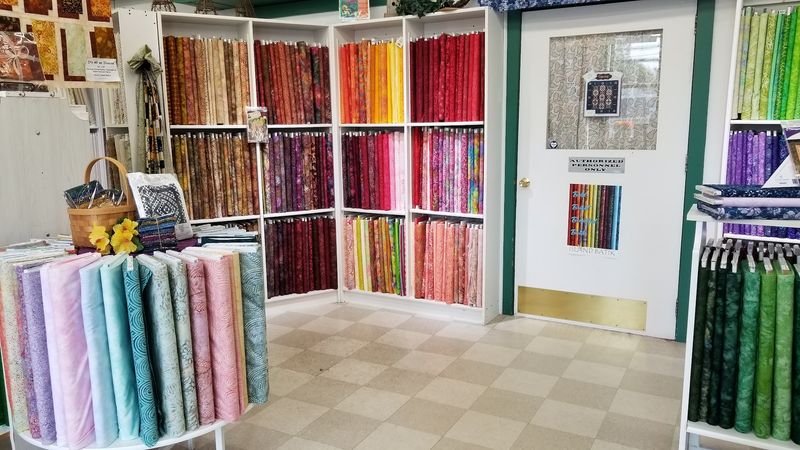
A first visit to Colchester Mill Fabrics & Quilting goes more smoothly with a little preparation. Arriving on a weekday morning gives the most unhurried experience, and checking the website before going helps confirm any class schedules or events that might affect the floor layout or staff availability.
The shop is open daily from 10 AM to 5 PM, so there is flexibility in planning, but giving the visit at least two hours is a practical minimum for a store this size.
Bringing a project list is genuinely useful, not because the selection is overwhelming in a stressful way, but because it is easy to get absorbed in browsing and forget the original mission. When purchasing cut fabric, adding a few extra inches beyond the exact requirement is a smart habit given that scissors are used at the cutting tables and some trimming may be needed to square up the final piece at home.
First-time shoppers are added to the store’s point-of-sale system when paying by card, which is standard procedure at the shop. Having a form of identification or being prepared to provide basic contact information at checkout keeps the process moving without surprise.
The punch card reward system is also worth asking about at the register, since it offers a straightforward way to earn value on repeat visits.