This Idaho Marsh Turns Purple Every Spring And Almost No One Talks About It
Spring in Idaho has a purple secret, and most drivers roll right past it like they have somewhere better to be.
Spoiler: they probably do not.
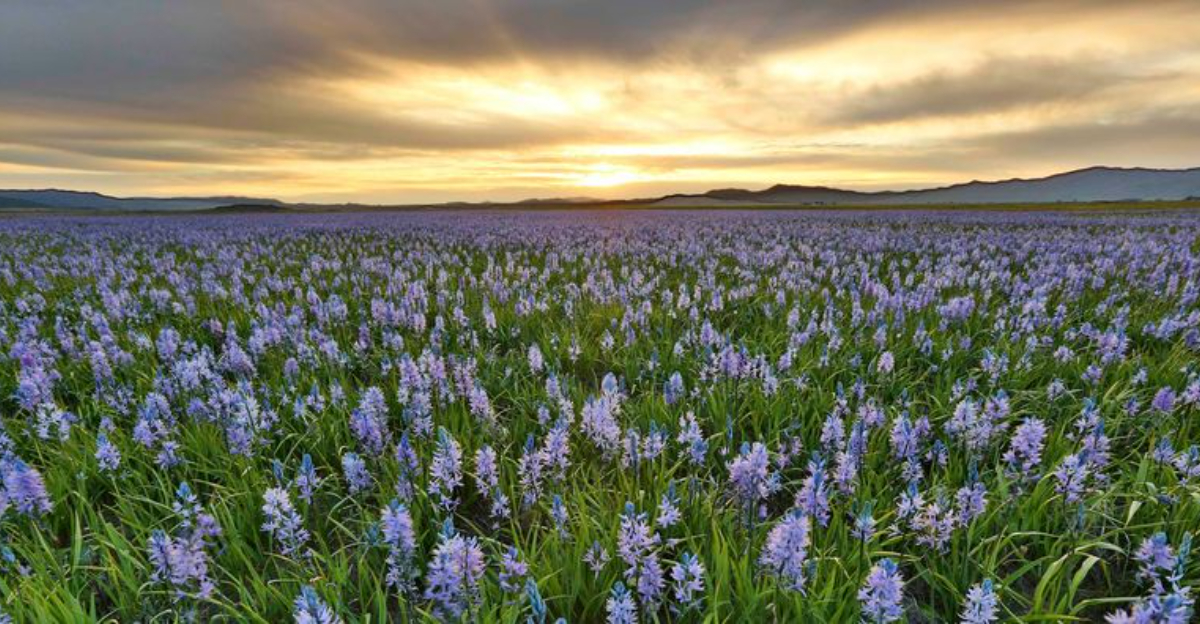
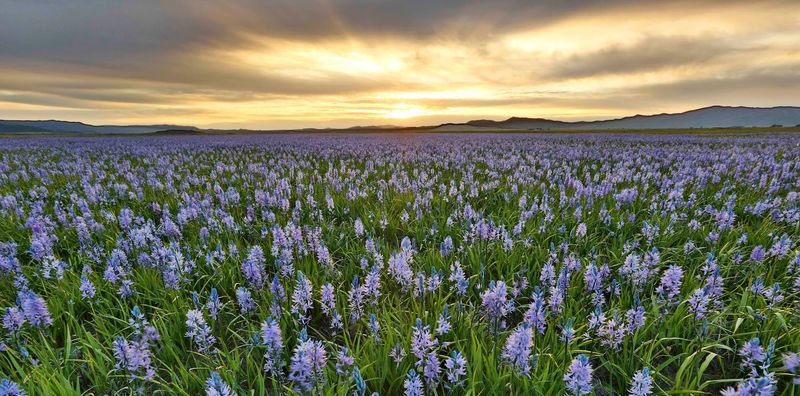
Near Fairfield, a quiet marsh turns into a full-blown camas bloom show, covering thousands of acres in blue-purple flowers that make the landscape look like it got dressed up for a very dramatic garden party.
Anyone who loves underrated natural wonders should put this one on the spring list before the flowers clock out and the highway goes back to pretending nothing spectacular happened.
The Purple Bloom That Stops You Cold
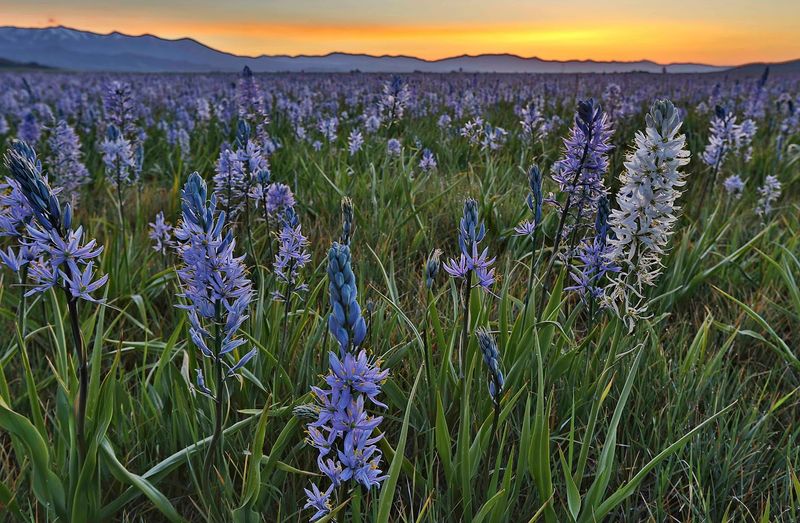
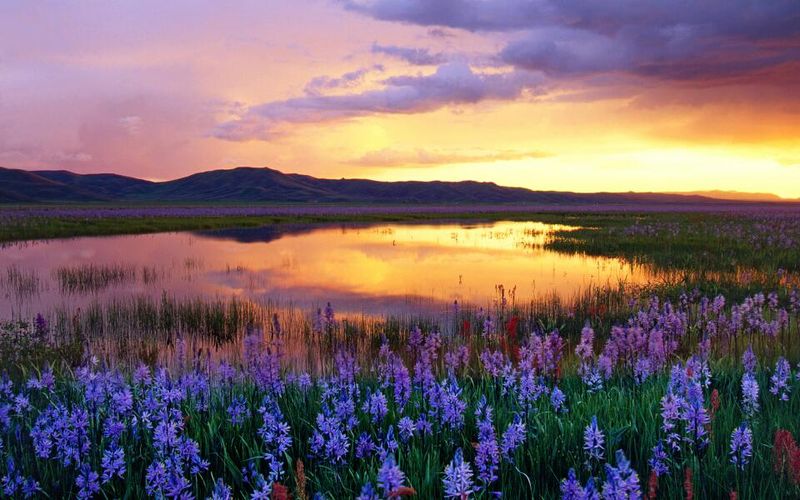
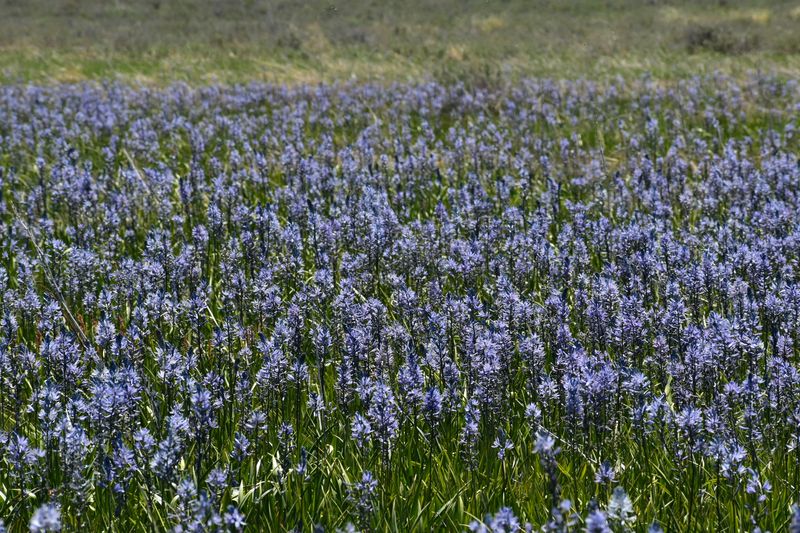
Purple does not arrive politely at Camas Prairie Centennial Marsh. It spreads across the wet meadow in waves, turning the landscape near Fairfield into something that looks more painted than real.
The star is camas, or Camassia quamash, a native wildflower with blue-violet blooms that can cover the marsh in late spring when moisture, snowmelt, and timing all cooperate. Visit South Idaho describes the 3,100-acre wildlife management area as a place where camas lilies bloom across the marsh in purple flowers, usually in late May or early June.
Idaho Fish and Game also notes that the greatest number of visits happen during that same late-May-to-early-June bloom period. This is not a manicured garden with labels and tidy borders.
It is a wild seasonal show, which makes it more thrilling and slightly risky to plan around. Some years look richer than others because water levels matter.
When the bloom is strong, the marsh feels like one of Idaho’s quiet miracles. Bring a camera, waterproof shoes, and enough patience to let the color unfold slowly instead of treating the stop like a roadside snapshot.
Why Late May Is The Magic Window
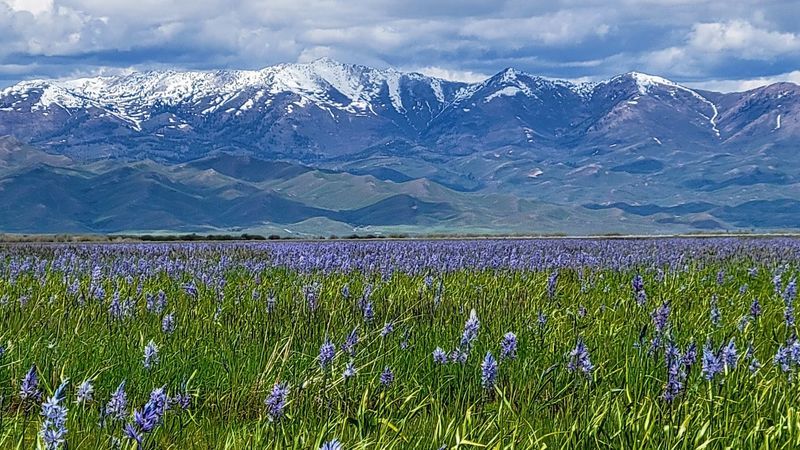
Timing decides everything at Camas Prairie Centennial Marsh, because the famous purple bloom does not wait around for anyone’s loose weekend plans. Idaho Fish and Game says most visits occur in late May to early June for the camas lily bloom, while Visit South Idaho gives the same general window and encourages visitors to plan around Fairfield’s Camas Lily Days during the first weekend in June.
That window exists because the marsh depends on spring moisture. Water spreads across the prairie early in the season, feeding the plants before the area begins drying later in summer.
A wet spring can make the bloom stronger or slightly later, while a drier year may leave visitors with fewer flowers than expected. That unpredictability is part of the deal with wild places.
Anyone driving a long distance should check recent local updates, Idaho Fish and Game information, or Fairfield-area reports before committing to the trip. Late May often offers the safest bet, with early June adding the bonus of community events.
Arrive in the morning if possible, when light feels softer, birds are active, and the marsh has not yet lost its cool spring mood.
Snow-Capped Mountains Make The View Unforgettable
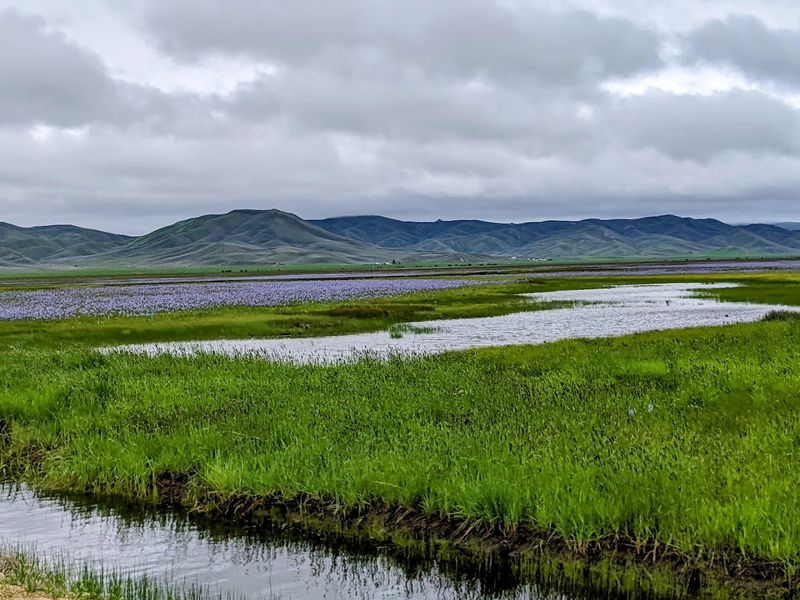
Mountain scenery turns the camas bloom from pretty into almost unfair. Camas Prairie sits near Fairfield in south-central Idaho, where the marsh spreads across open country with the Soldier Mountains and nearby highlands helping frame the view.
Visit Idaho describes the wildlife management area as a strong birding and wildlife-viewing stop, while Visit South Idaho focuses on the purple spring bloom that covers the marsh. Put those pieces together in late May, and the scene becomes pure Idaho drama: blue-purple flowers below, wide sky overhead, and lingering snow on higher peaks when the season cooperates.
Photographers love this kind of layered landscape because nothing feels crowded or overbuilt. A wide-angle lens helps capture the scale, but even a phone can do plenty if the light is right.
Early morning usually offers calmer water, softer color, and fewer people. Sunset can also be beautiful, though mosquitoes may decide they are part of the composition.
The best views come from moving slowly and watching how the marsh changes with each angle. Flowers bring the color, but the surrounding mountains give the bloom its sense of place.
Without that backdrop, the marsh would still be lovely; with it, the whole scene becomes unforgettable.
A History Rooted In Native American Culture
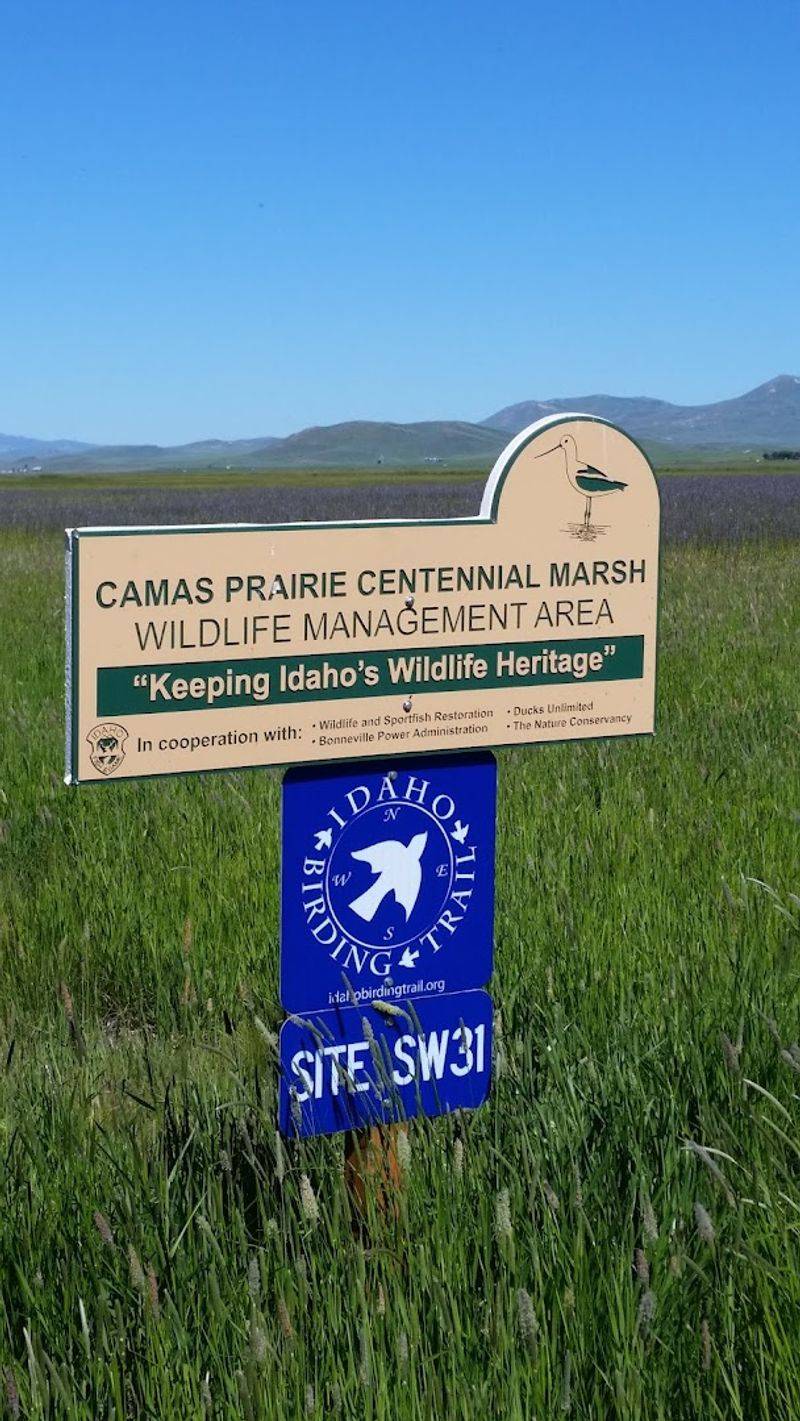
Camas carries much more meaning than a pretty spring photograph. The U.S.
Forest Service notes that Native Americans used camas extensively for medicinal purposes and as a staple food source, collecting large quantities of roots and using them to make bread. Visit South Idaho also highlights the native Shoshone-Bannock connection to Camas Prairie and points visitors toward Camas Lily Days, which honors the bloom and the region’s cultural history.
That context matters because the marsh is not just a scenic stop beside Highway 20. It is part of a much older food landscape, one tied to gathering traditions, seasonal movement, and Indigenous knowledge of plants.
Camas bulbs were valuable because they could be cooked and stored, making them an important part of life across parts of the Intermountain West. Visitors should treat the flowers with respect rather than stepping into the marsh for a better picture or picking blooms as souvenirs.
Stay on durable surfaces, avoid damaging plants, and read any posted signs carefully. The beauty here is living history, not decoration.
Seeing the bloom with that understanding makes the purple fields feel deeper, quieter, and far more powerful.
Birdwatching Here Is Seriously Impressive
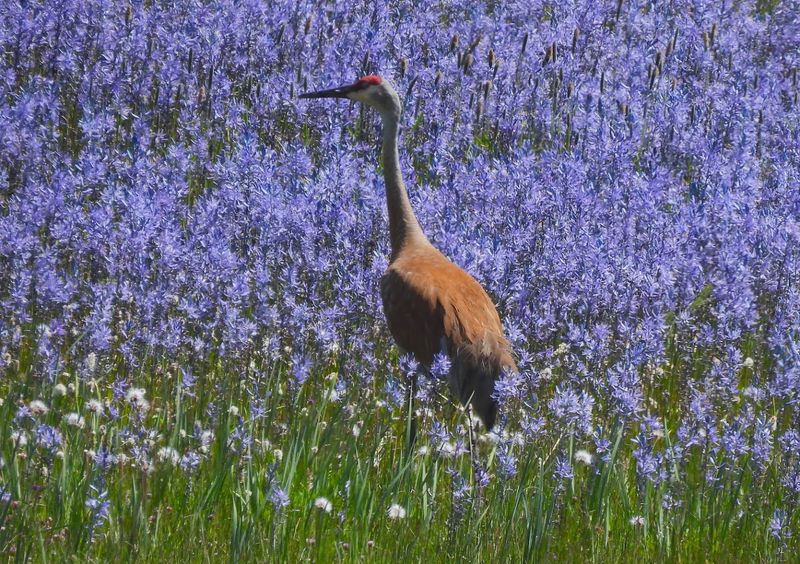
Birds make Camas Prairie Centennial Marsh worth visiting even when the flowers are not at peak drama. Visit Idaho says the wildlife management area offers countless opportunities for wildlife viewing and that thousands of waterfowl flock to the area throughout the year, with activity usually increasing in late May when the purple camas blooms.
Idaho Fish and Game also presents the site as a wildlife management area with easy county-road access and heavy late-spring visitation tied to the camas bloom. Spring visitors may see ducks, geese, shorebirds, raptors, swallows, and other marsh-loving species depending on water levels and timing.
Binoculars make a huge difference because much of the action happens across open water or in grasses where birds do not care about posing for phones. Early morning is usually best, especially for quieter viewing and better light.
Keep dogs leashed where allowed, give wildlife room, and avoid walking into sensitive wet areas. This place works beautifully for families, casual birders, photographers, and serious wildlife watchers because the marsh rewards all levels of attention.
Flowers may get the headlines, but the birds give the visit motion, sound, and surprise.
Getting There Without Getting Stuck
Gravel-road confidence helps at Camas Prairie Centennial Marsh, even though the trip is not especially complicated. Idaho Fish and Game says county roads provide easy access to the wildlife management area, and the marsh sits near Fairfield in south-central Idaho.
Visit South Idaho also identifies it as a Fairfield-area destination, which makes the town the most useful reference point for planning. Most visitors approach from U.S.
Highway 20, then use local roads into the marsh. Conditions can change with spring moisture, so standard cars may be fine in normal weather while soft shoulders, puddles, or muddy patches can become annoying after wet periods.
Large RVs and trailers are not ideal on narrow or crowded spur roads during peak bloom weekends. Arriving early helps with parking, calmer light, and fewer vehicles trying to squeeze into the same viewpoints.
A weekday visit is even better if the schedule allows. Cell service may be limited or inconsistent, so download maps before leaving Fairfield or a larger town.
Bring water, snacks, sunscreen, bug spray, and patience. This is a wildlife management area, not a polished tourist attraction, and that is exactly why it still feels special.
What To Expect Once You Arrive
Facilities at Camas Prairie Centennial Marsh are simple, which is part of the charm and part of the warning label. Idaho Fish and Game manages the site as a wildlife management area, not as a developed state park with a full visitor center, café, and paved scenic loop.
Expect open views, gravel or dirt access, wet ground in places, wildlife watching, wildflowers in season, and enough quiet to make the place feel bigger than the map suggests. Waterproof shoes or boots are smart in late May and early June because marsh conditions can be soggy.
Long pants may help with grasses and bugs. Bring drinking water, sun protection, insect repellent, and a camera with extra battery life.
A picnic can be lovely, but pack out everything. Posted signs and access rules matter here because the landscape is sensitive and the wildlife comes first.
Visitors looking for manicured paths or guaranteed blooms may be disappointed; people who enjoy wild seasonal places will understand the appeal immediately. The best experience comes from slowing down, watching birds, scanning the flower fields, and accepting that the marsh changes by day, year, light, and water level.
Camas Lily Days Celebration In Fairfield
The local community around Fairfield, Idaho, fully embraces the annual camas bloom with a festival that makes the whole experience even more memorable. Camas Lily Days is held every year on the first weekend of June, bringing together locals and visitors for a celebration of the region’s most iconic natural event.
The town comes alive with energy during this weekend in a way that feels genuinely warm and welcoming.
Fairfield sits roughly 15 miles north of the marsh and offers lodging, food, and other amenities that make an overnight stay very comfortable. One local spot frequently mentioned by visitors is Wrangler Drive In, a casual diner known for generous portions and milkshakes that have earned a loyal following.
Stopping there after a morning at the marsh is a popular tradition among regular visitors.
Planning a trip around Camas Lily Days means combining peak bloom timing with a festive small-town atmosphere that many travelers find just as rewarding as the flowers themselves. Hotels and rental accommodations in Fairfield fill up quickly around that first June weekend, so booking ahead is strongly recommended.
Why This Place Stays Beautifully Under The Radar
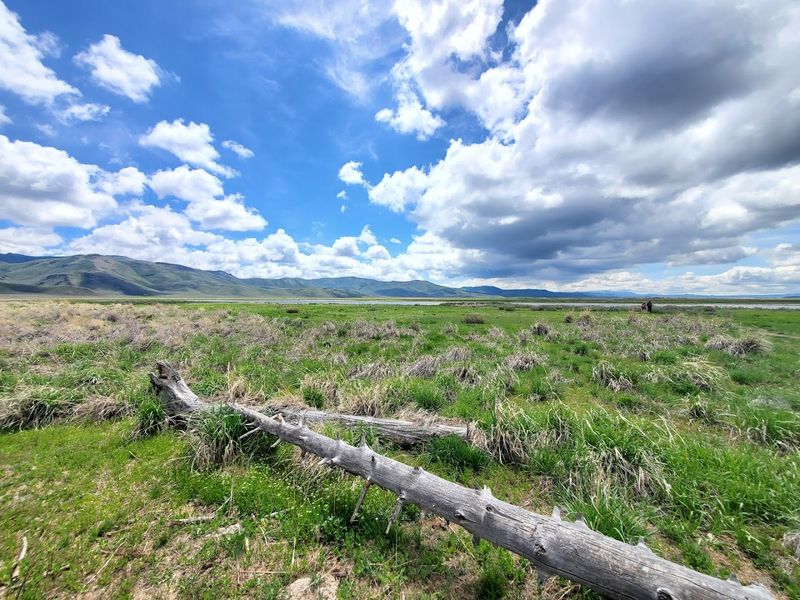
Part of what makes this marsh so special is exactly what keeps it from becoming overrun. As a wildlife management area rather than a national park or state tourist landmark, Camas Prairie Centennial Marsh does not show up on the typical Idaho road trip itinerary.
Idaho Fish and Game notes that thousands of people visit each year, but the numbers stay manageable enough that the experience still feels peaceful and personal.
No entrance fees, no gift shops, no guided tour buses. Just a gravel road, a breathtaking purple landscape, and the sound of thousands of birds calling across the water.
That simplicity is exactly what draws nature lovers, photographers, and birdwatchers back year after year.
Visitors who make the effort to find this place consistently describe it as one of the most beautiful and calming spots they have ever experienced in Idaho. The combination of wildflowers, wildlife, mountain scenery, and quiet solitude is genuinely rare.
Sharing it with a few friends rather than a crowd of strangers makes the whole experience feel like a personal discovery worth treasuring.