This North Carolina Wildlife Center Lets Visitors See Lemurs Up Close In A Way Few Places Can
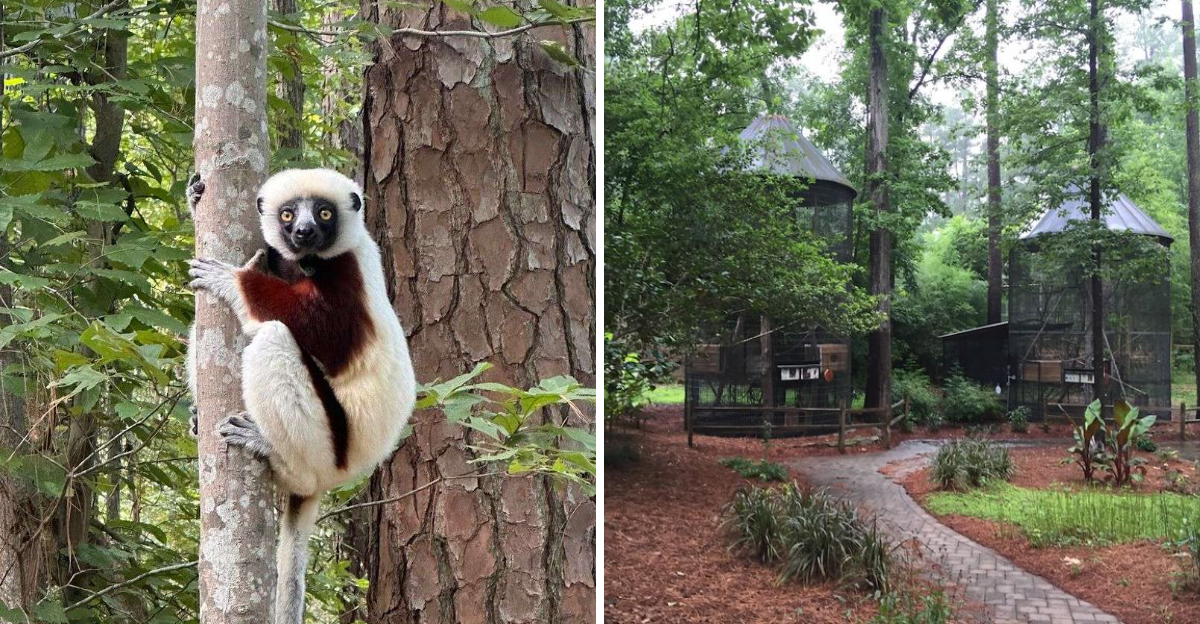
Lemurs have the face of an animal that knows a secret and refuses to explain it.
In Durham, North Carolina, this wildlife experience skips the usual zoo routine and goes straight for the “wait, are we in a nature documentary?” feeling.
Forested habitats make the visit feel wonderfully immersive, while guided tours bring visitors close to some of the world’s most endangered primates without turning the whole thing into a circus.
Duke Lemur Center delivers the rare kind of animal encounter where curiosity gets louder, phones fill up fast, and at least one lemur looks like it is silently reviewing your life choices.
Walking With Lemurs Tour
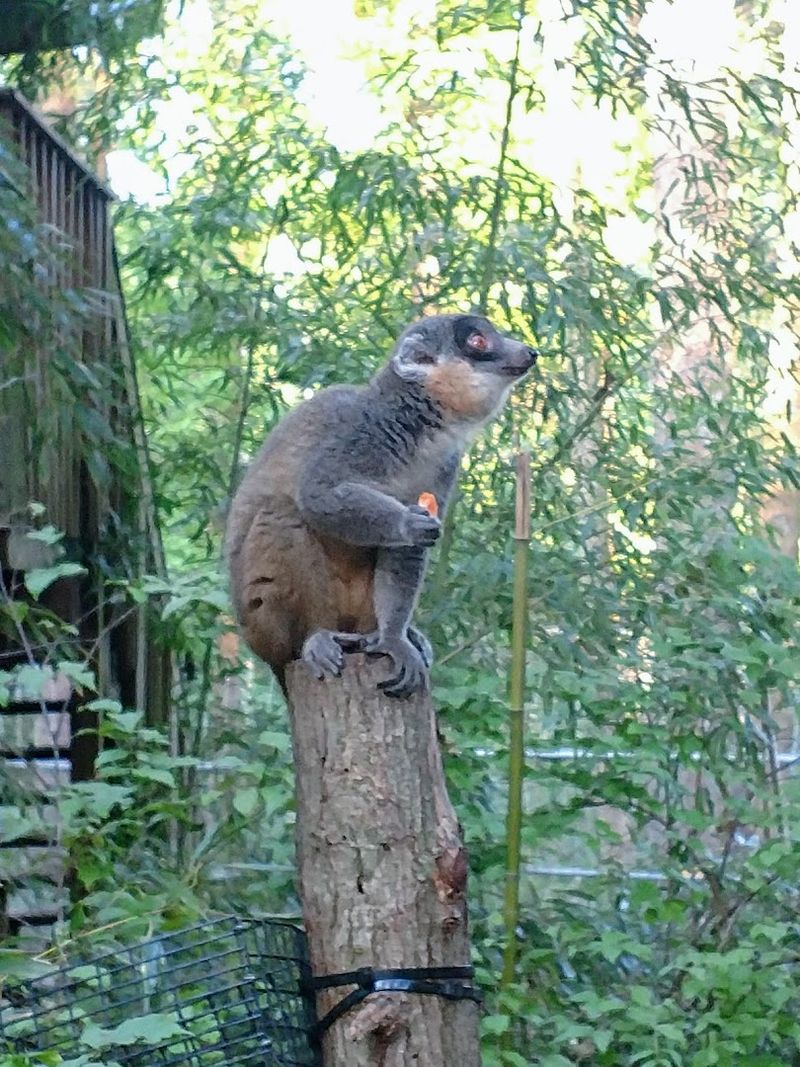
Forested paths bring visitors unusually close to lemurs on the Walking with Lemurs Tour, which is the Duke Lemur Center’s most immersive public experience. Small guided groups enter the Natural Habitat Enclosures, where lemurs can leap, forage, snack, snooze, and move freely through large wooded spaces.
Guests may view them from about six feet away with no fencing between their eyes or camera lens and the animals, though the lemurs choose where they go and what they do. That unpredictability is part of the magic.
One animal might lounge on the forest floor, while another forages high overhead like it has somewhere important to be. This tour runs mainly May through September, with some off-season dates when weather permits, and participants must be at least 10 years old.
It is not a petting experience, and touching is never allowed, which keeps the encounter respectful. Instead of feeling staged, the tour works because visitors see natural behaviors in a forested setting.
For anyone who wants the “nature documentary” version of a North Carolina animal outing, this is the ticket to watch first. The center is at 3705 Erwin Road, Durham, NC 27705.
Behind The Scenes Tour
Behind-the-scenes access gives curious visitors a deeper look at how Duke Lemur Center actually cares for its animals. This two-hour premium tour is designed for guests ages 10 and older, with afternoon tours typically offered several days each week at 1:30 p.m.
Morning Behind the Scenes tours are usually an off-season option from October through April. The afternoon version is especially valuable for guests hoping to see nocturnal species, because it often includes mouse lemurs and aye-ayes, the largest nocturnal primates in the world.
No tour can guarantee every animal moment, since staff adjust around husbandry needs, animal welfare, and weather, but that flexibility is what makes the visit feel real. Guests may see enrichment, feeding routines, indoor habitats, or other care areas usually outside the standard public path.
Barriers may appear in some behind-the-scenes spaces, so this is not always the best tour for perfect photos. Its strength is context.
Guides explain behavior, care routines, conservation work, and the daily decisions behind keeping more than 200 animals healthy. Closed-toed shoes are required, and advance reservations matter.
This tour feels less like sightseeing and more like being let into the careful machinery behind the magic.
World’s Most Diverse Lemur Population Outside Madagascar
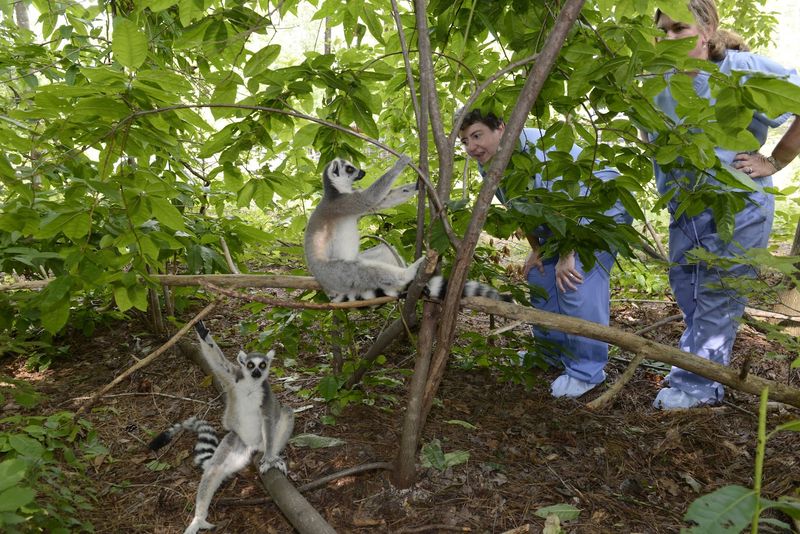
Conservation weight gives Duke Lemur Center its real importance beyond cute faces and camera-worthy leaps. Founded in 1966, the center is widely described as home to the world’s most diverse population of lemurs outside Madagascar, with more than 200 lemurs and bush babies across 13 species.
Lemurs naturally live only in Madagascar, where many species face severe threats from habitat loss and other human pressures. Seeing several species in Durham can feel surprising at first, but the center’s purpose is not novelty.
Its work centers on non-invasive research, education, conservation, and careful animal care. That means visitors are not just walking through another animal attraction.
They are entering a place built around long-term scientific understanding and species protection. Variety also makes the tours richer.
Ring-tailed lemurs, sifakas, ruffed lemurs, mouse lemurs, aye-ayes, and other residents show different body shapes, behaviors, social patterns, and personalities. Guides help turn those differences into stories visitors can actually understand.
The result is a rare North Carolina experience with global significance. A Durham visit can suddenly make Madagascar’s wildlife crisis feel much closer, more urgent, and much harder to ignore.
The Nocturnal Lemur Habitat
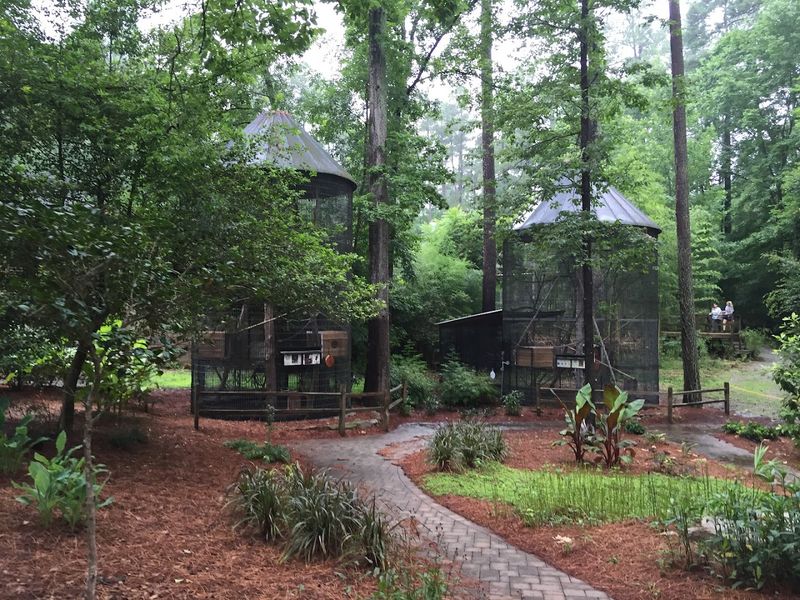
Dim rooms make the nocturnal lemur experience feel wonderfully secretive, almost like the animals agreed to meet visitors after hours on their own terms. Duke Lemur Center’s Behind the Scenes materials note that afternoon tours often focus partly on nocturnal species, including mouse lemurs and aye-ayes.
Mouse lemurs are among the center’s smallest residents, while aye-ayes are described by the center as the largest nocturnal primates in the world. Those two extremes alone make this part of the visit memorable.
Aye-ayes tend to fascinate visitors because their long fingers, huge eyes, and unusual feeding adaptations look unlike anything most people have seen in person. Guides also help explain why low light, quiet behavior, and strict rules matter around sensitive nocturnal animals.
This is not a place for flashlights, loud voices, or trying to force a dramatic moment. The best part is watching carefully and letting the animals’ habits become the spectacle.
Since nocturnal access depends on the specific tour and daily animal-care needs, guests should book the Afternoon Behind the Scenes Tour if aye-ayes are a priority. For wildlife lovers, this section adds mystery and scientific wonder to the day.
General Tour For Families And First-Time Visitors
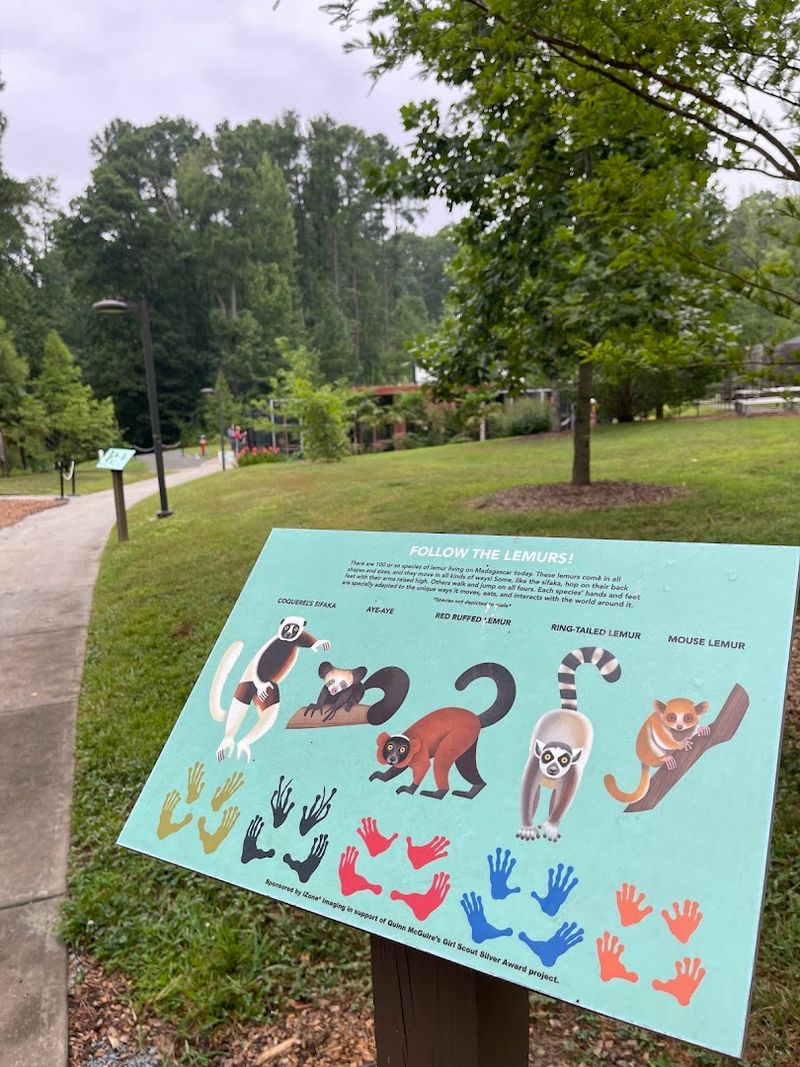
Budget-friendly and surprisingly rich in detail, the self-guided tour at the Duke Lemur Center is a wonderful option for visitors who prefer exploring at their own pace. Volunteers are stationed throughout the grounds, ready to answer questions, share fascinating facts, and make sure both guests and animals stay comfortable.
One reviewer described the informational signs as visually pleasing and genuinely educational, the kind you actually stop to read.
The mongoose lemurs and crowned lemurs are particular favorites along the self-guided route, with their sweet faces and affectionate grooming habits drawing plenty of admiring comments. Tickets are still purchased online in advance, so spontaneous drop-ins are not an option.
The center, located at 3705 Erwin Road in Durham, keeps its grounds tidy and welcoming, creating a relaxed atmosphere that suits families, couples, and solo visitors equally well.
Even without a dedicated guide, the experience feels personal and engaging thanks to the enthusiastic volunteers. North Carolina has no shortage of interesting places to spend an afternoon, but few offer this kind of meaningful interaction with endangered wildlife.
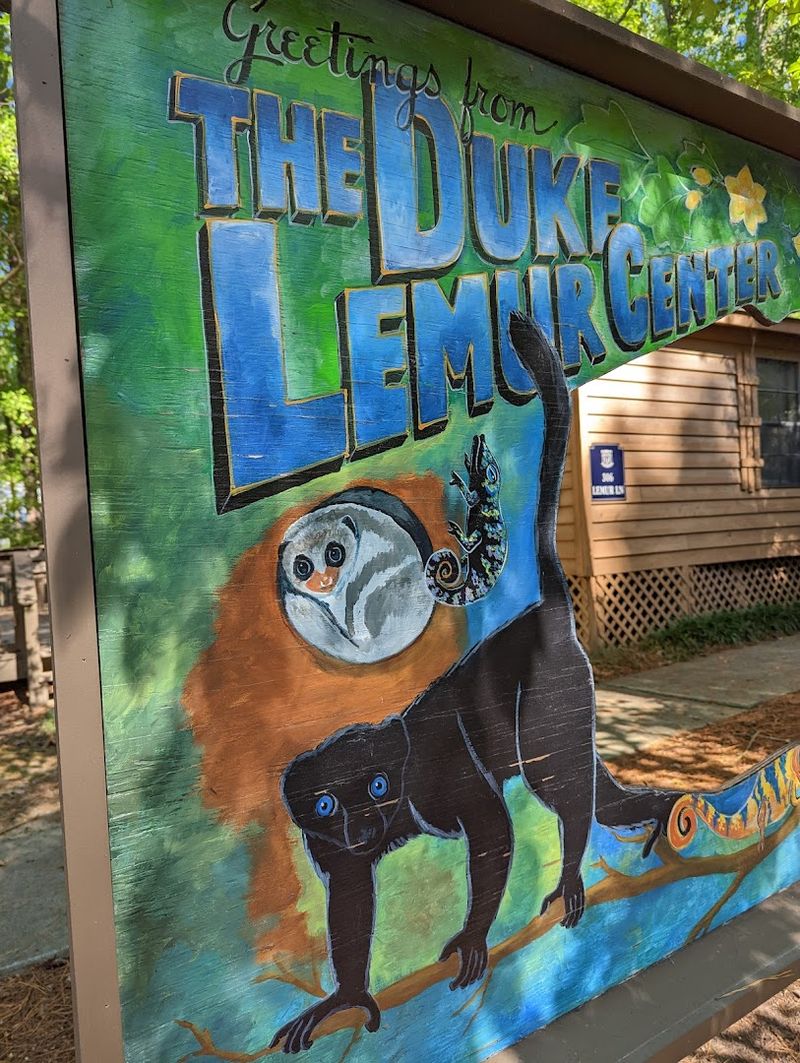
Wrapping up the walk with a browse through the gift shop is a tradition most visitors happily embrace.
The Gift Shop And Visitor Center
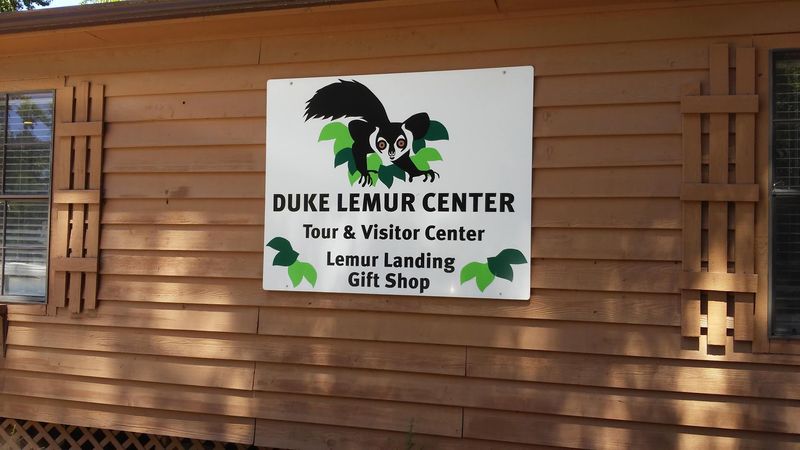
Souvenirs feel more meaningful at Duke Lemur Center because purchases help support the animals and the center’s education work. The official tours page says onsite and online gift shop purchases help fund the Education Department, lemur care, housing, veterinary supplies, and conservation initiatives.
That gives even a stuffed lemur or shirt a little more purpose than the usual “I survived the gift shop” purchase. Merchandise includes cuddly lemur toys, including sifaka and aye-aye items made exclusively for the center, apparel, paintings by lemurs, native Malagasy products, and other giftable pieces.
Guests may visit the onsite gift shop during open hours, but seeing lemurs still requires a prepaid tour reservation. That distinction matters for planning.
Someone can browse merchandise separately, but the animal experience is always controlled through scheduled tours for the welfare of the lemurs and the safety of visitors. The gift shop works well as a final stop because it extends the conservation message beyond the trail.
Children can leave with a plush reminder, adults can pick up a more thoughtful item, and everyone can feel like the purchase connects back to care, research, and Madagascar-focused conservation.
Conservation And Research Mission

Science runs underneath every adorable lemur moment at Duke Lemur Center. The institution is not simply a place to look at animals; it is a non-invasive research center built to advance understanding of prosimian primates while supporting conservation and education.
Its tour materials explain how indoor and outdoor housing areas are designed for physical and mental health, with connected spaces, privacy options, enrichment, and flexibility that helps animal-care teams manage breeding groups and new mothers. Non-invasive research benefits from those spaces because staff can temporarily separate areas without harming or stressing animals.
Enrichment also matters, since re-branched enclosures and varied activities encourage natural behaviors such as foraging. Visitors may arrive for lemur photos, but guides often send them home with a deeper understanding of Madagascar’s conservation challenges and the work required to keep endangered species thriving.
This mission is what separates the center from a standard wildlife stop. Every tour depends on animal welfare first, even when that means a lemur chooses not to perform for the crowd.
For thoughtful visitors, that honesty makes the experience better. It shows the center values the animals as living beings, not props with striped tails.
Planning Your Visit

Getting the most out of a trip to the Duke Lemur Center starts with a little advance planning. The Lemur Landing Gift Shop is open Wednesday through Monday from 10 a.m. to 4 p.m., but lemur viewing is available only through prepaid tours, and tour times vary by season and tour type.
All tours require online reservations, and popular options like Walking with Lemurs sell out quickly, especially during peak seasons. As of 2026, April and May tour dates are actively on sale, so booking early is the smartest move.
The address is 3705 Erwin Road, Durham, NC 27705, and GPS navigation is generally reliable, though the road narrows to a single lane near a sharp turn close to the maintenance building. Drivers should slow down and stay alert in that stretch.
Parking on site is plentiful, which takes one logistical worry off the table entirely.
Wearing comfortable, weather-appropriate clothing is strongly recommended since most of the experience takes place outdoors on natural trails. Water bottles are not permitted inside the lemur enclosures, but the trails are shaded and manageable for most visitors.
Calling ahead at +1 919-401-7240 or visiting lemur.duke.edu can help answer any specific questions before the big day arrives.