10 California Walking Trails That Feel Peaceful Even On Busy Weekends
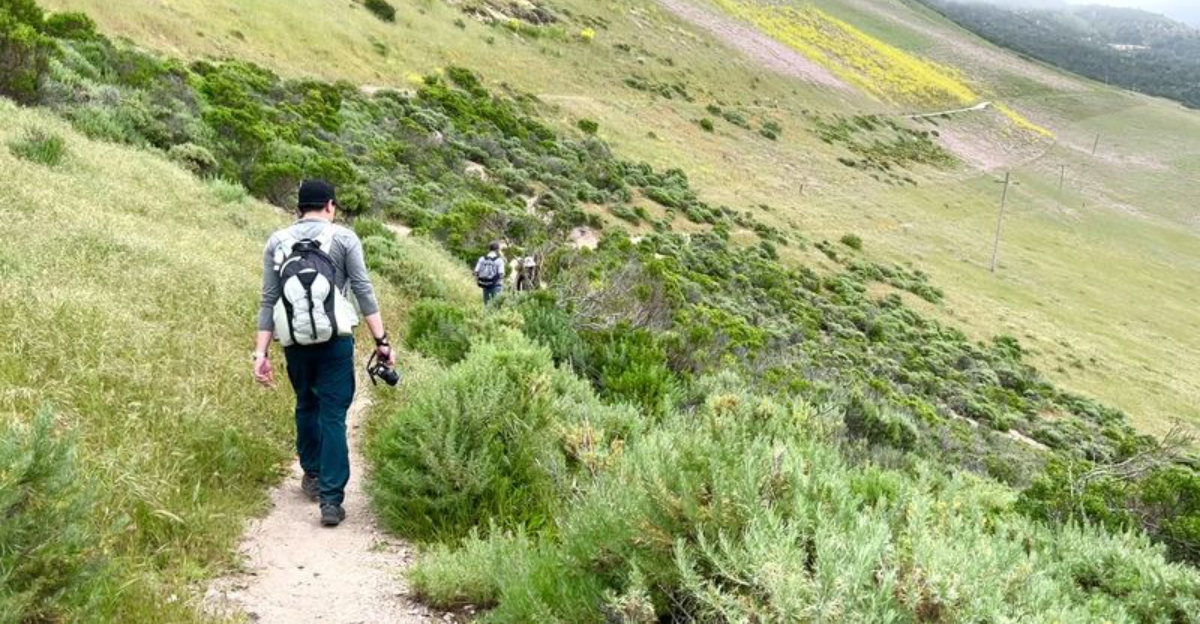
A peaceful walk feels extra satisfying when everyone else seems to be rushing somewhere. Footsteps soften. Trees take over. Noise starts losing the argument.
A weekend walk can feel quieter than the calendar says it should in California.
A good trail gives people space to breathe without making the day feel like a workout. Birdsong replaces traffic and views show up without demanding a steep climb.
Families, solo walkers, and slow wanderers all get room to move at their own pace.
Peace does not always mean empty, sometimes it means finding a trail where the crowd spreads out and the whole walk feels softer than expected.
1. Fiscalini Ranch Preserve, Cambria
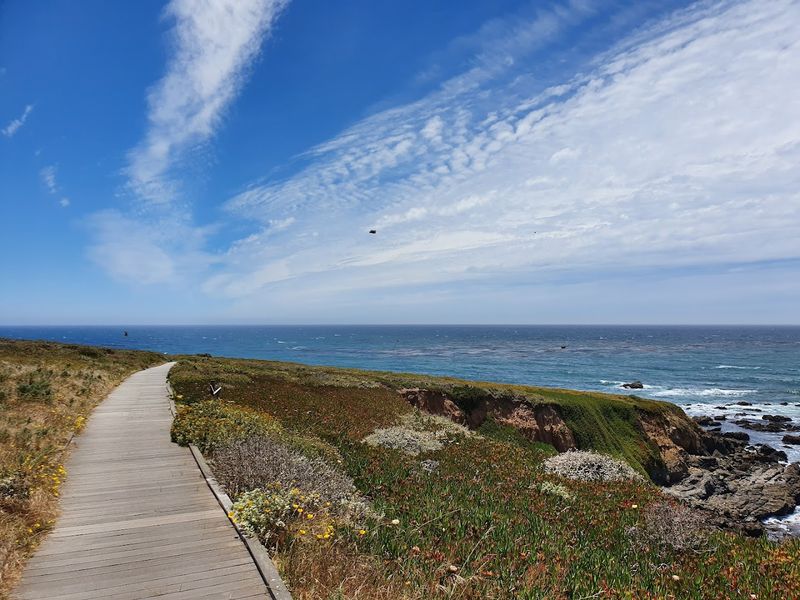
Sitting above the Pacific on marine terraces that stretch toward the horizon, the Fiscalini Ranch Preserve in Cambria offers a kind of quiet that feels almost rare for a coastal trail on a weekend.
The path along the bluffs winds through Monterey pine forest and open grassland, offering wide views of the ocean without the shoulder-to-shoulder crowds found at more popular coastal parks.
The preserve covers around 430 acres and is managed as a community land trust, which helps keep commercial development and heavy foot traffic at bay.
Trails here are well-maintained and mostly flat, making them accessible for a wide range of ages and fitness levels.
Morning visits tend to feel especially calm, with low fog drifting over the water and very little sound beyond birds and wind.
Dogs are welcome on leash along many of the trails, and the loop options allow visitors to customize how long they spend exploring.
The town of Cambria sits just minutes away, so combining a trail walk with a stop at a local bakery or coffee shop makes for a comfortable and unhurried day trip along the Central Coast.
2. Bodega Head Trail, Bodega Bay
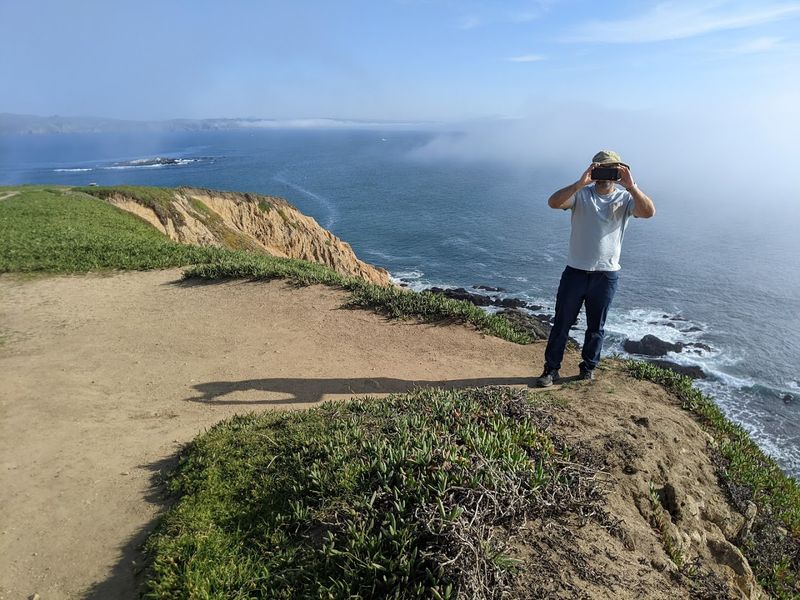
Perched at the tip of a rocky peninsula north of San Francisco, Bodega Head offers one of the most dramatic coastal walks in Sonoma County.
The loop trail runs about 1.5 miles and circles the headland, delivering sweeping views of the open Pacific, Bodega Harbor, and on clear days, distant sea stacks rising from the water.
Despite its stunning scenery, the trail rarely feels overwhelmed even on weekends.
Part of what keeps Bodega Head manageable is its location along the Sonoma Coast, which sits far enough from major urban centers to filter out casual day-trippers.
The terrain is open and windswept, with low coastal scrub lining the path and benches placed at viewpoints where visitors can simply sit and watch the waves crash far below.
The parking area at the trailhead can fill up on sunny weekend afternoons, so arriving before 10 a.m. tends to make a noticeable difference.
The trail surface is mostly packed dirt and gravel, and while some sections near the cliffs require attention to footing, the overall walk is manageable for most people with basic fitness.
3. Purisima Creek Redwoods Preserve, Half Moon Bay Area
Tucked into the Santa Cruz Mountains between the coast and Silicon Valley, Purisima Creek Redwoods Open Space Preserve offers a forest experience that feels far removed from the suburban bustle just a short drive away.
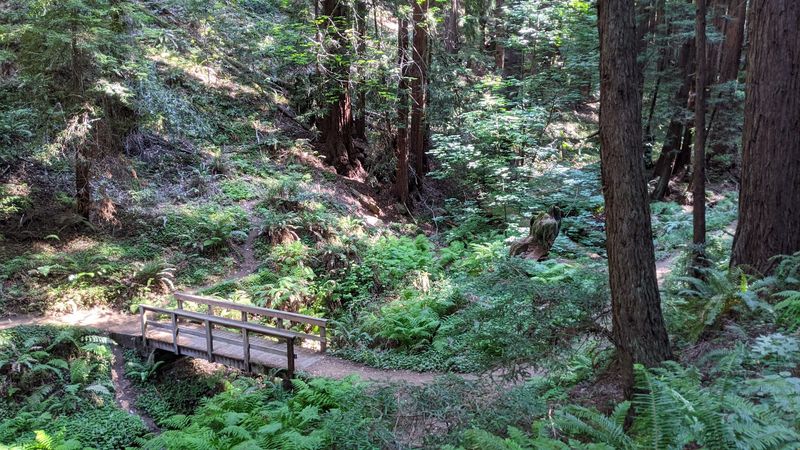
The trails here wind through second-growth redwood groves, past fern-covered creek banks, and along ridgelines with views toward the ocean on clear days.
The multiple trailheads and entry points mean that foot traffic spreads out across the preserve rather than funneling everyone into one corridor.
The Purisima Creek Trail itself follows the creek through a cool, shaded canyon that stays refreshingly dim even on warm summer afternoons.
The sound of water running over rocks replaces the ambient noise of everyday life, and the forest canopy filters the light into soft, shifting patterns on the trail floor.
Redwoods here reach impressive heights, and the understory of sword ferns and sorrel gives the landscape a layered, lush quality.
The preserve is managed by the Midpeninsula Regional Open Space District and is free to enter.
Trail distances range from short loops to longer out-and-back routes, and the varied options make it easy to match the walk to available time and energy.
4. Idyllwild Nature Center Trails, Idyllwild
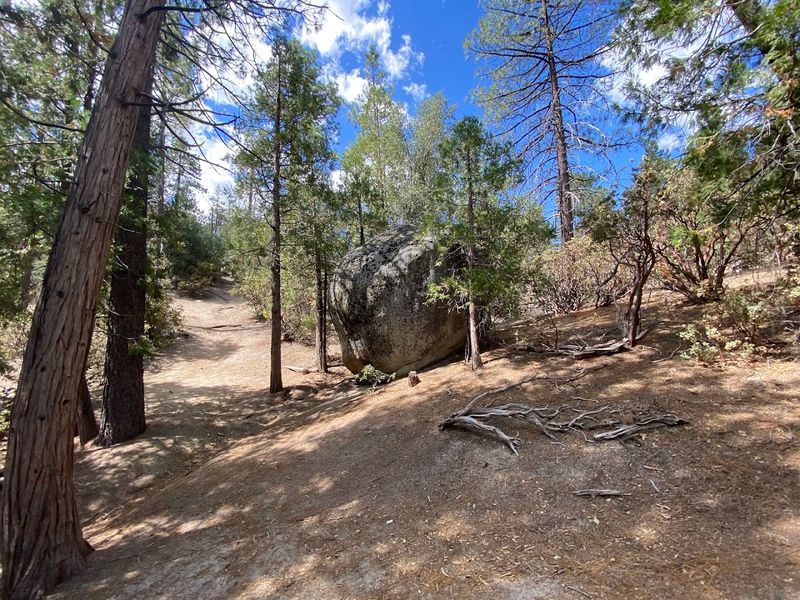
Nestled in the San Jacinto Mountains above the Coachella Valley, the small mountain town of Idyllwild sits at around 5,400 feet elevation and carries the kind of unhurried atmosphere that feels increasingly rare in Southern California.
The Idyllwild Nature Center offers a network of gentle trails winding through pine and cedar forest, with interpretive signs explaining the local ecosystem and wildlife.
The setting feels genuinely calm, even when the town itself sees weekend visitors.
The nature center trails are relatively short and well-marked, making them ideal for families with younger children or anyone looking for a low-pressure introduction to mountain walking.
The forest floor is carpeted with pine needles, and the air carries a clean, resinous scent that distinguishes these trails from coastal or desert walks elsewhere in the state.
Woodpeckers, stellar jays, and the occasional mule deer are common sights along the way.
Hours and seasonal access can vary, so checking ahead before visiting is a reasonable step.
The surrounding San Bernardino National Forest offers additional trail options for those wanting to extend their time in the mountains beyond the nature center’s boundaries.
5. Laguna Coast Wilderness Park, Laguna Beach
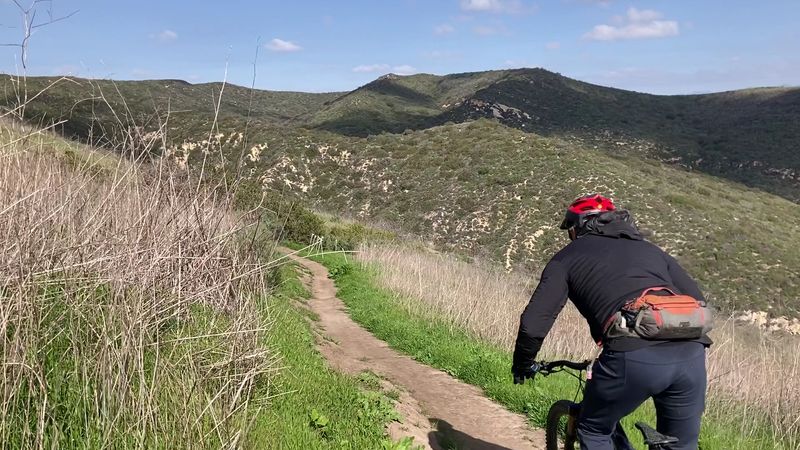
Just inland from one of Southern California’s most visited beach towns, Laguna Coast Wilderness Park protects more than 7,000 acres of coastal sage scrub, oak woodland, and seasonal streams.
The park offers a surprising escape from the crowds that pack Laguna Beach’s shoreline on weekends, and the trails here tend to feel noticeably quieter than the parking lots just a mile or two away suggest they should.
The landscape shifts depending on the season, with wildflowers appearing across the hillsides in spring and the golden grasses of late summer giving the canyons a warm, amber glow.
Trails range from easy canyon walks to more moderate ridge climbs, and the network is extensive enough that two visits rarely feel identical.
The Nix Nature Center near the main entrance provides trail maps and basic information about the park’s wildlife and plant life.
Coastal views from the higher ridgelines are a genuine reward for those willing to climb, and the light in the late afternoon turns the hillsides a particularly warm shade of orange.
6. Salt Point Trail, Salt Point State Park
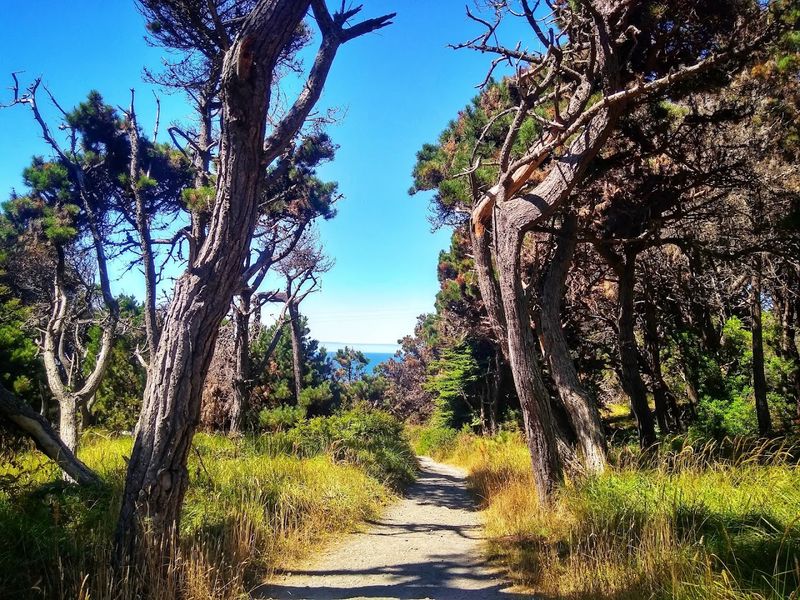
Along the Sonoma Coast about 90 miles north of San Francisco, Salt Point State Park protects a stretch of coastline known for its otherworldly tafoni sandstone formations, which are honeycombed rocks carved by centuries of wind and salt spray.
The trails here wind along the headlands above tide pools and rocky coves, offering a walking experience that feels more like exploring a geological curiosity than following a standard nature path.
The textures and shapes of the rock formations alone make the walk feel genuinely distinctive.
The park covers over 6,000 acres and includes both coastal and forested terrain, which means the visitor load gets distributed across a large area rather than concentrating in one spot.
Pygmy forest sections, where unusually acidic soil stunts the growth of trees into miniature forms, add another layer of ecological interest to the longer trail options.
Abalone diving was historically a major draw here, though recreational take has been suspended in recent years to allow populations to recover.
Weekend visits to Salt Point tend to feel manageable because the park’s distance from major population centers naturally limits casual drop-in traffic.
The coastal trail sections are mostly moderate in difficulty, with some uneven terrain near the water that requires attentive footing.
7. San Elijo Lagoon Trails, Encinitas
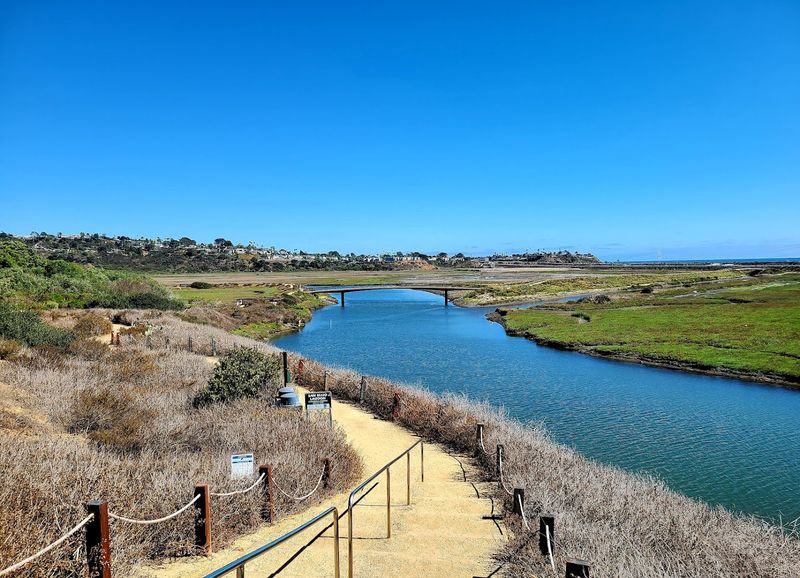
Sandwiched between the communities of Encinitas and Solana Beach just north of San Diego, San Elijo Lagoon Ecological Reserve protects one of the largest remaining coastal wetlands in Southern California.
The trail network here covers about 7 miles of interconnected paths that wind through coastal sage scrub, riparian habitat, and along the lagoon’s open water edges.
The reserve sits close to dense residential neighborhoods, yet the trails carry a surprisingly peaceful quality once visitors move away from the road crossings.
The lagoon supports a rich array of birdlife, with herons, egrets, osprey, and migratory shorebirds among the species commonly seen throughout the year.
The flat terrain and well-marked trail junctions make navigation straightforward, and the multiple access points allow visitors to choose shorter or longer routes depending on how much time is available.
Morning light over the water has a particularly warm, reflective quality that makes early visits feel especially rewarding.
Parking at the nature center is limited, so weekday visits or early weekend arrivals tend to result in a smoother experience. The reserve is free to enter, and the trails are open daily from sunrise to sunset.
8. Edgewood Park & Natural Preserve, Redwood City
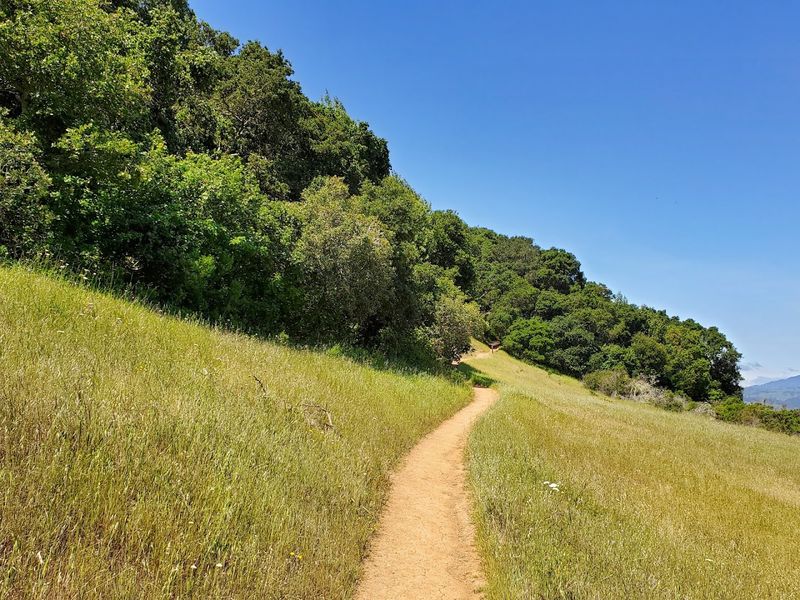
Tucked into the hills between Redwood City and San Carlos on the San Francisco Peninsula, Edgewood Park and Natural Preserve is known among local naturalists for its remarkable serpentine grassland, a rare soil type that supports an unusual collection of wildflowers found almost nowhere else.
Spring visits bring out a display of checker lilies, Indian paintbrush, and goldfields that spreads across the open hillsides in a way that stops walkers mid-stride.
The trails are well-marked and loop through a mix of grassland, oak woodland, and chaparral.
The preserve covers about 467 acres and sits close enough to major Bay Area highways to be convenient, yet the interior of the park feels genuinely removed from the surrounding suburban landscape.
Trail distances range from short nature walks to longer ridge loops with views stretching across the bay on clear days.
The serpentine soil that makes the plant life here so distinctive also keeps the grassland relatively open and bright, giving the landscape a spacious quality even in the smaller sections of the preserve.
Dogs are not permitted in the preserve, which helps maintain the calm and protects the sensitive plant communities that make Edgewood genuinely special.
9. Morro Bay State Park Marina Peninsula Trail, Morro Bay
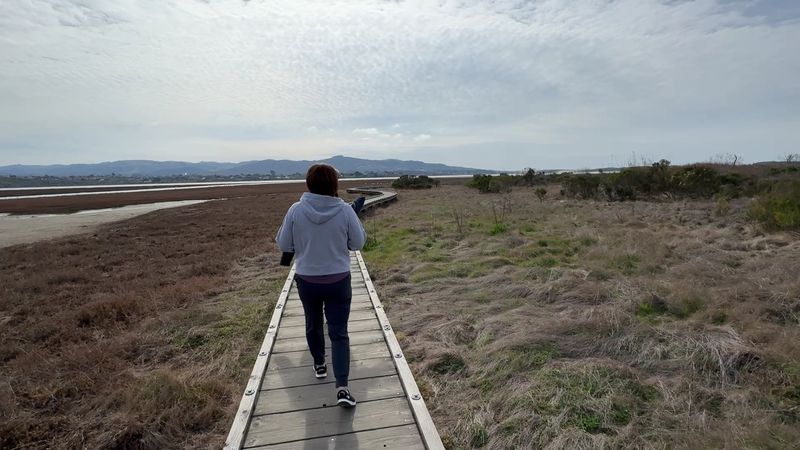
Few trails in California offer the combination of flat, easy walking and genuinely dramatic scenery that the Marina Peninsula Trail provides in Morro Bay State Park.
The path runs along a narrow strip of land between the open ocean and the calm waters of Morro Bay estuary, with the iconic volcanic plug of Morro Rock visible throughout much of the walk.
The contrast between the churning surf on one side and the glassy tidal flats on the other gives the trail a distinctly layered quality.
Shorebirds and waterfowl are abundant here year-round, and the estuary is considered one of the more productive birding sites on the Central Coast.
Great blue herons, snowy egrets, and brown pelicans are among the species commonly spotted from the trail without any specialized equipment.
The path itself is mostly flat and sandy, making it accessible for casual walkers who want a scenic outing without significant elevation gain.
The trailhead can be accessed from the State Park Road area near the marina, and parking is generally available without too much difficulty outside of peak summer holidays.
The overall atmosphere stays mellow even when the park campground nearby is fully booked.
10. Point Buchon Trail, Los Osos / Montaña de Oro Area
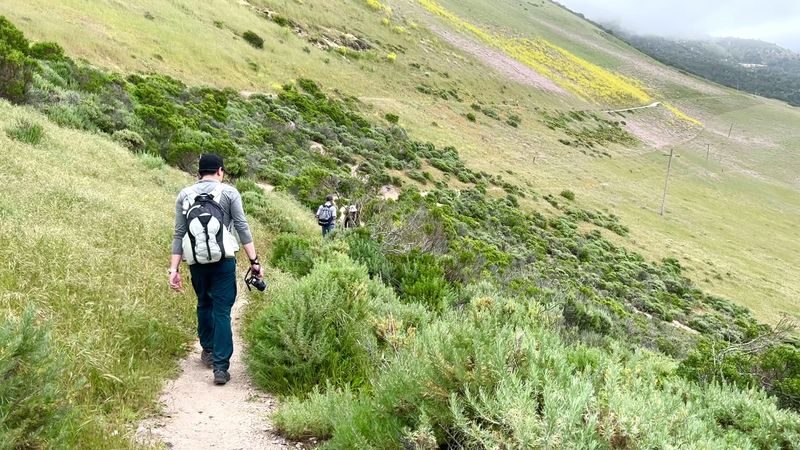
Running south from the boundary of Montaña de Oro State Park, the Point Buchon Trail follows a stretch of coastline that remained closed to the public for decades due to its location on PG&E utility land.
Access is now available through a partnership between the utility company and California State Parks, and the result is one of the least-visited coastal trails on the Central Coast despite its remarkable scenery.
The trail covers about 7 miles round trip and passes through coastal bluffs, rocky coves, and open grassland with the ocean visible for nearly the entire route.
Because access requires a free permit reservation and the daily visitor limit is intentionally kept low, the trail almost never feels crowded.
The permit system is managed through the Montaña de Oro State Park visitor contact station, and reservations can be made in advance online or by phone.
Bringing water and sun protection is important since the exposed bluff terrain offers very little shade.
Sea otters, harbor seals, and seabirds are frequently spotted from the bluffs, and the absence of development along this stretch of coast gives the walk a genuinely remote feeling without requiring a long journey to reach it.