Charming Towns In Florida That Look Like They Belong In A Storybook
I have a habit of getting lost on purpose. Not the panicked kind, but the slow, deliberate kind where you take a wrong turn and stumble into something beautiful.
Florida has a way of rewarding that curiosity. Most people race through the state chasing theme parks and beach bars, completely missing the places that actually take your breath away.
And the State has hidden them well. Quiet streets lined with century-old oaks.
Cottages painted in colors that somehow look brighter in real life than in photos. The State tucks these towns between highways and coastlines like little secrets.
Some have barely changed in decades, and that is exactly the point. These are the Florida towns that feel like they belong in the pages of a storybook.
1. Micanopy
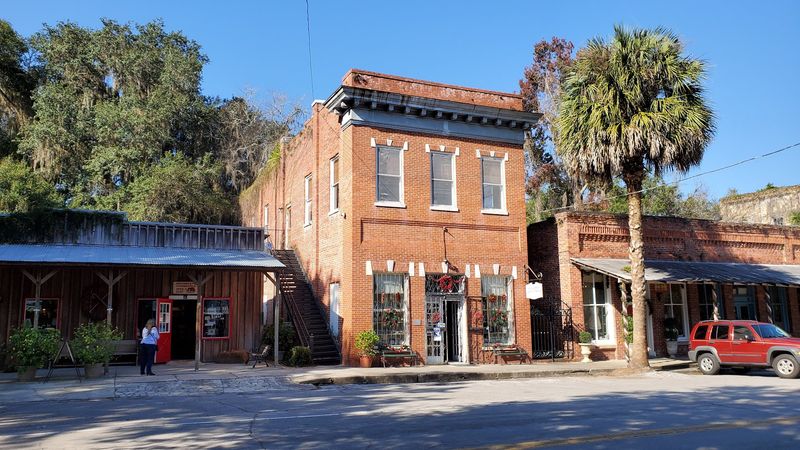
Forget everything you think you know about small-town Florida. Micanopy is the oldest inland settlement in the state, and it carries that title with total confidence.
The oak canopy here is so thick that midday still feels like dusk.
Antique stores line the main street like old friends leaning against a fence. You can spend two hours flipping through vintage postcards and leave feeling genuinely rich.
The pace here is slow in a way that actually feels intentional, not lazy.
The Herlong Mansion, a grand Neoclassical building, now operates as a bed and breakfast. Staying there feels like borrowing someone else’s beautiful past for the weekend.
Every creaking floorboard has a story.
There are no chain restaurants, no big box stores, and honestly, no rush. This is a town that decided long ago that progress could wait.
Visiting feels like reading a chapter from a book you never wanted to end.
Micanopy sits about 10 miles south of Gainesville, making it an easy day trip. But fair warning: easy day trips here have a habit of turning into overnight stays.
Pack a bag just in case you fall completely in love.
2. Fernandina Beach
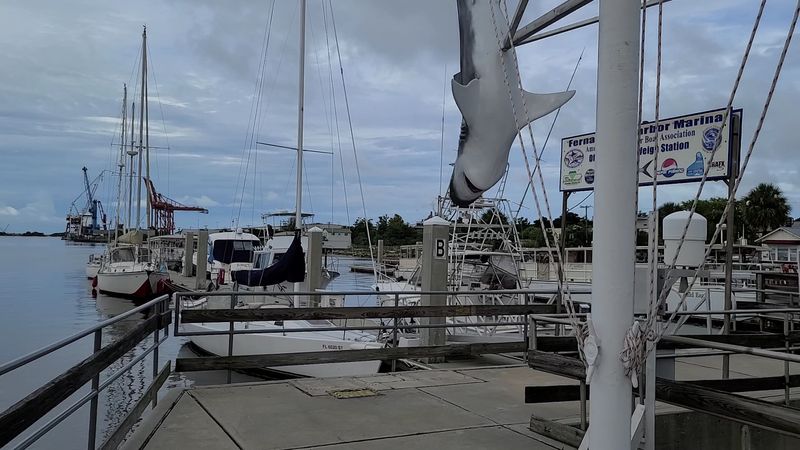
Not every town can pull off Victorian architecture without looking like a theme park. Fernandina Beach does it effortlessly, with hundreds of preserved Queen Anne and Victorian homes lining streets just steps from the waterfront.
It is genuinely one of the most architecturally stunning places in the entire state.
The Centre Street Historic District is the heart of it all. Boutique shops and seafood restaurants fill buildings that have stood since the 1800s.
Walking through here feels like flipping through a beautifully illustrated history book.
Amelia Island has flown eight different national flags over its history. That kind of layered past gives the town a richness you can almost feel in the salt air.
Every building seems to be holding onto a secret from a different century.
The waterfront area is perfect for an afternoon stroll. Shrimp boats still dock nearby, and the smell of the sea never quite leaves you.
It is the kind of place that makes you want to move there before you have even found parking.
Fernandina Beach sits at the northern tip of Amelia Island, about 30 miles northeast of Jacksonville. The town is small but wildly memorable.
Once you visit, the Victorian skyline tends to follow you home in your dreams.
3. Mount Dora
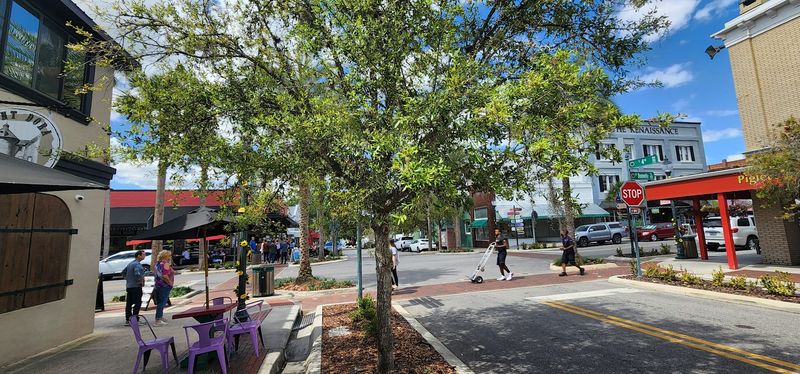
Rolling hills and a misty lake are not things most people associate with this state. Mount Dora breaks that expectation completely and wins every time.
The terrain here is genuinely rare, and it gives the whole town a moody, cinematic quality.
Downtown Mount Dora looks like it was lifted from coastal Maine and gently placed among the live oaks. The storefronts are well-kept, the sidewalks are wide, and the antique shops are absolutely world-class.
People drive from across the country just to browse here.
The town is also home to one of the only inland freshwater lighthouses in the state. It stands near Lake Dora and looks like it belongs on a postcard.
Locals call it the New England of the South, and honestly, the nickname fits.
The arts scene here punches well above its weight. Galleries, festivals, and live music fill the calendar throughout the year.
There is always something happening, yet the town never feels crowded or chaotic.
Mount Dora is located in Lake County, about 30 miles northwest of Orlando. It makes for a perfect escape from the theme park crowds nearby.
The contrast between the two places could not be more delightful or more dramatic.
4. Seaside
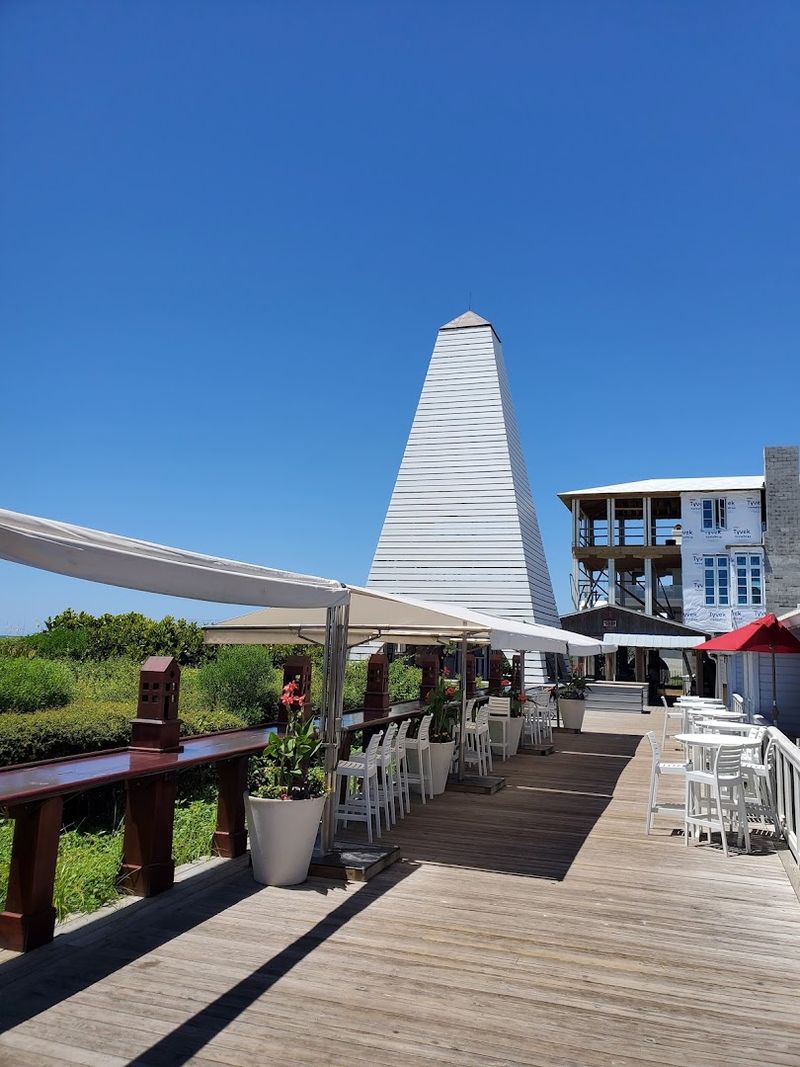
A town so perfectly designed that Hollywood used it as a film set deserves serious attention. Seaside, on the Emerald Coast, was the backdrop for The Truman Show, and watching that film after visiting here is a surreal experience.
The color-coded cottages and community squares look exactly the same in real life.
Seaside pioneered a design philosophy called New Urbanism. Every street is walkable, every space is human-scaled, and every detail feels considered.
It is the rare place where urban planning actually produced something beautiful.
The white sand dunes sit just beyond the main square, and the Gulf water beyond them is a shade of green that looks digitally enhanced. It is not.
That color is completely real and completely free. You just have to show up.
Boutique shops and open-air food trucks line the central square in a way that feels festive without being chaotic. Weekend mornings here have a rhythm that is genuinely hard to leave behind.
Coffee, sea air, and pastel everything is a powerful combination.
Seaside is located along Scenic Highway 30A in the Florida Panhandle, near Panama City Beach. The whole 30A corridor is worth exploring.
But Seaside remains the crown jewel, perfectly planned and perfectly strange in the best possible way.
5. Cassadaga
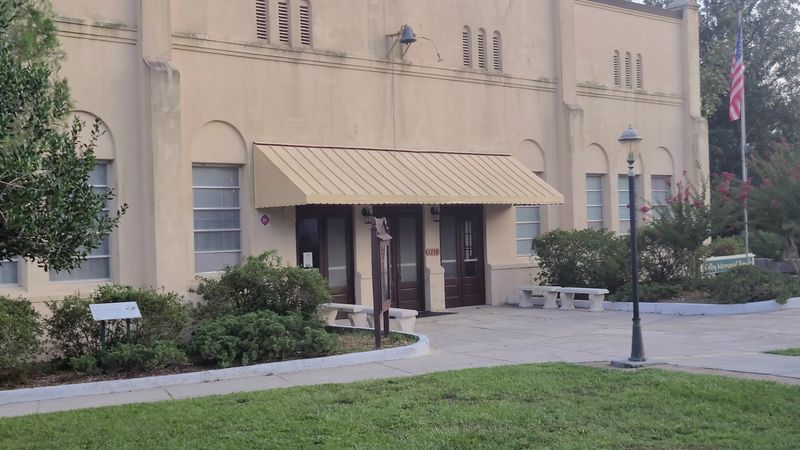
Some towns charm you with flower boxes and cobblestones. Cassadaga charms you with a completely different kind of energy.
This is a spiritualist camp colony that has barely changed since the 1890s, and it is unlike any other place in the country.
The town was founded by a group of Spiritualists who believed in communicating with the spirit world. That founding purpose is still very much alive today.
Certified mediums offer readings from homes along quiet, tree-lined streets.
The wooden cottages here look frozen in another era. Spanish moss drapes over every oak, and the whole place has a soft, dreamlike quality that is hard to shake.
Even skeptics tend to lower their voices when walking through.
The Cassadaga Hotel, built in 1927, sits at the center of town and has a reputation of its own. The building is well-preserved and genuinely atmospheric.
Spending a night there is an experience that stays with you long after checkout.
Cassadaga is located in Volusia County, about 30 miles north of Orlando, off Interstate 4. It is small enough to explore on foot in an afternoon.
If your storybook needs a chapter with candles and mystery, this is exactly where you go.
6. DeLand
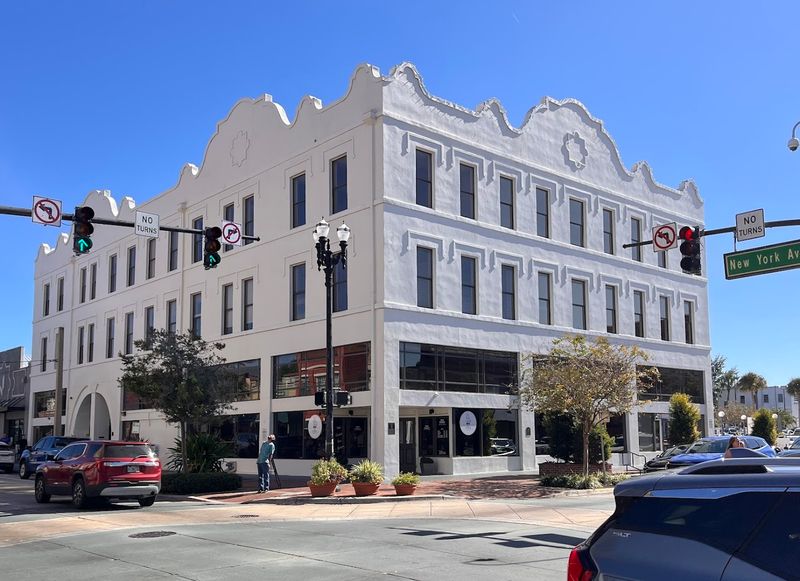
Not every small town has the confidence to be genuinely great at multiple things. DeLand is an arts hub, a college town, a historic district, and a foodie destination all at once.
It pulls all of that off without breaking a sweat.
The downtown strip along Woodland Boulevard is lined with Gilded Age buildings that have been lovingly restored. Independent bookstores, art galleries, and award-winning restaurants fill spaces that have been standing for well over a century.
The bones of this town are extraordinary.
Stetson University anchors the northern edge of downtown with a red-tiled, tree-shaded campus that looks like it belongs in a European city. The university was founded in 1883 and gives the whole town a lively, intellectual energy.
Students and locals mix easily here.
The arts scene is surprisingly robust for a town of this size. Murals cover building sides, galleries rotate fresh exhibitions regularly, and live music spills out of venues on weekend nights.
There is always something new to discover on a second or third visit.
DeLand is located in Volusia County, about 25 miles west of Daytona Beach. It does not get the tourist attention it deserves, which means you can still enjoy it without fighting crowds.
That quiet confidence is exactly what makes it so worth the trip.
7. Apalachicola
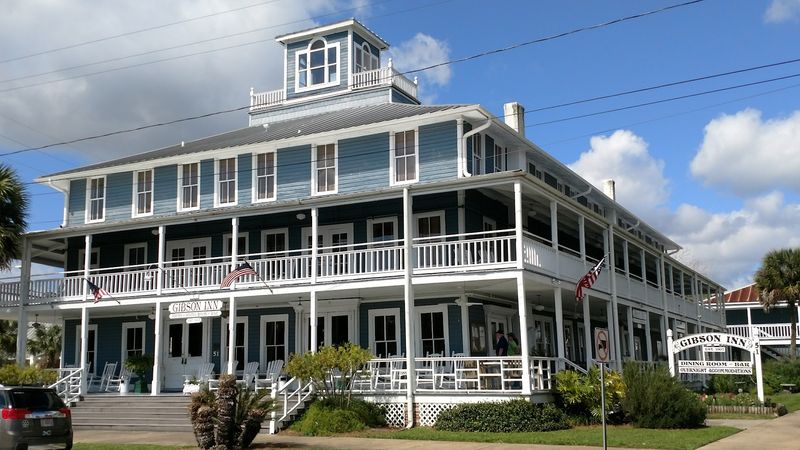
There is something deeply satisfying about a town that never tried too hard. Apalachicola never chased tourism or tried to reinvent itself, and that restraint created something remarkable.
The result is a harbor town that feels genuinely, beautifully preserved.
Old oyster warehouses still stand along the waterfront, and shrimp boats still come into the harbor at the end of the day. The rhythm of working waterfront life is visible and real here.
You can watch it happen from a rocking chair on a porch.
The historic downtown is compact and walkable, with Victorian-era storefronts that house art galleries, small cafes, and local shops. Nothing here feels manufactured for visitors.
The charm is entirely organic and entirely earned.
The town sits near Apalachicola National Forest and the Apalachicola River, giving it a wild, untamed backdrop. Kayaking the river or walking the quiet side streets both feel like adventures worth taking.
The natural setting amplifies everything that already makes the town special.
Located in Franklin County in the Panhandle, about 80 miles southwest of Tallahassee, it takes some effort to get there. But that distance is part of what keeps it so wonderfully unspoiled.
The drive through the forest alone is worth the trip.
8. Celebration
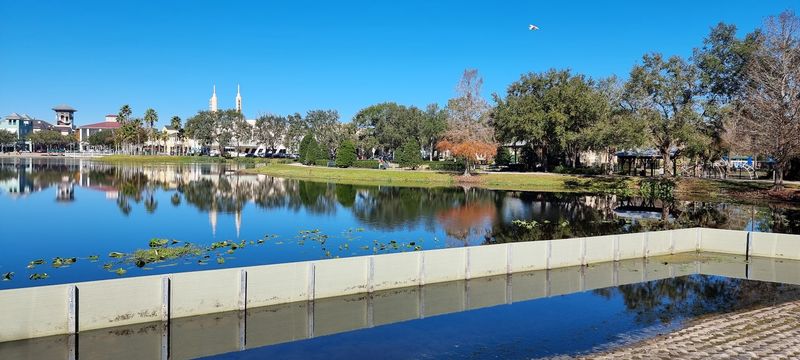
What happens when the most imaginative company in the world designs an entire town from scratch? You get Celebration, and it is exactly as fascinating as that sounds.
Built by Disney in the 1990s, this planned community near Orlando is a fully realized vision of small-town American life.
The architecture draws from classic American styles, with front porches, shuttered windows, and tree-lined streets that feel genuinely inviting. Every detail was considered, from the width of the sidewalks to the spacing of the street lamps.
It is meticulous in a way that somehow avoids feeling cold.
During the holiday season, the town square fills with choreographed snowfall every evening. Watching artificial snow drift down in warm Florida air while carolers perform nearby is a surreal and oddly magical experience.
Children lose their minds completely, and adults pretend they are not equally delighted.
The downtown area along Market Street has local restaurants, boutique shops, and a beautiful lakefront promenade. Morning walks here have a peaceful, almost cinematic quality.
The lake reflects the buildings perfectly on calm days.
Celebration is located just south of Walt Disney World, off US-192 near Kissimmee. It is an easy stop to add to any Orlando trip.
9. Ybor City
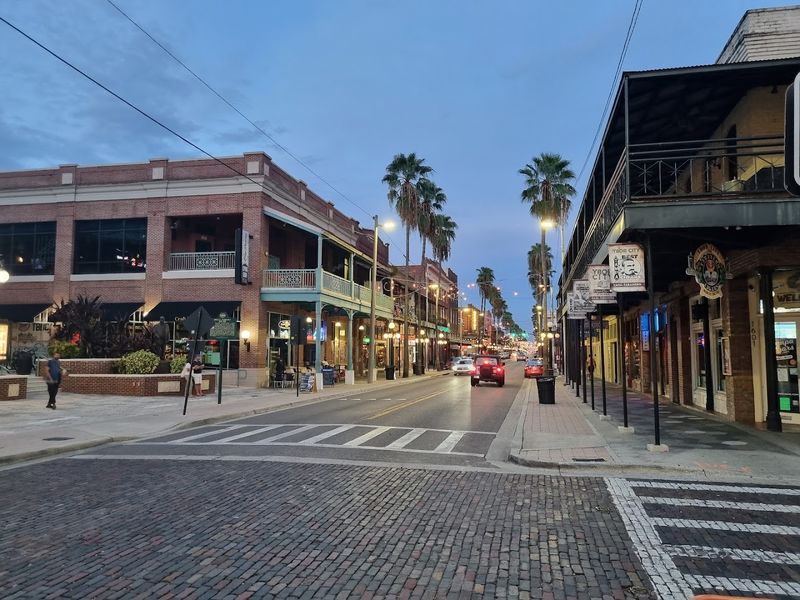
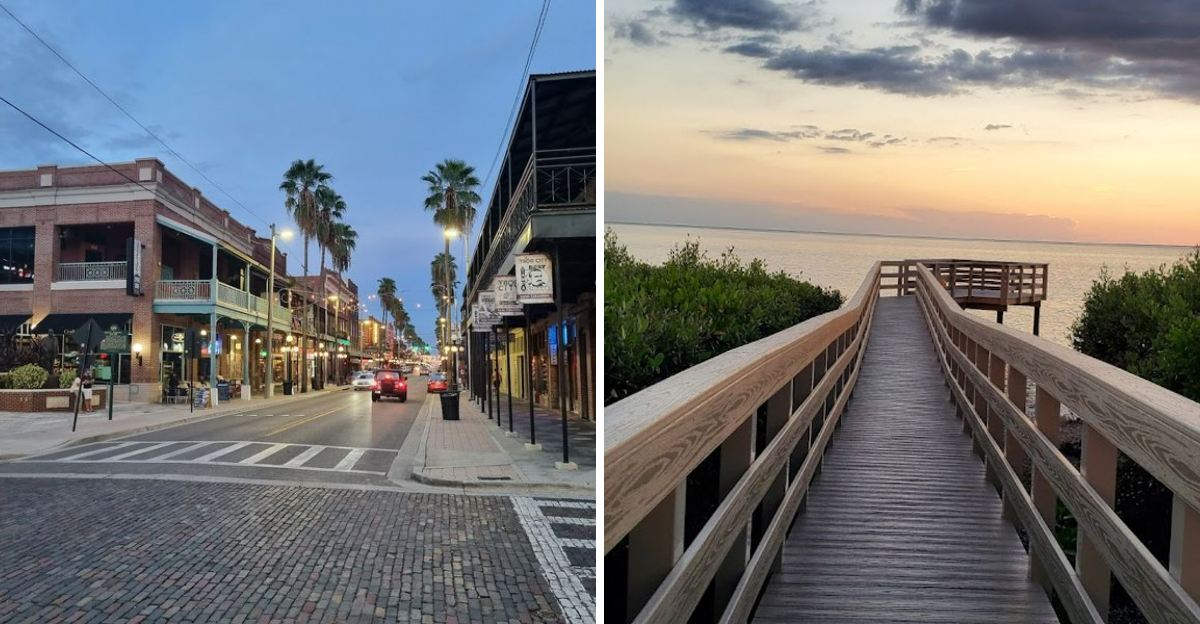
Cuban cigar rollers built something extraordinary when they arrived in Tampa in the 1880s. Ybor City, their historic Latin quarter, still carries that rich, layered identity in every brick and balcony.
The neighborhood looks like a European city that took a wrong turn and ended up in the American South.
Wrought-iron balconies with ornate scrollwork line the main boulevard, Seventh Avenue. Hand-painted tile facades and arched doorways give the buildings a craftsmanship that is genuinely rare.
Walking here feels like reading architecture as a language.
The cigar industry once made this neighborhood one of the most productive in the country. Hundreds of skilled rollers worked in large, airy factories while readers called lectores read novels and newspapers aloud to keep them entertained.
That tradition is a remarkable piece of American labor history.
Today, the neighborhood balances its historic identity with a lively present. Independent restaurants, music venues, and art studios fill buildings that have survived well over a century.
The energy here is electric without ever losing its grounded, old-world soul.
Ybor City is located in Tampa, easily accessible from downtown via the historic streetcar line. The address for the heart of the district is 1600 East 8th Avenue, Tampa.
Arriving by streetcar adds a layer of atmosphere that is hard to beat.
10. Tarpon Springs
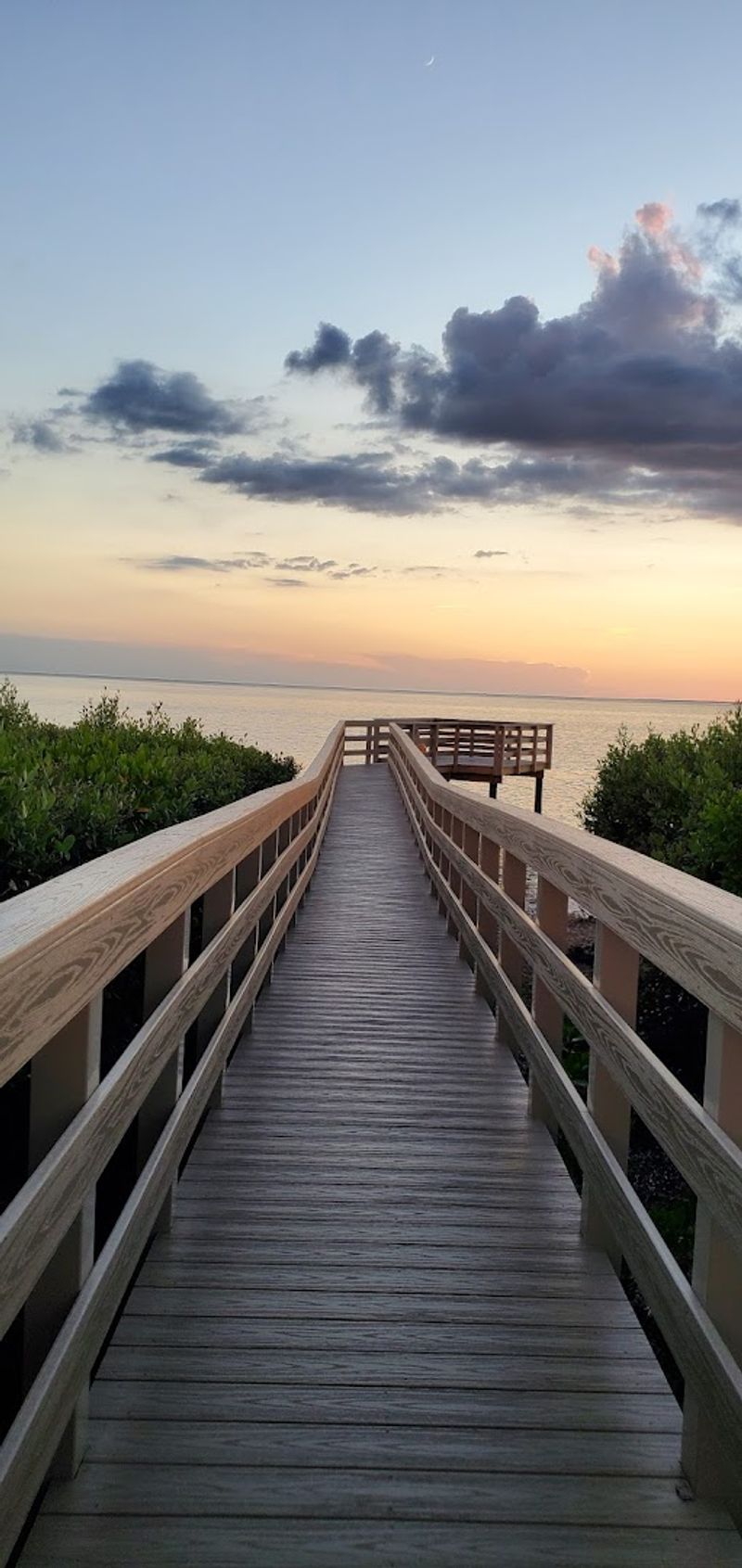
Nothing quite prepares you for turning a corner in Florida and suddenly feeling like you have arrived in a Mediterranean port. Tarpon Springs has the highest concentration of Greek heritage in the entire United States, and it shows in every storefront, every aroma, and every building facade.
This place is genuinely transporting.
The sponge docks along Dodecanese Boulevard are the historic center of it all. Greek sponge divers first arrived here in the early 1900s, and the industry they built shaped the town permanently.
Sponges still hang outside waterfront shops today, just as they did a century ago.
Orthodox churches with domed rooftops rise above the rooflines and anchor the neighborhood visually. The annual Epiphany celebration here draws thousands of visitors each January.
It is one of the largest Greek Orthodox celebrations in the Western Hemisphere.
Bakeries along the main strip sell loukoumades, the Greek honey doughnuts that are crispy outside and pillowy inside. Sitting at an outdoor table with a plate of those and a strong coffee is a very specific kind of happiness.
The Gulf breeze makes it even better.
Tarpon Springs is located on the Gulf Coast, about 35 miles northwest of Tampa, along Pinellas Avenue. The sponge docks sit right along the Anclote River.
Spending a full afternoon here never feels like enough time.
11. St. Augustine
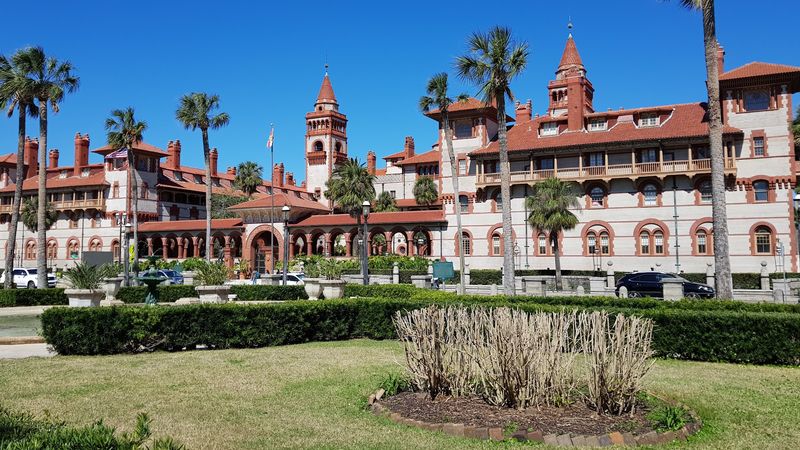
Founded in 1565, St. Augustine holds the title of the oldest continuously inhabited European-established settlement in the entire United States. That is not a small claim.
Walking its cobblestone streets means walking through nearly 500 years of layered history.
The Spanish colonial architecture here is extraordinary in its detail and scale. The Castillo de San Marcos, a massive coquina stone fortress built in the 1600s, still stands at the edge of the bay looking completely indestructible.
It is one of the most impressive historic structures anywhere in the country.
Horse-drawn carriages move through the narrow streets of the old city, which never gets old as a visual. The clip-clop of hooves on stone sets a pace that the rest of the world forgot.
It is one of those rare places where the past does not feel dusty or distant.
The city also has a thriving arts and food scene that feels completely at home alongside the ancient walls. Boutique inns inside restored colonial buildings offer some of the most atmospheric places to sleep anywhere in the state.
Waking up inside a 300-year-old building is its own kind of experience.
St. Augustine is located on the northeast coast of the state, about 40 miles south of Jacksonville along US-1. The historic district is entirely walkable.
Plan for at least two full days because one is never enough.
12. Cedar Key
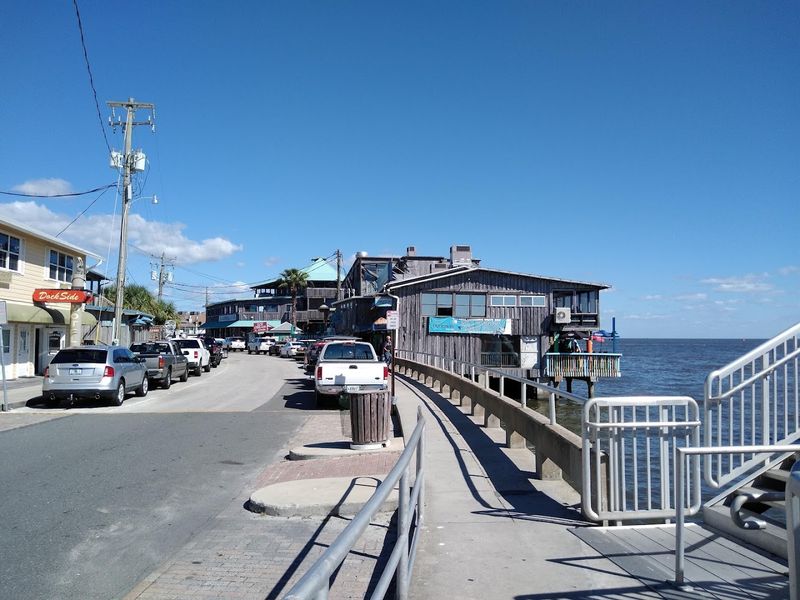
Cedar Key made a choice that most towns never have the courage to make. It decided to stay small, stay quirky, and stay itself.
That decision turned it into one of the most genuinely charming waterfront villages anywhere along the Gulf Coast.
As the second oldest town in the state, Cedar Key has a historic downtown with wooden and Tudor-style buildings that have survived without being swallowed by commercial development. The main street is compact and walkable, lined with art galleries and local seafood spots.
Everything here is locally owned and fiercely independent.
Pelicans hang out on the docks like they pay rent. The water around the key is shallow, glassy, and surrounded by protected marshland.
Kayaking through the Cedar Keys National Wildlife Refuge on a calm morning is a genuinely meditative experience.
People compare Cedar Key to what Key West felt like 50 years ago, before the tourism industry fully arrived. That comparison holds up.
The energy here is unhurried, creative, and completely unforced.
Cedar Key is located on the Gulf Coast in Levy County, about 60 miles southwest of Gainesville via State Road 24. The drive through the marshlands leading into town is part of the arrival experience.
By the time you reach the water, you already feel the shift in pace and mood.