This Hidden Wisconsin State Park Has Scenery So Striking That People Who Find It Feel Like They Discovered A Secret
This Wisconsin state park has a way of finding the people who are ready for it rather than the other way around entirely.
Most visitors stumble onto it by following a road that looks interesting. They round a bend, and then stop because what is in front of them is genuinely not what they expected.
The scenery belongs somewhere more celebrated. It ended up here instead, tucked away and entirely unbothered.
The people who find it tend to hold onto it a little selfishly, which is completely understandable.
This is the kind of place that feels like a personal discovery. Follow the road, and find out why.
The Island Setting
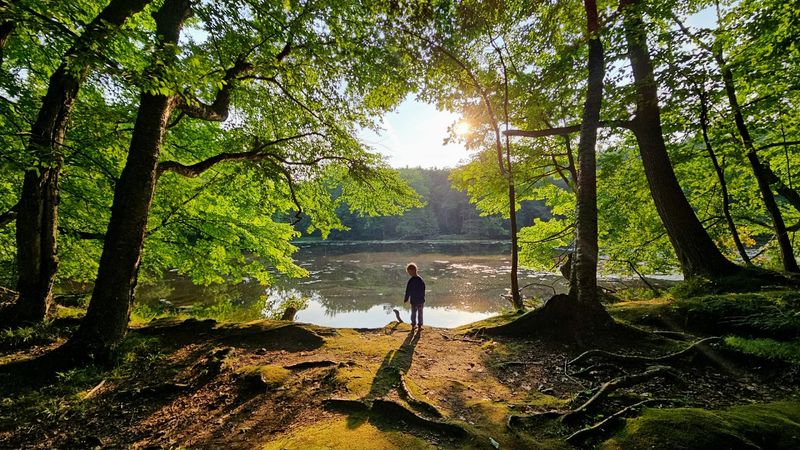
There are not many parks in Wisconsin where the land itself tells a story before you even hit the trail. Brunet Island State Park is literally an island, ringed by the Chippewa and Fisher rivers on all sides.
Crossing the bridge onto the island feels like a small ceremony. The water on either side catches the light differently depending on the time of day.
Morning brings soft reflections and mist. Afternoon turns the surface into something bright and almost mirror-like.
The island is blanketed in a mix of deciduous and coniferous forest, so the scenery shifts as you walk. Birch trees stand near oaks, and pine needles cushion the ground in some spots while open meadow clears the sky in others.
Signage placed throughout the loop trail explains the natural and local history, so every walk feels like a gentle outdoor lesson.
Wildlife appears constantly. Deer graze near campsites, chipmunks dart across paths, and herons fish from the shallows without any concern for human company.
The whole setup accessed at 23125 255th St in Cornell seems designed by nature, not by any park planner.
Rich Park History
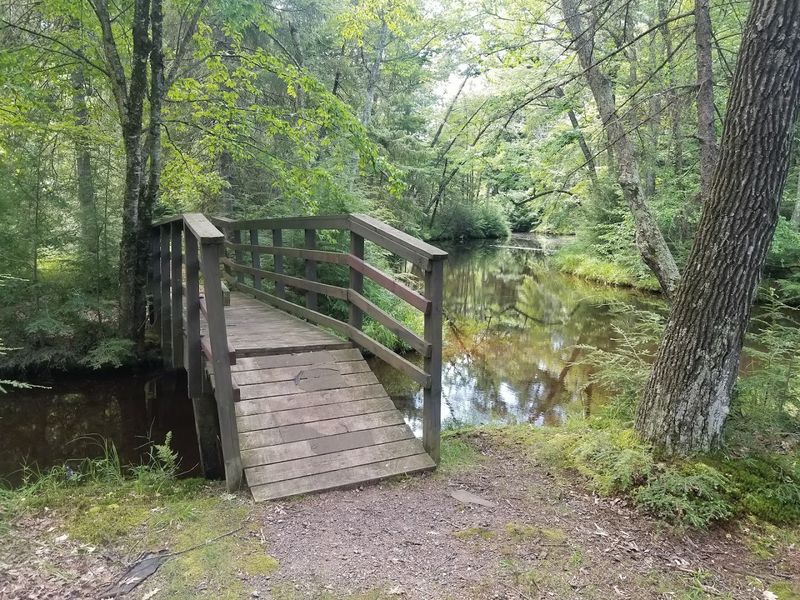
Cornell, Wisconsin is a small town with a surprising claim to fame, who would’ve thought?
It is home to one of the last remaining paper stackers in the country, a nod to the region’s deep roots in the logging and paper industries that shaped this part of the state throughout the late 1800s and early 1900s.
The land that became Brunet Island State Park carries that same layered history. The Chippewa River was once a major logging route, used to float timber downstream to mills.
The forests that now shelter campers and hikers were once harvested for exactly that type of industry.
Wisconsin established the park to protect what remained and to give the public a place to connect with the natural landscape that loggers once moved through by necessity.
Today, interpretive signs along the island loop trail share details about both the ecological and human history of the area.
Standing at the riverbank and knowing what that water once carried adds a quiet depth to the whole experience. The park honors its past without being stuck in it, blending history with a welcoming outdoor space that families return to year after year.
Camping Options
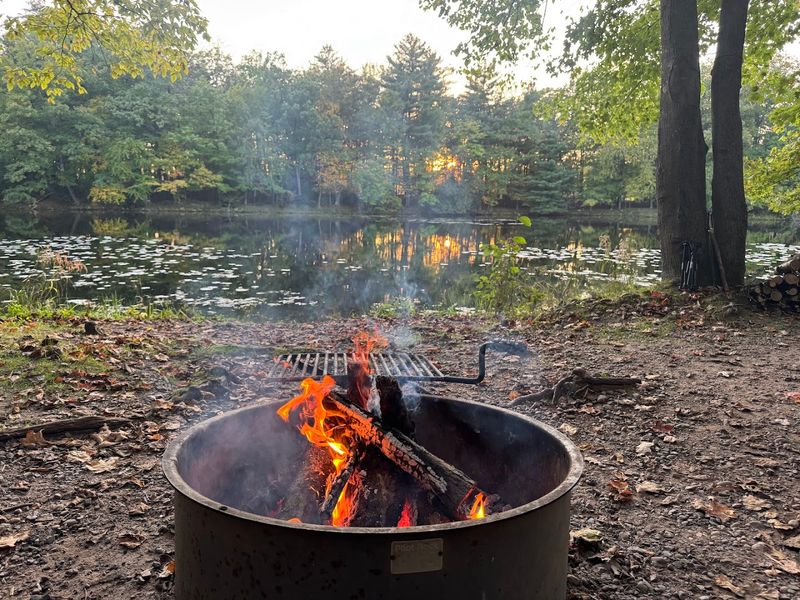
Few campgrounds in Wisconsin offer this many options without feeling overwhelming. The park is split into two loops, each with its own personality, and choosing between them is half the fun of planning a trip here.
The North Loop is the non-electric side, and it is where you go if you want to fall asleep to river sounds and wake up to deer wandering past your tent.
Most sites in this loop border the water directly, giving campers a front-row spot to the Chippewa or Fisher river. Sites are large, private, and shaded, with each one including a fire pit and picnic table.
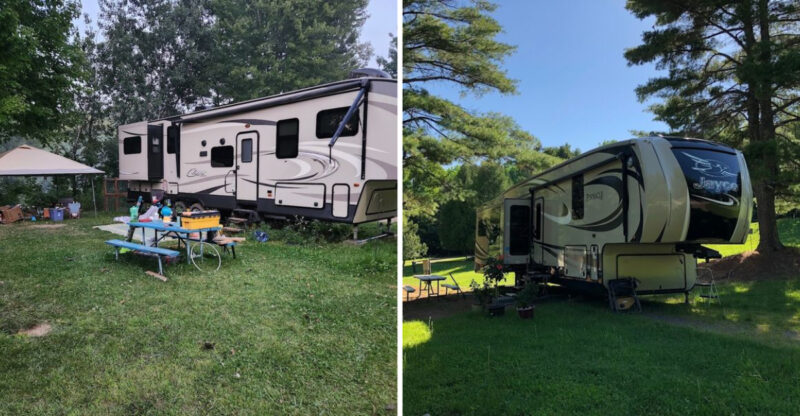
The South Loop offers electric hookups, paved roads, and closer access to the shower house and restrooms. It is the more family-friendly setup for those traveling with young kids or RVs that need a power connection.
Wildlife visits both sides of the campground freely. A family of raccoons, a swimming deer spotted at dawn, and chipmunks bold enough to investigate your gear are all regular sightings.
Camping here seems genuinely wild without sacrificing comfort.
Water Activities
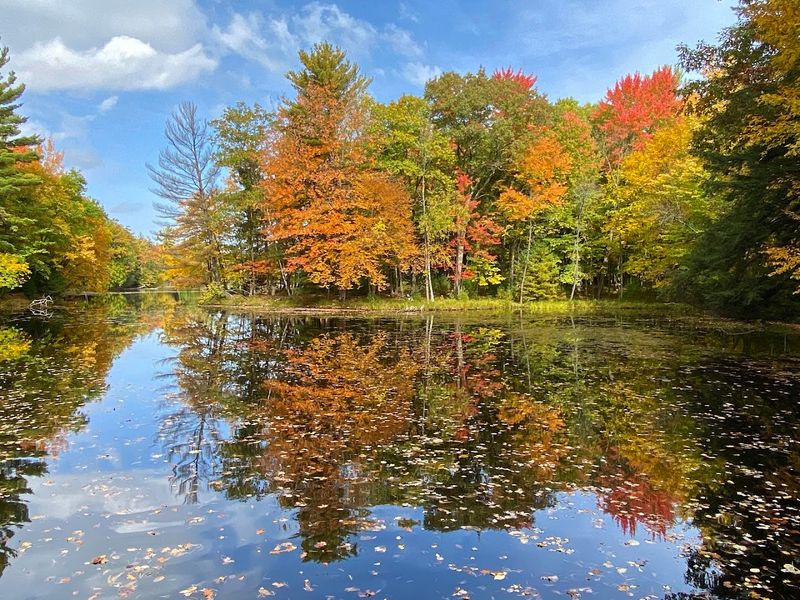
Paddling here is the activity that turns a skeptic into a regular.
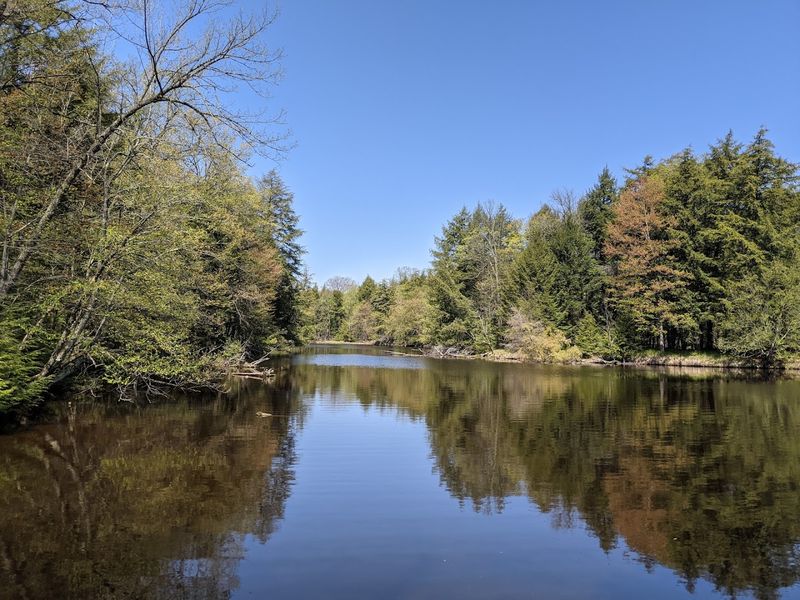
The Chippewa and Fisher rivers wrap around the park with calm, low-current water that makes kayaking and canoeing approachable for all skill levels.
The park rents canoes and kayaks through the Friends group at the park office, so you do not need to haul your own gear from home.
Rental access makes this one of the easiest water-based park experiences in Wisconsin. Plenty of little inlets and side channels branch off the main river, and exploring them feels like finding small worlds hidden inside the bigger one.
Fishing is equally rewarding. Many campsites sit directly on the water, so dropping a line is as easy as walking a few steps from your fire pit.
The rivers hold a healthy variety of fish, and early mornings tend to be the most productive time to cast.
Swimming is available at the park’s small beach, which has marked shallow and deeper sections. The beach is clean and rocky enough to make rock-searching a fun side activity for younger visitors.
Wildlife Encounters
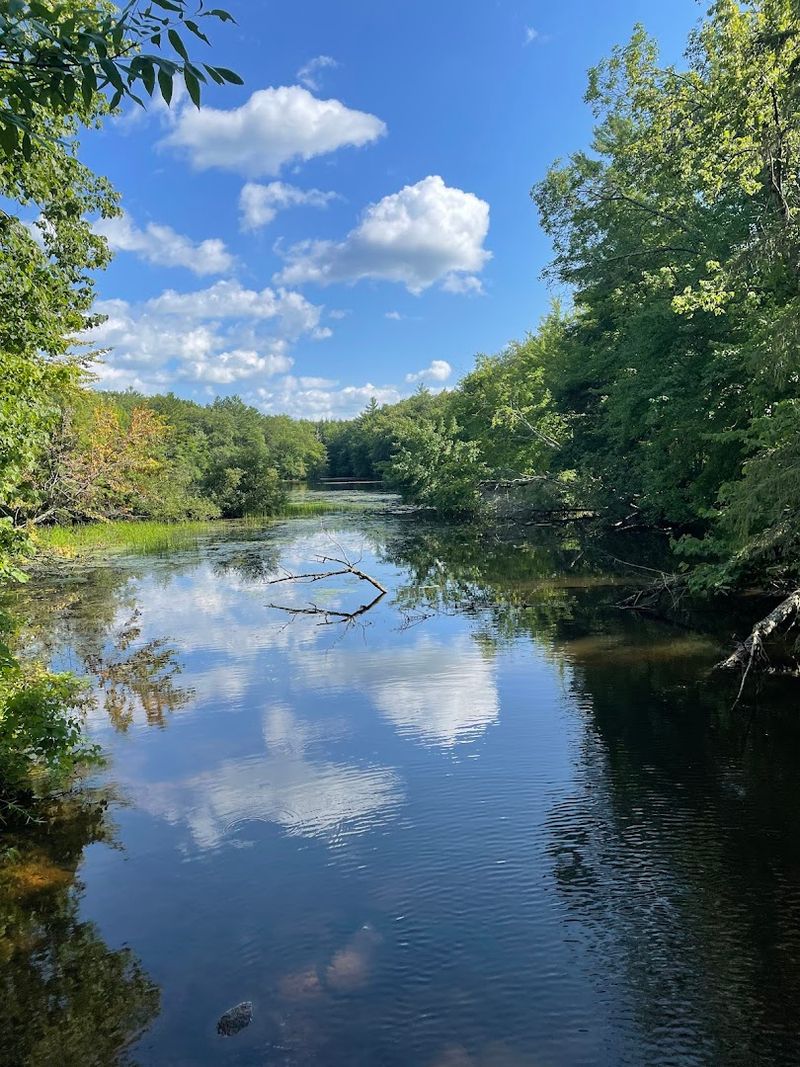
Waking up at 5 a.m. does not feel like a sacrifice when a deer swims across the river and snorts at you from the opposite bank.
That is exactly the type of morning that visitors at Brunet Island State Park describe with complete seriousness, and I believe every word of it.
The park is stacked with wildlife. Deer are almost guaranteed sightings, appearing near campsites, on trails, and occasionally crossing the river in full view of anyone awake early enough to catch it.
Turtles sun themselves on logs along the shoreline, frogs call from the shallows, and herons stand in the water with the focused patience of seasoned anglers.
Chipmunks are the park’s unofficial mascots. They are bold, curious, and completely unafraid of humans, which makes them endlessly entertaining for kids.
Raccoon families, including mothers with young ones, visit campsites after dark with cheerful consistency.
Bird activity is strong throughout the year, with species varying by season. The park sits within a richly wooded river corridor in Wisconsin, which makes it a natural corridor for migratory birds as well as year-round residents.
Bring binoculars and a field guide if birds are your focus.
Trails and Biking
Hikers and cyclists both leave this park happy, which is not something every destination can honestly claim.
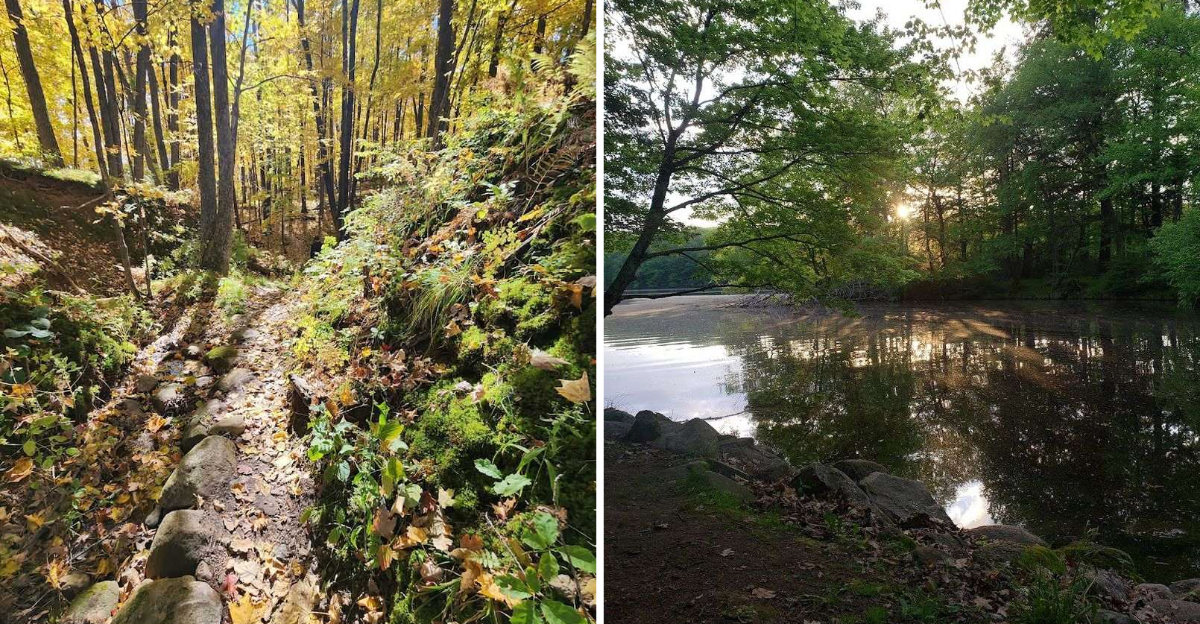
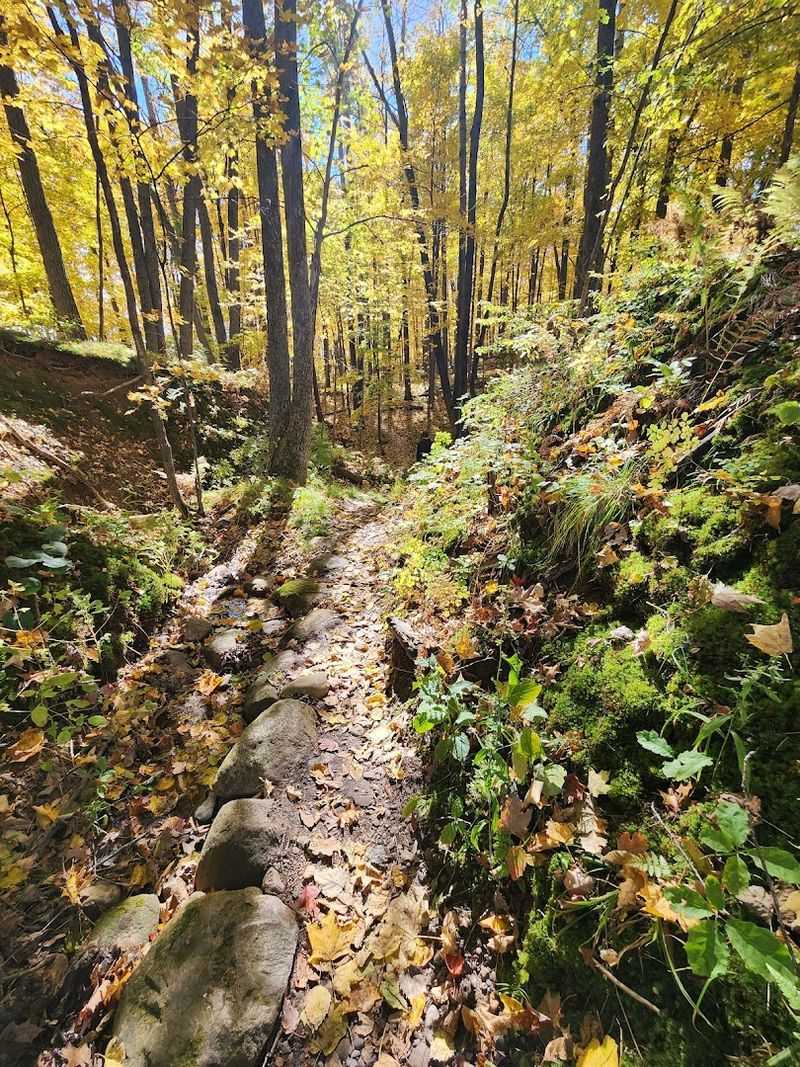
The trail system inside the park covers the island loop with easy, well-maintained paths that wind through forest, along the water, and past open clearings full of birdsong.
The island loop trail is flat and accessible, making it a great choice for families with younger kids or anyone who just wants a relaxing walk rather than a workout.
The scenery changes enough along the route to keep things interesting from start to finish. Wildflowers pop up in spring, and autumn turns the canopy into something worth photographing every few steps.
For cyclists, the Old Abe Trail connects to the park and offers a longer paved ride through the surrounding Wisconsin countryside. Bringing a bike is strongly recommended by nearly everyone who has visited.
The trail is smooth, well-marked, and runs through scenery that rewards the effort of pedaling.
Winter visitors will find the trails well-maintained for snowshoeing and hiking, and the park draws sledders near the beach area when snow covers the ground. Year-round usability makes this one of Wisconsin’s most consistently rewarding parks for outdoor activity.
Stargazing Potential
Not every state park earns a mention for its night sky, but this one absolutely deserves it.
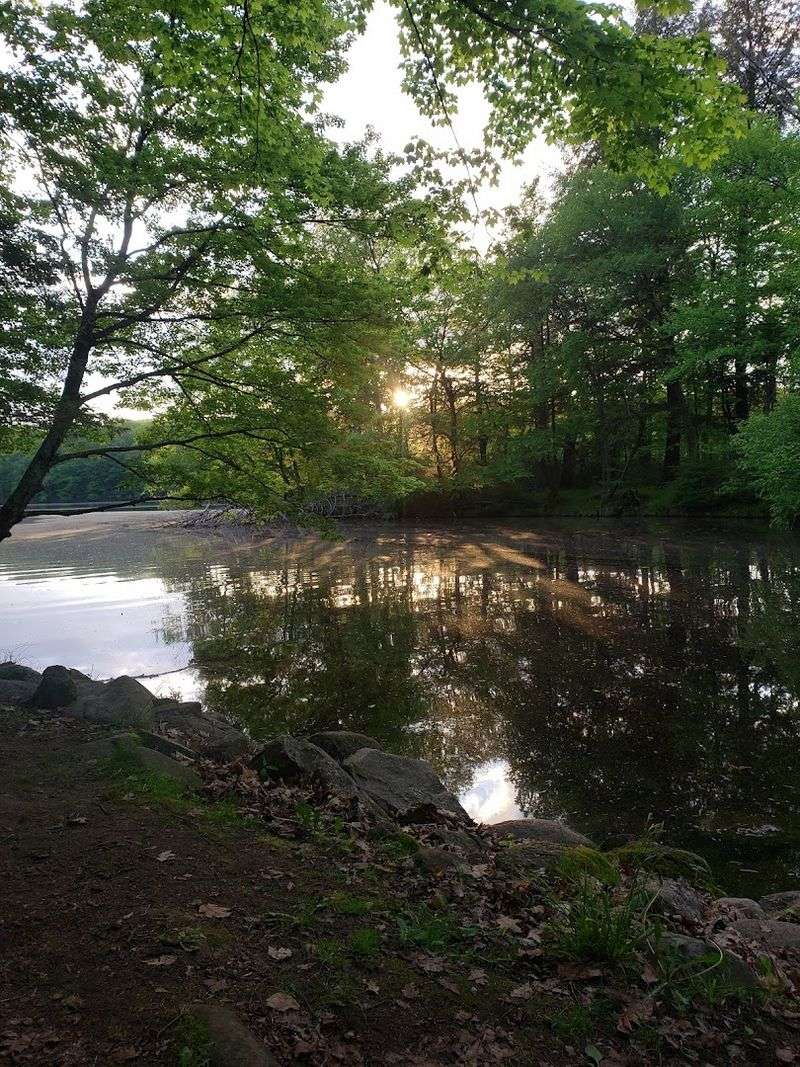
Away from city lights and surrounded by trees, the darkness at Brunet Island State Park is the kind that makes the Milky Way look like something from a documentary.
Visitors who camp here during the off-season report especially clear skies. Fewer campers mean fewer light sources, and cooler temperatures bring the kind of crisp air that sharpens visibility significantly.
A clear autumn or early spring night here is a genuinely memorable experience for anyone who has never seen a truly dark sky.
The park’s island location, surrounded by water and forest in rural Wisconsin, keeps light pollution low from every direction. There are no major highways or large towns immediately nearby to wash out the view.
Setting up a chair near the riverbank after dark and looking straight up is all the equipment you need. Photography enthusiasts have captured Milky Way shots here that look almost unreal.
If astrophotography is your thing, visiting on a new moon night during a clear forecast will give you the best possible conditions this corner of Wisconsin can offer.
Visiting Tips
Planning a trip here is straightforward, but a few details make the difference between a good visit and a great one. Brunet Island State Park is open daily from 6 a.m. to 11 p.m.
Midweek visits are quieter than weekend stays. If you want a site directly on the water in the North Loop, booking early is essential during summer months.
The park fills up fast, especially on holiday weekends, and the best sites go first.
The small town of Cornell is just minutes away and offers easy access to basic supplies. There is a local ice cream shop that also serves food and cheese, which is exactly the kind of stop that turns a good afternoon into a great one.
The town has a relaxed, unhurried pace that matches the energy of the park perfectly. Dogs are welcome, which makes this one of the more family-inclusive parks in Wisconsin.
Bring water shoes for the beach, a bicycle for the Old Abe Trail, and sunscreen for long paddling days. The park rewards preparation with an experience that stays with you long after you drive home.