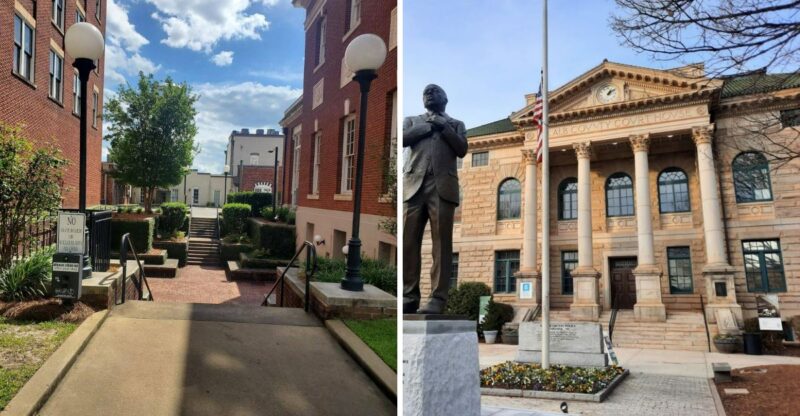
This Tucked-Away Cemetery In Georgia Is A Must-Visit For Anyone Who Loves Southern Rock
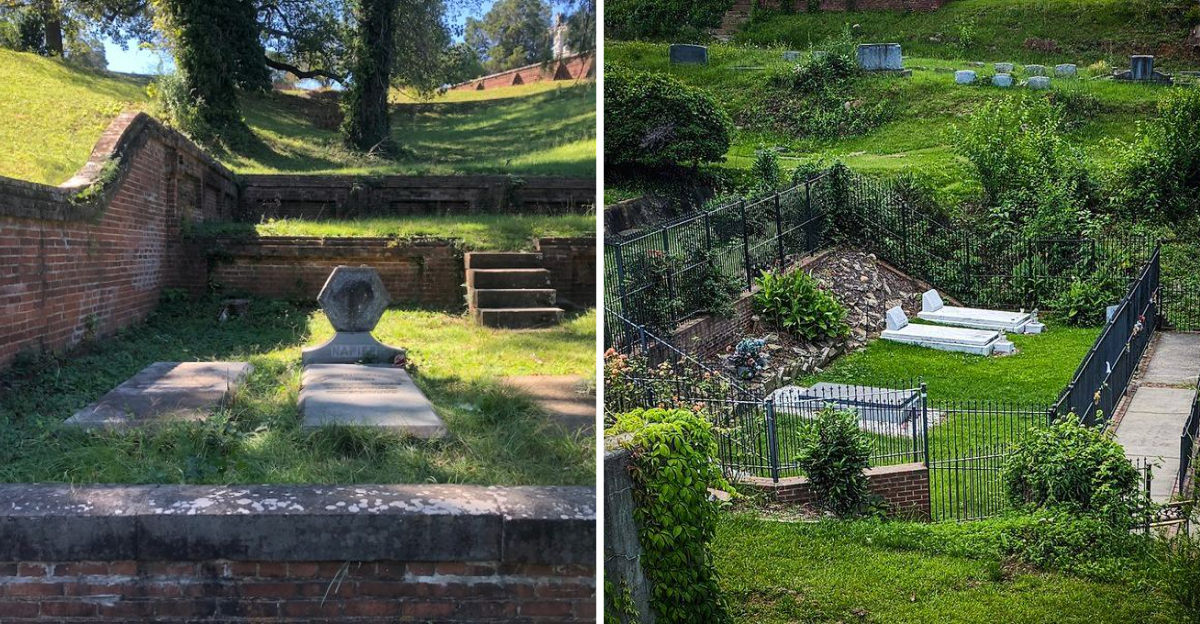
Wander into Rose Hill Cemetery and instantly recognize layers of Southern history carved into stone, where legendary musicians rest peacefully, and where 19th-century craftsmanship demands genuine appreciation. This Macon landmark proves that memorable experiences emerge when communities preserve history authentically, creating spaces where past becomes tangible and present. Since 1840, these grounds have sheltered stories worth discovering completely.
Stunning stonework showcases artistry refined across generations, legendary graves attract music lovers seeking connection authentically, peaceful atmosphere invites contemplative wandering naturally.
What distinguishes Rose Hill is how completely it transforms perceptions about cemeteries from quiet resting places into genuine historical landmarks celebrating human stories. Curious wanderers discover unexpected richness through patient exploration, history buffs find layers of regional significance, music enthusiasts connect tangibly with cultural heritage.
1. The Allman Brothers Band Connection That Started It All
Long before fans started making pilgrimages to rock-and-roll landmarks across the country, Rose Hill Cemetery in Macon, Georgia was quietly becoming one of the most meaningful music destinations in the American South. Located at 1071 Riverside Dr, Macon, GA 31201, the cemetery is the final resting place of Duane Allman, Gregg Allman, and Allman Brothers Band member Berry Oakley.
The band members actually used to hang out near the railroad tracks that run alongside the cemetery grounds, and it is widely said that the peaceful, layered landscape inspired some of their most iconic music.
Fans leave guitar picks, flowers, and handwritten notes on the graves regularly. Visiting feels less like a solemn obligation and more like a quiet conversation with music history. For anyone who has ever felt moved by “Ramblin’ Man” or “Melissa,” standing at these graves carries real emotional weight.
2. Founded in 1840: A Window Into Georgia’s Earliest Days
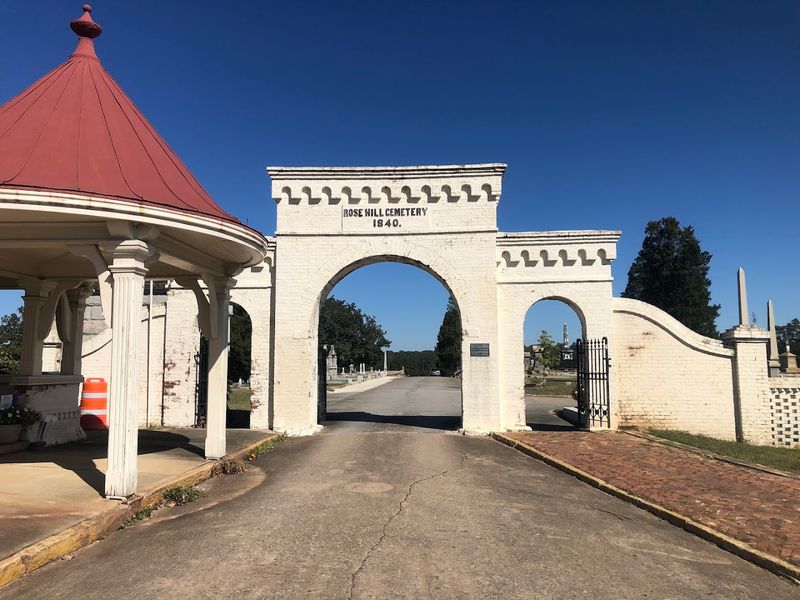
Few places in Georgia let you walk through nearly two centuries of history the way Rose Hill does. Established in 1840 when Macon’s original city cemetery could no longer keep up with the growing population, Rose Hill was designed as a proper rural-style cemetery, a concept that was fashionable and forward-thinking at the time.
The grounds at 1071 Riverside Dr, Macon, GA 31201 spread across more than 50 acres of rolling, terraced land that feels almost like a park from another era.
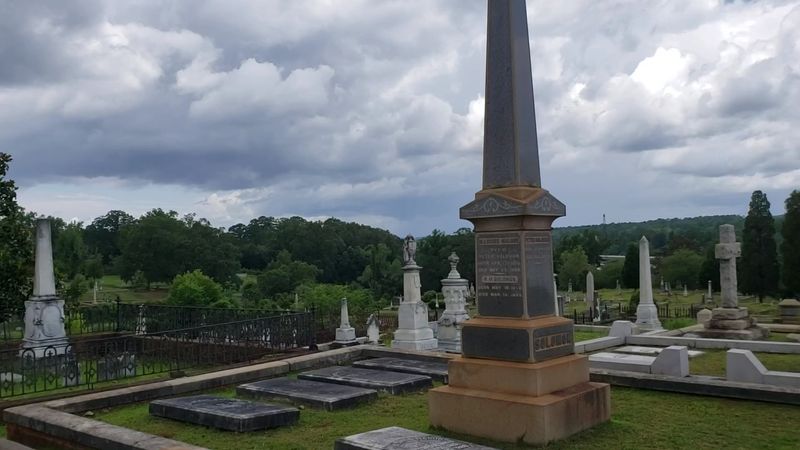
Wandering through the older sections feels genuinely transporting, with grave markers from the mid-1800s still standing proudly, their inscriptions worn but legible. Some plots feature iron fencing, marble obelisks, and carved details that reflect the craftsmanship and personal values of families who lived and worked in Georgia generations ago. History here is not behind glass; it is right under your feet.
3. Confederate Soldiers’ Section: Understanding a Complex Past
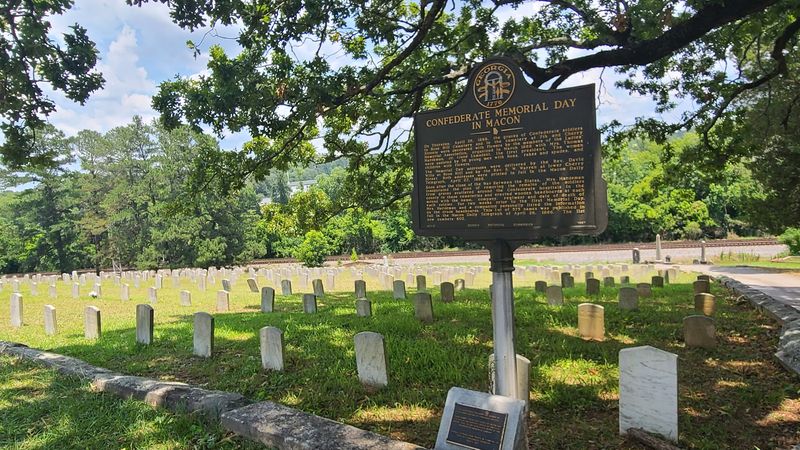
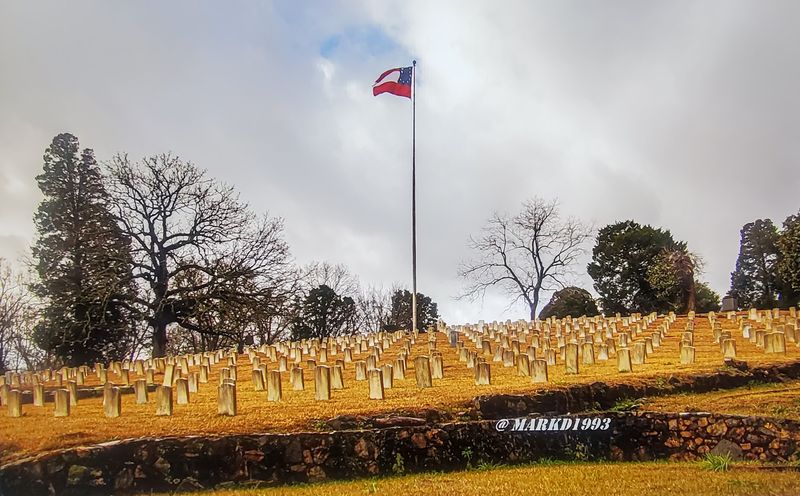
History does not always arrive in comfortable packages, and Rose Hill Cemetery does not pretend otherwise. One of the most significant and sobering areas of the grounds is the section dedicated to Confederate soldiers, where rows of grave markers serve as a record of the Civil War’s local human cost.
Informational plaques placed throughout the area offer context that helps visitors process what they are seeing without turning the experience into something shallow.
A large flag marks the entrance to the soldiers’ area, making it easy to locate even for first-time visitors. This section invites thoughtful reflection rather than simple admiration, and many visitors spend considerable time reading the names and dates carved into each stone. Understanding the past, even its most difficult chapters, is part of what makes Rose Hill such a genuinely educational place to spend an afternoon.
4. The Oak Ridge Section and Slave Burial Site Research Project
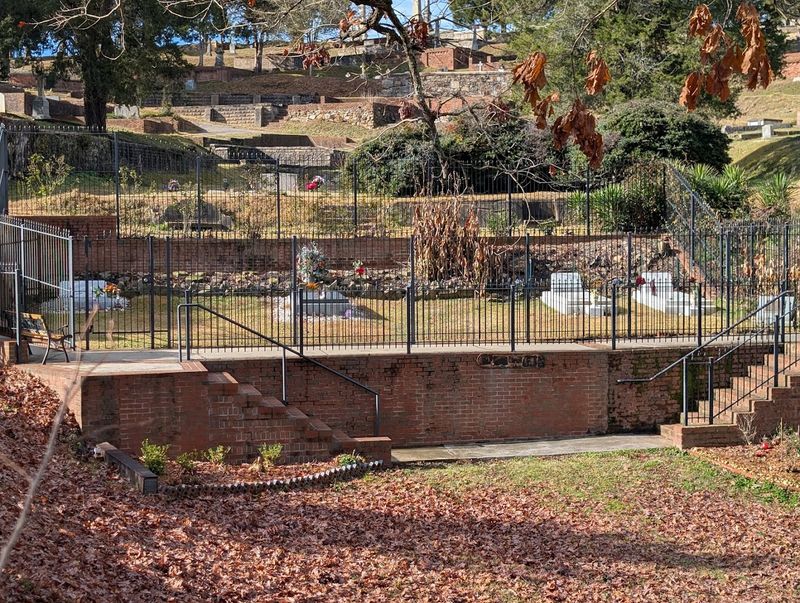
Perhaps the most forward-looking work happening at Rose Hill Cemetery right now involves the Oak Ridge section, where an ongoing research project is working to identify the burial sites of enslaved Black individuals. This effort, driven by the Cemetery Foundation, represents a meaningful and overdue acknowledgment of the full history contained within these grounds.
This project combines archival research, community involvement, and preservation expertise to bring long-overlooked names and stories back into the historical record.
The work is painstaking and requires serious dedication, but it is already generating real results and drawing attention from historians and preservationists nationwide. Visitors who take time to learn about this project often leave with a deeper appreciation for what Rose Hill truly represents as a living, evolving historical space. It is a reminder that cemeteries are not static places but active sites of memory and accountability.
5. Spectacular Marble Statues and Mausoleums Worth Photographing
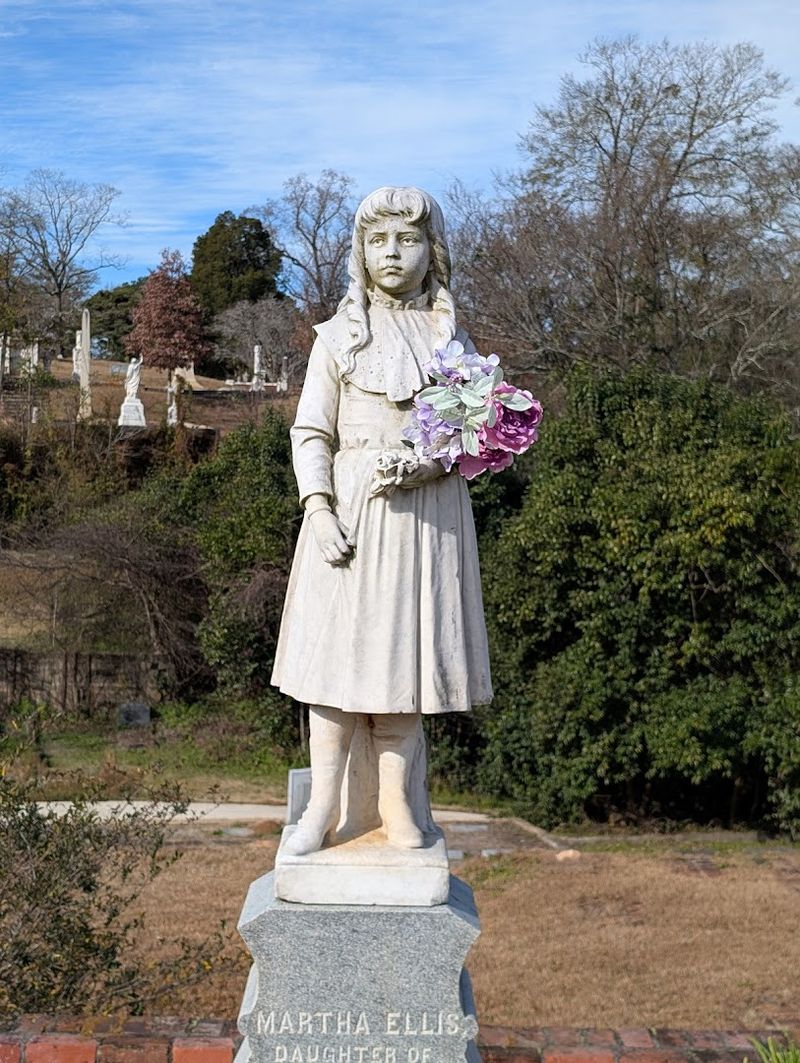
Architecture and art lovers will find plenty to admire at Rose Hill, where the craftsmanship on display rivals anything you might find in a formal museum. Marble statues, towering obelisks, and intricately carved mausoleums are scattered throughout the grounds, each one a testament to the skill of 19th-century stonemasons.
The cemetery features ironwork surrounding family plots that is so detailed it stops visitors mid-step, with scrollwork and decorative flourishes that have survived well over a century of Georgia weather.
Photography enthusiasts regularly visit just to capture these structures, and the terraced landscape creates natural framing opportunities that are hard to find anywhere else. Morning light tends to be especially flattering for photos here, casting long shadows across carved surfaces and giving the stone an almost warm glow. Bring a camera with a good close-up setting to capture the finer details of the carvings.
6. Little Martha’s Grave: The Story Behind Duane Allman’s Famous Song
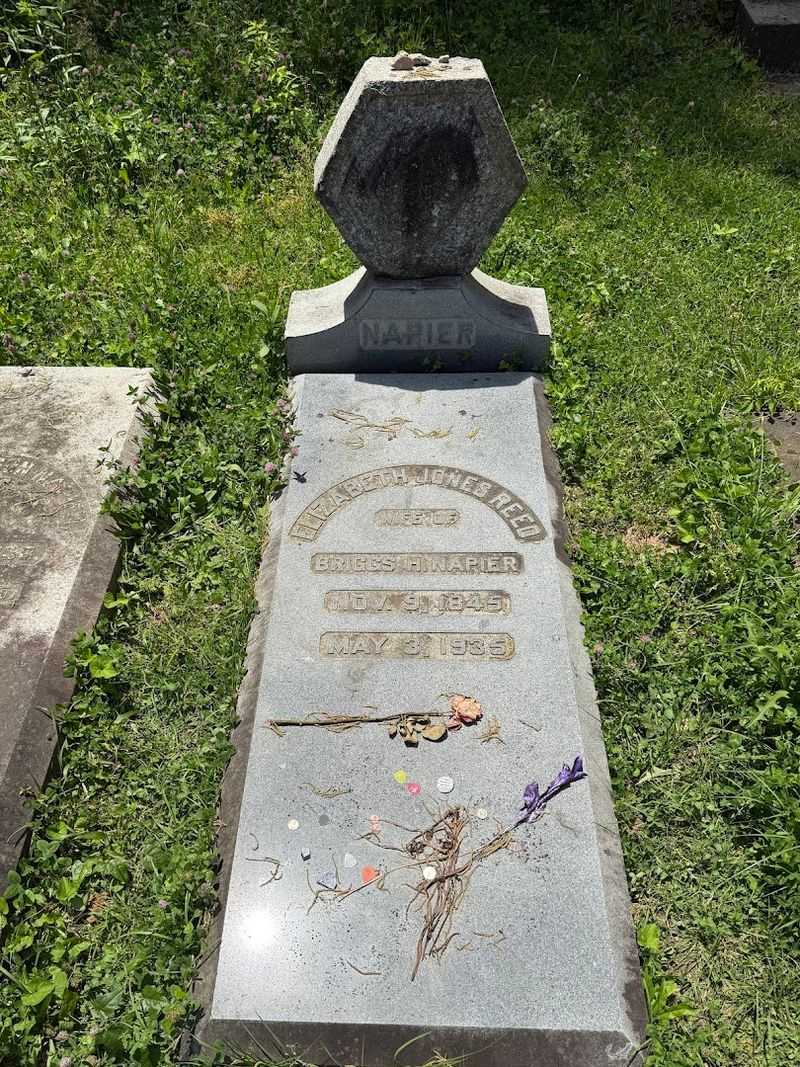
Fans of the Allman Brothers who know their music well will recognize the name Little Martha immediately. Duane Allman wrote the delicate acoustic instrumental “Little Martha” as a tribute to a young girl named Martha Ellis, whose grave he discovered while wandering Rose Hill Cemetery in the early 1970s.
That grave still stands today and visiting it creates an unexpectedly tender moment for music fans who make the effort to find it.
The stone is modest compared to the grand monuments nearby, but its significance in rock history makes it quietly extraordinary. Many visitors leave guitar picks or small flowers at the base of the marker, continuing a tradition of informal tribute that has grown organically over the decades. Finding Little Martha’s grave feels like solving a small, beautiful puzzle, and the story behind it makes the whole visit feel even more personal and meaningful.
7. The Bond Tomb: A Mysterious and Photogenic Landmark
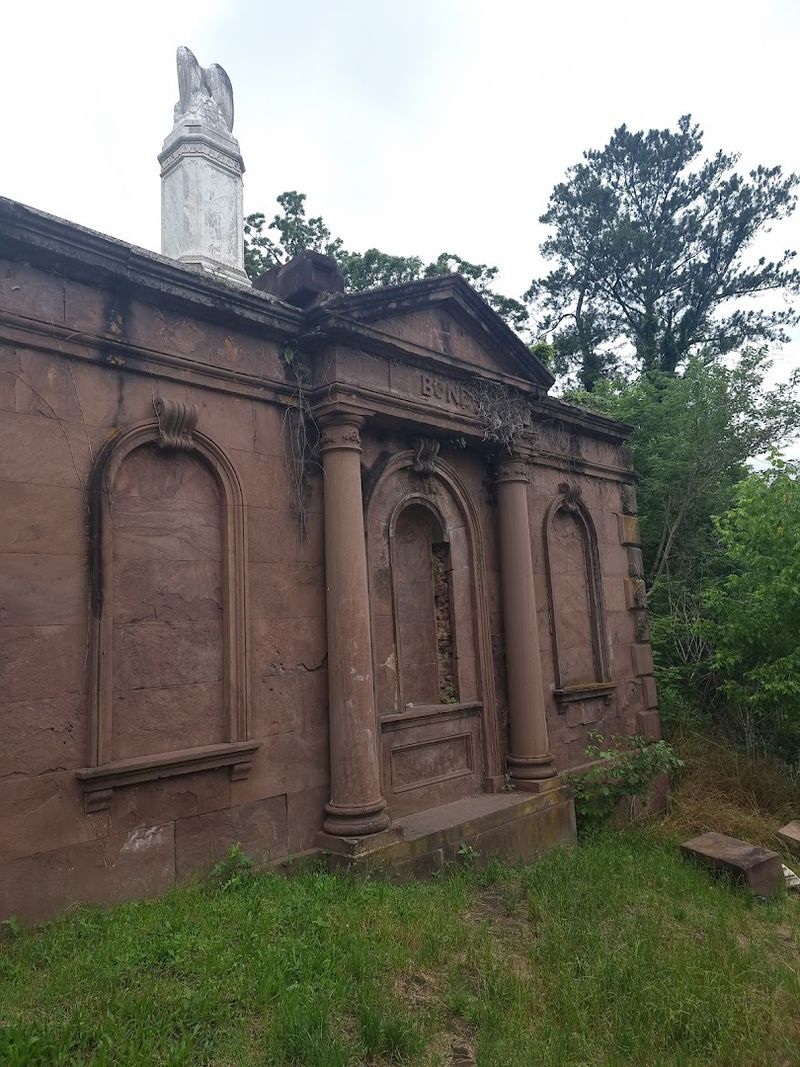
Among the many striking structures at Rose Hill, the Bond Tomb stands out as one of the most visually dramatic and historically intriguing. Visitors who stumble upon it often stop in surprise, unsure whether they are looking at a family monument or something straight out of a Gothic novel.
Situated within the sprawling grounds the Bond Tomb features architectural details that set it apart from the surrounding markers, making it a favorite subject for photographers and history enthusiasts alike.
The tomb has become something of a minor landmark within the cemetery, with several visitor reviews specifically mentioning it as a highlight of their visit. Its combination of age, scale, and design creates a mood that is hard to shake once you have seen it up close. Whether you are drawn to Gothic aesthetics or simply appreciate unusual historical structures, this is one stop on the Rose Hill map worth seeking out.
8. Sweeping River Views and Natural Scenery Along the Ocmulgee
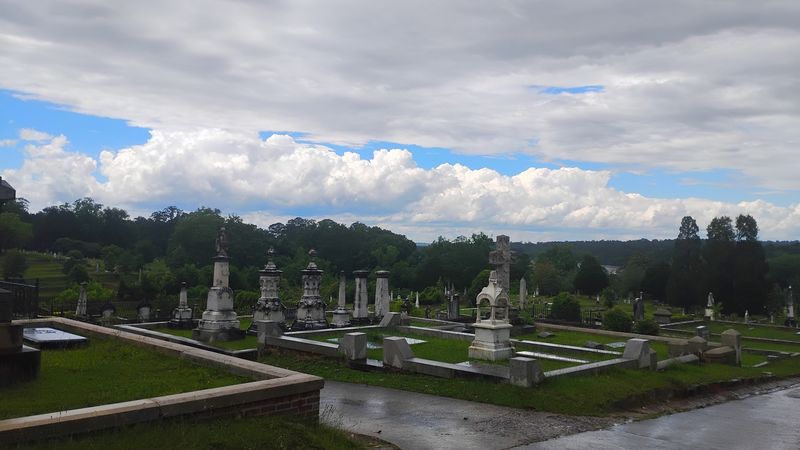
Not every reason to visit Rose Hill is tied to music or history, because the natural scenery here is genuinely stunning on its own terms. Perched on terraced hillsides above the Ocmulgee River, the cemetery offers views that stretch across the water and into the wooded landscape beyond, giving visitors a sense of peaceful elevation that is rare in an urban setting.
From certain elevated points within the grounds at 1071 Riverside Dr, Macon, GA 31201, you can watch the river move quietly below while trains pass along the nearby tracks, creating an unexpectedly cinematic backdrop.
The combination of river, railroad, and rolling green hills makes Rose Hill feel like a place slightly outside of ordinary time. Visiting in the early morning, when mist sometimes sits above the water, adds another layer of atmosphere that regular visitors mention as one of the cemetery’s most underrated pleasures. Comfortable walking shoes are a smart choice given the hills.
9. A Family-Friendly Destination With Something for Every Age
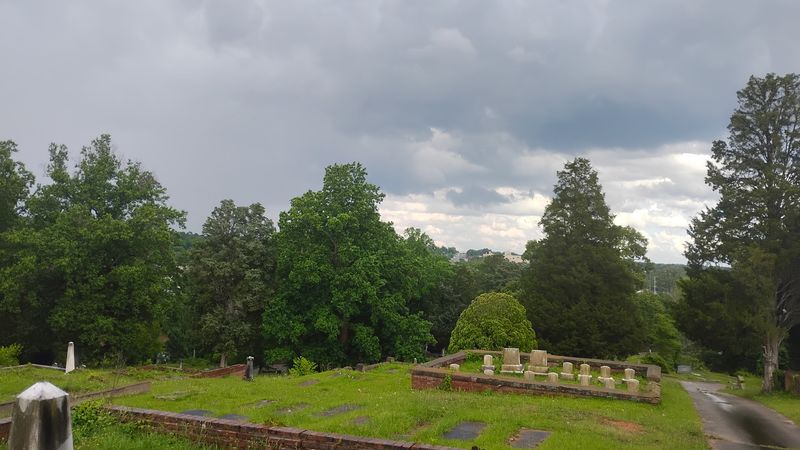
It might seem surprising to describe a cemetery as family-friendly, but Rose Hill genuinely earns that label. Children who visit with curious, engaged parents often leave with real questions about history, community, and what it means to remember people who lived long ago.
The winding paths at 1071 Riverside Dr, Macon, GA 31201 are wide enough for comfortable family strolls, and the variety of monuments, from small personal markers to grand family mausoleums, gives kids plenty of interesting things to look at and ask about.
One visitor noted that her daughter laid dandelions on children’s graves and spent time imagining what those kids might have been like if they were alive today, a beautiful and spontaneous moment of empathy that the setting naturally encourages. Rose Hill is the kind of place where history stops feeling like a school subject and starts feeling like something real, personal, and worth caring about. Respectful behavior is always appreciated.
10. Historic Politicians and Local Leaders Remembered Here
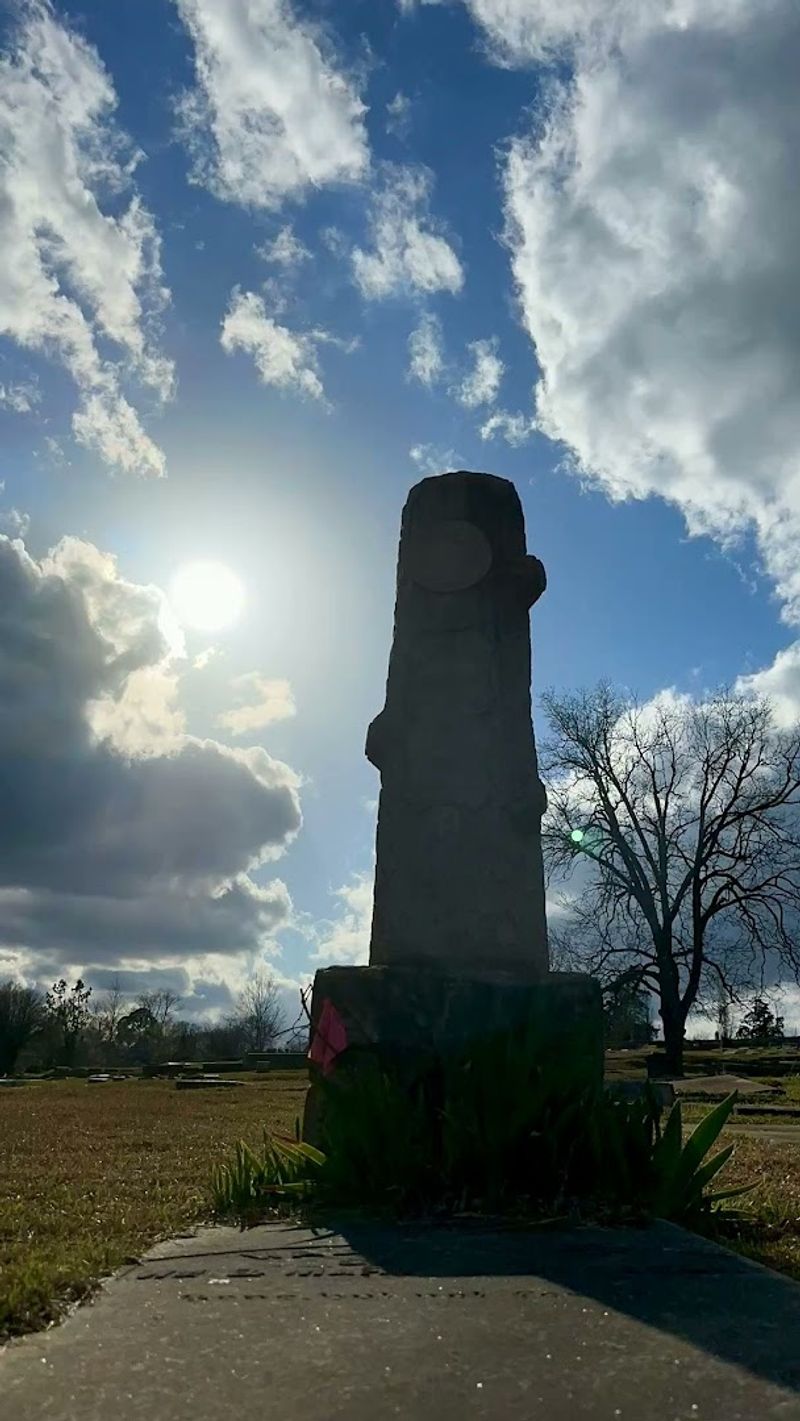
Beyond the rock-and-roll fame, Rose Hill Cemetery holds the graves of some of Georgia’s most significant historical figures, including politicians, judges, and community leaders whose decisions shaped Macon and the broader state throughout the 19th and 20th centuries.
Walking through the grounds at 1071 Riverside Dr, Macon, GA 31201 and reading the names on the larger family monuments reveals just how many threads of Georgia history converge in this single location.
Several graves belong to individuals who served in the United States Congress, and their monuments often feature symbols of civic achievement alongside personal epitaphs. For anyone interested in Southern political history, this layer of Rose Hill adds real depth to a visit that might otherwise focus only on the Allman Brothers connection. Picking up a printed guide from the cemetery office, when staff are available, can help identify which monuments belong to which notable figures and provide brief biographical context.
11. The National Register of Historic Places Recognition
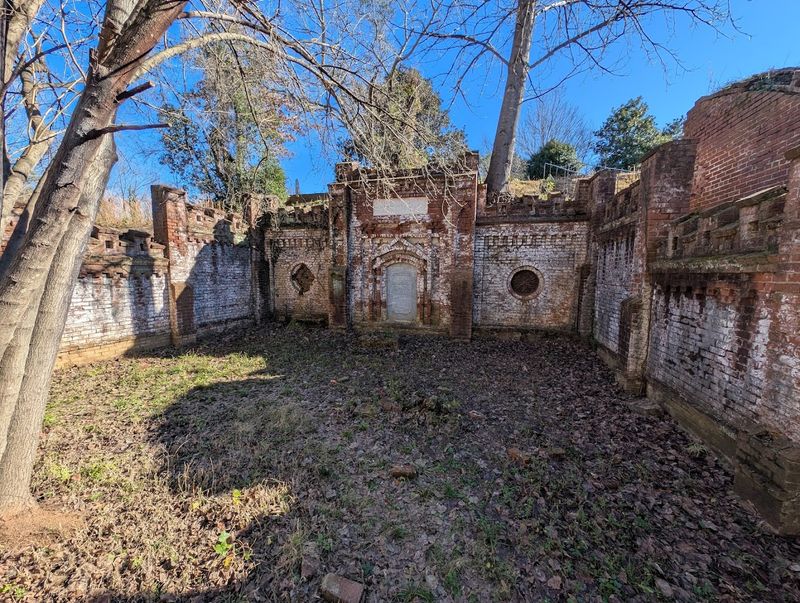
Being listed on the National Register of Historic Places is not a designation handed out casually, and Rose Hill Cemetery earned it through a combination of architectural significance, historical depth, and cultural importance that few sites in Georgia can match. This recognition places Rose Hill alongside landmarks that have shaped American history in meaningful, documented ways.
The cemetery at 1071 Riverside Dr, Macon, GA 31201 was recognized in part because of its design, its notable residents, and its role in the broader story of Georgia’s development from a young state into the complex, layered place it is today.
For visitors, this designation adds a layer of context that makes the experience feel more substantial. Knowing that federal historians have evaluated and affirmed the importance of what you are walking through changes how you look at even the simplest grave marker. Rose Hill is not just locally beloved; it is officially recognized as a place worth preserving for future generations.
12. Peaceful Walking Trails Perfect for a Quiet Afternoon Stroll
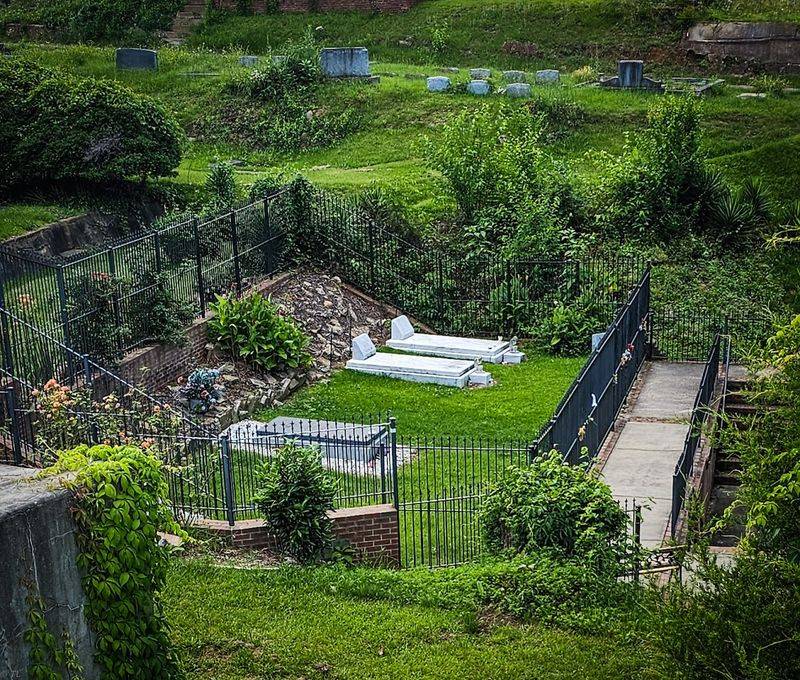
Some places earn their reputation as peaceful retreats through deliberate design, but Rose Hill’s tranquility feels entirely natural, shaped by decades of quiet growth and careful maintenance. The cemetery’s network of walking paths winds through terraced levels, past mature trees and weathered monuments, offering a genuinely restorative experience for anyone who needs a break from the noise of daily life.
Regular walkers and joggers use the grounds at 1071 Riverside Dr, Macon, GA 31201 on a weekly basis, and it is easy to see why once you step inside and feel the city’s sounds begin to fade.
One reviewer noted that driving just a little way into the cemetery makes the outside world noticeably quieter, a feature that makes Rose Hill feel like a private garden in the middle of a busy city. The hills add a light workout element, so the stroll doubles as gentle exercise. Open daily from 7 AM to 6 PM.
13. The Hebrew Burial Ground: A Surprising and Moving Discovery
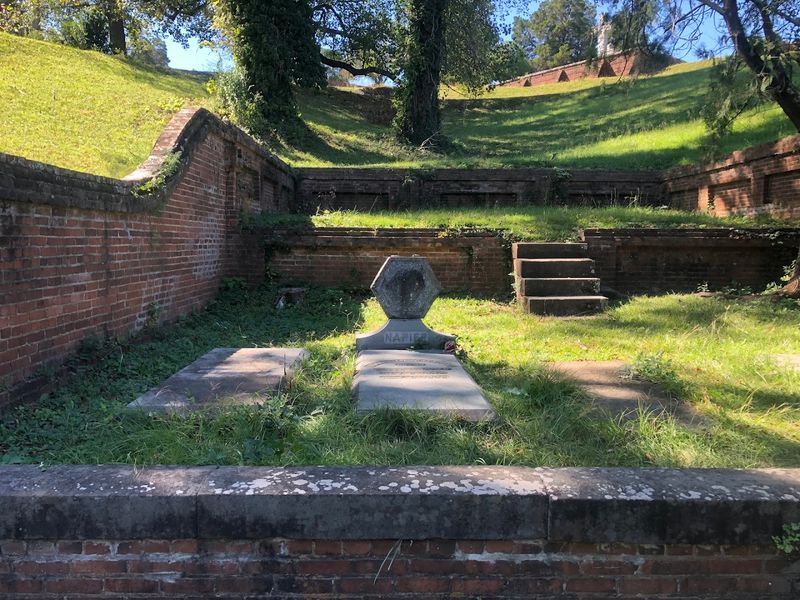
One of the most unexpectedly moving corners of Rose Hill Cemetery is its Hebrew burial section, a quietly beautiful area that speaks to the diversity of Macon’s historical community. Many visitors who come specifically for the Allman Brothers graves end up lingering here longer than planned, drawn in by the distinct stonework and unfamiliar inscriptions.
Located within the larger grounds at 1071 Riverside Dr, Macon, GA 31201, this section features grave markers carved with Hebrew script, Stars of David, and symbols unique to Jewish mourning traditions.
Even visitors who cannot read Hebrew often find the section deeply fascinating, offering a window into a faith community that was clearly well-established in 19th-century Macon. The quiet of this area tends to feel particularly still, shaded by mature trees and set slightly apart from the main pathways. It is the kind of place that makes you want to learn more long after you have left.
14. Guided Tours and Educational Events Throughout the Year
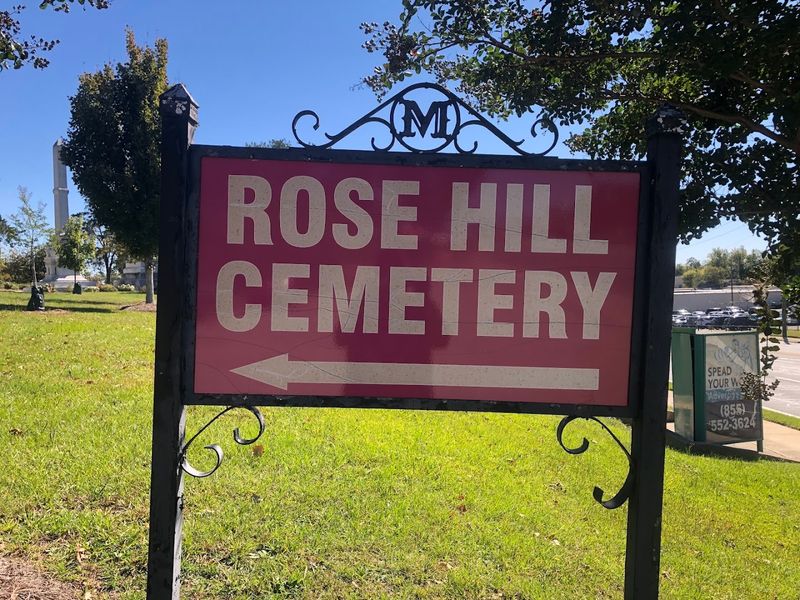
Rose Hill Cemetery is not just a place to wander on your own, though that alone is worth the trip. The Rose Hill Cemetery Foundation organizes guided tours and educational events throughout the year, bringing in knowledgeable guides who can unlock stories that most visitors would never find on their own.
These programs, tied to the cemetery at 1071 Riverside Dr, Macon, GA 31201, cover everything from the Allman Brothers history to architectural preservation techniques and the ongoing work to document the Oak Ridge slave burial section.
Several reviewers specifically mention taking tours as a highlight of their visits, noting that the experience adds enormous value to what might otherwise feel like a simple walk through old graves. Checking the official website at rosehillcemetery.org before visiting is the best way to find upcoming events, since programming can vary by season. The foundation’s commitment to education is evident in the quality and variety of what they offer year-round.
15. Watching Trains Pass by the River: An Unexpected Sensory Delight
There is something unexpectedly charming about the fact that railroad tracks run right alongside Rose Hill Cemetery, close enough that visitors can hear and sometimes see trains passing while they walk among the graves. This detail, which might seem odd at first, actually adds to the atmosphere in a way that is hard to describe until you experience it.
The tracks run near the lower section of the grounds at 1071 Riverside Dr, Macon, GA 31201, and several reviewers mention that watching trains go by along the river is one of the small, memorable pleasures of a visit here.
Interestingly, the Allman Brothers Band members used to hang out near those very tracks, and the sound of passing trains is woven into the mythology of their early Macon years. Parking near the train tracks is also the recommended approach for visitors who want to find Duane Allman’s grave without navigating the narrow upper roads in a large vehicle.