This 31-Mile Drive In California Is So Stunning, You’ll Think You’re In A Dream
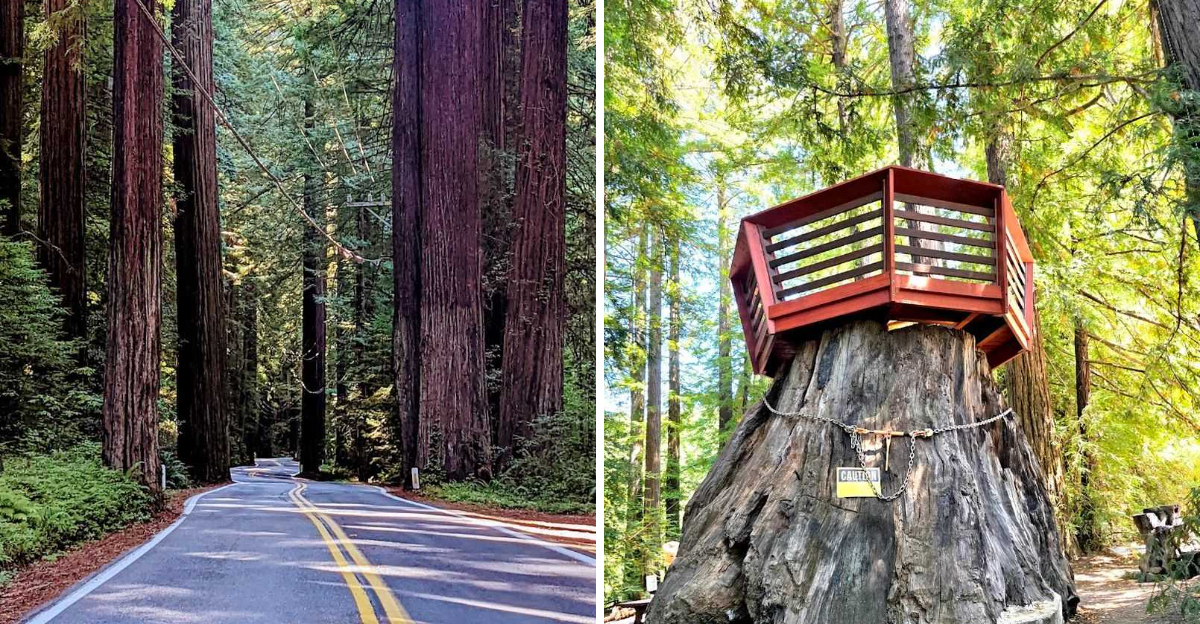
A road can feel almost unreal when the trees take over. Sunlight drops in pieces. The air turns quiet. Every bend feels slower than the last.
California has a 31-mile drive where the scenery makes regular life feel very far away.
That feeling builds mile by mile. Towering trunks rise beside the road and green shadows stretch across the pavement.
It’s not hard for pullouts to start tempting drivers to stop again and again.
A drive like this does not need speed to feel exciting, more so the magic comes from going slowly enough to notice it.
One minute feels peaceful, the next feels cinematic and it makes the whole route feel less like a drive and more like a dream you accidentally entered.
A 31-Mile Redwood Drive Along State Route 254
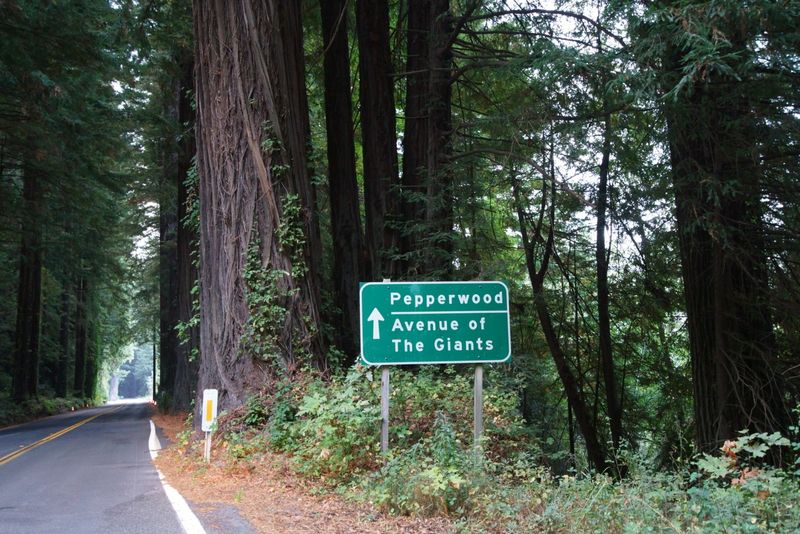
Stretching roughly 31 to 32 miles through the heart of Humboldt County, the Avenue of the Giants follows State Route 254 as a peaceful, scenic alternative to the faster Highway 101 running nearby.
The road moves at a slower rhythm, and that slower pace is very much the point. Pulling off the main highway and onto this route feels like stepping into a completely different world.
Unlike a freeway experience, the drive here keeps speed limits low and curves gentle, which gives travelers time to actually look around rather than just pass through.
Ancient redwood trees line much of the road, and their presence is impossible to ignore. The sheer scale of what surrounds the car on both sides takes some time to fully absorb.
For anyone planning a Northern California road trip, building this route into the itinerary adds significant depth to the overall experience.
The drive connects several small towns, trailheads, and natural landmarks, so it functions as much more than a simple shortcut.
Allowing a full half-day or more to explore at a comfortable pace tends to make the experience feel far more rewarding than rushing through.
Humboldt Redwoods State Park Setting
The drive runs entirely through one of the most visually striking landscapes in all of California, and the setting alone makes the trip worth taking.
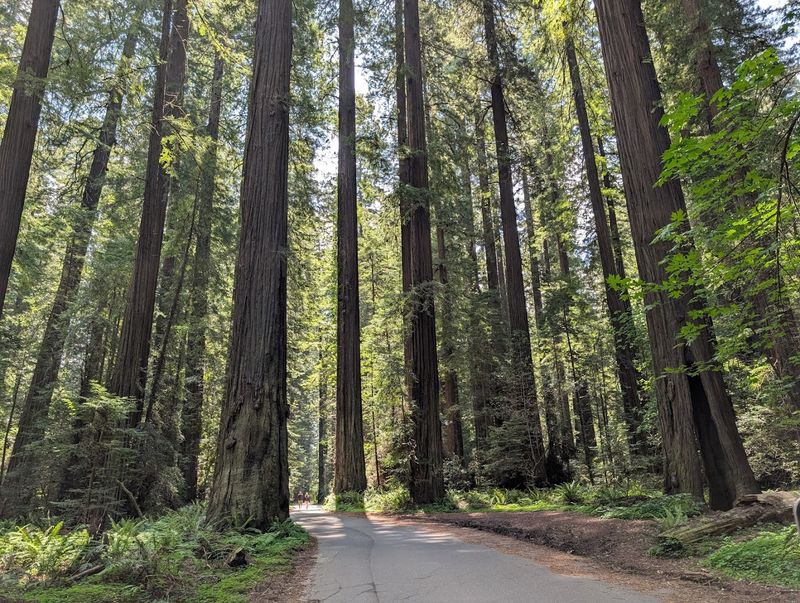
Humboldt Redwoods State Park surrounds the road on all sides, and the old-growth trees lining much of the route are not young or small by any measure.
Coast redwoods here reach heights that are genuinely difficult to process from ground level.
The forest floor beneath the towering trunks stays cool and shaded even on warm days, and the quality of light that filters through the canopy shifts constantly depending on the time of day and cloud cover.
Early mornings tend to bring a soft mist that settles low among the ferns, giving the whole landscape a quiet, almost otherworldly quality.
That atmosphere is one of the things that makes this park so memorable for first-time and returning visitors alike.
The park covers a significant area and includes both old-growth and second-growth forest sections.
Old-growth areas feel distinctly different from younger forest, with a density and stillness that is hard to describe until experienced in person.
Planning to spend time outside the car rather than only driving through makes the visit considerably richer.
Largest Remaining Old-Growth Redwood Forest In The World
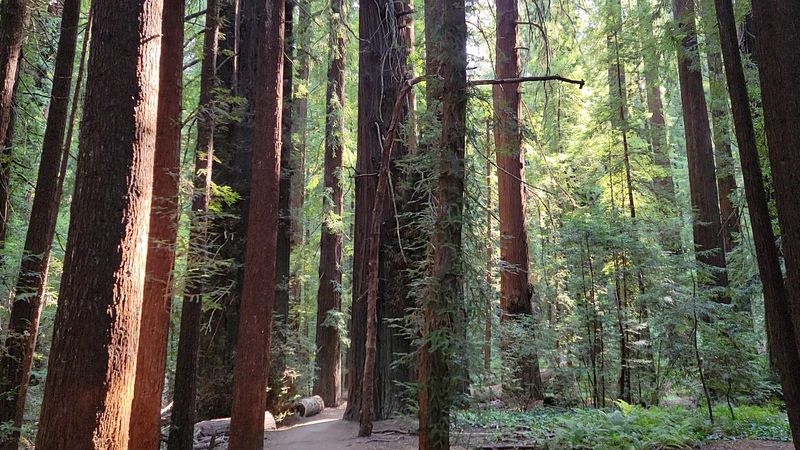
According to California State Parks, Humboldt Redwoods State Park protects the largest remaining old-growth redwood forest in the world, which is a fact that carries real weight when standing beneath these trees.
Old-growth forest means the trees have never been logged, and many of them have been growing in the same spot for well over a thousand years.
That kind of continuity is extraordinarily rare on a global scale.
Coast redwoods are already the tallest tree species on the planet, and the old-growth specimens found here represent the best of what once covered a much larger portion of the California coast.
Logging throughout the nineteenth and twentieth centuries removed the vast majority of original redwood forest, making what remains inside this park genuinely irreplaceable.
Conservation efforts over the past century helped preserve what visitors can experience today.
Walking among old-growth trees feels different from being in any other kind of forest. The trunks are so wide that several people standing side by side could not reach around them.
The bark has a deep reddish-brown color and a fibrous, almost soft texture that absorbs sound, contributing to the remarkable quiet that old-growth redwood forests are known for.
Founders Grove
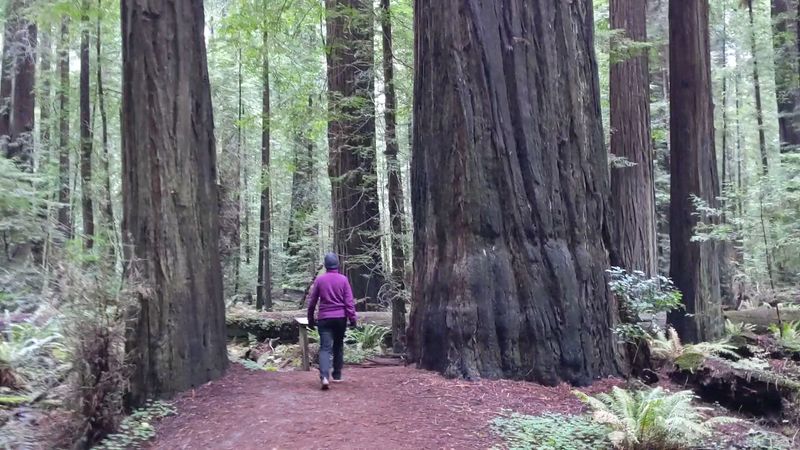
Among the most well-known stops along the entire drive, Founders Grove offers an easy nature loop trail that brings visitors into direct contact with some of the largest trees in the park.
The trail is short and relatively flat, making it accessible for most ages and fitness levels.
A walk through the grove takes roughly twenty to thirty minutes at a relaxed pace, though many people spend longer simply standing still and looking up.
The grove is named in honor of the early conservationists who worked to protect California redwoods from logging during the early twentieth century.
Their efforts created the foundation for much of what the park protects today. A large interpretive sign near the trailhead provides context about the grove’s history and the specific trees found along the loop.
One of the most striking features of Founders Grove is the Founders Tree, which stands as one of the tallest trees in the park and is visible from the trail.
There is also a massive fallen tree along the path that gives a clear sense of just how large these trees become over centuries of growth.
Visiting on a weekday morning tends to mean fewer people on the trail, which allows for a quieter and more personal experience in the grove.
Shrine Drive-Thru Tree
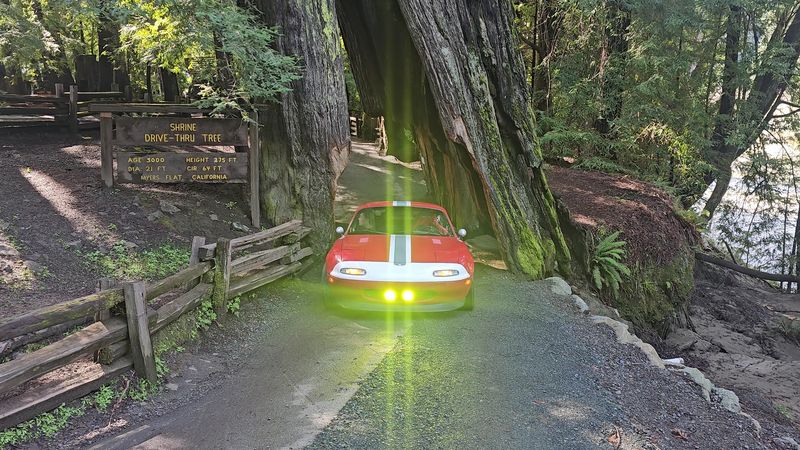
Near the small community of Myers Flat, the Shrine Drive-Thru Tree offers one of the most iconic roadside experiences along the entire avenue.
A tunnel was carved through the base of a living redwood tree decades ago, and cars can still drive directly through it today.
The opening is narrow, and not every modern vehicle fits comfortably, so checking dimensions before attempting the drive-through is worth doing.
The Shrine Drive-Thru Tree has been a roadside attraction since the mid-twentieth century and carries a certain nostalgic charm that connects the present-day visit to an earlier era of American road travel.
Families with children tend to find it particularly memorable, and the novelty of passing through a living tree is hard to replicate anywhere else.
The surrounding area includes a small gift shop and open grounds where visitors can walk around and take photos.
Even for travelers who choose not to drive through the tree, stopping here adds a lighthearted and distinctly retro moment to the drive.
There is a fee to drive through the tree, so bringing some cash or checking current payment options ahead of time is a good idea.
Eel River Access Along The Route
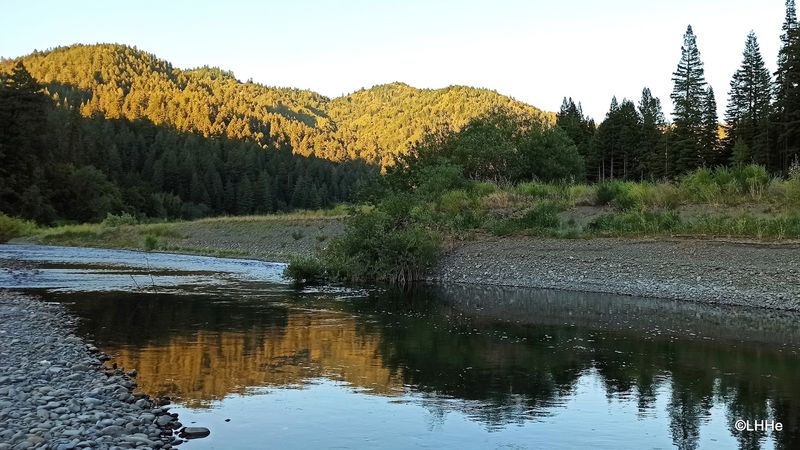
Running alongside and crossing beneath the avenue at several points, the Eel River adds a significant natural element to the drive that goes well beyond the trees themselves.
The river holds federal designation as a Wild and Scenic River, which reflects both its ecological value and the relatively undeveloped character of its banks.
Access points along the route give visitors the chance to stop and spend time at the water’s edge.
Swimming in the Eel River is popular during summer months when water levels drop and temperatures warm enough to make it appealing.
Sandy and rocky bars along the river create natural gathering spots, and the water tends to run clear and calm in late summer.
Fishing is also common along the river, and the surrounding area supports a variety of wildlife that may be spotted near the water in quieter moments.
Paddling on the Eel River is another option for those who bring their own equipment or arrange rentals nearby.
The river’s character changes significantly with the seasons, and spring flows can be fast and cold while summer conditions tend to be far more relaxed.
Checking current river conditions before planning any water activity is always a practical step regardless of the time of year.
Small Forest Towns Along The Way
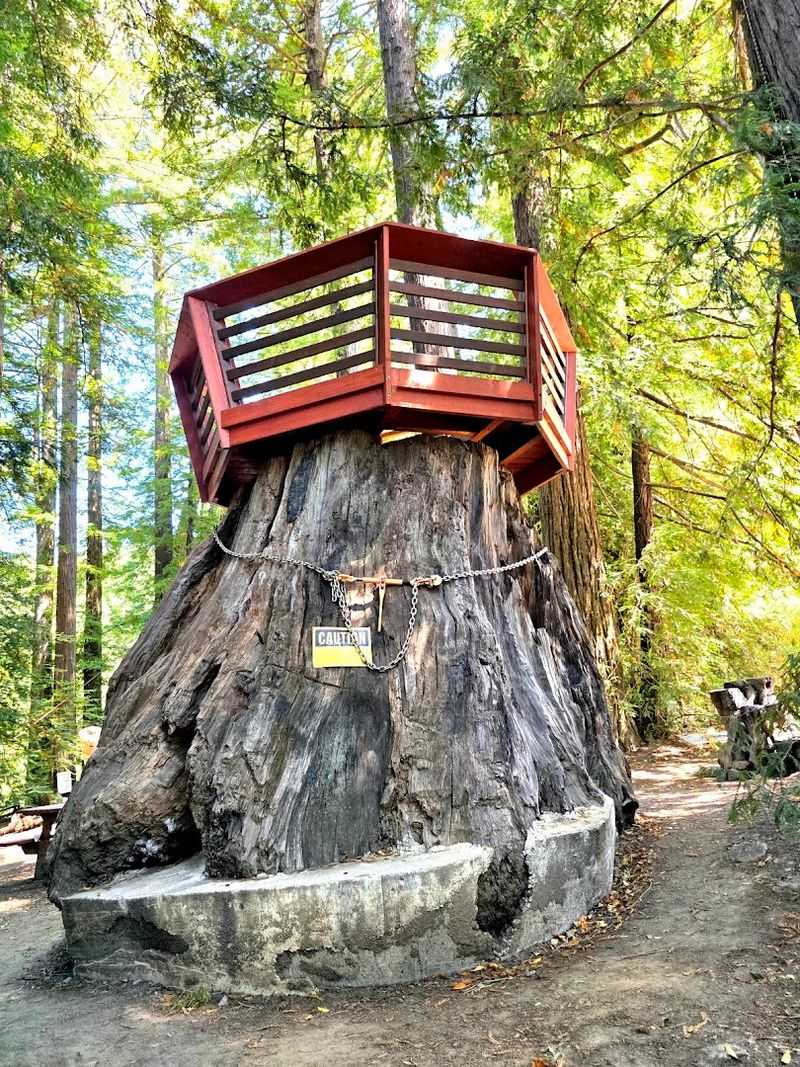
Dotted along or just off the avenue, the small communities of Pepperwood, Redcrest, Weott, Myers Flat, Miranda, and Phillipsville give the drive a distinctly unhurried, small-town character that contrasts pleasantly with the grandeur of the surrounding forest.
These are genuinely small places, most with just a handful of businesses, and that quietness is part of what makes stopping in them feel different from a typical tourist town experience.
Some of these communities were significantly impacted by historic flooding from the Eel River over the decades, and visible reminders of that history can be found in a few spots along the route.
Weott, for example, saw major flood damage in the 1950s and was largely rebuilt afterward. That kind of local history adds a layer of human story to what might otherwise feel like a purely natural landscape.
Stopping for supplies, a snack, or simply to stretch and walk around in one of these towns adds a grounded, real-world dimension to the drive.
Small general stores and roadside spots in towns like Miranda and Myers Flat may carry basics for travelers passing through.
Pacing the drive to allow for a few of these small stops tends to make the overall experience feel more connected and less like a rushed checklist.
Humboldt Redwoods Visitor Center
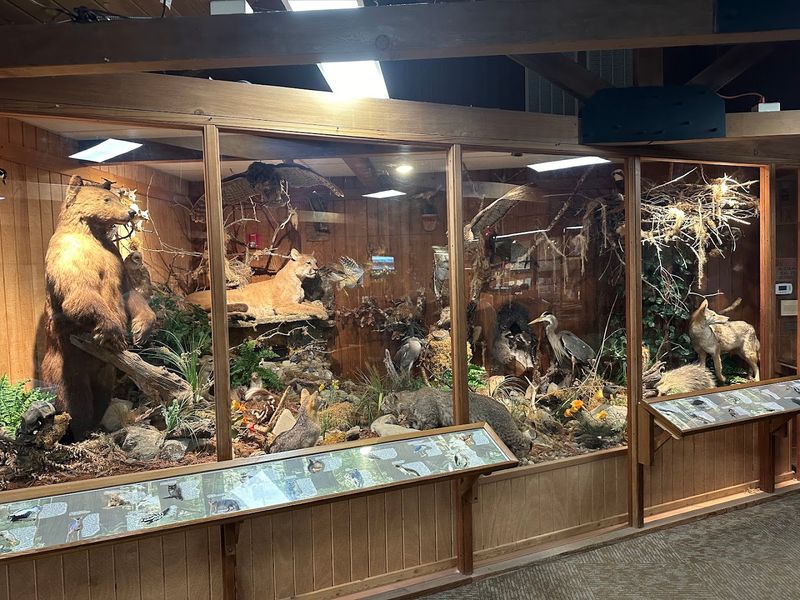
Positioned along the avenue between the communities of Weott and Myers Flat, the park visitor center serves as a genuinely useful stop for anyone wanting to make the most of their time in the park.
Staff there can provide current trail conditions, recommend specific stops based on interests, and answer questions about the history and ecology of the redwood forest. Printed maps and brochures are typically available at no cost.
The visitor center at 17119 Avenue of the Giants, Weott, California houses exhibits about the natural history of coast redwoods, the story of conservation efforts in the region, and the ecological systems that support old-growth forest.
Those exhibits are worth spending time with even for visitors who consider themselves well-informed about redwoods, since the depth of information available tends to add meaningful context to what can be seen outside on the trail.
Hours at the visitor center can vary by season, so checking the California State Parks website before arriving is a practical step.
Stopping here early in the drive rather than at the end allows the information gathered to inform the rest of the visit.
Restrooms are available at the visitor center, which is a practical consideration given how spread out facilities can be along the rest of the route.
A Gentle and Slower Route Worth Taking Slowly
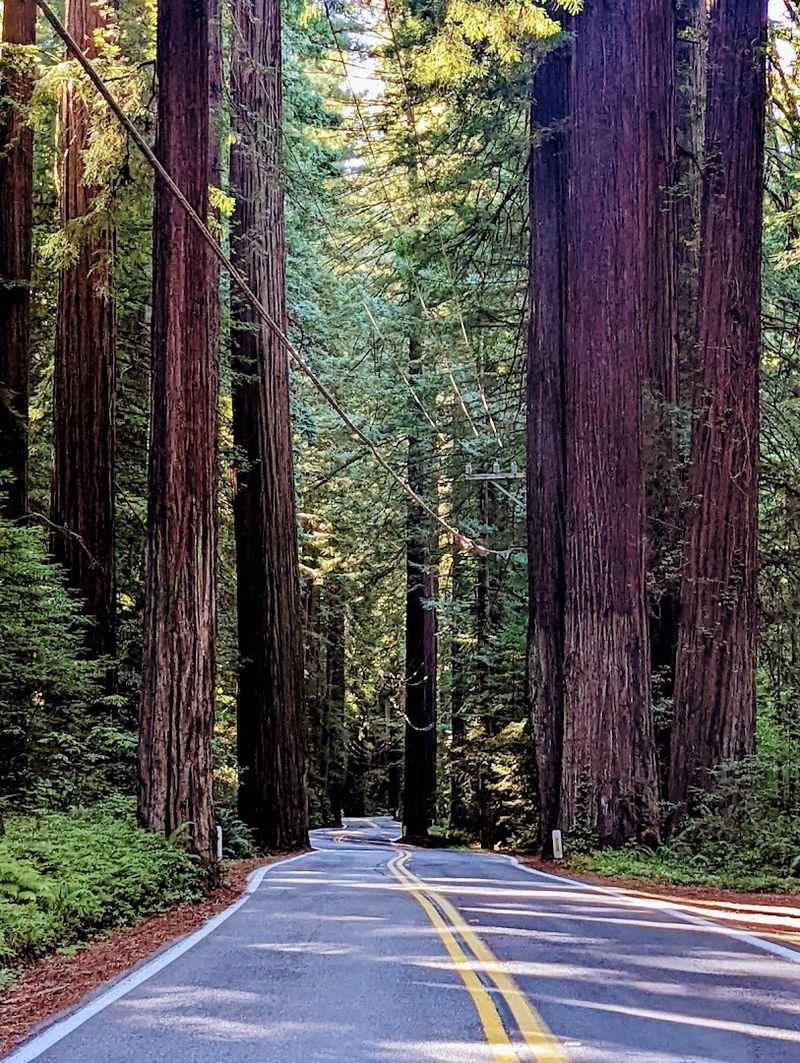
Roads that feel genuinely relaxing to drive are rarer than most people realize, and the Avenue of the Giants earns that description honestly.
The pavement stays mostly flat with only gentle curves throughout its length, which means the drive does not demand intense concentration or stress drivers with sharp switchbacks or steep grades.
That accessibility makes it suitable for a wide range of travelers including those who find mountain roads uncomfortable.
The low speed limits along the route are not a frustration but rather an invitation to match the pace of the forest itself.
Redwoods grow slowly, live for centuries, and exist entirely outside the pace of modern daily life.
Moving through that environment at a slower speed allows some of that unhurried quality to actually register rather than blur past a window.
Traveling the avenue on a weekday tends to mean lighter traffic and more space to pull over freely without competing for pullout spots.
Weekend visits can bring more vehicles, particularly during summer months when Northern California tourism peaks.
Going early in the morning regardless of the day tends to offer the best combination of soft light, cooler temperatures, and a quieter road that feels more personal and less like a shared attraction.