15 Epic North Carolina Road Trips You Need To Take That Belong On Your Bucket List
North Carolina was basically built for people who cannot resist saying, “let’s take the scenic route.”
One road climbs toward misty mountain overlooks, while another drifts past wild beaches, lighthouse views, or a tiny town with suspiciously good pie.
Long drives feel shorter here because something worth pulling over for keeps showing up around every bend.
Gas stations become snack stops, snack stops become photo ops, and before long the whole trip starts feeling like the destination.
1. Blue Ridge Parkway Grand Tour
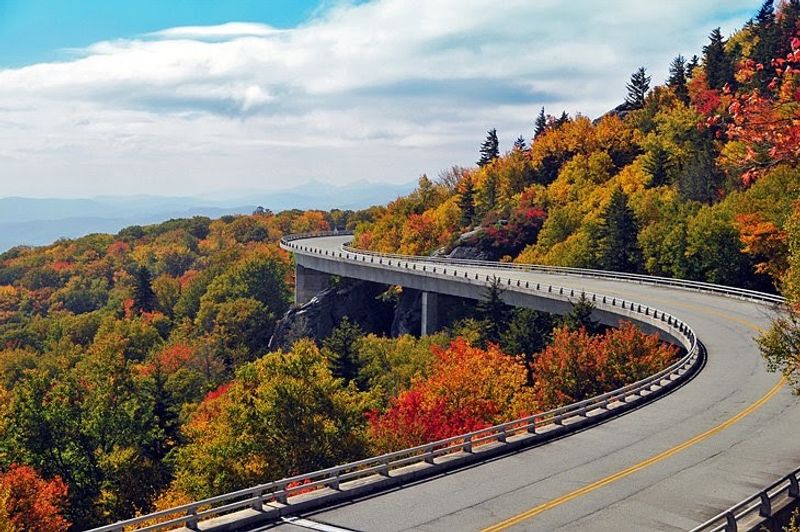
Mist, stone tunnels, and mile after mile of mountain drama make the Blue Ridge Parkway feel like North Carolina’s ultimate scenic road trip. Its North Carolina stretch runs for roughly 252 miles, linking iconic high-country views with trailheads, picnic areas, overlooks, and small-town detours.
Asheville, Mount Mitchell, Linville Falls, Moses H. Cone Memorial Park, and the Boone-Blowing Rock area can all become anchor points, depending on how much time you have.
A rushed drive still looks beautiful, but a two- or three-day plan lets the route breathe. Weather, repairs, and seasonal closures can affect sections, so checking National Park Service updates before leaving remains essential.
Pack layers because temperatures change quickly with elevation, and download offline maps in case service disappears along the ridges. Sunrise can turn the valleys silver, while late afternoon brings warm light across the slopes.
Every curve gives the trip another reason to slow down.
2. High Country Loop
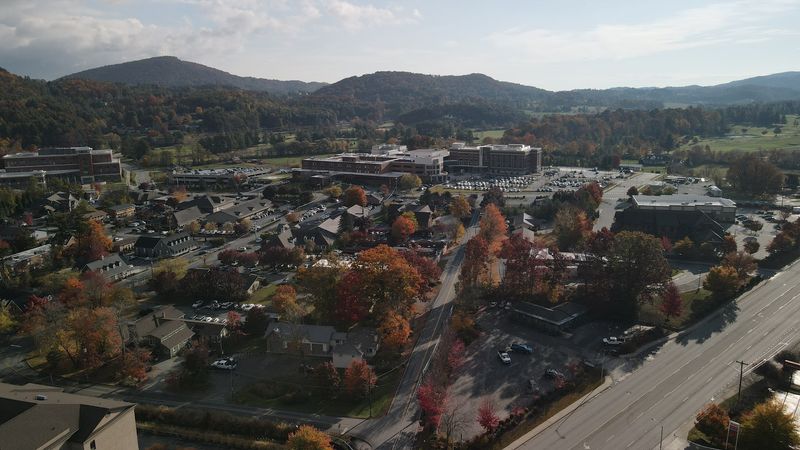
Boone brings the energy, Blowing Rock brings the polish, and Banner Elk adds the relaxed resort-town charm that makes this mountain loop feel complete. Instead of one long highway push, the route lets travelers move through three distinct High Country personalities in a single weekend.
Boone works well as a base, with college-town restaurants, Appalachian State spirit, and easy access to nearby hiking. Blowing Rock offers galleries, boutiques, cozy inns, and its famous cliffside attraction, while Banner Elk puts visitors close to Sugar Mountain, Beech Mountain, and Grandfather Mountain.
Fall color makes the drive especially popular, but spring blooms, summer breezes, and winter ski weekends all give the loop a reason to exist year-round. Mountain weather can shift quickly, so flexible plans help more than a rigid checklist.
Coffee stops, scenic pullouts, and casual lunches keep the pace enjoyable between bigger attractions. The loop feels compact, varied, and wonderfully satisfying.
3. Waterfall Byway
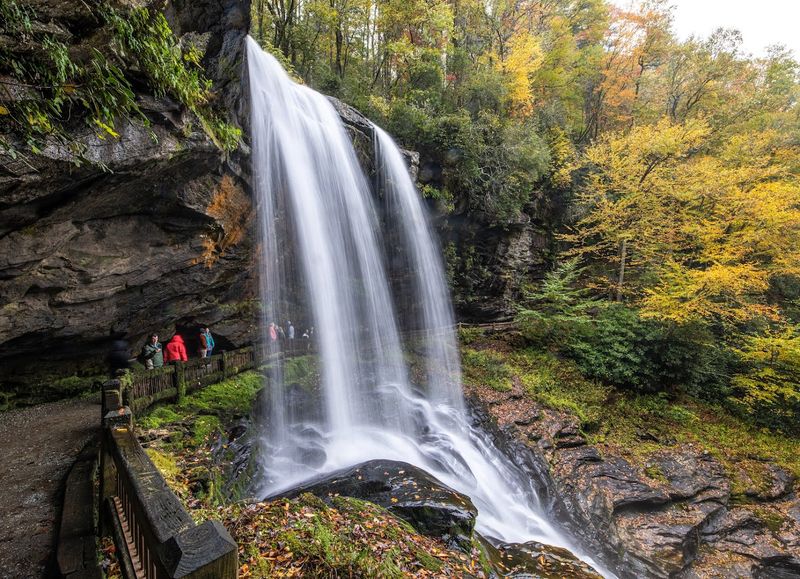
Waterfall seekers get one of North Carolina’s most rewarding drives along U.S. 64, where the road between Rosman and Murphy cuts through a region famous for cascades, cliffs, and forested curves. Dry Falls near Highlands remains one of the most memorable stops because visitors can walk behind the falling water when conditions allow.
Bridal Veil Falls, Cullasaja Falls, Whitewater Falls, and smaller roadside cascades can all shape the route, but trying to see too many in one day turns wonder into homework. Early starts matter because parking near popular waterfalls fills quickly, especially in warm months and during fall color.
Shoes with good traction are smarter than sandals, since wet rock can be dangerous even near easy-access viewpoints. Highlands and Cashiers add polished mountain-town stops for food, coffee, and wandering between waterfall detours.
Choose a handful of falls and linger. The mist, sound, and mountain air carry the rest.
4. Forest Heritage Scenic Byway Through Pisgah
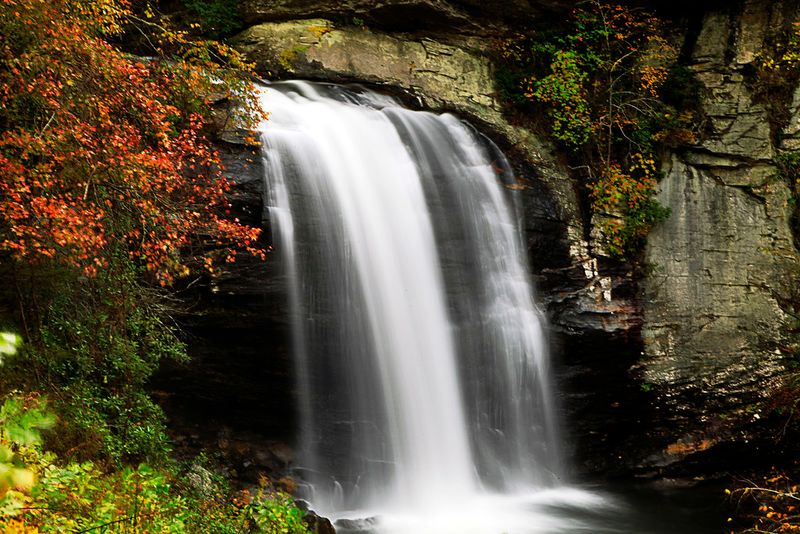
Pisgah National Forest packs an impressive amount of beauty into the Forest Heritage Scenic Byway, a roughly 79-mile loop tied to waterfalls, forest history, mountain roads, and Appalachian scenery. U.S. 276 provides some of the route’s most popular moments, including Looking Glass Falls, Sliding Rock, and access to the Cradle of Forestry.
Looking Glass Falls is especially easy to appreciate because the cascade sits close to the road, making it one of the state’s most accessible waterfall stops. Cradle of Forestry adds a deeper layer by connecting the drive to conservation history and the development of modern forest management.
Cyclists often tackle portions of the byway for the climbs, while casual travelers can enjoy the same scenery from scenic pullouts and shaded picnic areas. Curves, traffic, and sudden stops near attractions mean drivers should stay alert.
A full day gives Pisgah enough room to show off properly.
5. Cherohala Skyway
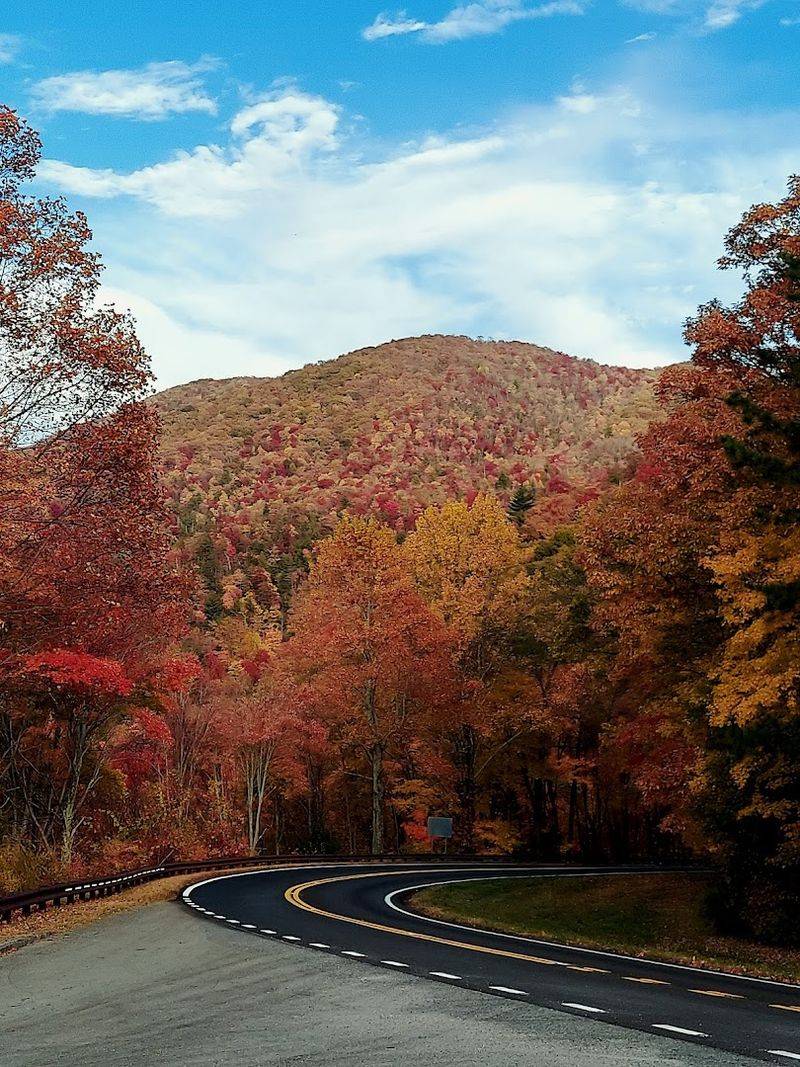
High-elevation curves make the Cherohala Skyway feel like a road built for people who enjoy watching the world fall away below them. Stretching between Robbinsville, North Carolina, and Tellico Plains, Tennessee, the 43-mile route climbs through forested ridges, open overlooks, and sweeping mountain views that can feel wonderfully removed from busier scenic drives.
Robbinsville makes a strong North Carolina starting point, especially for travelers who want to pair the skyway with Lake Santeetlah or Joyce Kilmer Memorial Forest. Pullouts appear throughout the route, and using them often is the whole point.
Fog, wind, and sudden weather changes can appear at higher elevations, so layers and flexible timing matter. Motorcyclists love the smooth curves, but the skyway also rewards anyone willing to take it slowly.
Joyce Kilmer Memorial Forest adds a quieter side trip, where old-growth trees bring a humbling stillness after the open-air drama of the road.
6. Smoky Mountains And Cherokee Loop
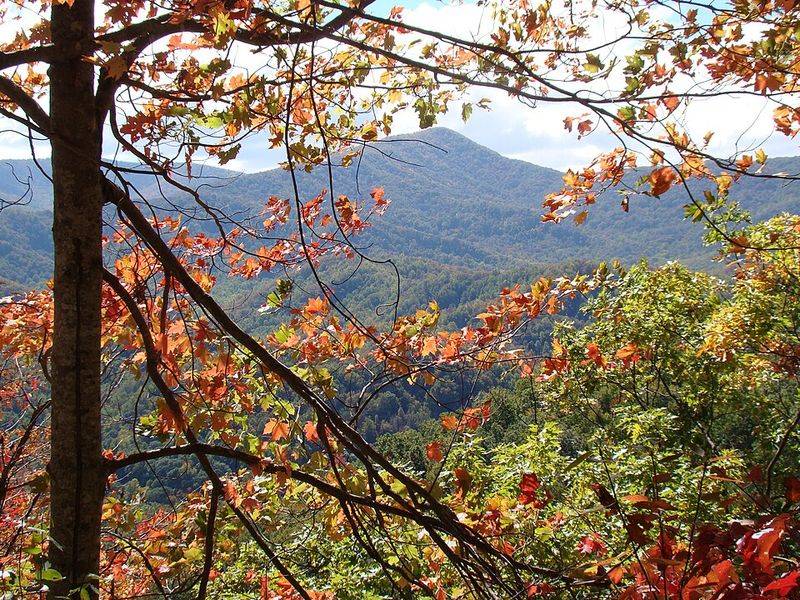
Cherokee gives this western North Carolina loop a sense of place before the mountain roads even begin. A thoughtful trip should start with the Museum of the Cherokee People, where history, culture, and storytelling provide essential context for the land surrounding the route.
From there, travelers can move toward Oconaluftee and Great Smoky Mountains National Park, where elk are often seen during quieter morning and evening hours from a safe distance. Bryson City adds restaurants, shops, the Great Smoky Mountains Railroad, and easy access to the Nantahala area.
River adventures, forest roads, and misty mountain views give the loop a strong outdoor rhythm, while Cherokee’s cultural stops keep it from becoming only a scenic drive. Wildlife should never be approached, and park traffic can build quickly during peak seasons.
Food stops in Bryson City or Cherokee make the day feel more grounded. The full loop blends heritage, scenery, and mountain adventure.
7. Outer Banks Scenic Byway
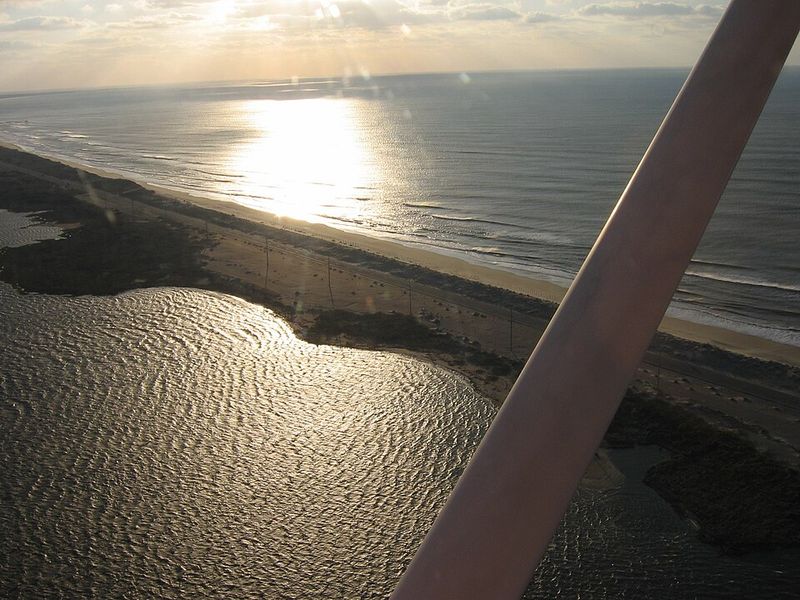
Ocean, sound, sand, ferries, and wind make the Outer Banks Scenic Byway one of the most distinctive coastal road trips in the country. Highway 12 carries travelers south through barrier-island towns, beach access points, lighthouse country, and long stretches where water seems to press close from both sides.
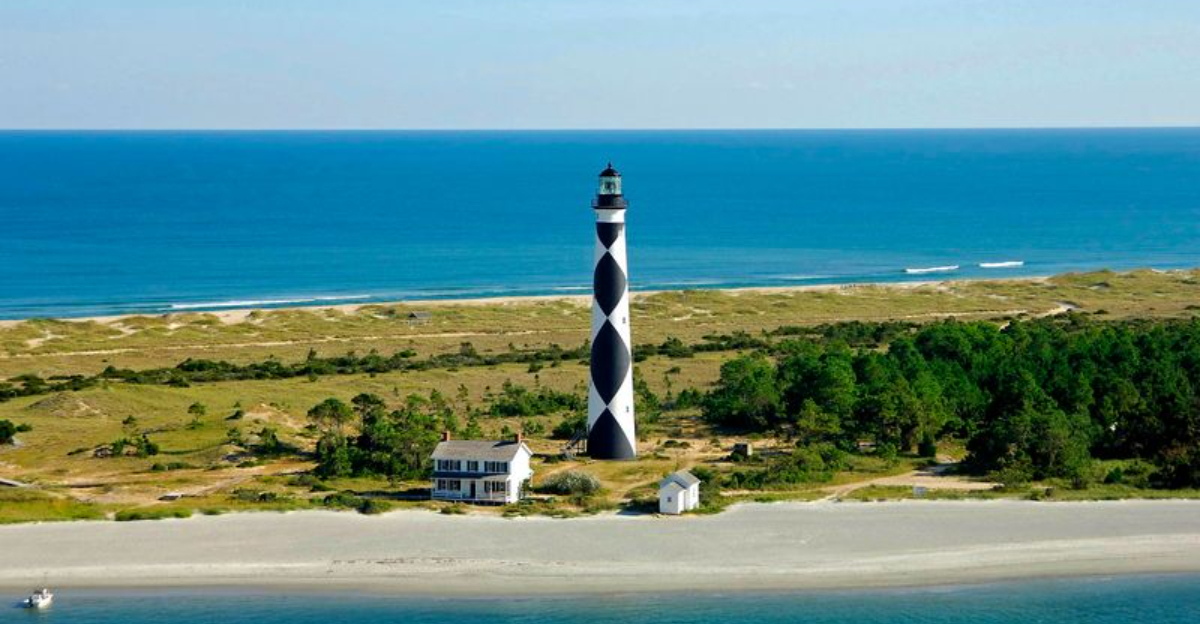
Nags Head makes a practical starting point with Jockey’s Ridge State Park, seafood restaurants, and wide beaches before the drive narrows toward Hatteras Island. Cape Hatteras National Seashore adds lighthouse views, windswept dunes, and a more remote coastal mood as the route continues.
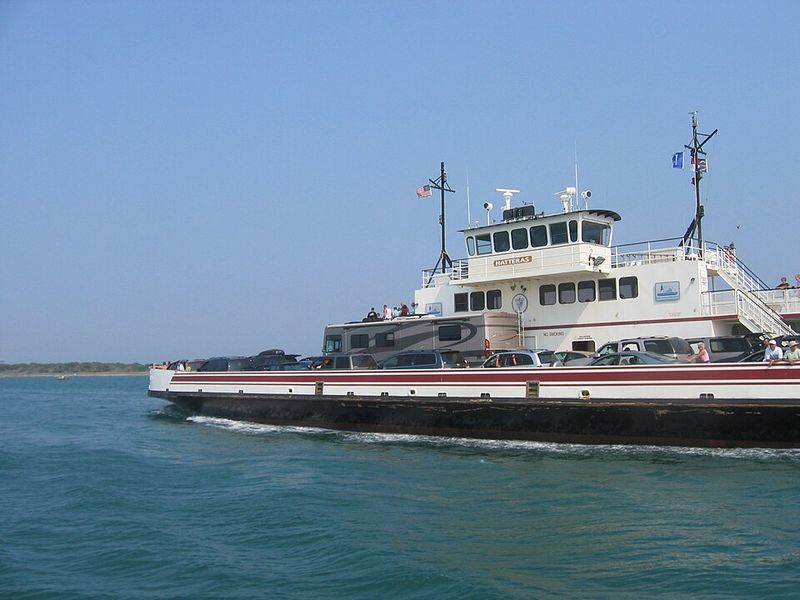
Ferry crossings bring the journey its best sense of adventure, especially when the road gives way to open water on the way toward Ocracoke. Schedules, weather, and storm conditions can change the experience, so checking ferry and road updates is essential.
Ocracoke Village rewards patience with quiet lanes, beach access, local shops, and an unhurried island pace.
8. Pamlico Scenic Byway
Soft water views and quiet communities give the Pamlico Scenic Byway a completely different coastal personality than the Outer Banks. Instead of leaning on crashing waves and beach crowds, the route follows calmer eastern North Carolina scenery through small towns, waterfront roads, marshes, refuges, and historic sites.
Bath makes one of the strongest stops because it is North Carolina’s oldest incorporated town, with colonial history, peaceful streets, and a waterfront that feels intimate rather than staged. Belhaven adds harbor charm and the wonderfully unusual Belhaven Memorial Museum.
Birders can build the drive around nearby refuges and seasonal waterfowl movement, especially during migration periods. Travelers looking for constant action may miss the point here.
Pamlico’s appeal comes through slower details: boats at rest, low light on the water, old churches, quiet porches, and long stretches where the sky seems to open wider than expected. Pack binoculars and let the route stay gentle.
9. Crystal Coast Road Trip
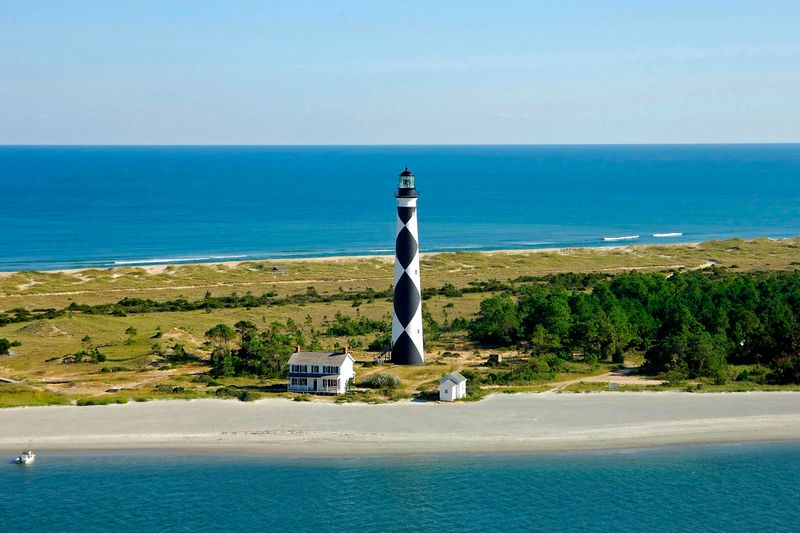
Beaufort, Morehead City, Atlantic Beach, and Emerald Isle create a Crystal Coast route with enough range to satisfy history lovers, beach families, seafood fans, and boat-trip dreamers. Beaufort makes a charming anchor with waterfront streets, historic homes, and the North Carolina Maritime Museum, where exhibits connect visitors to Blackbeard’s flagship, boatbuilding, and coastal life.
Morehead City brings a more active working-waterfront feel, with restaurants and marinas keeping the town lively. Atlantic Beach adds easy sand access and nearby Fort Macon State Park, giving the trip both recreation and history.
Emerald Isle rounds out the drive with wide beaches, family-friendly stays, and a relaxed shoreline pace that suits longer vacations. Short distances between stops make the trip easy to customize, whether you have a weekend or a full week.
Boat tours, shelling trips, and excursions tied to nearby wild-horse habitats can add another layer with planning. Each town shifts the mood.
10. Southern Beaches Loop
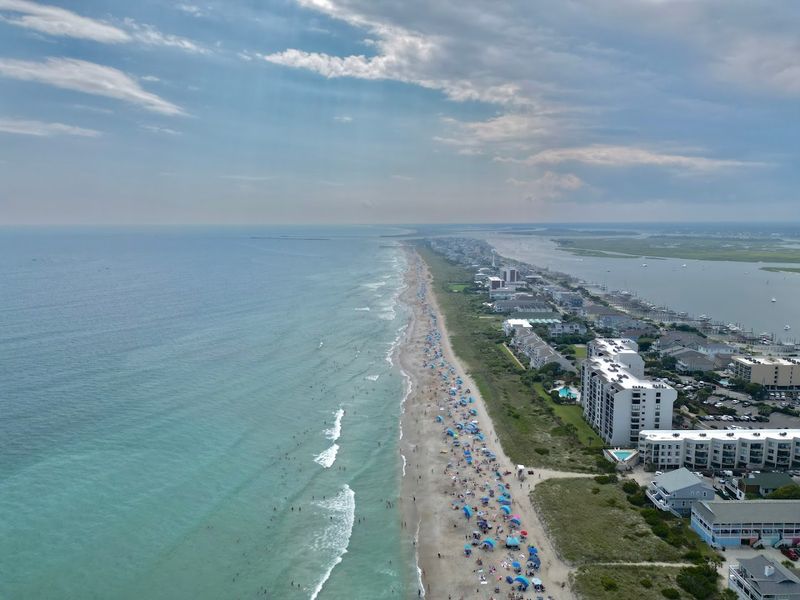
Wilmington gives this beach loop a lively anchor before the route fans out toward Wrightsville Beach, Carolina Beach, Kure Beach, and Southport. Riverfront streets, restaurants, historic homes, and city energy make Wilmington a strong starting point for travelers who want more than sand.
Wrightsville Beach brings surf culture, clean shoreline, and a polished coastal feel close to town. Carolina Beach adds boardwalk energy, casual food stops, and nearby Carolina Beach State Park, where Venus flytraps grow naturally in rare habitat.
Kure Beach slows the pace with a quieter shoreline and access to Fort Fisher State Historic Site. From Fort Fisher, the ferry to Southport can turn the trip into a true coastal loop rather than a simple backtrack.
Southport’s waterfront, old homes, and film-friendly streets make the ending feel warm and relaxed. Summer traffic can be frustrating, so spring and fall often create a smoother drive with room to linger.
11. Southport To Bald Head Island Ferry Trip

A road trip that knows when to leave the car behind deserves a place on any North Carolina bucket list. Southport to Bald Head Island begins with a ferry ride, then shifts into a car-free island experience where golf carts, bikes, and walking paths replace ordinary traffic.
Old Baldy, North Carolina’s oldest standing lighthouse, greets visitors near the ferry landing and gives the trip an immediate historic landmark. Maritime forest, salt marsh, quiet beaches, and winding lanes create a slower pace almost as soon as you arrive.
Planning matters because ferry tickets, tram service, rental carts, and seasonal demand can affect the day. Travelers who prepare ahead get a much smoother experience than those who improvise during busy periods.
Beach time, lighthouse climbing, nature walks, and simple wandering can fill several hours without feeling crowded. Leaving the mainland by boat gives the entire outing a rare sense of separation.
12. Seagrove Pottery Country Drive
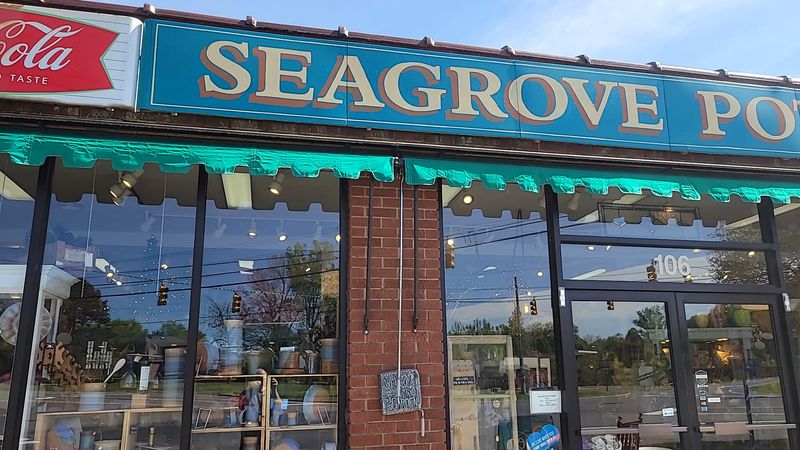
Clay, kilns, and quiet backroads turn Seagrove into one of North Carolina’s most distinctive cultural road trips. The area is famous for pottery traditions that stretch back generations, with working studios spread across rural roads and small communities near the town.
A good trip starts at the North Carolina Pottery Center, where exhibits explain the region’s ceramic history and help visitors understand what they will see in individual studios. From there, studio-hopping becomes the main event.
Some potters make functional mugs, bowls, and pitchers, while others create sculptural pieces, folk forms, wood-fired work, or contemporary art. Meeting artists in their own spaces gives the drive a personal quality that ordinary shopping cannot match.
Roads between studios feel calm, and the slower pace suits the craft perfectly. A purchase here carries more meaning because it comes with a place, a maker, and often a story about process or glaze.
13. Uwharrie, Asheboro And Seagrove Loop
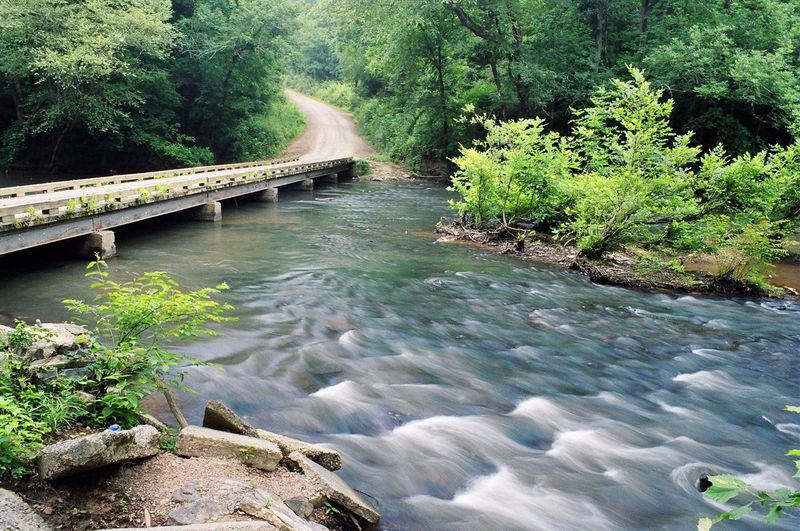
Central North Carolina delivers a smart surprise with a loop through Uwharrie National Forest, Asheboro, and Seagrove. Mountain and beach routes usually get the attention, but this Piedmont trip blends forest, wildlife, and craft in a way that feels refreshingly different.
Uwharrie National Forest brings low ancient ridges, hiking trails, mountain biking, lake access, and off-road routes that feel more rugged than many travelers expect from the middle of the state. Asheboro adds the North Carolina Zoo, a major destination with expansive natural-habitat exhibits and enough walking paths to justify a full day.
Seagrove shifts the trip into pottery country, where studios and galleries give the loop a creative finish. Families can stretch the route into several days, while ambitious travelers can sample each stop over a weekend.
The contrast keeps the drive from feeling repetitive. Forest quiet, animal encounters, handmade craft, and small-town roads all bring a different texture.
14. Hanging Rock And Pilot Mountain Loop
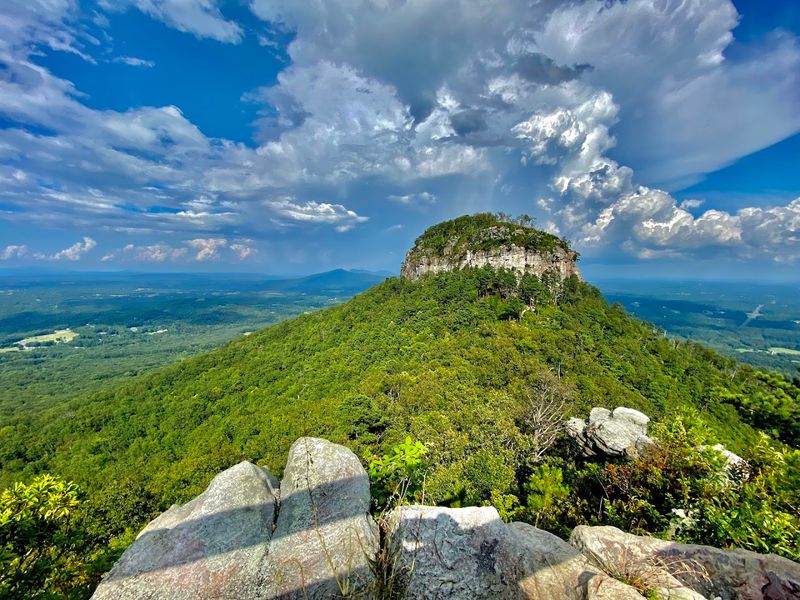
Rocky summits and short driving distances make the Hanging Rock and Pilot Mountain loop one of the most satisfying active trips in the Piedmont. Hanging Rock State Park offers waterfalls, forest trails, lake scenery, and summit views across the Sauratown Mountains.
Pilot Mountain State Park adds one of North Carolina’s most recognizable natural profiles, with Big Pinnacle rising dramatically above the surrounding landscape. Little Pinnacle Overlook gives visitors a strong view without needing an extreme hike, while longer trails allow more ambitious travelers to stretch the day.
The drive between the parks takes less than an hour, making both realistic in one active outing if you start early. Water, snacks, and shoes with good traction matter because the trails can feel tougher than the map suggests.
Sunrise at Hanging Rock and late-day light near Pilot Mountain create a natural rhythm for photographers and hikers. A slower weekend gives the loop even more breathing room.
15. Yadkin Valley Foothills Drive
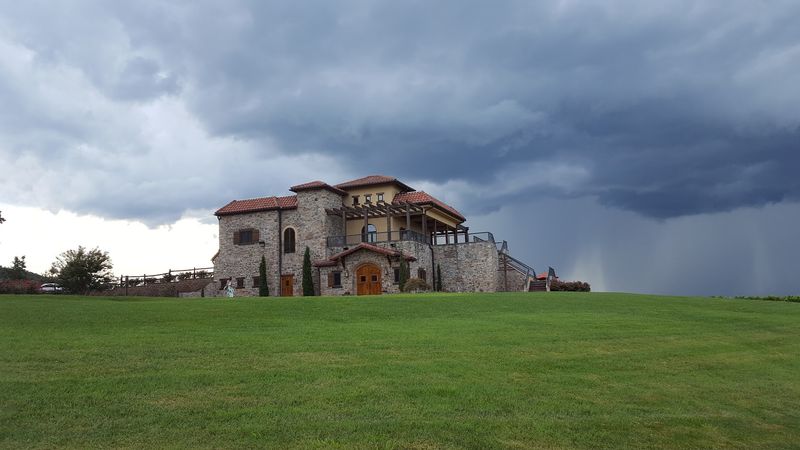
Foothill roads, views, and small-town stops give the Yadkin Valley a slower road-trip rhythm that feels easy to enjoy responsibly. The region became North Carolina’s first federally recognized American Viticultural Area, and its rolling landscape remains one of the prettiest parts of the northwest Piedmont.
Because this route includes tasting-room destinations, planning transportation ahead is important. Dobson, Elkin, Mount Airy, and Pilot Mountain can all help shape the drive, with Shelton Vineyards serving as one of the best-known anchors.
Harvest season brings golden views, but spring and summer offer green hills, outdoor events, and relaxed patio weather. Lodging at inns, cabins, or small-town hotels can turn the route into a true weekend getaway.
Between stops, the road curves past vines, farms, and foothills.