This Southern California Bike Trail Winds For 22 Miles From Canyon Country To The Coast
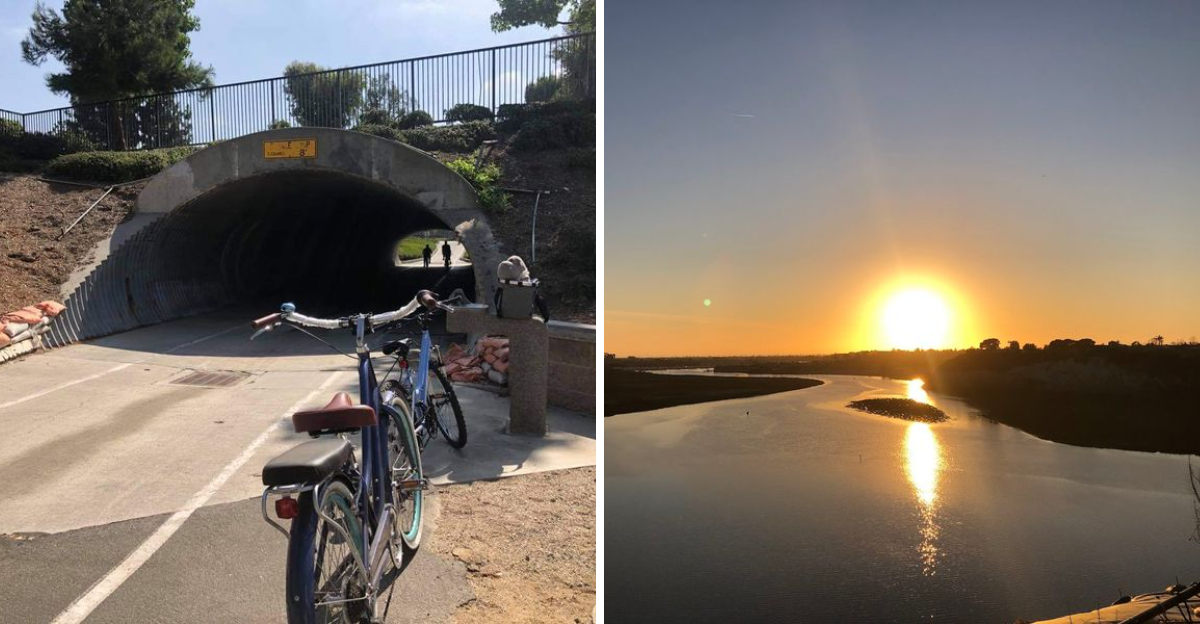
A bike trail feels bigger when the scenery keeps changing its mind.
One stretch feels wide open then another feels tucked away. The miles start adding up without making the ride feel predictable.
A 22-mile route can turn into a full Southern California escape when it carries riders toward the coast.
That is where the pull begins.
Canyon views give the ride its early drama. Creekside sections soften the pace. Beach air waits like a reward at the end.
Long trails work best when every section offers a new reason to keep pedaling.
By the final miles, the route feels less like exercise and more like a moving postcard with handlebars.
Why The Route Feels Bigger Than A Typical Bike Path
Plenty of bike paths stay in one setting from start to finish, but Mountains to Sea Trail stands out because the landscape keeps shifting in ways that make the distance feel fresh.
The route is recognized as a 22-mile National Recreation Trail in Orange County, and it connects foothill terrain with the coastal environment near Newport Beach.
That steady change gives the ride a stronger sense of progress than a neighborhood path that simply follows one road or one wash.
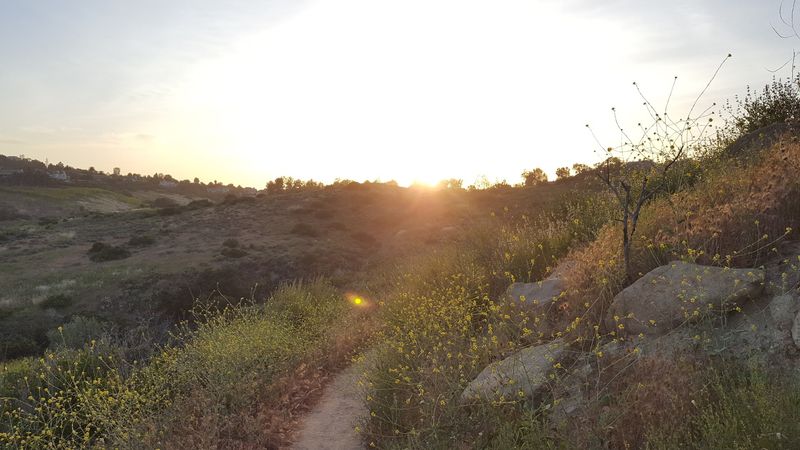
Early sections near Weir Canyon bring a more natural feeling with oaks, slopes, and wider open views that feel removed from nearby development.
As the trail continues, the mood changes into urban greenway riding, then parkland, then broader open-space segments that feel calmer again before the coastal finish.
Riders get a real cross-county experience because the trail moves through several communities plus unincorporated county land rather than staying inside one park.
That variety matters on a longer day out because pacing tends to feel easier when the scenery changes often.
Biking is one of the accepted trail uses along with hiking, walking, running, and horseback riding, so the route works best with a relaxed and attentive approach.
By the time Upper Newport Bay comes into view, the ride feels earned in a very satisfying way.
Starting Near Weir Canyon And The Foothill Edge
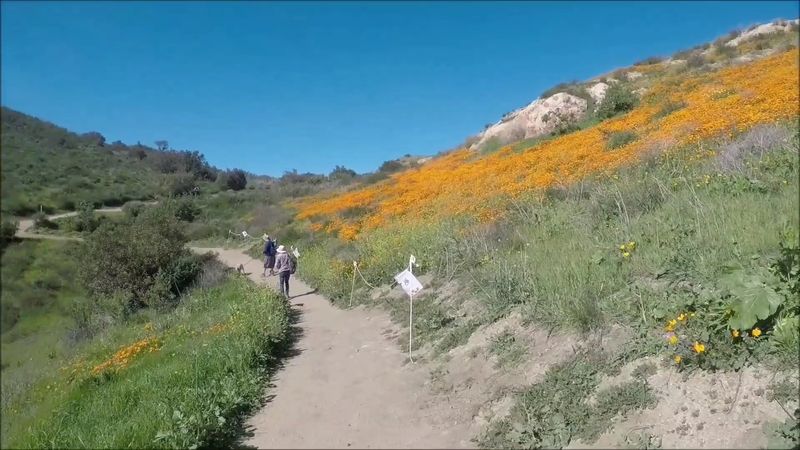
The opening miles near Weir Canyon give this trail its canyon-country identity, and that detail shapes the ride in a way many coastal county paths do not.
Instead of beginning with flat suburban scenery, the route starts closer to rugged foothill terrain connected to the Cleveland National Forest area and the broader Irvine Ranch open-space system.
Oaks, brush, and uneven slopes create a grounded natural setting that feels quieter and more spacious than the developed sections farther west.
That start also helps explain why the phrase from canyon country to the coast fits the route so well.
The trail does not stay beside one simple creek corridor, and it does not feel like a single-purpose commuter path for the whole distance either.
Its first impression is more outdoorsy and textured, which may be especially appealing to riders who want a day trip that feels like a gradual journey rather than a straight utility ride.
Conditions and comfort can vary with heat and sun exposure, so an early start tends to make the opening segment more pleasant on warmer days.
The natural feel here also calls for a slower pace because other trail users may be sharing the corridor.
Starting in this foothill setting gives the entire ride a stronger sense of scale before the route transitions into more urban Orange County landscapes.
How The Middle Miles Turn Into An Urban Nature Ride
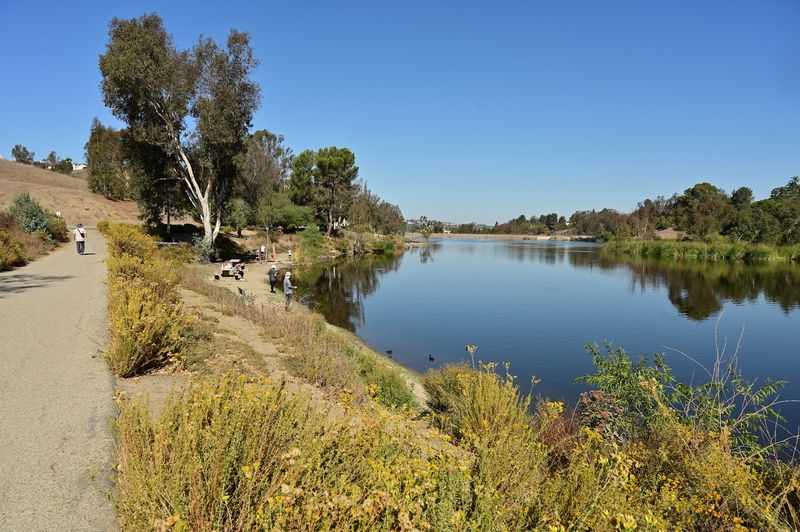
After the foothill opening, the trail begins to show why some descriptions call it an urban nature reserve and bikeway.
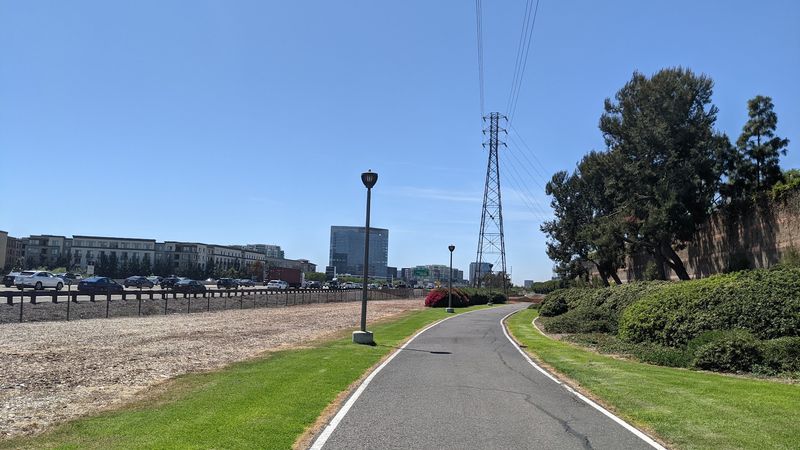
Developed areas become more visible, yet the route still keeps enough greenery and open edges to avoid feeling boxed in for long stretches.
That balance is part of its appeal because the ride reflects everyday Orange County while still protecting a sense of movement through connected outdoor space.
Middle sections often feel practical and scenic at the same time, which is useful on a route this long.
Riders pass through a mix of green corridors, park-adjacent areas, and built surroundings that remind them this is a cross-county path rather than a single preserve loop.
The result is less remote than the canyon start, but it also feels more dynamic because the trail shows how open space and urban infrastructure meet.
For many people, that variety makes the distance easier to manage mentally because there is always a new visual rhythm ahead.
Sounds may shift from birds and wind to traffic and back again, and the texture under the ride stays more predictable than a dirt-heavy route.
Anyone expecting wilderness for all 22 miles may need to reset that expectation, but anyone looking for a realistic and varied Southern California day ride will likely appreciate this middle section.
The value of crossing several communities in one day
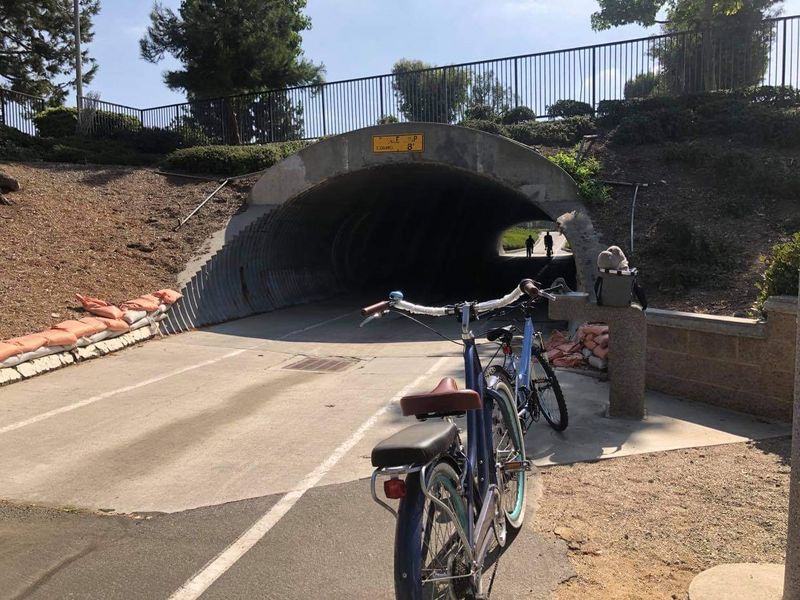
One of the most interesting parts of Mountains to Sea Trail is how clearly it works as a county-spanning outing instead of a single local bike path.
The route passes through portions of five towns and cities along with unincorporated Orange County, which gives the ride a broader day-trip character.
That geography creates a feeling of traveling across a region rather than circling one destination and heading back to the car.
Because of that layout, the trail can feel different depending on which portion gets the most attention during a ride.
Some stretches lean more natural, some feel more residential or park-oriented, and others act as transitions that keep the route connected and useful.
That changing civic backdrop makes the path interesting for repeat visits since a shorter ride in one section may feel very different from a longer coast-bound effort.
Practical planning matters on a trail with this many transitions. Riders may want to think ahead about turnaround points, daylight, and energy rather than assuming every mile will feel the same.
The route is still continuous at its core, but comfort tends to improve when expectations match reality, especially on warm days or busy weekends.
Seen in that honest way, the trail offers something many shorter bike paths cannot: a genuine sense of crossing Orange County under steady pedal power.
Linking Into The Irvine Ranch Open-Space Network
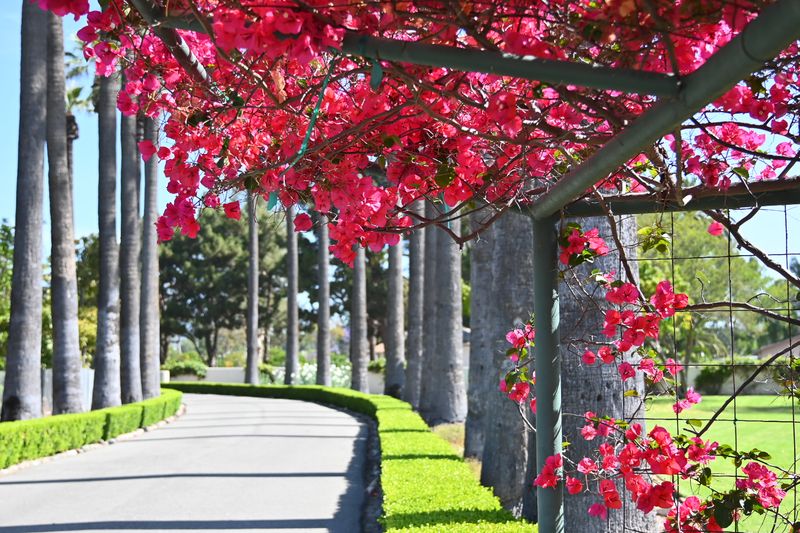
Another reason this trail feels more substantial than a standard recreation path is its connection to the larger Irvine Ranch Land Reserve.
That protected open-space system adds context to the ride because the trail is not an isolated strip of pavement with scenery placed around it.
Instead, parts of the journey connect with a much bigger landscape story that includes conserved land, habitat value, and access to open views uncommon in heavily developed areas.
That connection can shape how the route feels even for riders who stay focused on the main 22-mile corridor.
Open hillsides, preserved edges, and natural transitions help break up the built environment and remind riders that Orange County still holds meaningful stretches of public-facing open space.
The ride becomes more than transportation between points because it threads together landscapes that might otherwise feel disconnected on a map.
For anyone planning a relaxed outing, this section of the trail tends to reward slower attention rather than speed.
Light changes across the hills, surface rhythm stays easier to read than on rough dirt routes, and the overall setting feels calmer than busier street riding.
Extra mileage can be possible through connected paths and loops, but the officially described Mountains to Sea Trail remains 22 miles long. Keeping that distinction clear helps the route stay both inspiring and accurate for trip planning.
Why The Scenery Keeps The Full Ride From Feeling Repetitive
Long bike rides often become a test of patience when the scenery stays unchanged, but that is not the main challenge here.
Mountains to Sea Trail moves through canyon, urban greenway, park, open-space, and coastal wetland settings, so the visual experience stays varied over the official 22 miles.
Each change in surroundings gives the route a new pace and mood, which can make the full distance feel more approachable.
The canyon portions carry earthy color and a slightly wilder edge, while greener developed segments feel smoother and more everyday in character.
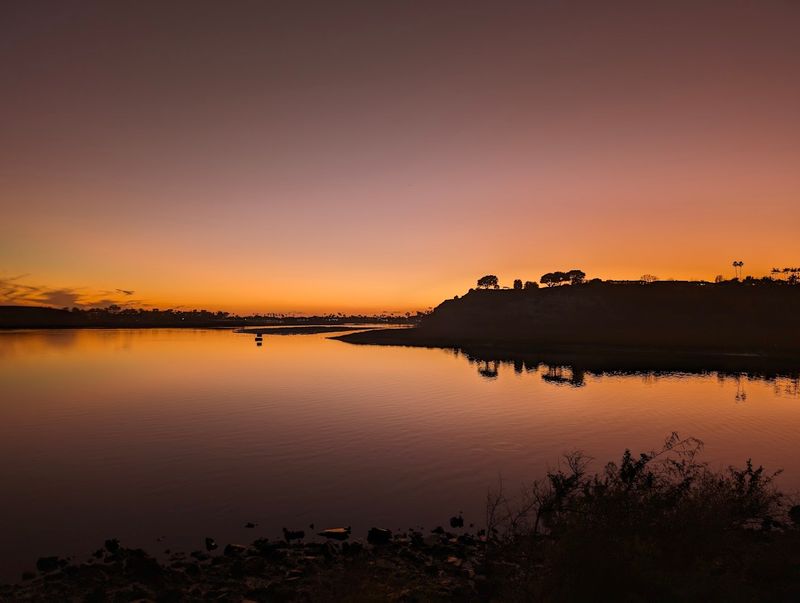
Park areas tend to create breathing room, then the final wetlands introduce broader water views and a quieter coastal atmosphere.
None of those shifts erase the physical effort of a long ride, but they do help the day unfold in chapters instead of one long repeated scene.
That variety also supports different reasons for riding. Some people may care most about exercise, while others may prefer the route for birdlife, transitions in light, or the simple comfort of seeing something new every few miles.
Because the trail serves multiple uses, slower movement is often the smarter choice in busier stretches.
Riders who approach it with flexible expectations tend to get the best experience, especially when the goal is not speed but enjoying how the landscape gradually changes from inland foothills to the edge of the coast.
Reaching Upper Newport Bay As The Scenic Payoff
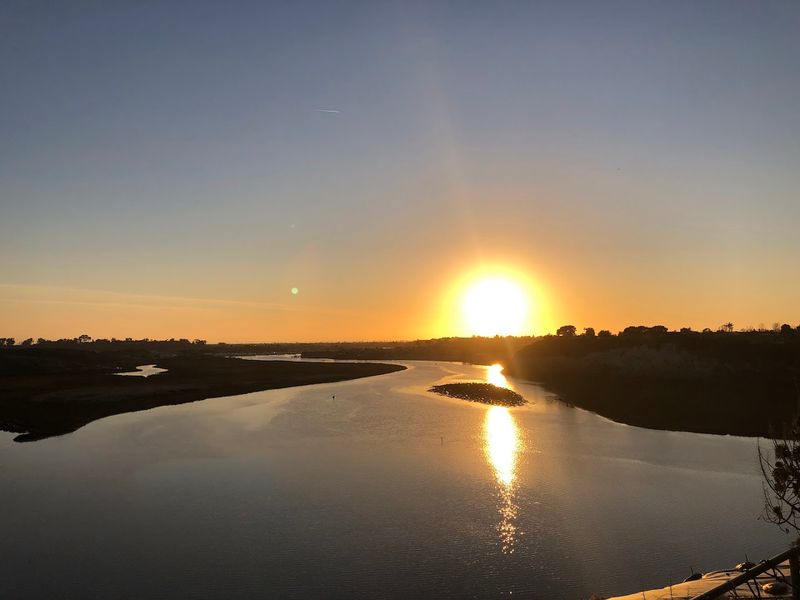
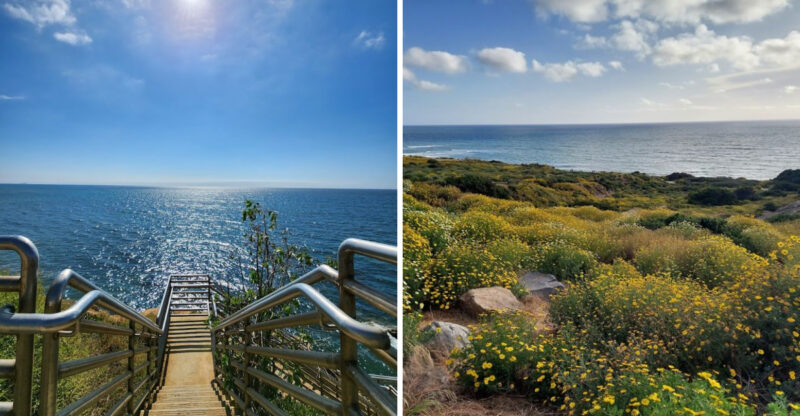
The most memorable finish on this route is the approach to Upper Newport Bay near Newport Beach, where the trail finally settles into a coastal wetland setting.
After miles of foothill, greenway, and park transitions, the open water and marsh habitat give the ride a distinct sense of arrival.
That ending feels more special than the conclusion of a standard neighborhood path because the landscape opens up in a dramatic but still grounded way.
Upper Newport Bay is one of the route’s biggest scenic rewards, and it works especially well as the final chapter because it contrasts so strongly with the canyon-country start.
Air movement often feels different near the water, bird activity can become more noticeable, and the visual texture changes from dry inland tones to reflective surfaces and softer shoreline colors. The shift is not flashy, but it has a calm payoff that suits a long ride.
Timing can matter here because lighting and crowd levels may vary through the day and across seasons. A slower pace near the bay often makes sense since many visitors are out walking and enjoying the same setting.
Ending at the Back Bay area gives the whole route a true mountains-to-sea identity, which is exactly why the trail stands out as more than just a practical bikeway across Orange County.
Planning A Comfortable Day On The Full 22 Miles
Anyone considering the full route will usually have a better day by treating it as a flexible outing instead of a speed-focused challenge.
The official trail length is 22 miles, even though some ride descriptions mention longer totals that come from extensions, loops, or connected paths.
Keeping the core distance in mind helps with honest planning and prevents the route from sounding harder or easier than it really is.
Comfort on a ride like this often depends on simple choices such as starting earlier in warm weather, carrying enough water, and expecting a mix of users along the corridor.
Because biking shares space with walking, running, hiking, and horseback riding in parts of the trail system, alert pacing tends to matter more than pushing for a fast average speed.
Riders also benefit from remembering that the route shifts through very different settings, so energy may feel different in exposed foothill sections than it does near the coast.
Weekday and weekend conditions can vary, and exact parking or access patterns may change over time, so checking current local information before leaving is the safest approach.
A shorter out-and-back can still deliver much of the trail’s character for people not ready for the full crossing.
For those who do ride end to end, the strongest reward is how naturally the day unfolds from canyon country to coastal bay.