This Louisiana Historic Town Is So Gorgeous And Charming That First-Time Visitors Cannot Believe It Is Real
First-time visitors to this Louisiana town tend to stop and genuinely stare. The architecture holds and the streets carry real character throughout.
The light even behaves a little differently here than anywhere else entirely.
Nothing was staged or arranged for the people who came through. It exists this way because that is what it has always been.
Arriving feels like stepping somewhere that does not quite seem entirely real. The disbelief settles quickly and gives way to something considerably much better.
This state built something in this town that very few other places manage. Come and see what makes it so difficult to believe at first.
A National Historic Landmark District
Trust me, the first stop on your visit to Natchitoches should definitely be Natchitoches Historic District. Do you wonder why? Well, because it feels like stepping back two hundred years.
The 33-block area contains more than 300 buildings that showcase French Creole architecture at its finest. I spent hours just wandering these streets, constantly stopping to admire another perfectly preserved townhouse or storefront.
The district earned its National Historic Landmark status in 1960, recognizing its exceptional historical significance.
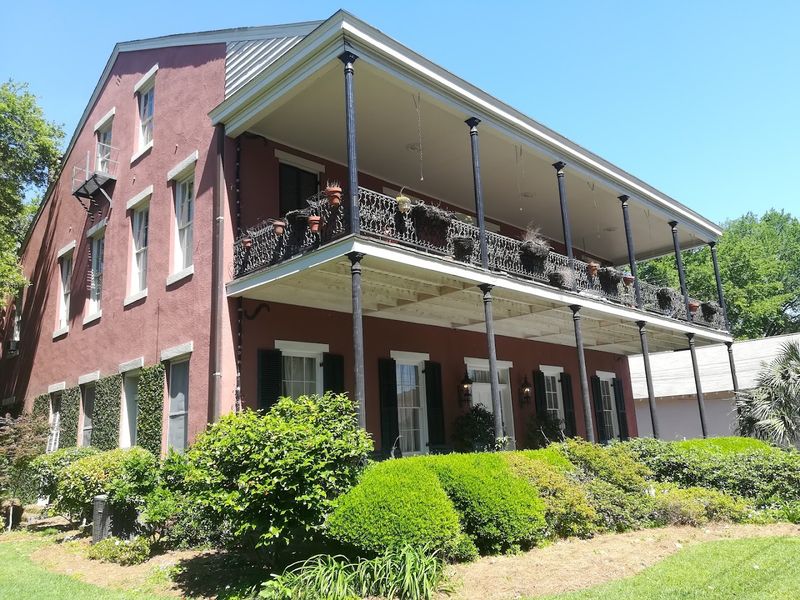
Iron lace balconies cascade from second-story galleries, creating intricate shadows on brick walls below. Many structures date to the 1700s and 1800s, their cypress beams and hand-forged hardware still intact.
Front Street runs parallel to the Cane River and serves as the district’s main thoroughfare. Brick buildings painted in warm earth tones house boutiques, restaurants, and galleries today.
I particularly loved how the district isn’t frozen in time as a museum piece. Real businesses operate here, locals shop and dine here, and life continues naturally within these historic walls.
Evening light transforms the district into something magical. Gas-style lamps flicker on, casting golden pools across sidewalks.
The combination of preserved history and active community life creates an atmosphere you simply cannot find anywhere else.
Light That Shifts Every Single Hour
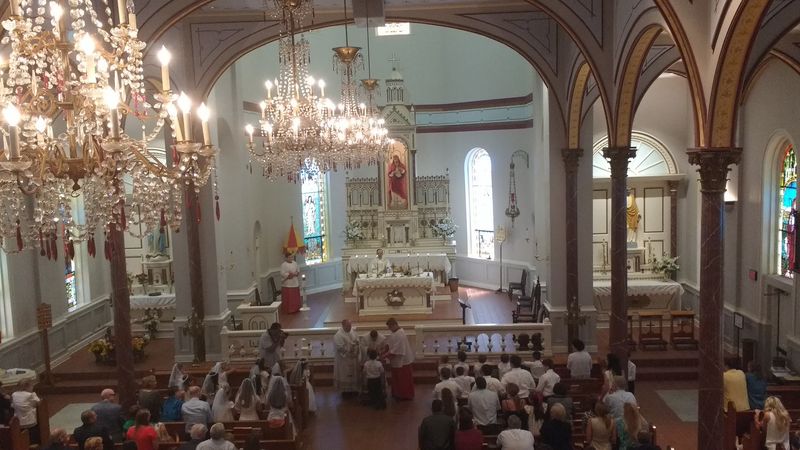
Religious architecture reaches breathtaking heights inside the Immaculate Conception Catholic Church, designated as a Minor Basilica.
Sunlight streams through stained-glass windows, painting the interior in jewel tones that shift throughout the day. I visited three times during my stay, each time discovering new details I’d missed before.
The basilica’s windows tell biblical stories through colored glass imported from Europe over a century ago. Blues, reds, and golds dominate the palette, creating an atmosphere of reverence and wonder.
Each window panel was crafted by master artisans who understood how light could transform sacred spaces.
Vaulted ceilings draw your eyes upward, where intricate plasterwork and religious iconography create visual poetry. The altar stands as the focal point, surrounded by marble columns and detailed woodwork.
What struck me most was the care taken in every single element. From the hand-carved pews to the brass fixtures, nothing feels rushed or cheaply made.
This building represents decades of community devotion and craftsmanship.
The basilica at 145 Church St welcomes visitors respectfully, asking only that you maintain appropriate quiet and decorum. Morning light provides the most spectacular window views, though afternoon visits offer their own golden-hour magic.
The Oldest General Store Still Open
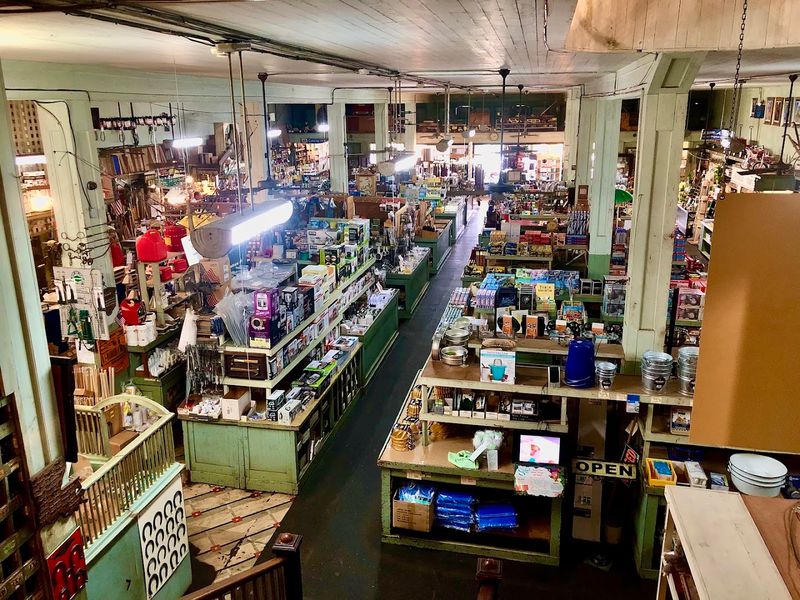
I have to admit, a visit through the doors of Kaffie-Frederick General Mercantile transported me instantly to the 1800s.
Operating continuously since 1863, this remains the oldest general store in Louisiana still doing business. Wooden floorboards creak underfoot, just as they have for over 160 years.
The store stretches back much deeper than its narrow storefront suggests. Aisles packed with merchandise wind past displays of hardware, housewares, gifts, and oddities.
Antique fixtures hold modern goods, creating a delightful temporal confusion.
I loved discovering items I didn’t even know I needed. Cast-iron cookware sits beside gardening tools, vintage-style toys share space with practical hardware, and local crafts mingle with everyday necessities.
Current owners maintain traditions established over a century ago while adapting to modern needs. The store functions as both a working business and living museum.
High tin ceilings, original shelving units, and period lighting fixtures create an authentic atmosphere at 758 Front St without feeling contrived.
The River That Defines This Town
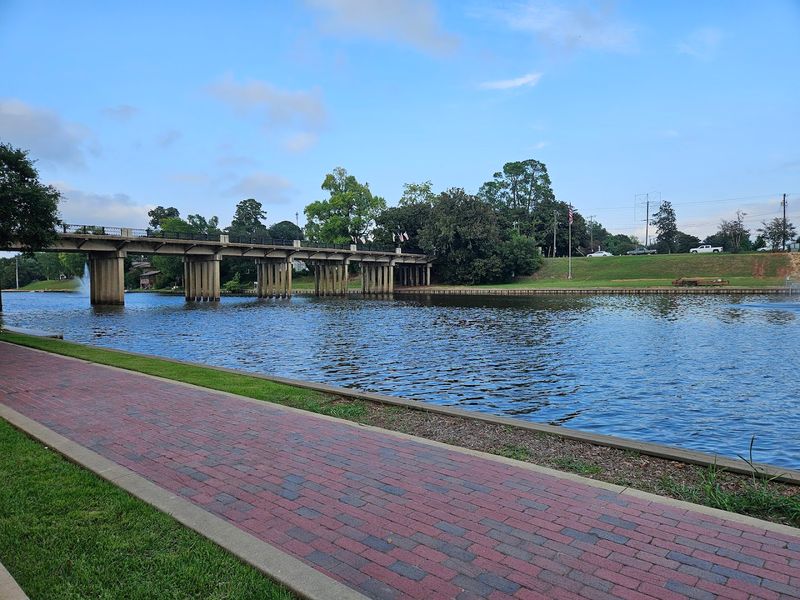
Few rivers possess the personality of Cane River as it meanders through Natchitoches. This isn’t technically a river at all but rather a 35-mile oxbow lake formed when the Red River changed course.
The water moves slowly, almost contemplatively, reflecting cypress trees and historic buildings in its mirror-smooth surface.
I spent an entire afternoon on a bench overlooking the river, watching the light change and the water shift. Spanish moss drapes from ancient trees along the banks, creating natural curtains that sway in gentle breezes.
The river serves as the town’s centerpiece, both geographically and spiritually. Front Street runs parallel to its banks, and most major attractions cluster nearby.
Locals treat the river as their backyard, fishing from its banks, walking its paths, and gathering along its shores.
During Christmas, the river becomes even more magical when thousands of lights transform the waterfront into a glowing wonderland. But even on ordinary days, the Cane River provides constant beauty and tranquility.
The river connects Natchitoches to the plantations downstream, serving as a liquid highway through centuries of history.
History Told Without Sugarcoating Anything
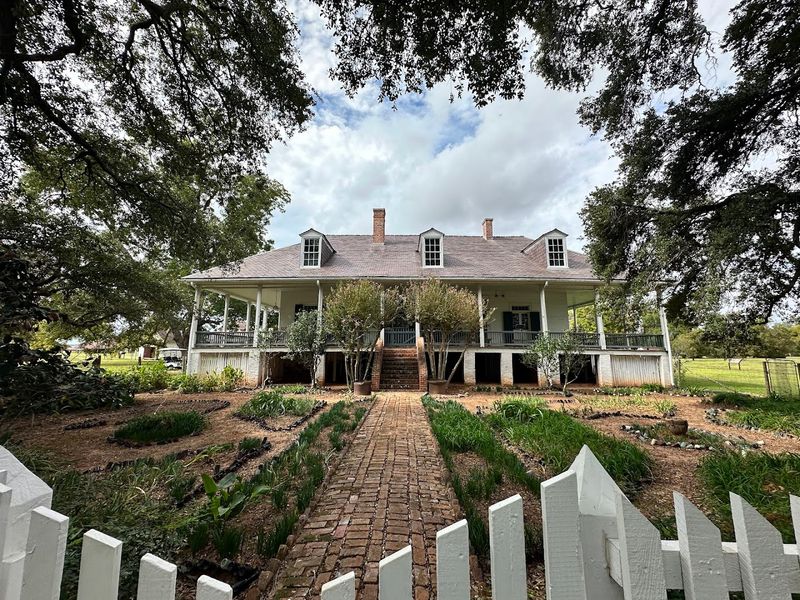
History becomes tangible at Cane River Creole National Historical Park at 4386 LA-494, where two remarkable plantations preserve Creole culture with unflinching honesty.
Oakland Plantation, dating to the 18th century, stands as the park’s crown jewel. I drove south from Natchitoches along the river road, and suddenly centuries peeled away.
Oakland’s main house rises with distinctive Creole architecture, featuring wide galleries and steep rooflines designed for Louisiana’s climate.
But what makes this park exceptional is its commitment to telling complete stories. Unlike many plantation sites, this one preserves and interprets the quarters where enslaved people lived, worked, and built communities.
The park includes numerous outbuildings that illustrate plantation life from multiple perspectives. Kitchens, smokehouses, blacksmith shops, and overseer houses remain standing, each structure contributing to a fuller historical understanding.
Magnolia Plantation, the park’s second site, offers additional context about Creole plantation culture. Together, these properties represent some of the most intact plantation landscapes in the American South.
These sites don’t sugarcoat history or romanticize the past. Instead, they offer honest, educational experiences.
Festival Capital Celebrations
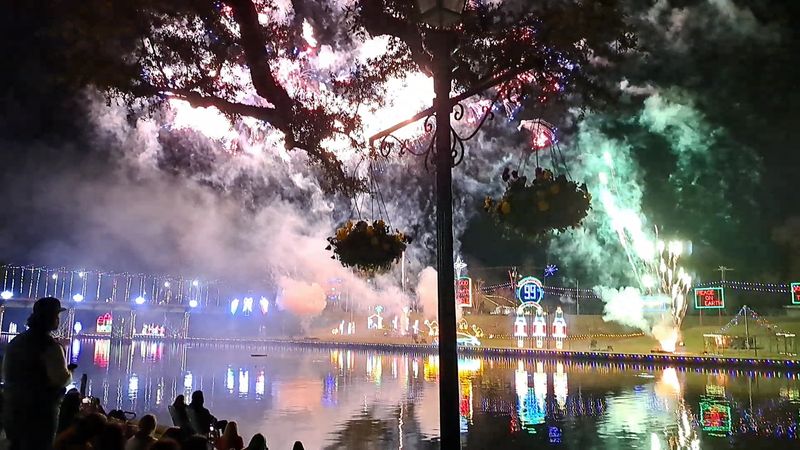
Natchitoches transforms into pure magic during its famous Christmas Festival of Lights, but celebrations happen year-round in this festival-loving town.
The Christmas festival, running since 1927, attracts hundreds of thousands of visitors who come to witness over 300,000 lights illuminating the riverfront. I visited during this spectacle and understood immediately why people return year after year.
Lights drape every tree, outline every building, and reflect off the Cane River in shimmering columns of color. Fireworks explode overhead while crowds stroll the decorated streets, hot cocoa in hand.
The entire National Historic Landmark District participates, creating a six-week celebration that feels like stepping into a storybook.
But festivals extend far beyond December here. The Natchitoches Jazz and R&B Festival brings legendary musicians to town each spring.
Natchitoches-NSU Folk Festival celebrates regional crafts, music, and foodways each summer.
These celebrations aren’t tourist traps manufactured for visitors. They’re genuine community events where locals and tourists mingle naturally.
The festival culture reveals something essential about this town’s character. People here understand that preserving history means celebrating it actively, not just protecting old buildings.
Local Culinary Traditions
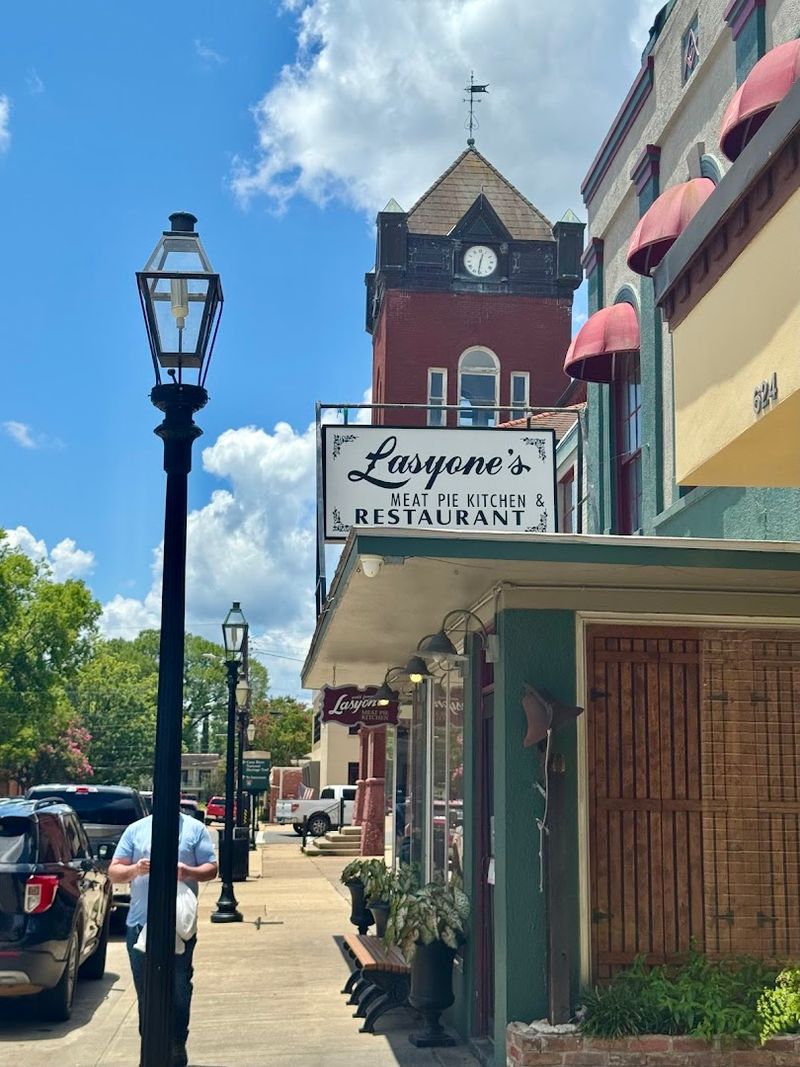
Natchitoches meat pies deserve their legendary status among Louisiana foods. These hand-held savory pastries, shaped like half-moons and filled with seasoned ground meat, have been made here for a long time.
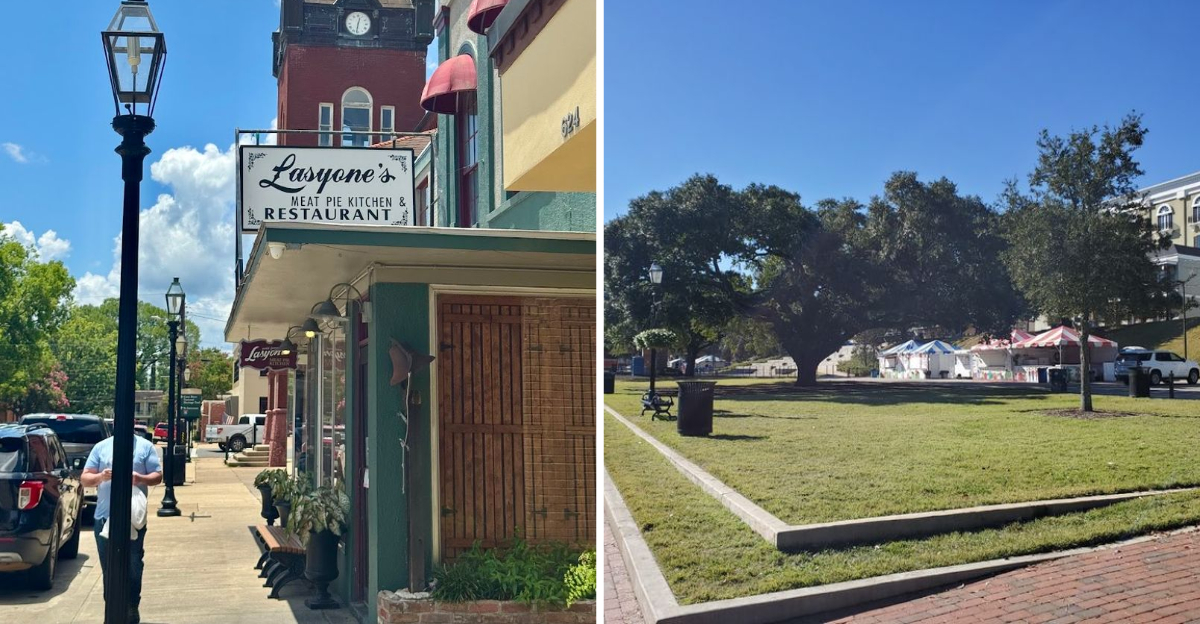
I tried my first one at Lasyone’s Meat Pie Restaurant at 622 2nd St, and immediately understood why people drive hours just for these.
The crust shatters perfectly when you bite through, revealing spicy, well-seasoned filling inside. Beef dominates most recipes, though pork variations exist.
Each family and restaurant guards their recipe jealously, creating subtle differences that locals debate passionately.
Beyond meat pies, the food scene here reflects deep French Creole influences mixed with Southern comfort traditions.
Gumbo simmers in restaurant kitchens, red beans and rice appear on every menu, and beignets tempt from bakery windows. I ate incredibly well during my entire stay, never encountering a disappointing meal.
Several restaurants operate in historic buildings, adding atmosphere to already excellent food.
Don’t leave without trying dirty rice, another local specialty. This dish combines rice with chicken livers, vegetables, and Creole seasonings, creating something far more delicious than the humble name suggests.
Slow Down Because This Town Demands It
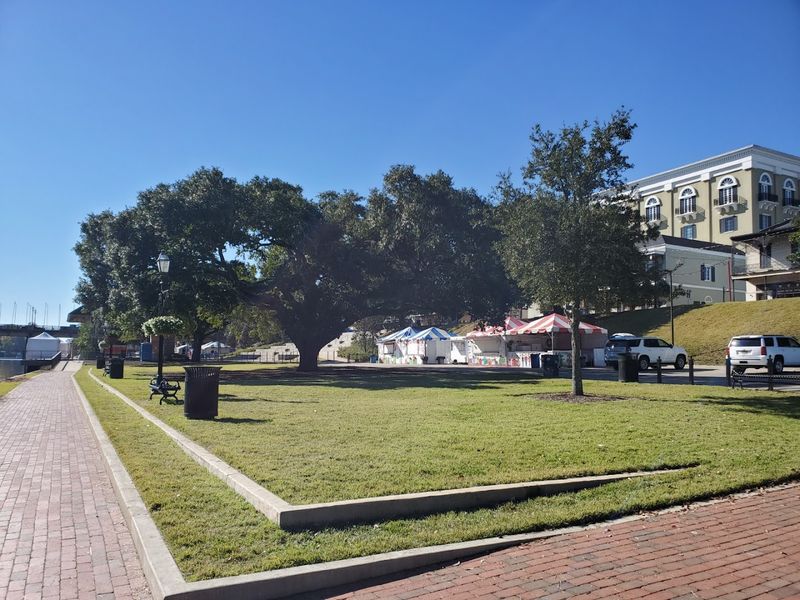
Planning your Natchitoches visit requires some strategic thinking to maximize your experience.
Spring and fall offer the most comfortable weather for exploring on foot. Summers turn brutally hot and humid, while winters stay mild but can surprise you with occasional cold snaps.
Most attractions cluster within easy walking distance of Front Street. Comfortable shoes are essential because those historic brick sidewalks and cobblestones look charming but demand proper footwear.
I walked probably five miles daily just exploring the compact downtown area.
Several bed-and-breakfasts operate in historic homes, offering immersive experiences that hotels cannot match.
Staying in a restored 19th-century townhouse adds another layer to your historical immersion. Chain hotels exist on the outskirts if you prefer familiar amenities.
The town is quite small, with a population under 18,000. Don’t expect big-city entertainment or late-night activities.
This is a place for slowing down, appreciating beauty, and connecting with history. Bring patience, curiosity, and openness to a different pace of life.