10 Unforgettable Hawaiian Getaways Far Beyond The Crowded Beaches
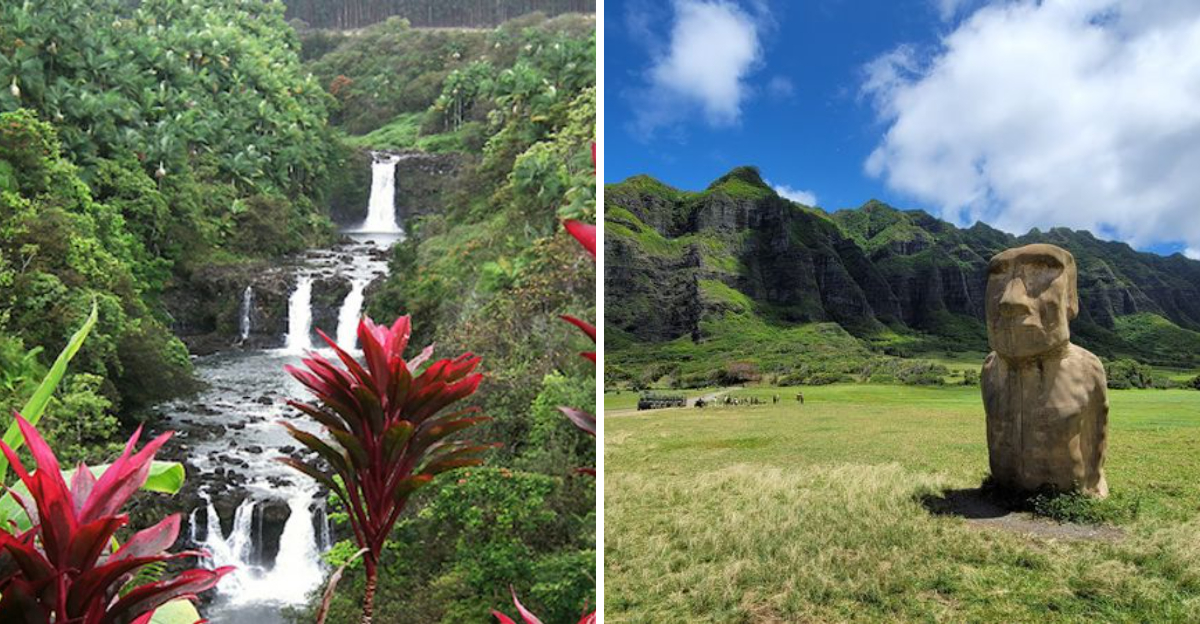
Hawaii is so much more than sunscreen and selfies on Waikiki, and I say that as someone who spent an embarrassingly large portion of their first trip doing exactly both of those things.
It took me longer than I care to admit to peel myself off a beach towel and actually look around at what these islands were quietly offering to anyone paying even the slightest amount of attention.
The moment I did, everything changed in the best possible way.
Ancient volcanic craters that make you feel genuinely small, royal palaces that carry centuries of history in every carved detail and cultural centers that pull you in and refuse to let go until you have learned something real.
Hawaii has been hiding all of this in plain sight, patiently waiting for visitors to stop photographing the ocean long enough to notice.
The beaches are still magnificent, nobody is arguing that point. But what lies beyond the shoreline is where these islands truly earn their reputation.
1. Hawaii Volcanoes National Park
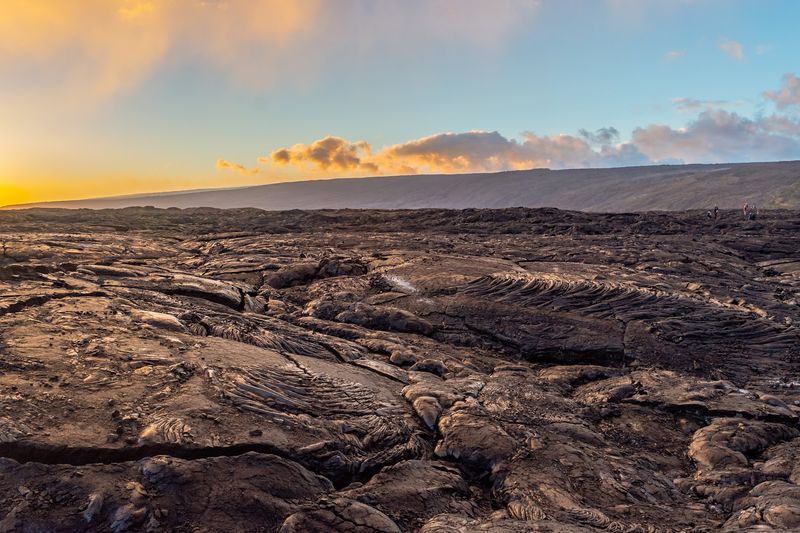
Standing at the edge of Kilauea crater felt like watching the Earth breathe.
Hawaii Volcanoes National Park on the Big Island is one of the few places on the planet where you can actually watch new land being created in real time. That alone earns it a permanent spot on any serious travel list.
The park covers over 323,000 acres and includes two of the world’s most active volcanoes, Kilauea and Mauna Loa.
You can walk through lava tubes, hike across hardened lava fields, and follow steam vents that hiss dramatically from the ground. The Crater Rim Drive offers stunning viewpoints without requiring serious hiking gear.
Sunrise over Halema’uma’u Crater is something I genuinely could not have prepared myself for. The glow shifts from deep orange to pale gold as the mist burns off.
Located in Hawaii National Park, the visitor center is a great first stop to plan your route and check current eruption activity before heading out.
2. Bishop Museum
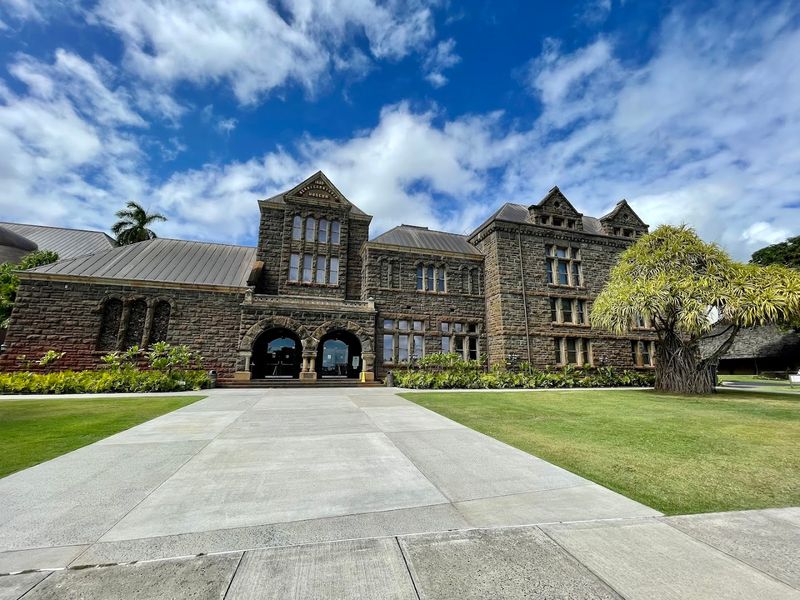
Most people walk past Bishop Museum without a second glance, which is honestly their loss.
Founded in 1889, it holds the largest collection of Polynesian cultural artifacts in the entire world. That is not a small claim, and the collection absolutely backs it up.
Inside, you will find royal feather cloaks, ancient weapons, navigational tools used by early Polynesian voyagers, and detailed exhibits tracing Hawaiian history from its earliest settlers through the monarchy era.
The planetarium shows are a bonus that many visitors overlook entirely. Kids and adults both leave genuinely impressed.
What struck me most was how the museum makes Hawaiian culture feel alive rather than archived. The storytelling throughout each gallery is thoughtful and respectful.
Located at 1525 Bernice St in Honolulu, the museum is easy to reach and well worth dedicating a full morning or afternoon.
Science Hall is particularly fascinating if you enjoy natural history alongside cultural exhibits. Plan to spend at least two hours here, because rushing through it would be doing yourself a real disservice.
3. Iolani Palace
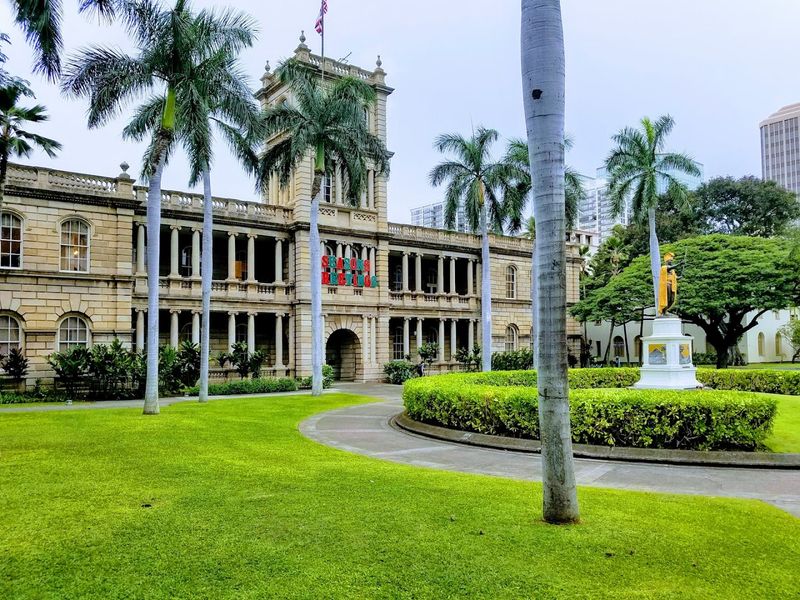
There is something quietly powerful about standing inside a royal palace that most Americans have never heard of.
Iolani Palace in downtown Honolulu was the official residence of the Hawaiian Kingdom’s last monarchs, King Kalakaua and Queen Liliuokalani.
Built in 1882, it was the first electrified royal residence in the Pacific, beating even Buckingham Palace to the switch.
The architecture blends American, European, and Hawaiian design in a way that feels completely intentional and visually striking.
Guided tours take you through the throne room, state dining room, and the queen’s private quarters. The detail in every room tells a story that textbooks rarely capture this honestly.
Queen Liliuokalani was actually imprisoned here for eight months following the 1893 overthrow of the Hawaiian Kingdom, a fact that adds significant emotional weight to the visit.
The palace was later used as the Hawaii state capitol building before being restored to its original grandeur. You will find it at 364 S King St in Honolulu, right in the heart of the historic district.
Going early on a weekday means smaller crowds and more space to absorb the atmosphere.
4. Pearl Harbor National Memorial
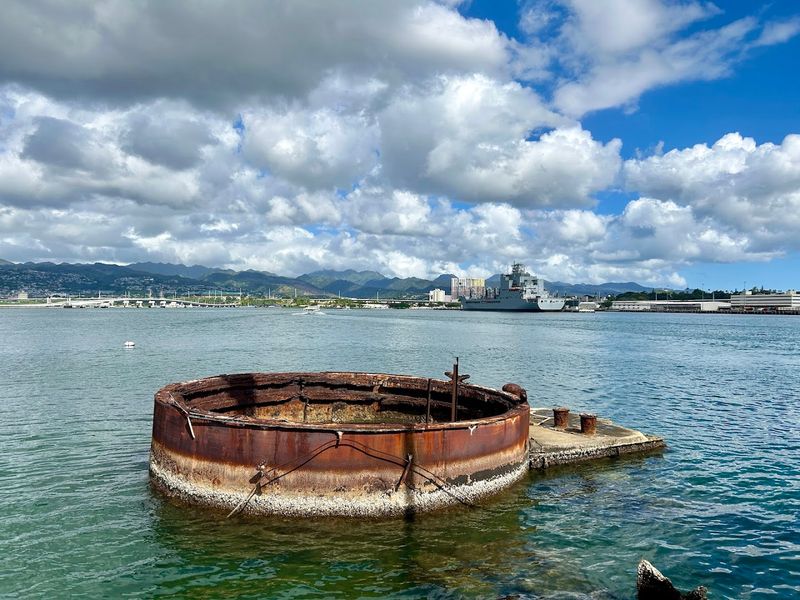
No visit to Oahu feels complete without spending time at Pearl Harbor. The memorial sits directly above the sunken USS Arizona, where 1,177 crew members remain to this day.
The weight of that fact hits you the moment you step onto the white structure and look down into the clear water below.
The visitor experience goes well beyond the memorial itself. The Battleship Missouri, where Japan’s surrender was signed in 1945, is docked nearby and open for tours.
The Pacific Aviation Museum offers an incredible collection of historic aircraft, and the USS Bowfin submarine lets you see exactly how cramped submarine life really was.
Tickets for the boat to the USS Arizona Memorial are free but must be reserved in advance, especially during peak travel season.
I recommend arriving early, as the site fills up quickly and the emotional experience benefits from a quieter atmosphere.
Located at 1 Arizona Memorial Pl in Honolulu, the complex is large enough to fill an entire day comfortably. Bring comfortable shoes and some patience.
The history here is layered and deserves your full attention rather than a rushed hour between beach stops.
5. Waimea Canyon State Park
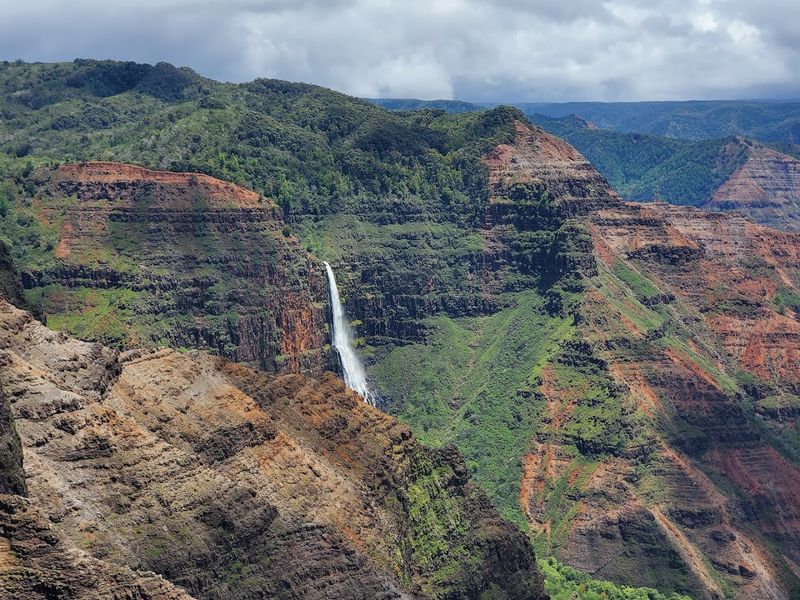
Mark Twain reportedly called Waimea Canyon the Grand Canyon of the Pacific, and once you see it, you understand exactly why.
Stretching roughly 14 miles long and over 3,600 feet deep, this canyon on the west side of Kauai is a jaw-dropping surprise on an island already packed with natural beauty.
The colors here are unlike anything else in Hawaii. Red volcanic soil contrasts sharply with dense green vegetation and the occasional silver ribbon of a waterfall cutting through the canyon walls.
The Pu’u Hinahina lookout offers one of the most photographed views in all of Kauai, and on clear days you can see the Ni’ihau island in the distance.
Hiking trails range from easy walks to serious backcountry routes, so there is genuinely something for every fitness level. The Canyon Trail leading to Waipo’o Falls is particularly rewarding and manageable for most visitors.
You will find the park along Waimea Canyon Dr in Waimea, easily accessible by car from the south shore of Kauai.
Morning visits tend to offer clearer skies before the afternoon clouds roll in from the mountains. Pack water, snacks, and a light layer because the elevation brings a noticeable chill.
6. Haleakala National Park
Waking up at 3am felt deeply unreasonable until I watched the sunrise from the summit of Haleakala. At 10,023 feet above sea level, you are literally watching the sun rise above a blanket of clouds.
It is the kind of moment that makes you forget how cold and tired you were just twenty minutes earlier.
Haleakala means House of the Sun in Hawaiian, and the name earns its drama daily.
The crater itself stretches seven miles across and two miles wide, making it one of the largest dormant volcanic craters in the world.
The landscape inside looks like another planet entirely, which is probably why NASA has conducted research here.
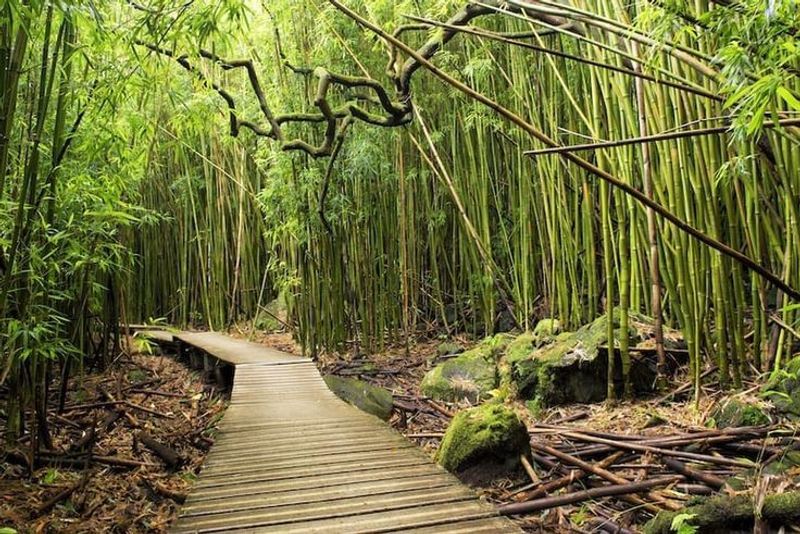
Beyond the summit, the lower slopes of Haleakala include the Kipahulu district, where the famous Pipiwai Trail leads through bamboo forests to the 400-foot Waimoku Falls.
The two sections of the park feel like completely different worlds. Located near Makawao on Maui, sunrise viewing requires a timed entry reservation booked well in advance through the National Park Service website.
Sunset visits are also spectacular and require less early rising. The park rewards visitors who come prepared and plan ahead.
7. Polynesian Cultural Center
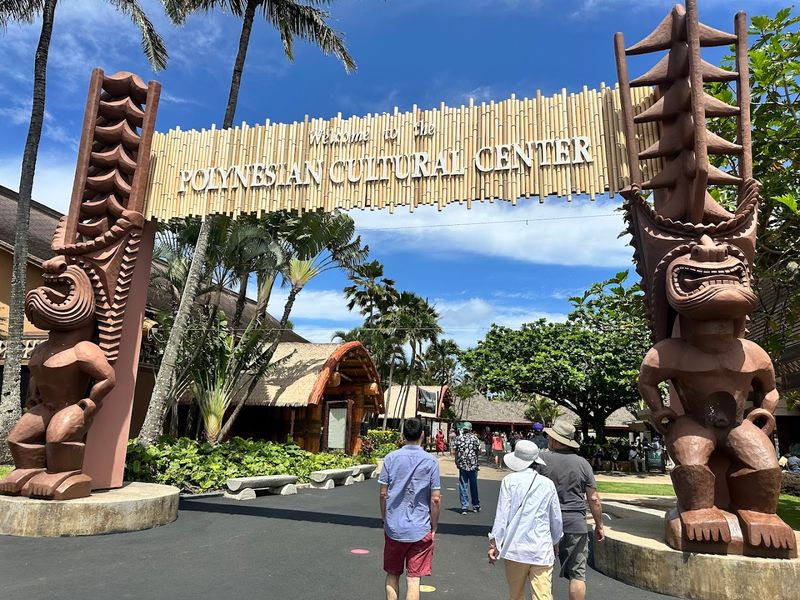
Six island villages, one afternoon, and zero passport stamps required.
The Polynesian Cultural Center in Laie gives you an immersive look at the cultures of Hawaii, Samoa, Aotearoa, Fiji, Tahiti, and Tonga all in one sprawling, beautifully maintained complex.
It sounds ambitious, and it absolutely delivers.
Each village is staffed by students from Brigham Young University Hawaii, many of whom come from the very cultures they represent. That authenticity makes a noticeable difference.
You are not watching a rehearsed tourist show but rather genuine cultural exchange with people who carry these traditions personally. Demonstrations include fire making, weaving, canoe paddling, and traditional cooking methods.
The evening show, Ha: Breath of Life, is a full-scale theatrical performance with elaborate costumes, live music, and dramatic storytelling that traces a Polynesian family across generations.
It consistently earns rave reviews and fills up fast. The center sits at 55-370 Kamehameha Hwy in Laie on Oahu’s north shore, about an hour from Honolulu.
Combo packages that include the evening show and an all-you-can-eat luau are worth the investment. Arrive by early afternoon to have enough time to explore every village before the performances begin.
8. Akaka Falls State Park
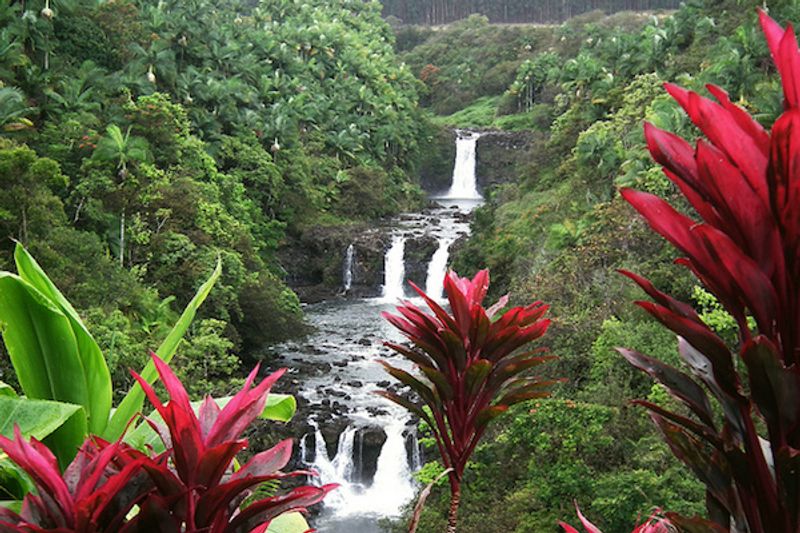
Some places earn their reputation with zero effort, and Akaka Falls is firmly in that category. The main waterfall drops 442 feet straight into a gorge below, framed by tropical plants so green they almost look artificial.
The whole scene feels like someone turned the contrast dial all the way up.
Getting there requires a short loop trail of under a mile through dense rainforest filled with bamboo groves, wild ginger, and giant heliconia.
The path is paved and accessible, making it one of the more family-friendly nature experiences on the Big Island.
Even on busy days, the trail has a peaceful, almost meditative quality that is hard to find elsewhere.
Akaka Falls is actually the taller of two waterfalls in the park. Kahuna Falls, visible from another viewpoint along the loop, drops around 100 feet and is equally scenic.
The park is located on Akaka Falls Rd in Honomu, a small town on the Hamakua Coast that is worth exploring briefly before or after your hike.
A handful of local shops and a charming general store line the main street. Entry fees are minimal, and the experience is genuinely one of the most rewarding short hikes in all of Hawaii.
9. Kualoa Ranch
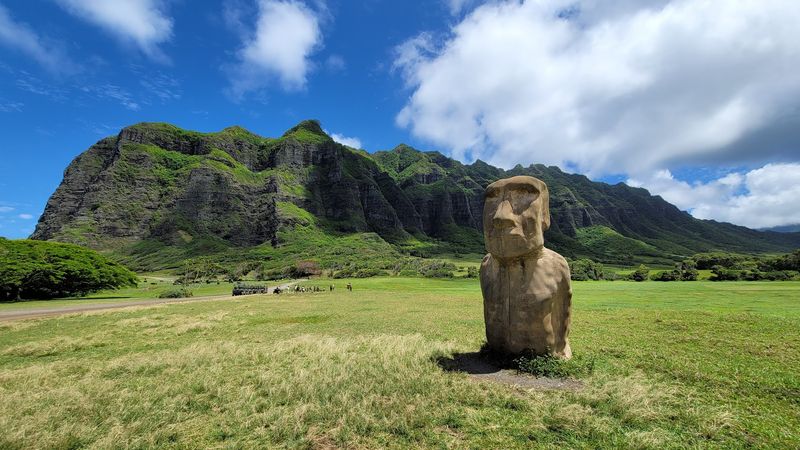
If the mountains at Kualoa Ranch look familiar, that is because they probably are.
This 4,000-acre working cattle ranch on Oahu’s windward coast has served as the filming location for Jurassic Park, Lost, Kong: Skull Island, and dozens of other productions.
Standing in the valley feels surreal in the best possible way.
Beyond the film tourism angle, Kualoa offers a genuinely impressive range of outdoor activities. ATV tours wind through valleys and ridgelines.
Horseback rides cover terrain that feels completely removed from the resort atmosphere of Waikiki. Zip-lining, jungle expeditions, and cultural tours round out an activity menu that could keep a group busy for multiple days.
The ranch has been in the Judd family since 1850, and that long history adds real depth to the experience. The cultural component of the tours is handled with care and respect for the land’s Hawaiian heritage.
Kualoa is located at 49-560 Kamehameha Hwy in Kaneohe, roughly 30 minutes from Honolulu. Booking activities in advance is strongly recommended, especially during summer months.
The mountain backdrop alone is worth the drive, but the activities make it genuinely unforgettable regardless of whether you have seen any of the films shot here.
10. Diamond Head State Monument
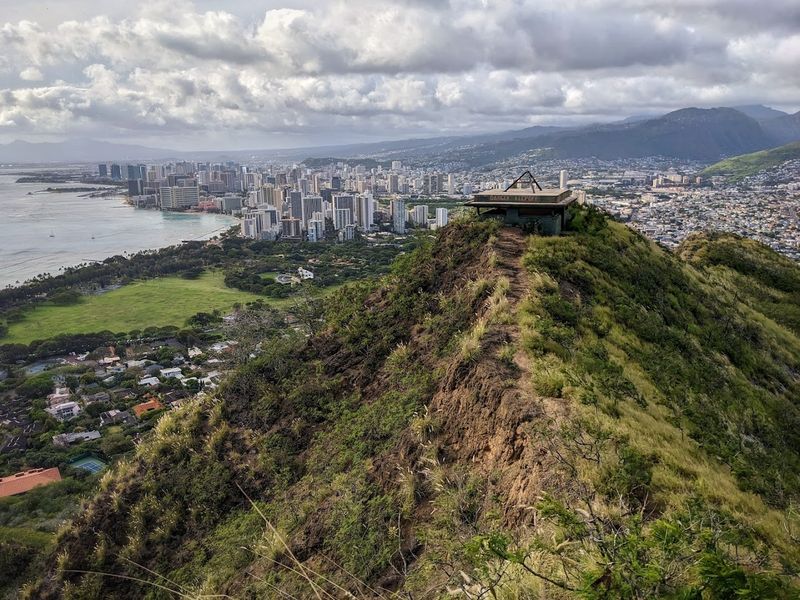
Diamond Head looks like a postcard from a distance, but the real reward is what you see from the top.
The hike to the summit of this iconic volcanic tuff cone takes about 1.5 to 2 hours round trip and tops out at 763 feet above sea level.
The view of Honolulu, Waikiki, and the Pacific stretching to the horizon makes every step completely worth it.
The trail itself is well-maintained but includes some steep switchbacks, a narrow tunnel, and a spiral staircase near the summit.
It is challenging enough to feel like an accomplishment without requiring any serious mountaineering skills. Early morning hikers are rewarded with cooler temperatures and fewer crowds on the trail.
The crater was formed roughly 300,000 years ago and was used as a military lookout during World War II.
Bunkers and observation platforms from that era are still visible along the upper trail, adding an unexpected historical layer to what could easily just be a nature hike.
The monument sits off Diamond Head Rd in Honolulu, just east of Waikiki and easy to reach by car or bus.
Timed entry reservations are now required and can be booked online through Hawaii’s state parks system. Bring water, sunscreen, and a camera you actually trust.