This 80-Acre Colorado Zoo With Multiple Exotic Species Is Exactly As Remarkable As It Sounds
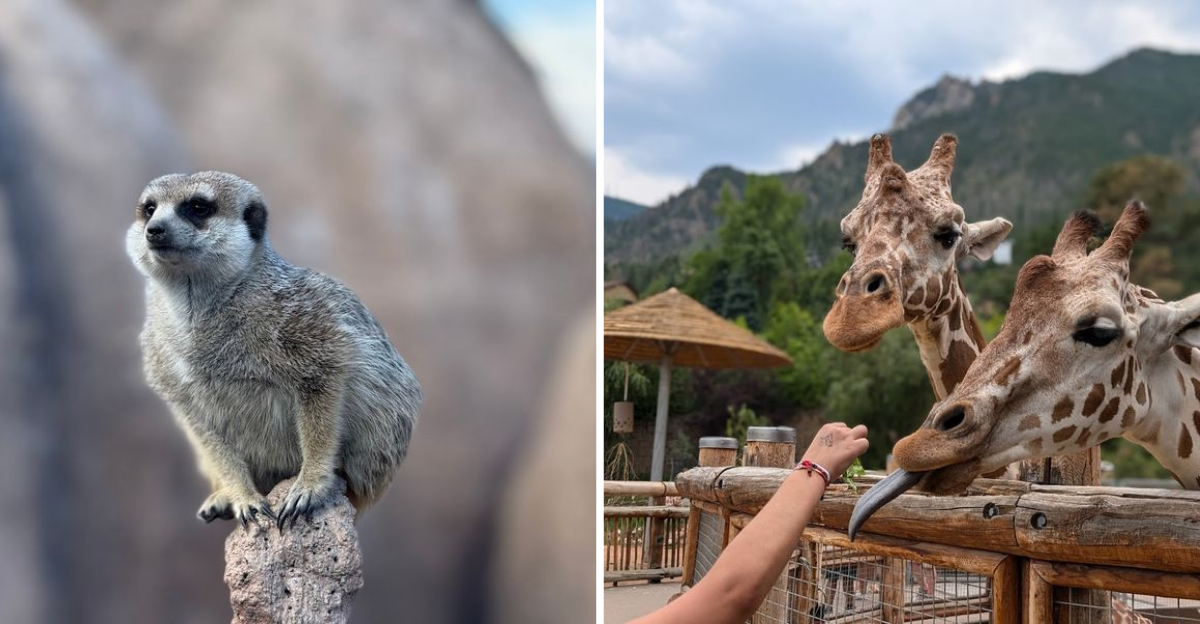
Eighty acres changes how animals are experienced by everyone inside it. This Colorado zoo fills that space with genuine care and purpose.
Watching wildlife move freely across open land genuinely stopped me in my tracks. Animals in open space look completely different than you expect: more alive, more themselves, more present.
Every species here behaves differently when it has room to be itself. The whole experience quietly challenges the traditional zoo model.
Animals here seem genuinely at ease, and that changes everything you observe.
I call it one of the most affecting wildlife encounters available. Bring a full day and discover what a zoo can truly be.
Colorado built something here that most wildlife spaces only aspire toward.
A Mountain Setting Unlike Any Other
Most zoos are flat. You walk in, follow a paved loop, and call it a day.
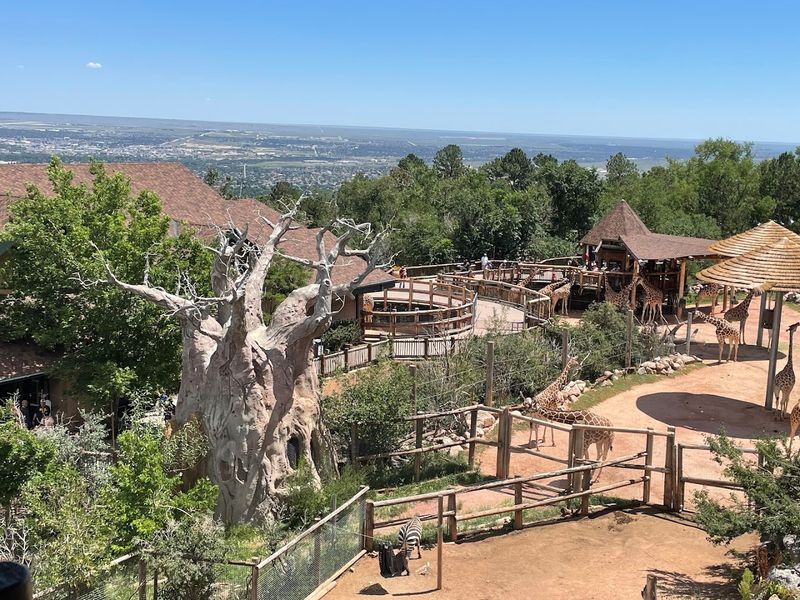
Cheyenne Mountain Zoo throws that playbook out entirely, because it sits at roughly 6,800 feet above sea level on the slopes of Cheyenne Mountain in Colorado Springs, Colorado.
The terrain here is real mountain landscape. Paths wind uphill through pine trees, rocky outcroppings, and carefully designed animal habitats that blend naturally into the surroundings.
Every turn rewards you with a new view, whether that is a grizzly bear exhibit built into a rocky slope or a sweeping panorama of Colorado Springs stretching out below you.
I will be honest, my calves were not prepared for the inclines. Wear comfortable shoes and bring water, especially if you are not used to higher elevations.
The thinner mountain air can make even a gentle uphill walk feel more challenging than expected. That said, the physical effort pays off in a way few other zoo visits ever could.
You can find the zoo at 4250 Cheyenne Mountain Zoo Rd in Colorado Springs.
The Famous Giraffe Herd
If there is one thing that people talk about most after visiting Cheyenne Mountain Zoo, it is the giraffes.
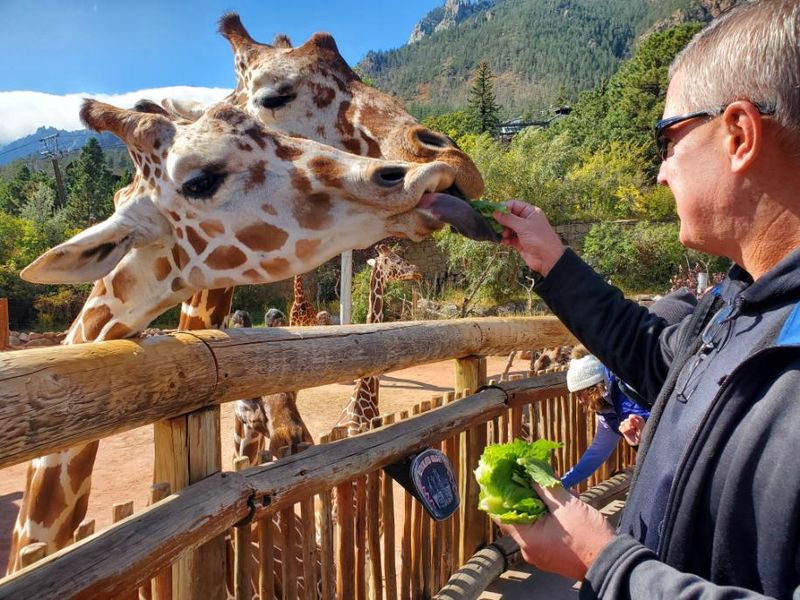
The zoo is home to one of the largest giraffe herds of any zoo in North America, and feeding them is an experience that tends to permanently rearrange your sense of wonder.
Some giraffes are shy and approach slowly. Others are bold and will wrap that long, surprisingly rough tongue around your hand before you even see it coming. It is hilarious, slightly startling, and completely unforgettable.
A brand-new state-of-the-art giraffe barn is currently under construction and expected to open in 2026, which means the experience is only going to get better. One important tip from fellow visitors: do not try to pet the giraffes.
They genuinely dislike being touched on the face and will make that clear. They are here for the lettuce, not the affection.
Respect that boundary, enjoy the interaction, and you will walk away with a story worth telling for years.
700 Animals, One Wild Roster
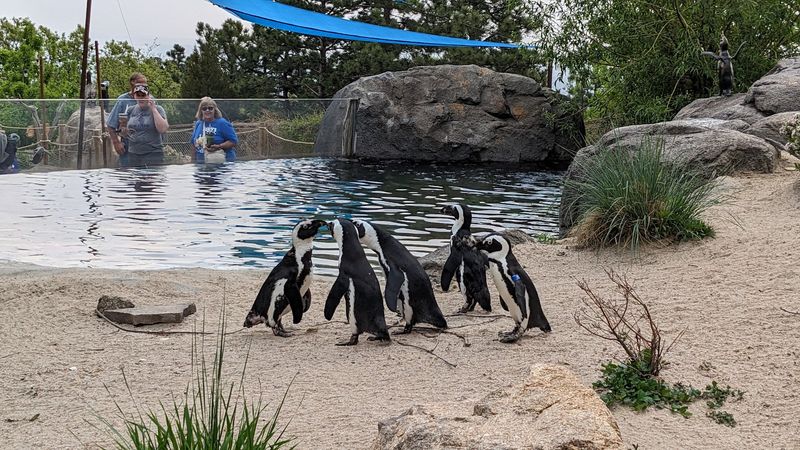
Beyond the giraffes, the sheer variety of animals here is genuinely impressive.
Cheyenne Mountain Zoo is home to more than 700 individual animals representing dozens of species from around the world. Grizzly bears, moose, lions, penguins, zebras, and gorillas all share this mountain address in Colorado.
The Australian exhibit is a quiet highlight that many almost overlook. Wallabies roam freely inside the enclosure without cages separating them from guests.
They are small, serious-looking creatures that will stare at you with intense curiosity but keep a respectful distance.
There is also an enclosed bird habitat where you can feed nectar to hundreds of colorful birds, mostly cockatoos and canaries, for about one dollar.
The reptile house deserves a special mention too. The enclosures inside are thoughtfully designed for each individual species, and the snake section in particular is visually stunning.
Whoever curated those displays clearly treated it as an art form.
The Shrine Of The Sun
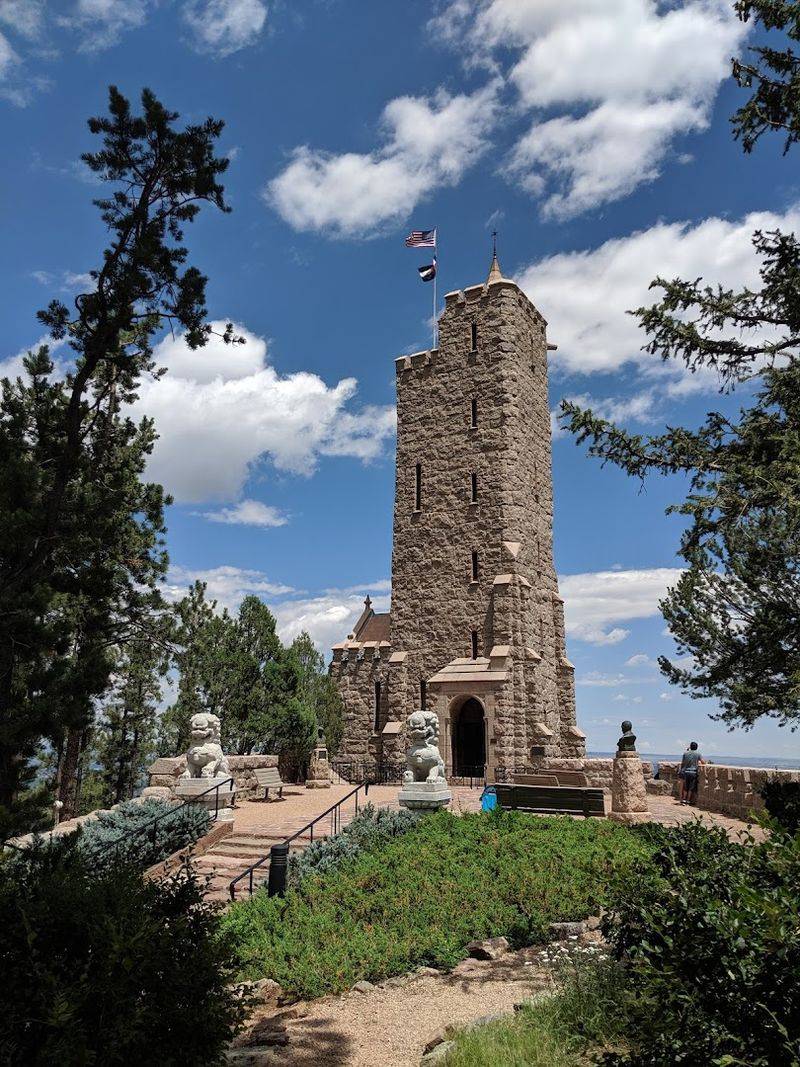
Tucked just above the zoo grounds sits one of Colorado’s most quietly spectacular landmarks: the Will Rogers Shrine of the Sun.
This stone tower was completed in 1937 and stands at around 8,000 feet in elevation, offering some of the most breathtaking panoramic views in the entire state of Colorado.
Visitors who get their hand stamped at the zoo entrance can drive up to the Shrine before or after exploring the zoo itself. The catch is that you need to pass through the gate by 3 PM, so timing matters.
The drive up is short but the views at the top are anything but ordinary. On a clear day, you can see Colorado Springs, the surrounding plains, and layers of mountain ridges spreading out in every direction.
The tower is a fascinating piece of history and architecture, built from local Cheyenne Mountain stone and named in honor of humorist Will Rogers.
Climbing inside gives you a close-up look at murals and artifacts connected to Rogers and the era in which the structure was built.
Food Options On The Mountain
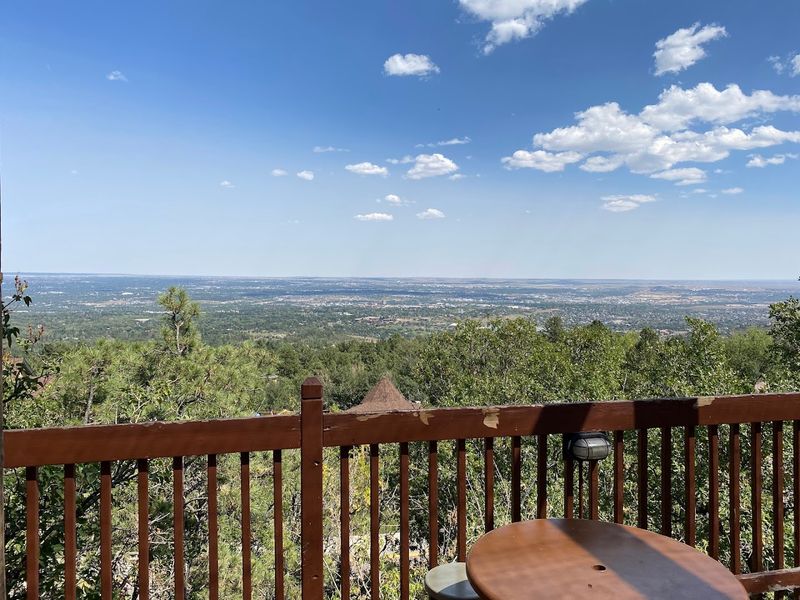
Fueling up mid-visit is easy at Cheyenne Mountain Zoo, and the food options are better than most zoo dining tends to be.
The standout spot is Pizza with a View, which lives up to its name on both counts. The restaurant features a massive pizza oven imported from Italy.
Apparently only two of these ovens exist in the entire western United States.
The Grizzly Grill is another popular stop, known particularly for its chicken salad sandwich, which has earned some devoted fans among repeat visitors.
There are also grab-and-go options for popcorn and ice cream scattered throughout the park for quick snacks between exhibits.
Multiple shaded and sheltered seating areas are positioned around the park, which is especially helpful on windy or cold days since mountain weather in Colorado can shift quickly.
Checking the temperature forecast is wise, but also pay attention to wind conditions, which can make a mild day feel quite brisk at this elevation.
Interactive Experiences Worth Every Penny
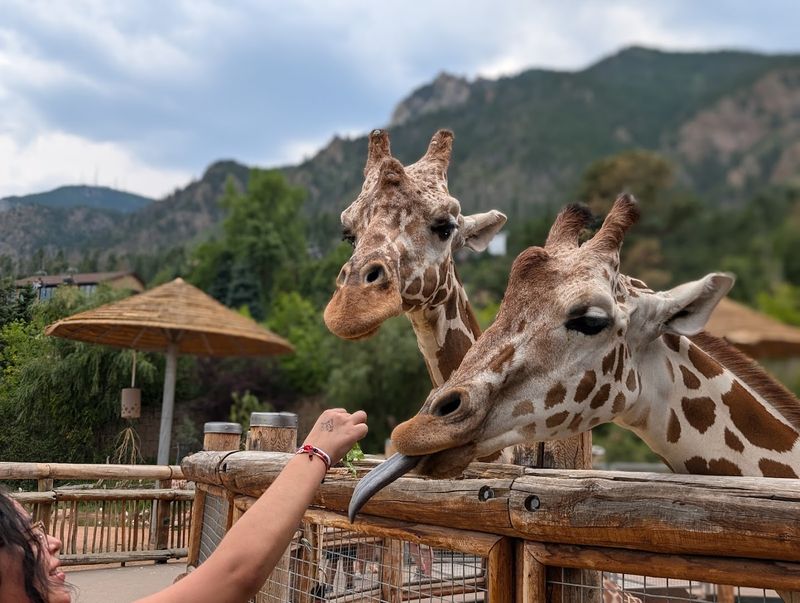
One thing that separates this zoo from others is how many hands-on moments it offers throughout the day.
Feeding the giraffes gets all the attention, but the goat enclosure is its own chaotic, charming adventure.
There is also the bird feeding house, carousel rides for two dollars, and a sky ride that carries you up the mountain for a sweeping aerial view of the zoo and the Colorado landscape below.
The sky ride costs extra but earns consistent praise from visitors who call it one of the best parts of the day. Interactive information stations are scattered throughout the park, including a hippo-sized scale where you can compare your weight to a hippopotamus.
For families with young children, the play areas and slides add another layer of fun between animal exhibits. The zoo also offers timed cart shuttles if navigating the steep paths becomes tiring.
Bringing cash for these add-on experiences is strongly recommended, as not all stations accept cards.
Plan ahead, budget a little extra, and the interactive layer of this visit transforms a good day into a truly memorable one.
Practical Tips For Your Visit
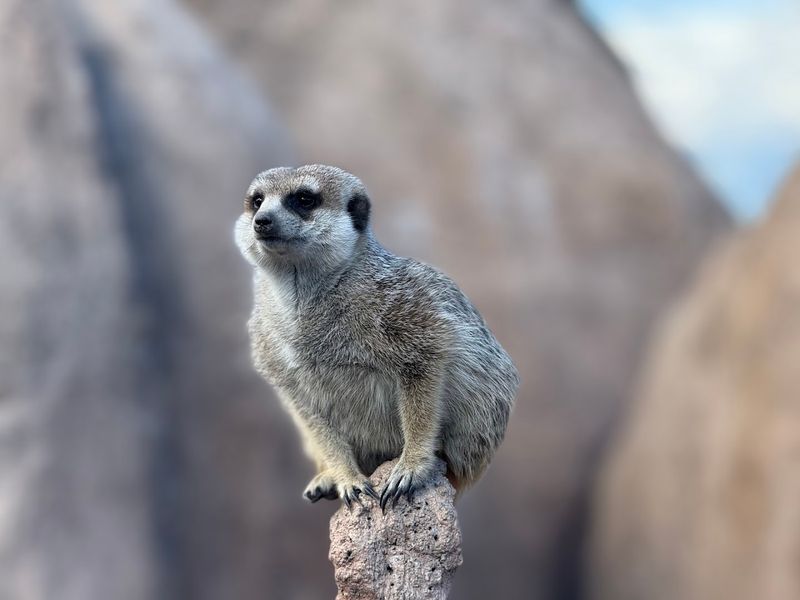
A little planning goes a long way at Cheyenne Mountain Zoo. Tickets should be purchased online in advance, especially during busy seasons and holiday weekends.
The zoo uses timed entry windows, so you will want to arrive no more than ten minutes before your scheduled slot. Showing up too early means waiting in line, which is avoidable with a bit of patience and timing.
Parking is free, which is a pleasant surprise given that most major attractions in Colorado charge for it.
The zoo is open daily from 9 AM to 5 PM, which means arriving early gives you the best chance to see active animals and shorter lines at popular feeding stations.
The zoo is technically accessible with ramps and cart shuttles available, but the steep terrain can still be tiring for stroller users or those with mobility challenges. Bringing plenty of water is non-negotiable at this altitude.
Conservation At The Core
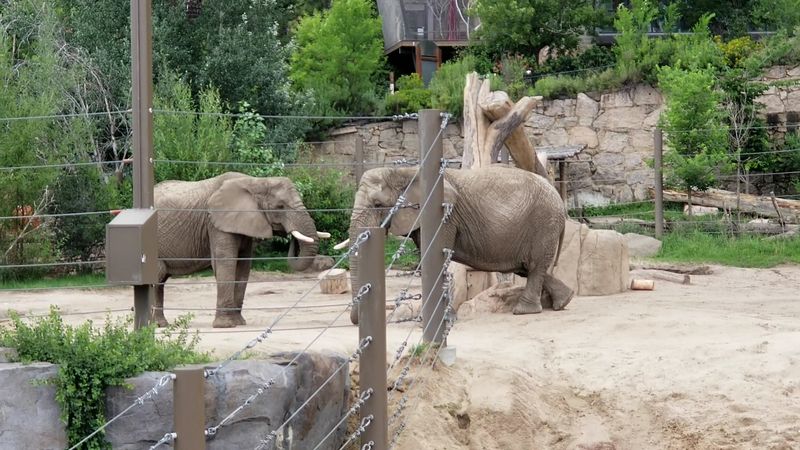
What makes Cheyenne Mountain Zoo stand out beyond its stunning setting is the serious conservation work happening behind the scenes.
The zoo is a fully accredited institution with a deep commitment to protecting wildlife both locally and globally. Its conservation programs span multiple continents and dozens of species, many of which are represented in the exhibits you walk through.
Across those exhibits, you’ll encounter an extraordinary range of wildlife including African species, and animals native to regions most visitors have never set foot in.
Staff members stationed throughout the park are knowledgeable and enthusiastic about sharing what they know.
The elephant program is a strong example of the zoo’s animal welfare philosophy. Older elephants participate in a yoga-style exercise routine designed to keep their joints healthy and their minds stimulated.
That same attention to individual animal needs runs through every corner of the zoo, making each encounter feel thoughtful rather than incidental.
Every enclosure across the zoo reflects careful thought about the natural behaviors and needs of each species. Colorado is lucky to have an institution this committed to getting it right.