15 Epic Day Trips To Explore In Nebraska
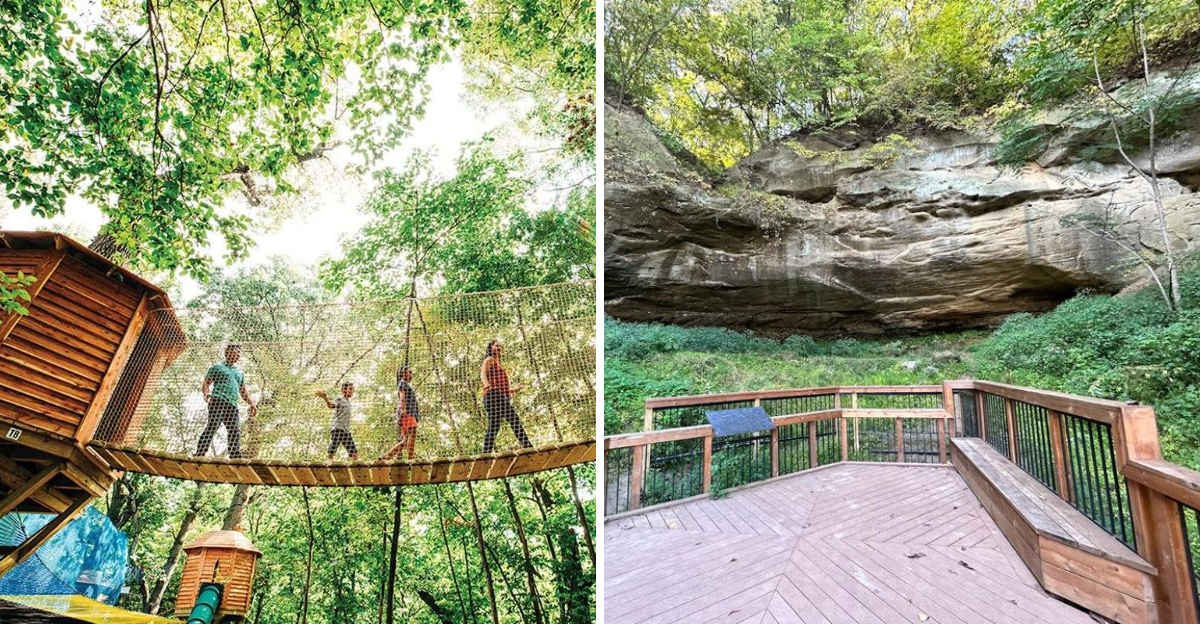
A day trip should feel like a small rebellion against staying home.
No suitcase. No complicated plan. Just a full tank, a decent playlist, and one place that makes everyone in the car say, “Wait, why haven’t we done this before?”
Nebraska can turn one free day into a trip people keep talking about all week.
One open day can lead to sandstone cliffs or prairie views. Small-town cafés or strange museums. River walk or a roadside stop that somehow becomes the story everyone tells later. There’s so many different possibilities.
That is the fun of it.
You do not need a huge vacation to make the week feel less ordinary.
Sometimes the best escape is close enough to reach before lunch and interesting enough to keep talking about on the drive home.
1. Scotts Bluff National Monument
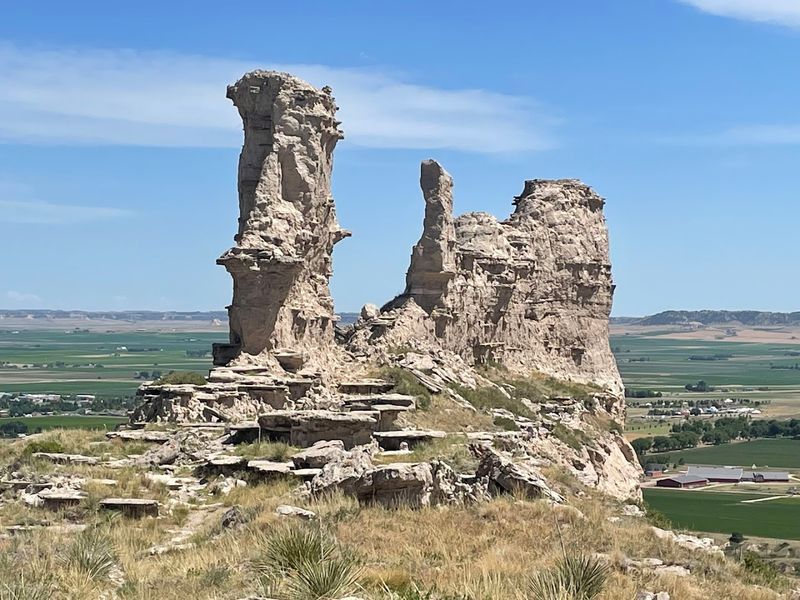
Rising nearly 800 feet above the surrounding plains, the sandstone and clay bluffs here have served as a landmark for travelers since the days of the Oregon Trail.
The monument sits near Gering, Nebraska, and the visitor center at 190276 Old Oregon Trail, Gering, NE 69341 is a solid starting point before heading up.
Summit Road offers a paved drive to the top, while hiking trails give a slower and more grounded experience of the landscape.
On a clear day, the view from the summit stretches across miles of open land in every direction.
The contrast between the rugged bluff walls and the flat valley floor below gives the whole place a dramatic, almost cinematic quality.
Spring and fall tend to bring cooler temperatures and fewer crowds, making those seasons especially comfortable for exploring the trails at a relaxed pace.
Exhibits inside the visitor center connect the geology of the bluffs to the human history of westward migration in a way that feels informative without being overwhelming.
2. Chimney Rock National Historic Site
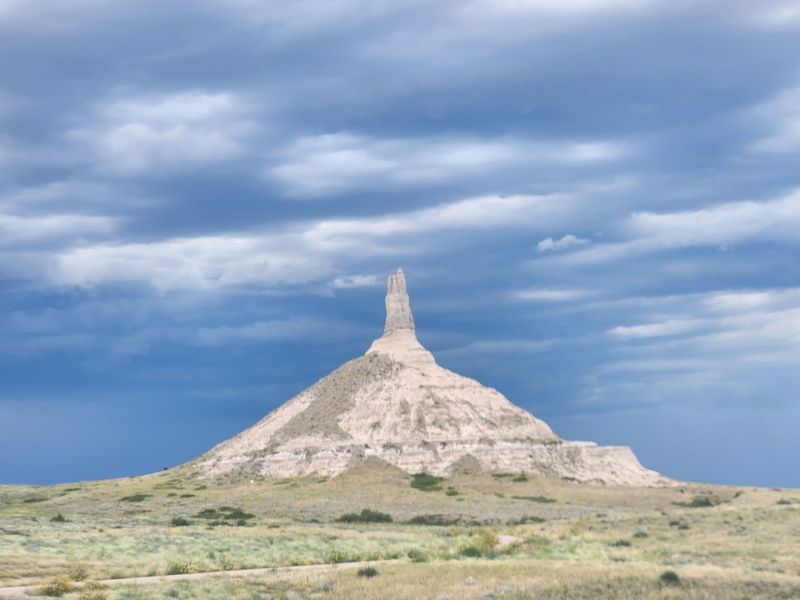
Few landmarks in the American West are as immediately recognizable as this narrow spire of rock rising from the Nebraska panhandle.
Chimney Rock served as one of the most noted waypoints along the Oregon, California, and Mormon trails, and pioneers recorded seeing it from miles away.
The site is located near Bayard, Nebraska, and the visitor center at 9822 County Road 29, Bayard, NE 69334 provides historical context through well-organized exhibits and period artifacts.
The rock itself is not accessible for climbing, but a short walk from the parking area brings visitors close enough to appreciate its scale and the surrounding landscape.
The open terrain around it gives a genuine sense of what nineteenth-century travelers would have experienced moving through this part of the country.
Entry fees are modest, and the visit pairs naturally with a stop at Scotts Bluff for a fuller picture of the region’s history.
3. Toadstool Geologic Park
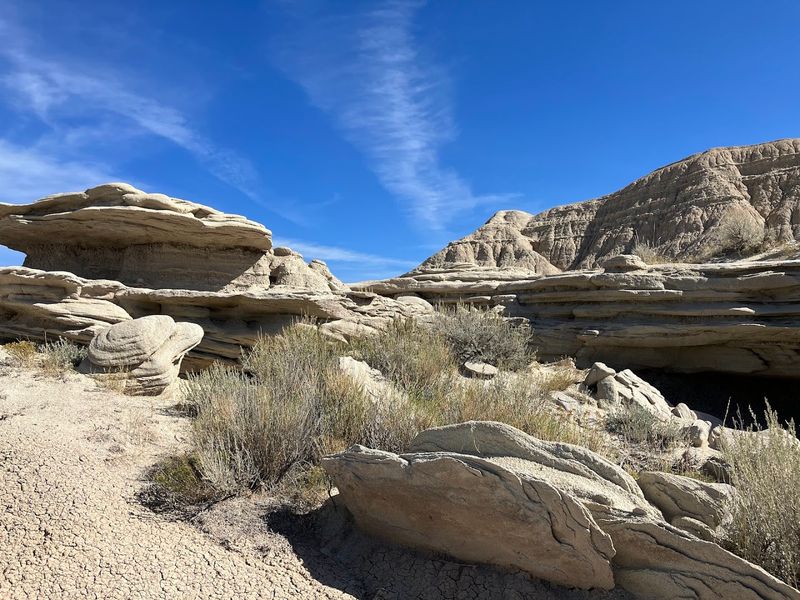
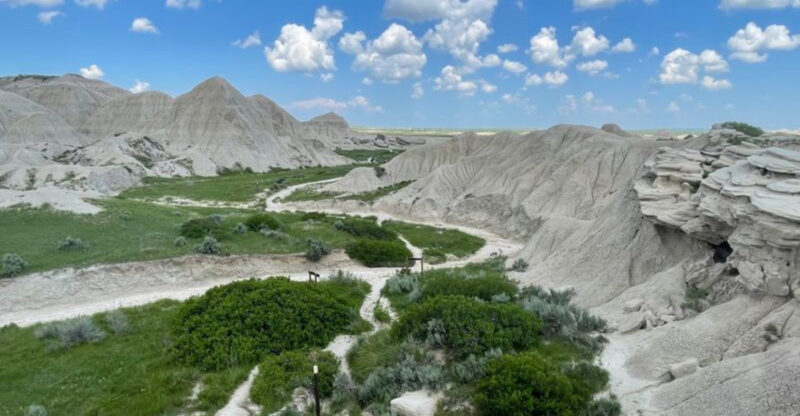
Tucked into the northwestern corner of Nebraska near Harrison, this park looks like something borrowed from another planet.
Erosion has carved the soft sedimentary rock into rounded, mushroom-shaped formations called toadstools, balanced on narrow pedestals above the pale badlands floor.
The landscape feels ancient and a little surreal, especially in the low light of early morning or late afternoon when shadows stretch across the formations.
A short loop trail winds through the heart of the park, covering about one mile and taking around 30 to 45 minutes at an easy pace.
No admission fee is required to enter, which makes it a genuinely accessible stop for families or solo travelers on a budget.
The trail surface is uneven in places, so sturdy footwear is recommended over sandals or flat-soled shoes.
Fossil tracks from prehistoric animals have been found in the area, adding a quiet scientific layer to what already feels like an otherworldly walk.
4. Fort Robinson State Park
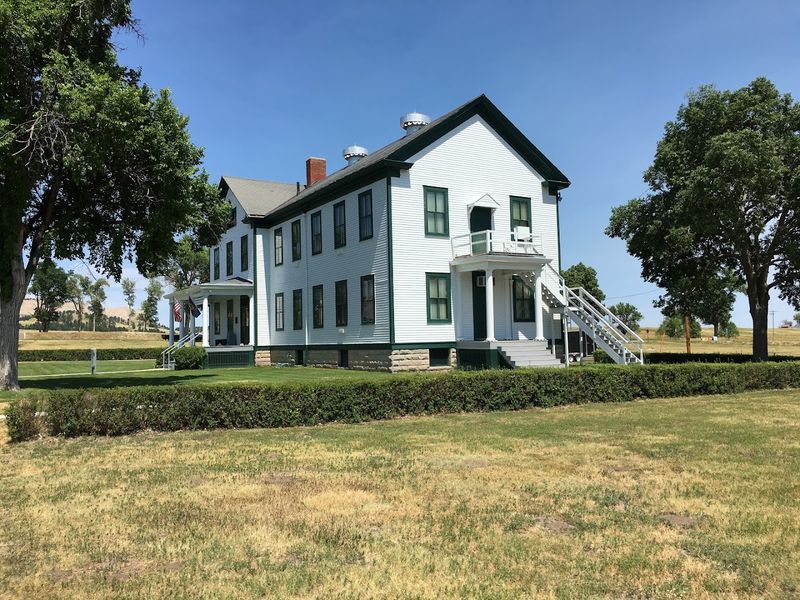
Set against the Pine Ridge landscape in northwestern Nebraska, this park carries a layered history that spans military conflict, frontier life, and the long story of Indigenous peoples in the region.
The grounds include original and reconstructed buildings from the late 1800s, when the fort served as an active U.S. Army post.
Visitors can walk freely through much of the historic area and get a grounded sense of what the post looked like during its operational years.
Horseback riding, hiking, mountain biking, and swimming are available depending on the season, and the surrounding terrain of red clay buttes and pine-covered ridges makes outdoor activity genuinely rewarding.
Wildlife sightings including deer and wild turkeys are common on the trails.
Overnight lodging is available in the park’s historic buildings and cabins, though the park also works well as a day trip from nearby towns.
5. Smith Falls State Park
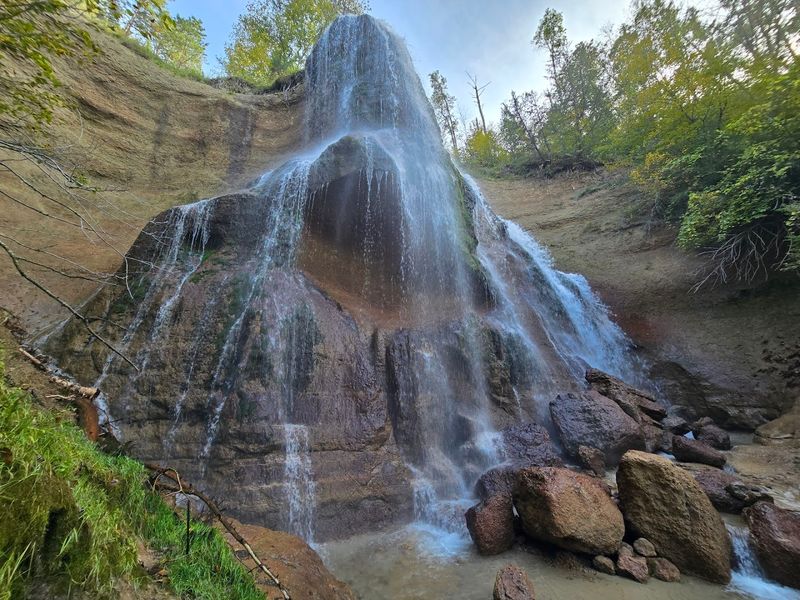
Nebraska is not typically associated with waterfalls, which makes Smith Falls one of the more genuinely surprising spots in the state.
At around 63 feet, it holds the title of Nebraska’s tallest waterfall, and the setting along the Niobrara River valley adds to the appeal.
The park is located near Sparks, Nebraska, and reaching the falls involves a short and pleasant walk through wooded terrain that feels refreshingly shaded in summer.
A swinging footbridge crosses the Niobrara River near the trailhead, and the trail to the falls is manageable for most fitness levels.
The sound of the water gets louder as visitors approach, and the falls themselves flow year-round, though the volume varies with rainfall.
Spring tends to bring the most dramatic flow, while summer keeps the surrounding vegetation full and green.
Camping is available in the park for those who want to extend the trip, but the site also works perfectly as a half-day stop.
6. Niobrara National Scenic River
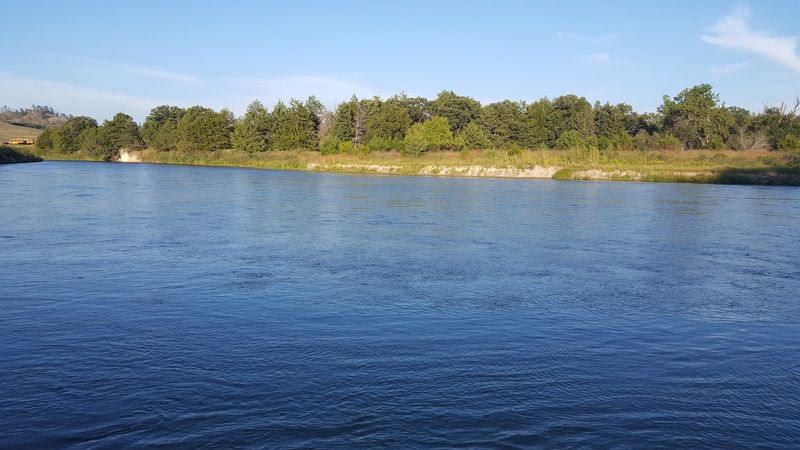
Running through north-central Nebraska, the Niobrara River has carved a canyon lined with waterfalls, mixed-grass prairie, and dense woodland that feels almost unexpected in a Great Plains state.
The river is designated as a National Scenic River, and the stretch near Valentine is the most popular and most accessible section for day visitors.
Tubing, kayaking, and canoe trips are available through several local outfitters who operate seasonally along the river corridor.
Float trips typically take two to four hours depending on the section chosen and the pace of the group.
The river moves at a gentle speed in most sections, making it suitable for families and beginners who are comfortable on the water.
Along the way, small waterfalls drop from the canyon walls directly into the river, creating natural stopping points that feel genuinely rewarding rather than staged.
The best season for floating runs from late May through early September, with July and August drawing the heaviest visitor numbers.
7. Indian Cave State Park
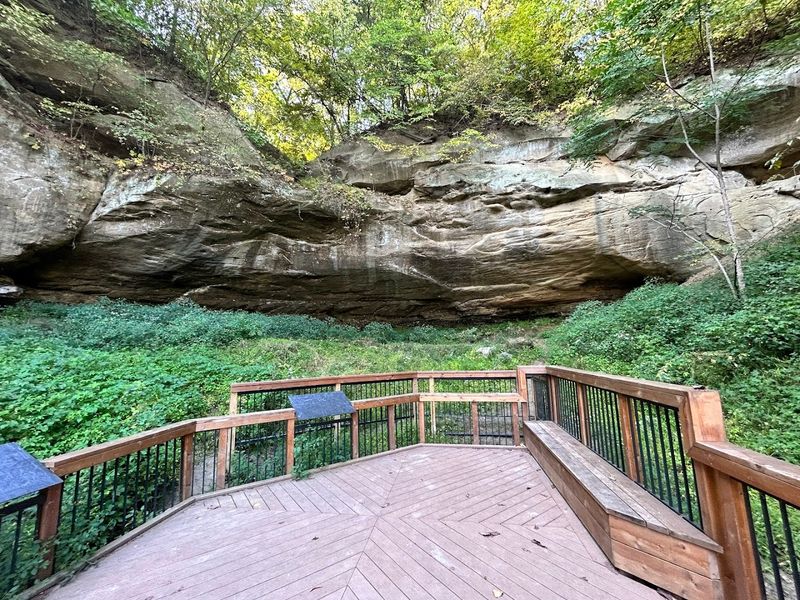
Situated along the Missouri River in southeastern Nebraska, this park takes its name from a large sandstone cave that contains Native American petroglyphs carved into its walls.
The cave is accessible via hiking trail and offers a tangible connection to the people who lived in this region long before European settlement.
The surrounding landscape of forested bluffs and river bottomland gives the park a noticeably different feel from the open grassland found in much of the state.
The park features over 20 miles of hiking trails that wind through mature woodland and along ridge tops with views of the Missouri River below.
Wildlife in the area includes white-tailed deer, wild turkeys, and a variety of bird species that make the park appealing to birdwatchers.
The trails range from easy flat walks to more demanding ridge hikes, giving visitors flexibility in how they structure the day.
A living history village within the park recreates a nineteenth-century frontier settlement and is staffed during select seasons.
8. Ponca State Park
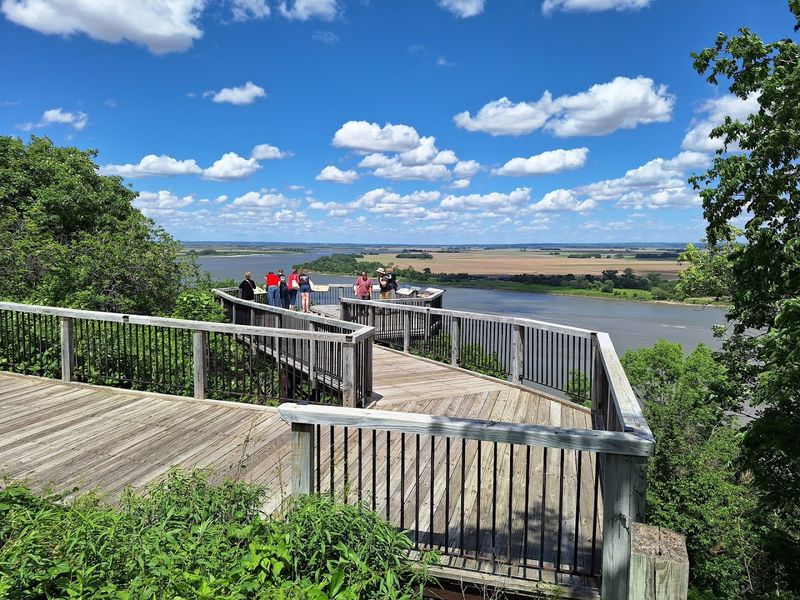
Perched above the Missouri River in northeastern Nebraska, this park offers some of the most scenic overlooks in the state, with views that stretch across the river into Iowa and South Dakota.
The terrain here is hilly and forested, which makes it feel distinctly different from the flat or gently rolling land that covers much of Nebraska.
Hiking trails wind through the bluffs and along the river corridor, offering a mix of shaded woodland walks and open ridge-top views.
Outdoor recreation at the park includes horseback riding, mountain biking, and swimming in a seasonal pool.
The Missouri River itself can be accessed for fishing and non-motorized boating, and the river views from the upper trails are genuinely worth the climb.
Bald eagles are commonly spotted in the area during winter months, making cold-weather visits unexpectedly rewarding for wildlife enthusiasts.
Cabin rentals and camping sites are available for overnight stays, but the park also functions well as a full-day trip on its own.
9. Nebraska City
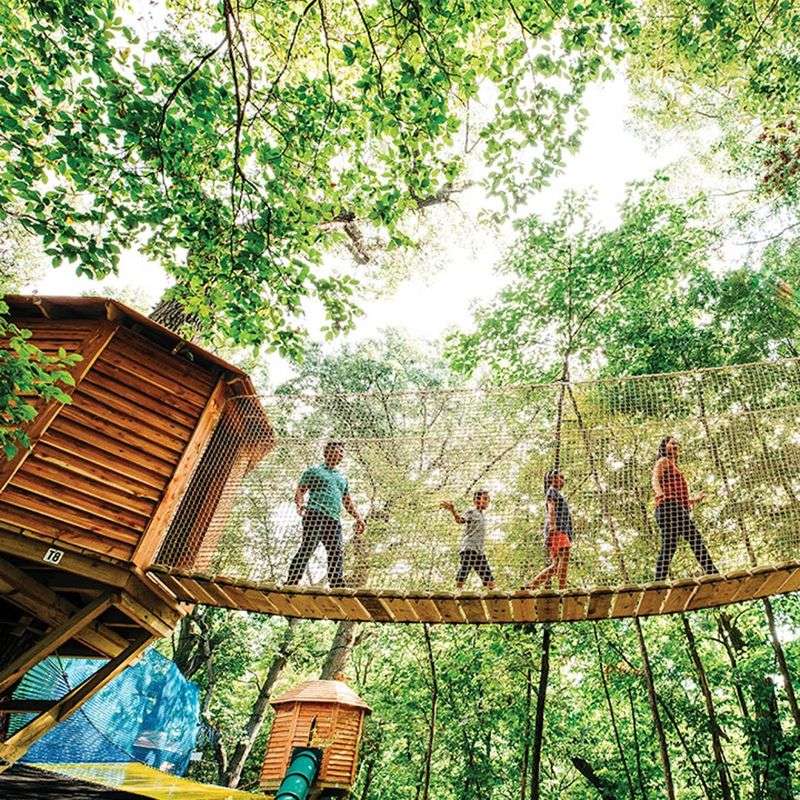
Known as the birthplace of Arbor Day, this small city along the Missouri River carries a quiet pride in its connection to trees, history, and small-town charm.
The Arbor Day Farm and Lied Lodge sit just outside the downtown area and offer a full day of activity on their own, including nature trails, a treetop canopy walk, and seasonal events tied to the apple orchards on the property.
The landscape surrounding the farm shifts beautifully through the seasons, with apple blossoms in spring and golden foliage in autumn.
The historic downtown area features locally owned shops, antique stores, and a handful of dining options that reflect the town’s relaxed and unhurried pace.
The John Brown’s Cave and Museum adds a layer of Civil War-era history to the visit, connecting Nebraska City to the Underground Railroad story in a way that feels grounded and respectful.
Walking the downtown streets takes less than an hour but can easily stretch into an afternoon with a few stops along the way.
10. Brownville
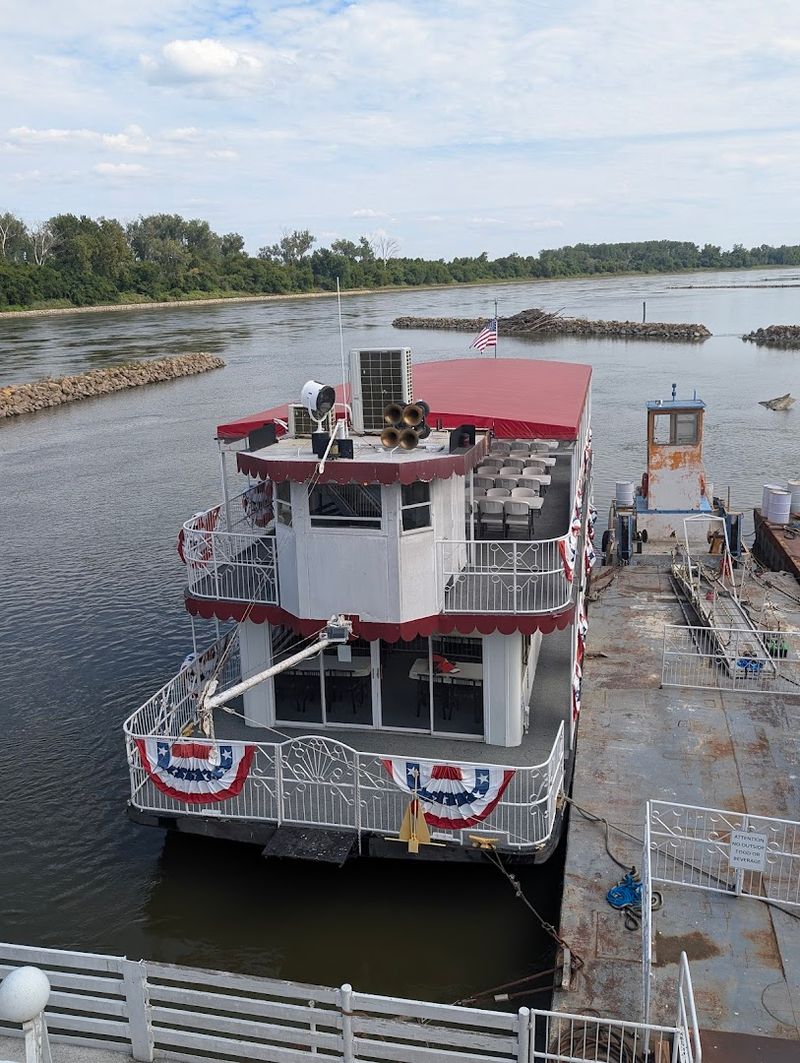
One of Nebraska’s oldest towns sits quietly along the Missouri River, and its small size belies the depth of history packed into its streets.
Founded in 1854, Brownville once served as a major river port and retains much of its nineteenth-century character in its buildings and layout.
The town feels genuinely preserved rather than artificially restored, and walking its compact streets gives a sense of stepping back without any theatrical staging.
The Brownville Village Theatre hosts live performances throughout the year, drawing audiences from across the region to a town of fewer than 150 residents.
The Spirit of Brownville, a river excursion boat, offers seasonal cruises on the Missouri River that provide a relaxed way to see the landscape from the water.
Antique shops and a working gristmill add texture to the visit without overwhelming the quiet atmosphere the town naturally maintains.
11. Ashfall Fossil Beds State Historical Park
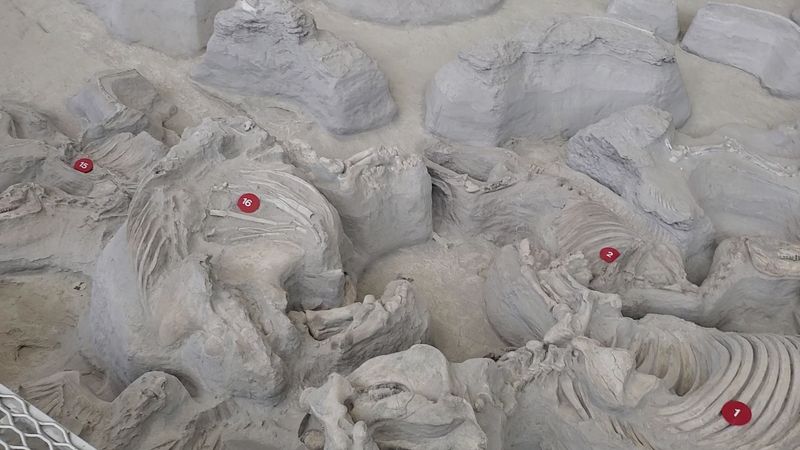
Around 12 million years ago, a massive volcanic eruption far to the west blanketed a Nebraska watering hole in ash, preserving the animals that gathered there in extraordinary detail.
The result is one of the most remarkable fossil sites in the world, and the park near Royal, Nebraska gives visitors a chance to see the fossils exactly where they were found.
The Hubbard Rhino Barn, the main exhibit building at 86930 517 Avenue, Royal, NE 68773, shelters dozens of complete and partial skeletons still embedded in the ash layer.
Walking through the barn feels genuinely different from viewing fossils in a traditional museum case.
The skeletons of rhinoceroses, three-toed horses, camels, and other animals are visible in the ground, some still in the positions where they fell.
Interpretive signs explain the science clearly without requiring any prior knowledge of paleontology to follow along.
A smaller exhibit building outside the barn provides additional context about the volcanic event and the ecosystem that existed here during the Miocene epoch.
12. Carhenge
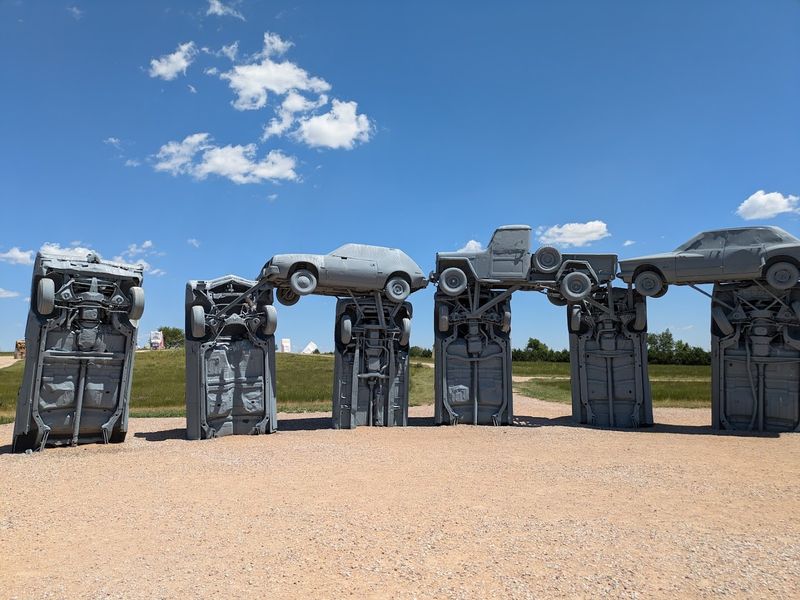
Built in 1987 by a Nebraska man as a tribute to his father and as a playful replica of England’s Stonehenge, this roadside landmark near Alliance has become one of the most talked-about art installations in the Great Plains.
Gray-painted vintage American cars have been arranged and stacked to mirror the layout and proportions of the original Stonehenge, and the effect is both absurd and oddly impressive when seen in person.
The flat prairie surrounding the site gives it an open, unobstructed quality that makes it feel larger than it actually is.
Admission is free, and the site is accessible at any hour, though daytime visits allow for the best photography and the clearest view of the car arrangements.
A small sculpture garden nearby features additional car-based art pieces created by the same group responsible for the main installation.
The surrounding landscape of open sky and grassland adds to the quirky visual contrast the site is known for.
13. Platte River State Park
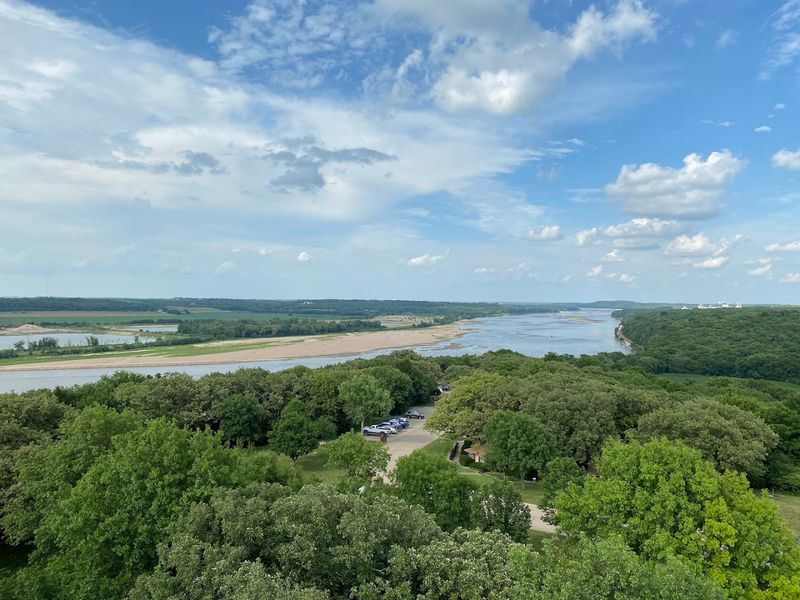
Situated along a scenic stretch of the Platte River between Louisville and Omaha, this park offers a mix of wooded trails and family-friendly amenities in a setting that feels noticeably more forested than much of eastern Nebraska.
The terrain includes hills, ravines, and mature trees that create a sense of enclosure and shade that is genuinely welcome during summer visits.
Hiking trails wind through the park at varying difficulty levels, making it accessible for a wide range of visitors.
Cabins, camping sites, and a swimming pool are available for those who want to extend the visit, though the park works equally well as a half-day or full-day trip.
The Platte River runs along the park’s edge and provides a backdrop for quiet walks and wildlife observation.
Sandhill cranes use the broader Platte River corridor during their spring migration, and the park’s location makes it a reasonable base for crane-watching during that season.
14. Eugene T. Mahoney State Park
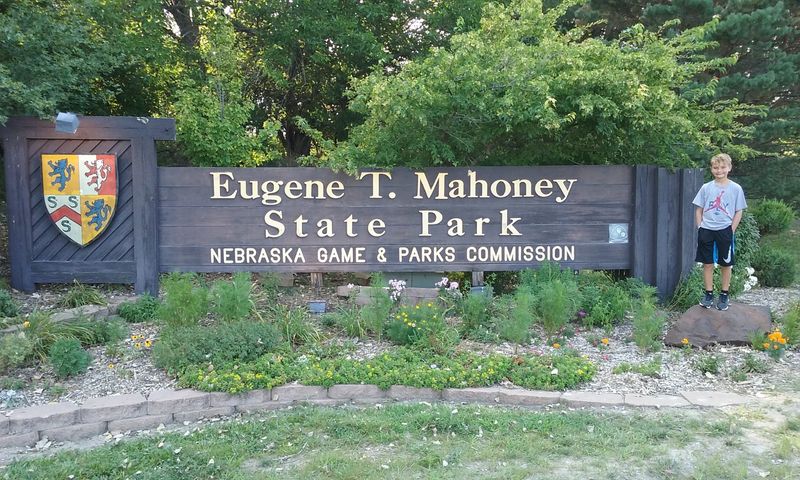
Positioned between Omaha and Lincoln along Interstate 80, this park functions as one of the most fully developed and family-oriented state parks in Nebraska.
The range of activities available here is genuinely broad, covering hiking, miniature golf, paddle boating, an observation tower, an aquatic center, and an indoor climbing wall.
The variety means that a visit here can look very different depending on the age and interests of the group.
The park’s lodge and restaurant offer indoor dining and overnight accommodations, giving it a resort-like feel without the resort pricing.
Cabins and camping sites are also available for those who prefer a more outdoor experience. The grounds are well-maintained and laid out in a way that makes navigation easy even on a first visit, with clear signage throughout.
15. Omaha’s Henry Doorly Zoo and Aquarium
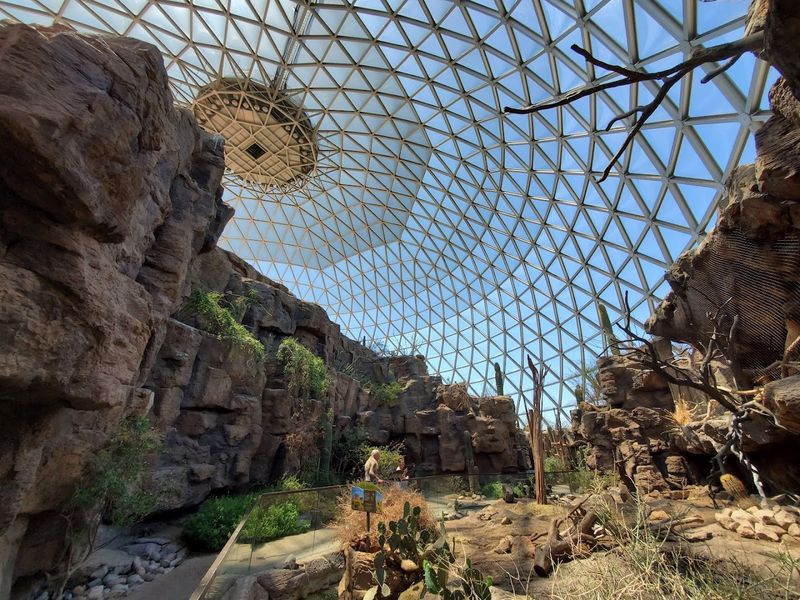
Consistently ranked among the top zoos in the United States, this Omaha institution covers over 130 acres and houses one of the largest indoor desert and rainforest exhibits in the world.
The Desert Dome alone is a striking structure that rises above the surrounding landscape and shelters a dry ecosystem complete with free-roaming animals and dramatic rock formations inside.
The aquarium section features shark tanks, a stingray touch pool, and an immersive tunnel that puts visitors directly beneath the water.
The zoo is located at 3701 South 10th Street, Omaha, NE 68107, and parking is available on site for a separate fee.
A full visit covering the major exhibits typically takes between four and six hours, so arriving early in the day allows enough time to move through the space without feeling rushed.
Weekdays tend to be noticeably less crowded than weekends, particularly during summer school break periods.
The gorilla exhibit, the butterfly and insect pavilion, and the African grasslands area are among the highlights that draw repeat visitors.