The Historic Oregon Aviation Museum That Will Leave Plane Lovers Completely Amazed
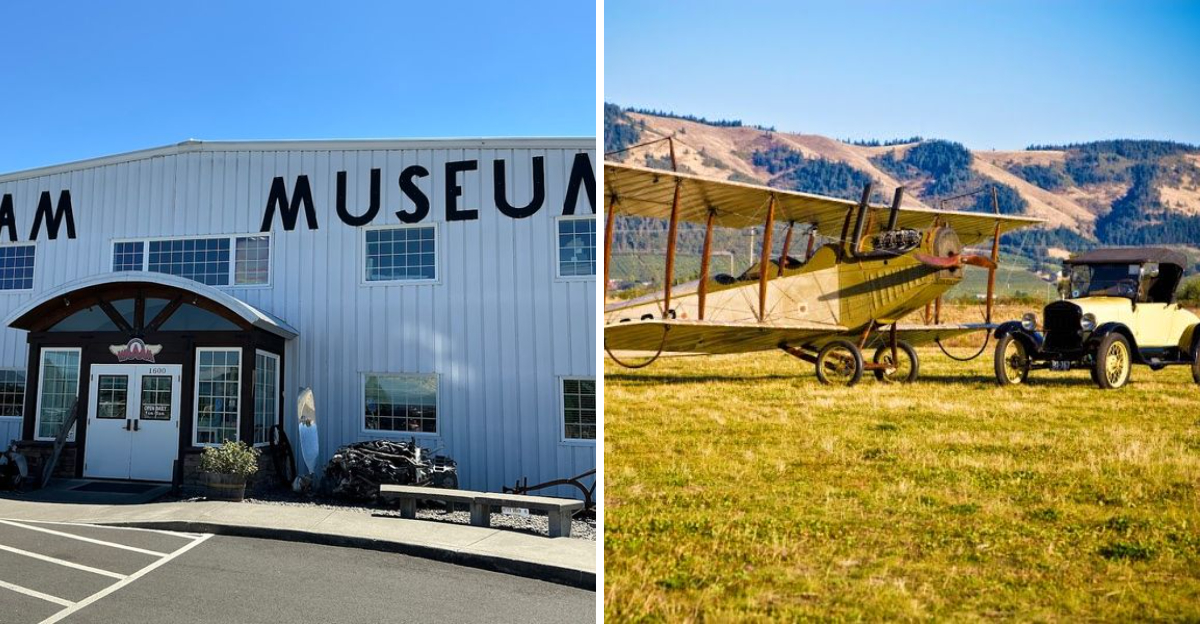
There are road trip stops that you plan, and then there are the ones that hijack your entire day and leave you genuinely annoyed that you almost skipped them.
I was driving through the Columbia River Gorge, windows down, perfectly happy minding my own business, when a sign pointed me toward this place.
I gave it maybe an hour in my head. I was there for most of the afternoon.
What stopped me was not just the sheer number of aircraft packed under one roof. It was the fact that nearly everything in this place still flies.
Still drives. Still roars to life on the second Saturday of every month while volunteers who clearly love these machines more than most people love anything stand nearby ready to tell you everything about them.
Oregon has been quietly keeping one of the most extraordinary living museums in the country. Consider this your formal introduction.
The Place Where Flying History Comes Alive
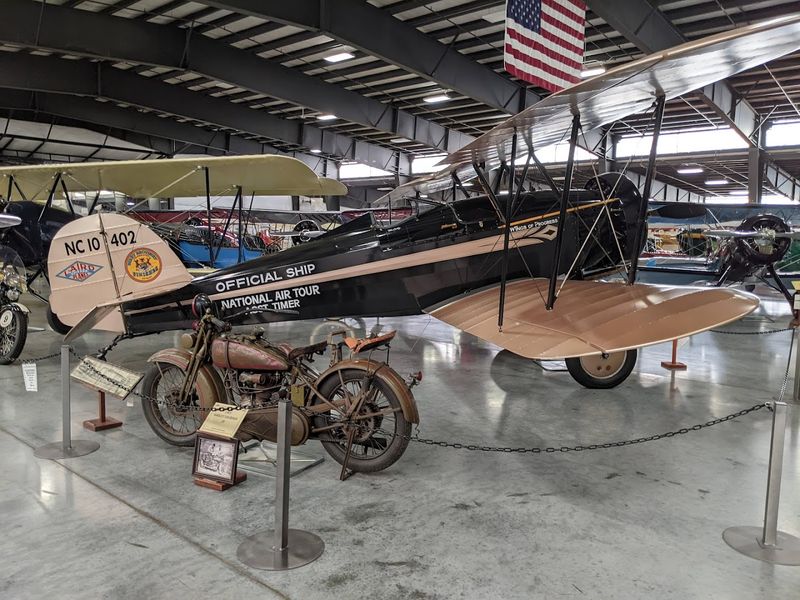
Not every museum makes you feel like you stepped into a time machine, but WAAAM does exactly that. The Western Antique Aeroplane and Automobile Museum is one of the most unique collections of its kind in the entire Pacific Northwest.
What sets WAAAM apart right away is that almost every single aircraft and automobile on display actually runs.
Staff and volunteers fire these machines up regularly, which means you are not just staring at dusty relics behind velvet ropes. You are watching history breathe.
The museum sits on a working airfield, so the atmosphere alone is electric. Planes taxi.
Engines rumble. The smell of aviation fuel mixes with fresh Columbia River Gorge air.
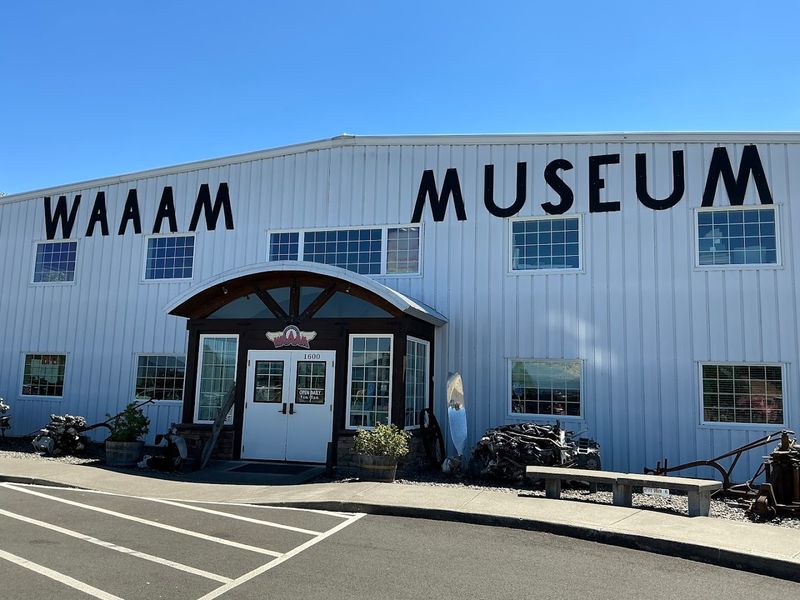
For anyone who has ever looked up at an old biplane and felt their heart skip, this place at 1600 Air Museum Rd, Hood River, Oregon, delivers that feeling in full, glorious volume.
The Biplane Collection That Makes Your Jaw Drop First
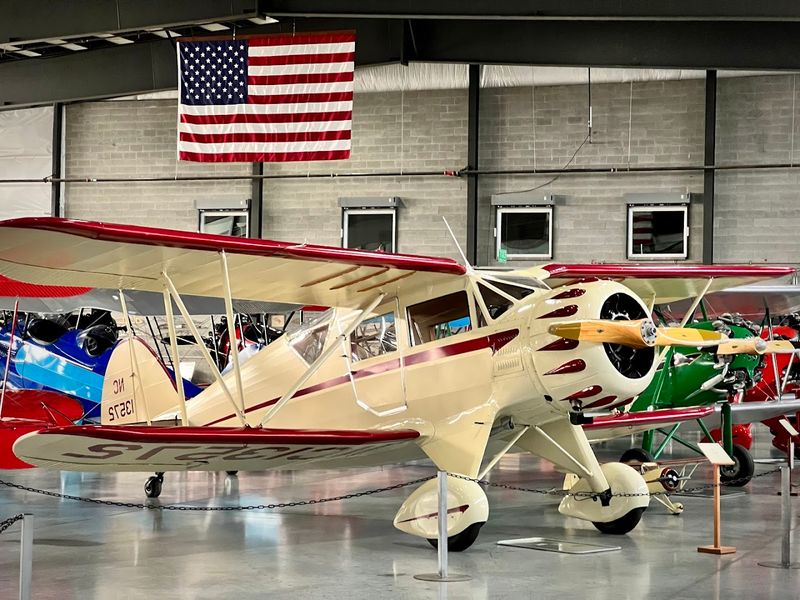
Biplanes have a certain magic that modern aircraft simply cannot replicate.
The double wings, the open cockpits, the sheer audacity of early aviation pioneers who climbed into these fragile machines and pointed them at the sky. WAAAM has gathered an extraordinary collection of them.
Walking through the hangar, you encounter aircraft from the 1910s and 1920s in remarkable condition.
These are not rough approximations or replicas. Many are original airframes, painstakingly restored by dedicated volunteers who clearly love what they do.
One standout is the 1917 Curtiss JN-4 Jenny, a trainer aircraft that taught thousands of American pilots during World War One. Seeing it up close gives you a new appreciation for how brave those early aviators truly were.
The cockpit is barely bigger than a lawn chair, and the controls look almost comically simple by today’s standards. Yet this little machine changed everything about how humans learned to fly.
Antique Automobiles That Steal The Show
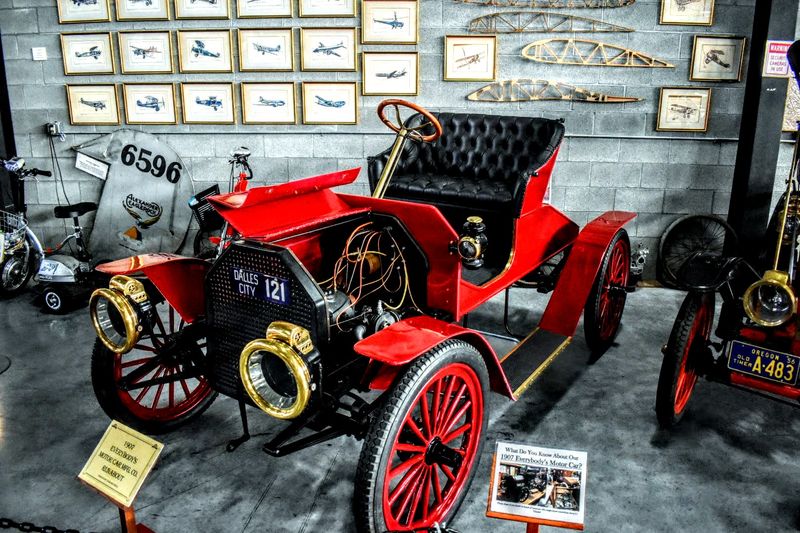
Planes are the headline act, but the cars at WAAAM sneak up on you and refuse to be ignored.
The automobile collection spans decades of American and international motoring history, and every vehicle is maintained in running condition.
Seeing a 1910 Buick Model 10 parked next to a 1930s Ford pickup is genuinely surreal. These are vehicles that carried families across unpaved roads, hauled harvests, and defined entire eras of American life.
Up close, the craftsmanship is stunning.
What makes this collection especially compelling is the context. Volunteers are often nearby and happy to talk about specific vehicles, sharing stories about where each one came from and what it took to restore it.
I spent twenty minutes talking to one volunteer about a particular vintage roadster, and his enthusiasm was completely contagious.
The cars feel personal here, not just decorative. They feel like someone genuinely cares about keeping them alive, which makes all the difference in how you experience them.
When The Museum Roars To Life
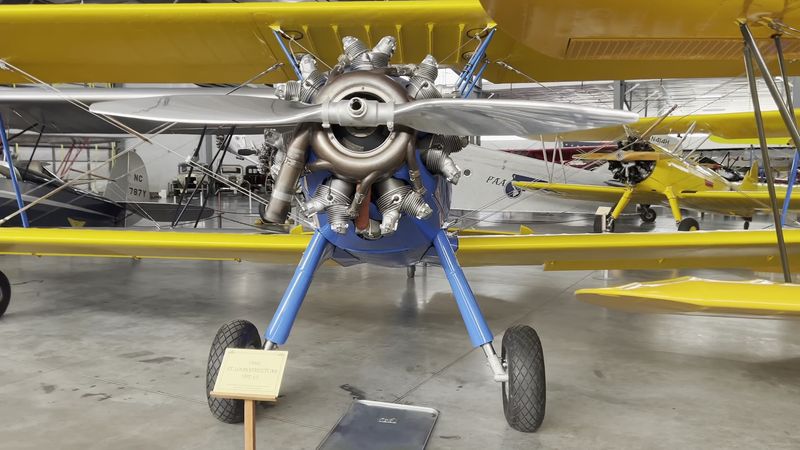
If you visit on a regular weekday, WAAAM is impressive. If you visit on a Fly Day, you will need to pick your jaw up off the tarmac.
These weekend events, typically held on the first and third Sundays of each month, turn the museum into a full-on living airshow.
Volunteers pull aircraft out onto the airstrip and actually fly them. You can stand just feet away from a century-old biplane as its engine coughs to life and it rolls down the grass runway.
The sound, the smell, and the visual of watching a 1920s aircraft climb into the Oregon sky is something that photographs honestly cannot capture.
Fly Days also draw a crowd of enthusiasts, pilots, and families who come specifically for the experience. The energy is festive without being overwhelming.
Kids press against the fence with wide eyes.
Adults forget their phones for a few minutes. For a few hours, everyone is just watching something genuinely wonderful happen right in front of them.
The Volunteer Culture That Keeps This Place Extraordinary
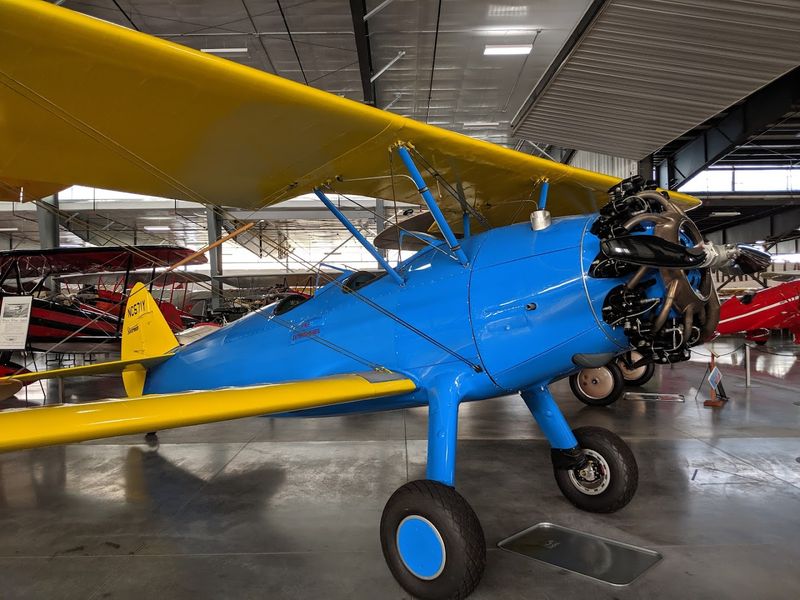
Museums are only as good as the people who run them, and WAAAM has some of the most passionate volunteers you will ever meet.
Many of them are retired pilots, mechanics, or engineers who bring decades of real-world experience to every restoration project.
On my visit, I watched two volunteers carefully reassemble a radial engine from the 1940s. They worked with the kind of focused calm that comes only from genuine expertise.
One of them looked up, noticed me watching, and spent the next ten minutes explaining exactly what each component does. That kind of access is rare in any museum.
The volunteer-driven model also means the museum stays financially lean while maintaining extraordinary quality. Every dollar that comes in goes back into restoration and preservation.
The result is a collection that keeps growing and improving year after year.
There is a warmth to WAAAM that larger, better-funded institutions often lack, and that warmth comes entirely from the people who show up every week because they genuinely love this stuff.
Rare Aircraft You Simply Cannot Find Anywhere Else
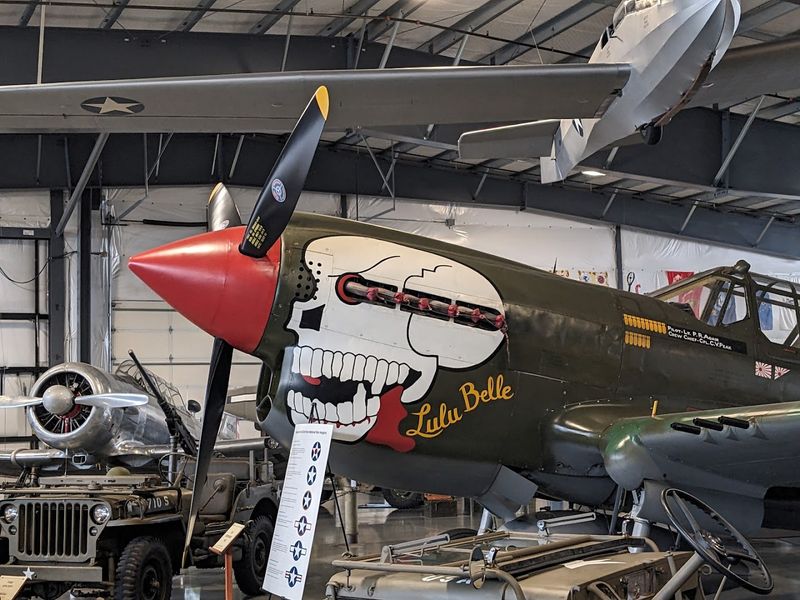
Part of what makes WAAAM genuinely special is that it holds aircraft you will not find in most other collections.
The museum actively seeks out rare and unusual machines, not just the famous names that appear in history books.
One example is their collection of early homebuilt and experimental aircraft. These are planes designed and constructed by individual inventors and hobbyists, often working in garages or barns with minimal resources.
Seeing them alongside professionally manufactured aircraft highlights just how creative and determined early aviation enthusiasts truly were.
The museum also holds several aircraft that are among the last surviving examples of their type anywhere in the world. That fact hits differently when you are standing right next to one.
You realize that without the effort of collectors and restorers like the ones at WAAAM, these machines would simply be gone forever.
Aviation history is fragile, and places like this are the reason any of it survives at all. That sense of preservation gives the whole collection a weight that goes well beyond nostalgia.
The Hood River Setting Adds Something Extra Special
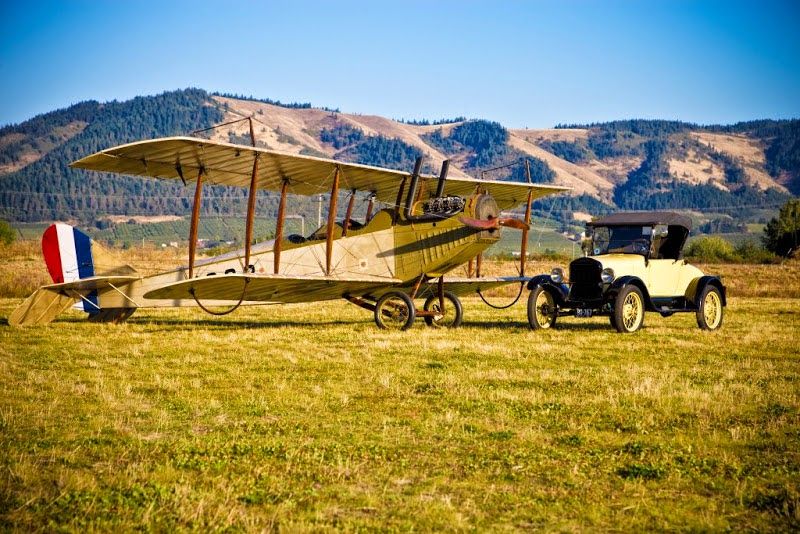
Hood River is already one of the most scenic towns in Oregon, sitting right on the Columbia River Gorge with views of Mount Hood on clear days.
WAAAM benefits enormously from this setting, and the location adds a layer of drama to the whole experience.
The airfield itself is surrounded by open farmland and framed by the dramatic gorge landscape. When you watch a vintage aircraft take off and bank toward the river, the scenery behind it looks almost too cinematic to be real.
It genuinely feels like a movie set, except everything is completely authentic.
Driving to the museum on Air Museum Road, you get a sense of arrival that feels earned. The road leads you out past orchards and open fields before the hangars come into view.
Hood River as a destination pairs well with a WAAAM visit. The town has excellent food, fantastic outdoor recreation, and a genuinely welcoming small-town personality.
Combining the two makes for one of the best day trips the Pacific Northwest has to offer.
Why Aviation Fans Must Put This Museum On Their Bucket List
Some museums are worth a quick look. WAAAM is worth an entire afternoon, and possibly a return trip.
The combination of rare aircraft, running vehicles, knowledgeable volunteers, and an active airfield creates an experience that goes far beyond a typical museum visit.
Aviation history is often taught through photographs and textbooks, which can make it feel remote and abstract. WAAAM makes it tangible.
You can stand close enough to touch a propeller that actually flew a hundred years ago. You can hear engines that powered an earlier era of human ambition.
That kind of direct connection to history is genuinely hard to find.
Whether you are a lifelong aviation enthusiast, a curious traveler, or someone who just wandered off the highway looking for something interesting, WAAAM will exceed your expectations.
The admission price is reasonable, the staff is welcoming, and the collection is legitimately world-class.
There are not many places in the country where you can watch a 1920s biplane take off from a grass runway while standing just a few feet away. WAAAM in Oregon is one of them, and it earns every bit of the praise it receives.