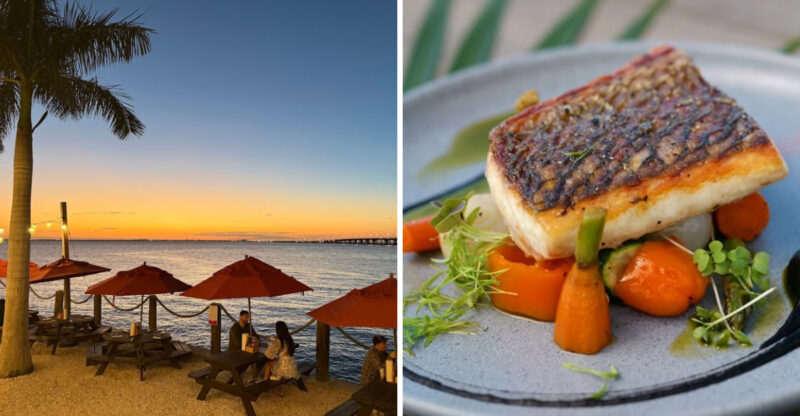
Once You Find This Sleepy Florida Town It Becomes Very Hard To Remember Why You Were Ever In Such A Rush
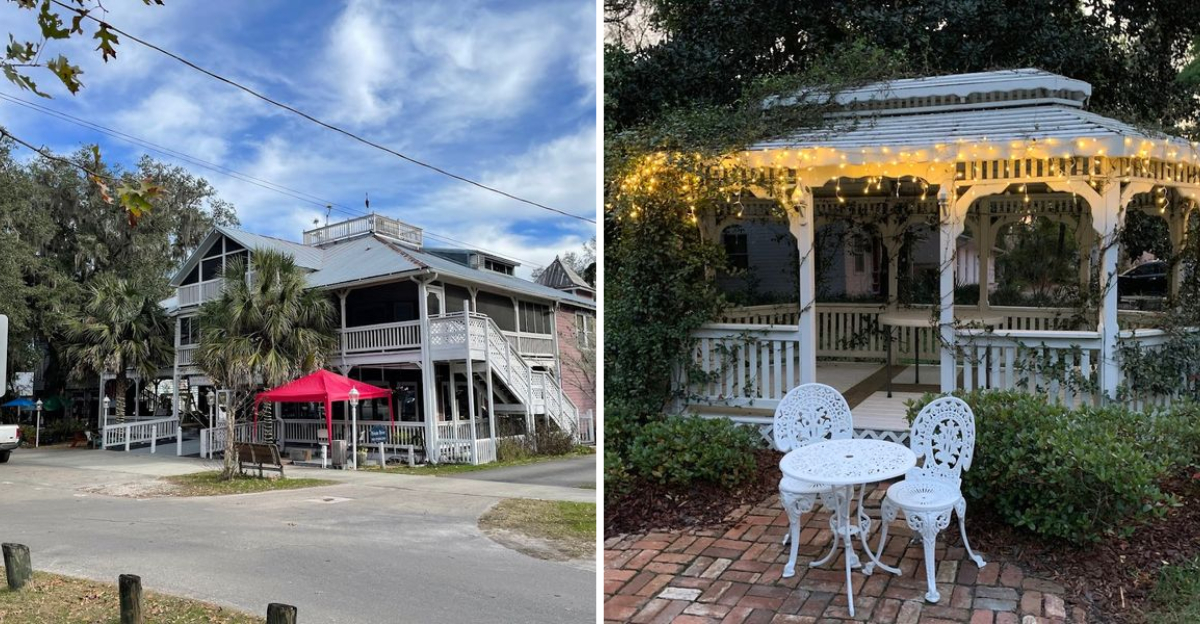
The clock seems to tick slower once you cross the line. This Florida town invites you to sit on a porch swing.
You will forget your phone as the river flows slowly past. I find that silence is a gift we rarely give ourselves.
Why were you running so fast before you arrived here today? Moss hangs from old oaks like gray lace in the wind.
Friendly neighbors wave as you walk down the brick paved streets. Life feels simple and honest in this very quiet coastal nook.
You might decide to stay much longer than you originally planned. Rediscover the joy of a life lived at a crawl.
Florida’s Oldest Interior Town
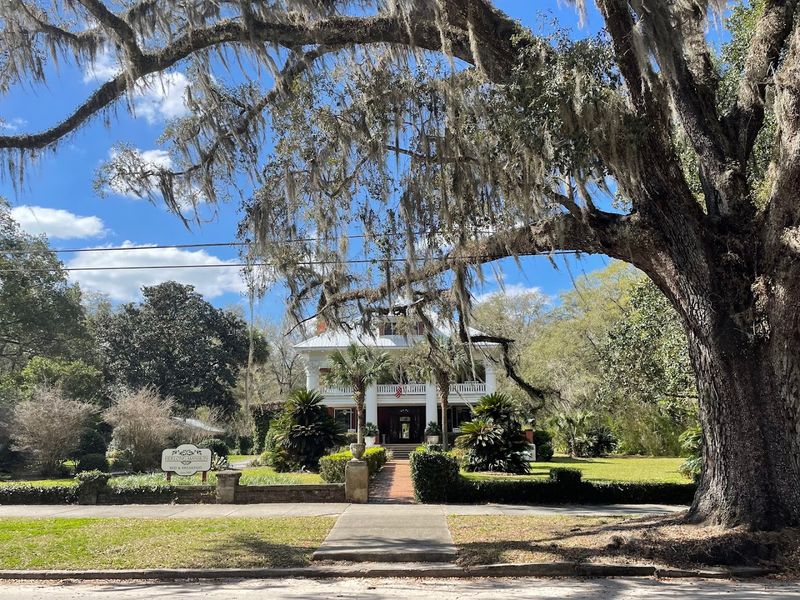
Before I even parked my car, I felt it. Something about Micanopy carries a weight that most places simply do not have.
It is recognized as the oldest continuously inhabited community in the interior of Florida, with roots stretching back thousands of years.
Indigenous Timucuan people called this land home long before European settlers arrived. Spanish missionaries followed, and then American settlers who formally established the town in 1821.
That makes Micanopy one of the earliest platted towns in the entire state.
The town sits in Alachua County, south of Gainesville, Florida, at approximately 29.5 degrees north latitude. You can feel that long history in every cracked sidewalk and weathered facade.
The name itself honors Micanopy, a prominent Seminole chief who was respected across the region. That kind of legacy does not fade easily.
History here is not behind glass in a museum. It is under your feet and all around you, breathing quietly in the afternoon heat.
Setting And Scenery
Not every beautiful place announces itself loudly. Micanopy whispers.
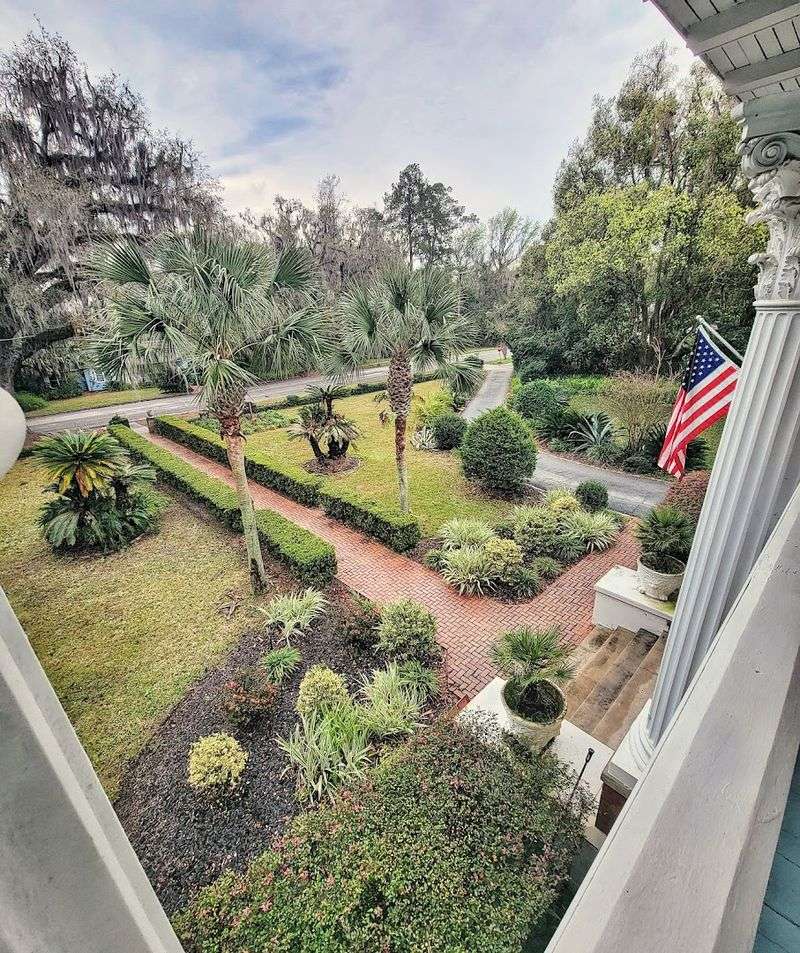
Driving in from the north on County Road 234, the canopy of live oaks closes over the road like a cathedral ceiling. Spanish moss drifts in the breeze like silver curtains, and the light filters through in shifting golden patches.
The town sits on slightly elevated ground, which is notable in flat Florida. That gentle rise gives the streets a subtle, pleasant character that feels different from the typical coastal scenery most visitors associate with the state.
Small wooden homes with wide front porches line the quiet roads. Flowering vines climb old fences, and the yards feel relaxed and unhurried.
There are no traffic lights in Micanopy. That small fact says everything you need to know about the pace of life here.
Nearby Paynes Prairie Preserve State Park adds to the natural beauty surrounding the town. The preserve stretches across more than 21,000 acres of open grassland and wetlands.
The Antique Town Aura
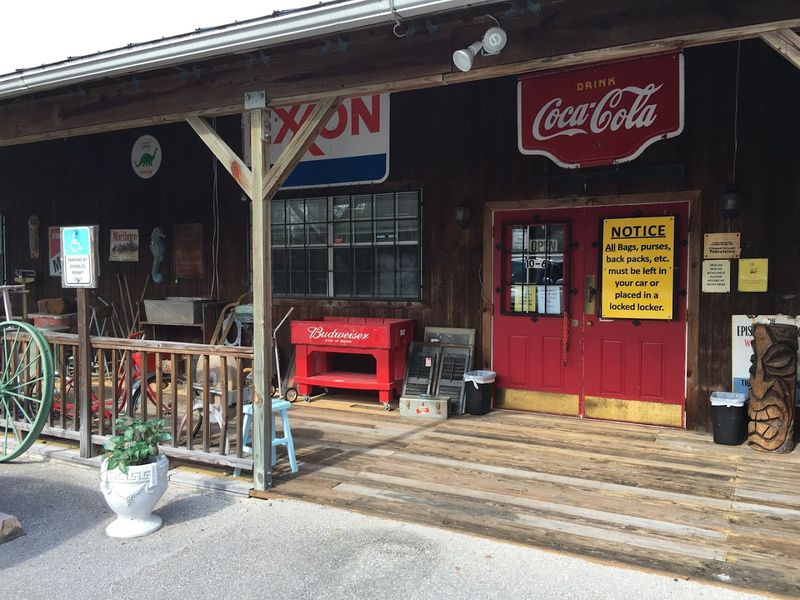
Micanopy has earned a quiet reputation as one of Florida’s top antique destinations, and that reputation is well deserved.
The main commercial stretch, Cholokka Boulevard, is lined with shops that feel more like treasure hunts than typical retail experiences. Each shop has its own personality. One might specialize in vintage furniture and folk art.
Another overflows with old books, maps, and paper ephemera. A third might offer Depression-era glassware, cast iron cookware, and handmade quilts stacked in every corner.
I spent nearly two hours in one shop alone, flipping through boxes of old Florida postcards. The shopkeeper was in no hurry to close up, and neither was I. That easy rhythm is part of what makes browsing here so enjoyable.
Shopping in Micanopy is less about buying things and more about connecting with a slower, more considered way of living. You leave with more than just a bag of old objects. You leave with a story attached to each one.
Cholokka Boulevard Life
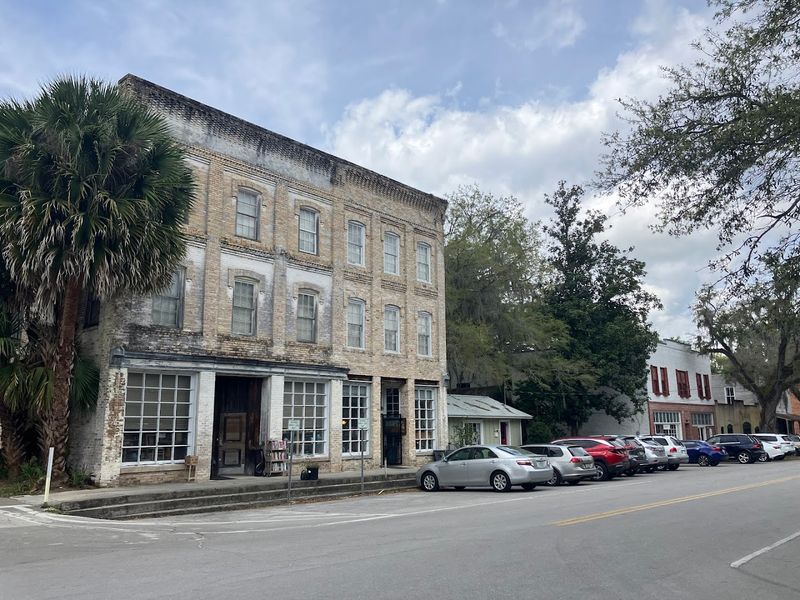
Cholokka Boulevard is the heartbeat of the town, though calling it a boulevard feels almost too grand.
It is a short, shaded street that you can walk end to end in about five minutes. But no one ever seems to walk it in five minutes.
The street is named after a Seminole leader, continuing the town’s deep connection to its indigenous heritage. Brick sidewalks run along each side, and the buildings that line it date back generations. Some look freshly painted. Others wear their age proudly.
On weekends, a small but reliable farmers market sometimes draws local vendors selling fresh produce, handmade crafts, and homemade preserves.
The community feel is impossible to miss. Neighbors greet each other by name, and strangers are treated like temporary neighbors.
I sat on a bench outside a shop for about twenty minutes one afternoon, just watching the street. Nobody was rushing.
Cholokka Boulevard does not demand anything from you. It simply invites you to stop, look around, and appreciate the rare pleasure of a place that has not been overrun or overdeveloped.
Paynes Prairie Next Door
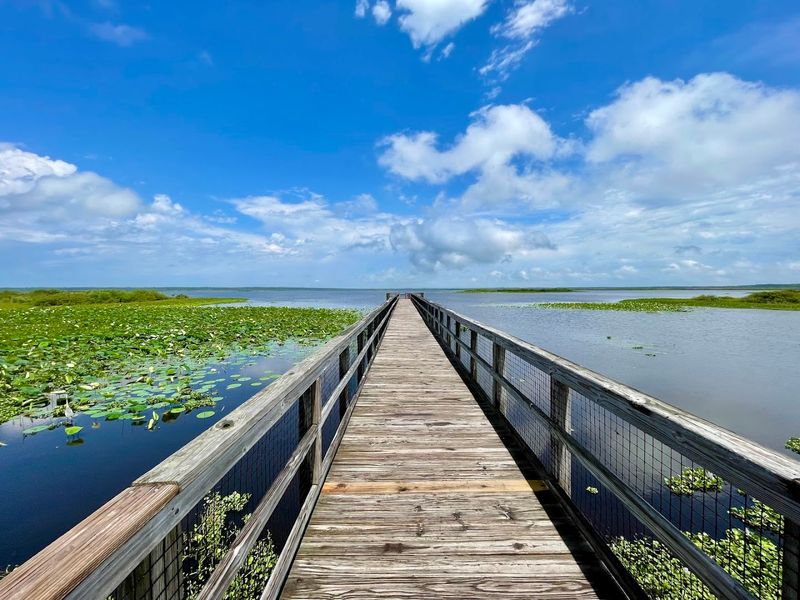
Just south of town, Paynes Prairie Preserve State Park offers one of the most surprising natural experiences in all of Florida.
The preserve covers more than 21,000 acres and is a designated National Natural Landmark. That is not a small distinction.
The prairie was once a large lake, and before that, it was the site of the largest cattle ranch in Spanish Florida during the 1700s. Today, it supports an extraordinary variety of wildlife.
Bison, wild horses, sandhill cranes, alligators, and hundreds of bird species all share this vast open landscape.
There are several trails that depart from the Micanopy side of the preserve. The Gainesville-Hawthorne State Trail also passes nearby, offering miles of paved path for cyclists and walkers.
I took the La Chua Trail on an early morning and spotted more wildlife in two hours than I had seen in an entire week elsewhere in Florida.
Paynes Prairie at 100 Savannah Blvd is a reminder that the interior of this state holds landscapes that are ancient, wild, and breathtaking in the most understated possible way.
History Of The Seminole Wars
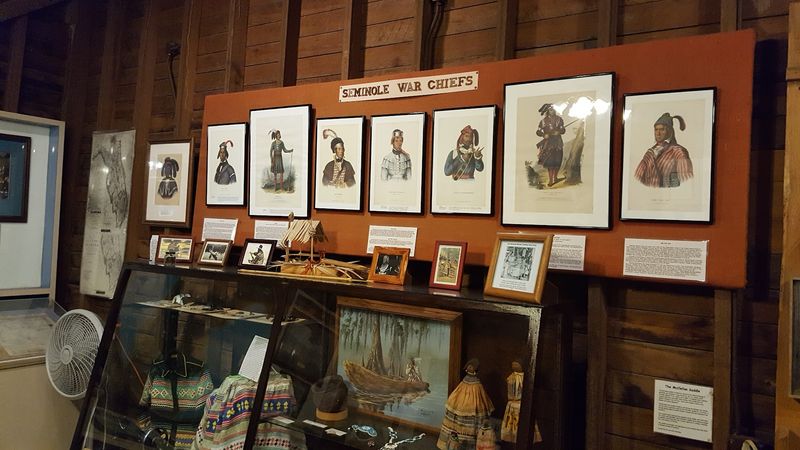
Few American towns carry the weight of the Seminole Wars as directly as this one does.
Micanopy was a military post during the Second Seminole War, which began in 1835 and lasted nearly seven years. Fort Micanopy was established here to protect settlers during one of the longest and most costly conflicts in early American history.
The Battle of Micanopy in 1836 brought the war directly to the town’s doorstep. Seminole warriors launched a significant attack on the fort, and the engagement became one of many flashpoints in a conflict that reshaped the entire region.
Historical markers throughout the town reference these events with a sober respect. They do not sensationalize. They simply acknowledge what happened here and who was involved on all sides.
The town’s very name honors the Seminole chief Micanopy, who was a central figure in resistance during this period. That choice to carry his name forward says something meaningful.
History in this Florida town is not selectively remembered. It is held in full, with all its complexity and contradiction, and that makes it far more interesting to explore.
Where Do Locals Eat
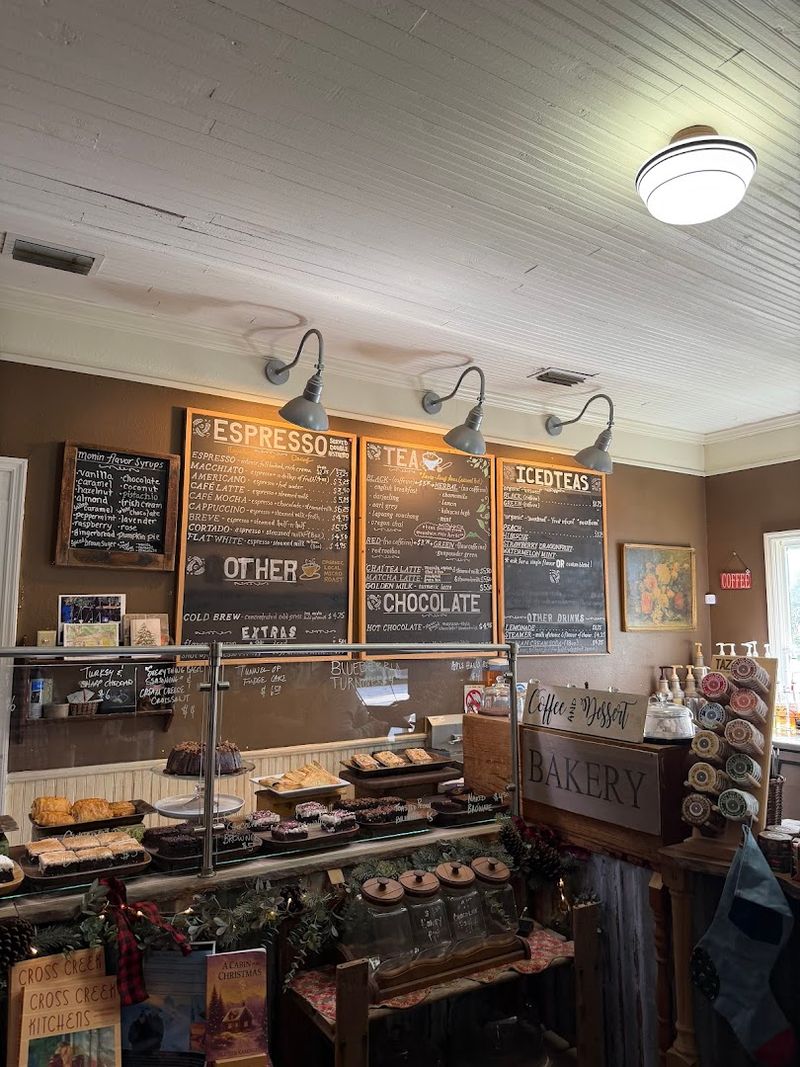
Eating in Micanopy is a low-key pleasure. The town does not have a long list of restaurants, but what it offers is honest, unpretentious, and satisfying.
Mosswood Bakehouse at 703 NE Cholokka Blvd is a local favorite that sources ingredients from nearby farms and serves simple, well-made food in a relaxed setting.
The cafe feels like someone’s well-stocked kitchen opened its doors to the public. Sandwiches, soups, and baked goods rotate with the seasons.
The coffee is good, the portions are generous, and the staff greet regulars and visitors with the same easy warmth.
On weekends, the porch at Mosswood fills up with locals catching up over late breakfasts. I joined that scene on a Sunday morning and ended up in a conversation with a retired teacher who had lived in Micanopy for over thirty years.
Eating here is part of the overall experience of slowing down. There is no drive-through, no chain restaurant, and no rush.
Best Time To Visit
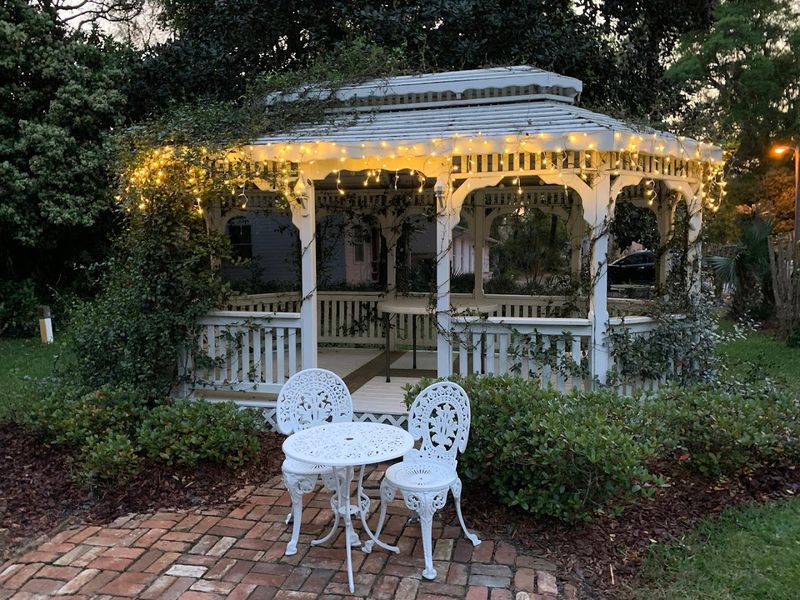
Timing a visit to Micanopy well makes a real difference.
Florida’s climate means the summer months bring heat and humidity that can make outdoor exploration feel like a workout. The cooler months, from October through April, offer far more comfortable conditions for walking and browsing.
October is particularly rewarding. The famous Micanopy Fall Festival draws thousands of visitors each year, typically on the last full weekend of the month.
Winter weekdays are perhaps the best-kept secret for visiting. The crowds thin out, the temperatures stay mild, and the town feels entirely your own.
I visited on a Tuesday in January and had entire antique shops to myself for stretches of thirty minutes at a time.
Spring brings wildflowers to Paynes Prairie and excellent birdwatching conditions throughout the area.
Florida’s spring migration draws serious birders from across the country, and the preserve near Micanopy is consistently rated as one of the top birding locations in the state.
Whatever season you choose, arriving without a fixed schedule is the single best travel tip anyone can offer for this place.
Why It Stays With You
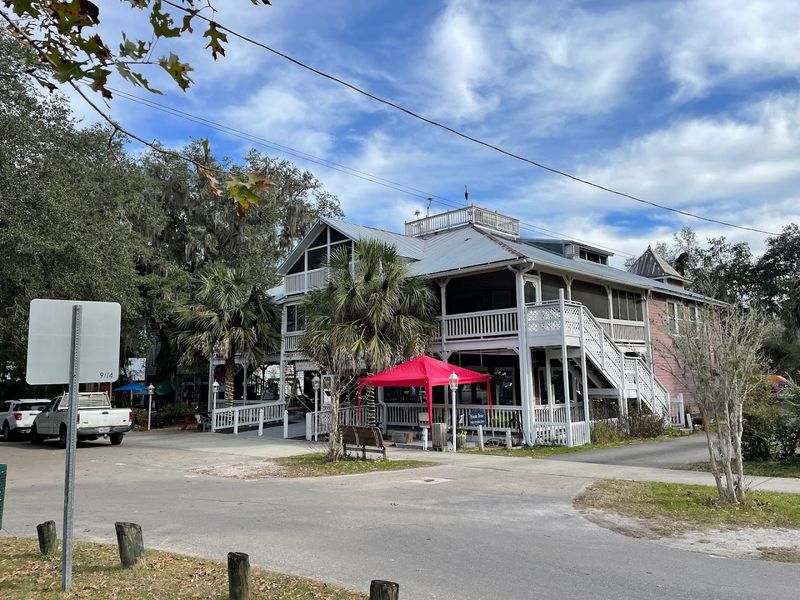
Some places leave a mark that has nothing to do with landmarks or attractions. Micanopy is that sort of place.
It does not compete for your attention. It simply offers itself, quietly and without pretense, and trusts that you will appreciate it.
The population here hovers around 650 people. That small number means the town has not been reshaped by large-scale tourism or commercial development.
What you see is largely what has always been here, tended carefully by a community that values what it has.
I have returned to Micanopy twice since my first visit. Each time, the pace catches me off guard all over again.
The urgency I carry from everyday life dissolves somewhere around the first curve of that oak canopy road. By the time I reach Cholokka Boulevard, I am already a slower, more observant version of myself.
Micanopy offers something those places rarely can. It offers stillness, depth, and a sense that time here belongs to you rather than to a schedule. That feeling is not something you forget quickly.