A Florida Animal Sanctuary Treats More Than 4,500 Injured Creatures Each Year And Visitors Are Welcome
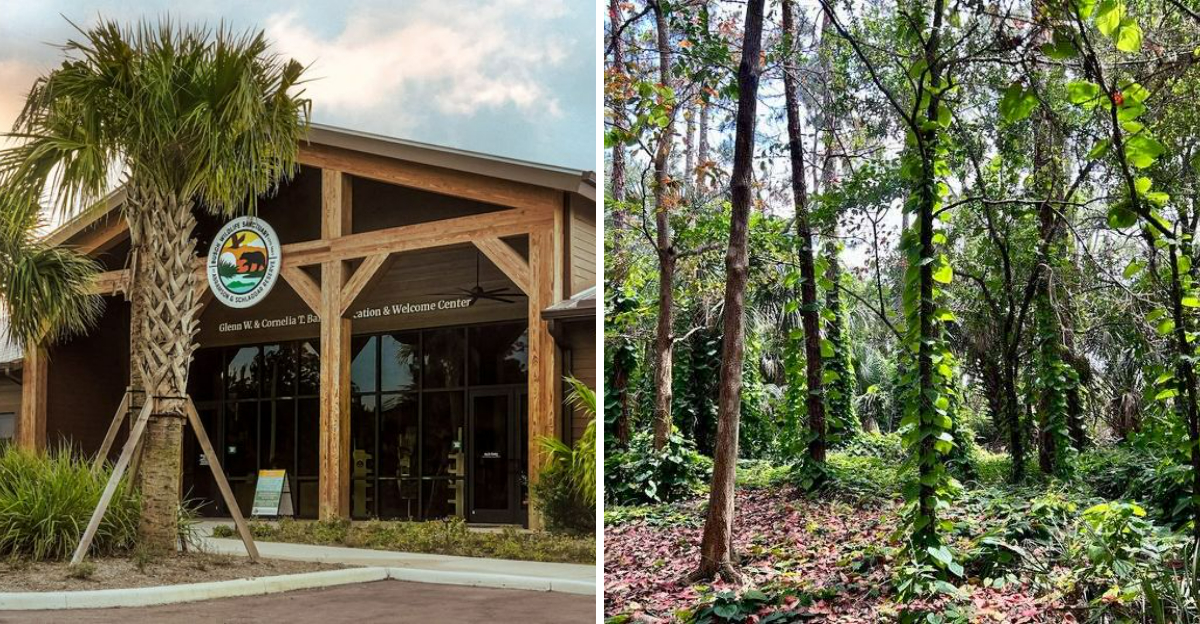
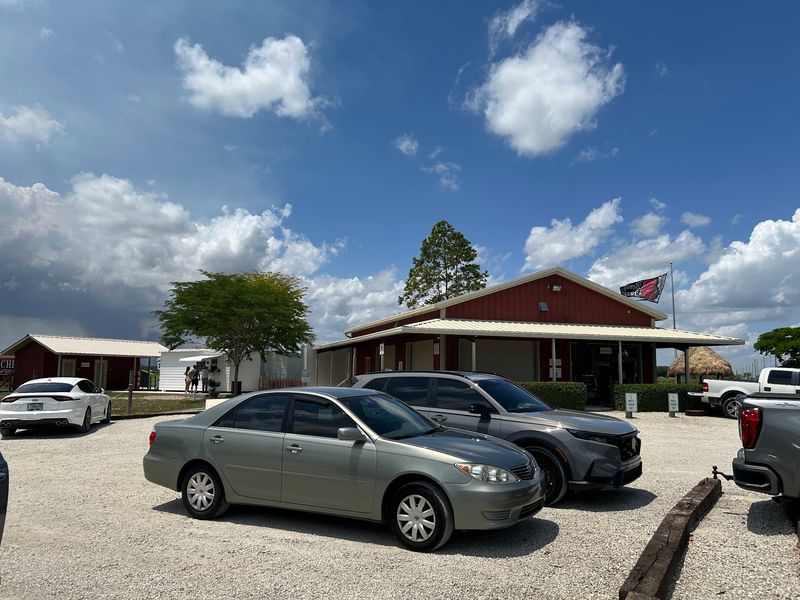
My first thought was that I had taken a wrong turn. A dusty road, a wooden sign, nothing that prepares you for what comes next.
But the state of Florida has a habit of hiding extraordinary things in plain sight. Behind an ordinary gate, more than 4,500 injured animals arrive every single year, brought in broken and released back wild.
Pelicans with fractured wings. Otters rescued from fishing lines.
Baby deer that arrived barely breathing. This is not a zoo.
Nobody here is performing for you. The state runs on urgency, on early mornings and late nights, and somehow, in the middle of all that controlled chaos, they open the doors and let you watch.
That alone makes it worth the detour.
A Wildlife Rehabilitation Center Unlike Any Other
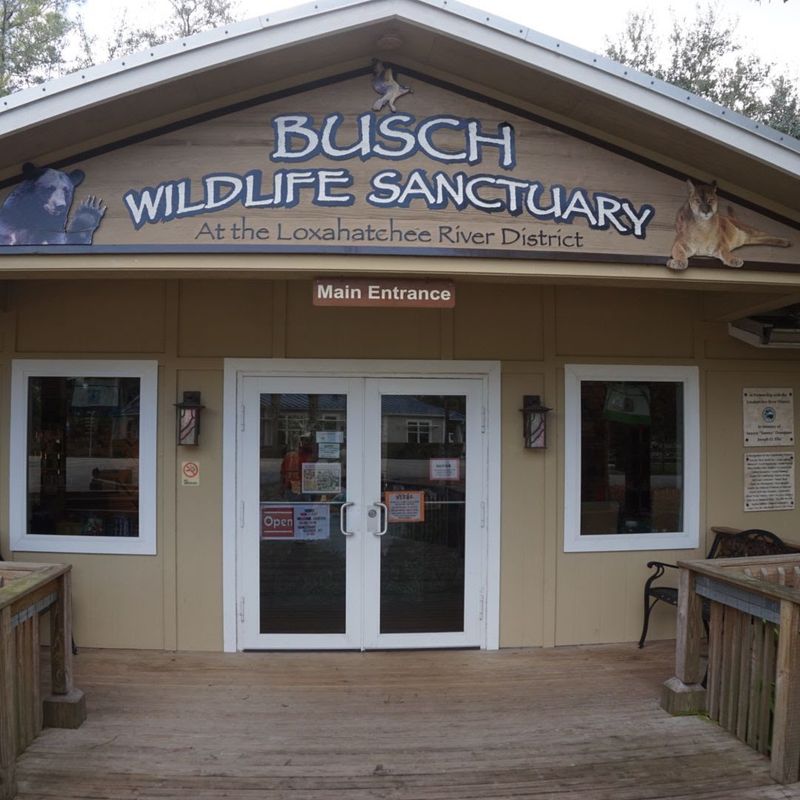
Most nature centers show you animals behind glass. This place actually heals them.
Busch Wildlife Sanctuary operates a 5,000-square-foot hospital right on its campus. Each year, the team treats thousands of injured, sick, or orphaned native animals, with recent figures placing that number above 5,000.
Each creature gets real medical care with the goal of returning it to the wild.
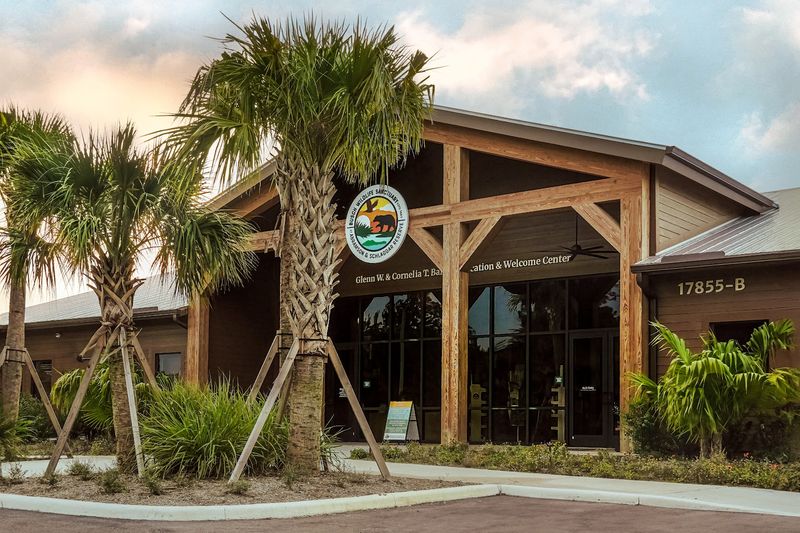
The facility opened its expanded 19.4-acre campus in October 2023. It includes an intake clinic, a welcome center, and an amphitheater.
The whole setup feels more like a serious conservation operation than a casual nature walk.
About 90% of the animals arrive because of human-related causes. Vehicle strikes, fishing line entanglement, and poisonings are the most common reasons.
Knowing that puts every animal you see on the trail into sharp, emotional perspective.
Founded in 1983, the sanctuary has grown steadily into one of the most respected wildlife rehabilitation centers in the state. Visiting here feels less like a field trip and more like witnessing real conservation in action.
It is genuinely moving.
The sanctuary is located at 17855 Rocky Pines Rd, Jupiter, FL 33478.
Admission By Donation Makes It Accessible For Everyone
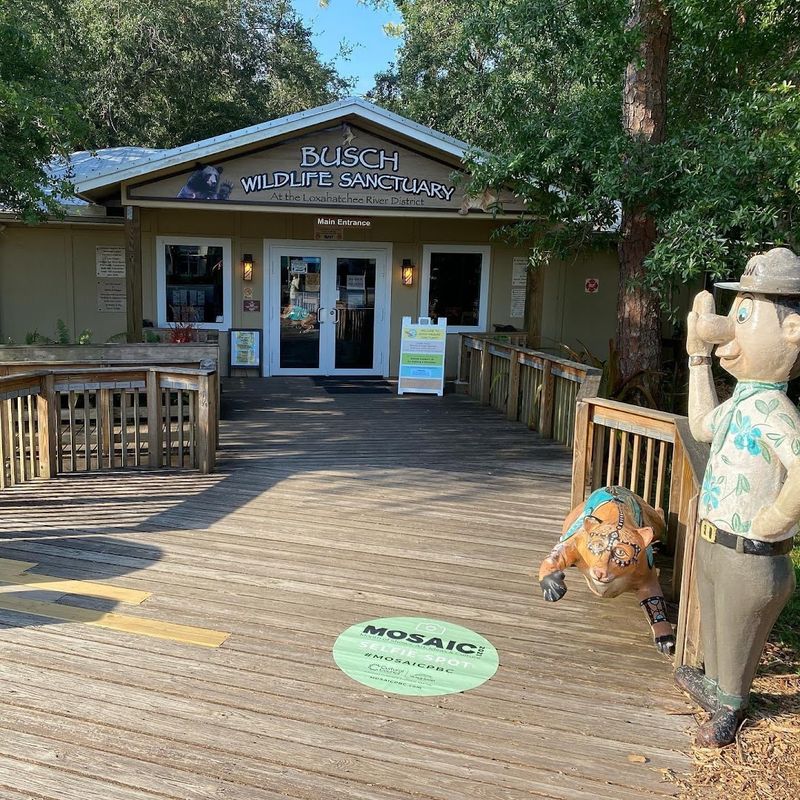
Free admission at a place this good almost feels like a mistake. Busch Wildlife Sanctuary operates entirely on a donation basis, meaning anyone can walk through the gate regardless of budget.
There is a cash and card option for donations right at the entrance. The sanctuary makes it easy and pressure-free.
You give what you can, and every dollar goes directly toward animal care.
This model is rare and refreshing. Most wildlife facilities charge hefty entry fees.
Here, the focus is clearly on the mission, not the money.
Families with multiple kids appreciate this more than anyone. A day out that costs nothing upfront but delivers enormous value is hard to beat.
Pack a few dollars to donate and feel genuinely good about where they go.
The sanctuary is open seven days a week from 10:00 a.m. to 4:30 p.m. That consistent schedule makes planning a visit straightforward.
Nature Trails Through Pine Flatwoods And Cypress Wetlands
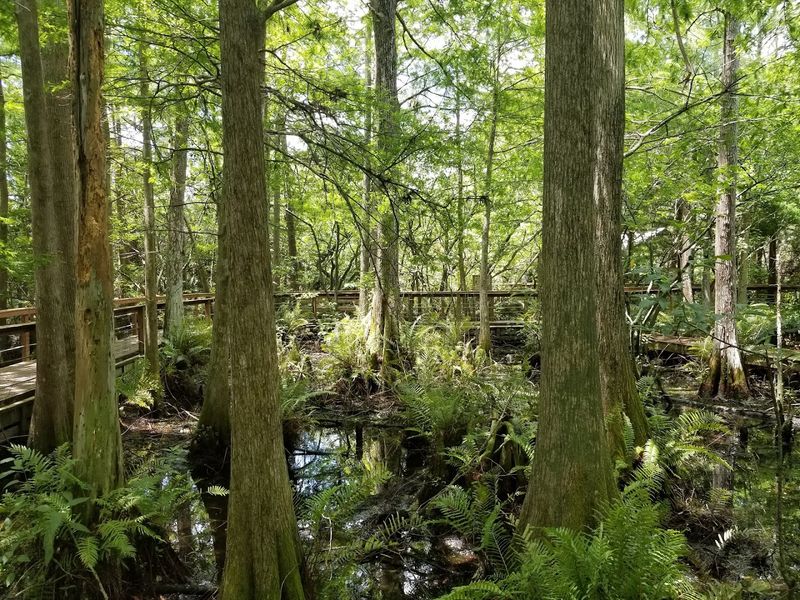
The trails here do not feel like zoo pathways. They feel like actual Florida wilderness, because they largely are.
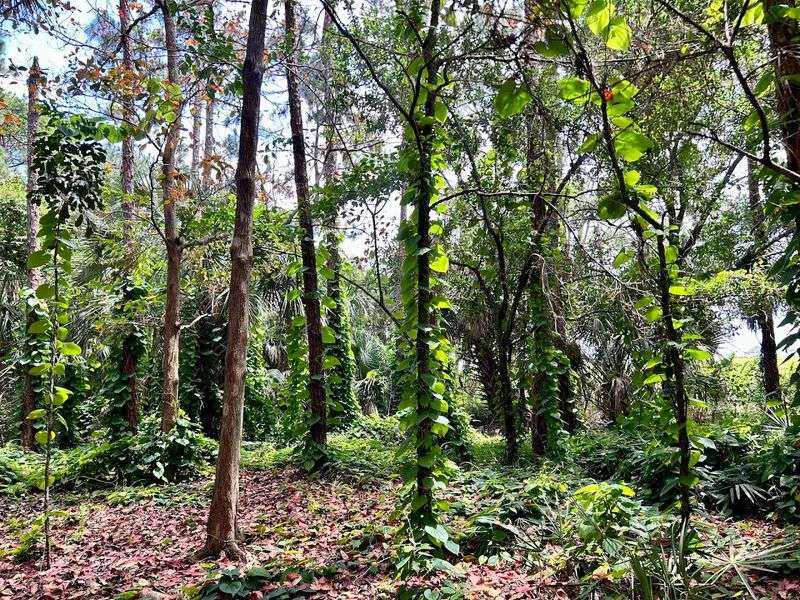
The sanctuary weaves its paved paths through pine flatwoods, oak hammocks, and cypress wetlands.
Walking the trail, you move through distinct ecosystems within minutes of each other. The shift from dry sandy soil under tall pines to the cool, mossy air near a cypress pond is genuinely striking.
Nature does not usually serve itself up this neatly.
Paved surfaces make the trail fully accessible for strollers and wheelchairs. That is a detail that matters enormously for families with young children or elderly visitors.
Nobody gets left behind on this walk.
The trail takes roughly one to two hours at a relaxed pace. Going slowly lets you catch more.
Animals are often more active right after rain, and early afternoon visits tend to offer great sightings along the edges of the wetland sections.
QR codes posted at each exhibit let you scan and learn about every animal you encounter. It turns the walk into an interactive experience rather than just a stroll.
Kids especially love the independence of scanning and reading on their own devices.
Meet The Permanent Animal Residents Up Close
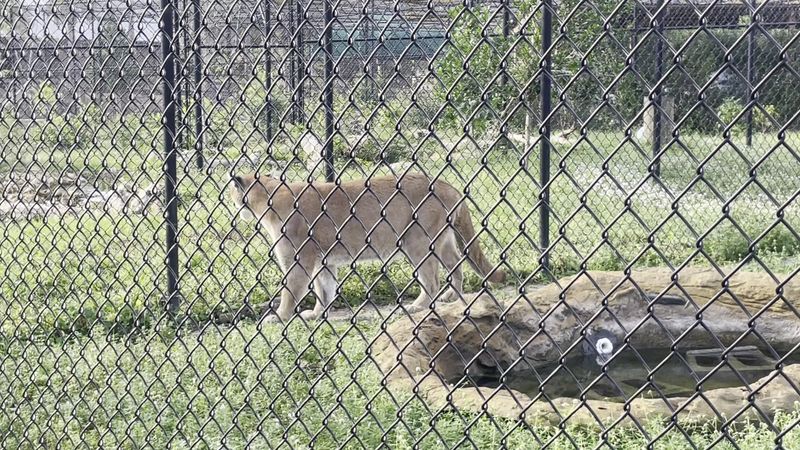
Some animals at the sanctuary will never return to the wild. Their injuries are too severe for release, so they become permanent residents.
And honestly, meeting them is the highlight of any visit.
Panthers, bobcats, black bears, foxes, owls, otters, and more call this place home. Each animal has a story, and the QR code system at each enclosure tells it clearly.
You learn exactly why each creature is here and what happened to it.
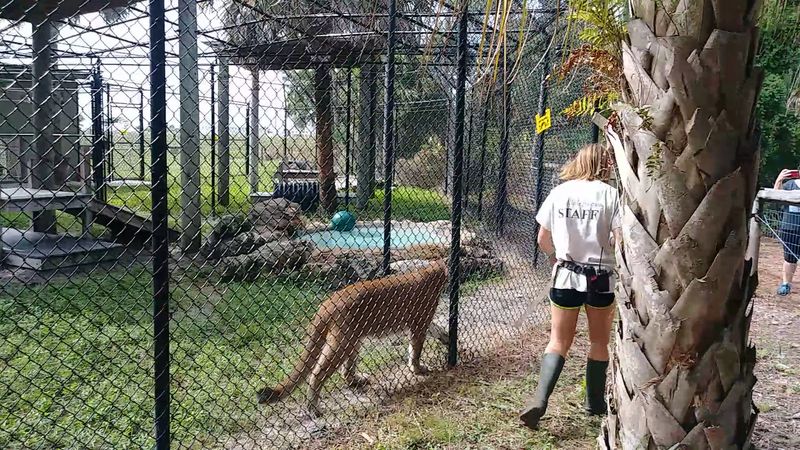
The panther enclosure draws a crowd every time. Watching two of them run at each other through the fence, playing like oversized house cats, is something you simply do not forget.
The energy in that moment is electric.
Otters are another crowd favorite. Catch them at the right hour and they are swimming laps and chasing each other around their habitat with ridiculous enthusiasm.
It is impossible not to laugh watching them.
The reptile room offers an air-conditioned break from the Florida heat. Inside, you will find snakes, turtles, and other cold-blooded residents in thoughtfully designed habitats.
The cool air and fascinating exhibits make it a welcome stop midway through your visit, especially in summer months.
Human Impact On Wildlife Is Front And Center Here
Nobody visits a wildlife sanctuary expecting to feel personally implicated. Then you read the numbers, and it lands differently.
Roughly 90% of the animals treated at this sanctuary were injured because of something a human did.
Vehicle strikes are the leading cause. Fishing line entanglement is another major issue across the region.
Poisoning rounds out the grim list of reasons animals arrive needing urgent medical care.
The sanctuary presents this information without being preachy. The facts speak clearly on their own.
And rather than leaving visitors feeling guilty, the experience channels that awareness into appreciation for the rehabilitation work being done.
Understanding the cause-and-effect relationship between human activity and wildlife injury changes how you move through the world after the visit. You drive more carefully past wooded areas.
You think twice about discarding fishing line carelessly. Small behavioral shifts add up.
The sanctuary has been doing this work since 1983. Decades of experience have shaped a facility that balances conservation urgency with genuine community welcome.
It does not lecture. It invites you to understand, and that approach works far better than finger-pointing ever could.
The mission feels collaborative rather than confrontational.
Educational Programs That Actually Stick With You
Most educational programs for kids feel like homework with better lighting. The programs here feel like genuine discovery.
The sanctuary runs regularly scheduled presentations and activities that make wildlife conservation click for all ages.
The amphitheater on campus is outfitted with large fans that keep the audience comfortable even on warm afternoons. That thoughtful detail means presentations stay enjoyable rather than sweaty and rushed.
Comfort makes learning easier for everyone.
Staff members walk through the facility throughout the day, ready to answer questions. They are knowledgeable without being lecturing.
Ask about any animal and you will get a real, enthusiastic answer rather than a rehearsed script.
School groups visit regularly, and it is easy to see why teachers love bringing classes here. The combination of live animals, real conservation stories, and hands-on learning tools creates something no classroom can replicate.
Kids leave knowing more than they expected to.
The welcome center features indoor educational exhibits that are perfect for slowing down and absorbing information. Adults tend to linger here longer than they planned.
The exhibits cover Florida ecosystems, native species, and the rehabilitation process in a way that feels genuinely interesting rather than obligatory.
A Gift Shop Worth Browsing And A Cause Worth Supporting
Gift shops at nature centers are usually an afterthought filled with generic magnets. This one is genuinely fun to browse.
The Busch Wildlife Sanctuary gift shop carries wildlife-themed merchandise, educational items, and adorable keepsakes that actually mean something.
Purchases here directly support the sanctuary’s rehabilitation work. That context changes how a gift shop feels.
Buying a stuffed otter for your kid suddenly feels like a small act of conservation, and that is not a stretch.
The shop also stocks a few drinks and frozen treats, which is excellent news if you arrive in summer. An ice cream after a warm walk through the trail is a simple pleasure that rounds out the visit perfectly.
There is also a kids play area and a picnic area on the grounds. Families often extend their visit by settling in for a snack after the trail walk.
The whole campus encourages you to slow down and stay a while.
Restrooms are clean and well-maintained throughout the facility. That sounds minor until you have visited a nature center with less thoughtful upkeep.
Clean facilities signal that the entire operation is run with genuine care, from the animal enclosures to the visitor amenities.
What To Do If You Find An Injured Animal Nearby
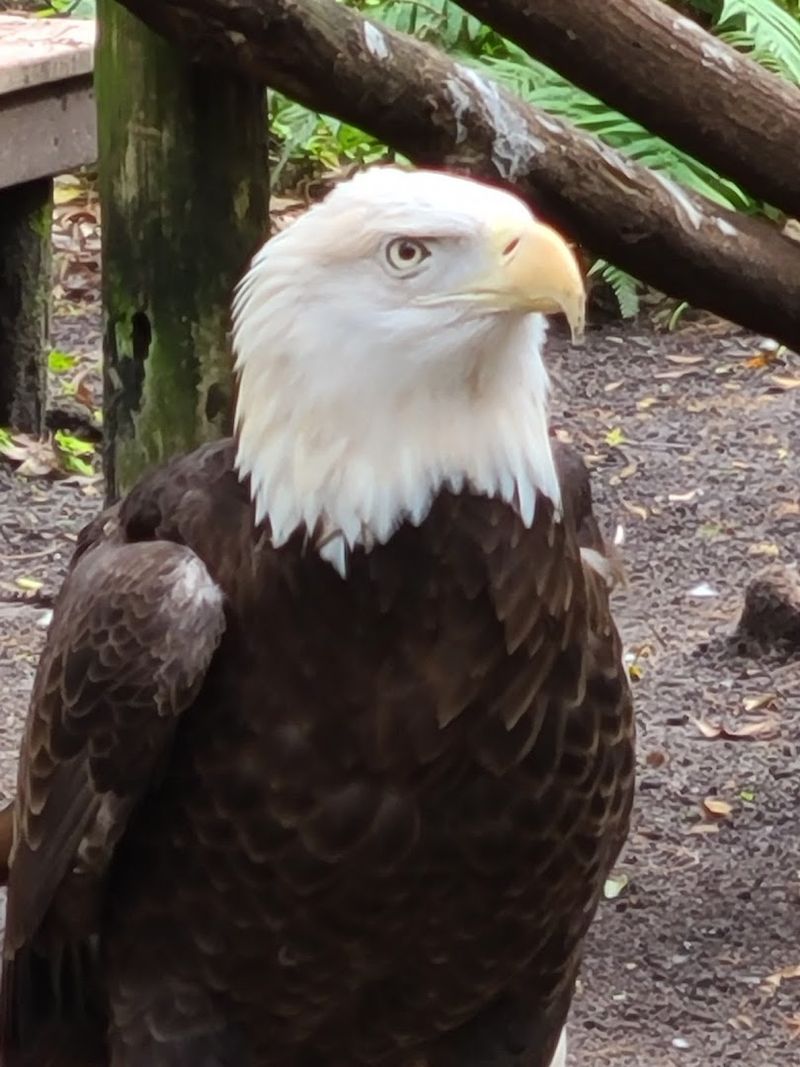
Finding an injured animal and not knowing what to do is a helpless feeling.
The intake process is handled by trained staff who assess each animal quickly and carefully. Visitors who have brought animals in describe the experience as reassuring.
The team takes over with clear confidence and genuine compassion.
Staff members have even driven out to collect animals that could not safely be transported by the person who found them. That level of commitment to the mission goes well beyond what most people expect from a nonprofit organization.
It reflects how seriously the sanctuary takes every single case.
The team can advise you on safe handling and whether transport is needed. Acting quickly and correctly gives the animal the best possible chance at recovery.
Knowing the sanctuary exists changes how residents relate to local wildlife. Instead of feeling powerless when something goes wrong, there is a clear, reliable resource nearby.
That community safety net is one of the sanctuary’s most underappreciated contributions.
Why This Sanctuary Deserves A Spot On Your Weekend List
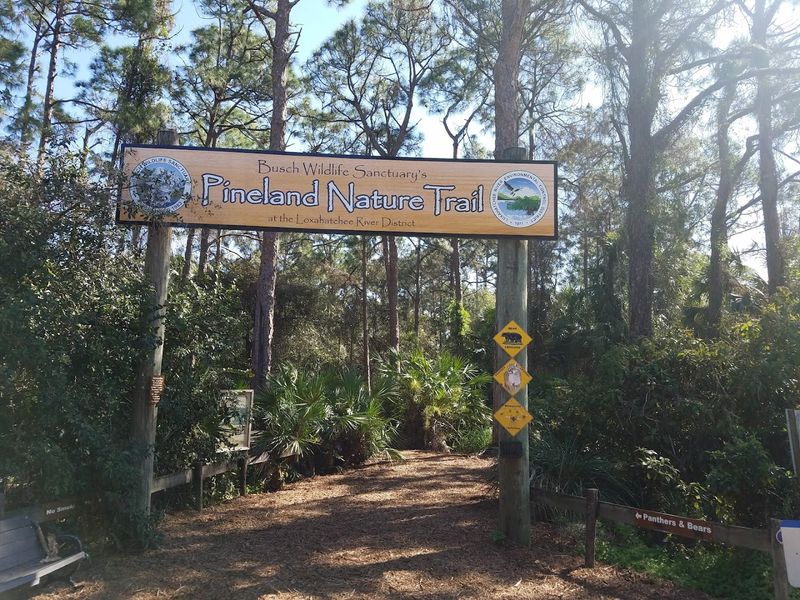
Some places earn a reputation quietly, visit by visit, year by year. And that kind of consistent praise does not happen by accident.
The combination of a real working wildlife hospital, accessible trails, live animals, and free admission creates something genuinely rare. Most places offer one or two of those things.
This sanctuary delivers all of them simultaneously, on a beautifully maintained 19.4-acre campus.
Bring water and a hat, especially in summer. The trails are largely open, and the Florida sun is serious business.
A portable fan is a smart addition if your group includes young children or anyone sensitive to heat.
Plan for one to two hours, though many families end up staying longer. The educational exhibits in the welcome center, the gift shop, the picnic area, and the animal presentations can easily stretch an afternoon.
There is no pressure to rush through any of it.
Longtime locals already know this place. If you are passing through this part of the state, do not skip it.
You leave knowing more, caring more, and genuinely glad you made the trip. That is a rare thing to say about anywhere.