15 New York City Places That Have Been Hiding In Plain Sight While Everyone Walks Right Past
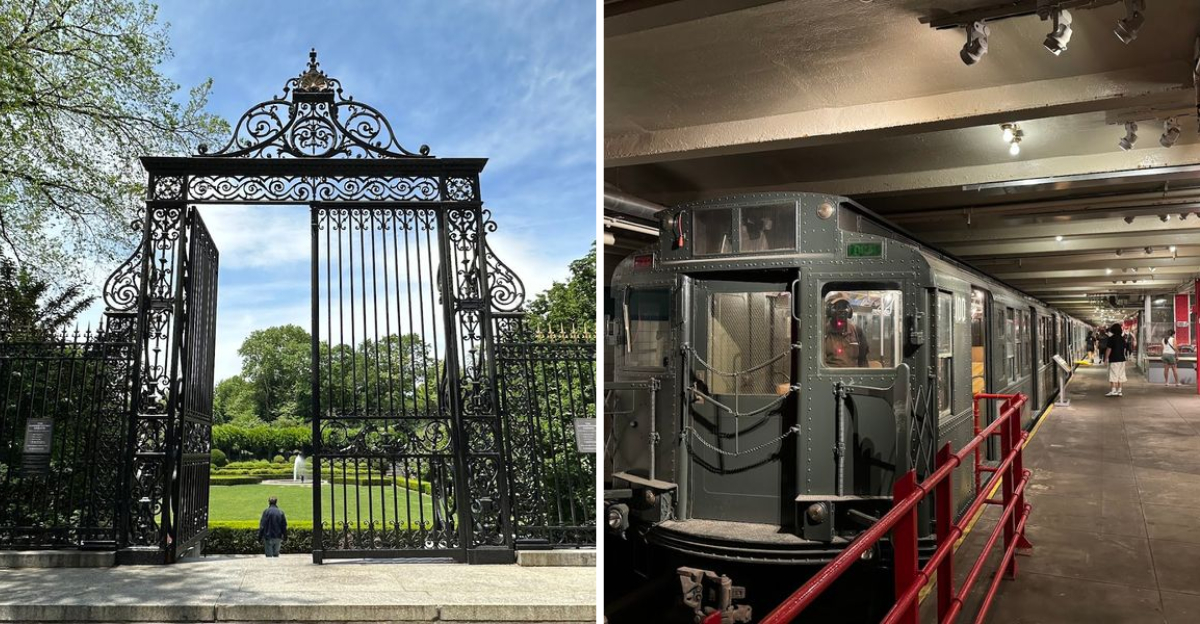
Millions of feet walk past these secret doors every single day. New York City hides its best treasures in plain sight.
You must look closer to find the real soul of Manhattan. I find the best spots by taking a wrong turn occasionally.
What lies behind that nondescript brick wall on the corner now? These places offer a quiet refuge from the city noise.
You will feel like an explorer in a land of steel. History sits silently tucked between the tall and glass skyscrapers here.
Each location holds a mystery that is waiting for your arrival. Discover the side of the city that most people never see.
1. Elevated Acre
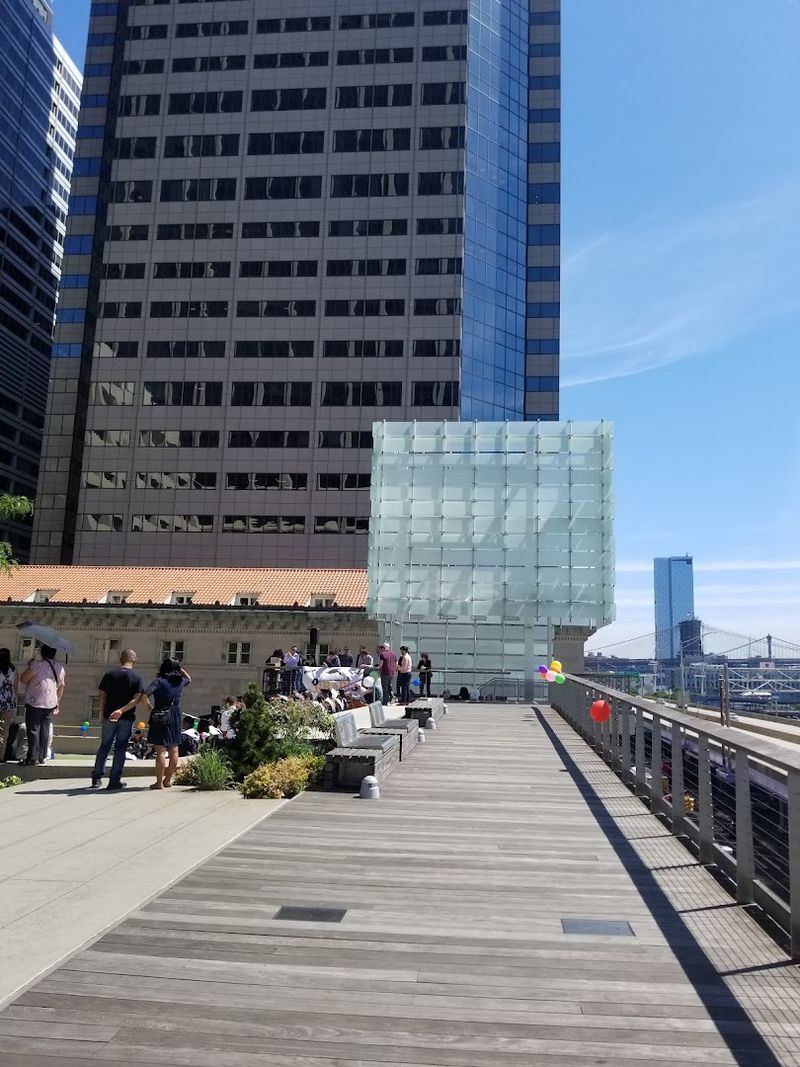
You might not believe me when I say there is a full rooftop park sitting above a busy Wall Street office building.
Elevated Acre in Lower Manhattan, is one of the most quietly spectacular outdoor spaces in the entire city. Most people rushing through the Financial District never bother to look up.
A set of escalators carries you right to the top, where a wide lawn, wooden decks, and sweeping views of the East River and Brooklyn Bridge are waiting.
The park at 55 Water Street is open to the public on weekdays, making it a perfect midday escape. Few tourists ever find it, so the atmosphere stays calm and relaxed.
I once ate lunch up there alone, with the harbor wind and a view that would cost serious money at a rooftop bar. Seriously, this one is the kind of reward that pays off every single time you make the climb.
2. Whispering Gallery At Grand Central Terminal
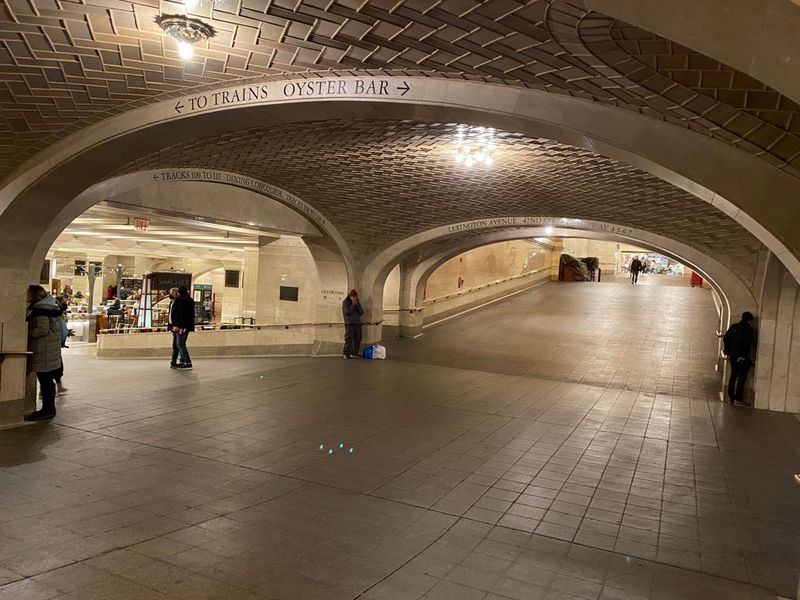
Who would have thought that one of New York City’s most magical acoustic tricks is hiding inside one of its busiest train stations?
The Whispering Gallery at Grand Central Terminal in Midtown Manhattan, sits just outside the famous Oyster Bar restaurant.
The arched ceramic tile ceiling creates a perfect acoustic curve. If you whisper into one corner of the archway, someone standing diagonally across can hear you crystal clearly, even in a noisy crowd.
It works because of the way sound travels along the curved surface of the dome.
Millions of commuters walk right past this spot every day without ever trying it. I brought a friend here once and watched her jaw drop when she heard my whisper from across the archway.
Grand Central at 89 E 42nd Street was opened in 1913, and this acoustic wonder has been delighting the curious ever since. Go try it and watch the magic happen for yourself.
3. Smallpox Memorial Hospital
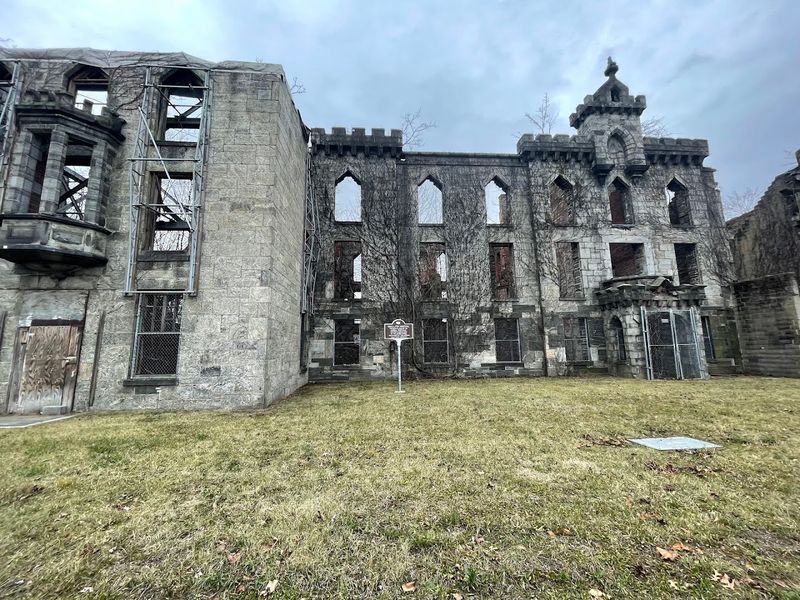
Can you believe there is a hauntingly beautiful Gothic ruin sitting right on the edge of the East River, visible from the tramway, and most New Yorkers have never set foot near it?
The Smallpox Memorial Hospital on Roosevelt Island, accessible via East Road on the island, is a preserved ruin from the 1850s.
The building was designed by architect James Renwick Jr., the same man behind St. Patrick’s Cathedral.
Ivy climbs the crumbling stone walls, and the open sky peeks through the roofless structure in a way that seems more like a European ruin than a New York landmark.
Roosevelt Island itself is easy to reach by subway or the iconic aerial tramway from Midtown Manhattan.
The hospital grounds are open to the public, and the views of the Manhattan and Queens skylines from the southern tip of the island are absolutely worth the trip.
4. Paley Park
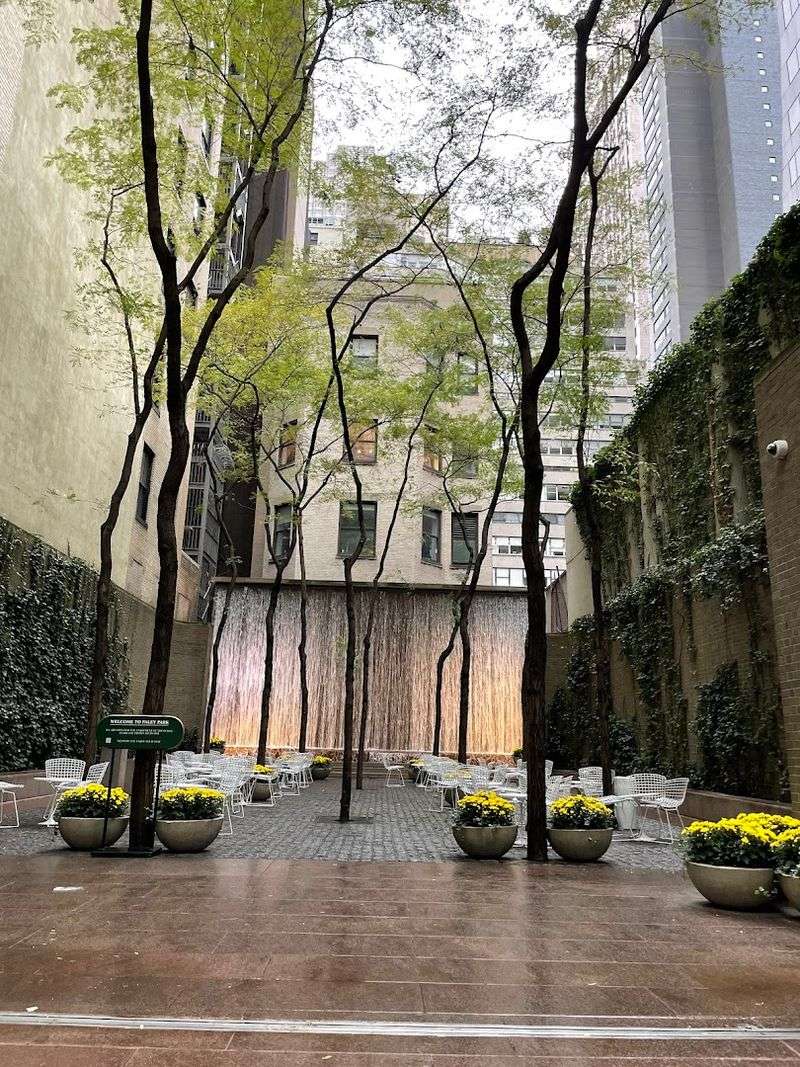
Doesn’t it sound interesting, a full waterfall hidden between two Midtown skyscrapers on East 53rd Street?
Paley Park at 3 E 53rd Street in Manhattan, is a tiny pocket park that punches way above its weight in terms of atmosphere and calm.
A 20-foot wall of cascading water lines the back of the park, and the sound it creates is so effective at blocking out traffic noise that it feels like a different city entirely. Honey locust trees provide shade, and movable chairs let you settle in however you like.
The park was opened in 1967 as a gift to the public by William S. Paley, the founder of CBS. It is open during daytime hours and is entirely free to enter.
Sandwiched between luxury stores and busy midtown foot traffic, it is one of the most effective urban retreats I have ever found. A few minutes here genuinely resets the whole pace of your day.
5. Greenacre Park
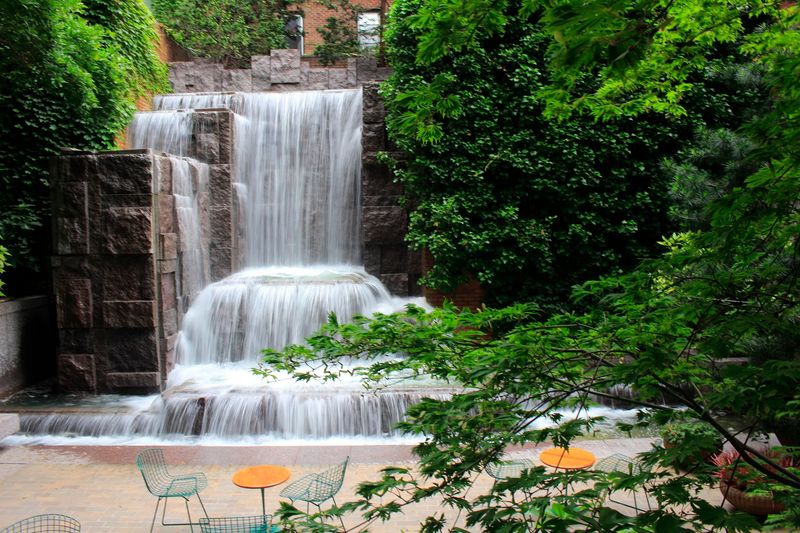
How is it possible that there are two waterfall parks in Midtown Manhattan and most people have never heard of either one?
Greenacre Park, tucked between Second and Third Avenues in Manhattan, is the slightly larger and even more dramatic sibling of Paley Park.
The waterfall here is massive, spanning the full back wall of the park at about 25 feet high. The sound alone is worth the detour.
Tiered granite seating, hanging plants, and a small food kiosk make this a genuinely comfortable urban retreat.
Greenacre Park at 217 E 51st Street opened in 1971, funded by Abby Rockefeller Mauze as a gift to the city. It is privately owned but open to the public during park hours.
I have sat here on busy Tuesday afternoons and felt completely removed from the midtown chaos just a few steps away.
6. Merchant’s House Museum
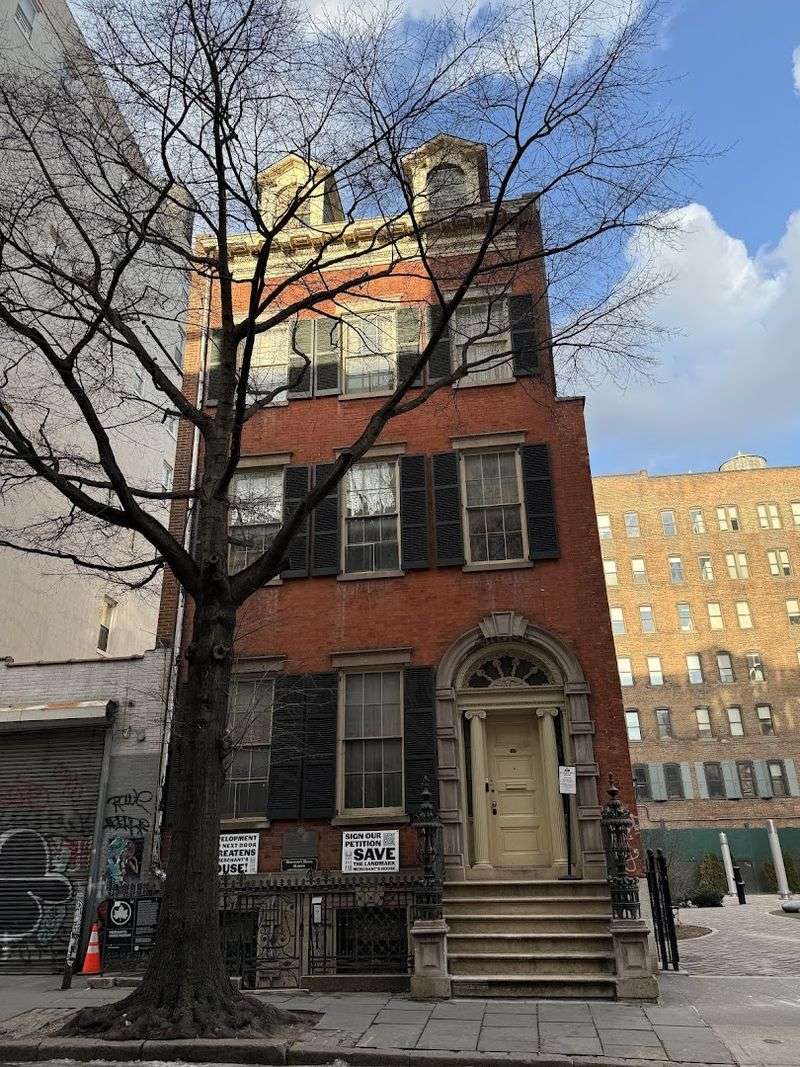
I never would have guessed that a fully intact 19th-century home, complete with original furniture, wallpaper, and personal belongings, was just sitting on a quiet street in NoHo.
The Merchant’s House Museum at 29 E 4th Street in Manhattan is the only surviving example of a middle-class family home from the 1830s in all of New York City.
The Tredwell family lived here from 1835 until 1933, and the last surviving member, Gertrude Tredwell, left everything exactly as it was. Going through the rooms feels like stepping into a time capsule with remarkable precision.
The Federal and Greek Revival architecture is stunning both inside and out. Guided tours are available, and the museum hosts events and candlelit evenings throughout the year.
Admission is affordable, and the level of historical detail inside is extraordinary. Every corner of this house tells a story that no textbook could replicate.
7. Little Island
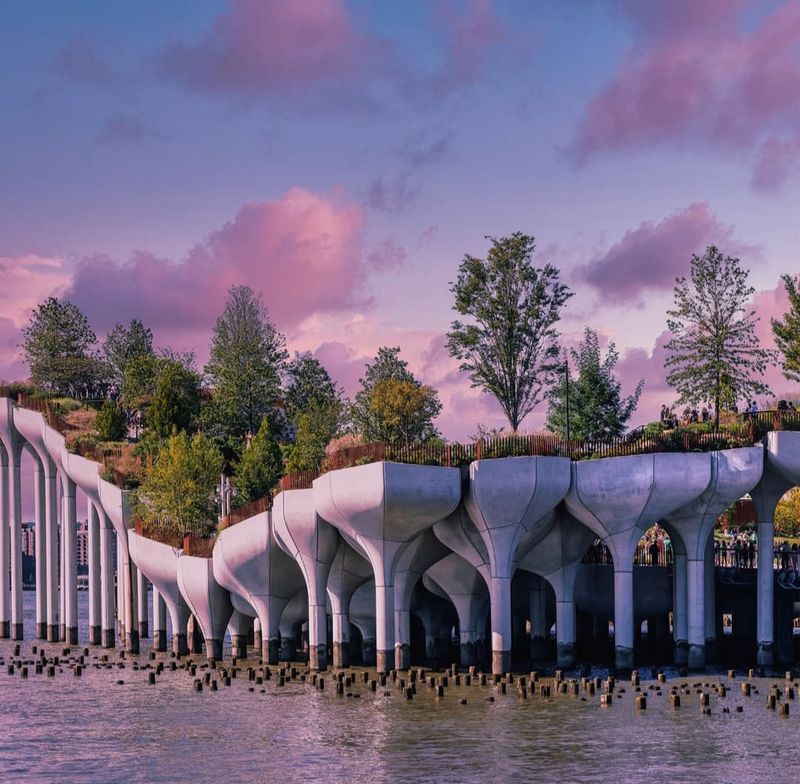
Floating above the Hudson River on 132 tulip-shaped concrete pillars is a park that looks like it was designed by someone who dreamed too big and then actually built it.
Little Island, anchored at Pier 55 along the Hudson River Greenway in Manhattan, opened in 2021 and remains one of the city’s most inventive public spaces.
The undulating landscape rises and dips across the island, creating hills, meadows, and overlooks that give you different views of the river and the Manhattan skyline depending on where you stand.
An amphitheater hosts free performances throughout the warmer months.
Entry is free, though timed entry passes are sometimes required during peak season to manage crowds. The park is open from spring through late fall and is accessible from the West Village waterfront.
I went on a quiet weekday morning and practically had the whole island to myself. The design is so unlike anything else in the city that it genuinely stops you mid-step with pure surprise.
8. Pier 57 Rooftop Park
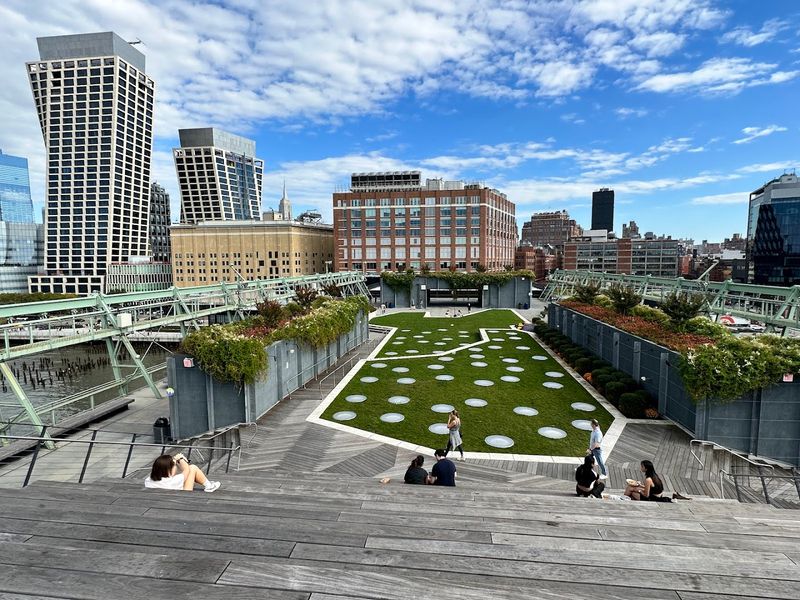
Perched above the Hudson River just a short walk from Little Island is another rooftop park that most New Yorkers have not yet discovered.
Pier 57 in Manhattan, is a historic pier that was completely reimagined and reopened to the public with a free rooftop green space on top.
The pier at 57 Hudson River Greenway has a fascinating past as a bus depot and a temporary holding facility, but its current life is far more cheerful.
The rooftop offers wide open lawns, seating areas, and some of the most unobstructed views of the Hudson River and New Jersey Palisades in the city.
Below the rooftop, the interior of the pier houses food vendors, a Google office, and rotating cultural programming. The rooftop itself is free and open to the public during operating hours.
On a clear afternoon, the light on the river from up there is something I genuinely look forward to every single time I am in the neighborhood.
9. Wave Hill Public Garden & Cultural Center
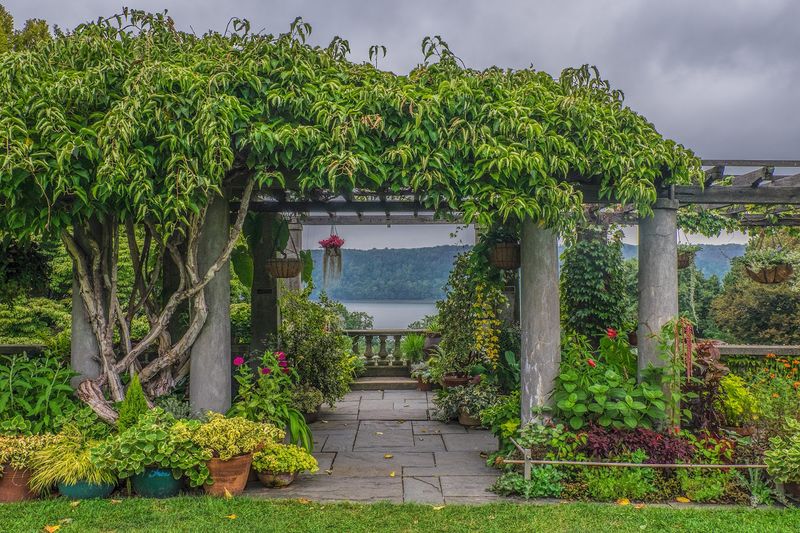
Overlooking the Hudson River and the dramatic cliffs of the New Jersey Palisades, is a garden so refined it feels like it belongs in the English countryside.
Wave Hill Public Garden & Cultural Center, at 4900 Independence Avenue in the Bronx, sits on 28 acres of manicured grounds with a history that stretches back to the mid-1800s.
Mark Twain and Theodore Roosevelt both lived here at different points in time, and the property later became a public garden in 1965. The views from the garden across the Hudson are genuinely breathtaking in every season.
The garden hosts art exhibitions, workshops, and seasonal events throughout the year. The Bronx rarely gets credit for natural beauty, but Wave Hill changes that conversation completely.
10. Conservatory Garden
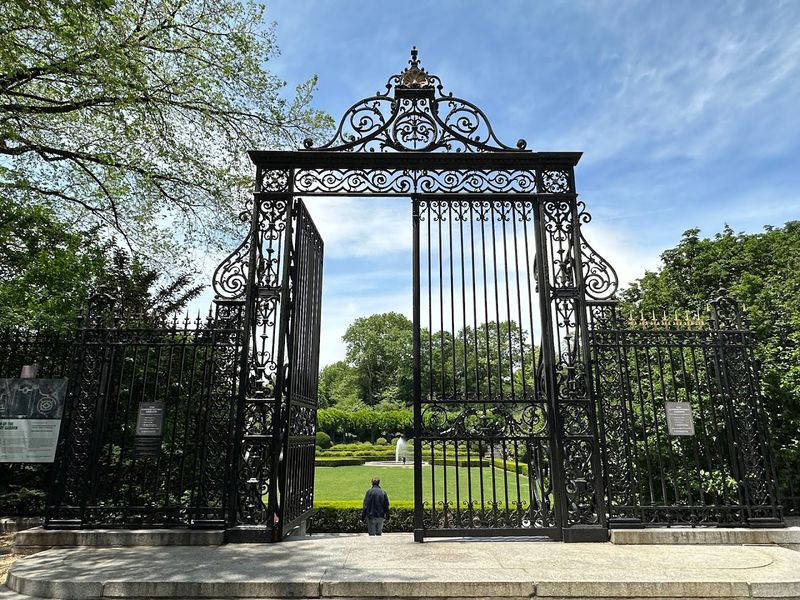
Most people think they know Central Park, but there is a formal garden tucked in its northeast corner that even longtime New Yorkers have somehow missed.
The Conservatory Garden, entered through ornate wrought-iron gates at 1233 5th Avenue in Manhattan, is the only formal garden in all of Central Park.
The garden is divided into three distinct sections: an Italian garden with a central fountain, a French garden with a wisteria pergola, and an English garden with a beloved bronze fountain inspired by the novel The Secret Garden.
Entry is completely free and the garden is open every day from 8 a.m. until dusk. Spring is particularly stunning when thousands of tulips and crabapple trees bloom together.
I have been here in every season and it never looks the same twice. It is the kind of quiet, considered beauty that the rest of Central Park, with all its joggers and tourists, rarely delivers.
11. Socrates Sculpture Park
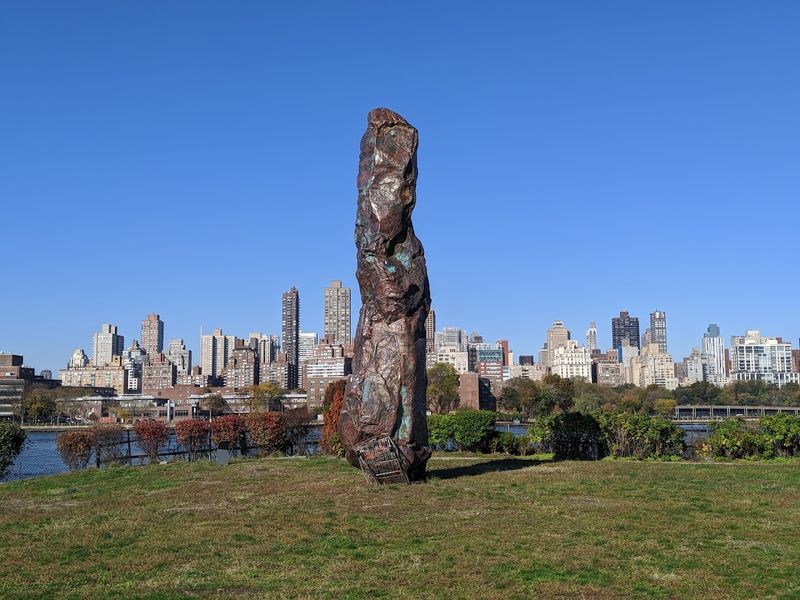
Right on the East River waterfront in Astoria, Queens, there is an outdoor gallery where massive sculptures share space with one of the most unexpected skyline views in New York.
Socrates Sculpture Park, at 32-01 Vernon Boulevard in Astoria, was a neglected landfill and illegal dumpsite before artists transformed it into a public park in 1986.
The park hosts rotating large-scale sculpture exhibitions created by artists in residence, and the work on display changes regularly throughout the year. Admission is always free, and the park is open every day from 9 a.m. to sunset.
The Manhattan skyline and the Queensboro Bridge frame the background of every sculpture in a way that makes the whole park feel like one giant living artwork.
Astoria itself is one of the most culturally rich neighborhoods in Queens, so combining a walk through the park with a meal nearby makes for a genuinely full afternoon. I always leave here feeling inspired in a way that indoor galleries rarely manage.
12. New York Transit Museum
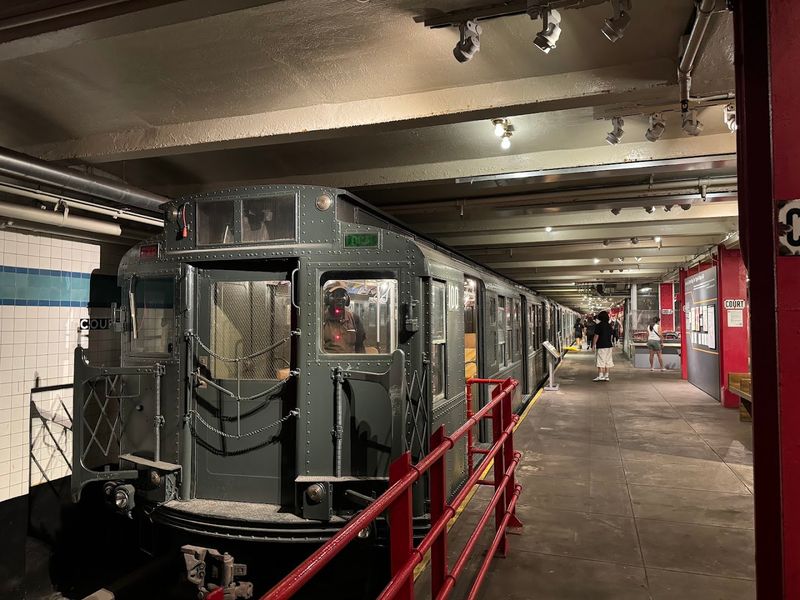
Buried beneath the streets of Brooklyn Heights is a museum that actually lives inside a decommissioned 1936 subway station, and it is one of the most genuinely cool museums in the entire city.
The New York Transit Museum, at 99 Schermerhorn Street in Brooklyn, tells the full story of how New York built its legendary underground network.
The main attraction is the collection of vintage subway cars, some dating back to the early 1900s, displayed on actual working tracks below street level.
You can walk through them, sit in the seats, and feel the history in every rivet and wooden bench.
The museum also covers buses, bridges, and tunnels, with interactive exhibits that are engaging for all ages.
I brought my nephew here expecting mild interest and instead watched him spend two hours exploring every single car. For anyone curious about how this city actually moves, this museum delivers something truly irreplaceable.
13. Sideshows By The Seashore
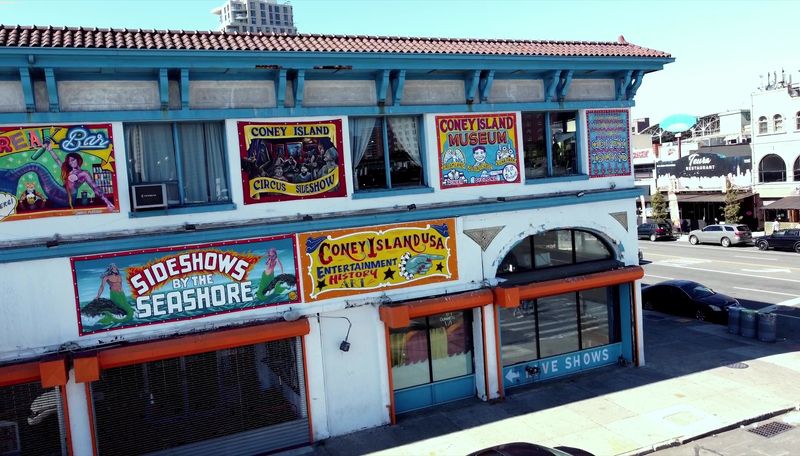
There is exactly one place left in America where you can watch a live traditional ten-in-one sideshow performed by real human curiosity acts. It is right on Surf Avenue in Brooklyn.
Sideshows by the Seashore on Coney Island, has been keeping the old carnival tradition alive since 1983 under the nonprofit organization Coney Island USA.
Sword swallowers, fire eaters, contortionists, and snake charmers perform inside a small theater with handpainted banners stretching across the front of the building. The whole experience feels like a genuine portal to another era of American entertainment.
Shows at 1208 Surf Avenue run seasonally from spring through fall, with additional performances during the famous Mermaid Parade and other Coney Island events.
I have taken friends here who were skeptical and watched them leave completely won over by the skill and showmanship on that tiny stage. Coney Island without this show is only half the story.
14. Indian Caves
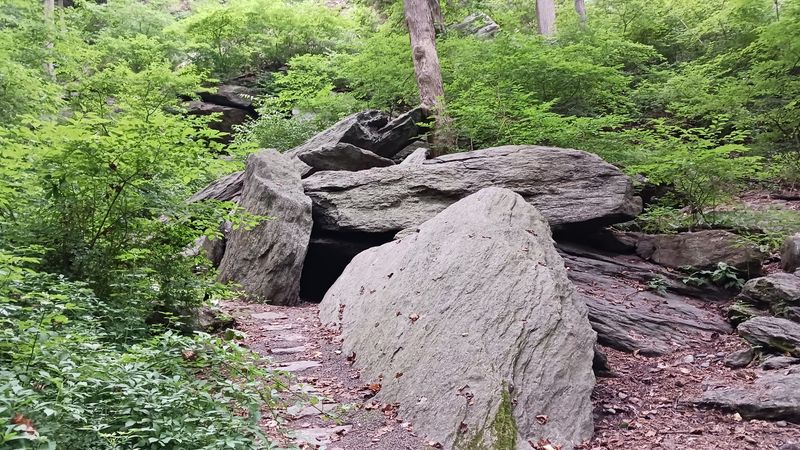
At the very northern tip of Manhattan, past the subway lines and the busy streets, there is an old-growth forest with actual caves that were used by the Lenape people thousands of years ago.
The Indian Caves at Inwood Hill Park are tucked within one of the last remaining natural forests on the island of Manhattan.
The caves are shallow rock shelters formed by glacial boulders, and archaeologists have confirmed evidence of long-term Lenape habitation at this site.
A nearby tulip tree is believed to mark the general area where Peter Minuit purchased Manhattan from the Lenape in 1626.
The park has several trails that wind through the forest and past the caves, and the whole area feels remarkably wild for a place technically within city limits. Entry is free and the park is open year-round.
I hiked through here on a gray November morning and felt completely transported.
15. The Secret Garden Brooklyn
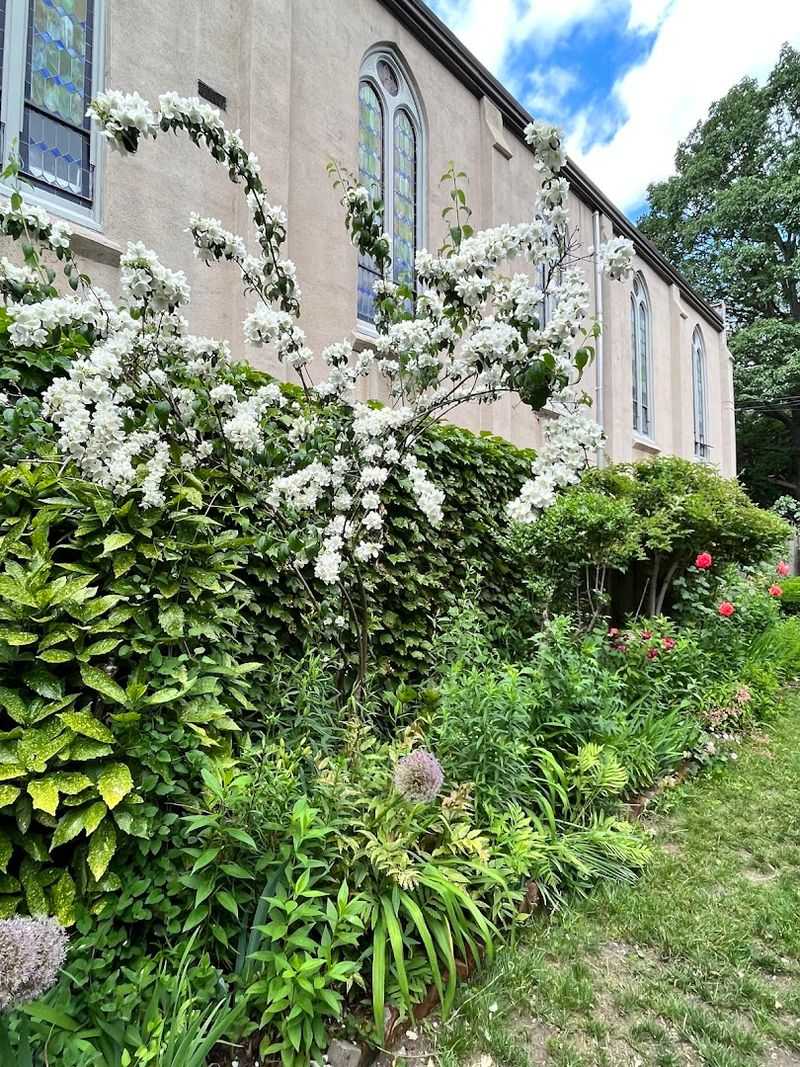
Somewhere along a quiet residential block in Carroll Gardens, Brooklyn, there is a lush garden tucked behind a gate that most people walk past without a second glance.
The Secret Garden Brooklyn is a community-created green space filled with flowers, mosaic art, and a sense of calm that feels almost miraculous given its urban surroundings.
The garden grew from the creative vision of local residents who transformed an overlooked lot into a layered, colorful sanctuary. Winding paths, handmade sculptures, and dense plantings make every corner feel like a new discovery.
Access and hours can vary, so checking ahead before making a special trip is always a smart move. The garden is a true grassroots creation, built and maintained by the neighborhood rather than any city agency.
I stumbled onto it by accident on a Sunday afternoon and ended up staying far longer at 251 Degraw Street than I planned.