10 Stunning Places To Explore In Texas While Everything Is Blooming
I never thought wildflowers could make me cry. Then I pulled over on a Texas highway, surrounded by nothing but color exploding in every direction, and something in me just broke open.
The state does this to people. It waits all year, quietly, and then erupts into something almost unreasonably beautiful.
Bluebonnets carpeting entire fields. Indian paintbrush painting the roadsides in vivid red.
Whole landscapes transformed in a matter of days. Spring here is not subtle.
It is bold, it is brief, and if you blink, you miss it. The state demands you show up and pay attention.
These stunning places will make that very easy to do.
1. Lady Bird Johnson Wildflower Center
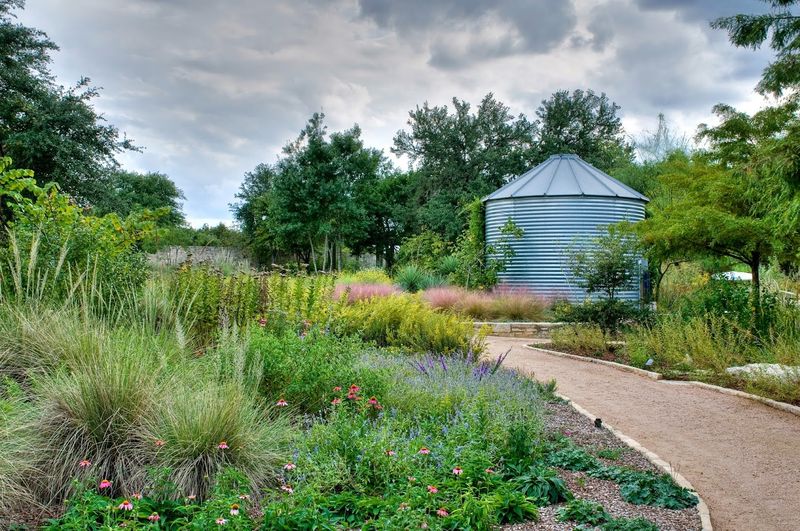
Almost 300 acres of blooming native plants sounds like a dream, but this place makes it real. Located at 4801 La Crosse Ave, Austin, TX 78739, the Lady Bird Johnson Wildflower Center is the official Botanic Garden of Texas.
Around 900 species of native plants call this place home.
Spring is when everything comes alive here. The cultivated gardens cover nine dedicated acres, each section thoughtfully designed.
You can spend hours wandering and still find something new around every corner.
Tuesday Twilights events run during spring with extended hours, live music, and food trucks. It turns a garden visit into a full evening out.
Families, couples, and solo explorers all find something worth their time here.
The signage throughout the grounds is genuinely educational. You learn plant names, growing habits, and why native plants matter.
It never feels like a lecture, though. It feels like a conversation with someone who really loves plants.
Even if you are not a gardener, the sheer visual impact of this place is hard to shake. Walking through fields of color with the Texas sky overhead is its own kind of therapy.
Plan at least two to three hours here. You will want every minute of it.
2. Wildseed Farms
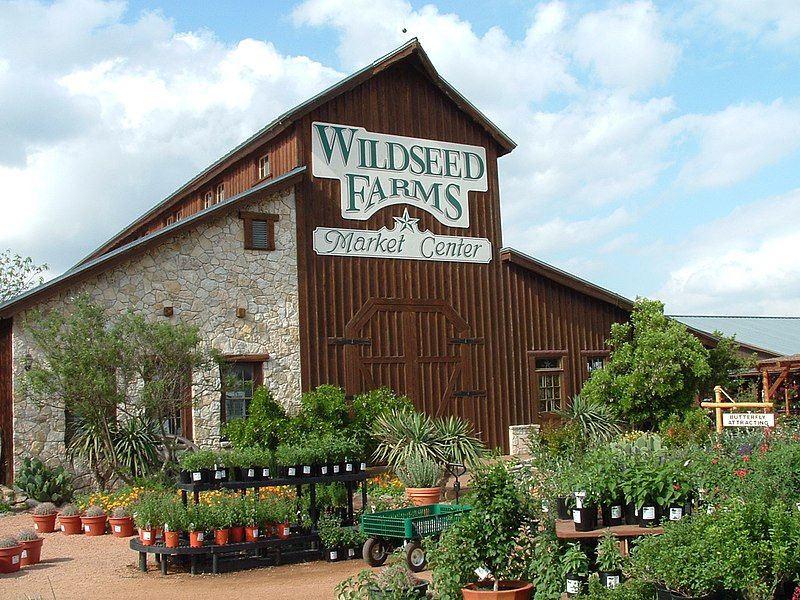
Nowhere else in the country can you walk through 200-plus acres of commercially grown wildflowers and call it a casual Tuesday. Wildseed Farms at 100 Legacy Dr, Fredericksburg, TX 78624 holds the title of the largest working wildflower farm in the nation.
That is not a marketing claim. That is just a fact worth repeating.
Bluebonnets are the obvious star here, but the supporting cast is just as impressive. Poppies, cornflowers, and plains coreopsis paint the fields in layers of color.
Walking paths wind through the blooms so you can get up close without trampling anything.
Informational signs along the paths explain each flower species, its growth habits, and how it fits into the local ecosystem. It is genuinely interesting, even for people who do not consider themselves plant enthusiasts.
You leave knowing more than you arrived with.
One of the best parts of this spot is the seed shop on-site. You can buy packets of the exact wildflowers you just walked through.
Bring them home and try to recreate a little of that magic in your own yard.
Spring is the prime time to visit, but the farm maintains blooms through much of the warmer months. Weekday mornings offer the calmest experience.
Crowds grow on weekends, especially in April when everything is at peak color.
3. Enchanted Rock State Natural Area
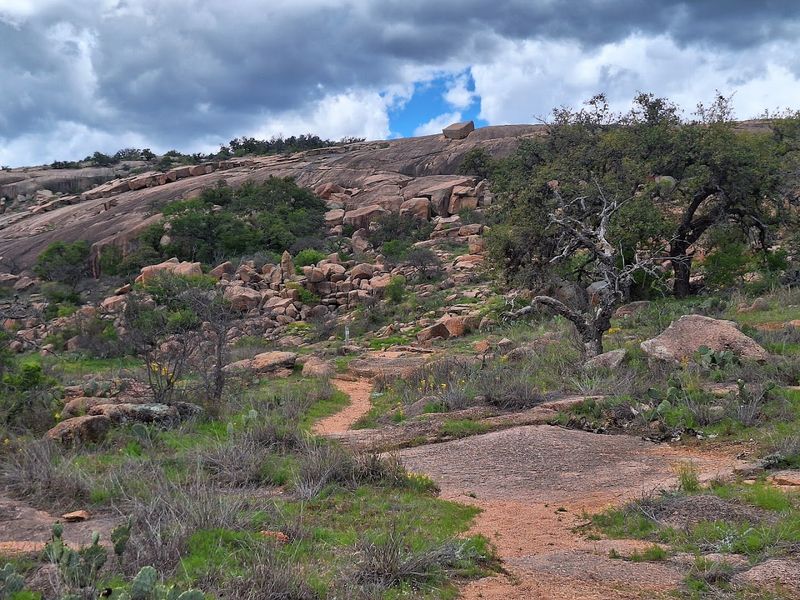
Few places combine geological drama with floral beauty quite like this one. Enchanted Rock State Natural Area sits at 16710 Ranch Road 965, Fredericksburg, TX 78624, and its massive pink granite dome is one of the most recognizable landmarks in the Hill Country.
In spring, wildflowers gather at its base like they are posing for a portrait.
The contrast of bright blooms against ancient grey and pink stone is genuinely striking. Indian paintbrush and bluebonnets cluster along the lower trails.
Even experienced hikers pause to take it all in before heading upward.
The summit hike is moderately challenging and rewards you with sweeping views across the surrounding countryside. During bloom season, those views include fields of color stretching far into the distance.
It is the kind of panorama that makes you forget you have sore calves.
Beyond the main dome, the park has several other trails winding through smaller rock formations and creek areas. These quieter paths often have the densest wildflower coverage.
They are also far less crowded than the main summit trail.
Reservations are required to enter the park, especially on spring weekends when it fills up fast. Booking ahead is essential.
Arriving early on a weekday morning gives you the best light for photos and the most peaceful experience on the trails.
4. Willow City Loop
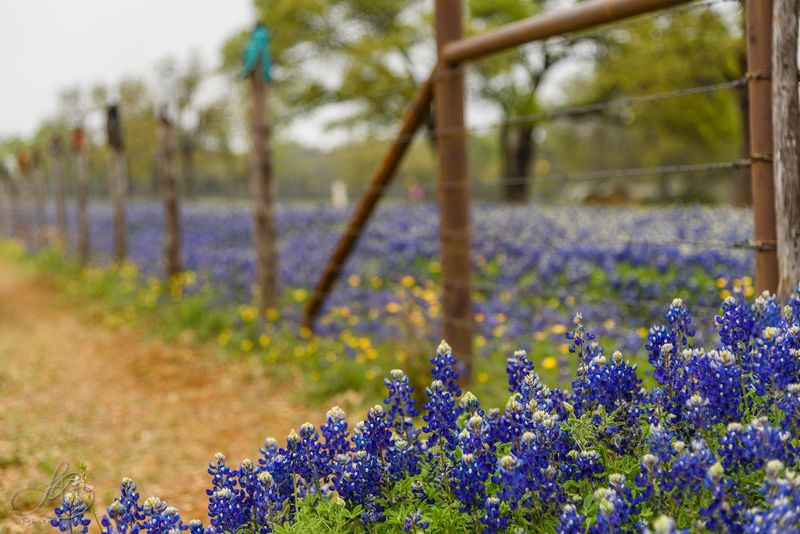
Some drives are just drives. This one is an event.
The Willow City Loop follows Ranch Road 1323 near Willow City, TX 78675 through 13 miles of rolling ranch land, granite hills, and seasonal creek crossings. In spring, the roadsides explode with bluebonnets, Indian paintbrush, and pink evening primrose.
The route is slow by design. You will want to stop frequently, and that is perfectly acceptable.
Pull-offs appear naturally along the road, and other visitors are usually doing the same thing. Nobody judges a spontaneous stop for photos here.
Wildflower season along this loop typically runs mid-March through early May. April tends to be the most reliable month for peak blooms.
Timing varies each year depending on winter rainfall, so checking local bloom reports before you go is a smart move.
Weekday mornings offer the most peaceful experience on this loop. Weekend afternoons can bring slow-moving traffic as everyone tries to soak in the same views.
Early light also makes the colors pop more vividly for photography.
The loop passes through private ranch land, so staying on the road and not crossing fences is important. Respecting the land keeps this experience available for everyone who comes after you.
It is a 13-mile stretch that feels much shorter than it is, mostly because you keep stopping to look.
5. Big Bend National Park
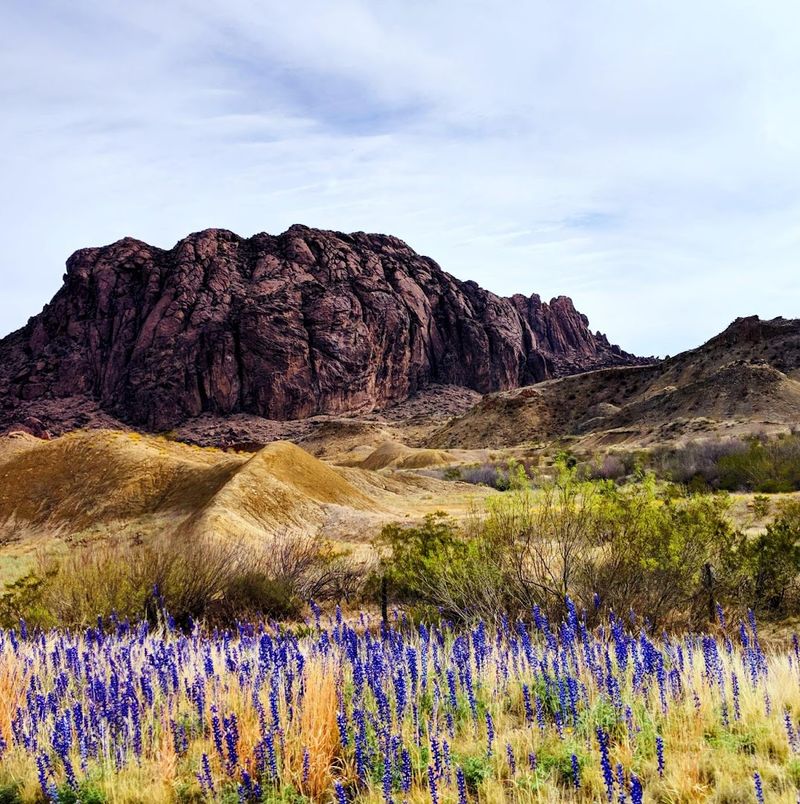
Most people do not associate desert landscapes with blooming flowers, but Big Bend challenges that assumption every spring. Located at 1 Panther Junction, Big Bend National Park, TX 79834, this park covers over 800,000 acres of Chihuahuan Desert, river canyons, and mountain terrain.
When spring arrives, the desert floor comes alive in ways that feel almost impossible.
Ocotillo plants burst into flame-red tips. Prickly pear cactus produces waxy yellow blooms.
Claret cup cactus glows bright orange-red against the rocky soil. The colors are bold and unapologetic, nothing soft or pastel about them.
The Chisos Basin area offers some of the best wildflower viewing in the park. Trails here wind through higher elevation terrain where temperatures are cooler and moisture lingers longer.
Spring mornings in the basin are genuinely magical.
Big Bend is remote, and that is part of its appeal. The nearest large town is hours away, so planning your visit carefully matters.
Bring enough water, snacks, and sunscreen for a full day out. Cell service is limited throughout most of the park.
The Rio Grande adds another dimension to the spring experience here. Desert willows and cottonwoods along the river banks leaf out in vivid green.
That green against the ochre canyon walls is a color combination worth the long drive to get here.
6. Garner State Park
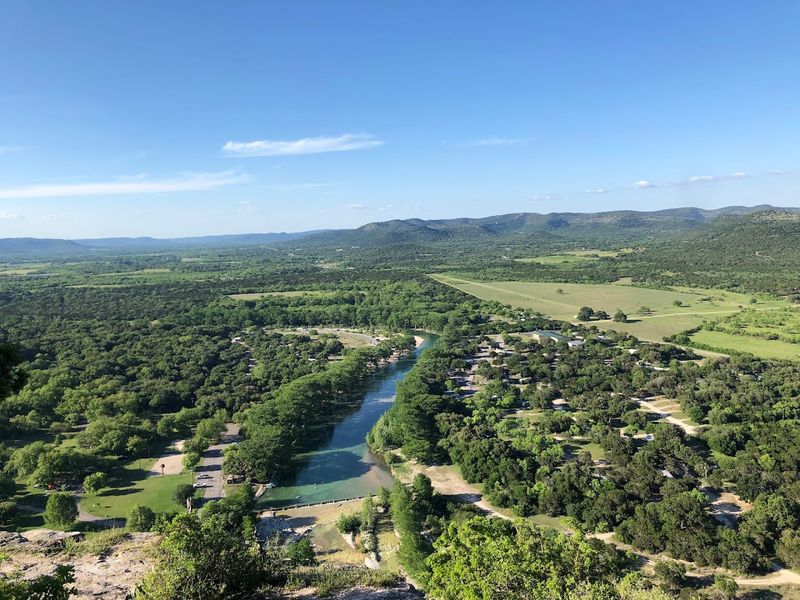
There is something almost unfairly beautiful about a cold clear river surrounded by blooming wildflowers. Garner State Park at 234 RR 1050, Concan, TX 78838 sits along the Frio River in the Hill Country, and spring turns it into one of the most photogenic spots in the entire region.
The combination of water, limestone, and color is hard to beat.
The park covers over 1,700 acres of cypress-lined riverbanks and rugged upland terrain. Spring wildflowers appear along hiking trails and open meadow areas throughout the park.
Indian blanket, bluebonnets, and phlox are common sights from March onward.
Hiking to the summit of the park offers panoramic views of the surrounding Hill Country. In spring, those views include patches of color across the hillsides below.
The climb is worth every step, especially on a clear morning with good visibility.
The Frio River itself is a major draw, even in spring when the water is still quite cold. Visitors wade along the banks and explore the shallow areas near the campground.
The sound of moving water makes every wildflower photo feel more serene.
Reservations fill up fast here, especially during spring break and April weekends. Booking well in advance is genuinely necessary.
Day passes are available but also go quickly. Arriving at the gate at opening time gives you the best shot at getting in on a busy day.
7. Caddo Lake State Park
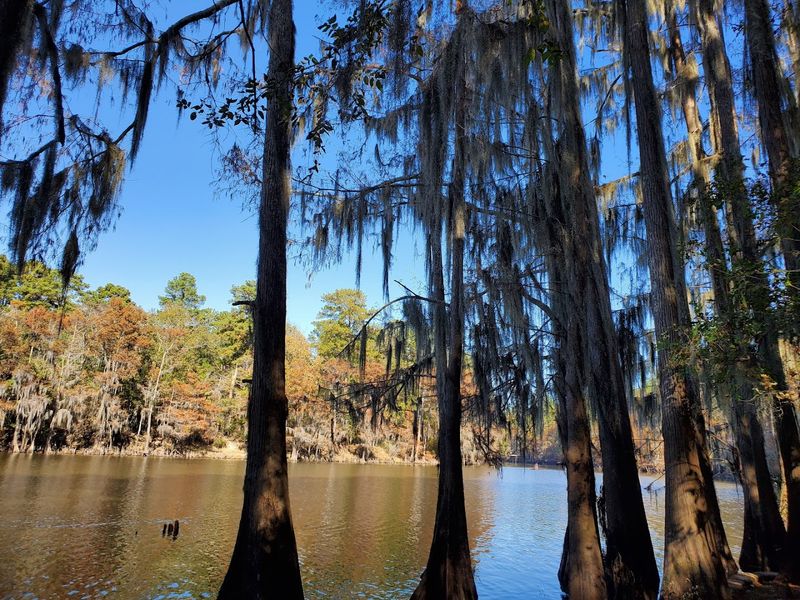
East Texas has a completely different kind of beauty, and Caddo Lake captures it perfectly. Found at 245 Park Road 2, Karnack, TX 75661, this park sits on the only naturally formed lake in the state.
Ancient bald cypress trees draped in Spanish moss rise straight out of the water, creating one of the most atmospheric landscapes you will find anywhere in this part of the country.
Spring brings the lake to full life. Aquatic plants bloom across the water surface.
Wildflowers appear along the hiking trails and picnic areas near the shoreline. The contrast of blooms against the dark, still water is genuinely striking.
Paddling through the cypress maze is the signature experience here. Canoe and kayak rentals are available at the park.
Gliding between those massive ancient trunks while spring foliage unfolds overhead is a slow, quiet, completely absorbing experience.
Bird activity peaks during spring migration at Caddo Lake. Warblers, herons, and wood ducks are commonly spotted.
Birders and photographers travel specifically to this park during April and May for that reason.
The atmosphere here feels genuinely different from the open Hill Country landscapes further west. It is moody, lush, and slightly mysterious in the best possible way.
If you have only experienced one type of landscape in this state, this park will completely reset your expectations of what it actually looks like.
8. Ennis Bluebonnet Trails & Visitor Center
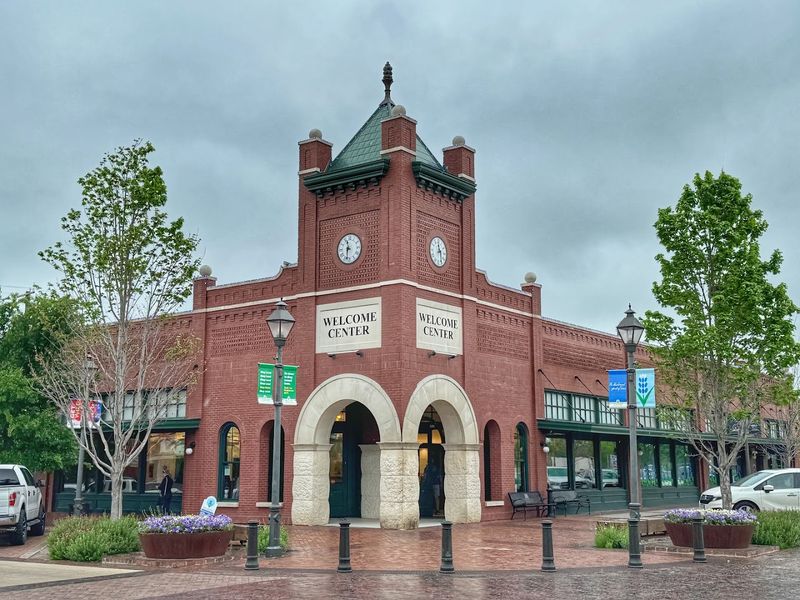
If bluebonnets are the reason you are road-tripping this spring, this is your destination.
The Ennis Bluebonnet Trails hold the official designation as the Official Texas Bluebonnet Trail, and the Visitor Center at 201 NW Main St, Ennis, TX 75119 is your starting point for over 40 miles of mapped driving routes.
That is a serious amount of blue and purple stretching across the countryside.
Peak bloom typically falls around the third week of April, though rainfall patterns each year shift the timing slightly. The Visitor Center provides updated bloom reports, which makes planning your trip much more precise.
Showing up at the right moment makes a significant difference in what you actually see.
Ennis hosts an annual Bluebonnet Trails Festival in April that draws visitors from across the region. The festival adds live entertainment, local vendors, and community events to the wildflower experience.
It turns a scenic drive into a full weekend event.
The driving routes wind through farmland and small communities, giving you a genuine sense of the local landscape. Some stretches have roadside pull-offs where you can step out and stand among the flowers.
Those stops are the ones you remember most vividly.
Photography conditions here are exceptional during golden hour, when the low light catches the texture of each flower head. Early morning also works beautifully before the crowds arrive.
Bring a wide-angle lens if you have one. The scale of these fields deserves it.
9. Palo Duro Canyon State Park
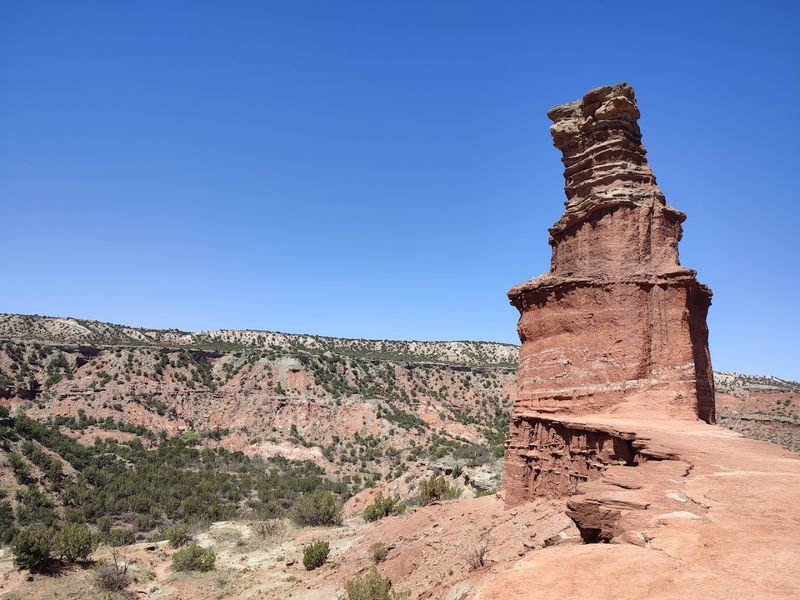
People call it the Grand Canyon of Texas, and once you see it, that comparison makes complete sense. Palo Duro Canyon State Park at 11450 State Hwy 217, Canyon, TX 79015 drops nearly 800 feet below the flat Panhandle plains above.
In spring, desert wildflowers push through the rocky canyon floor in bursts of yellow, red, and white.
The geology here is the backdrop, and it is dramatic. Layers of red, orange, and purple rock tell 250 million years of Earth history.
Wildflowers growing at the base of those ancient walls create an unexpected softness against all that stone.
The Lighthouse Trail is the most popular route in the park, leading to a distinctive rock formation that gives the trail its name. Spring mornings on this trail offer cooler temperatures and better light for photography.
The round trip covers about six miles and is manageable for most fitness levels.
Horseback riding is available in the park and gives you a completely different perspective on the canyon landscape. Seeing the wildflowers from horseback at a slower pace feels genuinely old-fashioned in the best way.
It is an experience worth booking ahead.
The canyon sits in the Panhandle, far from the Hill Country crowds. That means fewer visitors and a more solitary experience overall.
Spring sunsets here paint the canyon walls in shades that cameras struggle to capture accurately. You just have to be there to fully believe it.
10. Pedernales Falls State Park
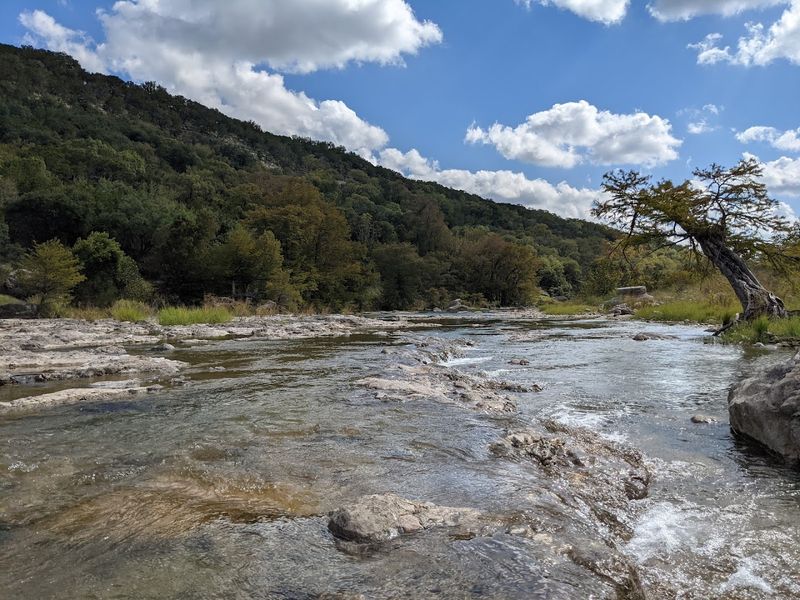
Water and wildflowers together create something greater than either one alone. Pedernales Falls State Park at 2585 Park Road 6026, Johnson City, TX 78636 delivers both in abundance every spring.
The Pedernales River tumbles across tiered limestone ledges, and the surrounding meadows fill with bluebonnets, coreopsis, and phlox from March through May.
The falls themselves are the centerpiece, but the hiking trails extending through the park are where the real wildflower show happens. The Twin Falls Trail and the Juniper Ridge Loop both pass through open meadow terrain with excellent bloom coverage.
Neither trail is overly strenuous, making them accessible for most visitors.
Spring swimming in the river is popular once water levels are safe. The park posts daily conditions online so you can check before arriving.
Even on days when swimming is not advised, walking along the rocky riverbanks is its own reward.
Wildlife activity increases noticeably in spring here. White-tailed deer graze near the meadows in the early morning.
Painted buntings, one of the most colorful birds in North America, pass through during spring migration. Bringing binoculars alongside your camera is genuinely worthwhile.
The park is close enough to Austin and Johnson City to make it an easy day trip. Crowds peak on spring weekends, so a Friday morning visit tends to offer the best balance of good conditions and manageable visitor numbers.
The combination of moving water, stone, and blooms here is hard to find anywhere else in the region.