This Easy 3-Mile Hike In Nebraska Is So Scenic, You’ll Be Talking About It For Days
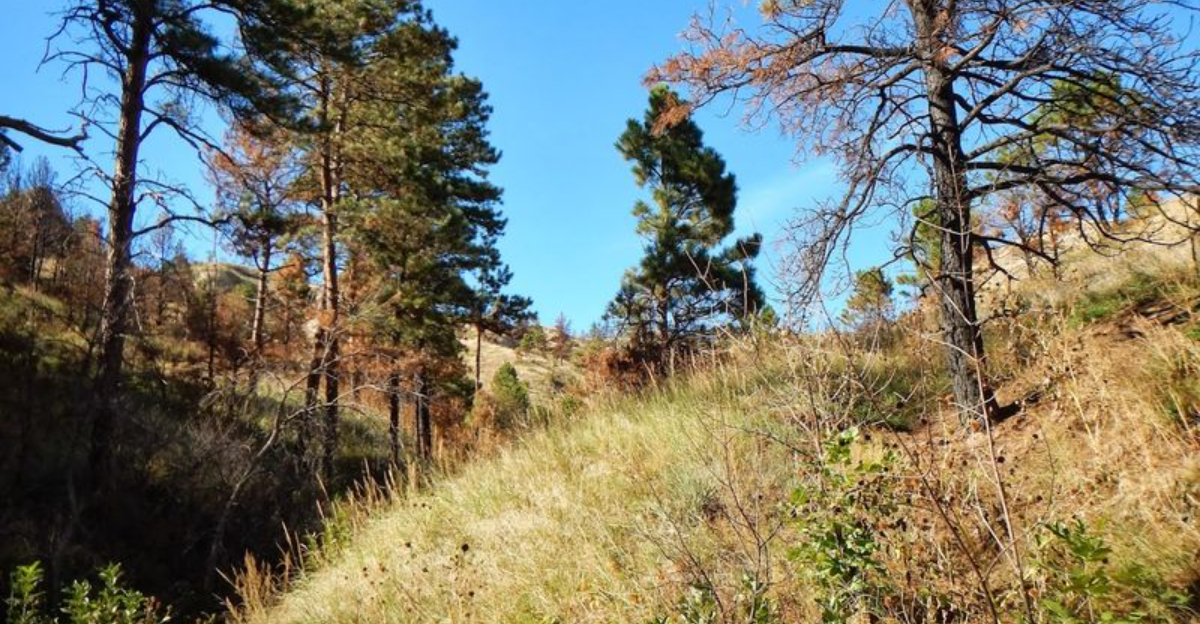
A short hike gets a lot more interesting when the scenery refuses to act small. Three miles sounds easy. Then the trail starts showing off.
Trees shift around you. Open views appear at just the right moment. Suddenly the walk feels like it packed a much bigger adventure into a very manageable distance.
An easy Nebraska hike can leave people talking long after their shoes are back in the car.
No intense climb is required and no dramatic survival story has to happen.
Just a trail with enough beauty to make everyone slow down, point things out, and pretend they were not surprised.
A hike like this is dangerous in the best way. It makes “quick walk” sound far too modest.
The Trail Length And Difficulty Level
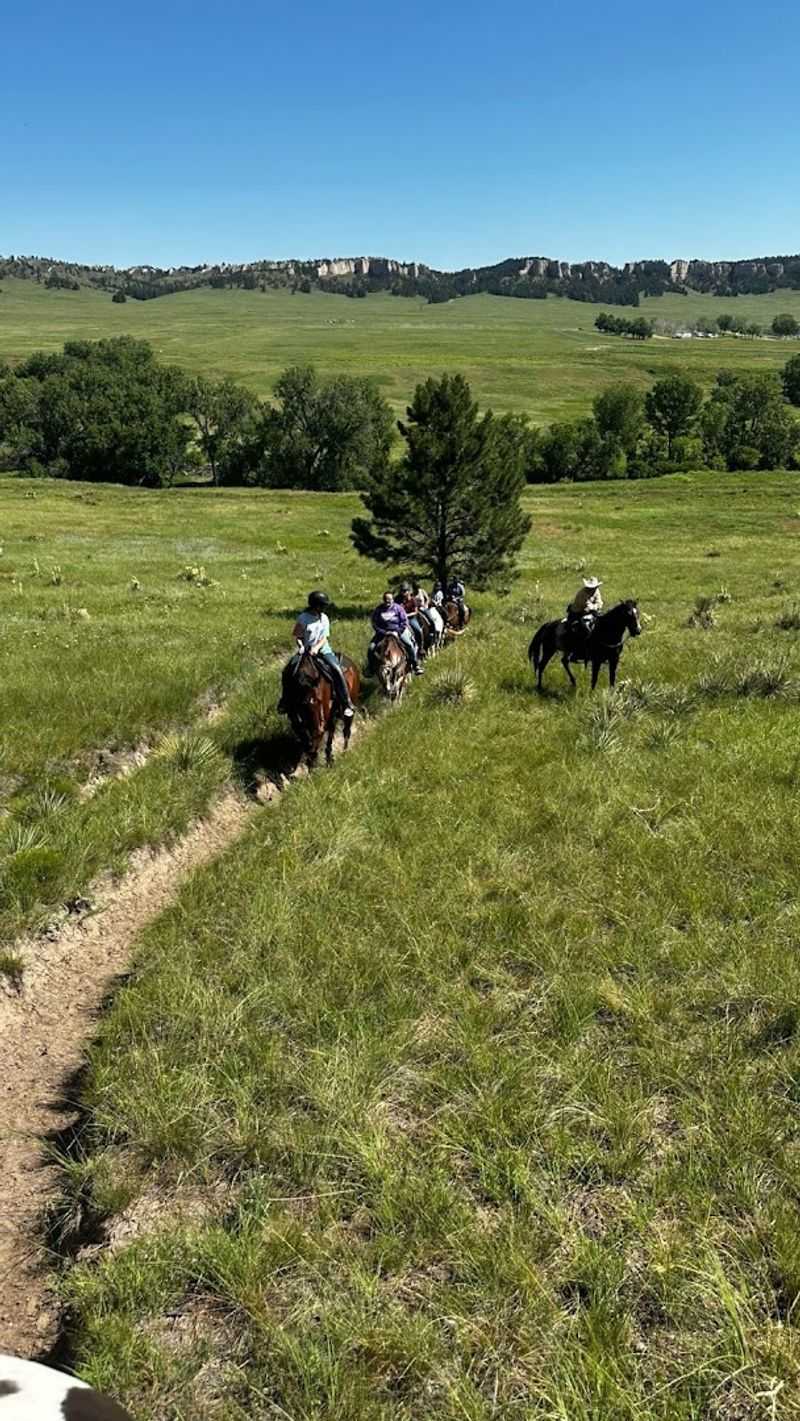
A 2.9-mile loop might sound modest, but the Norwesca Trail earns every bit of its reputation as one of the most rewarding easy hikes in western Nebraska.
The distance is comfortable enough for most fitness levels, including older adults and older children who enjoy being outdoors without tackling steep or technical terrain.
Most hikers complete the full loop in roughly 90 minutes to two hours, depending on how often they stop to take in the views.
The elevation changes along the route are noticeable but never punishing, which means the trail offers enough variety to stay interesting without leaving anyone feeling exhausted.
Ponderosa pine trees line much of the path, providing shade during warmer months and a fresh, resinous scent that stays with you long after the hike ends.
The trail surface is mostly packed dirt with some rocky sections, so wearing sturdy shoes with good grip makes the walk noticeably more comfortable.
Families planning a weekend trip often find that this trail fits naturally into a half-day outing.
Starting early in the morning tends to offer cooler temperatures and quieter trail conditions, especially during summer months when the park sees more visitors.
Chadron State Park’s Deep History
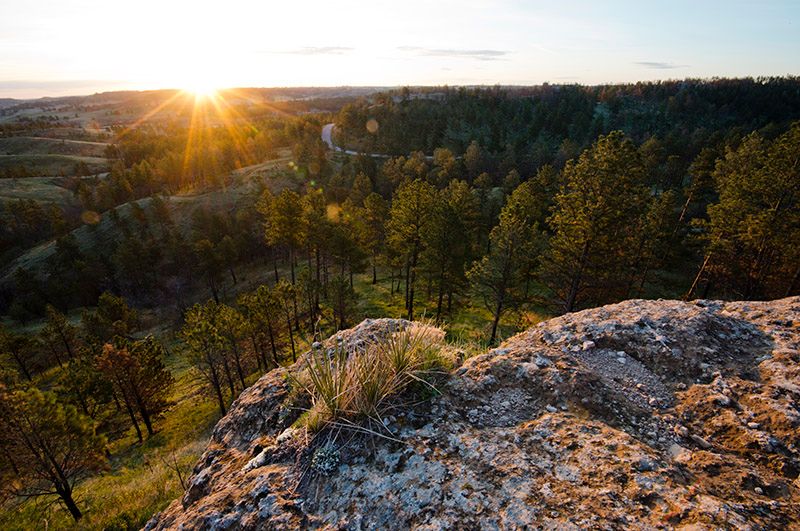
Nebraska’s oldest state park carries more than a century of history within its boundaries, and that history adds a meaningful layer to any visit.
Chadron State Park was officially established in 1921, making it the first state park in Nebraska and one of the earlier state parks created anywhere in the Great Plains region.
Walking the Norwesca Trail means traveling through land that has been protected and appreciated for over 100 years.
The park covers more than 900 acres of Pine Ridge terrain, a landscape that feels dramatically different from the rest of Nebraska.
Rolling forested ridges, exposed rock formations, and shaded canyon floors create an environment that feels genuinely wild rather than manicured.
That sense of untouched landscape is part of what keeps visitors coming back season after season.
Chadron State Park is located at 15951 Highway 385 in Chadron, Nebraska.
Beyond the trail itself, the park offers camping, picnic areas, and cabins that allow visitors to extend their stay and experience the park across different times of day.
Morning light through the pines and the golden tones of late afternoon both offer their own kind of quiet beauty that is hard to replicate anywhere else in the state.
The Ponderosa Pine Forest Experience
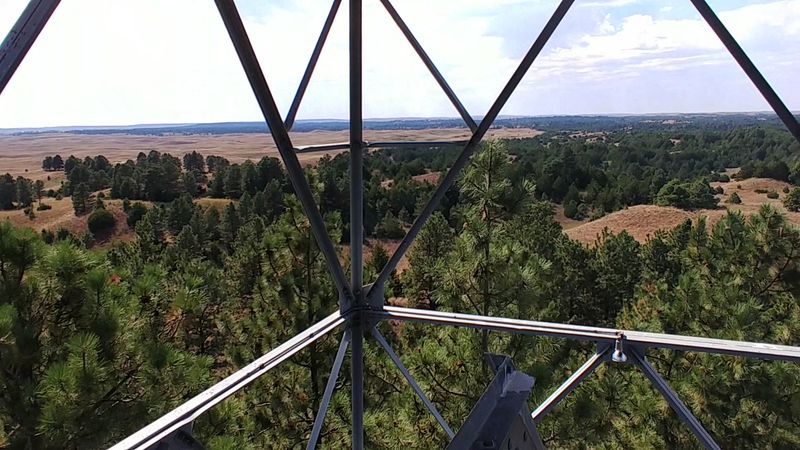
Eastern Nebraska is known for wide open prairies, but the Pine Ridge region near Chadron tells a completely different story.
Ponderosa pines dominate the landscape here, growing thick along ridgelines and canyon walls in a way that creates a forest atmosphere more commonly associated with Colorado or South Dakota than Nebraska.
Hiking through this kind of canopy shifts the entire sensory experience of being outdoors.
The bark of mature ponderosa pines has a distinctive warm, vanilla-like scent when the sun heats it during the afternoon, and that detail alone tends to stick in the memory long after a hike ends.
The sound of wind moving through pine needles is softer and more constant than the rustling of deciduous leaves, giving the trail a steady, calming background noise throughout the walk.
Light filters through the canopy in shifting patterns that change depending on the time of day and season.
Wildlife sightings are possible along this stretch of trail, with deer, wild turkeys, and various bird species all calling the pine forest home.
Keeping noise low and moving at a relaxed pace tends to increase the chances of spotting something unexpected. The forest itself rewards patience more than speed.
Buttes And Canyon Views Along The Route
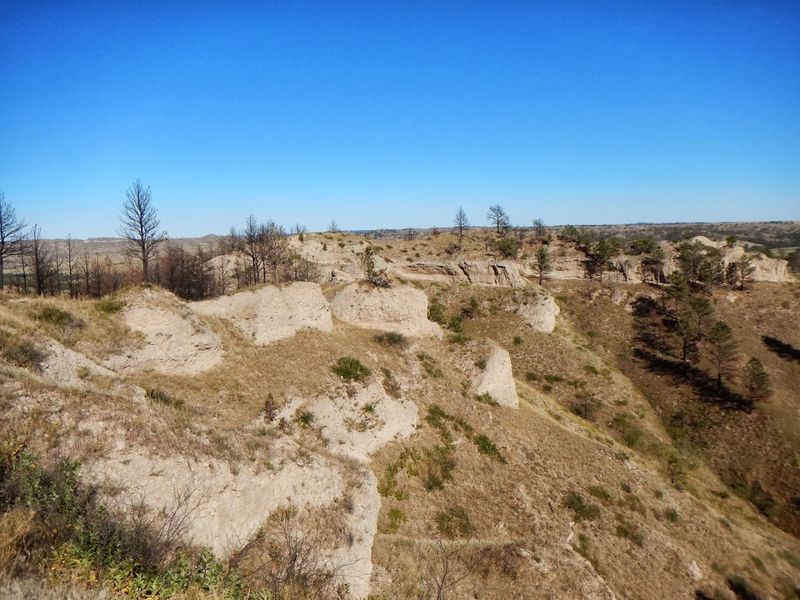
One of the most talked-about features of the Norwesca Trail is how quickly the scenery shifts from forested path to open canyon overlook.
The Pine Ridge landscape is shaped by millions of years of erosion, and the results are visible in the exposed buttes and layered rock walls that appear at various points along the loop.
These geological formations give the hike a visual drama that is genuinely unexpected for a trail rated as easy.
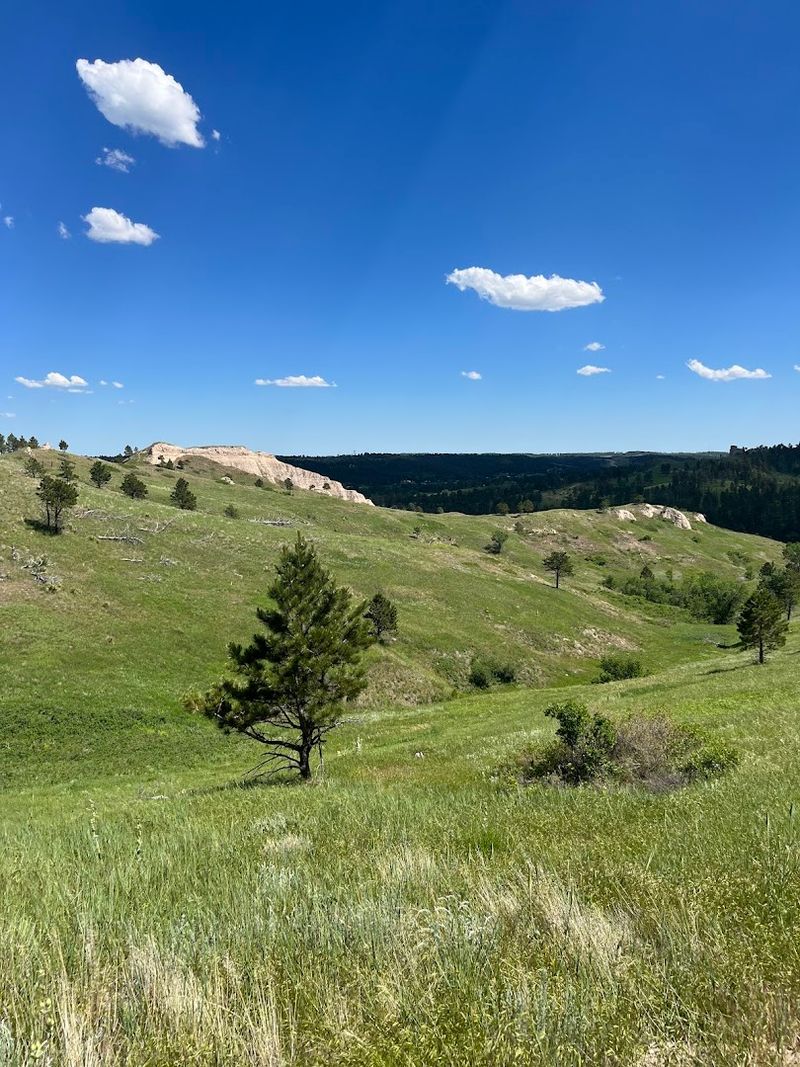
Standing at one of the higher points along the route, the view stretches across rolling pine-covered ridges and into canyon floors that drop away with surprising depth.
The contrast between the dark green of the pines and the pale tan of exposed sandstone creates a color palette that photographs well but feels even richer in person.
Early morning visits tend to offer softer light that brings out the texture of the rock faces in a way that midday sun flattens out.
The canyon sections of the trail feel cooler and more sheltered than the exposed ridgeline portions, which makes the route feel varied rather than repetitive.
Moving from open overlooks into shaded canyon paths and back again keeps the walk engaging from start to finish. That rhythm of open and enclosed is part of what makes this particular loop so memorable.
Connecting Trails And The Nebraska National Forest
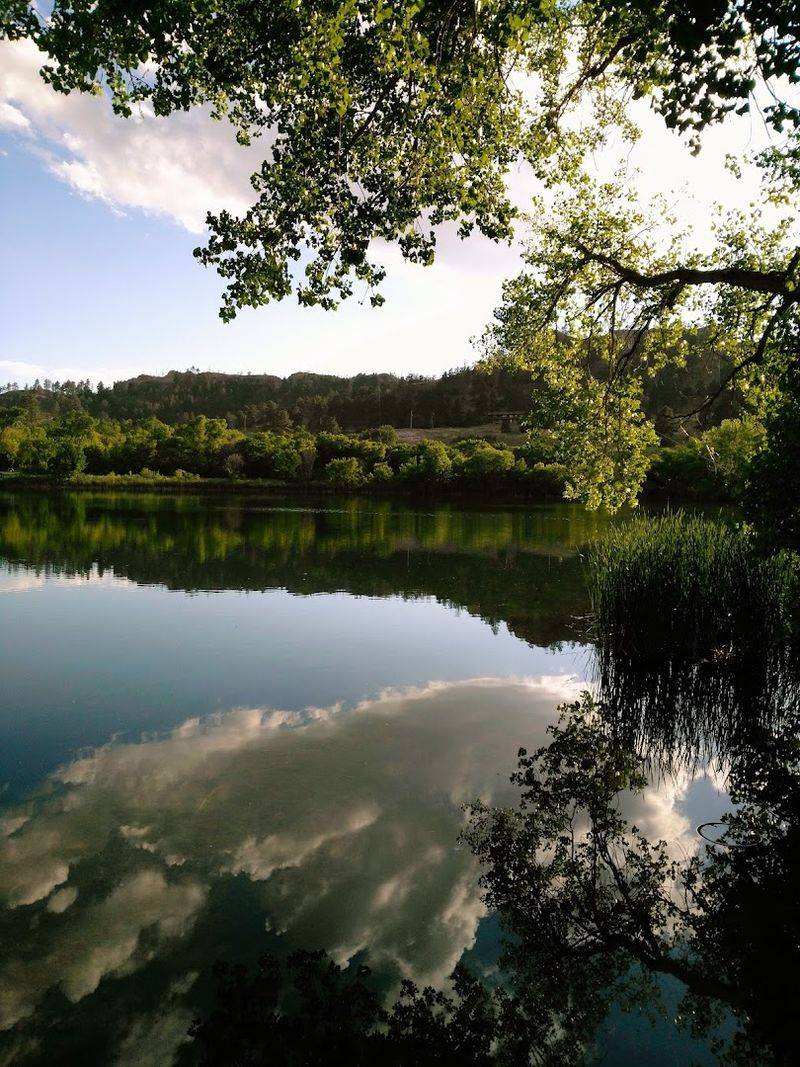
The Norwesca Trail does not exist in isolation, and that connectivity is one of the things that makes the broader area so appealing for hikers who want options.
Nearby trails connect with both Chadron State Park’s internal trail network and the surrounding Nebraska National Forest, which means a short visit can easily expand into a longer exploration if the energy and time allow.
The Nebraska National Forest is the largest hand-planted forest in the United States, and portions of it border the park closely enough to feel continuous.
For hikers who complete the Norwesca loop and want more, checking with the park office about connecting trail conditions before heading out is always a smart step.
Trail conditions in this region can vary with seasonal weather, and some connector paths may be less maintained than the main loop.
Having a basic trail map helps avoid confusion at unmarked junctions.
The sense of being surrounded by a larger protected landscape adds to the feeling of remoteness that visitors often mention when describing the area.
Even on busier weekends, the trail network spreads foot traffic enough that solitude remains easy to find. That combination of accessibility and quiet is genuinely rare and worth planning around.
Best Times To Visit The Norwesca Trail
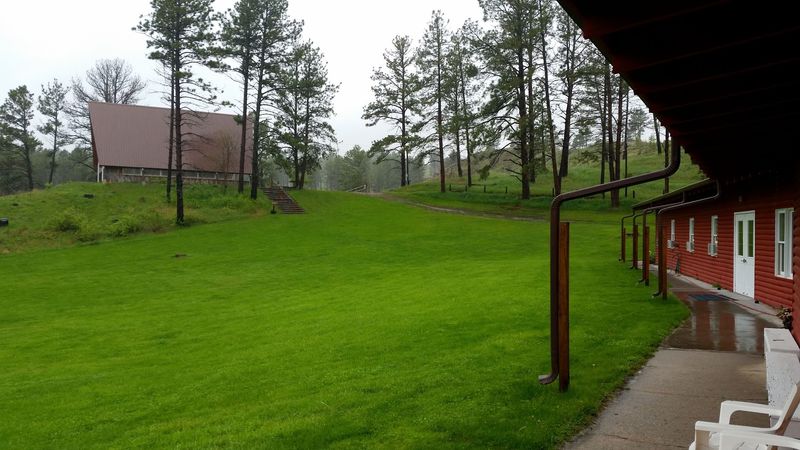
Timing a visit to the Norwesca Trail can shape the experience considerably, and each season brings something different to the landscape.
Late spring and early summer tend to offer green, lush trail conditions with wildflowers appearing in open meadow sections and along the canyon edges.
Summer heat in western Nebraska can be significant by midday, so starting hikes before 9 a.m. makes a real difference in comfort.
Fall is widely considered one of the best times to walk this trail, with cooler temperatures and the seasonal color changes among the shrubs and grasses creating a warmer, richer visual contrast against the evergreen pines.
The light in October and November sits lower in the sky, casting longer shadows through the trees and giving the canyon walls a golden tone that feels almost cinematic.
Crowds are also noticeably thinner in fall compared to summer weekends.
Winter hiking on the Norwesca Trail is possible but requires preparation, as snow and ice can make the rocky sections slippery without proper footwear.
Spring visits can bring muddy trail sections following snowmelt, so checking trail conditions ahead of time is worthwhile.
No matter the season, bringing water and a light layer for wind on the exposed ridgeline sections is always a practical choice.
Wildlife And Nature Along the Path
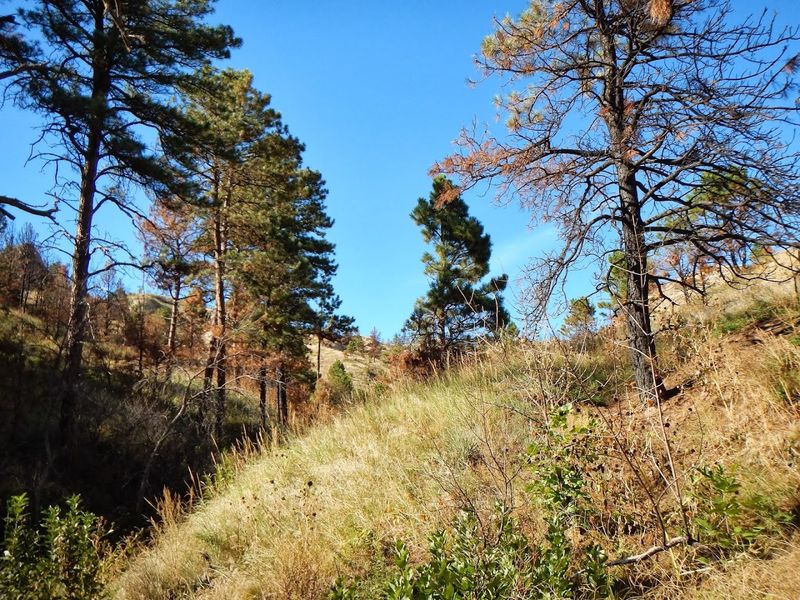
The Pine Ridge ecosystem supports a surprising variety of wildlife, and the Norwesca Trail passes through enough different habitat types to give observant hikers real chances at memorable encounters.
White-tailed deer are common throughout the park and are frequently spotted in the early morning and late afternoon hours when they move between feeding areas.
Wild turkeys are another regular presence, often seen in small groups foraging along the forest edges near the trail.
Bird activity along the route tends to be rich, with species like the mountain bluebird, wild turkey, and various woodpeckers calling the ponderosa pine forest home.
Listening carefully while walking quietly through the shaded canyon sections often reveals bird calls that are easy to miss when moving at a faster pace.
Bringing a small pair of binoculars adds a layer of engagement to the hike that many visitors find worthwhile.
Larger wildlife including mule deer and occasionally pronghorn antelope can be spotted in the more open sections near the park boundaries.
Staying on the marked trail and keeping a respectful distance from any animals encountered is both the safest and most ethical approach.
The wildlife here is genuinely wild rather than habituated to heavy human contact, which makes each sighting feel earned.
Getting There And Planning The Visit
Reaching the Norwesca Trail is part of what makes the hike feel like a true western Nebraska escape, especially for travelers used to busier parks closer to larger cities.
Chadron State Park sits just south of Chadron along Highway 385, making it straightforward to reach by car while still feeling far removed once the pine-covered ridges begin to appear.
Visitors coming into the area should plan for a scenic drive rather than a quick urban detour, since this corner of Nebraska rewards anyone willing to slow down and enjoy the approach.
The park entrance is clearly marked, and once on the grounds, trail information is usually available near the office or main recreation areas.
Because cell service can vary in more remote stretches of the Pine Ridge region, downloading directions ahead of time is a smart move.
Parking near the trail access points is generally manageable, but arriving earlier in the day helps during warm weekends and peak travel periods.
A Nebraska park entry permit is typically required for vehicles, so checking current fees before arriving can prevent surprises.
Pack water, snacks, sturdy shoes, and a little extra time, because this is the kind of easy hike that often turns into a longer park visit.