Most People Don’t Know About This Scenic Canyon Train Ride In California
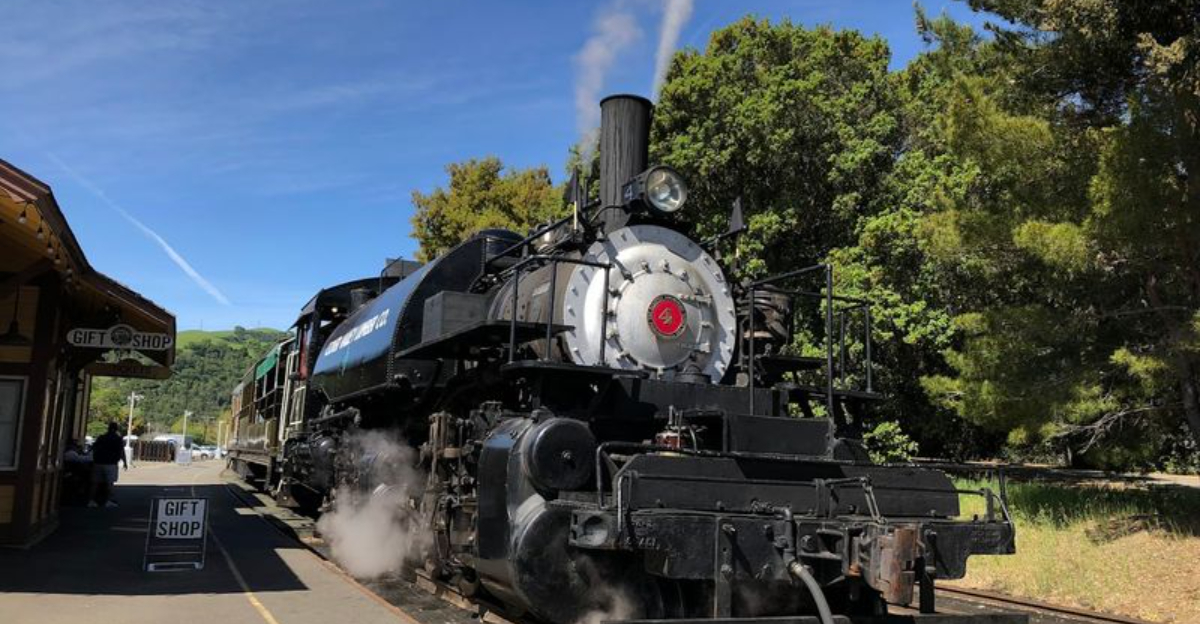
A train ride feels different when the canyon starts doing all the bragging.
Windows suddenly matter. Curves feel slower. Even people who “aren’t train people” start looking suspiciously interested.
A scenic canyon train ride in California can make a short trip feel like something pulled out of an old travel poster.
You settle in and the tracks do the work. The views start showing up like it knows exactly when to impress everyone.
No rushed itinerary. No complicated hiking plan.
Just vintage charm, canyon scenery, and that rare kind of ride where sitting still somehow feels like the adventure.
Historic Sunol Depot
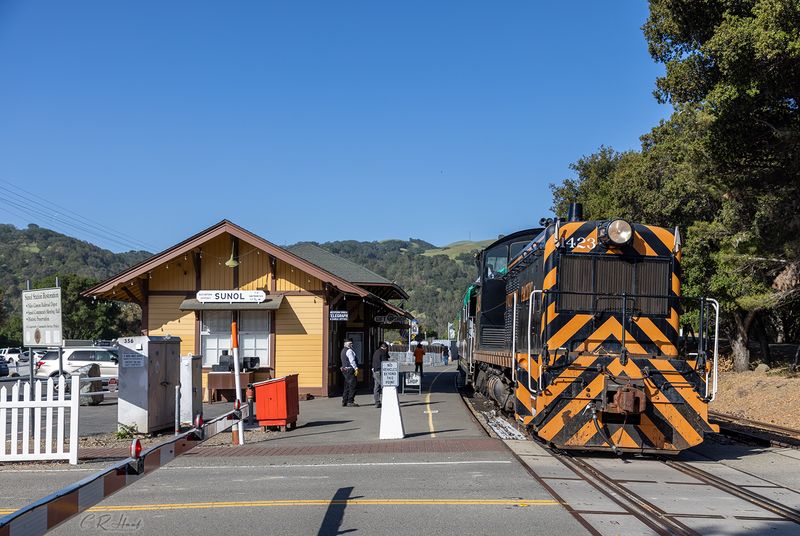
Not every train ride begins somewhere that feels like a step back in time, but the Sunol Depot manages exactly that.
Located at 6 Kilkare Road in Sunol, CA 94586, the restored station sets the tone for the entire experience before the train even moves.
The building has been carefully maintained to reflect an earlier era of California rail travel, with period-appropriate details that make it feel lived-in rather than staged.
Arriving at the depot gives passengers a chance to look around before boarding, and the surroundings reinforce the sense of being somewhere genuinely old.
The small-town quiet of Sunol adds to that feeling in a way that larger tourist attractions rarely manage. There are no crowds rushing past or noise competing with the experience.
The depot functions as both the boarding point and a kind of informal introduction to the railway’s history.
Signage and displays near the station area help orient visitors who may be unfamiliar with the line’s background.
Getting there early is advisable since the railway recommends arriving 30 to 45 minutes before departure, and spending that time at the depot is a comfortable and interesting way to use it.
You’ll Be In Awe With Real Canyon Scenery
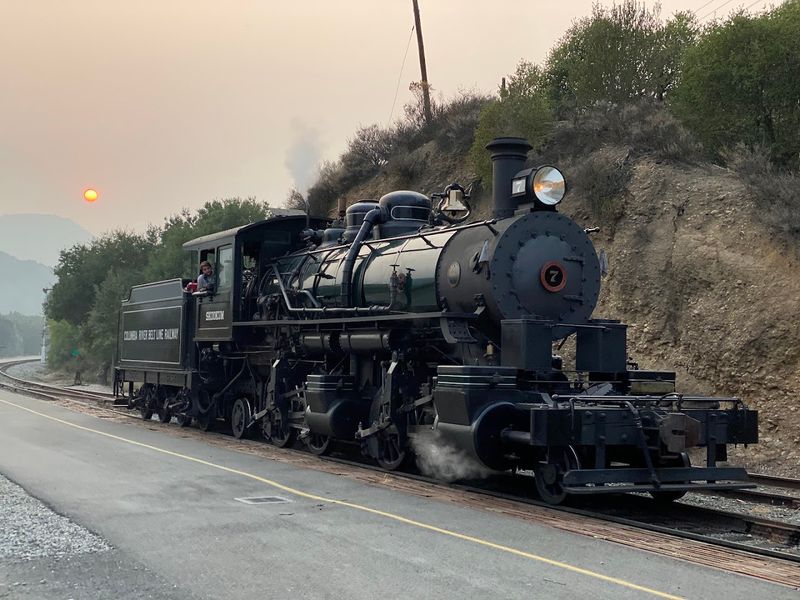
There is something genuinely surprising about how secluded Niles Canyon feels once the train is moving.
The route travels between Sunol and the Niles district of Fremont, winding through a canyon that most Bay Area commuters drive past on nearby roads without ever stopping to appreciate.
Seen from a slow-moving train, the landscape reads completely differently.
Alameda Creek runs alongside much of the route, and the sound of water combines with the motion of the train to create a pace that feels unhurried in the best possible way.
Canyon walls rise on either side, and the vegetation shifts through the seasons in ways that make repeat visits feel worthwhile. Spring tends to bring greener hillsides while fall offers its own muted color palette.
Old railroad curves and small bridges add visual variety to the ride without ever feeling engineered for tourism.
The route follows the natural geography of the canyon, which means the scenery comes from the land itself rather than anything constructed for effect.
For Bay Area residents accustomed to urban or suburban backdrops, the tucked-away quality of Niles Canyon tends to catch people off guard in a genuinely pleasant way.
Transcontinental Railroad History
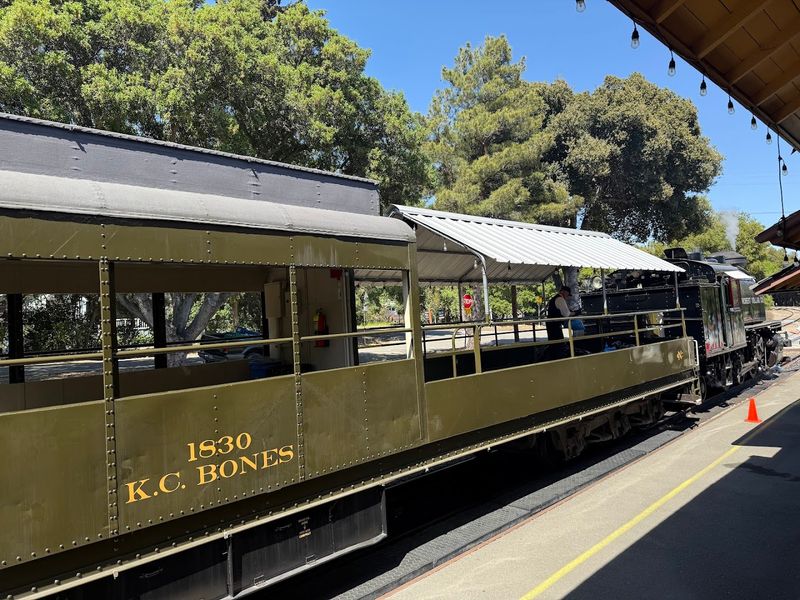
Few short train rides in California carry the kind of historical weight that this one does.
The route through Niles Canyon follows part of the original western section tied to the First Transcontinental Railroad, a fact that most passengers may not fully register until someone points it out.
The tracks beneath the train connect the present to one of the most consequential engineering projects in American history.
Completed in 1869, the Transcontinental Railroad linked the eastern United States to the Pacific Coast and fundamentally changed how people and goods moved across the country.
The western portion, built by the Central Pacific Railroad, passed through this canyon during an era when laying track through rugged terrain was done almost entirely by hand.
The scale of that effort is difficult to comprehend from a comfortable train seat, which makes the knowledge all the more striking.
Riding through Niles Canyon with that context in mind changes the experience noticeably.
The curves and grades that might otherwise seem like pleasant scenery take on additional meaning when understood as solutions to real engineering challenges from over 150 years ago.
Bringing that history along on the ride adds a layer of appreciation that purely scenic excursions rarely offer.
Vintage Train Cars Bring You Back In Time
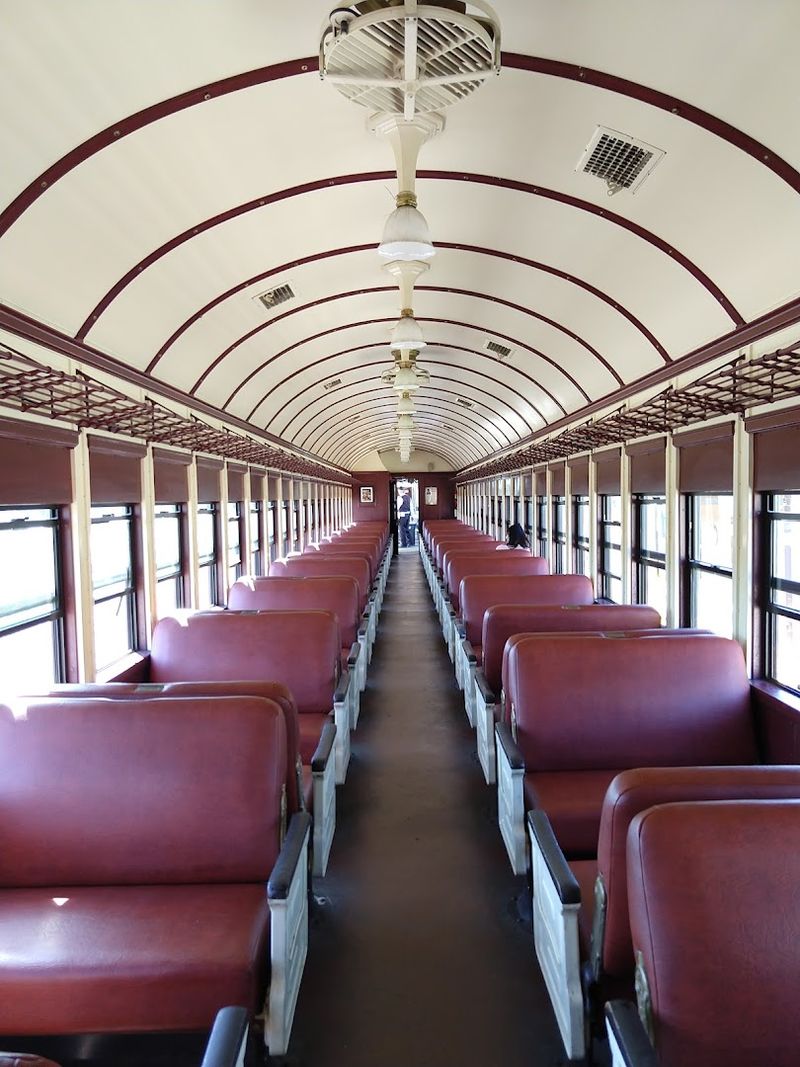
Riding in restored historic railway equipment is a different experience from boarding a modern commuter train, and the difference is noticeable from the moment passengers step on board.
The Pacific Locomotive Association maintains the vintage cars used on Niles Canyon Railway, and the level of care put into that preservation shows in the condition of the equipment.
These are not props or decorations but functioning vehicles kept in working order by dedicated volunteers.
The interiors of the cars reflect the periods they come from, with seating, hardware, and finishes that feel consistent with their original design.
Sounds and sensations differ from modern rail travel in ways that are hard to describe but easy to notice, including the particular rhythm of older wheel sets on jointed track and the way the car moves through curves.
Passengers who grew up riding older trains may find the experience nostalgic while younger riders often find it simply novel.
The Pacific Locomotive Association has been operating and maintaining this equipment for decades, and that institutional knowledge shows in how the trains run.
Volunteers handle both the mechanical upkeep and the operation of excursions, which gives the railway a community-supported character that distinguishes it from commercially operated tourist lines.
Steam And Diesel Rides
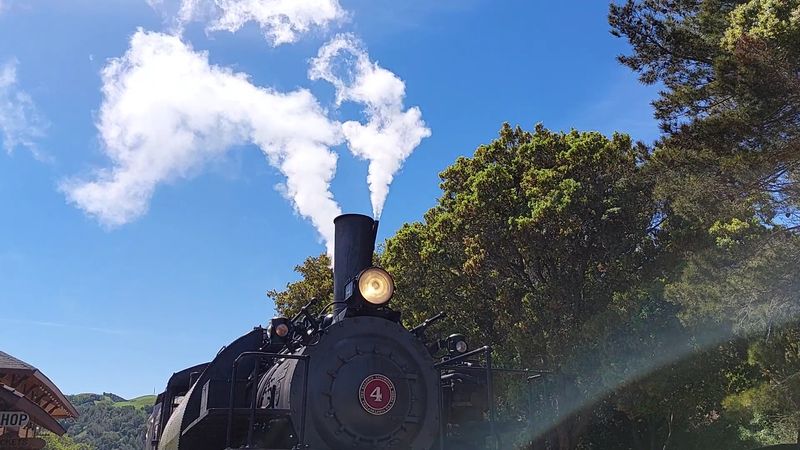
One of the more interesting variables on any given Niles Canyon Railway excursion is what is pulling the train.
Power can vary by day and by month, with both steam and diesel locomotives used for public rides depending on availability and scheduling.
That variability means two visits can feel noticeably different from each other even when the route stays the same.
Steam locomotives carry a particular sensory quality that diesel engines simply do not replicate.
The sound is deeper and more mechanical, the exhaust is visible and dramatic, and the rhythm of the engine changes audibly as the train accelerates or climbs.
Passengers seated near the front of a steam-powered consist may catch the smell of smoke drifting back through open windows, which for many people is an unexpectedly evocative detail.
Diesel excursions offer their own character, with cleaner operation and a different acoustic profile that suits riders who prefer a quieter ride.
Checking the railway’s schedule in advance can help visitors plan around their preference, since the type of power is sometimes listed for specific dates.
Either way, the canyon scenery remains the same, and the train itself tends to become secondary to the landscape once the ride is underway.
March Through October Season
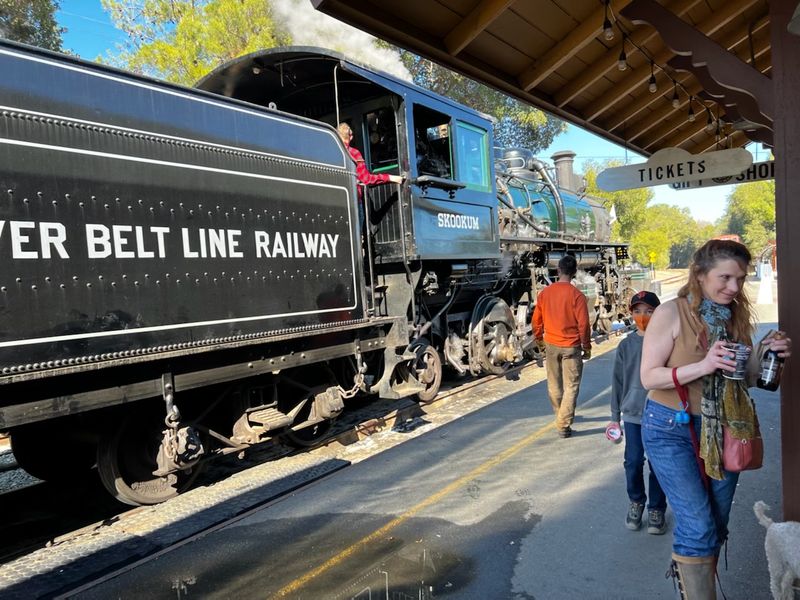
Regular passenger excursions on Niles Canyon Railway typically run on the second and third weekends of each month from March through October, which makes the season reasonably accessible without being year-round.
Planning around that schedule is straightforward once visitors know the pattern, and checking the official railway calendar before making the drive to Sunol is a practical habit worth forming.
The spring months tend to offer some of the most visually rewarding conditions, with hillsides carrying green from winter rains and Alameda Creek running at a fuller pace.
Summer rides bring warmer temperatures and longer daylight, which changes the light quality in the canyon and can make afternoon departures feel particularly open and bright.
Fall offers cooler air and a shift in canyon vegetation that gives the route a quieter, more subdued character.
Weekend timing also affects how the experience feels from a crowd perspective. Earlier departures tend to draw smaller groups while midday rides may see more families with children.
Arriving at the Sunol Depot 30 to 45 minutes before departure, as the railway advises, gives passengers time to settle in without feeling rushed.
The schedule is seasonal and volunteer-dependent, so confirming details directly with the railway before visiting is always the most reliable approach.
It’s Impossible To Get Enough Of These Alameda Creek Views
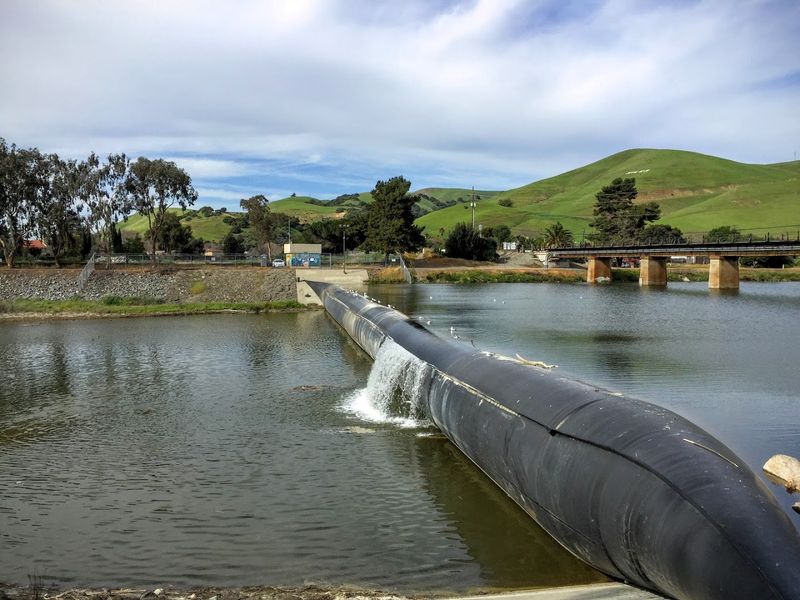
Running alongside the train route for much of its length, Alameda Creek adds a consistent and calming visual element that anchors the canyon experience.
The creek moves at varying speeds depending on the season, and its presence makes the canyon feel genuinely alive rather than simply scenic.
In wetter months, the water level rises and the sound becomes audible even from inside the train cars.
The combination of water, rock, and vegetation creates a layered visual texture that changes with the light throughout the day.
Morning rides catch a softer quality of light along the creek while afternoon departures tend to produce more contrast between sunlit water and shaded canyon walls.
Neither is objectively better, but each offers a slightly different visual experience of the same geography.
Old railroad infrastructure like curves and small bridges also appears along the route, and these elements frame the creek views in ways that feel compositionally satisfying without being deliberately arranged.
The tracks follow the natural path of the canyon, which means the creek appears and disappears from view as the train moves through curves.
That rhythm of reveal and concealment keeps the scenery engaging across the full length of the ride rather than presenting everything at once.
Holiday Train Of Lights Marks The Festive Season
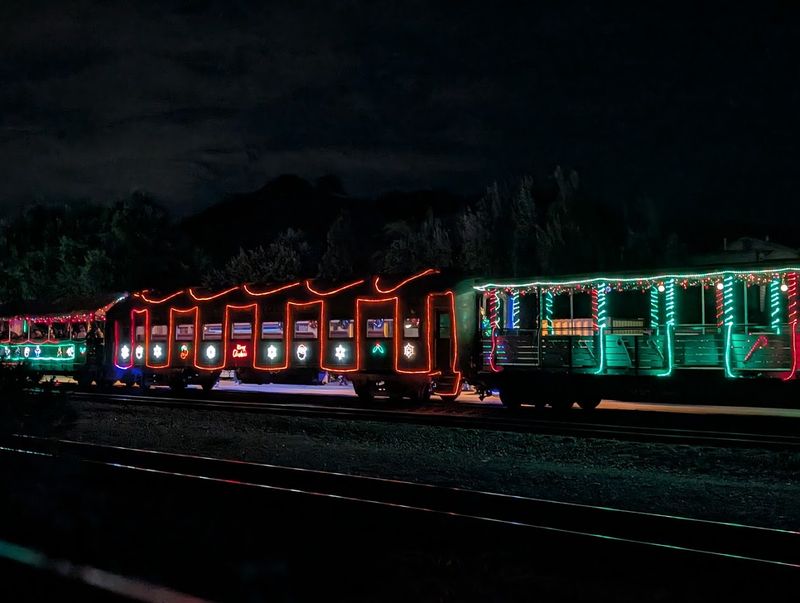
Toward the end of the year, Niles Canyon Railway transforms into something entirely different from its warm-season excursions.
The Holiday Train of Lights runs in the weeks leading up to the winter holidays and draws significantly larger crowds than the regular season rides.
Decorated trains travel through the darkened canyon with lights illuminating the cars and the surrounding trees, creating an atmosphere that is both festive and surprisingly atmospheric.
The nighttime setting changes the character of the canyon route in ways that daylight rides cannot replicate.
Without the visual context of the surrounding hills, the experience becomes more intimate and focused on the immediate environment of the train and the lights.
Families with young children tend to find the holiday version of the ride especially engaging, and the decorated cars add a celebratory quality that differs completely from the historical tone of regular excursions.
Tickets for the Holiday Train of Lights sell out well in advance most years, which makes early planning essential for anyone hoping to attend.
The railway releases its holiday schedule seasonally, and checking for ticket availability as soon as dates are announced tends to be the most reliable strategy.
The experience is distinct enough from the regular season rides that longtime passengers often treat it as a separate annual tradition.
Family-Friendly Ride
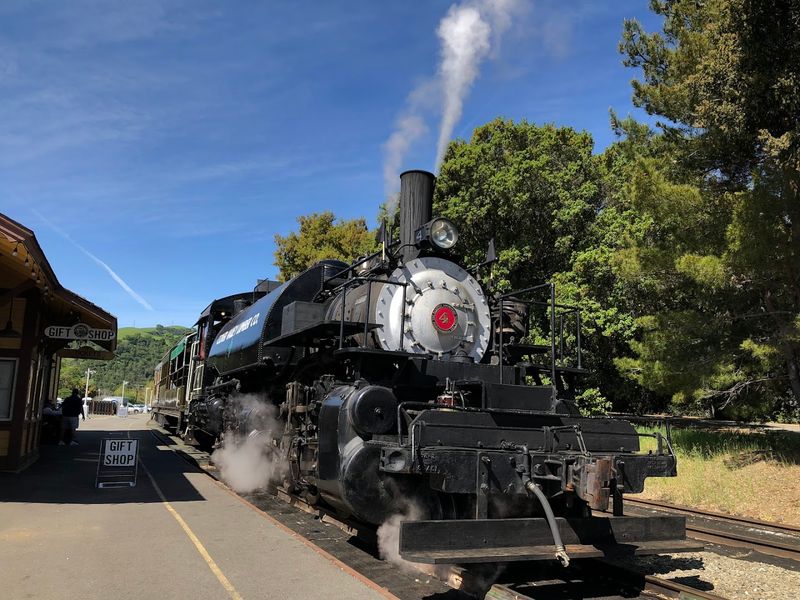
The pacing of a Niles Canyon Railway excursion suits families in a way that many attractions simply do not.
The ride is unhurried, the scenery provides natural entertainment, and the vintage equipment gives children something genuinely interesting to observe without requiring screens or structured programming.
Younger passengers often find the mechanical aspects of the train as engaging as the canyon views.
The 30 to 45 minute window before departure allows time for kids to look around the depot area, ask questions, and get settled before the train begins moving.
That buffer reduces the rushed feeling that can make outings with young children more stressful than enjoyable.
The open-air sections of some cars allow for a more sensory experience, with canyon air and sound more present than in enclosed coaches.
Passengers who want a more sheltered ride can choose enclosed cars depending on availability.
The overall accessibility of the experience, from the short drive from much of the Bay Area to the manageable ride length, makes Niles Canyon Railway a practical choice for families.