You Can Float Through North America’s Deepest Canyon In Idaho This Spring And Most People Don’t Know
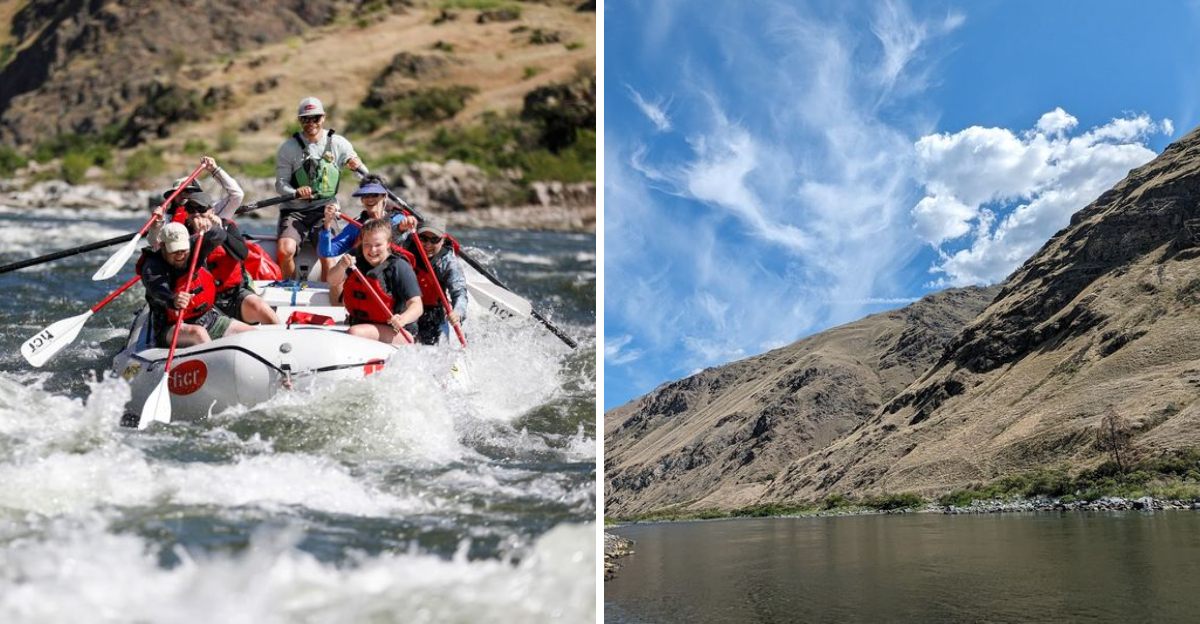
Spring wakes the river, and a float trip through Idaho starts sounding like nature built an oversized hallway with a very dramatic ceiling.
Canyon walls rise around the water while everyone in the raft pretends to be calm enough for a place that clearly enjoys showing off.
North America’s deepest river gorge does not exactly whisper for attention. It booms.
Guides handle the rapids, cameras keep appearing, and the canyon makes people look tiny in the funniest possible way.
Travelers who usually speed past this border country might want to check the map before missing Idaho’s wildest spring ride..
North America’s Deepest Canyon
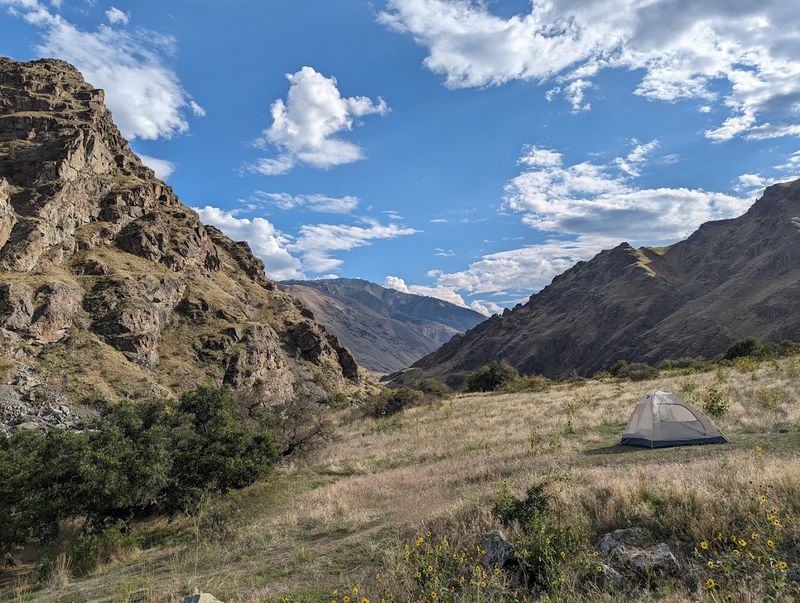
Few landscapes in the country make visitors feel as small as Hells Canyon. Carved by the Snake River along the Idaho-Oregon border, this massive gorge drops deeper than any other river canyon in North America, creating a rugged wilderness of basalt cliffs, remote slopes, powerful water, and views that feel almost impossible to measure from the river below.
The U.S. Forest Service describes Hells Canyon National Recreation Area as a 652,488-acre showcase with world-class whitewater boating, spectacular mountain peaks, remote wilderness, hiking, horseback riding, and diverse wildlife, which gives the place far more range than a single scenic viewpoint can capture.
Floating through the canyon puts that scale in motion. Instead of standing above the gorge and looking down, travelers ride between its walls while the Snake River does the storytelling.
Every bend reveals another stretch of cliff, another shadowed canyon wall, or another open view where the landscape seems to keep expanding. Idaho has plenty of dramatic outdoor destinations, but Hells Canyon feels different because it remains raw, remote, and less crowded than more famous western landmarks.
Spring makes that remoteness especially appealing before peak summer traffic arrives.
The Snake River Float Experience
River travel through Hells Canyon feels like a mix of adventure, silence, scenery, and adrenaline. Calm stretches give floaters time to look up at the canyon walls, watch birds ride thermals overhead, and absorb the scale of the gorge without rushing.
Then the river shifts, rapids build, and the trip suddenly becomes a whitewater experience shaped by fast current, rocks, waves, and guide commands. First-time visitors should strongly consider a licensed outfitter because the Snake River inside Hells Canyon is powerful, remote, and much easier to appreciate when trained guides handle navigation and safety.
One-day trips work well for travelers who want a concentrated taste of the canyon, while multi-day expeditions offer deeper access to historic sites, campsites, side hikes, and quieter river moments. Outfitters such as Momentum River Expeditions describe spring Snake River trips through Hells Canyon as higher-flow and more adventurous than summer trips, while summer tends to bring longer days and somewhat mellower whitewater.
That seasonal contrast makes spring especially exciting for visitors who want energy on the water without waiting for the busiest part of the rafting season. It is not a lazy float, but that is exactly why people remember it.
Hells Canyon Adventures Outfitter
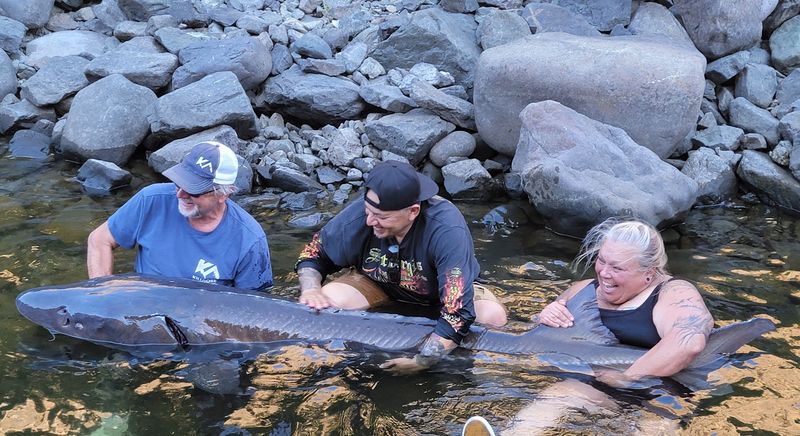
Professional outfitters make Hells Canyon far more approachable for travelers who want the thrill without guessing their way through one of the West’s most powerful river corridors. Hells Canyon Adventures is one of the long-running names associated with this region, offering river experiences that include whitewater, fishing, and canyon travel on the Snake River.
Their trips are based near the Hells Canyon Dam and Oxbow area, where the canyon’s river access becomes the gateway to some of its most dramatic scenery. A guided rafting trip lets guests focus on the experience instead of worrying about routes, water levels, safety gear, permits, or difficult logistics.
Guides read the water, explain canyon history, point out wildlife, and help guests understand why this river has such a strong reputation among whitewater travelers. Some trips include jet boat support or return transportation, depending on the outfitter and itinerary, which can make a remote canyon day much easier to manage.
Booking early is important for spring because weather, river flows, and limited trip capacity all affect availability. For anyone visiting Idaho or eastern Oregon in 2026, using an experienced outfitter is the smartest way to turn Hells Canyon from an intimidating wilderness into a manageable adventure.
Spring Season On The River
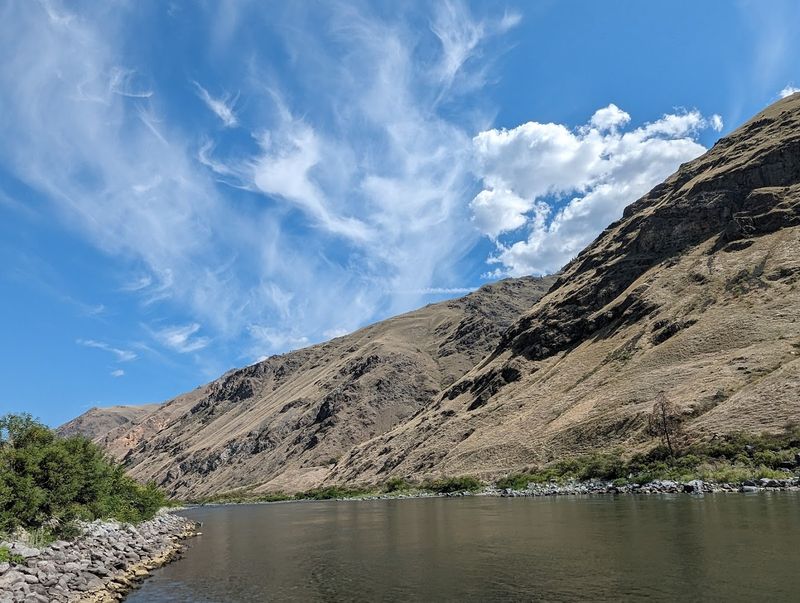
Spring gives Hells Canyon a special kind of energy. Snowmelt feeds the Snake River, hillsides begin to brighten, wildflowers can appear in the canyon country, and temperatures are often more comfortable than the heat that arrives later in the season.
Rafting companies commonly describe spring trips as stronger, higher-water adventures, which can make the river feel especially alive for guided guests who want excitement along with scenery. Wildlife activity also adds to the season’s appeal.
Bighorn sheep, deer, raptors, and other canyon residents may be easier to spot when the landscape is active and the weather is mild enough for long stretches outside. Spring also tends to feel less crowded than peak summer, giving travelers more of the remote, hard-to-reach atmosphere that makes Hells Canyon so compelling.
Conditions can still change quickly, so layers matter. Morning air may feel cool, river spray can be chilly, and sunny afternoon sections may warm up fast.
A spring float rewards preparation, flexibility, and a willingness to let the river set the pace. For travelers who want Idaho’s canyon country before the biggest summer rush, April, May, and early-season guided dates can feel like the sweet spot.
Hells Canyon Creek Visitor Center
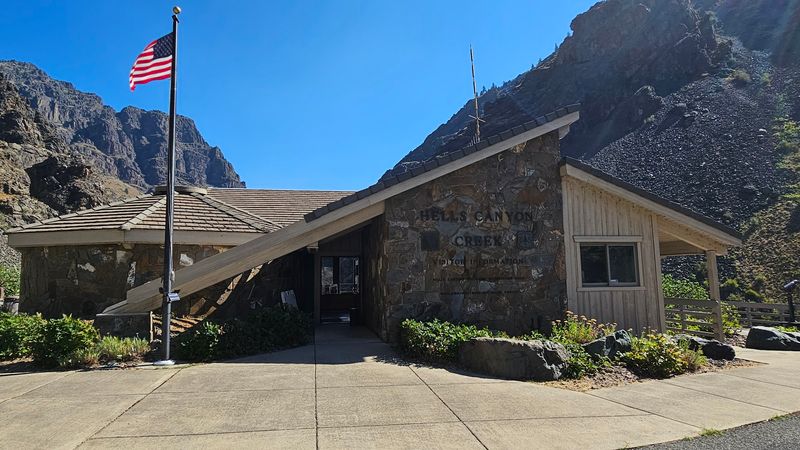
A stop at Hells Canyon Creek Visitor Center helps ground the adventure before travelers head onto the water. The Forest Service notes that the visitor center includes indoor interpretive exhibits and programs, operates seasonally from spring through late summer, and has outdoor displays available year-round.
The facility and nearby boat launch are managed in partnership with Idaho Power, which makes this area an important access point for river travelers heading into the canyon. Current Forest Service information lists the Hells Canyon Creek Visitor Center and Boat Launch at 4200 Hells Canyon Dam Road, Oxbow, OR 97840, with office contact information available through the agency.
Before a guided float, this stop gives visitors a chance to orient themselves, learn more about the canyon’s geology, ecology, history, and recreation rules, and understand the remoteness of the landscape they are about to enter. Exhibits help explain why Hells Canyon is more than a pretty backdrop.
It is a working river corridor, a wilderness gateway, a wildlife habitat, and a place with deep human and geological history. Hours can vary by season, so checking current information before building a trip around the visitor center is always wise.
Whitewater Rapids Of The Gorge
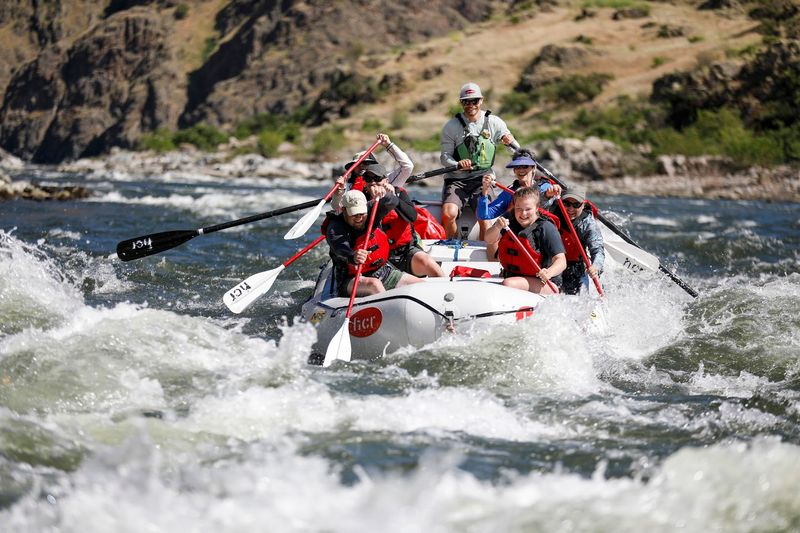
Anyone expecting a lazy river float through Hells Canyon will be pleasantly surprised by what the Snake River actually delivers. The gorge contains some of the most challenging whitewater in the Pacific Northwest, with rapids ranging from Class III to Class V depending on water levels and the specific stretch of river being run.
Wild Sheep Rapid and Granite Creek Rapid are two of the most well-known stretches, drawing experienced paddlers from across the country who want to test their skills against powerful, technical water. For guided guests, these same rapids become exhilarating highlights rather than intimidating obstacles, thanks to the expertise of trained river guides.
Safety briefings before every trip cover essential paddling techniques, what to do if you exit the raft, and how to read the river during the journey. Guides carry rescue equipment and are trained in swift-water safety protocols.
The combination of professional guidance and raw natural power makes every rapid in the canyon feel like a genuine accomplishment worth celebrating.
Wildlife Along The Canyon Walls
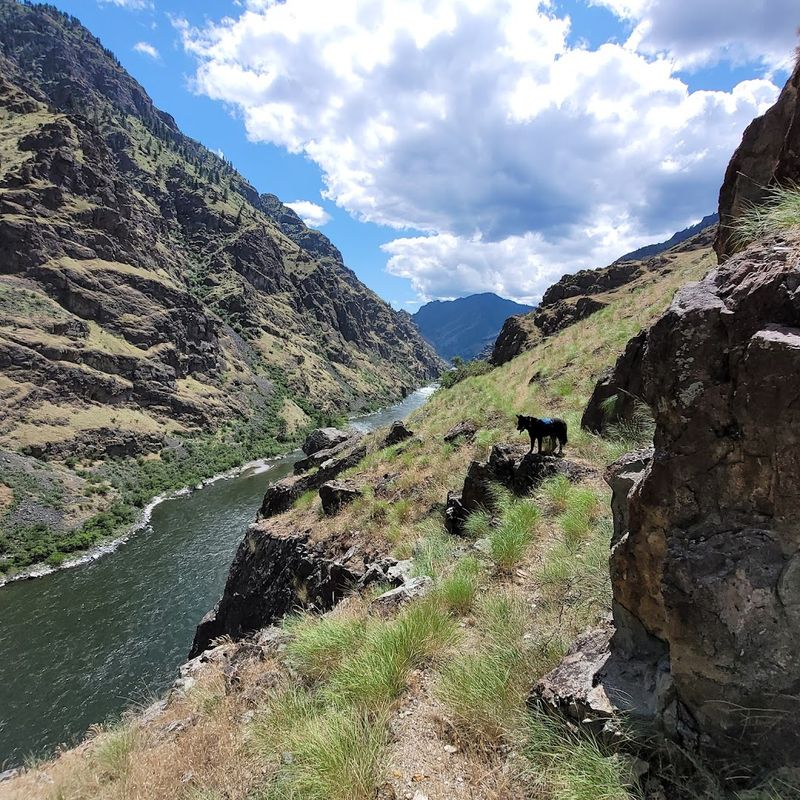
Wildlife viewing can turn a Hells Canyon float into something much richer than a rafting trip. The Forest Service highlights the area’s diverse and abundant wildlife, and the canyon’s dramatic elevation changes create habitat for animals that thrive on cliffs, riverbanks, brushy slopes, and open sky.
Bighorn sheep are among the most exciting animals to spot because they move across steep rock faces with a confidence that looks almost unreal from the water below. Raptors often circle overhead, using canyon thermals to glide above the Snake River.
Deer may appear near vegetated banks, and river otters or other small animals can show up when the water calms enough for careful watching. Guides often know where wildlife sightings are most likely, which gives guests a better chance of noticing movement they might otherwise miss.
Binoculars are worth packing if the outfitter allows them in a dry bag, especially for birds and animals high on the canyon walls. Spring can be especially rewarding because wildlife activity increases as temperatures rise and vegetation returns.
Even when no major animal sighting happens, the canyon still feels alive through birdsong, moving water, and the constant sense of wildness around every bend.
Camping Inside The Canyon
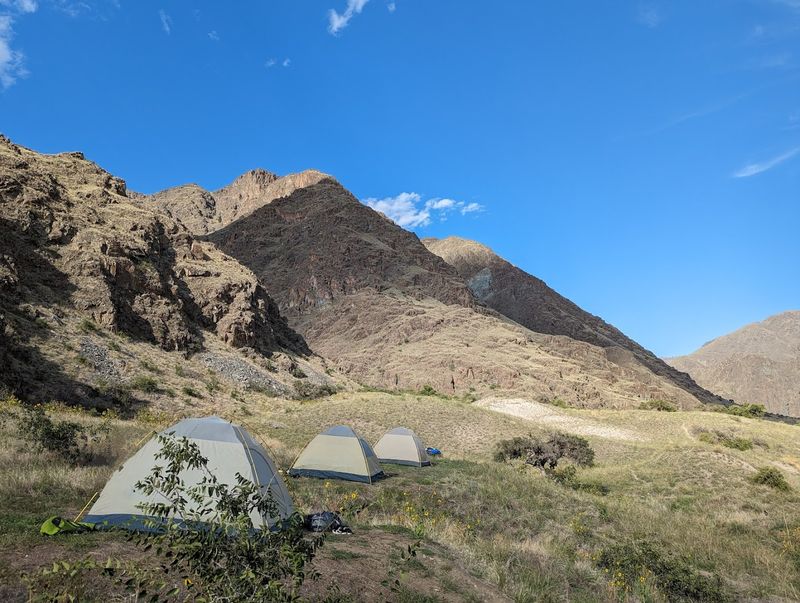
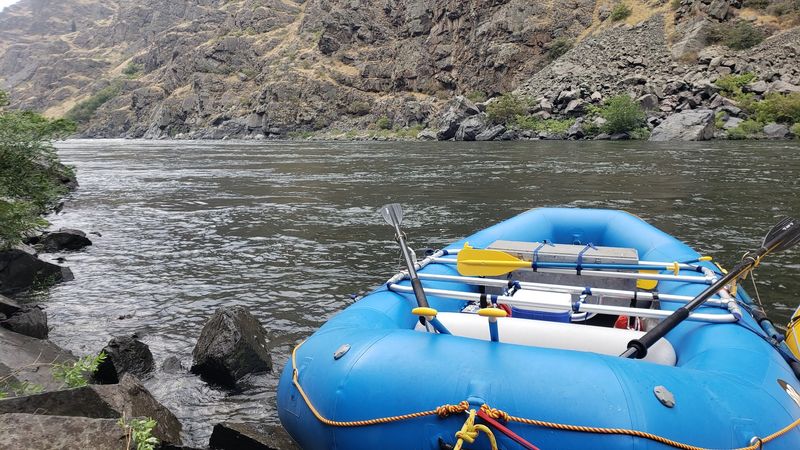
Multi-day rafting trips reveal a slower, deeper version of Hells Canyon. Instead of leaving after one day on the water, guests camp along the river corridor and wake up inside a landscape most travelers only glimpse from viewpoints.
Outfitters often manage camp logistics, meals, gear transport, and safety details, allowing guests to focus on the river, the stars, and the canyon’s changing light. Overnight travel also opens the door to side hikes, historic sites, quieter beaches, and long evenings where the river becomes the only soundtrack.
Permits and regulations matter here. Visit North Central Idaho notes that permits are required year-round for all non-commercial floaters and powerboaters on the Snake River within Hells Canyon National Recreation Area, with Forest Service reservations and trip permits required during the primary river season for specific launch locations.
Guided commercial trips typically handle the necessary framework, which is another reason first-timers benefit from booking with a licensed outfitter. Canyon camping is not about luxury, but it can feel deeply comfortable in its own way: a sandy bank, a good meal, dark skies, and enormous walls rising above the river.
For many visitors, sleeping inside the canyon becomes the memory that lasts longest.
Planning Your Canyon Float Trip
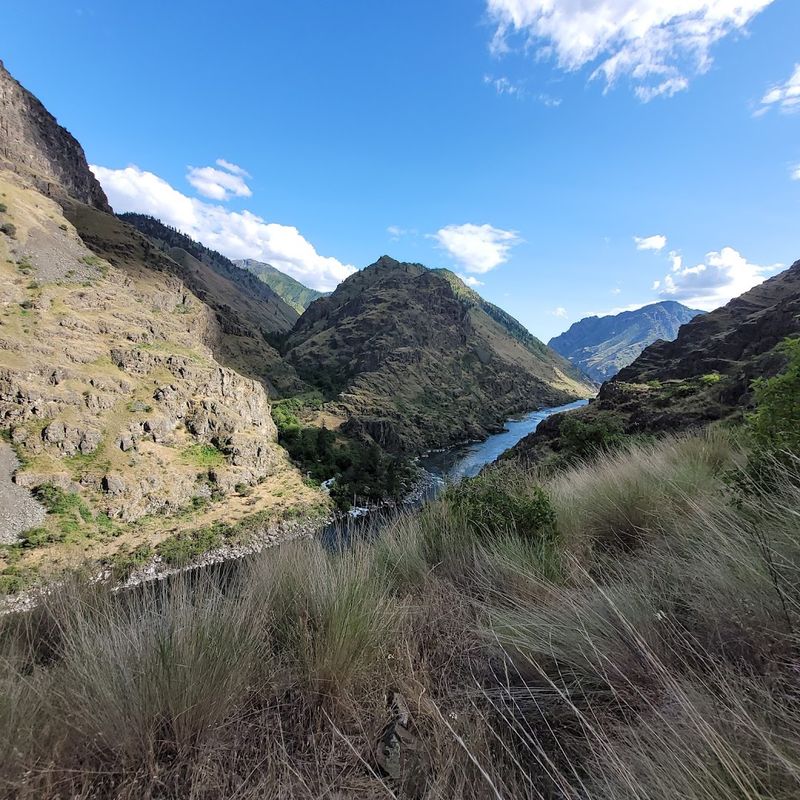
Getting to Hells Canyon requires a bit of planning, but the effort pays off the moment you see the river for the first time. The most accessible launch point for guided trips is near the Hells Canyon Dam area close to Oxbow, a remote location that sits on the Idaho-Oregon border and serves as the gateway to the canyon’s most dramatic stretches.
Most travelers fly into Boise, Idaho, rent a vehicle, and make the scenic drive northeast toward the canyon. The drive itself passes through rolling high desert, small ranching towns, and forested mountain passes that hint at the wilderness waiting ahead.
Booking a guided trip through a licensed outfitter at least several weeks in advance is strongly recommended, particularly for spring dates.
Pack layers because canyon temperatures can shift dramatically between morning and afternoon. Sun protection, sturdy footwear, and a dry bag for valuables are essential items for any river day.
The canyon rewards preparation with an adventure that is genuinely hard to match anywhere else in the American West, making every bit of planning completely worthwhile.