This Quiet Florida Park Feels Even More Magical Thanks To Its Wild Horses
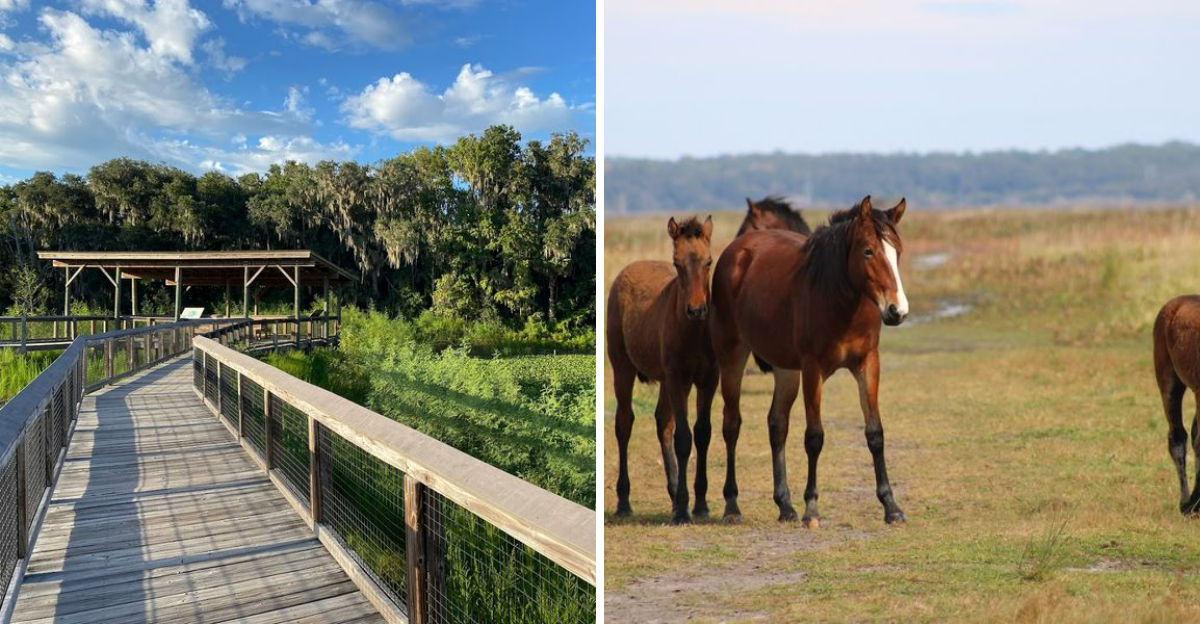
Nobody warned me. One moment I was driving through central Florida, and the next I had slammed on the brakes, hands frozen on the wheel.
Wild horses were crossing the road. Not a farm.
Not a ranch. Just horses, unbothered, moving through an ancient landscape like they owned it, because honestly, they do.
This state park holds one of the most quietly spectacular wildlife scenes in the entire country, and almost nobody talks about it. The state has preserved something here that most people assume no longer exists in Florida: raw, untouched wilderness with animals roaming completely free.
I had driven past the entrance before without stopping. That was a mistake I will not make twice.
The Wild Florida Cracker Horses
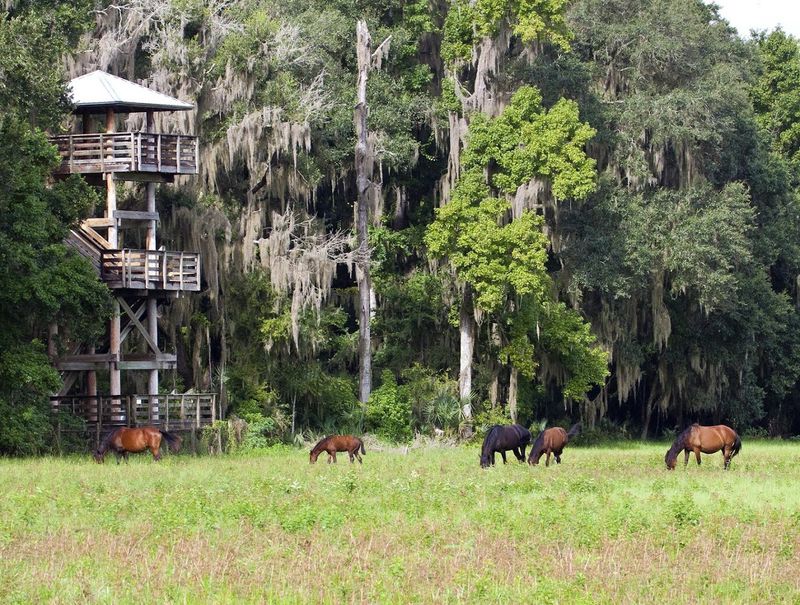
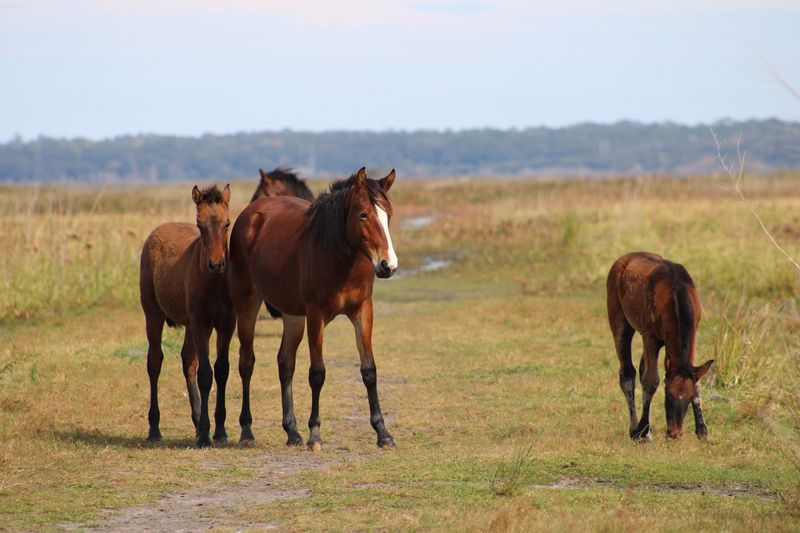
Nothing prepares you for the moment you spot a horse grazing freely in the open prairie. These are Cracker Horses, descendants of animals brought to the region by Spanish explorers in the 1500s.
They were left behind and gradually adapted to the landscape over generations.
Six horses were reintroduced to the preserve back in 1985. The herd today numbers around 30, and every one of them is a direct descendant of that original group.
In 2008, the Cracker Horse became the official state horse.
Spotting them feels genuinely thrilling. They stand between 54 and 60 inches tall and weigh up to 1,000 pounds.
They move with a quiet confidence that feels ancient. Bring binoculars because the prairie is vast and sightings are never guaranteed.
The Bolen Bluff Trail and the observation tower near the visitor center are your best bets for catching a glimpse.
The preserve sits at 100 Savannah Blvd, Micanopy, FL 32667, easy to find and well worth the drive from wherever you are starting.
The 21,000-Acre Savanna You Never Knew Existed
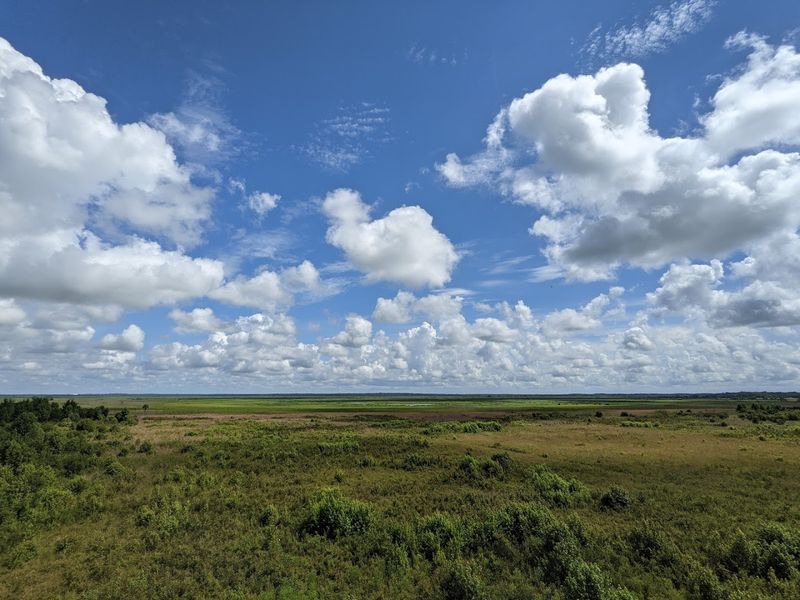
Most people drive past this place without a second glance. That is their loss, because what lies beyond the entrance gate is one of the most unusual natural landscapes in the entire state.
Paynes Prairie covers between 21,000 and 23,000 acres of open savanna.
It was designated as the state’s first preserve back in 1971. Just three years later, in 1974, it earned recognition as a U.S.
National Natural Landmark. That is not a small deal.
The park sits between Micanopy and Gainesville in Alachua County.
The scale of the prairie is hard to grasp until you are standing in it. Flat, wide, and stretching toward every horizon, it feels nothing like the beach-and-theme-park version of the state most visitors expect.
This part of the state carries a rawness that feels completely different.
The 50-Foot Observation Tower With Panoramic Views
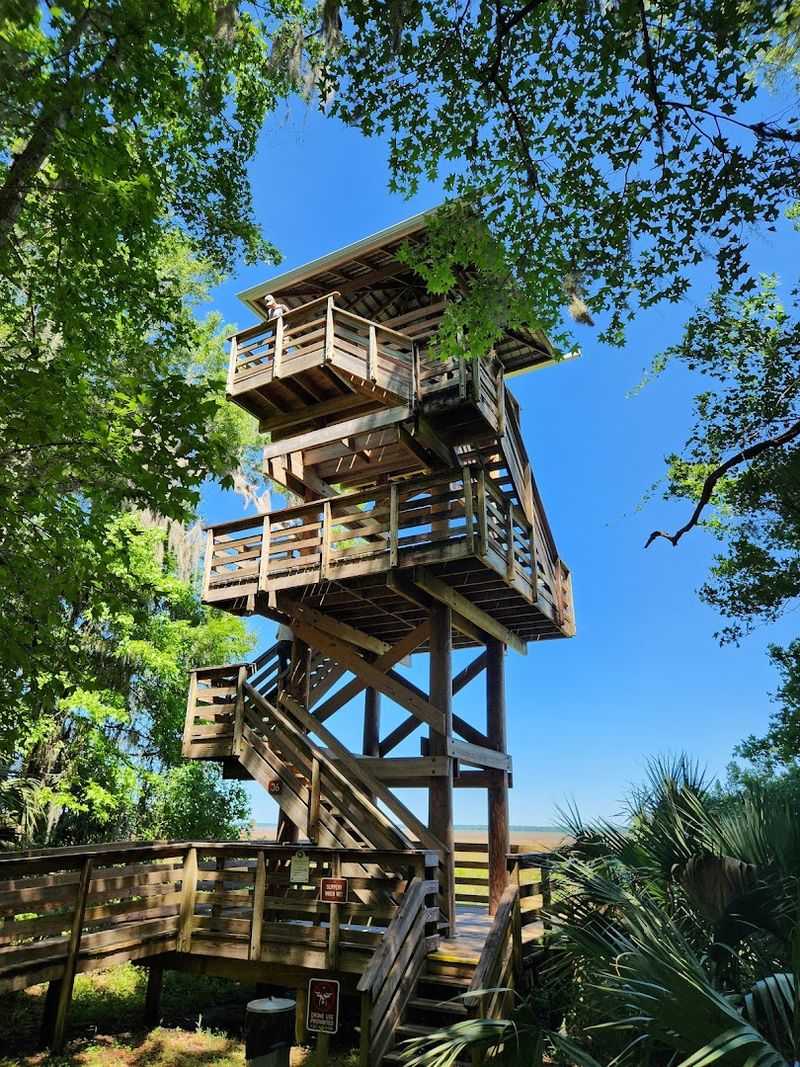
Climb fifty feet above the Florida landscape and suddenly everything makes sense. The prairie spreads out in every direction, and on a good day you can spot horses, bison, and birds all from the same vantage point.
Early morning and late afternoon offer the best light for photography.
The tower is located near the visitor center, making it an easy first stop when you arrive. Rangers at the visitor center can point you toward recent sightings and give you a trail map.
That map matters more than you think because the park is enormous.
Even if you never set foot on a trail, the tower alone makes the trip worthwhile. The drive up to the tower is beautiful on its own, with tree branches arching over both sides of the road.
Pack your binoculars because the horses and bison can appear as small dots in the distance without them. The tower is well-constructed, sturdy, and accessible for most visitors.
The Trail System That Suits Every Kind Of Visitor
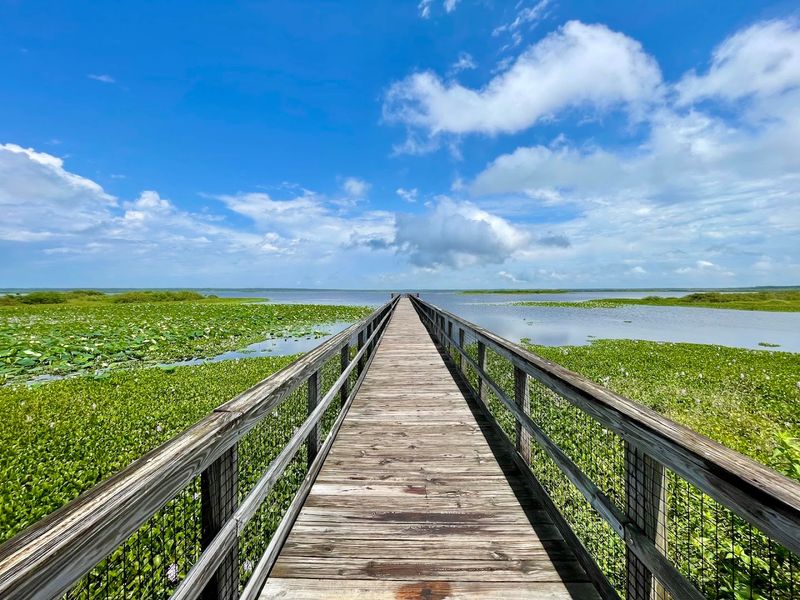
The trails here do not ask much of you, but they give back considerably. The paths are wide, mostly flat, and well-maintained throughout the preserve.
Signage is clear, which matters a lot when you are navigating 22,000 acres of terrain.
Trail 1 near the visitor center is a favorite for first-timers. Trail 5 has earned a reputation for wild horse sightings, including sandhill cranes.
Trail 7 is the longer, more immersive option that takes you deep into the prairie through woodland before opening into a wide clearing. That walk is about 40 minutes each way, so plan accordingly.
The La Chua Trail is another standout, especially for wildlife photographers. Bring water no matter which trail you choose.
Most paths are fully exposed to sun, and the heat in this part of the state is not something to underestimate. Comfortable shoes, sunscreen, a hat, and a decent pair of binoculars will make any trail here significantly more enjoyable.
The trails are also suitable for biking.
Over 270 Species Of Birds In One Park
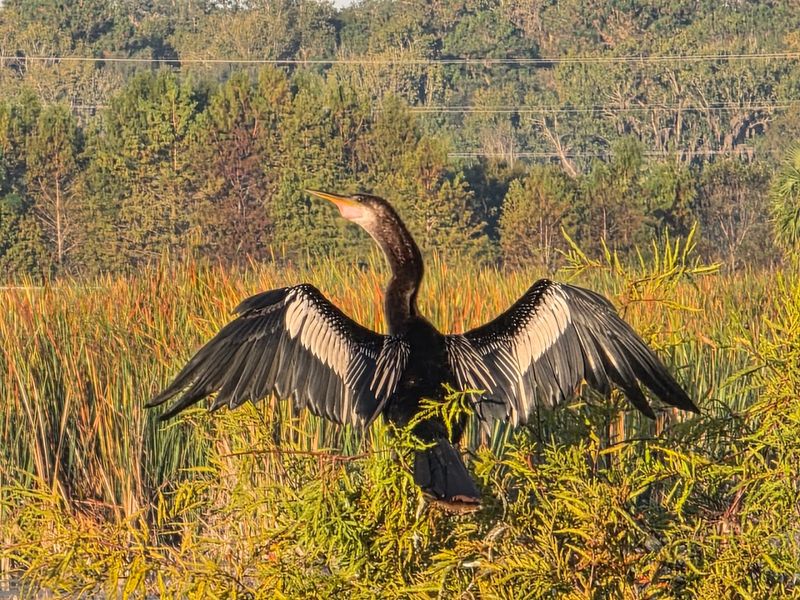
Bird watchers, this place will rearrange your life priorities. Paynes Prairie hosts over 270 to 300 species of birds, making it one of the most diverse birding spots in the entire region.
Sandhill cranes are frequently spotted on Trail 5, often standing calmly in the open grass as if posing for a photo.
Bald eagles have also been confirmed at the preserve, which adds another layer of excitement to any visit. The mix of wetland, woodland, and open savanna creates multiple habitat types in one location.
That variety is what draws such an extraordinary range of species.
Early morning visits are strongly recommended for the best birding experience. The light is softer, the air is cooler, and the birds are most active.
A pair of binoculars or a spotting scope will dramatically improve what you see. Even casual visitors with zero birding experience tend to leave genuinely amazed.
The sheer number of species visible in a single outing here is something that few state parks deliver in quite the same way.
Wild Bison Roaming The Prairie
Bison in Florida sounds like a punchline, but it is absolutely real. The American bison that roam Paynes Prairie are a genuine spectacle.
Seeing one of these massive animals moving through open grassland triggers a reaction that is hard to describe. It feels like the American West dropped into the heart of the South.
The best spot for bison sightings is reportedly the Ecopassage Observation Boardwalk right off US Highway 441. Multiple visitors have confirmed seeing the herd there, sometimes in impressive numbers.
Hot weather can push them further into the prairie, so cooler months offer better chances.
Bison sightings are never guaranteed, and that is part of what makes the experience feel real. This is not a zoo.
These animals live on their own terms across thousands of open acres. Come patient, come prepared, and come with good optics.
The reward is a sighting that will stay with you for a long time. Seeing bison and horses in the same visit is an experience that feels almost unbelievable.
Wildlife Encounters Beyond The Horses And Bison
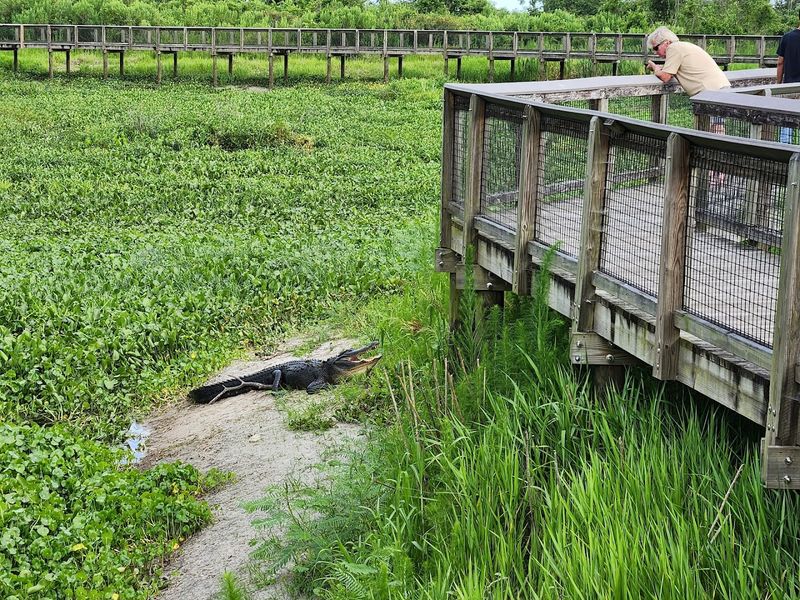
The horses and bison get all the headlines, but the supporting cast at this park is equally impressive. Alligators are a regular presence on and near the trails, and the visitor center staff can tell you exactly where recent sightings have occurred.
Knowing where to look makes a real difference.
Armadillos pop up along the wooded sections of several trails, shuffling through the underbrush with complete indifference to human observers. Deer appear frequently in the early morning hours.
The variety of wildlife packed into this preserve is genuinely staggering for a single visit.
Stay on marked trails and keep a respectful distance from all animals. This is their home, and the rules exist for good reason.
Rangers are knowledgeable and approachable, so do not hesitate to ask questions before heading out. The visitor center has displays that help orient first-time visitors to what they might encounter.
Coming in with some basic knowledge of the wildlife makes the experience feel richer and more intentional.
Camping Under The Trees At The Preserve
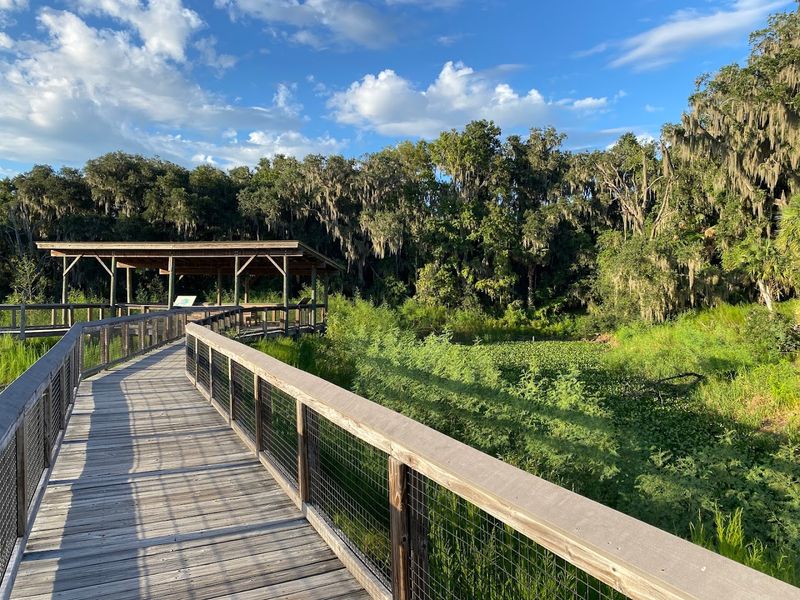
Spending a night at Paynes Prairie changes the experience completely. The campground sits in a forested section of the park, surrounded by tall trees that give each site a sense of privacy.
The roads through the campground are paved, and the sites are gravel-leveled, which makes setup easy for most campers.
Each site comes with a fire ring, electricity, and water hookups. The bathhouse facilities are clean, well-stocked with hooks, and maintained daily.
Firewood is available for purchase near the ranger station, so you do not need to haul your own.
Waking up inside the preserve means you can hit the trails before the day-use crowds arrive. Early morning in the prairie has a stillness that is hard to find anywhere else.
The park opens at 8 AM daily and closes at 8:45 PM, so plan your arrival accordingly.
Tent sites with walk-in access are available for those who want a more secluded setup. Camping here is a genuinely special experience.
Why Visitors Keep Coming Back To This Prairie Preserve
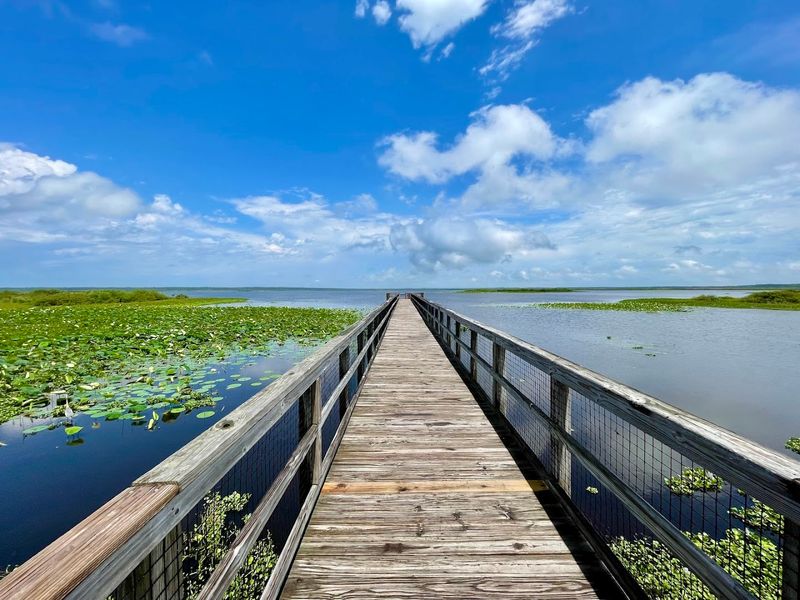
Six dollars. That is the entry fee per vehicle, making this one of the best value outdoor experiences anywhere in the country.
For what the park delivers, it borders on absurd.
The visitor center is clean, informative, and staffed by people who genuinely know the park. Trail maps are available there, and the staff can point you toward the best spots based on recent wildlife activity.
That kind of local knowledge beats any app.
The park is open daily from 8 a.m. until sundown, giving you plenty of time to explore at your own pace.
Come for an hour or camp for four nights, the preserve rewards curiosity either way. Every trail offers something different, and no two visits feel exactly the same.
That consistency is exactly why people keep coming back.