One Of Arizona’s Most Beautiful Gardens Is Hiding In The Middle Of The Desert
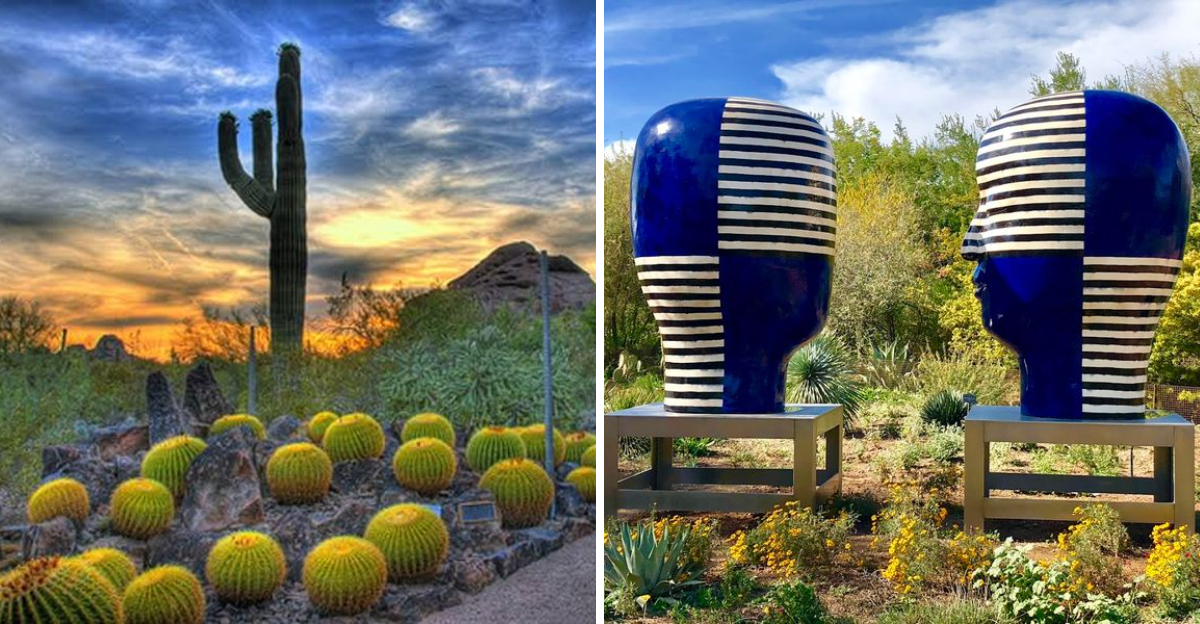
Deserts have a reputation problem. People hear the word and picture flat, beige, relentless sameness stretching toward a horizon that never gets any closer.
I was one of those people, right up until Arizona decided to prove me spectacularly wrong on a Tuesday afternoon when I had nothing better planned than a casual drive and a vague sense of direction.
I almost did not stop. The sign caught my eye at the last possible second, the way the best discoveries always do, and something made me turn the wheel anyway.
What followed quietly reset my entire understanding of what a landscape can actually do. Colors I did not know existed in nature.
Formations that looked almost computer-generated.
Light behaving in ways that made me reach for my camera before I had even properly processed what I was looking at.
The Southwest has been holding this one close for too long. Consider this your invitation.
Where The Desert Becomes A Living Work Of Art
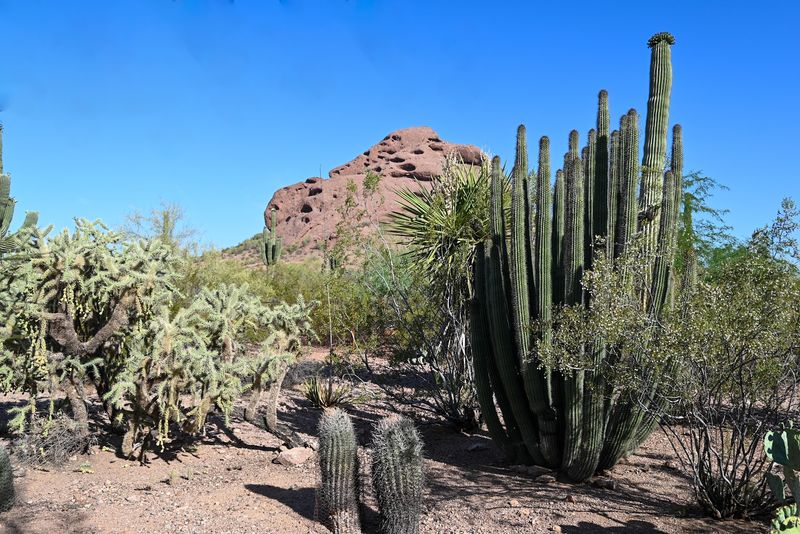
The Desert Botanical Garden is the kind of place that makes you stop mid-step just to look around.
Opened in 1939, it sits on 140 acres inside Papago Park and holds one of the world’s finest collections of desert plants.
Over 50,000 plants representing more than 4,000 species live here, including a remarkable number of rare and threatened species.
Walking through the main entry, the scale hits you immediately. Towering saguaro cacti line the paths like quiet sentinels, some of them over 150 years old.
The garden is not a museum behind glass.
It is alive, buzzing with pollinators, and constantly changing with the seasons.
Spring brings an explosion of wildflower color that feels almost theatrical against the rust-colored Papago Buttes in the background.
The garden at 1201 N Galvin Pkwy, Phoenix, Arizona is open year-round, and each season offers something completely different. Admission is reasonably priced and worth every cent for what you get to experience.
The Plants Of The Sonoran Desert Trail
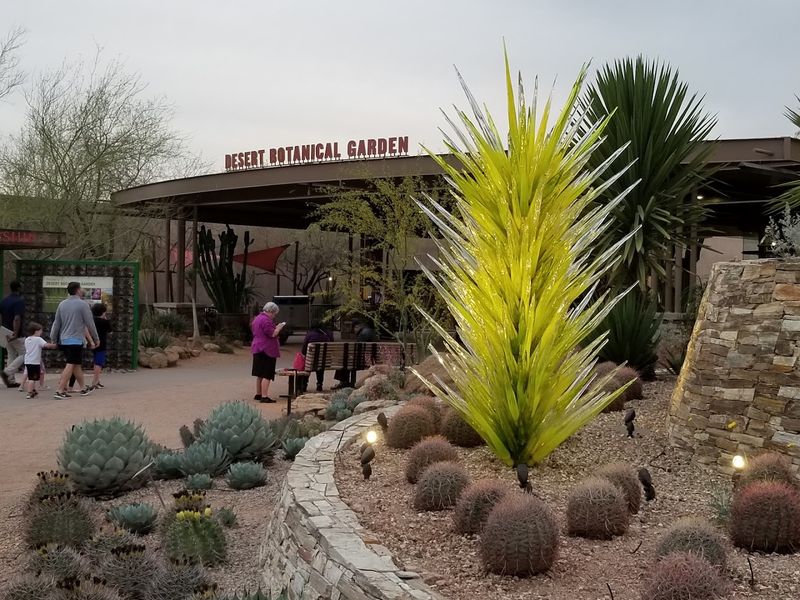
Most people walk a trail and see plants. This trail makes you feel like you are reading a story told in thorns and blooms.
The Plants of the Sonoran Desert Trail is the garden’s flagship loop, and it is where first-time visitors tend to spend most of their time without even realizing it.
The trail covers about half a mile and winds through dense groupings of native Sonoran Desert vegetation.
Interpretive signs along the way explain the ecological relationships between plants, animals, and the landscape.
You will learn why a saguaro takes 75 years to grow its first arm and why that matters to the entire desert food web.
The signage is clear without being overwhelming, which makes this trail genuinely educational for kids and adults alike.
I overheard a child correctly identify a prickly pear cactus to her parent, clearly proud of herself, and honestly, I was impressed too.
The trail surface is paved and accessible, so it works for strollers and wheelchairs without losing any of its charm.
The Cactus And Succulent Collection That Will Surprise You
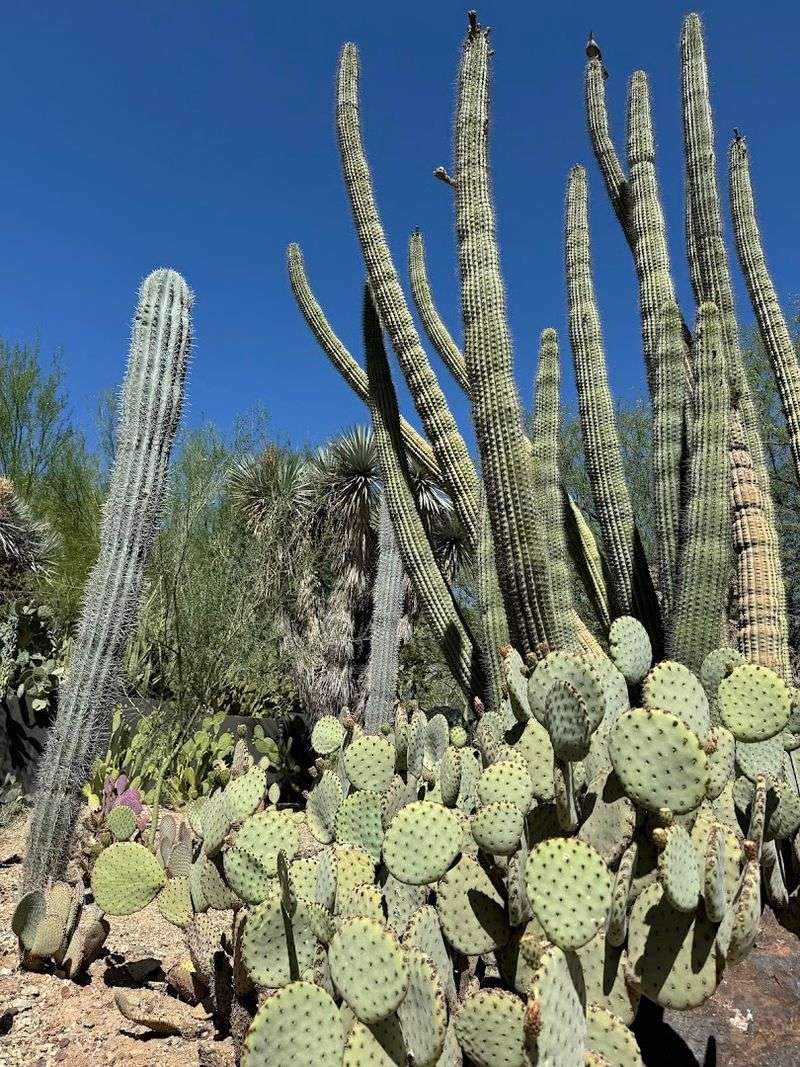
Nobody warned me that I would spend forty minutes photographing succulents and feel completely justified about it.
The cactus and succulent collection at the Desert Botanical Garden is one of the most comprehensive in the entire country, featuring specimens from deserts across North and South America, Africa, and beyond.
You will find plants here that look like they belong in a science fiction film.
Barrel cacti the size of washing machines, agaves with leaves like blue-green swords, and euphorbias from Africa that look almost identical to American cacti but are not related at all.
That convergent evolution detail alone is worth the visit.
The collection is thoughtfully arranged so you can compare plant families from different continents side by side. Serious plant enthusiasts will want extra time here.
Casual visitors will still find themselves pausing far longer than expected.
Bring a camera with a decent zoom because some of the most dramatic specimens are set back from the path in naturalistic groupings that reward a closer look.
A Pop-Up World That Feels Like Magic
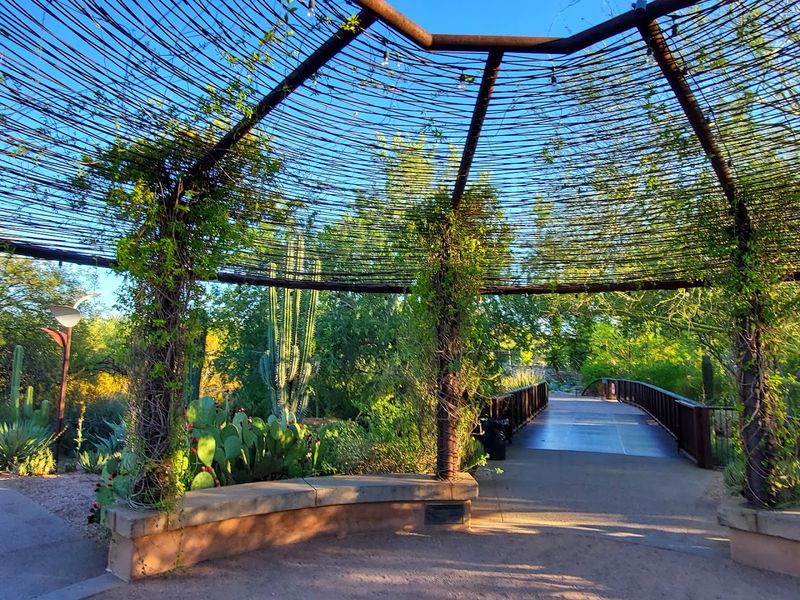
Imagine stepping through a mesh doorway and suddenly being surrounded by hundreds of free-flying butterflies.
That is the Butterfly Pavilion, and it runs seasonally at the Desert Botanical Garden, typically from late winter through early spring.
It is one of the most popular seasonal events in all of Phoenix, and the buzz around it is completely earned.
The pavilion is a large enclosed structure filled with flowering plants specifically chosen to attract and feed the butterflies.
Species include painted ladies, monarchs, swallowtails, and several others depending on the season.
Butterflies land on visitors regularly, which makes it an especially memorable experience for kids.
Timed entry tickets are required for the pavilion and sell out quickly, so booking in advance is genuinely important.
The exhibit is included with general garden admission during its run.
Even if butterflies are not your thing, the sheer visual spectacle of hundreds of them floating through a flower-filled space on a sunny Arizona afternoon is something you will not forget easily.
Plan your visit early in the morning when the butterflies are most active.
The Desert Discovery Trail For Kids Who Think They Don’t Like Nature
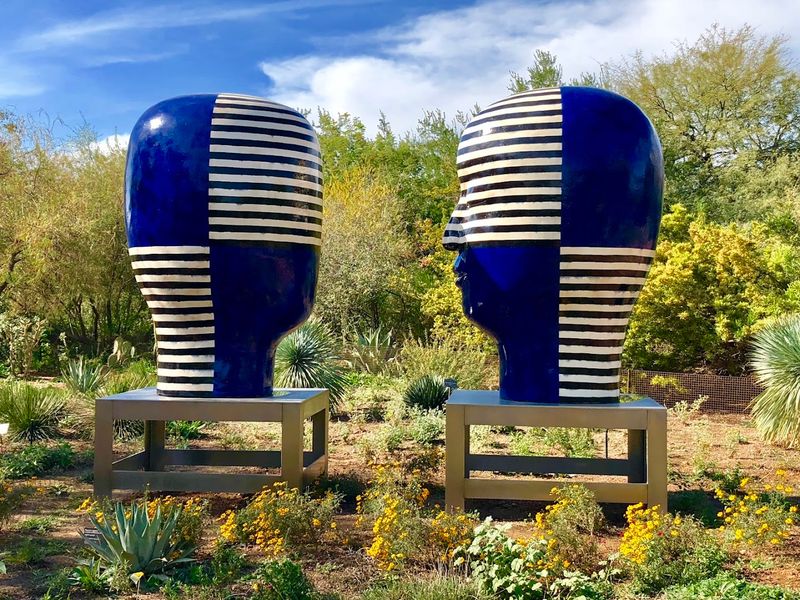
Getting a ten-year-old excited about a botanical garden sounds like a tough sell.
The Desert Discovery Trail, however, is designed specifically with young visitors in mind, and it delivers in ways that parents genuinely appreciate.
Interactive stations, sensory experiences, and hands-on learning spots are built directly into the route.
Kids are encouraged to touch certain plants, smell aromatic herbs, and look for wildlife hiding in the garden.
The trail includes a dedicated Children’s Garden area where younger visitors can dig, explore, and engage with the environment in a structured but playful way. It is messy in the best possible sense.
The educational content here is age-appropriate and genuinely fun rather than feeling like a school assignment.
Teachers and homeschooling families visit regularly because the curriculum connections are strong and the setting makes abstract science concepts feel real and immediate.
Even the most reluctant young visitor tends to warm up once they realize the desert is full of creatures, textures, and surprises that no classroom can replicate. Comfortable shoes and a water bottle are non-negotiable for this one.
The Garden After Dark
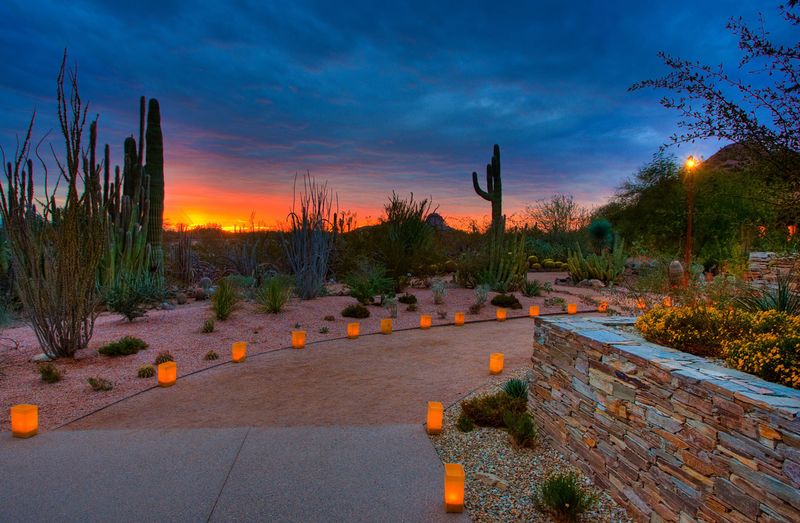
Thousands of glowing paper bag luminarias lining desert paths at night sounds almost too cinematic to be real, but Las Noches de las Luminarias makes it happen every December.
This annual event transforms the Desert Botanical Garden into something that feels genuinely otherworldly, and it has been running for decades as one of Phoenix’s most beloved holiday traditions.
The garden stays open into the evening during this event, and the paths are lit almost entirely by the warm glow of the luminarias.
Live music performances are scattered throughout the grounds, adding to the atmosphere without overwhelming the peaceful mood.
The saguaro cacti silhouetted against the night sky with soft light at their bases create a visual that is hard to describe accurately.
Tickets for Las Noches de las Luminarias sell out weeks in advance, so planning ahead is essential. Multiple nights are offered throughout December, and the experience is consistent across them.
Visiting on a weeknight tends to be less crowded than weekends. Dress warmly because Phoenix, Arizona, December nights can be surprisingly cool, and you will want to linger much longer than you planned.
The Art Installations That Change How You See The Desert
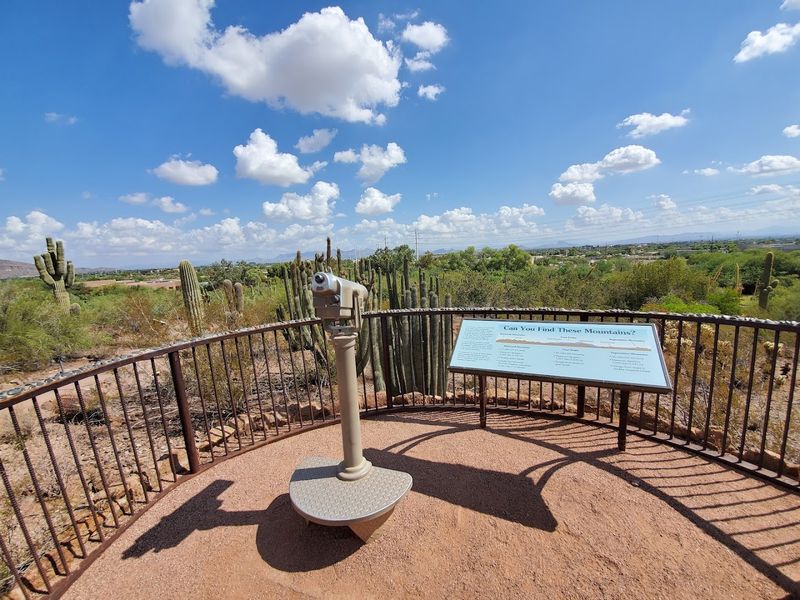
A world-class botanical garden and rotating fine art installations might seem like an unexpected combination, but the Desert Botanical Garden in Arizona pulls it off with serious style.
Throughout the year, the garden hosts major outdoor art exhibitions that place sculptures, light installations, and large-scale works directly among the desert plants.
Past exhibitions have included work by internationally recognized artists, with pieces specifically designed to interact with the natural desert environment.
The contrast between organic plant forms and carefully crafted art objects creates a visual tension that makes both the art and the plants more interesting. You end up looking at both differently than you would in isolation.
The art program adds a layer of engagement that keeps repeat visitors coming back throughout the year. Even if you have walked the trails before, a new exhibition completely changes the experience.
The garden publishes its exhibition schedule on its website well in advance, which makes trip planning straightforward.
Photography of the installations is generally permitted, and the lighting conditions in the garden during golden hour produce some genuinely spectacular results worth the effort of timing your visit carefully.
Practical Tips For Getting The Most Out Of Your Visit
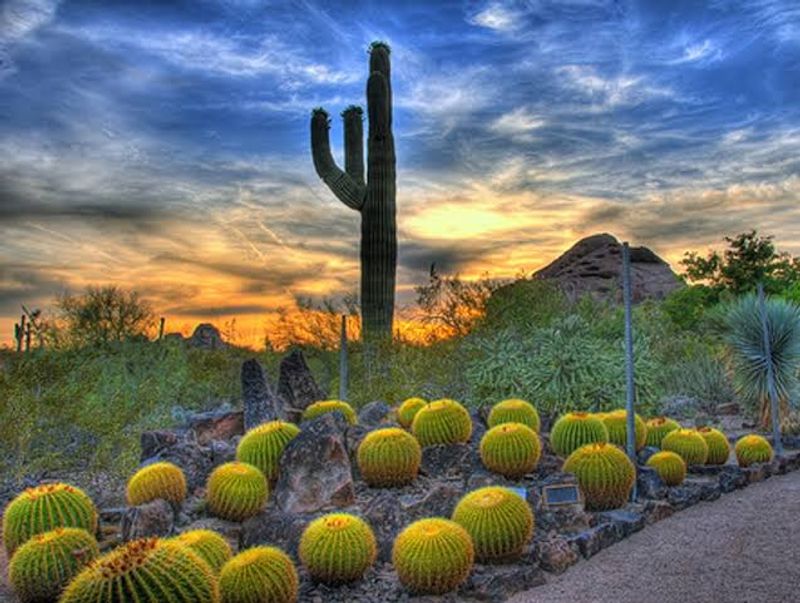
Showing up to an outdoor desert garden in July at noon without water is the kind of decision you only make once. Morning visits between 8 and 10 a.m. are significantly more comfortable and the light for photography is far better.
Parking is available on site for a fee, and the garden is accessible via Valley Metro bus routes if you prefer public transit.
The garden opens at 8 a.m. most days and closing times vary by season, so checking the website before you go is worth two minutes of your time.
Membership options are available and pay for themselves quickly if you plan to visit more than twice a year.
The on-site Gertrude’s Restaurant offers breakfast and lunch with a menu that leans heavily on local and seasonal ingredients, and the patio seating overlooking the garden is a genuinely pleasant way to end a visit.
The gift shop carries a strong selection of books, native seeds, and locally made goods. Wear sunscreen, bring more water than you think you need, and leave extra time because this place earns it.