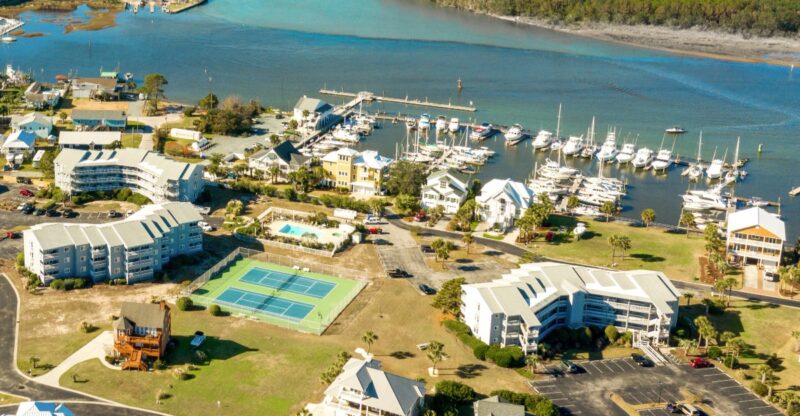
The North Carolina Fishing Village Tourists Skip On The Way To Myrtle Beach And Locals Are Quietly Grateful For It
Most travelers race toward crowded beach destinations without realizing one of North Carolina’s best seafood towns is sitting quietly near the state line.
Highway traffic keeps moving while this small fishing community carries on without much interest in competing for attention.
Fried shrimp baskets arrive steaming hot, waterfront docks stay calm, and tiny seafood spots keep doing things the old-fashioned way because nobody here seems interested in trends. Something about the town feels almost suspiciously relaxed. Boats drift across the water without urgency, locals move at their own pace, and visitors suddenly forget why they were in such a hurry five minutes earlier.
Missing this coastal stop is easy. Forgetting it afterward is the hard part.
The Famous Calabash-Style Seafood
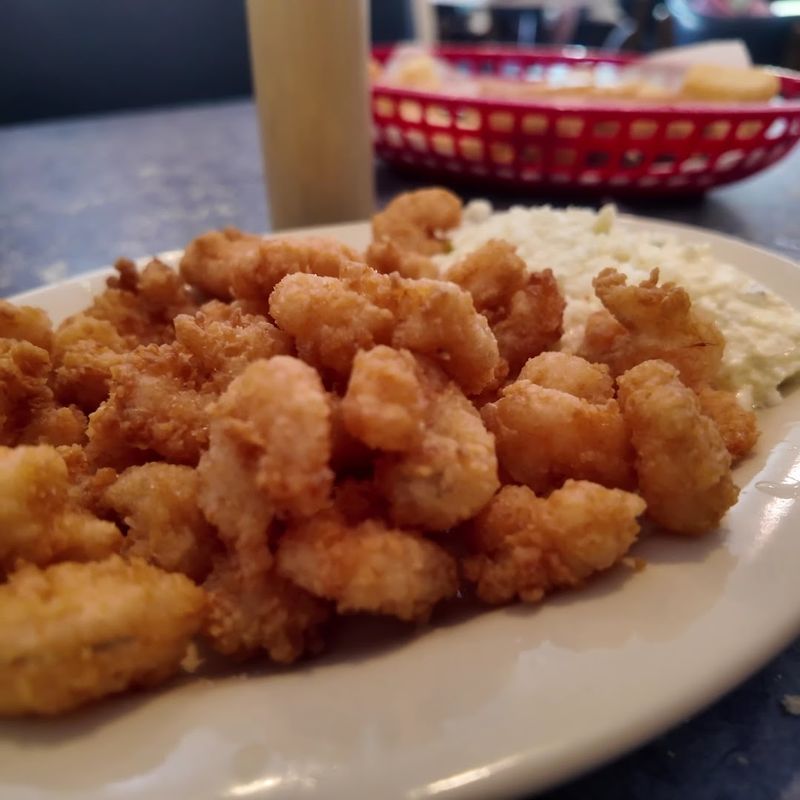
Calabash-style seafood gives this small town its biggest claim to fame, and the method stays wonderfully unfussy. Fresh shrimp, fish, clams, and oysters are lightly coated, fried quickly, and served with the kind of crisp golden finish that keeps the seafood itself in charge.
Heavy batter is not the point here. The appeal comes from restraint, freshness, and a texture that feels delicate instead of greasy.
Brunswick County tourism describes Calabash as the Seafood Capital of the World, and the town’s own history supports that identity through generations of fishing families and restaurants. Sitting down for a plate near the water feels different from ordering “Calabash-style” seafood somewhere far away, because here the food is tied to the place that made the name famous.
Portions tend to be generous, the mood stays casual, and nobody seems interested in turning the meal into something overly polished. That is exactly why it works.
Calabash built its reputation on food that tastes honest, coastal, and deeply familiar. One basket of lightly fried shrimp can explain the whole town better than any brochure ever could.
Add hush puppies, slaw, and river air, and the tradition feels complete before the first plate is empty.
The Calabash River Waterfront
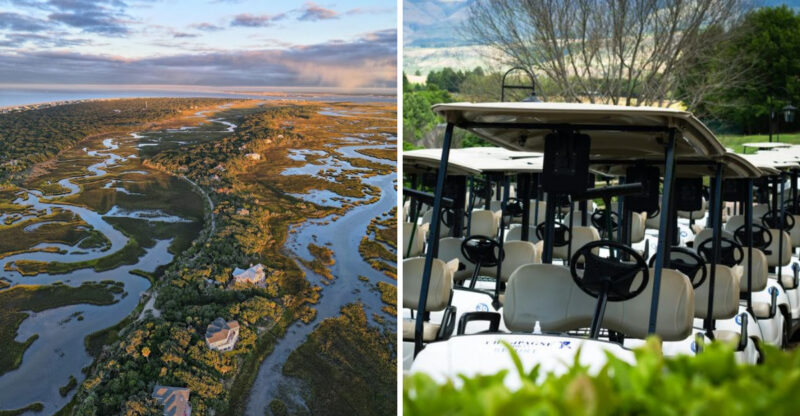
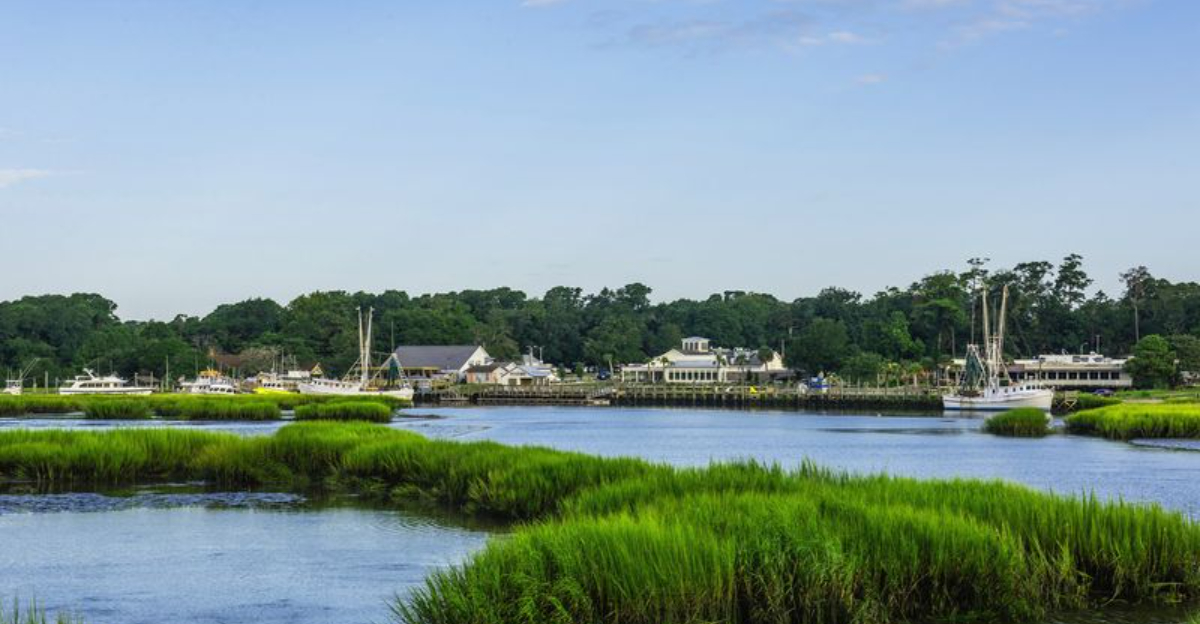
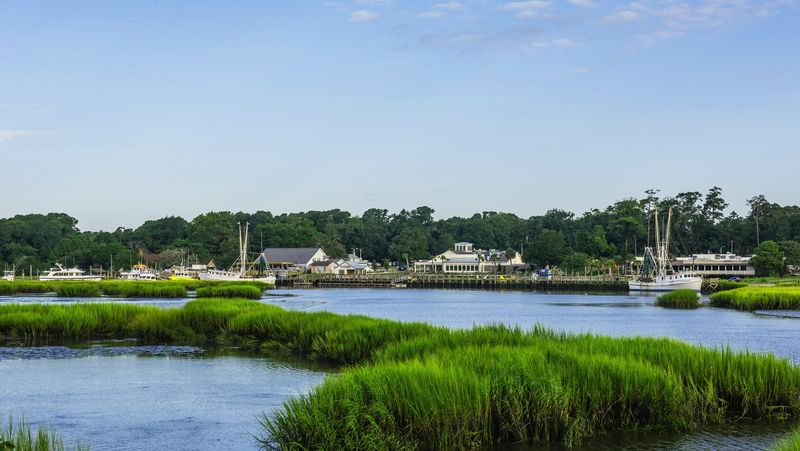
Water gives Calabash its quietest kind of beauty, especially along the Calabash River. Near the waterfront, fishing boats, marsh grass, docks, and slow-moving tidewater create a scene that feels more lived-in than staged.
The town’s official information places Calabash on North Carolina’s southeastern coast in Brunswick County, right along the state’s southern edge near South Carolina, which helps explain its blend of North Carolina fishing-village character and Grand Strand proximity. Standing near the river, visitors can see why seafood became the town’s identity instead of just its menu category.
The water is not decorative here; it is the reason the village grew the way it did. Egrets move through the marshes, boats come and go with the weather, and the afternoon light turns the river into a calm, reflective strip of gold.
This is not a boardwalk built for spectacle. It is a working coastal edge with real texture and patience.
Anyone who enjoys quieter waterfronts will appreciate how little Calabash tries to shout. The river does the work.
Bring a camera, but leave enough time to simply stand there and listen to the tide move through the marsh grass for a while. That pause is the point completely.
Seafood Restaurants Worth The Stop
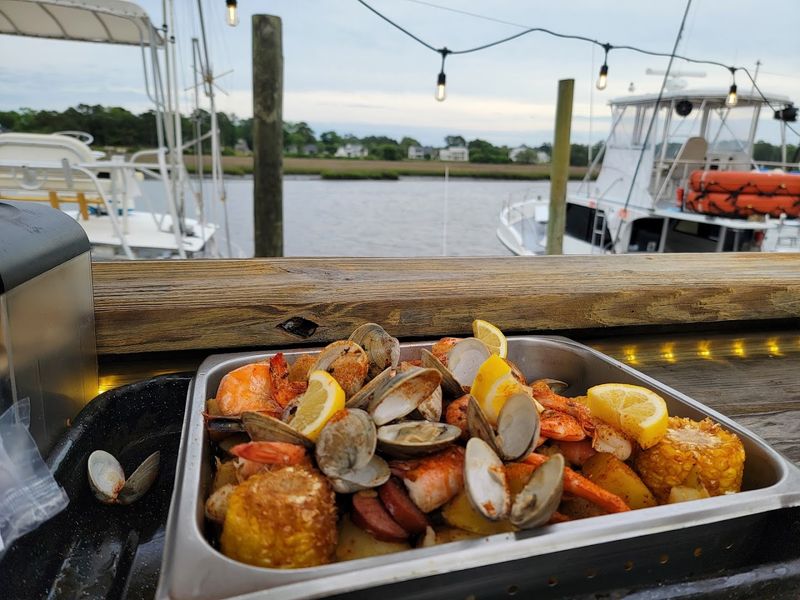
Seafood restaurants pack a surprising amount of character into Calabash’s small footprint. Brunswick Islands tourism highlights seaside restaurants, deep-sea fishing, unique shops, homemade ice cream, and the town’s famous lightly breaded seafood, which makes the dining scene feel central to the whole visit.
Names such as Beck’s Restaurant, Calabash Seafood Hut, Waterfront Seafood Shack, Captain Nance’s, Boundary House, and The Oyster Rock often come up in conversations about where to eat. Each place has its own personality, but the general rhythm stays comforting: fried shrimp, flounder, oysters, deviled crab, hush puppies, slaw, and plates large enough to make the drive feel justified.
What makes the experience special is not just the food. It is the lack of fuss around it.
Calabash restaurants tend to feel friendly, direct, and unpretentious, with menus built around what the town already knows how to do well. Travelers looking for sleek coastal dining may find flashier rooms elsewhere, but anyone wanting a true seafood-town meal will understand the appeal quickly.
Calabash feeds people like it expects them to come back. Most do, especially after one plate arrives hotter, bigger, and simpler than expected.
That kind of confidence is difficult to fake here at all.
The Drive From Myrtle Beach
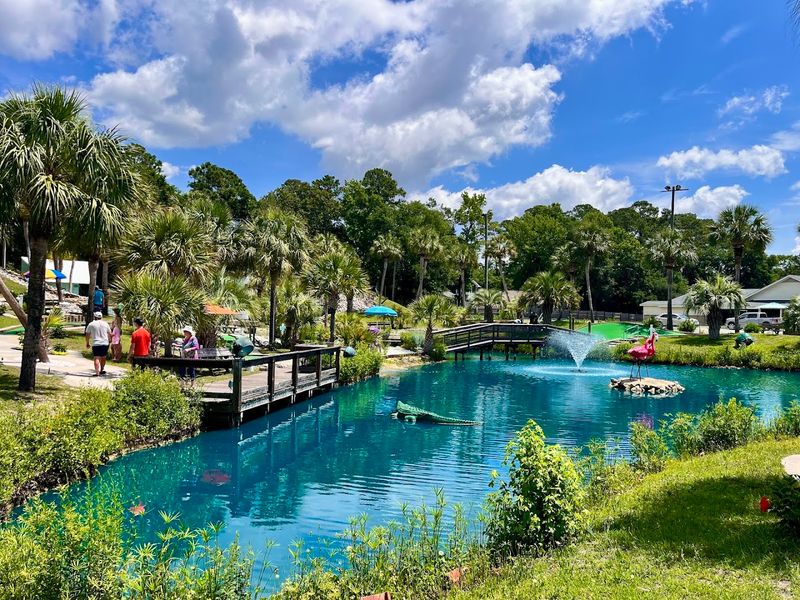
Detour math works beautifully in Calabash’s favor. Official town information places it about 25 miles north of Myrtle Beach and 50 miles south of Wilmington, with Highway 17 nearby, so travelers moving along the North Carolina coast can reach it without reshaping an entire itinerary.
That convenience makes it easy to stop for lunch, wander the waterfront, browse a few shops, and still continue toward a beach rental or resort later in the day. What changes most noticeably after taking the turn is the pace.
Myrtle Beach energy feels loud, commercial, and constantly moving, while Calabash feels smaller, softer, and more connected to water, seafood, and local routine. Pine trees, marsh edges, and low coastal roads ease visitors into a different mood before the first restaurant sign appears.
The drive does not need to be dramatic to be rewarding. Calabash is close enough to feel effortless but different enough to feel like a discovery.
That contrast is exactly why the stop works. A small turn off the expected route can change the whole day, especially when seafood waits near the river afterward.
Calabash makes that gamble feel smarter than the original plan, and locals probably do not mind the quiet.
Local Fishing And Crabbing Culture
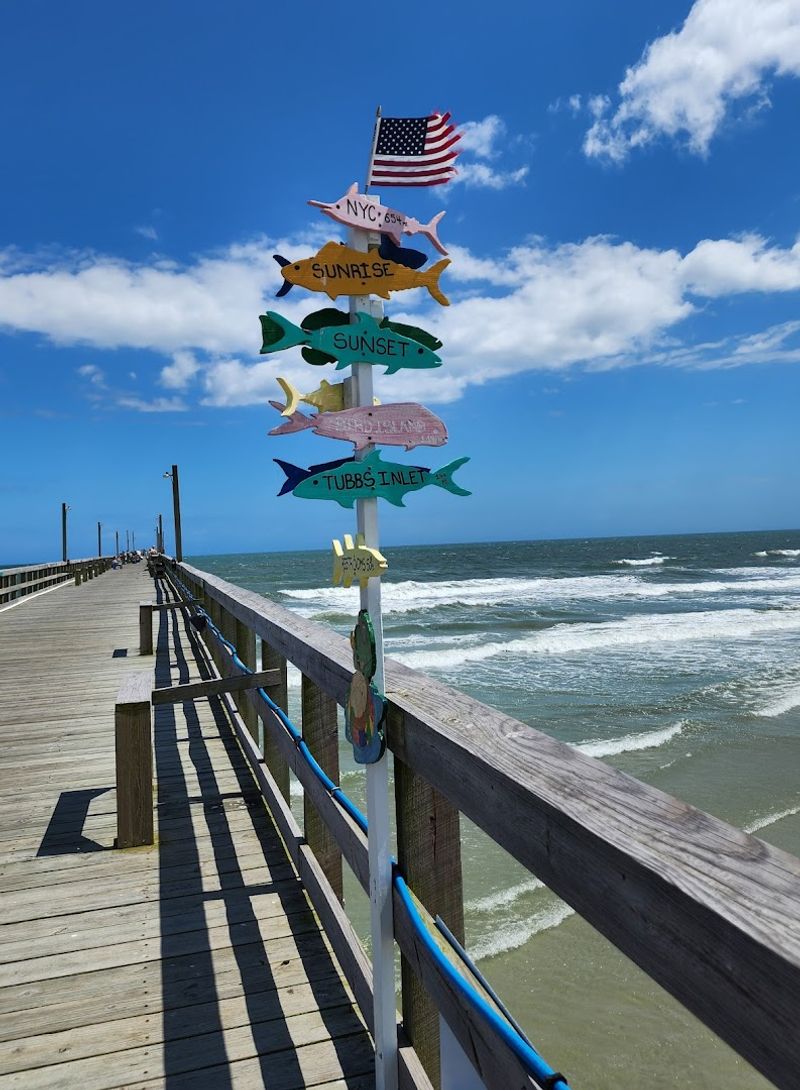
Fishing culture gives Calabash more substance than a seafood nickname alone could manage. Before the town became known for restaurant plates and road-trip detours, families worked the surrounding river, marshes, and Atlantic waters for a living.
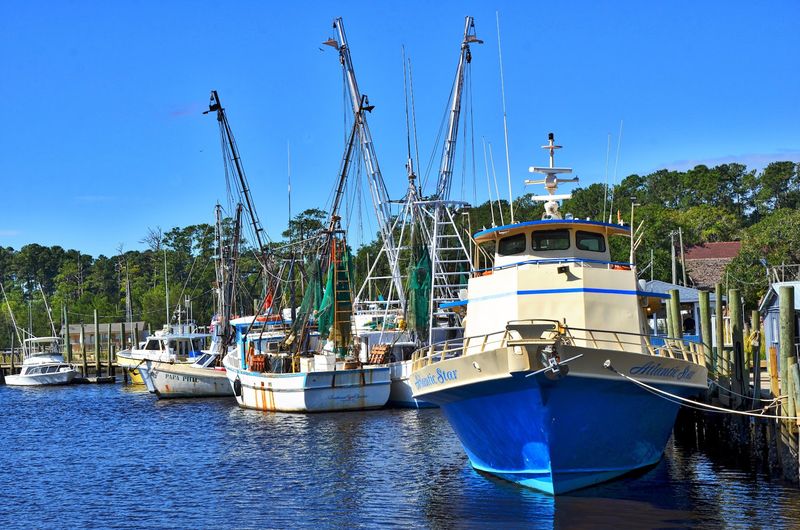
That history still shows up in charter boats, docks, seafood markets, and the easy confidence locals have around tides and weather. Calabash Fishing Fleet promotes group fishing, sport fishing charters, dolphin cruises, wildlife cruises, and sunset excursions from the area, which gives visitors a direct way to experience the town’s water-based identity.
Crabbing also fits naturally into the local rhythm, especially in tidal creeks and marshy edges where blue crabs are part of coastal life. For travelers, booking a fishing trip or simply watching boats return can make Calabash feel less like a dining stop and more like a working village with stories behind every plate.
The best part is how unforced it all feels. Fishing is not a theme pasted onto the town for tourists.
It is part of how Calabash has always understood itself. That makes a morning on the water feel like a cultural lesson, even when nobody calls it one out loud.
The catch is only part of the reward.
Nearby Sunset Beach Access
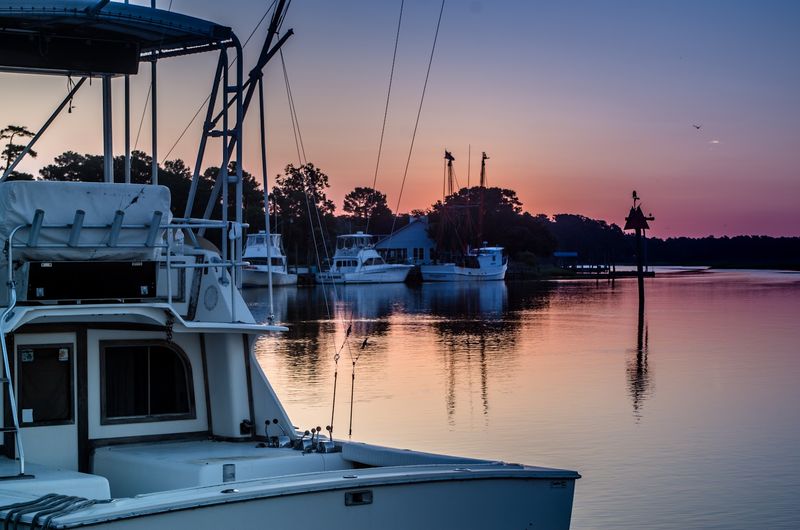
Nearby Sunset Beach gives Calabash visitors an easy way to turn a seafood detour into a fuller coastal day. Southern Living recently described Sunset Beach as about six miles away from Calabash, which makes the pairing simple for travelers who want sand, water, and fried shrimp without complicated planning.
The beach itself feels calmer than many bigger resort strands, with wide sand, gentle waves, and a slower residential mood that suits families, couples, and anyone trying to avoid heavy crowds. Morning shelling can be rewarding, especially before more people arrive, while late afternoons bring softer light and a relaxed walkable feel.
After time on the beach, heading back toward Calabash for lunch or dinner feels natural. The combination works because each place does something different.
Sunset Beach provides the open shoreline and peaceful barrier-island scenery. Calabash provides the restaurants, riverfront, and seafood identity.
Together, they create a day trip that feels balanced instead of rushed. It is coastal North Carolina at its easiest.
Travelers who skip the pairing may still have a nice drive, but they miss one of the simplest pleasures in Brunswick County. A beach walk followed by a Calabash seafood plate is hard to improve.
Small-Town Charm Worth Exploring
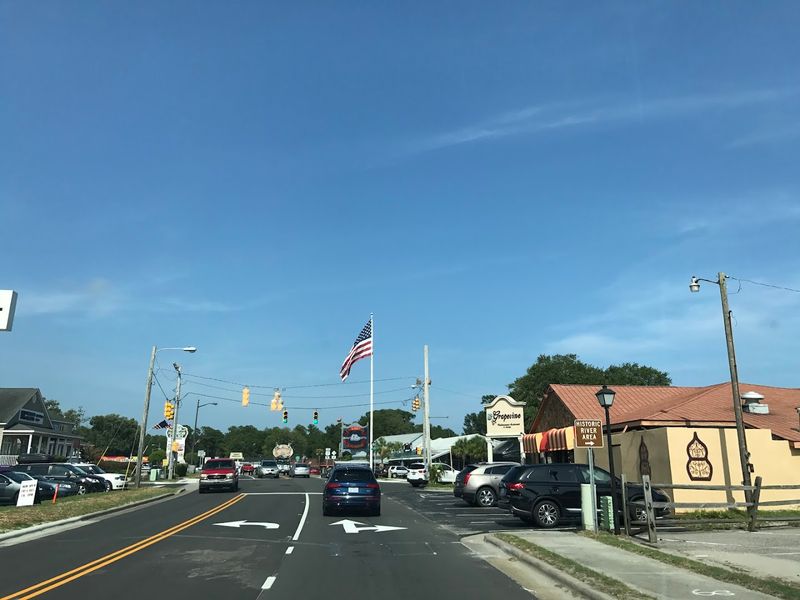
Calabash has a population of just over two thousand people, which means the town moves at a pace that feels almost forgotten in today’s world. There are no chain coffee giants on every corner, no massive parking structures, and no overwhelming signage competing for your attention.
What you find instead is a genuinely small-town atmosphere where conversations happen naturally and strangers are treated like neighbors.
Small shops and gift stores dot the main stretch near the waterfront, offering local crafts, nautical decor, and souvenirs that actually reflect the character of the place rather than generic coastal kitsch. Browsing them is relaxed and unhurried, with shop owners who are happy to share a little history about the town if you show any curiosity.
That kind of organic, unscripted interaction is increasingly rare and genuinely refreshing.
Brunswick County, North Carolina, is growing rapidly in certain areas, but Calabash has managed to hold onto its core identity through all of it. The town still feels like a fishing village first and a tourist destination second, which is precisely what makes it so appealing to those who seek places with real roots.
Spending even a few hours here leaves most visitors with a warm, lingering feeling that is difficult to fully explain but very easy to want to repeat.
Best Time To Visit Calabash
Timing can shape the entire Calabash experience. Spring and early fall usually offer the easiest balance, with warm weather, softer crowds, and enough coastal breeze to make river walks and seafood meals feel especially pleasant.
Late March through May brings fresh color, manageable humidity, and a comfortable pace before heavier summer travel arrives. Early fall can feel even better for visitors who want warmth without the busiest beach-season pressure.
Summer still works, especially for families already traveling between North Carolina and Myrtle Beach, but restaurants may be busier and parking near popular waterfront spots can require more patience. Arriving earlier in the day or choosing a weekday helps keep the visit relaxed.
Winter has its own quiet charm, especially for travelers who enjoy cooler air, open tables, and a town that feels more local than tourist-driven. Many coastal places lose their personality off-season, but Calabash often becomes easier to appreciate.
The river looks crisp, seafood still satisfies, and the town’s slower rhythm becomes even clearer. Anyone planning a first visit should choose a mild day, avoid rushing, and build the schedule around one long meal.
Calabash rewards patience more than speed.