13 California Scenic Backroads That Make The Long Way Feel Smarter
A state park should not feel like it is keeping a secret from you.
This one does. The roads get quieter.
The buildings stand still in a way that feels almost too patient. You start reading the windows before you read any sign.
Something about the place makes you lower your voice without anyone asking.
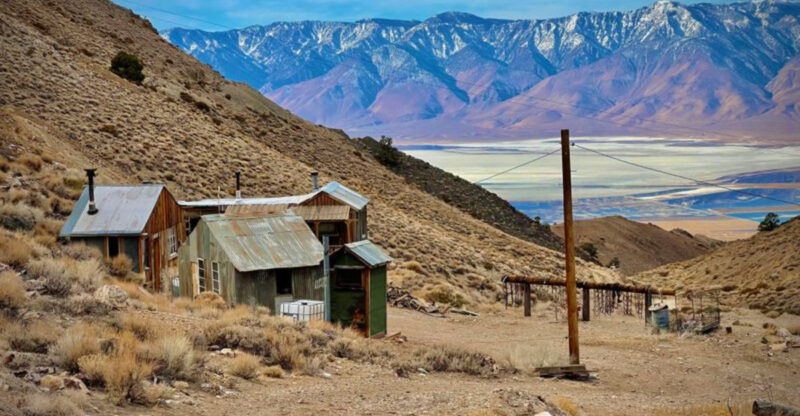
At one California state park, history seems to hover in the dust, settle into the silence, and cling to every weathered street.
Nothing jumps out with cheap thrills. No dramatic soundtrack is needed. The mystery comes from what remains.
Weathered walls and empty rooms. Streets that look paused mid-story.
You do not just visit a place like this. You try to figure out what kind of life once filled it.
The answer never arrives all at once. That is why people keep looking.
1. Highway 49, Gold Country
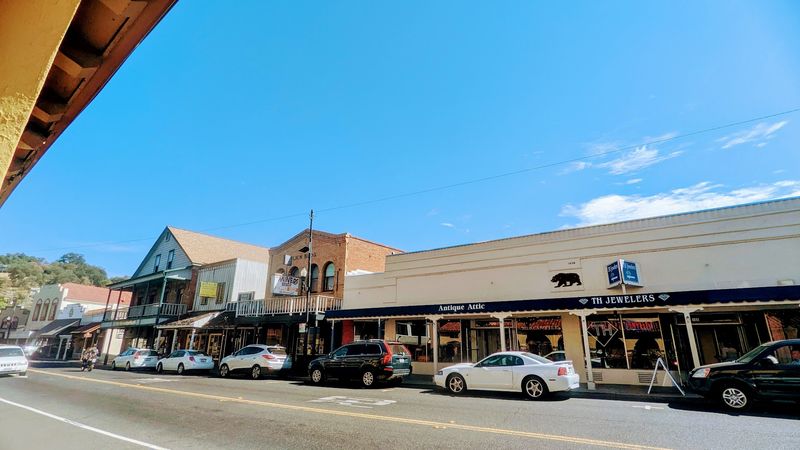
Running through the heart of California’s historic Mother Lode region, Highway 49 connects a string of Gold Rush-era towns that feel genuinely frozen in another era.
The road itself climbs and dips through dry golden foothills, crossing rivers and passing old stone buildings that date back to the 1850s.
Towns like Nevada City, Placerville, and Sutter Creek line the route with independent shops, local diners, and small museums worth stopping at.
The drive tends to feel unhurried even during busy seasons, partly because the scenery changes often enough to keep attention fresh.
Rolling oak woodlands give way to steep canyon views, then open back up into wide meadows dotted with grazing cattle.
Drivers who take their time on this route often find the most interesting stops are the ones with no signage at all.
Highway 49 rewards curiosity more than speed, and the towns along it have enough character to justify a full weekend of slow exploration rather than a single-day sprint.
2. Avenue Of The Giants, Humboldt Redwoods
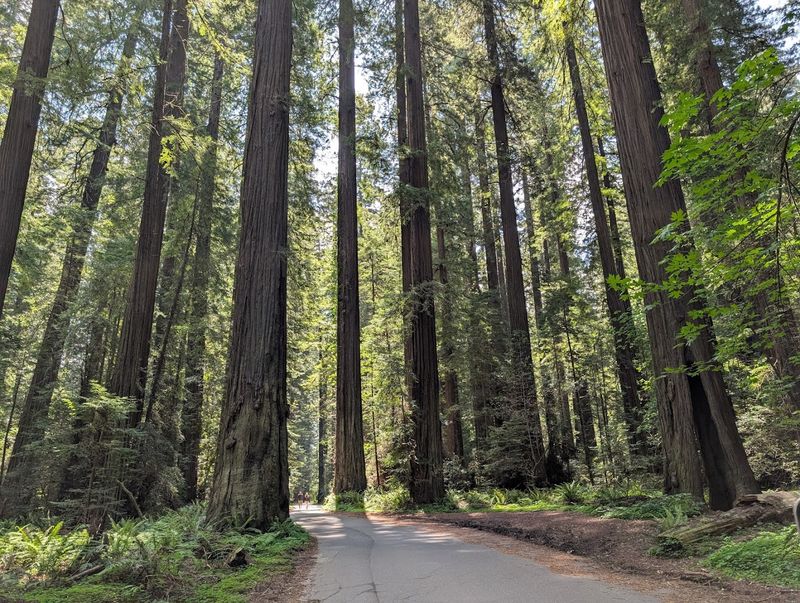
Running parallel to U.S. Route 101 through Humboldt Redwoods State Park, the Avenue of the Giants offers roughly 31 miles of road beneath some of the tallest trees on Earth.
The scale of the trees here is not something that photographs communicate well.
Standing next to a coast redwood that is over 300 feet tall and thousands of years old has a way of recalibrating perspective in a way that sticks with a person long after the drive ends.
The road itself is narrow and slow, which works in its favor because there is no good reason to rush through it.
Pull-outs appear regularly and allow drivers to step out and walk short distances into the grove, where the forest floor is dim and soft even on bright days.
The Founders Grove and Rockefeller Forest areas are among the most accessible old-growth sections along the route and are worth building extra time around.
Visiting on a weekday morning tends to mean fewer other cars and a quieter overall experience.
The town of Garberville sits near the southern end and offers basic services for those planning an overnight stop in the area.
3. Ebbetts Pass Scenic Byway, State Route 4
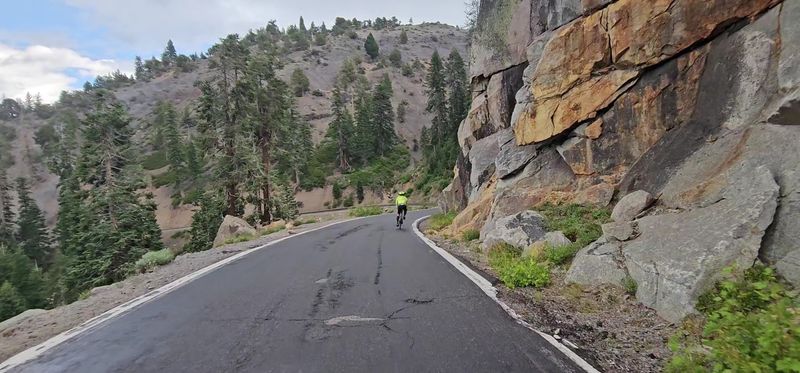
Ebbetts Pass sits at an elevation of 8,730 feet and is reached by one of the narrower and more dramatic mountain roads in the Sierra Nevada.
State Route 4 through this area is not a road that welcomes large vehicles or impatient drivers, but for those comfortable with its tight switchbacks and steep grades, the payoff is a landscape that feels genuinely remote.
The pass is typically open from late spring through early fall, with exact dates varying by snowpack each year.
The eastern descent toward Markleeville is particularly striking, with volcanic rock formations and sweeping views into the Great Basin that feel unexpected after the dense pine forests on the western side.
Mosquito Lake and Pacific Valley are two spots along the western approach that reward a brief stop with meadow views and quiet creek access.
Because this route is less traveled than Tioga Road or the more famous Sierra crossings, it tends to attract drivers who already know what they are looking for.
Planning fuel stops in advance matters here since services are sparse along the high-elevation sections of the byway.
4. Tioga Road, Yosemite National Park
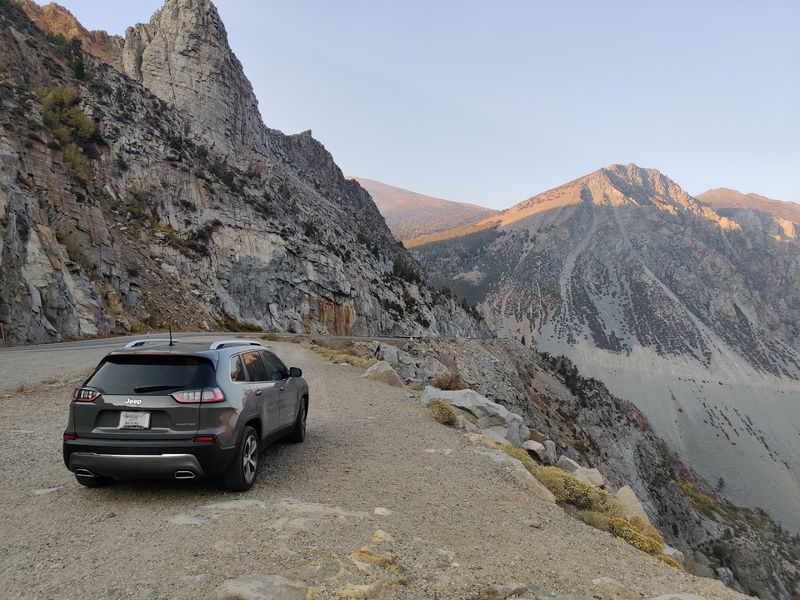
Crossing the Sierra Nevada at nearly 9,945 feet, Tioga Road is the highest vehicle-accessible pass in California and one of the most visually dramatic drives in the entire national park system.
The road runs east-west through Yosemite, connecting the Yosemite Valley area to the Eastern Sierra and Mono Lake.
Open only during summer and early fall depending on snow conditions, the window for driving it is relatively short each year.
Tuolumne Meadows sits near the eastern end of the road and serves as a natural stopping point where the landscape opens into a wide, flat alpine meadow surrounded by granite domes.
The contrast between the meadow’s green floor and the pale rock overhead is one of those views that tends to stay with people.
Olmsted Point offers a different kind of dramatic stop, with a view down into Tenaya Canyon that includes Half Dome from an angle most visitors never see.
Tioga Road does attract significant traffic on summer weekends, so an early morning start makes a meaningful difference.
Entering Yosemite requires a reservation during peak season, so checking the park’s official website before visiting is essential.
5. Palms to Pines Scenic Byway, State Routes 74 and 243
The name alone gives a good preview of what makes this byway unusual.
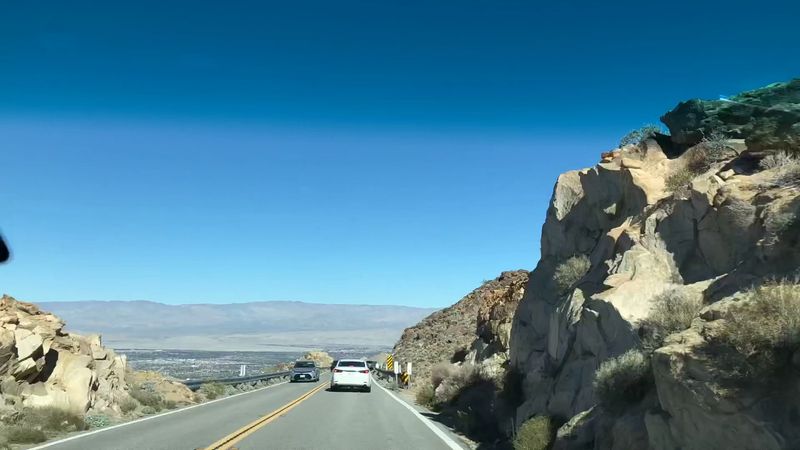
Starting near Palm Desert in the Coachella Valley, State Routes 74 and 243 climb from a desert floor sitting below sea level up into the San Jacinto Mountains.
Over there, temperatures cool and the vegetation shifts from palm trees and cactus to pines and oaks within a drive of roughly an hour.
The elevation gain along this route is among the steepest of any paved road in Southern California.
The small mountain town of Idyllwild sits near the top of the route and is a genuine destination in its own right, with art galleries, hiking trailheads, and local restaurants clustered around a walkable village center. The views from the higher elevations looking back down toward the desert floor can be startling in the best way, especially on mornings after a clear night when visibility is sharp.
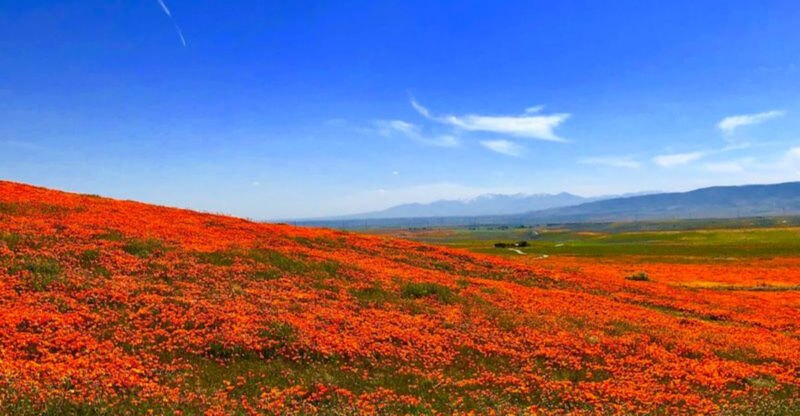
Seasonal wildflowers along the lower desert sections typically peak in late winter or early spring depending on rainfall.
Drivers should be aware that portions of this route use narrow lanes with limited guardrails, so the drive rewards attentive and unhurried travel rather than rushing.
6. Skyline Boulevard, State Route 35
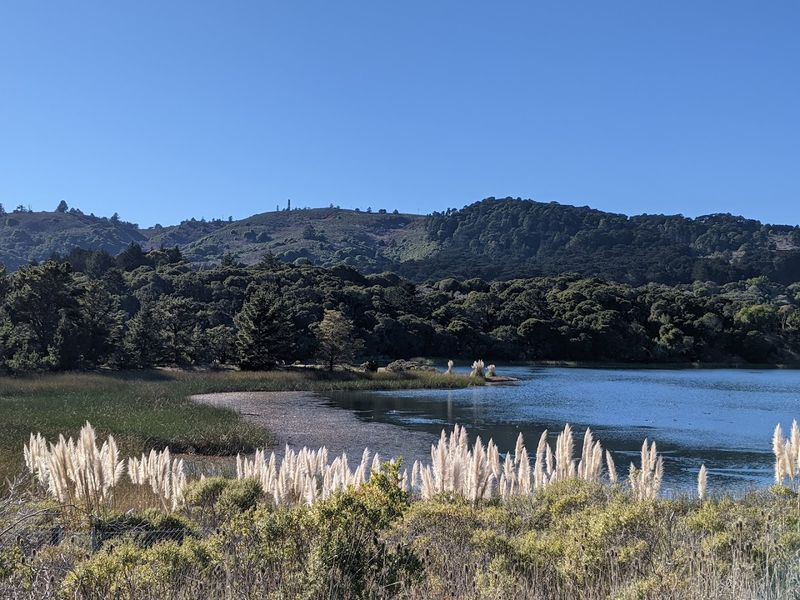
Running along the spine of the Santa Cruz Mountains between the San Francisco Bay Area and Silicon Valley, Skyline Boulevard offers a green and quiet alternative to the freeways below.
State Route 35 stays close to the ridge for most of its length, dipping in and out of redwood groves and passing through patches of chaparral.
The stretch between Woodside and the Santa Cruz County line is particularly consistent in its scenery, with older redwoods lining the road closely enough that the light takes on a filtered quality for much of the morning.
Alice’s Restaurant near Woodside sits at a popular junction where motorcyclists and cyclists often gather on weekends, making it a lively but informal rest stop.
The road is in reasonably good condition for most of its length though some sections have patchy pavement worth watching for.
Fog from the coast can settle heavily along the ridge on summer mornings, which changes the character of the drive entirely and makes the same route feel like a different road depending on the season.
7. Trinity Scenic Byway, State Route 299
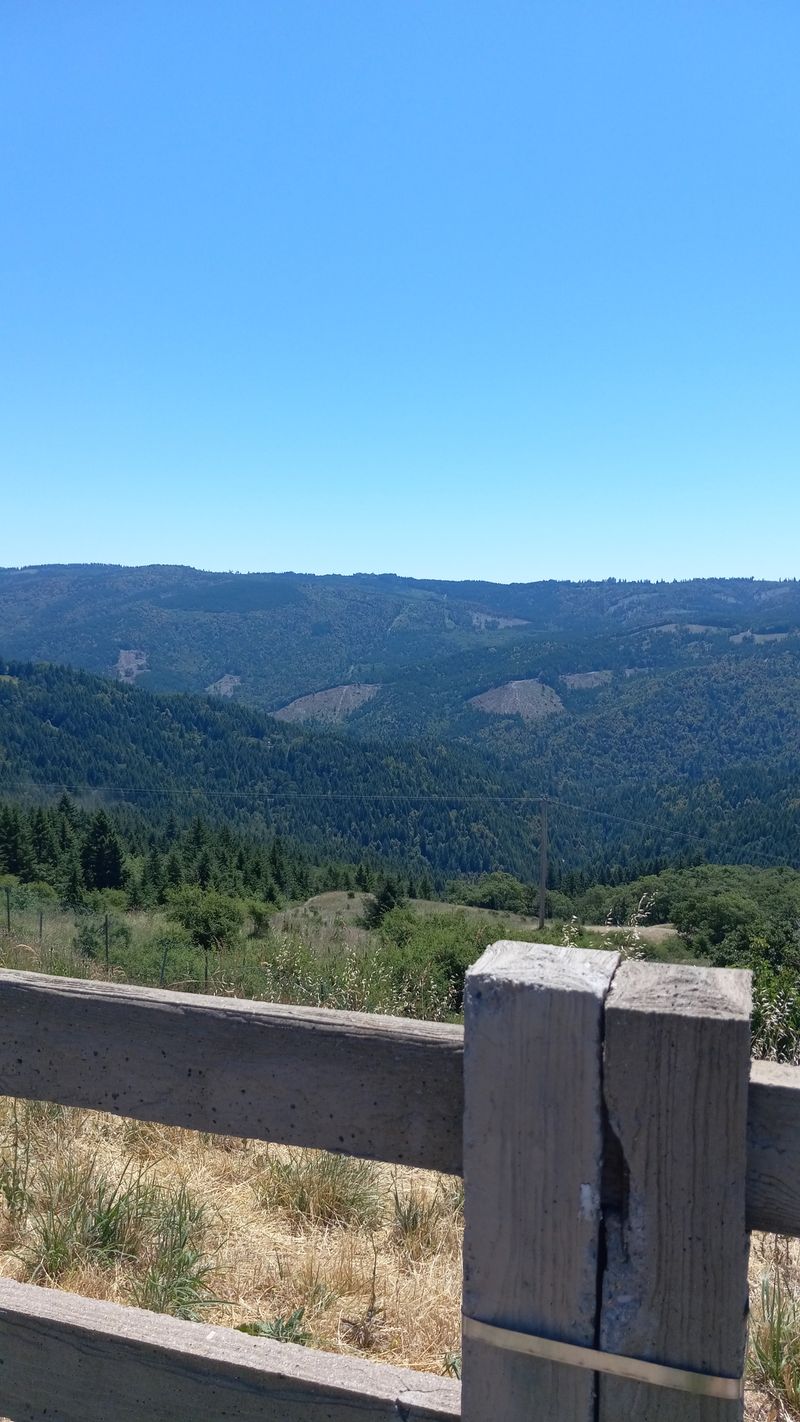
Cutting through the Klamath Mountains between Redding and the Humboldt coast, this route slips into some of Northern California’s wildest and least-crowded terrain.
The Trinity River runs alongside much of the route, and the combination of clear water, forested canyon walls, and near-total absence of commercial development gives the drive a raw and unhurried quality.
Trinity Lake appears partway through and adds a wide blue anchor to the otherwise heavily forested landscape.
The town of Weaverville near the center of the route is a practical and interesting stop, with a small downtown that includes the Joss House State Historic Park, a preserved temple dating to 1874 that is open to the public.
The drive from Redding to the coast covers roughly 140 miles and takes considerably longer than the mileage suggests because the road is winding and the scenery justifies frequent slowing.
Whitewater rafting on the Trinity River draws visitors to the area in summer, and the riverside campgrounds fill up during that season.
Travelers who prefer solitude tend to find the spring and fall shoulder seasons more rewarding on this particular route.
8. Yuba Donner Scenic Byway, State Route 20
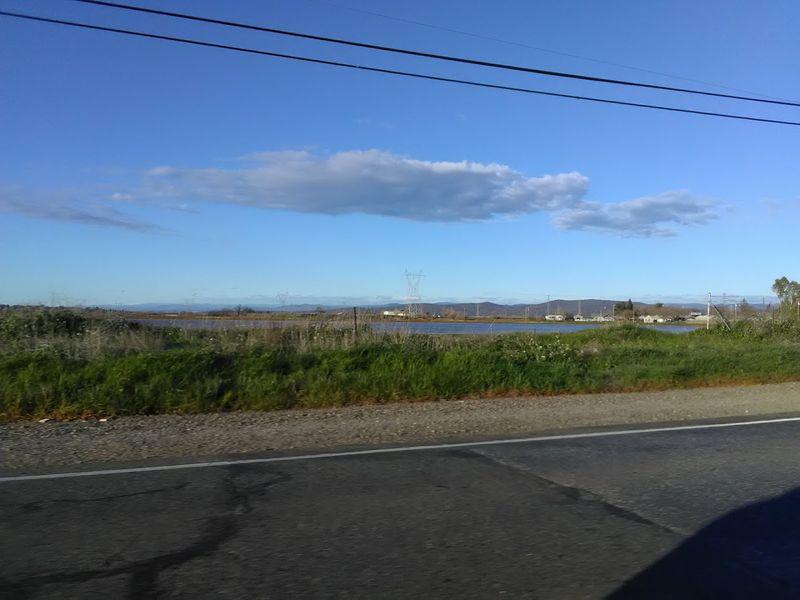
Linking I-80 near Emigrant Gap with U.S. 101 near Willits, this route cuts across Northern California terrain from Sierra Nevada foothills to the Coast Range.
The Yuba Donner Scenic Byway designation covers the eastern mountain section of this route, where the road passes through pine forests and the historic town of Nevada City before descending toward Grass Valley.
The Tahoe National Forest sections of this drive have a relaxed and accessible quality compared to the more dramatic but crowded passes nearby.
Bowman Lake Road branches off from this route and offers access to a chain of alpine lakes that reward those willing to handle some unpaved miles.
The highway itself stays paved and reasonably maintained throughout the byway section.
Grass Valley and Nevada City together form one of the more intact Gold Rush-era town pairings in the Sierra foothills and are worth scheduling a few hours around rather than passing through quickly.
The western continuation of Route 20 across the Sacramento Valley is flatter and less scenic but connects efficiently to the northern Coast Range for those continuing toward the Mendocino area.
9. State Route 128, Napa Valley To Mendocino Coast
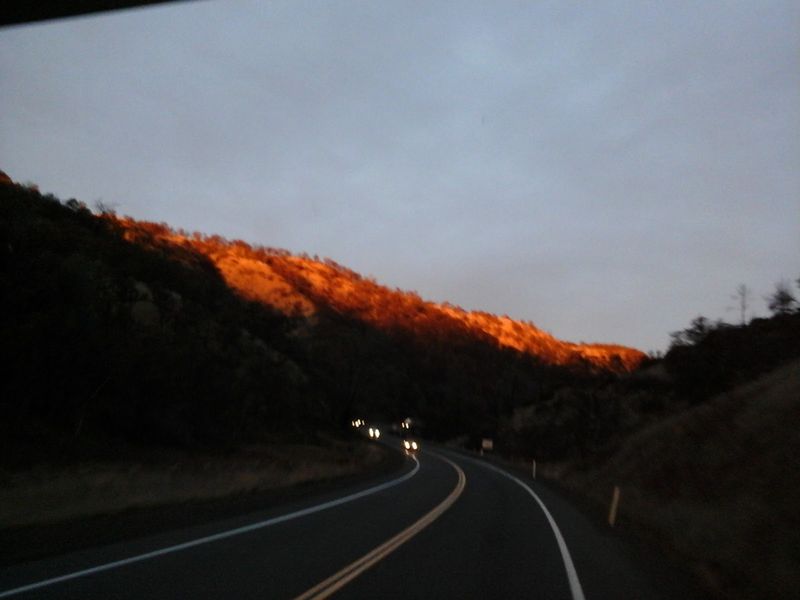
Few drives in California pack as much landscape variety into a single route as State Route 128.
Starting inland near Calistoga, the road moves through the Alexander Valley before threading into a dense corridor of redwoods along the Navarro River.
By the time the road reaches the coast near Albion, the scenery has shifted completely from sun-warmed valley to cool, fog-layered cliffs.
The Navarro River Redwoods State Park section deserves special attention because the road runs directly along the riverbank for several miles, with old-growth trees forming a canopy overhead that blocks most of the sky.
It feels quieter than it has any right to be, even on weekends.
Travelers who make this drive in the morning tend to catch the light filtering through the redwoods at a particularly striking angle.
The Mendocino coast end of the route opens onto dramatic bluffs that are worth a short walk to appreciate fully.
State Route 128 is not a fast road and is not meant to be, making it one of the more honest scenic drives in the state for those who want genuine variety without manufactured tourist stops.
10. Carson Pass Highway, State Route 88
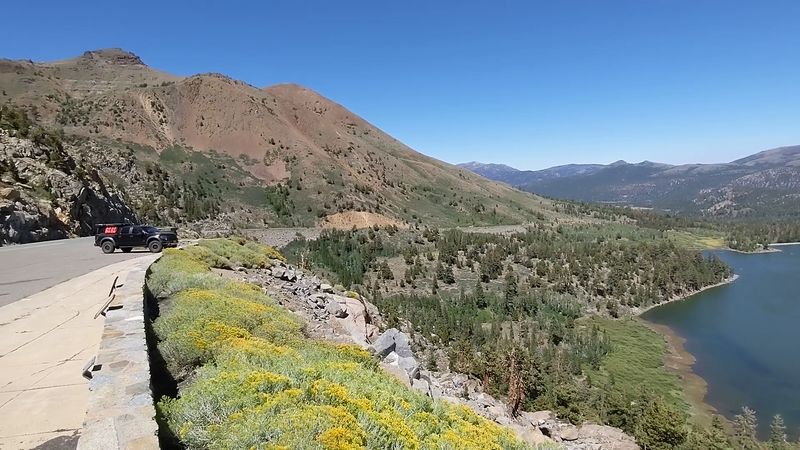
Carson Pass at 8,574 feet is one of the oldest trans-Sierra routes, used by Kit Carson in 1844 and later by thousands of emigrants heading to California.
State Route 88 follows this historic corridor and provides a high-elevation crossing that is generally more accessible than some of the other Sierra passes, with a wider road and services available.
The landscape near the summit has a volcanic character that sets it apart from the granite-heavy scenery of Tioga Road or Ebbetts Pass.
Red Cone, Elephant Back, and Round Top are the peaks that frame the high point of the drive, and the meadows near Carson Pass in summer fill with wildflowers that are considered some of the best in the Sierra Nevada.
The Mokelumne Wilderness sits adjacent to the highway corridor and can be accessed via trailheads near the pass for those who want to extend the experience on foot.
Driving east from the pass toward Minden in Nevada adds a dramatic descent into the Great Basin that contrasts sharply with the forested western slope and gives the full route a satisfying sense of geographic variety.
11. Jacinto Reyes Scenic Byway, State Route 33
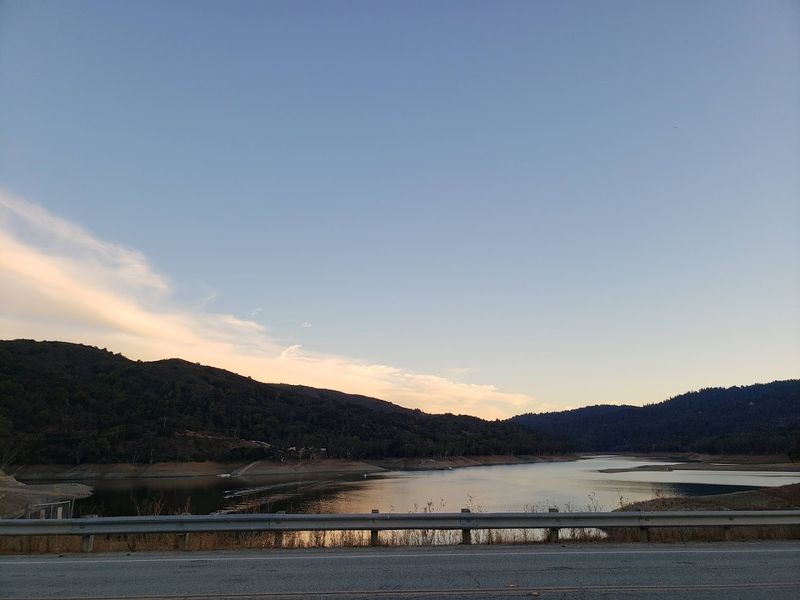
State Route 33 between Ojai and the Cuyama Valley is one of the least-traveled scenic byways in Southern California, which is a big part of its appeal.
The road cuts through the Los Padres National Forest and climbs into terrain that feels genuinely wild, with narrow canyon sections giving way to high open ridges and then dropping again into the remote Cuyama Valley.
It covers roughly 100 miles of varied and often striking landscape.
Ojai itself at the southern end is worth spending time in before or after the drive, with a main street lined with local businesses and a small-town feel that has remained relatively consistent over the years.
The northern stretches of the route pass through ranch country where cattle graze close to the road and the horizon opens wide.
Fuel and services are very limited along the middle section of the byway, so a full tank and snacks before departure are practical necessities rather than optional preparations.
The road can close temporarily due to fire or flooding, so checking conditions ahead of time through Caltrans is always a smart move before committing to this particular route.
12. Nacimiento-Fergusson Road, Big Sur Inland Route
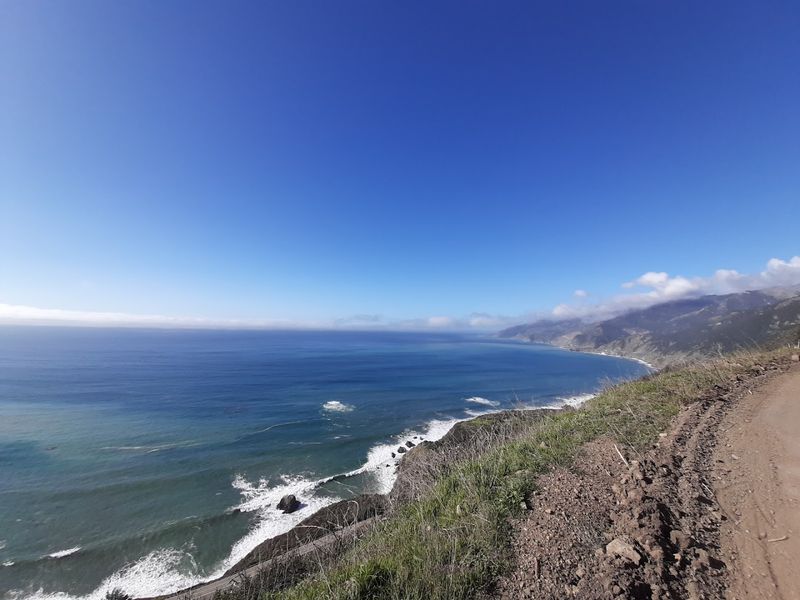
Crossing the Santa Lucia Mountains between the Big Sur coast and Salinas Valley, this paved route feels challenging in the best possible way.
The road climbs steeply from Highway 1 near Kirk Creek, switchbacking through chaparral and then into a mixed forest of oaks and pines before cresting the ridge and descending toward Highway 101 near Bradley.
The total crossing covers roughly 25 miles.
Access and road conditions on this route are subject to change due to landslides and storm damage, which are common in the Santa Lucia Range.
Checking with Monterey County or Caltrans before attempting this drive is genuinely necessary rather than just cautionary advice.
When the road is open, the views from the ridge looking back toward the coast can be exceptional on clear days, with the Pacific visible as a thin blue line far below.
The road is too narrow for large RVs or trailers, and passing another vehicle in the tightest sections requires patience and care.
Hunter Liggett Military Reservation sits at the inland base of the route and is open to civilian travel on the main road.
13. Volcanic Legacy Scenic Byway, Northern California Section
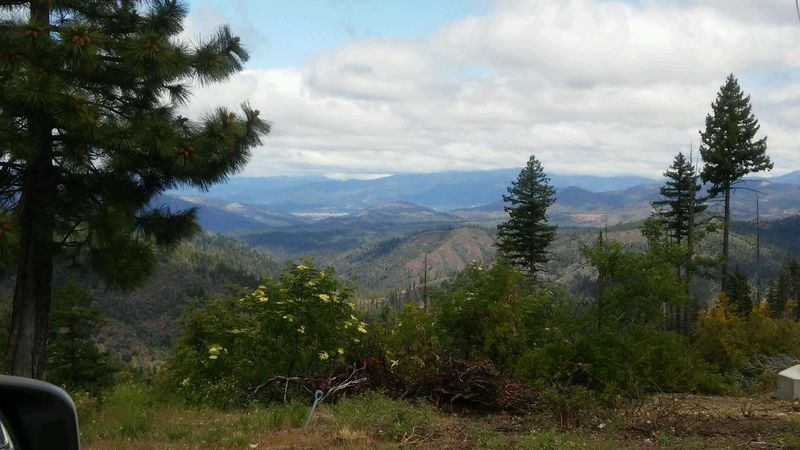
The northern California section of the Volcanic Legacy Scenic Byway connects some of the most geologically dramatic terrain in the American West.
Running through a landscape shaped by relatively recent volcanic activity, the route passes near Mount Shasta, Medicine Lake Highlands, and Lassen Volcanic National Park before looping back through high desert terrain.
The variety of volcanic landforms along the way includes lava tube caves, cinder cones, and hydrothermal features.
Lassen Volcanic National Park is the most developed section of the route and allows visitors to walk through steaming fumarole fields and boiling mud pots that are active and genuinely striking to see up close.
The park road through Lassen closes in winter and reopens in late spring depending on snowpack.
Medicine Lake sits in the caldera of a shield volcano and offers a campground and clear water swimming in summer, with far fewer visitors than the more famous Cascade destinations.
The drive as a whole covers over 400 miles if the full byway is attempted, making it better suited to a multi-day itinerary than a day trip.
Towns like McCloud and Dunsmuir along the Mount Shasta corridor provide lodging and food options for those pacing the route over several days.