Remarkable Nebraska Day Trips To Take Month By Month
A calendar gets more interesting when every month has somewhere to go.
January does not have to sulk. July does not need to hog all the fun. Even the awkward in-between months can pull their weight with the right Nebraska day trip.
One month might call for frozen views and a quiet trail.
Another might deserve wildflowers, lake air, small-town festivals, or a drive that turns golden at the perfect moment.
Planning this way feels less like giving the year a little personality. Nebraska gets surprisingly good at changing moods with the seasons.
There’s absolutely no need for giant vacation fund required or a complicated itinerary. Just twelve good excuses to leave the house before another weekend disappears into errands.
January: Mahoney State Park, Ashland
Cold months have a way of making outdoor spaces feel quieter and more personal, and Mahoney State Park in January is a good example of that shift.
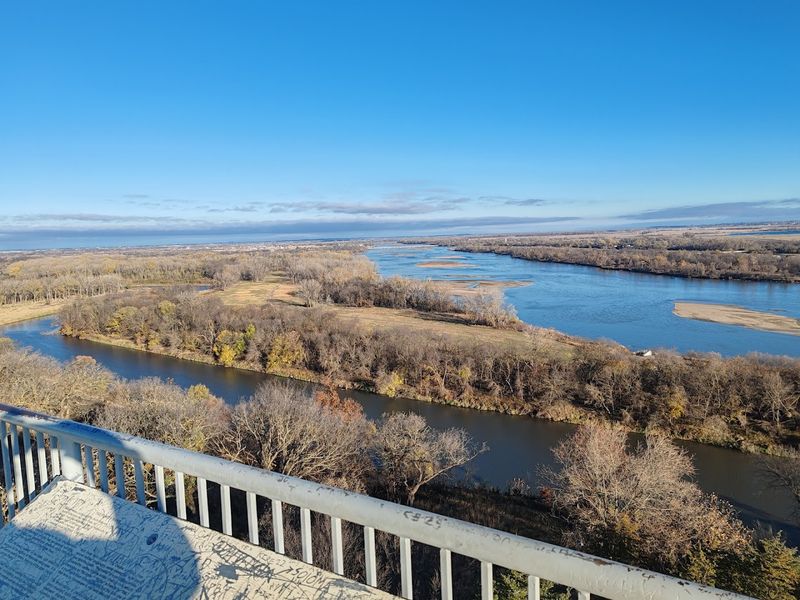
The park sits along the Platte River and stays open year-round for hiking, wildlife watching, and cabin rentals.
Trails that are packed with summer visitors feel noticeably calmer in January, and the bare trees open up sightlines that warm-weather foliage usually blocks.
The park has an indoor activity center that stays heated during cold snaps, which makes it a practical option for families with younger kids.
A small train ride and climbing structures are available inside when the weather gets too bitter for extended outdoor time.
Cabins can be reserved in advance through the Nebraska Game and Parks Commission website, and staying even a few hours in a warm cabin while snow falls outside has its own quiet appeal.
Parking tends to be easy to find in January compared to summer weekends, and the entrance fee remains consistent year-round.
Bringing layers and waterproof boots makes a big difference for trail comfort during this month.
February: Valentine National Wildlife Refuge, Valentine
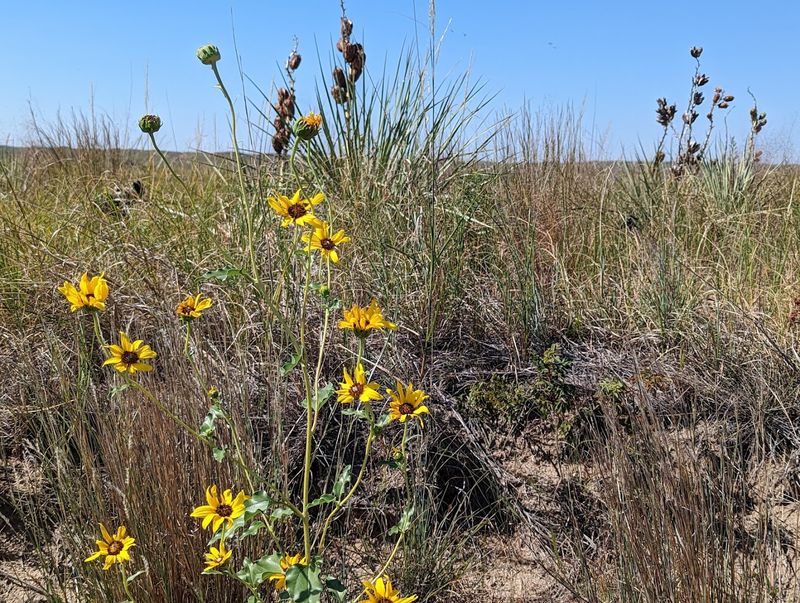
Few places in Nebraska feel as genuinely remote as the Valentine National Wildlife Refuge in the Sandhills, and February is one of the most peaceful times to experience it.
Bald eagles are commonly spotted near open water during winter months, and the frozen wetlands take on a silvery quality that is hard to find anywhere else in the state.
The refuge covers over 71,000 acres of native grassland and lakes, making it one of the largest refuges in the Great Plains region.
Smith Falls State Park is also a short drive from Valentine and stays accessible through winter months.
Smith Falls is home to Nebraska’s tallest waterfall, which continues flowing even in colder temperatures and sometimes develops partial ice formations along its edges.
The short hike to the falls is manageable in winter gear and offers a dramatic visual payoff for the effort.
Valentine itself has a handful of locally owned cafes and diners where stopping in to warm up feels natural after a morning outdoors.
February crowds in this part of Nebraska tend to be thin, which means more space and fewer wait times at popular spots along the way.
March: Sandhill Crane Migration, Kearney and Grand Island Area
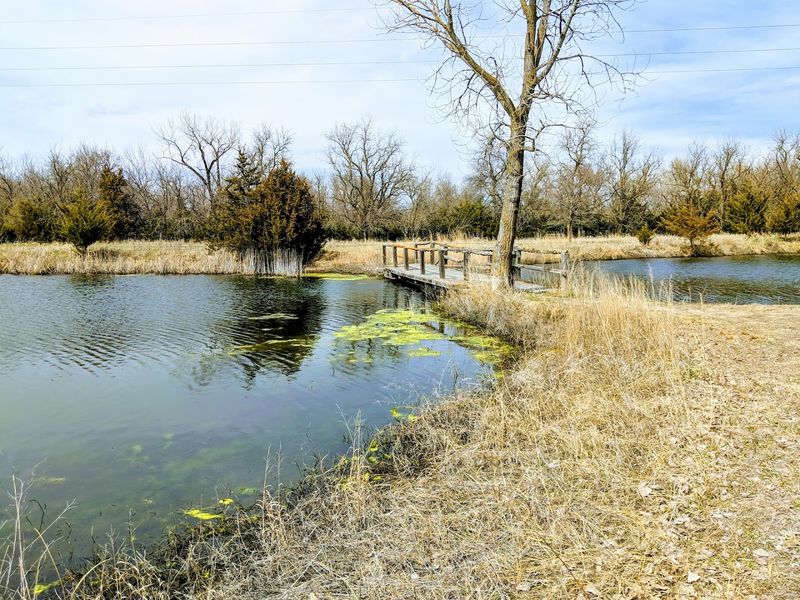
Every March, the central Platte River valley becomes one of the most remarkable wildlife spectacles on the continent.
Nearly half a million sandhill cranes stop along the river between Grand Island and Kearney during their northward migration, and peak numbers typically hit between mid and late March.
Watching hundreds of thousands of birds rise from the river at dawn is a genuinely hard experience to put into words.
The Crane Trust Nature and Visitor Center at 9325 S Alda Road in Wood River, Nebraska offers guided blind tours that position visitors at eye level with the cranes as they settle in for the night.
Reservations for these tours fill up weeks in advance, so booking early is strongly recommended.
Audubon’s Rowe Sanctuary near Gibbon is another well-regarded viewing site that also offers structured blind experiences during migration season.
Daytime viewing along highway bridges and designated pullouts is free and accessible without a reservation, which makes this trip possible even without advance planning.
Binoculars make a noticeable difference in the experience, and mornings tend to offer better light and more active crane behavior than afternoons.
April: Arbor Day Celebration, Nebraska City
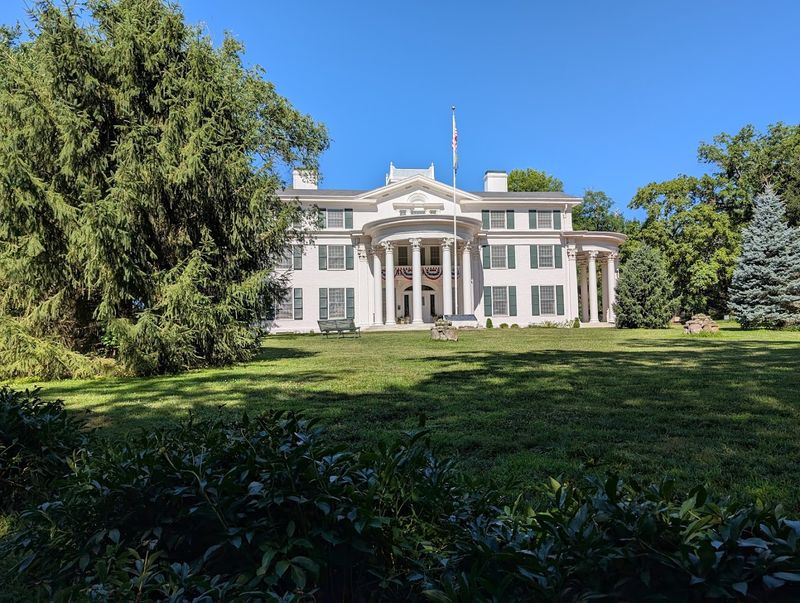
Nebraska City holds a special connection to Arbor Day since the holiday was founded there by J. Sterling Morton in 1872, and April is the month when that history comes fully alive.
The 2026 Arbor Day celebration is scheduled for April 24 through 26, bringing tree plantings, educational programs, and outdoor activities to the area around Arbor Lodge State Historical Park.
The park grounds include dozens of mature tree varieties that are particularly striking in spring when fresh growth fills the canopy.
Arbor Lodge State Historical Park sits at 2300 2nd Avenue in Nebraska City, Nebraska, and the historic mansion on the property offers tours that walk through the Morton family’s legacy and the origins of the holiday itself.
The surrounding formal gardens are well maintained and offer a pleasant walking experience even outside of the festival weekend.
Admission prices are modest and the grounds are accessible to most mobility levels.
Nebraska City also has a small but walkable downtown with shops and food options that make for an easy afternoon after the park.
The town’s apple orchards are not yet in season in April but the landscape around the area is green and rolling in a way that feels distinctly spring-like.
May: Lauritzen Gardens, Omaha
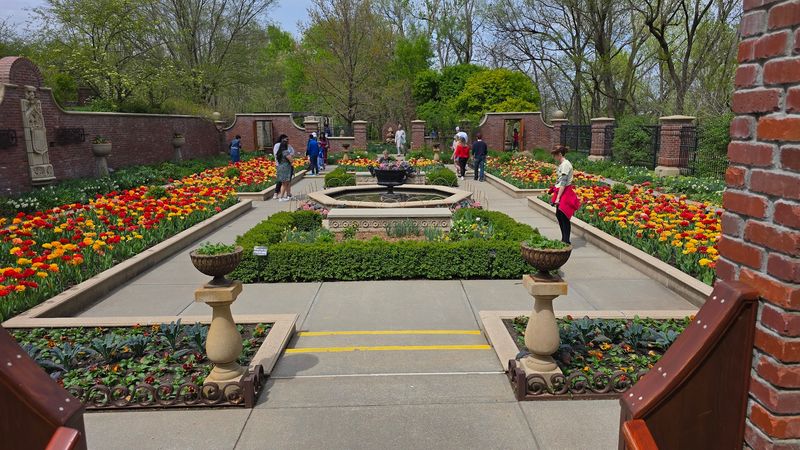
Spring reaches its most vivid point in Omaha during May, and Lauritzen Gardens tends to show that off in a way that feels almost surprising for a midwestern city.
The botanical garden covers 100 acres and includes rose gardens, a children’s garden, a model railroad display, and seasonal plant collections that shift with the calendar.
May is one of the most colorful months to visit because the tulips and spring bulbs are typically still going while early summer perennials begin to open.
Located at 100 Bancroft Street in Omaha, Nebraska, Lauritzen Gardens charges a general admission fee that varies by age, and the garden is open most days of the week.
The children’s garden section is interactive and designed to hold the attention of younger visitors, which makes the overall visit work well for families with mixed ages.
A cafe on the grounds offers light food options for visitors who want to extend their stay without leaving the property.
Weekday mornings tend to be the calmest time to visit, with noticeably fewer people on the paths and easier access to seating near the water features.
The model railroad display inside the conservatory building is a popular stop that adds an unexpected layer of detail to the visit.
Comfortable walking shoes are a practical choice since the garden involves a good amount of uneven terrain.
June: College World Series Atmosphere, Omaha
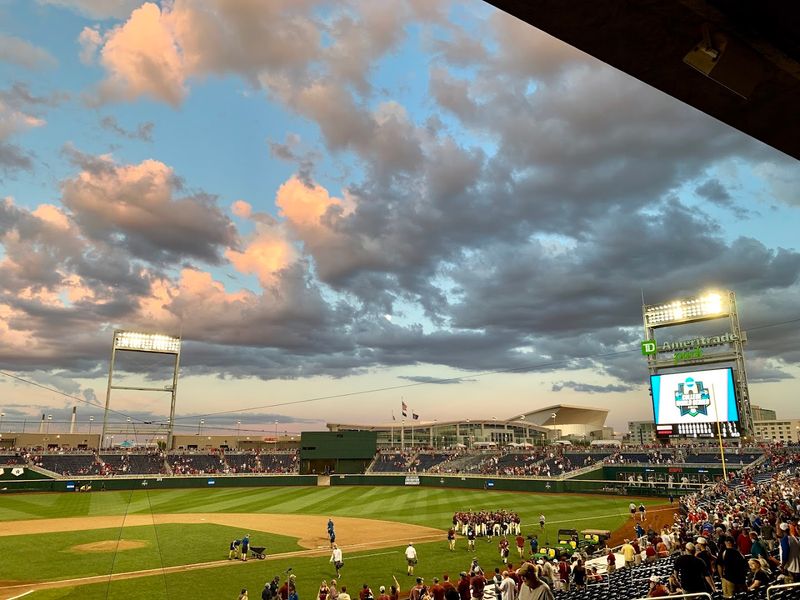
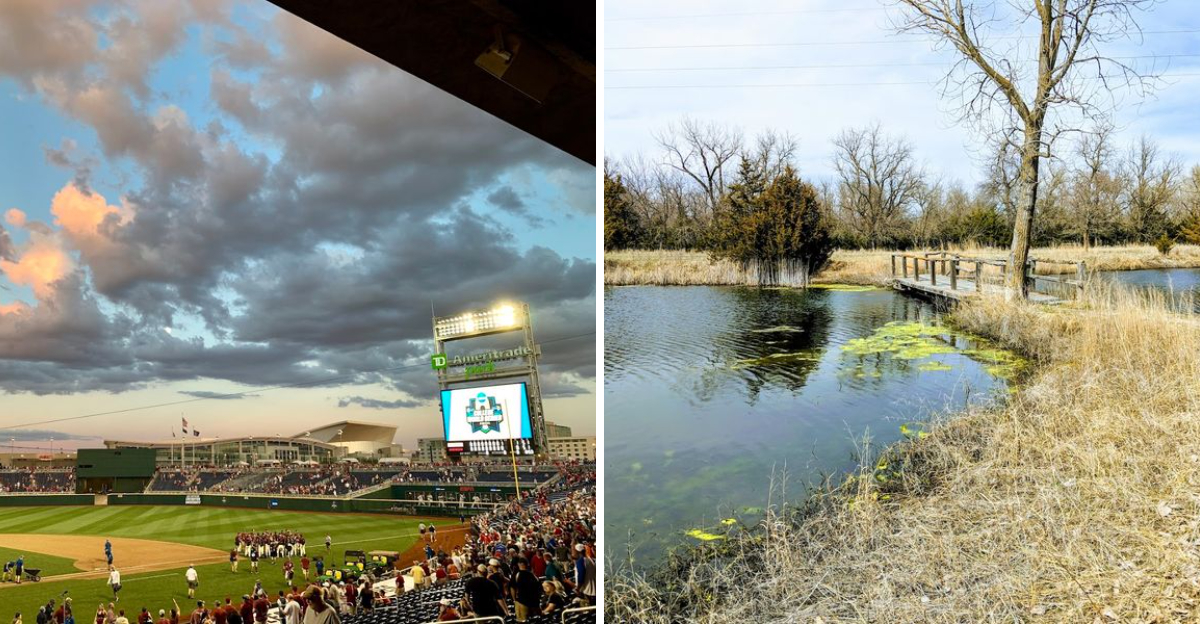
Baseball and summer heat arrive together in Omaha each June, and the College World Series turns the city into something noticeably more energetic than its usual pace.
Even for visitors who are not deeply invested in college baseball, the atmosphere around the stadium and the surrounding Old Market neighborhood has a festival-like quality that is easy to enjoy.
Street vendors, outdoor seating, and a general sense of collective excitement fill the blocks near the ballpark throughout the tournament.
Charles Schwab Field Omaha, located at 1 Cuming Street in Omaha, Nebraska, hosts the games and the stadium itself is modern and relatively easy to navigate.
Single-session tickets are available through the NCAA but tend to sell out quickly for popular matchups, so checking availability early in the spring is a practical move.
Standing room and general admission options sometimes remain available closer to game dates when reserved seats are gone.
Old Market is within easy walking distance of the stadium and offers a range of restaurants, coffee shops, and independent stores that give the day a fuller feel beyond just the game.
June temperatures in Omaha can be warm and humid, so light clothing and sunscreen are worth packing for afternoon games.
Evening games tend to feel more comfortable temperature-wise and draw strong crowds into the surrounding streets after the final out.
July: Kool-Aid Days, Hastings
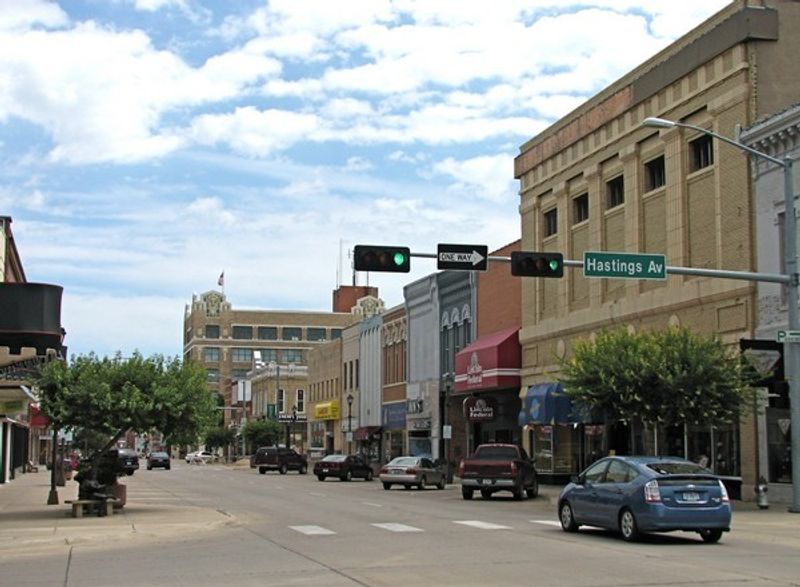
Hastings, Nebraska holds the quirky distinction of being the birthplace of Kool-Aid, and every July the town leans fully into that identity with a festival that celebrates the drink’s 1927 origins.
Kool-Aid Days typically takes place over a summer weekend and includes a parade, carnival rides, live music, and plenty of Kool-Aid-themed activities that lean playful rather than overly corporate.
The event draws visitors from across the region who come as much for the novelty as for the small-town summer festival feel.
The Hastings Museum at 1330 N Burlington Avenue in Hastings, Nebraska has a permanent exhibit dedicated to the invention of Kool-Aid and is worth visiting alongside the festival weekend.
The museum also covers natural history and regional history in a way that makes it a solid standalone stop even outside of July.
Admission to the museum is reasonably priced and the building is air-conditioned, which is a welcome detail during July heat.
Downtown Hastings has a walkable stretch of shops and local eateries that fill out the afternoon nicely after the festival grounds.
July in Nebraska tends to bring high temperatures and direct sun, so planning outdoor time in the morning and moving indoors during peak afternoon heat makes the day more comfortable.
Parking around the festival area is generally available but fills faster on Saturday than Sunday.
August: Ashfall Fossil Beds State Historical Park, Royal
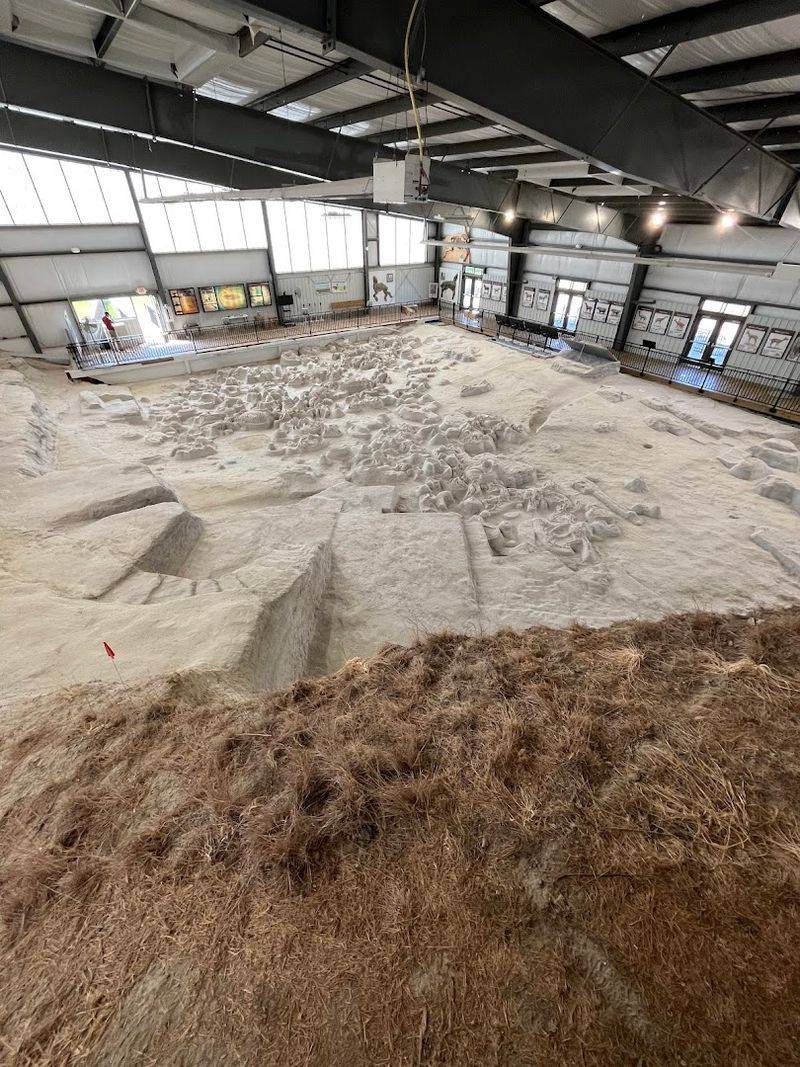
Roughly twelve million years ago, a massive volcanic eruption buried a watering hole in what is now northeastern Nebraska, preserving the animals that gathered there in remarkable detail.
Ashfall Fossil Beds State Historical Park in Royal contains one of the most intact fossil sites in North America, and the bones of prehistoric rhinos, horses, camels, and birds are still visible in the exact positions where they passed.
The site has a large covered excavation building called the Rhino Barn that allows visitors to walk over active dig areas on elevated platforms.
The park is located at 86930 517th Avenue in Royal, Nebraska and is open seasonally, typically from late May through mid-October, making August a reliable time to visit while the full site is accessible.
Staff members are usually on-site during open hours to answer questions and point out specific fossils along the walkway.
The visitor center has additional exhibits that provide geological and biological context for what is seen in the dig area.
Royal is a small town in a rural part of Nebraska, so bringing food and water for the day is a smart move since options nearby are limited.
The drive through Antelope County is flat and open in a way that feels distinctly Great Plains, and the park itself rewards visitors who take time to read the interpretive signs rather than moving quickly through.
Children tend to find the fossil displays genuinely engaging rather than just educational.
September: AppleJack Festival, Nebraska City
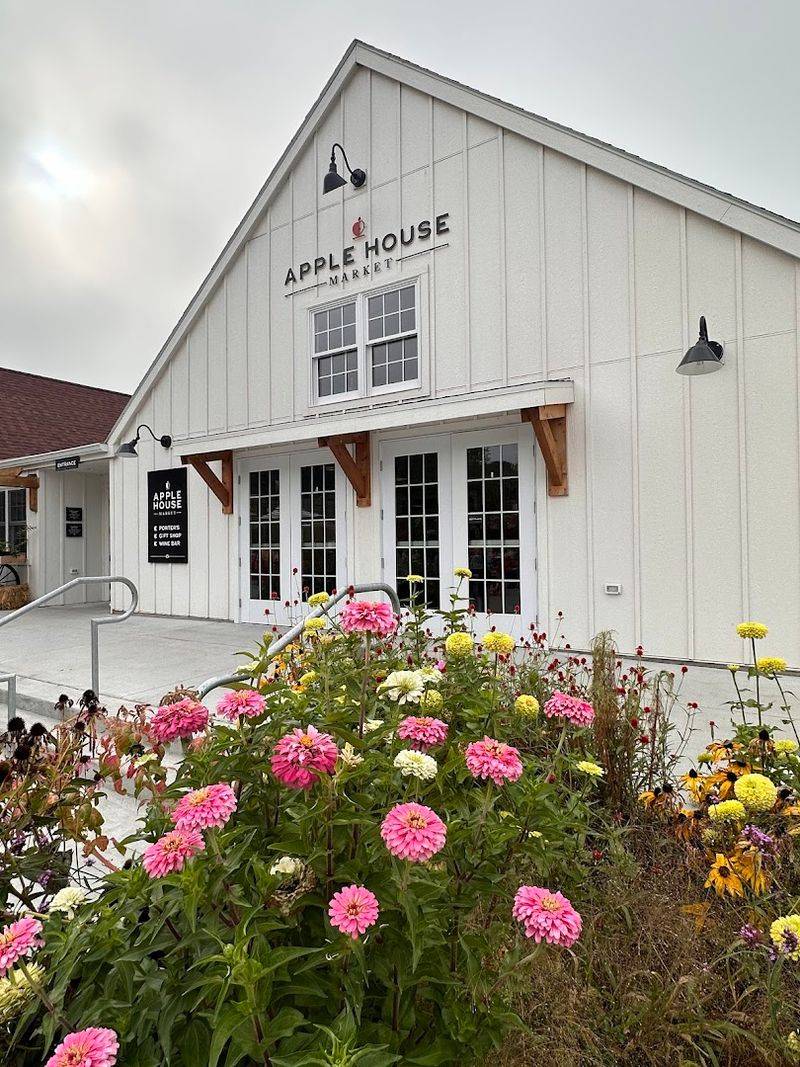
Nebraska City’s apple orchards hit their productive peak in September, and the AppleJack Festival is built around that harvest in a way that feels genuinely connected to the land rather than just themed around it.
The 2026 festival dates are September 18 through 20 and September 26 through 27, giving visitors two separate weekends to choose from.
Activities include orchard tours, apple picking, craft vendors, live entertainment, and food options that lean heavily on local produce.
Kimmel Orchard and Vineyard at 2963 G Road in Nebraska City, Nebraska is one of the well-known stops in the area during apple season and offers a hands-on picking experience that works well for families.
The orchard setting has a relaxed pace that feels different from a typical festival, and the chance to walk through working apple trees in early fall is genuinely pleasant.
Other orchards in the Nebraska City area also participate in the broader harvest season, so the options extend beyond a single location.
Downtown Nebraska City sees increased foot traffic during AppleJack weekends, and the local shops and restaurants tend to be lively without feeling overwhelming.
Fall temperatures in Nebraska can vary significantly between morning and afternoon, so layering clothing is a practical approach.
Arriving earlier in the day on festival weekends tends to mean shorter waits at popular orchard stops and easier parking near the main festival area.
October: Indian Cave State Park, Shubert
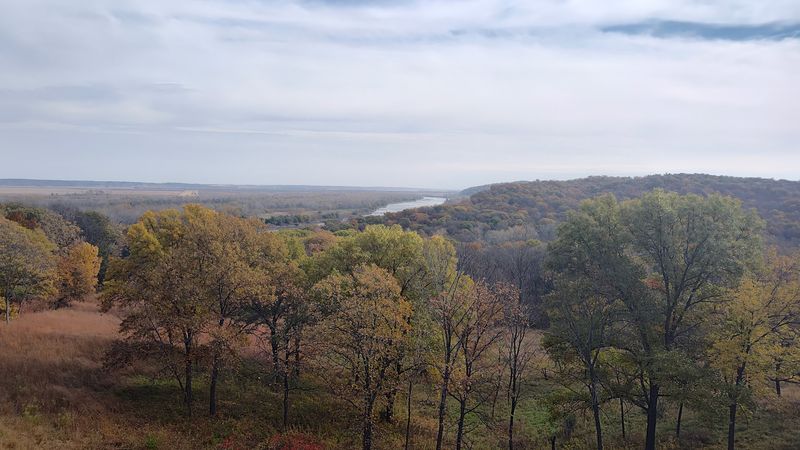
Fall color in Nebraska tends to be most dramatic along river bluffs, and Indian Cave State Park near Shubert is one of the best places in the state to experience that.
The park sits along the Missouri River in the southeastern corner of Nebraska, and the combination of hardwood forest and elevated terrain creates a layered fall landscape that looks genuinely different from the flatter parts of the state.
October is reliably the peak month for color in this region.
Grounds include over 20 miles of hiking trails ranging from easy riverside walks to more strenuous bluff climbs.
The cave itself, which gives the park its name, contains Native American petroglyphs and is accessible via a moderate trail.
Interpretive signs along the cave route provide historical context that adds depth to what would otherwise be just a scenic hike.
Cabin and camping reservations through the Nebraska Game and Parks Commission fill up quickly for October weekends, so planning ahead is important if an overnight stay is part of the plan.
Day visitors do not need reservations but should expect fuller parking areas on weekends with peak foliage.
The park also has a reconstructed 1800s frontier town called St. Deroin that adds a historical element to the visit alongside the natural scenery.
November: Scotts Bluff National Monument and Chimney Rock, Western Nebraska
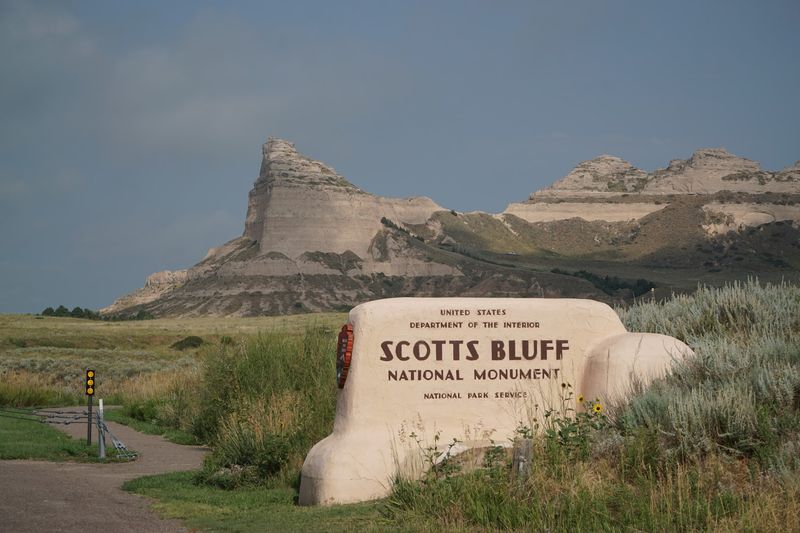
Western Nebraska has a scale and openness that hits differently in November when the summer tourist traffic has thinned and the landscape takes on a quieter, more austere character.
Scotts Bluff National Monument and Chimney Rock are two of the most historically significant landmarks along the Oregon Trail corridor, and visiting them together makes for a full and meaningful day.
Both sites carry real weight as landmarks that guided hundreds of thousands of westward migrants through the 1800s.
Scotts Bluff National Monument is located at 190276 Old Oregon Trail in Gering, Nebraska, and the visitor center there provides solid historical context before the drive or hike to the summit.
The summit road is paved and accessible by car when weather permits, offering wide views across the North Platte River valley that extend for many miles on clear days.
November can bring cold and wind to this part of Nebraska, so checking the weather forecast before the drive west is worth doing.
Chimney Rock National Historic Site is roughly 25 miles to the east near Bayard and has its own small visitor center that tells the story of the landmark’s role in westward migration.
The rock formation itself is visible from a considerable distance along Highway 92, which gives the approach a dramatic quality that photographs rarely capture fully.
Combining both sites in a single November day is realistic with an early start and a simple plan for lunch in Scottsbluff or Gering.
December: Holiday Lights Festival, Omaha

Downtown Omaha transforms noticeably in December when the Holiday Lights Festival fills the Old Market district with millions of lights strung across buildings, trees, and archways.
The festival runs through much of December and has become a genuine seasonal tradition in the city, drawing visitors from across the region who come specifically for the evening atmosphere.
The Old Market’s brick streets and historic architecture give the light displays a warmth that more modern settings tend to lack.
Union Station is a central stop during the holiday season and often features its own seasonal exhibits and decorations inside the beautifully restored Art Deco building.
The building’s main hall has high ceilings and detailed architecture that make it worth visiting even without a special event, but December programming adds an extra layer of seasonal interest.
Admission to the museum is separate from the outdoor light festival, which is free to walk through.
Parking in the Old Market area is available in several nearby garages and surface lots, and walking between the lights and the museum is easy since both are within the same general neighborhood.
December evenings in Omaha can be quite cold, so dressing in proper winter layers makes a meaningful difference in how long a comfortable walk through the lights lasts.