These Southwest Florida Beaches Are A Dream Come True For Seashell Hunters
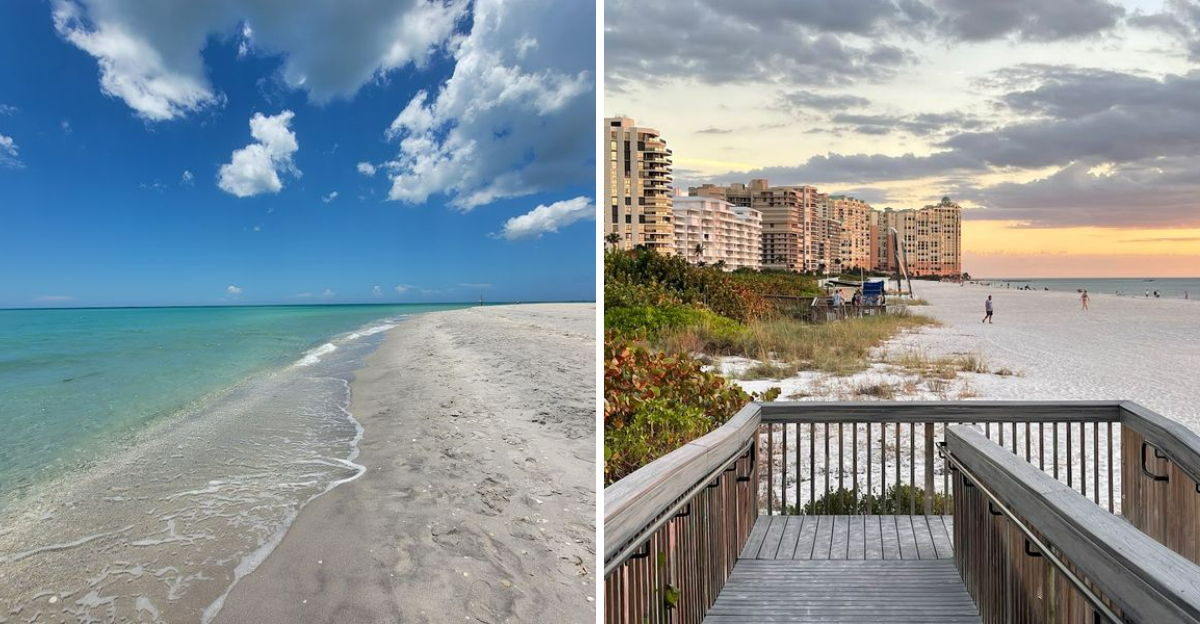
I have combed beaches across three continents, and nothing prepared me for what the Gulf Coast of Florida had waiting. The shells here are not just plentiful.
They are ridiculous. Junonia, horse conchs, lightning whelks, alphabet cones.
State regulations actually protect certain live shells here because the bounty is that extraordinary. Most beach destinations give you broken fragments and half-hearted finds.
This state gives you the kind of shelling that turns casual visitors into obsessed collectors overnight. Some people come for the water.
Some come for the sunsets. But the ones who know, they come for what the tides leave behind.
Keep reading, and you will understand exactly why serious shell hunters treat this corner of Florida like their own private paradise.
1. Bowman’s Beach Park
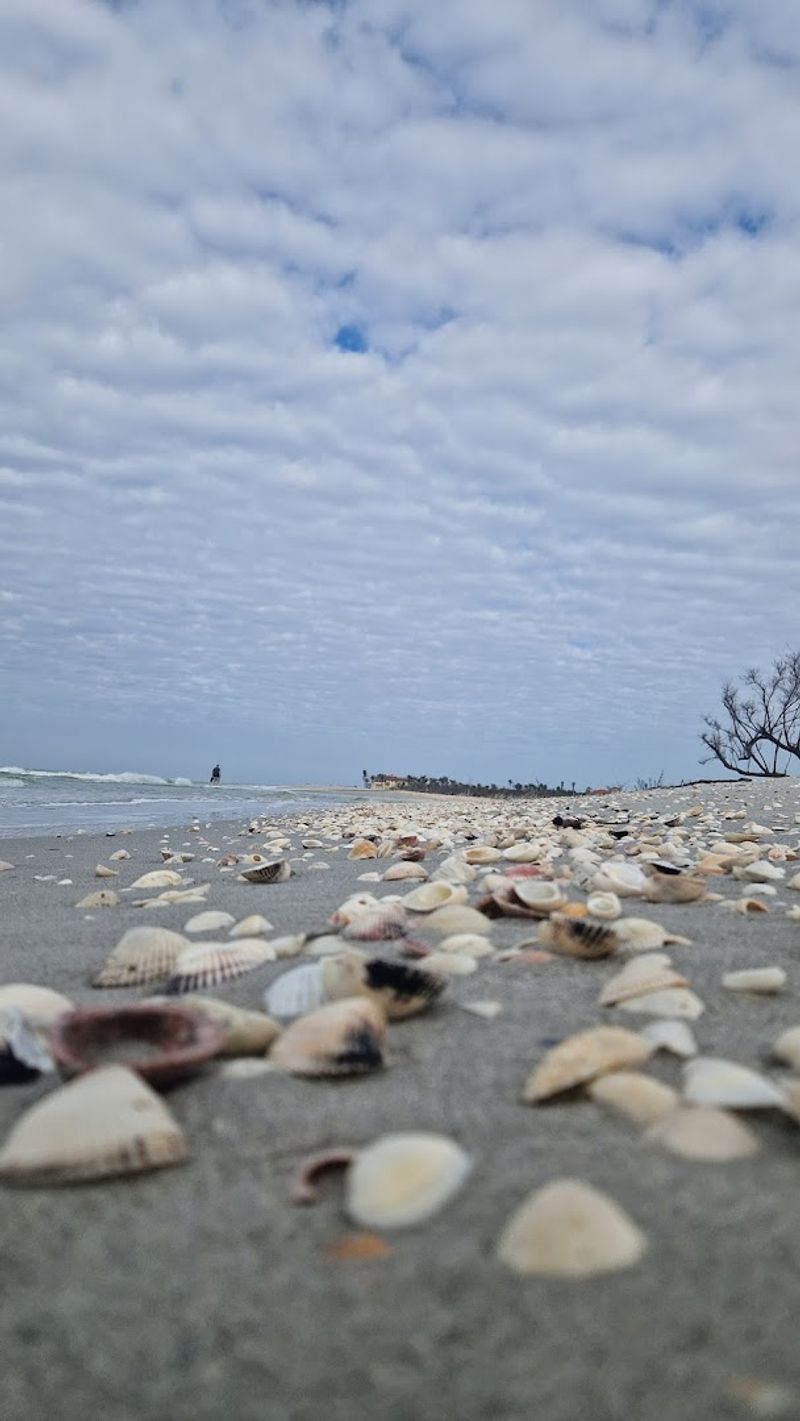
Nobody warns you about the Sanibel Stoop until your back is already aching from bending over constantly. That bent-over posture is practically the official stance at Bowman’s Beach Park, located at 1700 Bowman’s Beach Rd, Sanibel Island, FL 33957.
This beach consistently ranks in the top 10 worldwide for shelling, and that reputation is well earned. Lightning whelks, junonia, and murex shells pile up here after every tide.
The variety is genuinely staggering.
Getting here requires a short walk through a shaded path, which naturally keeps the crowds thinner. Serious shellers arrive before sunrise with a bucket and a flashlight.
The shells do not last long once the sun comes up.
The beach faces west, which means the Gulf currents deliver fresh deposits constantly. After a storm, the shell piles can be knee-deep in spots.
It sounds unbelievable until you see it firsthand.
Bring a mesh bag instead of a solid bucket so sand drains easily. Wear water shoes because shells can be sharp underfoot.
This beach rewards patience and early risers more than anywhere else on the island.
2. Blind Pass Beach
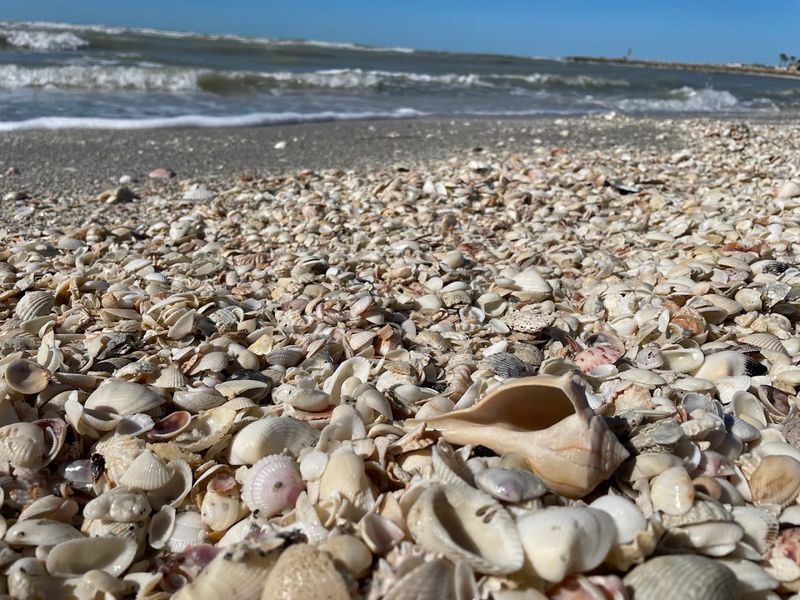
Strong currents are a shell hunter’s best friend, and Blind Pass Beach has some of the strongest on the entire island. The narrow strait between Sanibel and Captiva acts like a funnel, pushing rare shells directly onto the sand.
Located at 6491-6499 Sanibel Captiva Rd, Sanibel, FL 33957, this spot is a firm favorite among locals who know where the unusual specimens end up. You will not find this level of variety at the more popular tourist beaches nearby.
The currents here shift regularly, which means the shell selection changes with every visit. One morning you might find perfect fighting conchs.
The next day brings a fresh batch of banded tulips.
Locals tend to arrive quietly at low tide, scan the wrack line carefully, and leave before the day-trippers show up. That early window is genuinely golden.
The shells are freshest and most intact right after the tide pulls back.
Parking is limited, so arriving early is smart for more than one reason. The beach itself is narrower than Bowman’s, but the quality of finds more than compensates.
Unusual and intact specimens show up here with surprising regularity.
3. Lighthouse Beach Park
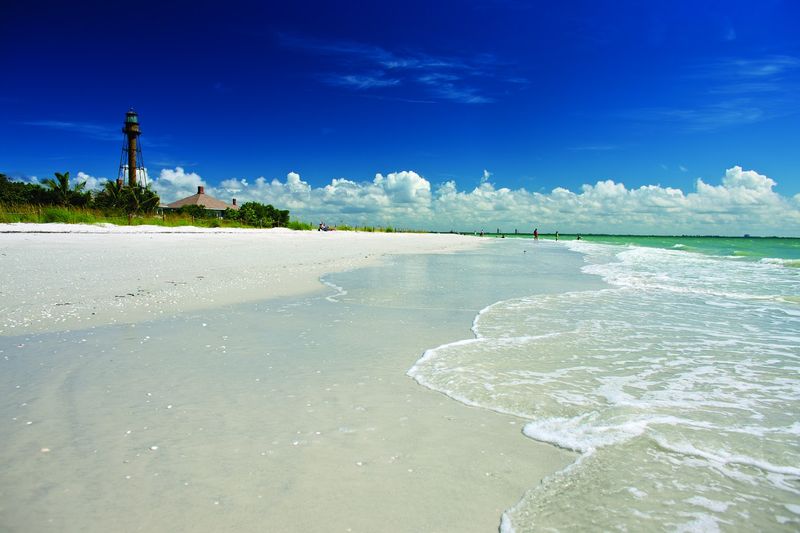
Watching the sun rise over Lighthouse Beach Park while shells glow in the early light is genuinely one of those moments that stays with you. This beach sits at the eastern tip of Sanibel Island, and it is open 24 hours a day.
The address is 110 Periwinkle Way, Sanibel, FL 33957, making it the first beach you hit after crossing onto the island. That accessibility makes it popular, but the early morning hours belong entirely to the shellers.
The historic lighthouse standing nearby makes this one of the most photographed shelling spots anywhere on the island. The backdrop alone is worth the trip.
The shells scattered across the sand in the soft morning light look almost arranged on purpose.
Species found here include lettered olives, moon snails, and the occasional lion’s paw if you are lucky. The wrack line near the water’s edge is always worth scanning carefully.
Fresh deposits appear with each outgoing tide.
Night shelling is also popular here since the park never closes. Bring a waterproof flashlight and scan slowly along the wet sand.
Shells that blend in during daylight practically glow under a beam at night.
4. Turner Beach
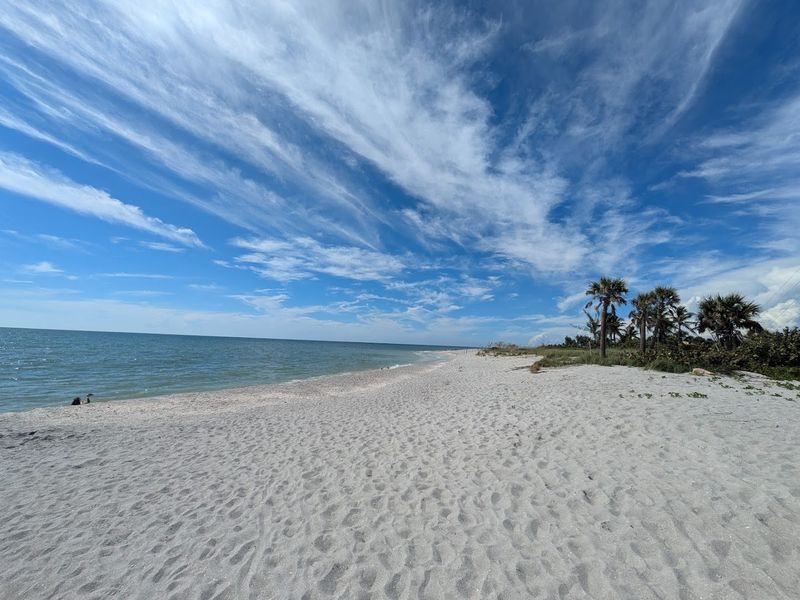
Serious shellers know something the casual beach crowd does not: the jetty area near a bridge is almost always where the rare stuff ends up. Turner Beach, located near Blind Pass Bridge at 17200 Captiva Dr, Captiva, FL 33924, proves that rule perfectly.
This is where locals go when they are hunting for something genuinely unusual. The rocky structure near the bridge traps shells that would otherwise wash back out with the tide.
Intact specimens turn up here that you simply would not find on open stretches of sand.
The current through Blind Pass is powerful and consistent, and Turner Beach sits right at the receiving end of that flow. After a strong weather system moves through, the shell deposits can be remarkable.
Patience and timing make all the difference.
Species like scotch bonnets and junonia, two of the most prized finds in all of Florida, have been spotted by shellers working this stretch carefully. Those finds are never guaranteed, but the odds here are better than most.
That possibility keeps dedicated collectors coming back.
Wear shoes with good grip near the jetty rocks. The surface gets slippery when wet.
Safety first means more shelling trips in the future.
5. Captiva Beach (Alison Hagerup Beach Park)
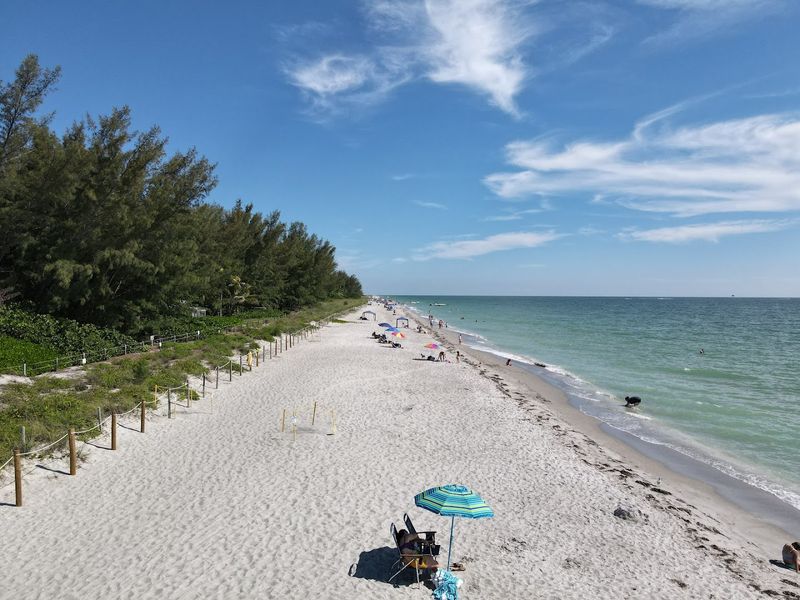
There is something almost unfair about a beach that offers world-class shelling AND the most spectacular sunsets you have ever witnessed. Captiva Beach, officially Alison Hagerup Beach Park at 14790 Captiva Dr, Captiva Island, FL 33924, delivers both without breaking a sweat.
The island’s northern tip position means Gulf currents deposit shells generously along this stretch. The powder-white sand is soft underfoot, and the water color shifts from green to deep blue depending on the light.
It is visually stunning at any hour.
Shelling here tends to be excellent in the early morning before other visitors arrive. The wrack line along the tide’s edge holds the freshest deposits.
Lettered olives, tulip shells, and fighting conchs are among the most common finds.
The romantic atmosphere draws couples, but serious shell hunters fit in just as naturally. Everyone is looking down at the sand anyway.
Nobody judges you for spending two hours hunched over the shoreline here.
The beach is less crowded than many Sanibel spots, which means more undisturbed ground to cover. Bring a wide-brimmed hat because the afternoon sun here is relentless.
The reward for enduring the heat is a bucket full of beautiful shells and a sunset you will talk about for years.
6. South Marco Beach
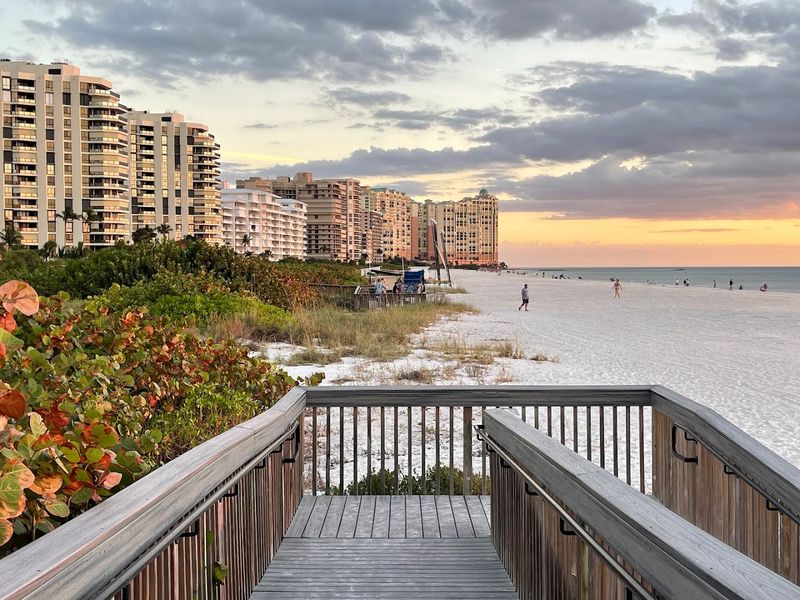
Marco Island has two public beaches, and most visitors default to Tigertail without realizing the second option is equally rewarding. South Marco Beach, off Swallow Ave on 671 County Rd 951, Marco Island, FL 34145, offers excellent shelling with noticeably fewer people to compete with.
The full variety of Southwest Florida shells shows up here regularly. Cockles, olives, murex, and clams are consistent finds.
The beach is wide and the sand is clean, making it easy to scan large sections without missing much.
What makes this spot appealing is the straightforward access and the relaxed pace. There is no lagoon to wade across and no bridge to navigate.
You park, you walk to the water, and you start finding shells almost immediately.
The quieter crowd means the wrack line stays less picked over throughout the day. Arriving mid-morning still yields solid results here, unlike the more famous beaches where early arrival is non-negotiable.
That flexibility suits visitors with less rigid schedules.
Shell quality tends to be high because the beach does not see the same foot traffic as Tigertail. Intact specimens are common.
Bring a sorting tray to separate your best finds from the broken pieces on the way back to the car.
7. Lovers Key State Park
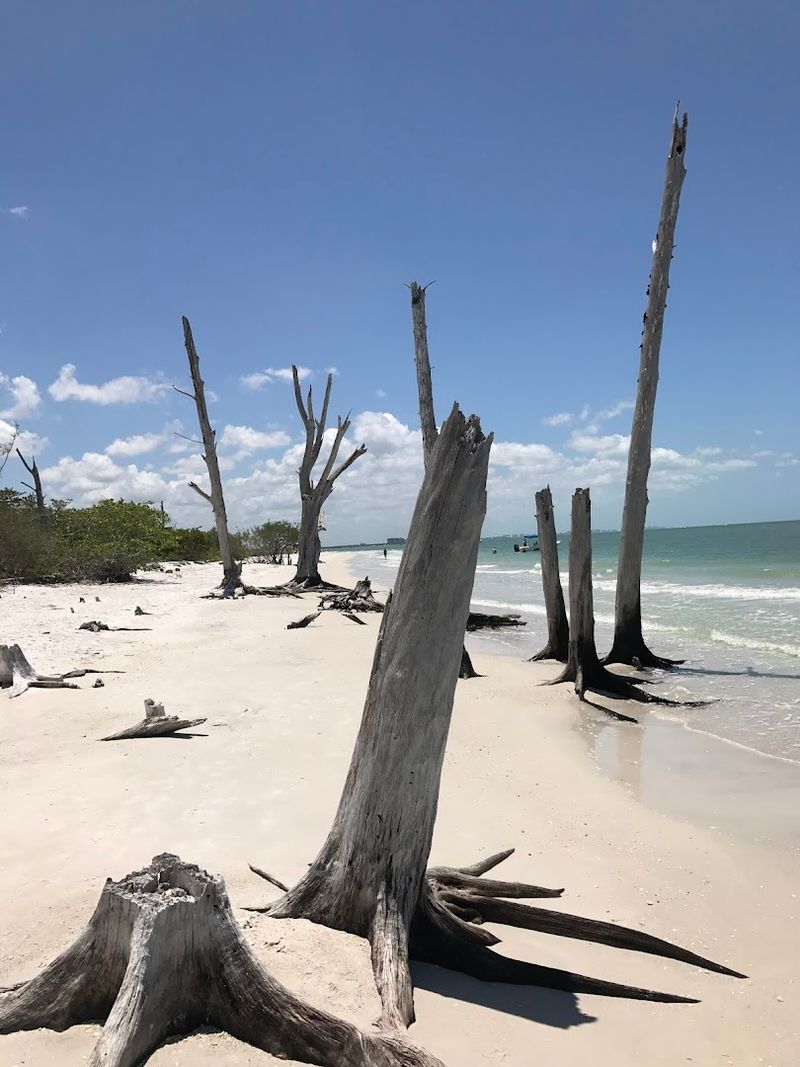
Riding a tram through dense mangroves to reach a pristine shelling beach is an entrance that builds genuine anticipation. Lovers Key State Park at 8700 Estero Blvd, Fort Myers Beach, FL 33931, delivers on every bit of that buildup.
The park is open 365 days a year, which means no matter when you visit, the beach is waiting. The two-mile stretch of unspoiled barrier island shoreline is one of the finest shelling grounds in this part of the state.
The seclusion created by the mangrove buffer keeps the beach feeling wild.
Because access requires the tram, casual visitors sometimes skip the effort. That works entirely in a shell hunter’s favor.
Less foot traffic means more undisturbed shells piled along the tide line.
The variety of species here is broad, reflecting the full range of what the Gulf delivers to barrier island beaches. Whelks, conchs, scallops, and moon snails are all regular finds.
After a storm system passes through, the deposits can be extraordinary.
The park also has kayak rentals for exploring the surrounding waterways after your shelling session. Dolphins are frequently spotted in the channels nearby.
It is a full day’s worth of nature without ever needing to leave the park boundaries.
8. Barefoot Beach Preserve
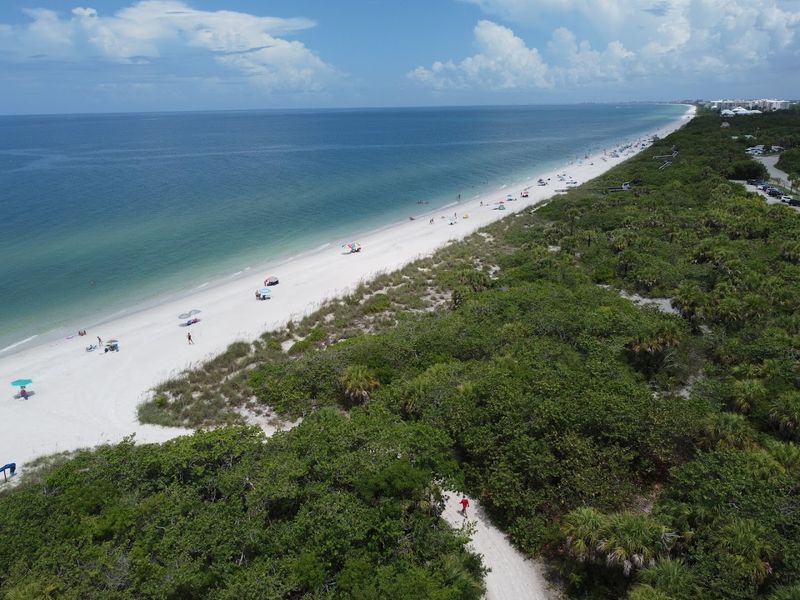
Eight thousand two hundred feet of pristine, undeveloped coastline is a genuinely rare thing anywhere on the Gulf Coast. Barefoot Beach Preserve at 505 Barefoot Beach Blvd, Bonita Springs, FL 34134 is one of the last truly wild barrier island beaches on the entire southwest coast.
Shells arrive here largely undisturbed simply because development never took hold. No resorts, no condos, no beach vendors.
Just sand, shells, water, and the occasional osprey overhead. The natural state of the beach is what makes the shelling so consistently excellent.
The preserve opens daily at 8am, giving early risers first access to whatever the overnight tides deposited. In 2026, expert docents are on-site to help visitors identify species and understand the local ecosystem.
That resource alone makes the visit more educational and genuinely interesting.
Gopher tortoises live in the dune vegetation here and can sometimes be spotted near the beach access paths. They are completely harmless and utterly charming.
Seeing one on the way to the water sets a wonderful tone for the whole morning.
Bring plenty of water because there are no concession stands. The natural setting means you are responsible for packing everything in and out.
That small inconvenience is a fair trade for one of the most pristine beaches in the region.
9. Delnor-Wiggins Pass State Park
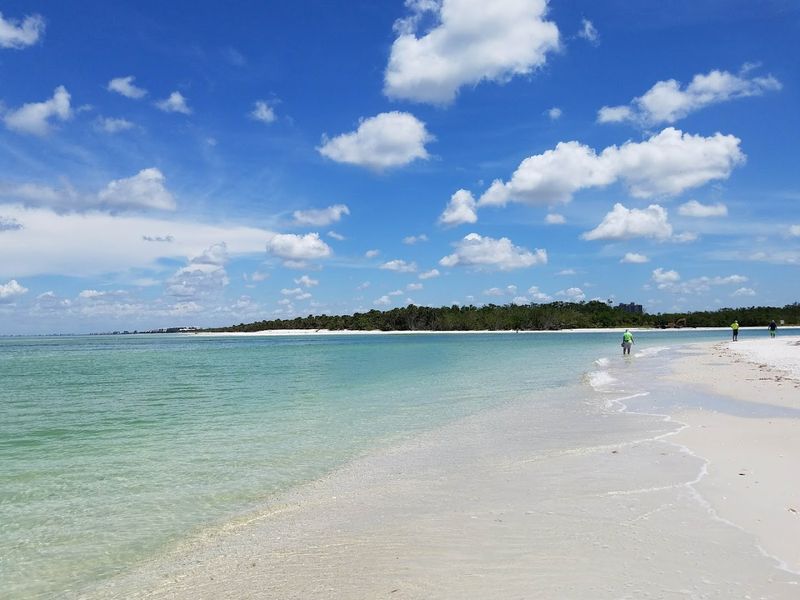
Naples has a reputation for polish and luxury, but Delnor-Wiggins Pass State Park at 11135 Gulfshore Dr, Naples, FL 34108 is where the city keeps its wild side. Swift tidal currents through Wiggins Pass make this beach one of the most reliably productive shelling spots in the Naples area.
The pass acts like a conveyor belt, constantly delivering fresh shells from deeper Gulf waters onto the beach. After storms or strong wind events, the deposits here can be extraordinary.
Experienced shellers specifically plan visits around weather systems for this reason.
The beach stretches for a satisfying length, giving collectors plenty of ground to cover without retracing steps. The northern end near the pass tends to produce the most interesting finds.
That area sees the strongest current action and the freshest shell deposits.
The park’s natural setting means the water is clean and clear, which makes spotting shells in the shallows much easier. Wading along the shoreline with polarized sunglasses lets you see shells before the waves tumble them back out.
That technique genuinely improves your haul.
Parking fills up on weekends, so a weekday visit is strongly recommended. The park charges a modest entry fee.
Amenities include restrooms and picnic areas, making it easy to spend a full day exploring the shoreline.
10. Gasparilla Island State Park
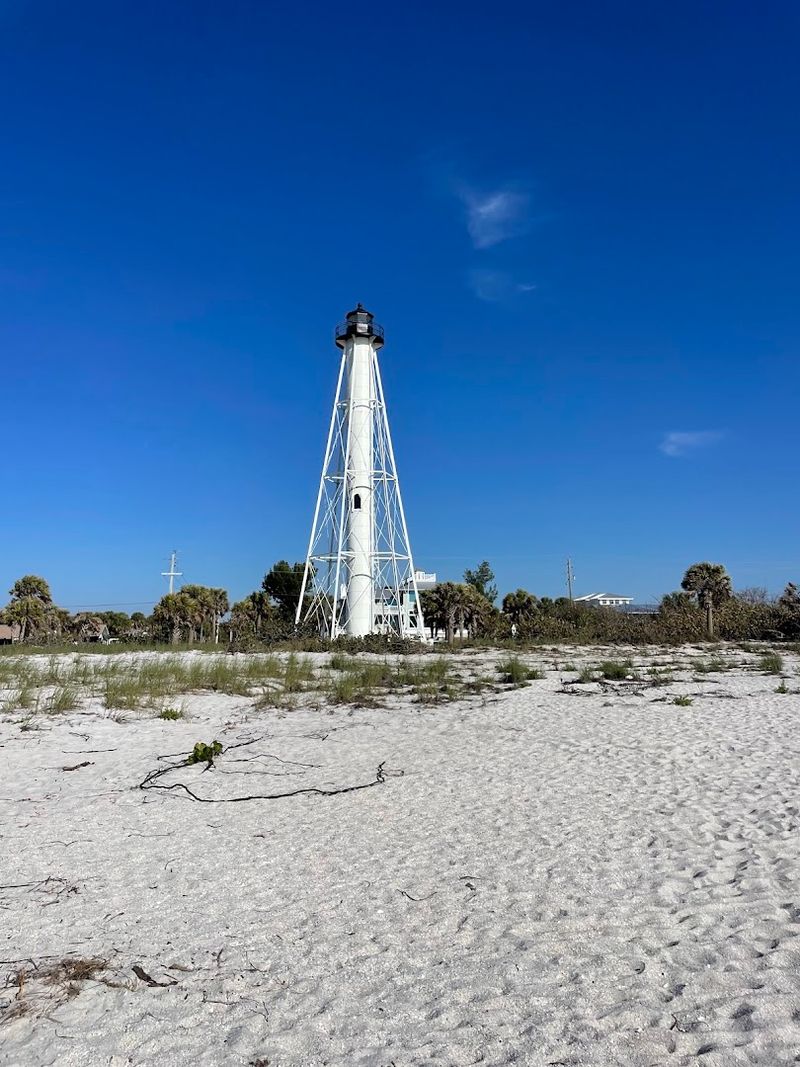
Being called the Tarpon Capital of the World is impressive enough, but Gasparilla Island State Park quietly holds a second title as a world-class shelling destination. The park at 880 Belcher Rd, Boca Grande, FL 33921 combines natural beauty with genuinely exceptional shell hunting.
The Range Light and Sea Grape parking areas are currently open and serve as the best access points for the most productive stretches of beach. Arriving at either location puts you within walking distance of shell-rich shoreline quickly.
No long hikes required.
The island’s position in Charlotte Harbor means it intercepts shells traveling along multiple current pathways. That geographic advantage translates to broader species variety than most single-current beaches can offer.
You never quite know what is going to show up on any given morning.
Boca Grande itself is a charming small town with a relaxed, old-Florida character that feels refreshingly unhurried. Grabbing breakfast before heading to the beach is easy.
The whole island operates at a pace that suits a long, leisurely shelling session perfectly.
Horse conchs, lightning whelks, and murex shells are among the consistent finds here. The beach is wide enough that even on busier days, personal space is easy to maintain.
That breathing room makes the whole experience more enjoyable and less competitive.
11. Stump Pass Beach State Park
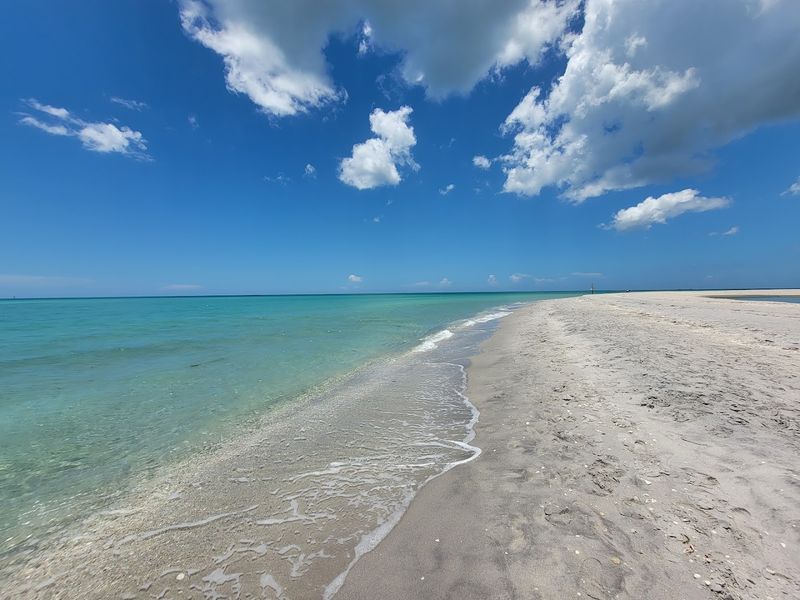
Finding a shark tooth on the beach feels like discovering something ancient and personal at the same time. Stump Pass Beach State Park at 900 Gulf Blvd, Englewood, FL 34223 is one of the few beaches where shark teeth and fossilized finds show up alongside regular shell hauls.
The strong tidal action through Stump Pass continuously refreshes the beach with new material from the Gulf floor. Shells, teeth, and fossils cycle through with every tidal change.
That constant renewal is what makes repeat visits consistently rewarding rather than repetitive.
The park has a quieter, less commercialized feel than many Gulf Coast beaches. Englewood itself is a low-key community that has not been heavily developed.
That character carries through to the beach, which feels genuinely peaceful even on busy days.
The pass area at the southern end of the park is the prime spot for unusual finds. Working that section carefully at low tide produces the most interesting results.
Bring a small sifting screen to sort through shell fragments efficiently.
Fossilized shark teeth here can be millions of years old, which puts an interesting perspective on a morning beach walk. They are small, dark, and easy to miss if you are moving quickly.
Slowing down and scanning carefully is the only reliable strategy.
12. Keewaydin Island
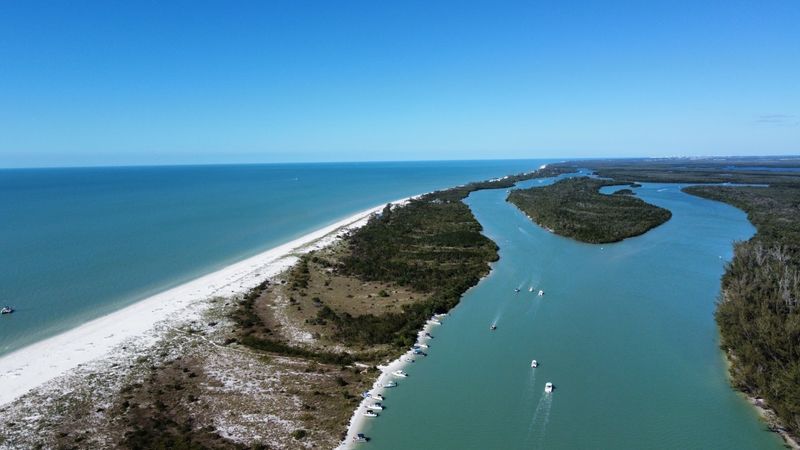
A barrier island with no roads, no permanent residents, and no crowds sounds like a shelling fantasy, but Keewaydin Island is completely real. Accessible by water taxi or private boat from Naples, FL 34102, this undeveloped stretch of Gulf shoreline is as close to untouched as it gets.
Because nobody lives here and no day infrastructure exists, shells pile up for days between visitor arrivals. The accumulation effect is remarkable.
Stretches of beach hold shell deposits that have barely been touched since the last tide laid them down.
The water taxi option makes access practical even without a private boat. Several Naples-area operators run regular trips out to the island.
Booking early during peak season is smart because spots fill up quickly once word gets out about conditions.
The shelling quality varies by section, with the Gulf-facing shore producing the broadest variety of species. Walking north from the water taxi landing point typically yields the best results.
The further you walk from the drop-off point, the less picked-over the shell deposits become.
Bring everything you need for the day because there are zero amenities on the island. Water, snacks, sunscreen, and a sturdy bag are non-negotiable.
The trade-off for that self-sufficiency is access to one of the most genuinely wild shelling beaches anywhere along this coastline.