15 Japanese Spots In Southern California That Keep Regulars Coming Back
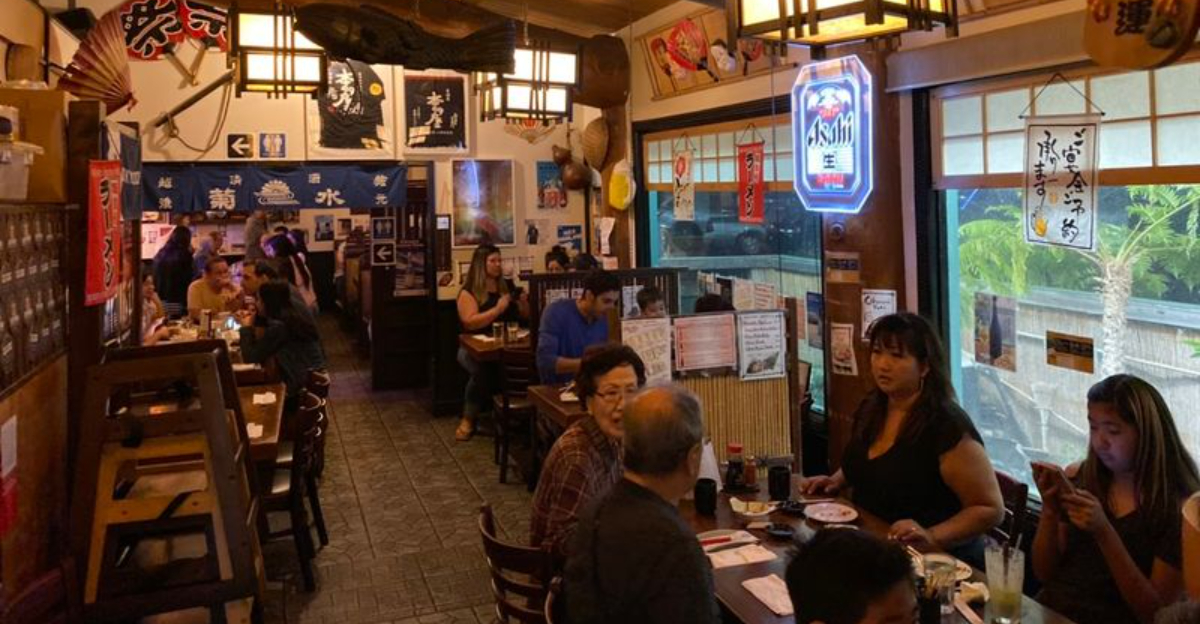
Cravings get very specific when sushi, ramen, and grilled skewers enter the conversation.
One minute dinner sounds simple. Next minute your brain is negotiating with a bowl of noodles like rent depends on it. Southern California makes that problem dangerously easy to justify.
A good Japanese spot does more than feed people. It builds routines.
Regulars know the best seat, the order that never misses, and the one dish they keep promising to share before quietly protecting it with their life.
These places have a way of turning one good meal into a full-blown loyalty test. That is where these California spots stand out.
They are not chasing attention with gimmicks or trying to look trendy for five minutes. They keep people coming back because the food feels consistent and comforting.
Fresh fish, steaming broths, crisp tempura, soft rice, and little details all start adding up fast.
Tell me honestly, how many times can a place get dinner right before it becomes part of your life?
1. n/naka
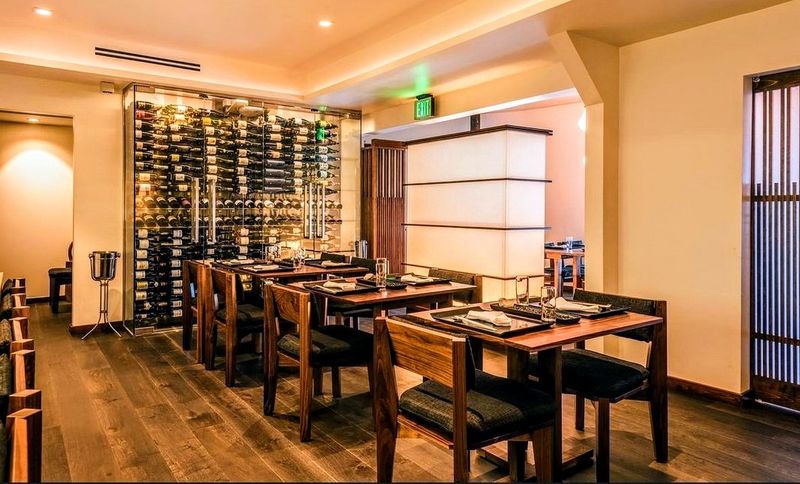
Few dining experiences in Los Angeles carry the quiet intensity that comes with sitting down at n/naka for an evening.
Located at 3455 Overland Ave, Los Angeles, CA 90034, this kaiseki restaurant takes a deeply seasonal approach to its tasting menu, drawing on both traditional Japanese technique and California ingredients.
Every course is considered from start to finish, and the pacing feels unhurried in a way that is increasingly rare.
The space itself is calm and intimate, with soft lighting and a minimal design that keeps the focus entirely on what is being served.
Reservations are required and can be competitive to secure, so planning well ahead is strongly recommended.
The experience tends to be on the longer side, making it better suited for evenings when there is no rush.
Guests who return regularly often mention how the menu shifts with the seasons, meaning no two visits feel identical.
The price point reflects the level of craftsmanship involved, and it is worth understanding that going in.
2. Sushi Gen
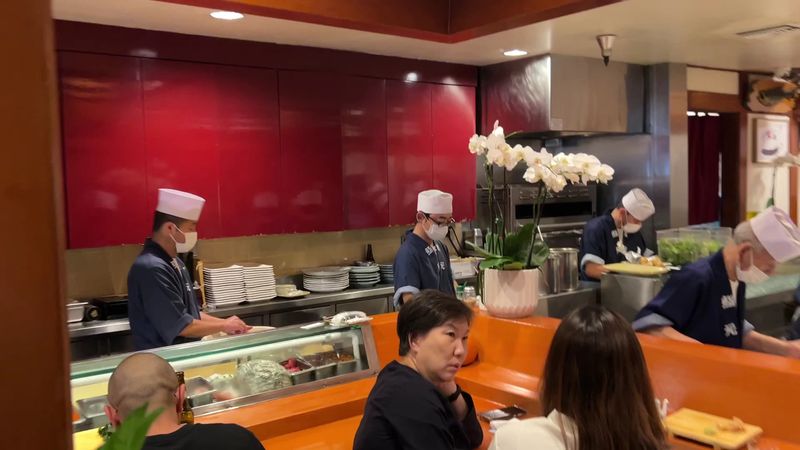
There is a reason the lunch line at Sushi Gen stretches out the door on most weekdays.
Situated at 422 E 2nd St, Los Angeles, CA 90012, right in the heart of Little Tokyo, this restaurant has been serving some of the freshest sashimi and nigiri in the city for decades.
The lunch sashimi special is particularly well-known and draws a devoted crowd that comes back week after week.
The interior has a no-frills, classic sushi bar feel with a long counter where guests can watch the chefs work at a focused and efficient pace.
Seating fills up quickly, especially around midday, so arriving early tends to make the experience smoother. The dinner service is somewhat quieter and allows for a more relaxed meal.
Fish quality here is consistently highlighted as a standout, with cuts that feel fresh and well-handled rather than mass-produced. The menu keeps things straightforward, which suits the style of the kitchen perfectly.
3. Tsubaki
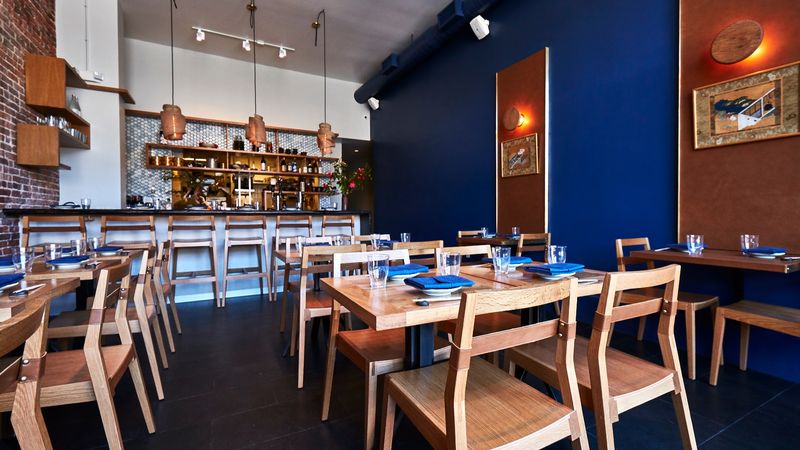
Tucked into a residential stretch of Echo Park, Tsubaki brings the spirit of a Tokyo izakaya to a Los Angeles neighborhood setting.
The restaurant is located at 1356 Allison Ave, Los Angeles, CA 90026, and it has built a loyal following for its thoughtfully assembled small plates and its relaxed but attentive service style.
The menu rotates with some regularity, keeping things interesting for guests who come back often.
The lighting inside is warm and low, giving the space an easy, unhurried energy that encourages lingering over a meal.
Seating is somewhat limited, so reservations are a good idea, particularly on weekends when demand tends to spike.
The kitchen puts visible care into sourcing, and many of the ingredients reflect a clear Japanese sensibility even when local produce is involved.
Dishes like the chicken karaage and various seasonal vegetable preparations have earned consistent praise for their balance and execution.
The staff tends to be knowledgeable without being overly formal, which adds to the overall comfort of the experience.
4. Marugame Monzo
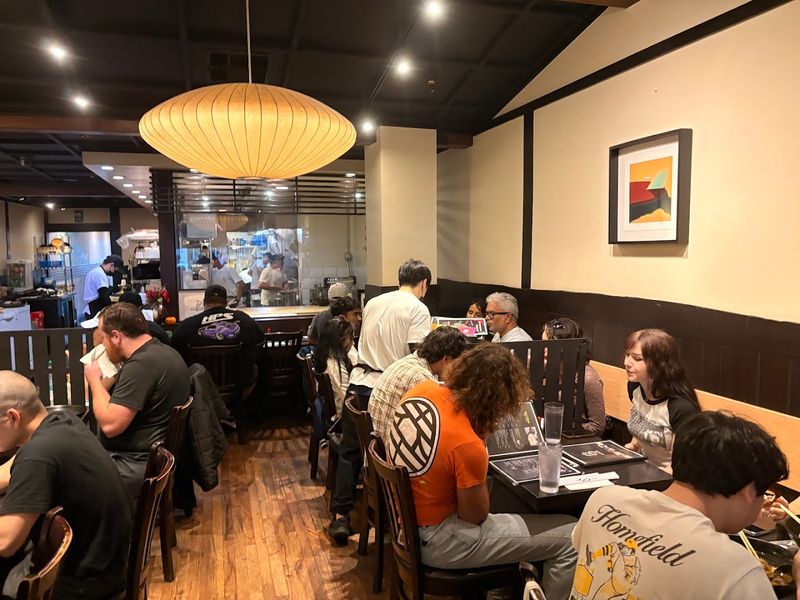
Handmade udon has a satisfying chewiness that factory-produced noodles simply cannot replicate, and Marugame Monzo makes that difference easy to notice.
The restaurant is located at 329 E 1st St, Los Angeles, CA 90012, in Little Tokyo, and it specializes in Sanuki-style udon made fresh in-house daily.
Watching the kitchen team stretch and cut the dough through the glass window is part of the appeal for many first-time visitors.
The menu covers a range of preparations including hot broth bowls, cold dipping styles, and a few more inventive options that lean into California flavors.
Portion sizes are generous, and the prices are reasonable given the quality of the noodles. The space has an open, casual energy with communal-style seating that keeps things lively during peak hours.
Regulars often rotate between their favorites and the seasonal specials, which tend to reflect whatever ingredients are performing well at the time.
The restaurant can get busy during lunch and dinner rushes, so off-peak visits tend to move at a more comfortable pace.
5. Azay
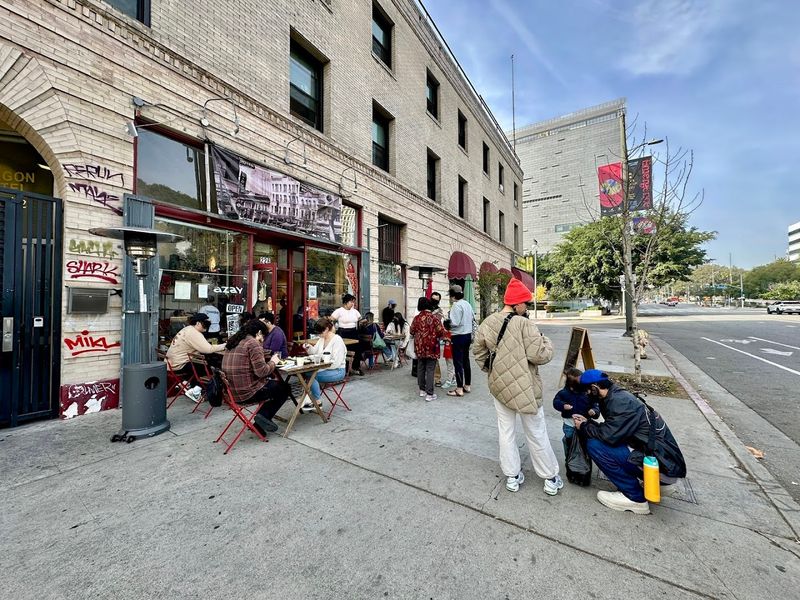
At Azay, the cooking draws from both French technique and Japanese sensibility in a way that feels natural rather than forced.
Standing at 226 E 1st St, Los Angeles, CA 90012, this small restaurant in Little Tokyo has maintained a quiet reputation for refined, detail-oriented cuisine that rewards patient diners.
The menu is compact and changes with the seasons, which keeps the kitchen focused and the offerings fresh.
The dining room is small and understated, with a calm atmosphere that feels more personal than formal.
Tables are limited in number, which means the service tends to feel attentive without being rushed.
Reservations are advisable since walk-in availability can be limited, particularly on evenings when the restaurant is operating at full capacity.
The food here tends toward delicacy rather than abundance, with each plate presenting clean flavors and careful composition.
Guests who appreciate thoughtful cooking over high-volume dining tend to find the experience particularly satisfying.
Azay does not try to be everything to everyone, and that restraint is part of what makes it special.
6. Otafuku
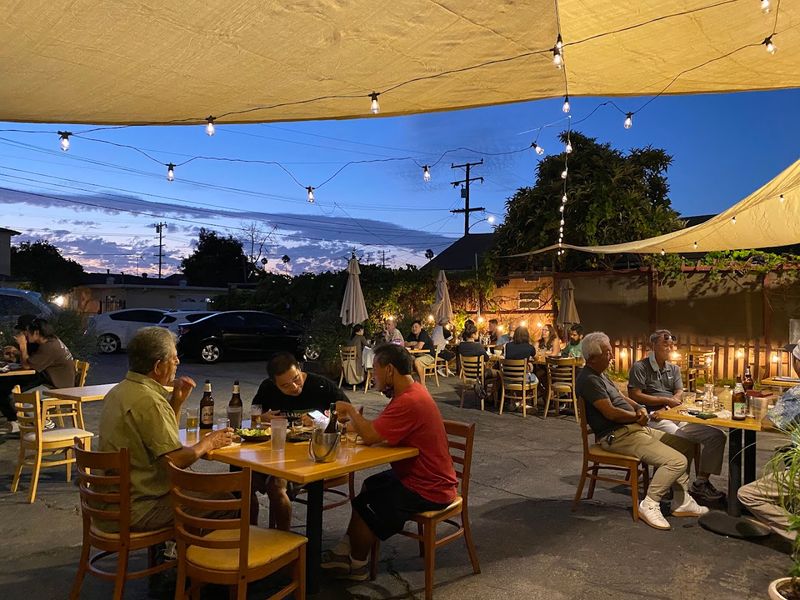
Comfort food in Japanese cuisine takes many forms, and Otafuku in Gardena has long been a reliable stop for some of the more casual and satisfying options.
The restaurant is located at 16525 S Western Ave, Gardena, CA 90247, and it is known for dishes like takoyaki, okonomiyaki, and other festival-style foods that are harder to find at sit-down restaurants.
The menu reflects the kind of everyday eating that is common in Japan but less represented in Southern California dining.
The space is small and unpretentious, with a neighborhood feel that suits the food perfectly.
Service moves quickly, and the ordering process is straightforward, making it an easy stop even for those who are unfamiliar with the menu. Prices are accessible, which contributes to its steady local following.
Takoyaki here is made to order with a soft, slightly runny center and a golden exterior, topped with bonito flakes and savory sauce.
The okonomiyaki comes out thick and satisfying, with customizable toppings depending on preference.
7. Shin-Sen-Gumi Hakata Ramen
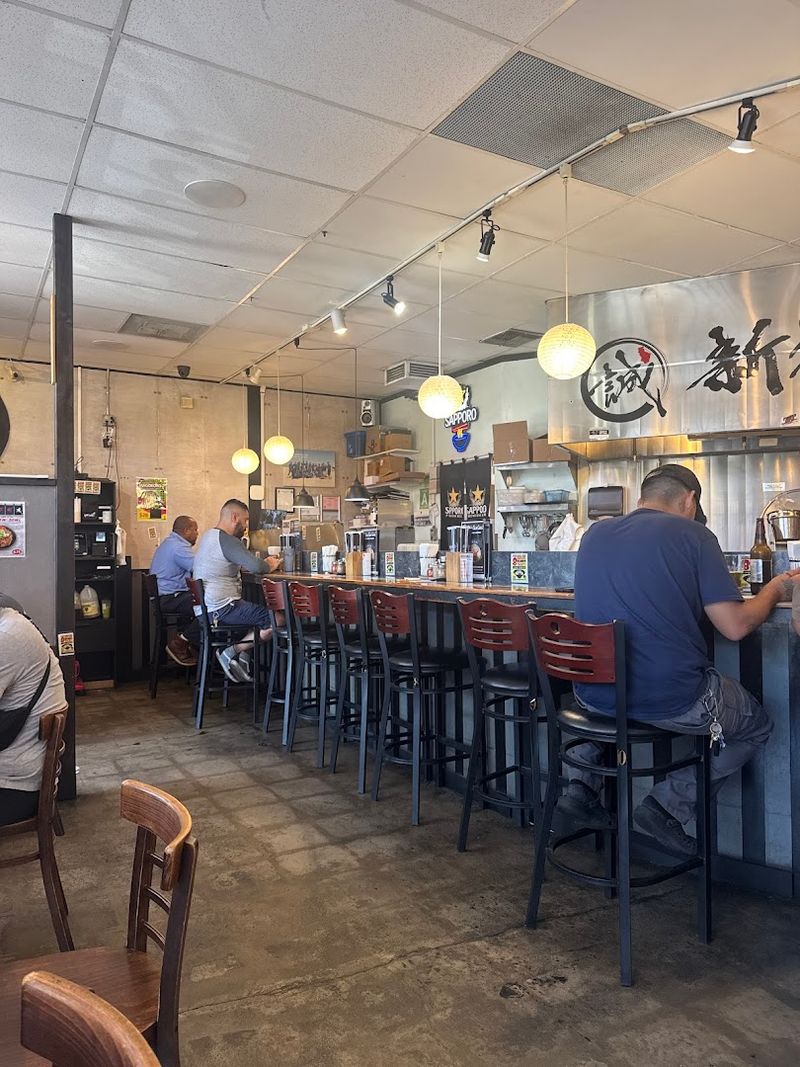
Hakata-style tonkotsu ramen has a richness and depth that makes it stand apart from other regional Japanese noodle styles, and Shin-Sen-Gumi has been one of the most consistent purveyors of it in Southern California.
The Gardena location sits at 2015 W Redondo Beach Blvd #C, Gardena, CA 90247, and it follows the traditional Hakata format where guests can customize firmness of noodles, richness of broth, and seasoning level.
This level of personalization keeps regulars coming back to fine-tune their preferred bowl.
The interior has a lively, counter-heavy layout that feels close to what a busy ramen shop in Fukuoka might look like.
The broth is slow-cooked to achieve that characteristic milky white color and creamy consistency.
Noise levels can run high during busy hours, which adds to the energetic atmosphere rather than detracting from it.
The noodles are thin and straight in the Hakata tradition, and the chashu pork is a popular addition that most regulars include.
Ordering extra noodles partway through the meal, a practice known as kaedama, is welcomed here.
8. HiroNori Craft Ramen
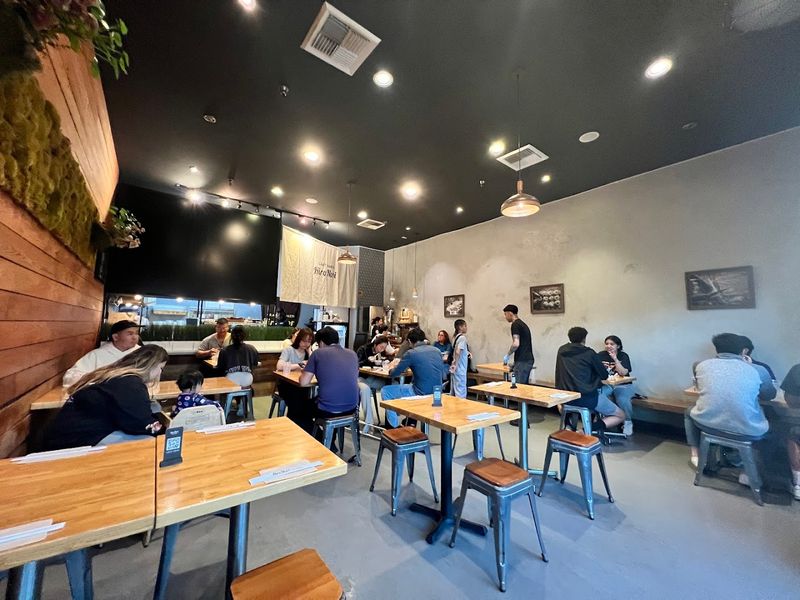
Ramen made with genuine attention to broth development and noodle texture tends to stand out quickly, and HiroNori Craft Ramen has built a following in Irvine by doing exactly that.
The restaurant is located at 2222 Michelson Dr #234, Irvine, CA 92612, inside a shopping center but with an interior that feels intentionally designed and welcoming.
The menu focuses on a curated selection of ramen styles rather than trying to cover every possible variation.
The tonkotsu and shoyu options are consistently well-regarded, with broths that show the kind of depth that comes from long, careful preparation.
Noodle texture is taken seriously here, and guests can often request adjustments to firmness. The space is clean and modern without feeling cold, striking a balance that suits the suburban Irvine setting.
Portion sizes are satisfying without being excessive, and the overall value tends to feel fair given the quality of what is served.
The restaurant draws a mix of regulars from the surrounding area and visitors who have made the trip specifically for the ramen.
9. Hana re
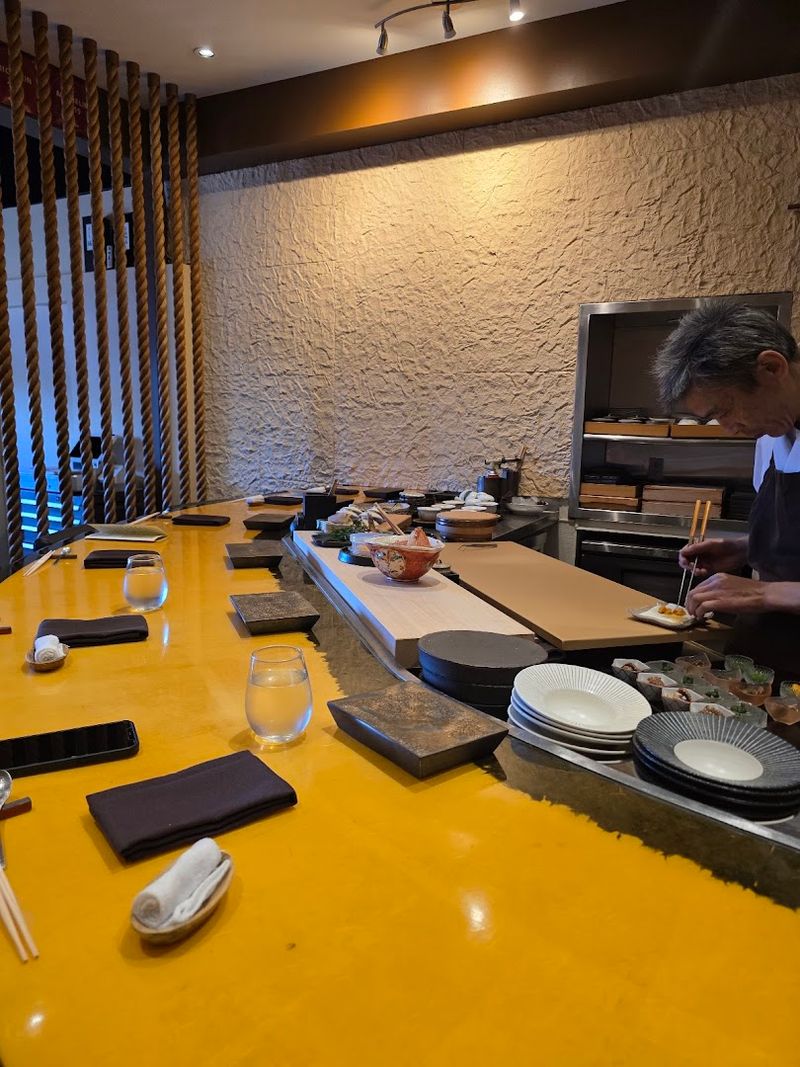
Omakase dining asks a guest to trust the chef completely, and Hana re in Costa Mesa makes that trust feel well-placed from the very first course.
Situated at 2930 Bristol St, Costa Mesa, CA 92626, this restaurant offers a carefully structured tasting experience rooted in Japanese culinary tradition.
The setting is intimate and deliberately calm, designed to keep attention on the food and the progression of the meal.
The menu changes with the seasons and reflects whatever ingredients the kitchen is working with at a given time, which means repeat visits rarely feel like a repeat experience.
Each course is presented with care and explained clearly, which helps guests connect with what they are eating rather than simply consuming it. The pacing is measured and unhurried, which suits the format well.
Reservations are essential and can require advance planning, especially during busier periods. The price reflects the level of craftsmanship and the quality of the ingredients involved.
10. Menya Ultra
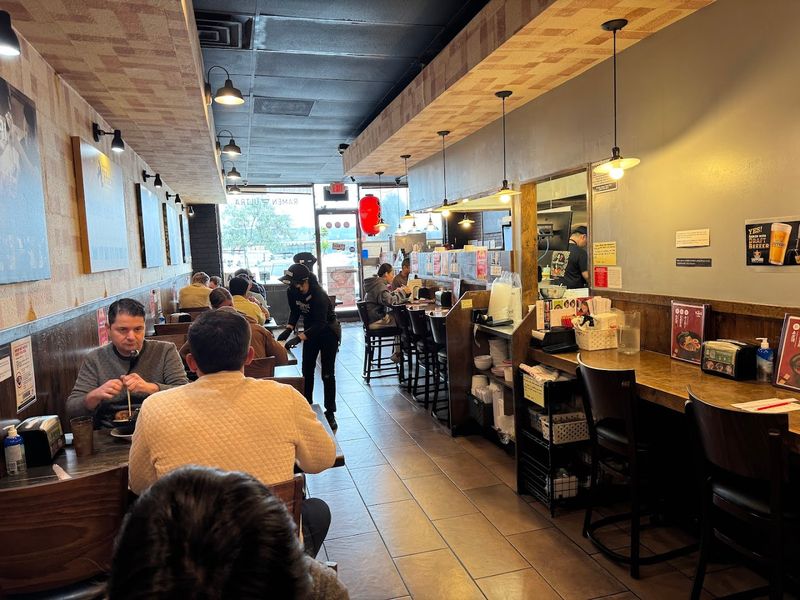
San Diego’s ramen scene has grown considerably in recent years, and Menya Ultra has positioned itself as one of the more serious entries in that landscape.
The restaurant sits at 8199 Clairemont Mesa Blvd Ste M, San Diego, CA 92111, in a shopping center that also hosts several other Japanese businesses, giving the area a distinct neighborhood character.
The focus here is on rich, deeply flavored broth-based ramen with careful attention to each component.
The chashu pork is a highlight for many regulars, slow-cooked to a tender consistency and sliced to order. Soft-boiled marinated eggs add another layer of flavor that complements the broth well.
The noodles hold up through the meal without becoming overly soft, which is a sign of good timing and kitchen awareness.
The space is comfortable and efficient without being cramped, and the service tends to move at a pace that respects the time of guests without feeling rushed.
Lines can form during peak lunch and dinner hours, so timing a visit for off-peak periods can improve the overall experience.
11. Soichi Sushi
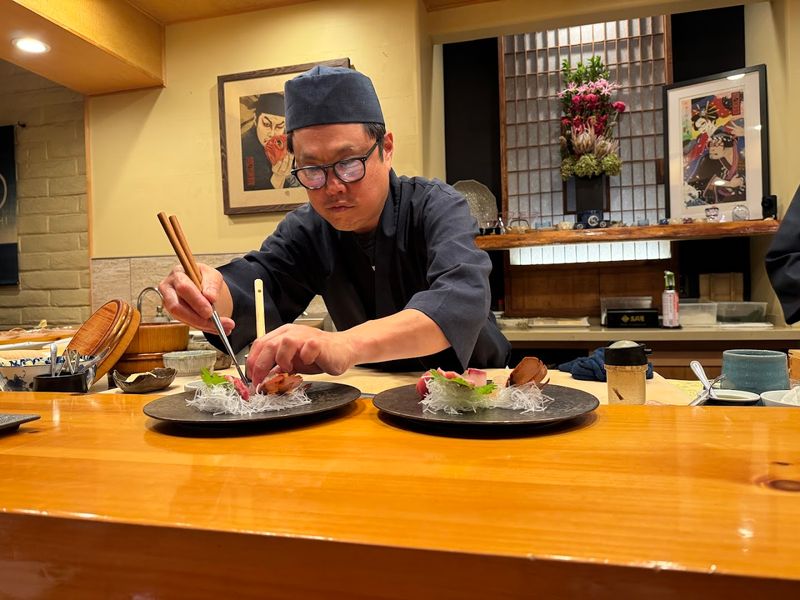
Small in size but deeply intentional in approach, Soichi Sushi in San Diego has developed a devoted following among guests who appreciate precision-driven sushi.
Standing at 2121 Adams Ave, San Diego, CA 92116, this intimate restaurant operates in the omakase format, meaning the chef determines the progression of the meal based on what is freshest and most expressive on a given day.
The counter seating keeps the experience personal and connected.
The fish sourcing reflects a clear commitment to quality, with selections that rotate based on availability rather than being locked into a static menu.
Each piece of nigiri is seasoned and assembled with care, and the rice temperature and texture are given the same attention as the fish itself.
For sushi lovers who care about the details, this level of craft is immediately noticeable.
Reservations fill quickly and the restaurant operates with limited seating, so planning ahead is essential. The experience moves at a comfortable pace that allows for genuine appreciation of each course.
Soichi Sushi does not try to impress through volume or spectacle but instead earns its reputation through consistent, quiet excellence.
12. Sushi Ota
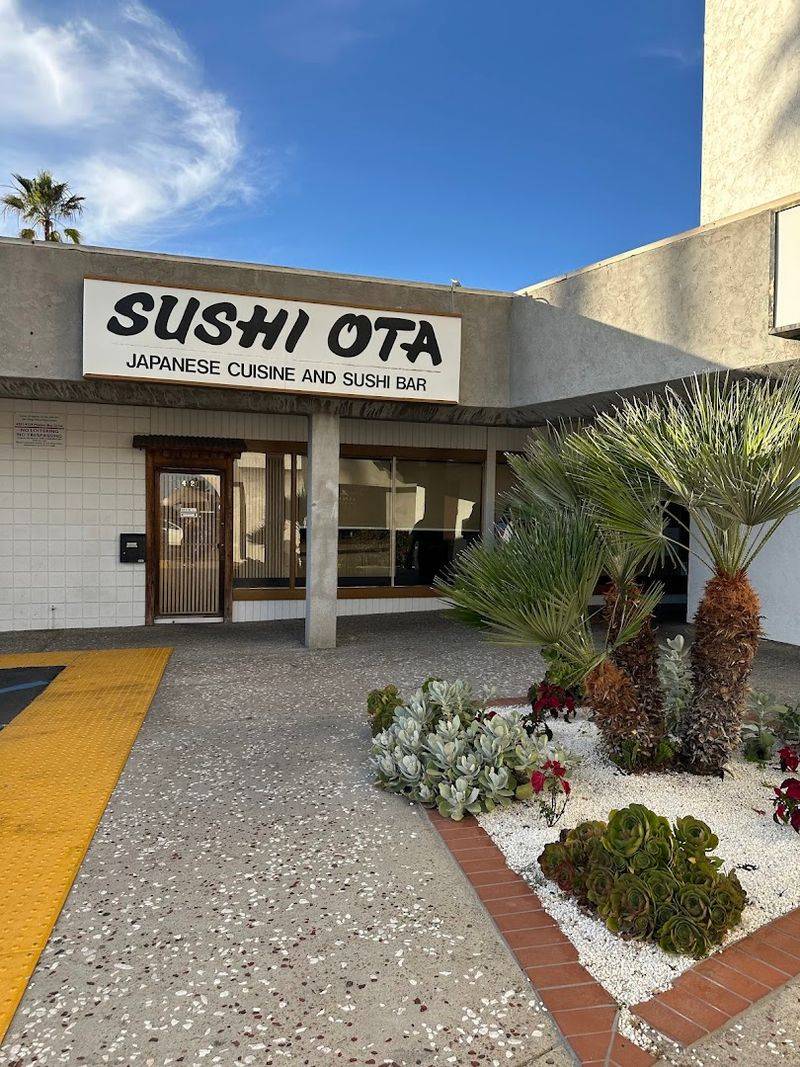
Longevity in the restaurant business is earned through consistency, and Sushi Ota in San Diego has been proving that point for well over three decades.
The restaurant is located at 4529 Mission Bay Dr, San Diego, CA 92109, in a somewhat understated building that gives little away from the outside.
Inside, the sushi bar is the centerpiece, and the chefs work with a focused efficiency that regulars have come to appreciate over many years of visits.
The fish quality here is widely regarded as among the best in San Diego, with a sourcing approach that prioritizes freshness and proper handling.
The menu includes both traditional nigiri and more composed rolls, though the simpler preparations tend to be where the kitchen truly shines.
Omakase options are available for those who prefer to leave the selection to the chef.
The atmosphere is traditional and calm, without the trendy design elements found in newer sushi restaurants.
Service is attentive and professional, with staff who are well-versed in the menu and able to guide guests who are less familiar with certain fish.
13. Honda-Ya
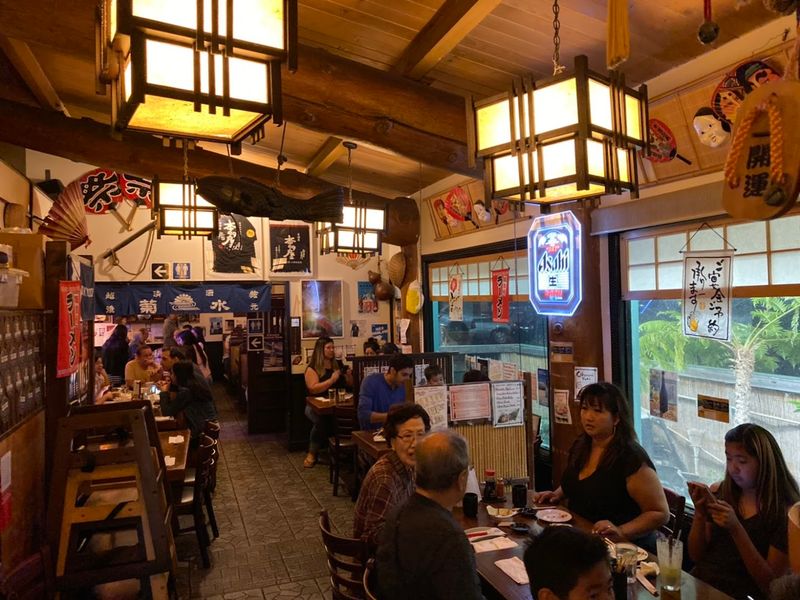
Japanese izakaya culture centers on shared plates, good conversation, and food that pairs well with a relaxed evening, and Honda-Ya in Tustin captures that spirit with impressive consistency.
The restaurant can be found at 556 El Camino Real, Tustin, CA 92780, and it has been a fixture in the Orange County Japanese dining scene for years.
The menu is extensive, covering yakitori, sashimi, tofu dishes, grilled vegetables, and much more.
The atmosphere leans lively rather than quiet, with a warm buzz of conversation and the smell of grilled skewers coming from the kitchen.
Groups tend to do particularly well here since the shared-plate format allows for sampling across a wide range of dishes in one sitting. Service is attentive and familiar, with staff who often recognize returning guests.
Standout items include the chicken yakitori skewers, the agedashi tofu, and various seasonal specials that rotate with some frequency.
The kitchen handles both delicate and hearty preparations equally well, which is a reflection of the range of the menu.
14. Yakitori Hino
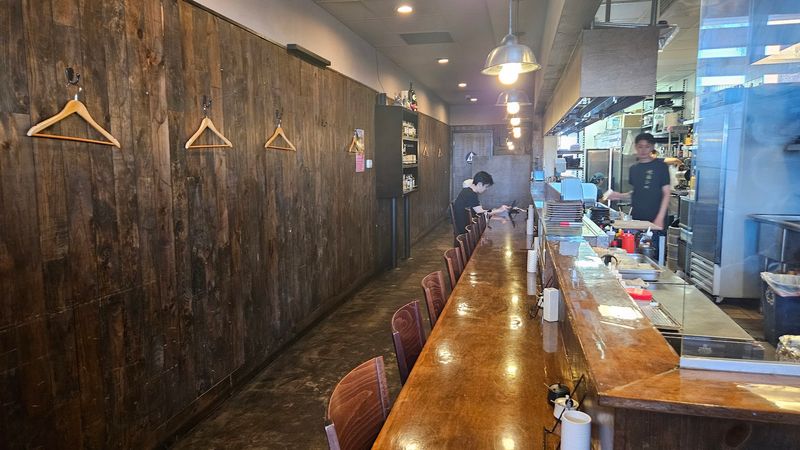
Yakitori done well requires patience, good charcoal, and an understanding of how different parts of the chicken respond to heat, and Yakitori Hino in San Diego takes all of that seriously.
The restaurant is located at 7420 Clairemont Mesa Blvd #104, San Diego, CA 92111, in a strip mall setting that opens into a warm and inviting interior centered around a charcoal grill.
The smell of the grill reaches guests before they even sit down, which sets the tone immediately.
The menu covers a wide range of skewer options beyond just standard chicken breast, including less common cuts like cartilage, neck, and liver that dedicated yakitori fans tend to seek out.
Each skewer is cooked to order over binchotan charcoal, which produces a steady, even heat without excessive smoke. The pace of the meal is naturally unhurried since the skewers come out in stages.
The atmosphere is cozy and slightly dim, with counter seating near the grill being the most engaging option for those who enjoy watching the cooking process.
Reservations are recommended, particularly on weekends.
15. Kaito Sushi
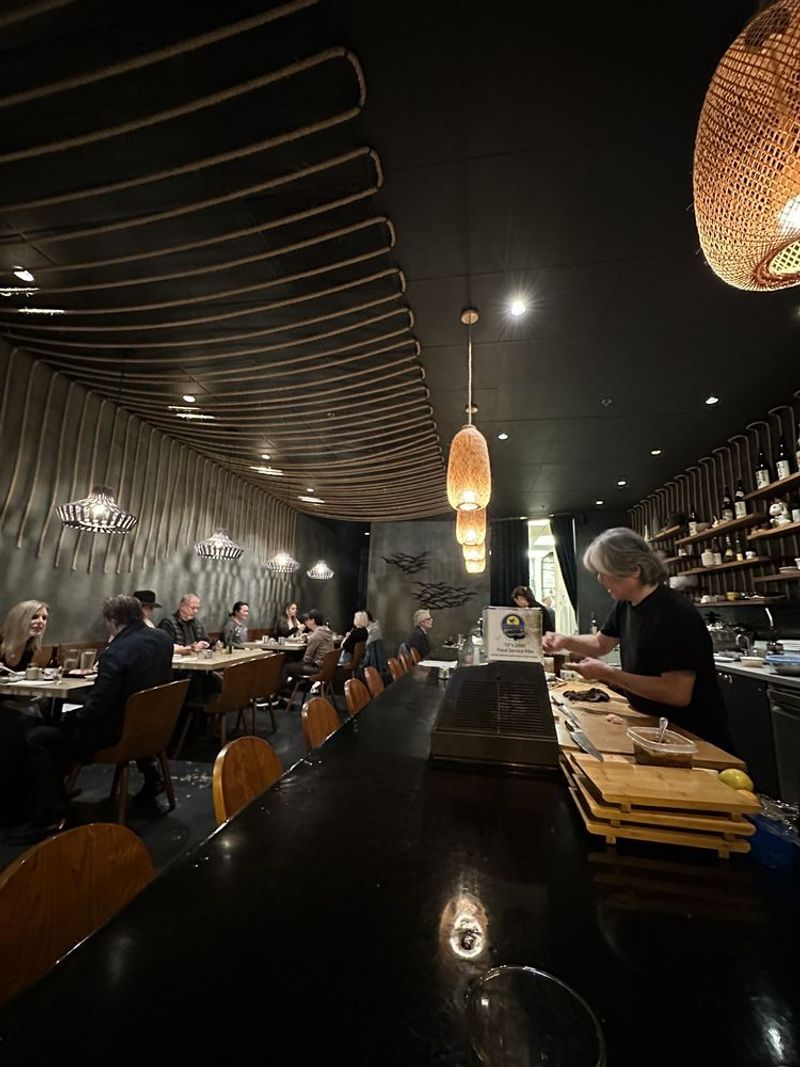
North of San Diego in the coastal town of Encinitas, Kaito Sushi has quietly earned a reputation that extends well beyond its small size and modest exterior.
Located at 130-A N El Camino Real, Encinitas, CA 92024, this restaurant operates with the precision and seriousness of a much larger urban establishment.
The omakase experience here is considered by many regulars to be among the finest in all of San Diego County.
The chef’s approach to fish selection and rice preparation reflects years of dedicated practice, and the results are evident in every piece served.
Nigiri is presented simply and without excess, allowing the quality of the fish to carry the experience forward.
The progression of courses is thoughtful, moving through lighter flavors before building toward richer and more complex selections.
Seating is extremely limited, which makes reservations not just recommended but essentially required.
The intimate scale of the restaurant means the experience feels personal and focused in a way that larger sushi establishments cannot easily replicate.