This Nebraska Steakhouse Turns Prime Rib Into An Art Form
Prime rib does not need a spotlight when it already knows how to make a table go quiet.
One slice can do it. The carving matters. The seasoning matters. That first forkful matters most.
Nebraska knows its way around a serious steakhouse meal. That sentence alone should make dinner feel closer, shouldn’t it?
A place like this does not build loyalty with noise or novelty.
It earns attention through patience, tradition, and the kind of plate people remember long after the check arrives.
Prime rib becomes more than a menu item when the details are handled with care. Tender texture, rich flavor, and old-school confidence all start working together.
Isn’t that exactly what makes a steakhouse worth planning around?
The best meals do not beg for praise. They simply arrive and let everyone at the table understand the point.
A Century Of History Behind Every Plate
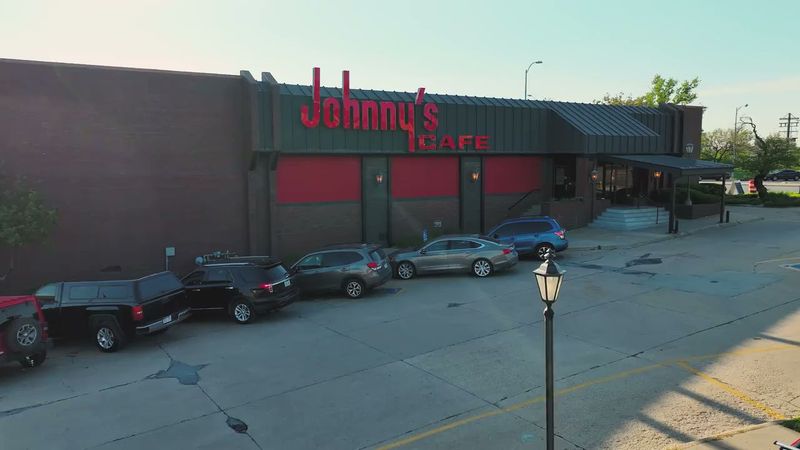
A restaurant that has survived over a hundred years is not just lucky but deeply rooted in something real.
Johnny’s Cafe opened in 1922 as a small eight-seat saloon next to the Omaha Stockyards, founded by a Polish immigrant who bought the building without enough money left over to repaint the name already on the door.
That accidental naming became the beginning of one of Omaha’s most beloved dining legacies.
The restaurant grew steadily alongside South Omaha’s booming meatpacking and cattle industry, eventually relocating in the 1930s to its current address at 4702 S 27th St, Omaha, NE 68107.
By 1955, when the Omaha Stockyards became the largest in the world, the cafe was positioned to source and age its steaks directly from nearby packers.
Three generations of the same family have kept the kitchen running and the dining room welcoming without losing the character that made it special in the first place.
That kind of continuity is rare in the restaurant world, and at Johnny’s it shows in the food, the atmosphere, and the quiet pride woven into every detail of the space.
Prime Rib Served Daily, Not Just On Weekends
Most steakhouses treat prime rib as a Friday and Saturday event, something to build anticipation around and then take off the menu before the week fully begins.
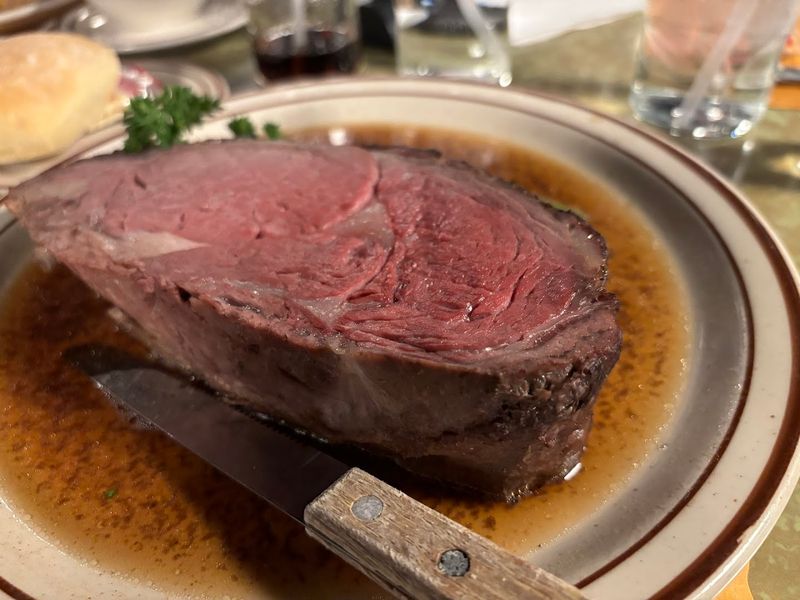
At Johnny’s Cafe in Omaha, the Roast Prime Rib of Beef appears on the menu every single day the restaurant is open, which makes it a genuine kitchen commitment rather than a marketing angle.
The prime rib is slow-roasted, sliced to order, and served with au jus, allowing the natural juices of the beef to speak without interference.
Dinner orders come with soup du jour, a salad, and a choice of potato, giving the meal a full, satisfying structure that feels like a proper sit-down experience rather than a rushed plate drop.
Slow roasting at consistent low heat over a long period allows the interior of the roast to reach an even temperature while keeping the outer crust deeply flavored and textured.
Hand-cutting each slice to order means portion size and presentation get personal attention rather than being prepped in bulk hours before service.
The Stockyards Connection Shaped The Menu
Geography shapes menus more than most diners realize, and few restaurants demonstrate that truth as clearly as this one.
Sitting just steps from where the Omaha Stockyards once processed millions of cattle each year, Johnny’s Cafe built its identity around proximity to the source of its ingredients.
That location was not coincidental but deeply strategic for a restaurant founded in an era when beef was the economic engine of the entire region.
When Omaha’s stockyards reached peak operation in the mid-twentieth century, the cafe gained the ability to acquire and age its steaks in-house directly from nearby packers.
Aging beef on-site is a practice that requires space, temperature control, and patience, and it produces a depth of flavor that pre-packaged or shipped beef rarely matches.
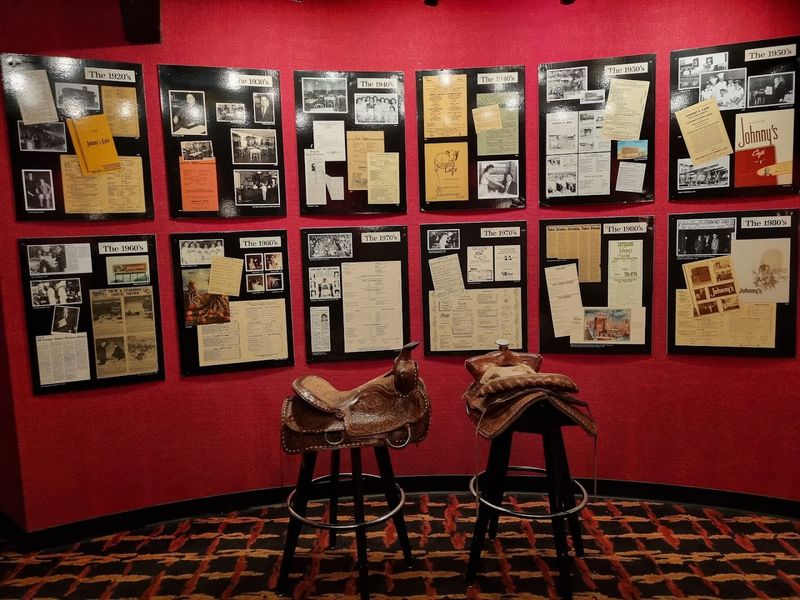
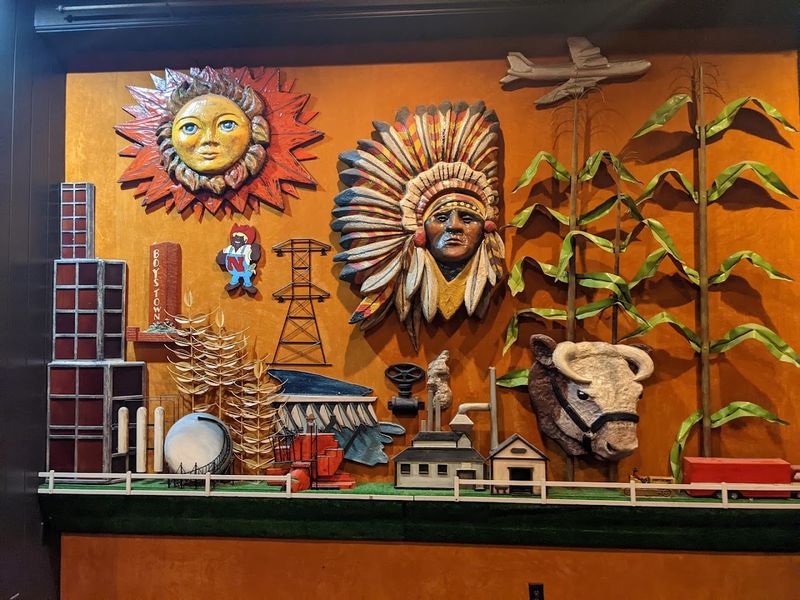
South Omaha’s meatpacking heritage is embedded in the walls of the restaurant through vintage photographs, memorabilia, and a dining room mural that traces the area’s cattle history.
Visitors who take a moment to look around before ordering will find that the decor functions almost like a compressed archive of the region’s agricultural past.
The food on the plate and the history on the walls tell the same story from two very different angles.
The Dining Room Feels Like A Time Capsule
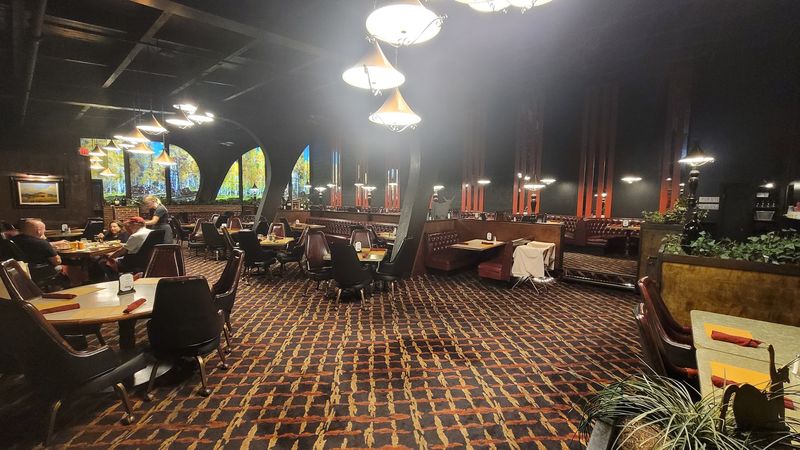
Push open those brass steer horn doors at Johnny’s Cafe and you already know dinner is about to come with a little Nebraska drama.
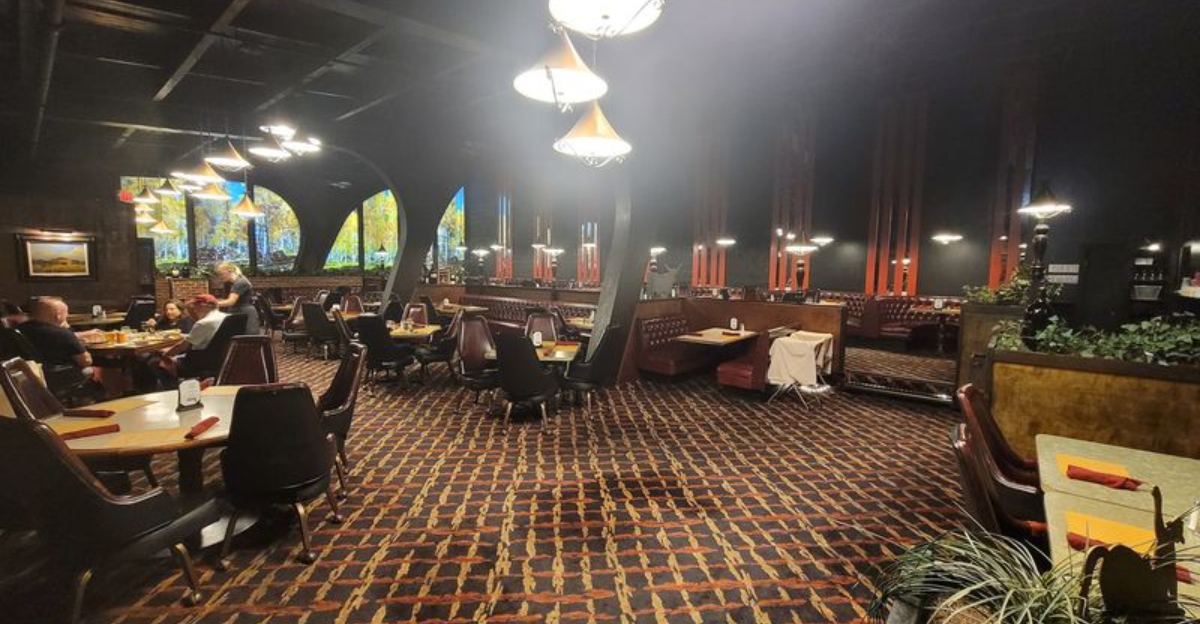
The interior is largely unchanged from a renovation completed in the 1970s, and that preservation feels intentional rather than neglectful.
Red leather booths line the dining room, dark wood covers the walls, and the lighting stays warm and low in the way that older steakhouses understood instinctively.
A large dining room mural anchors the visual experience, depicting scenes tied to the Omaha Stockyards and the broader story of Nebraska’s cattle culture.
Vintage photographs and memorabilia fill the remaining wall space, each piece adding a layer of context that turns a dinner out into something closer to a living history lesson.
The noise level in the dining room tends to stay at a comfortable conversational hum rather than the loud open-kitchen energy found in newer restaurant concepts.
Booth seating offers physical comfort and a sense of privacy that encourages longer, more relaxed meals.
Hand-Cut Steaks Aged On-Site
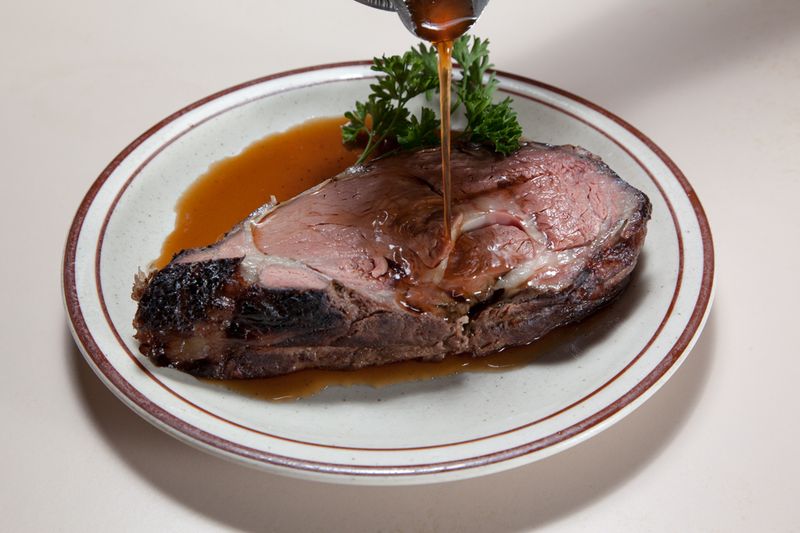
Aging beef is a process that requires both infrastructure and patience, and not every steakhouse invests in doing it properly on location.
At Johnny’s Cafe, the practice of acquiring and aging steaks in-house has been part of the operation since the stockyards era, giving the kitchen direct control over the quality and condition of every cut before it reaches the grill.
Midwestern corn-fed beef is the foundation of the steak program here, and that regional specificity matters.
Corn-fed cattle from the Great Plains tend to produce beef with a particular marbling pattern and a flavor profile that is rich without being sharp.
Each steak is hand-cut rather than portioned by machine, which allows for some variation in thickness and shape but also means every piece gets individual attention.
The menu features long-standing cuts including ribeye and T-bone, and the kitchen prepares them with the kind of consistency that comes from decades of repetition rather than novelty-driven experimentation.
For steak enthusiasts who prioritize sourcing and preparation technique over trendy accompaniments, the approach here is refreshingly grounded and honest about what good beef actually requires.
Classic Sides And Starters That Have Stood The Test Of Time
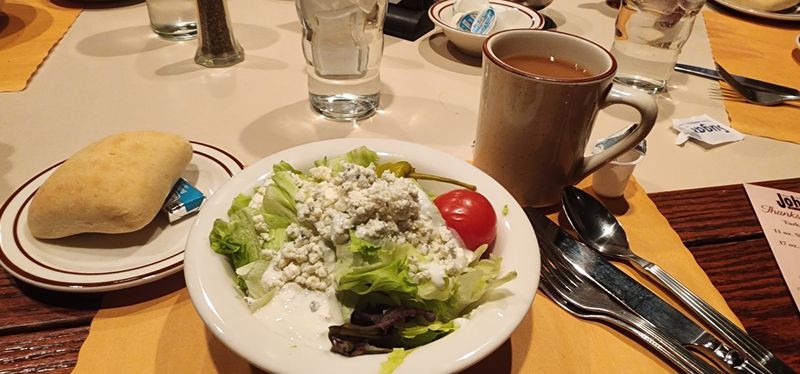
A steakhouse is only as strong as the full meal it builds around its main event, and the supporting cast at Johnny’s Cafe has earned its own loyal following over the years.
The menu includes homemade soups that rotate as the soup du jour, and the kitchen prepares them from scratch rather than relying on pre-packaged bases.
French onion soup appears with some regularity and has drawn consistent appreciation for its depth and richness.
Onion rings are made fresh and hand-battered in-house, which gives them a texture and flavor that frozen alternatives cannot replicate.
Scalloped potatoes show up as a side option and have become a quiet favorite among regular visitors who order them alongside their steak without much deliberation.
The cottage cheese spread served with dinner rolls is a house signature that has been on the table for generations and carries a recipe that the family has never made public.
A Polish vinaigrette salad dressing appears on the menu as a nod to the founder’s heritage, and the Caesar salad is prepared with traditional components including a quartered egg.
Desserts are largely made in-house, with apple crisp among the options that have drawn positive attention.
The overall menu range reflects a kitchen that values consistency and familiarity over seasonal reinvention.
What To Know Before Your First Visit
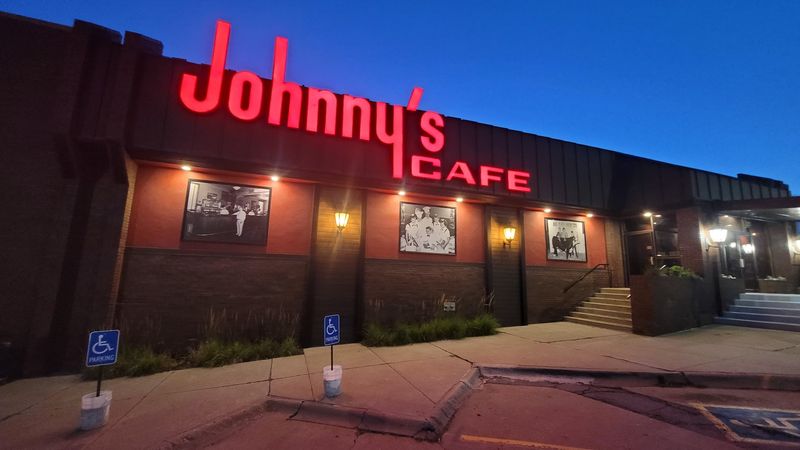
Planning ahead makes a real difference at a restaurant like this, where the dining room fills steadily and the experience benefits from not being rushed.
Johnny’s Cafe is open for lunch Tuesday through Friday from 11 AM to 2 PM and for dinner on Saturday from 5 to 9 PM, with the restaurant closed on Sundays and Mondays.
Hours can vary so checking the official website at johnnyscafe.com before visiting is a practical step worth taking.
The restaurant is located at 4702 S 27th St, Omaha, NE 68107, and the building sits close to the former Omaha Stockyards area in South Omaha.
A parking lot is available on-site, though the approach from the highway may require following navigation directions carefully since the entry point is not immediately obvious from the main road.
Making a reservation is recommended, particularly for dinner service and larger groups, as the dining room has limited capacity and the kitchen operates with the focused rhythm of a smaller establishment.
Booth seating tends to be the more comfortable option for those who prefer firmer support during a longer meal. Arriving a few minutes early gives time to take in the historic details before the food arrives.
Nebraska Public Media Recognition And Local Legacy
Being recognized by Nebraska Public Media as an iconic Stockyards steakhouse is not a small distinction, particularly for a restaurant whose identity is so tightly woven into the agricultural and industrial history of the region.
That kind of acknowledgment places Johnny’s Cafe in a category of establishments that represent something larger than their menus, functioning as cultural landmarks as much as dining destinations.
South Omaha’s meatpacking history is a significant chapter in the broader story of American beef production, and Johnny’s Cafe occupied a front-row seat for most of it.
The restaurant’s longevity means it has served multiple generations of families connected to the stockyards, the packing plants, and the working-class neighborhoods that grew up around that industry.
Local legacy restaurants carry a different kind of weight than nationally recognized chains because their stories are specific and place-bound in ways that cannot be replicated elsewhere.
A meal at Johnny’s Cafe is not just a steak dinner but a small act of participation in a story that stretches back over a century.
For visitors to Omaha who want to understand the city beyond its downtown surface, a lunch or dinner here offers a grounded and genuinely educational experience alongside the food.