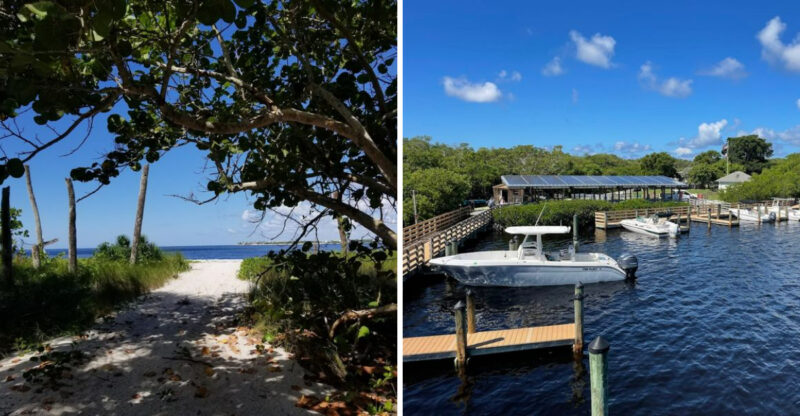
14 Breathtaking Florida Nature Spots You Need To See At Least Once
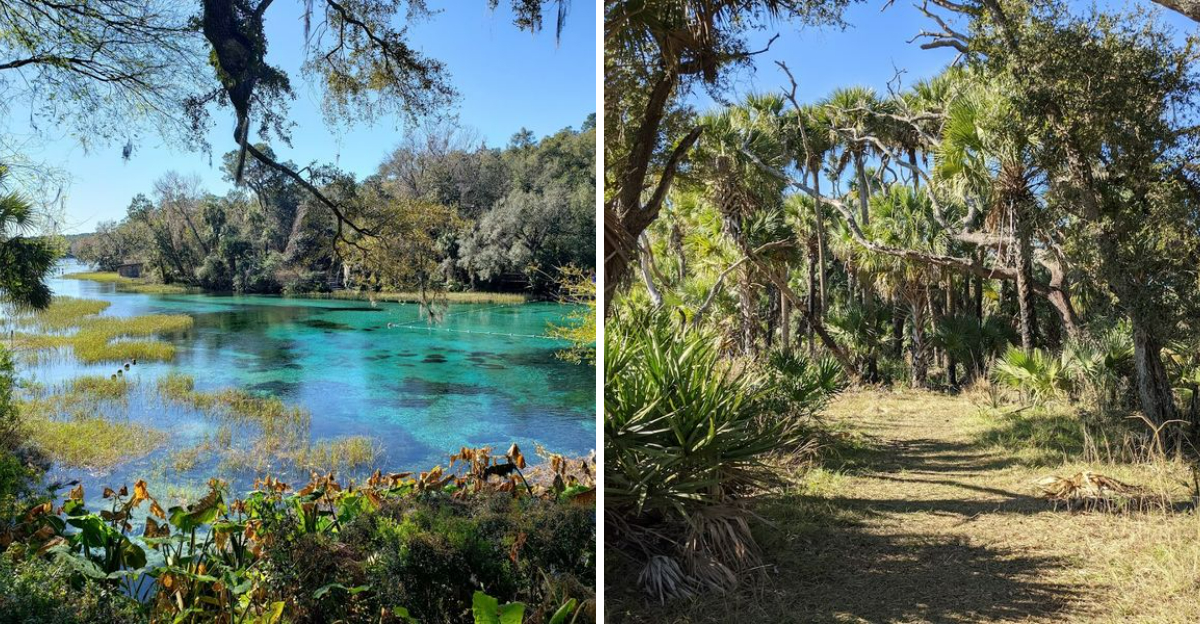
Florida has two faces. One is loud, crowded, and impossible to miss.
The other one takes a little more effort, and it rewards you in ways you will never forget. The Sunshine State sits on top of ancient springs, wild swamps, and landscapes so strange they barely feel real.
Most visitors never wander far enough to find any of it. The state has been quietly holding these places for centuries, protecting them from the postcards and the package deals.
A crystal-clear spring in the middle of nowhere. A swamp that hums with life after dark.
Coastlines that look untouched by time. Once you see this side of Florida, the other one stops making sense.
1. Everglades National Park
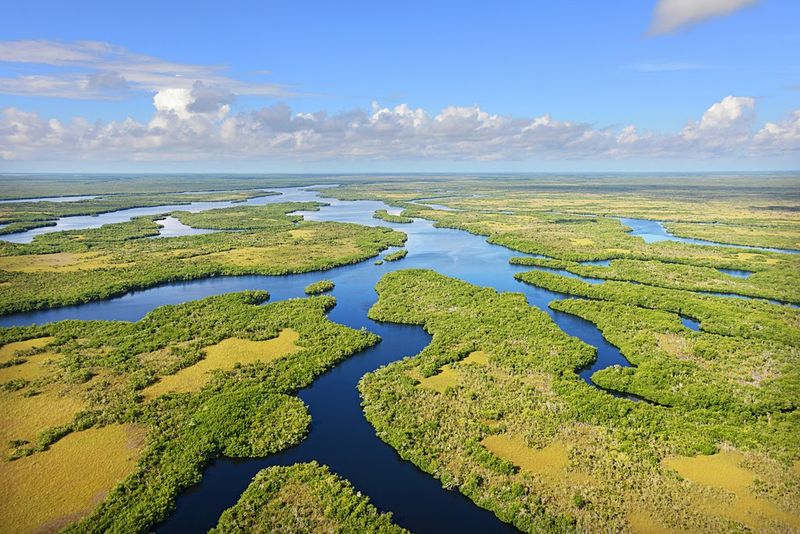
Nothing quite prepares you for the scale of it. Stretching across 1.5 million acres, Everglades National Park is the largest subtropical wilderness in America.
It earned its UNESCO World Heritage status for good reason.
The park is home to alligators, crocodiles, Florida panthers, and manatees. You can kayak through mangrove tunnels or hike the Anhinga Trail to spot wildlife up close.
Every turn feels like a nature documentary playing out live.
The Ernest F. Coe Visitor Center at 40001 State Road 9336, Homestead, FL 33034 is the best starting point.
Rangers there will help you plan the most rewarding route. The park is open year-round, which means there is no bad time to visit.
Winter months bring drier conditions and fewer mosquitoes, making trails more comfortable. Summer storms push wildlife closer to open water, making animal sightings easier.
Either way, you will leave with photos that look almost too good to be real.
2. John Pennekamp Coral Reef State Park
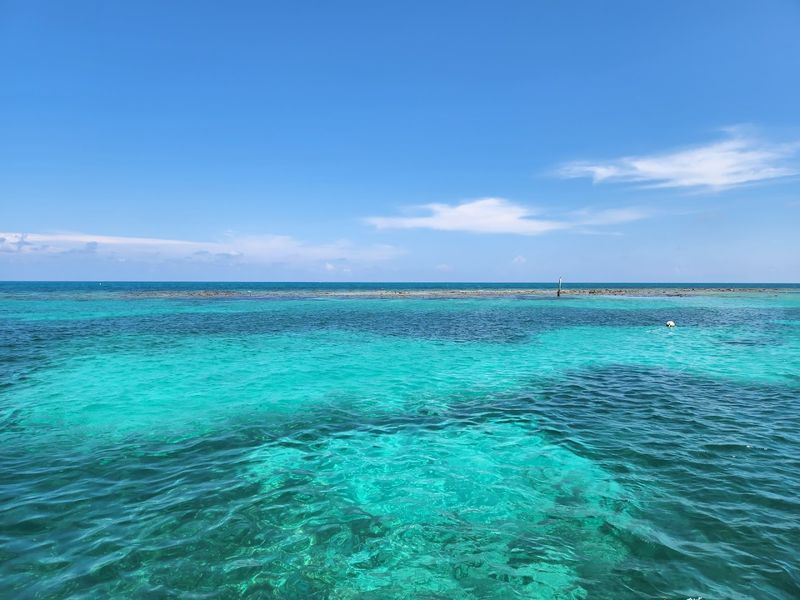
America’s first undersea park sits just offshore of Key Largo, and it is unlike anything you will find on dry land. The reef here is alive, colorful, and absolutely teeming with marine life.
Glass-bottom boat tours let you see it all without getting wet.
Snorkelers and divers come from all over the world to explore these waters. The Christ of the Abyss statue stands nine feet tall underwater and has become one of the most photographed dive sites in the country.
It is eerie and beautiful at the same time.
Located at 102601 Overseas Hwy, Key Largo, FL 33037, the park opens daily at 8 AM and stays open until sunset. Rentals for kayaks, canoes, and snorkel gear are available on-site.
You do not need to be an experienced diver to enjoy what this park offers.
The variety of sea life here is genuinely staggering. Parrotfish, angelfish, nurse sharks, and loggerhead sea turtles all share these waters.
Every trip out to the reef feels like a completely different experience than the last.
3. Three Sisters Springs
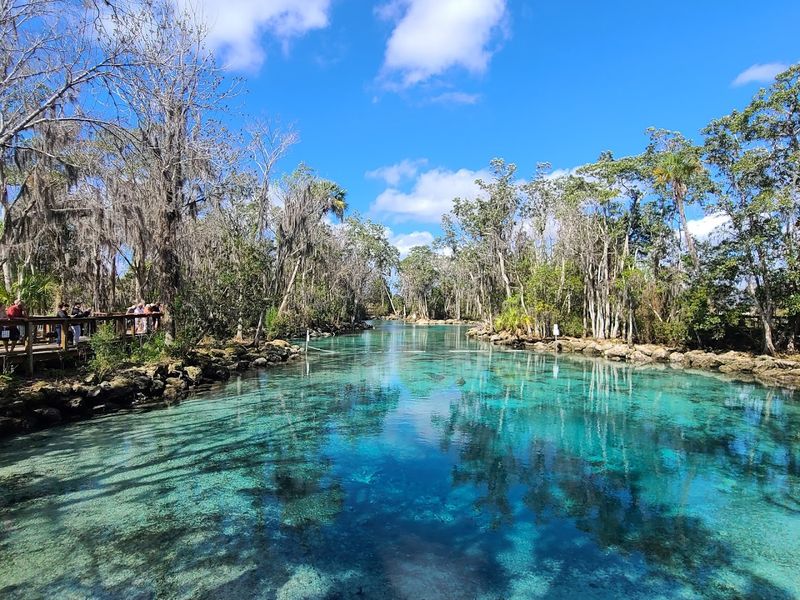
Manatees are gentle, slow, and completely unbothered by human presence. Three Sisters Springs is where hundreds of them gather every winter, drawn by the warm, crystal-clear water that stays around 72 degrees year-round.
Sharing the water with them is one of the quietest thrills you will ever experience.
The springs are part of the Crystal River National Wildlife Refuge, and the viewing area fills up fast during peak season. Getting there early makes a real difference.
The water is so clear that you can see every detail of the sandy bottom from the surface.
Find the trailhead at 917 Three Sisters Springs Trail, Crystal River, FL 34429. The refuge is open Monday through Sunday from 8:30 AM to 4:30 PM.
Guided tours are available and highly recommended for first-time visitors.
Kayaking into the springs is one of the best ways to approach without disturbing the manatees. Paddling quietly through the narrow channels feels almost meditative.
This is the kind of place that makes you want to slow your whole life down.
4. Devil’s Den Prehistoric Spring
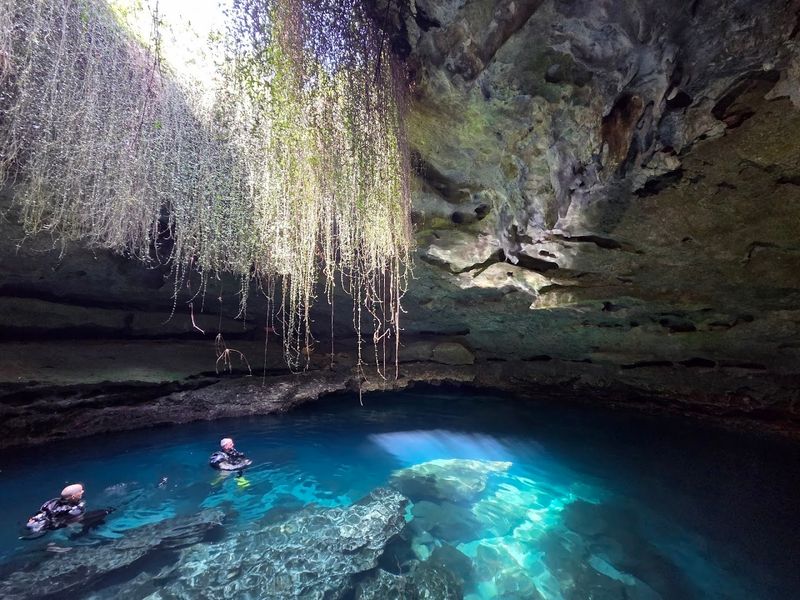
Thirty-three million years of geological history sit beneath a quiet field in Williston. Devil’s Den is a prehistoric underground karst cavern, and the first time you peer through the opening in the earth, your jaw simply drops.
Sunlight pours through a hole in the ceiling like a spotlight on a stage.
The water glows an unearthly blue-green color that looks edited even in person. Ancient fossils have been found here, including remains of prehistoric horses, llamas, and giant sloths.
Snorkeling here means floating above a natural time capsule.
The address is 5390 NE 180th Ave, Williston, FL 32696, and the site is open daily from 9 AM to 5 PM. Reservations are required, so plan ahead before making the drive.
Scuba diving is also available for certified divers who want to go deeper.
The spring stays around 72 degrees year-round, which feels especially refreshing during Florida’s hotter months. There are changing rooms and equipment rentals on-site.
It is privately owned and well-maintained, which makes the whole experience feel surprisingly polished.
5. Ichetucknee Springs State Park
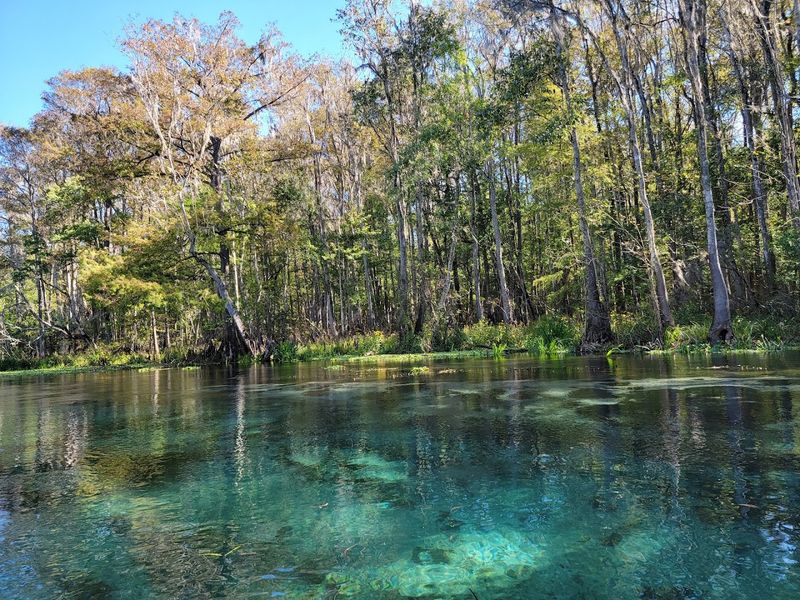
Few things in life are as satisfying as floating down a perfectly clear river on a lazy summer afternoon. Ichetucknee Springs State Park makes that experience available to anyone willing to show up.
The river is a designated National Natural Landmark, and the water stays at 72 degrees no matter the season.
Tubing is the main attraction here, though launch points and float lengths can vary, so visitors should check current park updates before going. Blue herons stand along the banks.
Turtles sun themselves on logs. Occasionally a river otter pops up to check on your progress.
The park is located at 12087 SW US Hwy 27, Fort White, FL 32038, and opens daily at 8 AM until sunset. Tube rentals are available nearby, and the park limits the number of tubers per day to protect the ecosystem.
Arriving early is strongly advised during summer weekends.
Swimming is also popular at the headspring, where the water bubbles up cold and impossibly clear. The Blue Hole spring nearby is deeper and strikingly vivid.
Both spots are worth the trip even if tubing is not your thing.
6. Ginnie Springs
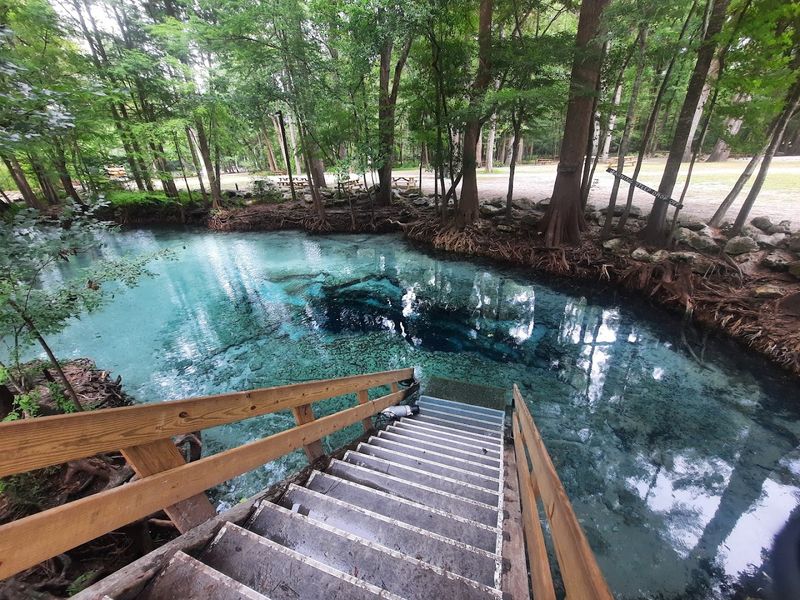
Jacques Cousteau once described the visibility here as simply forever. That is not marketing copy.
Ginnie Springs in High Springs is one of the clearest freshwater dive sites on the entire planet. Seven individual springs feed into the Santa Fe River along this privately owned stretch of paradise.
Cave diving here is considered world-class, drawing experienced divers from across the globe. The main spring run is also perfect for snorkelers and swimmers who want to stay near the surface.
Either way, the clarity of the water makes everything beneath you look like it is behind glass.
You can find Ginnie Springs at 7300 NE Ginnie Springs Rd, High Springs, FL 32643. Hours can vary by day and season, so visitors should check the official Ginnie Springs site before heading out.
Camping is available on-site for those who want to extend the stay.
The springs stay at a constant 72 degrees, which makes them refreshing in summer and warm by comparison in winter. Kayak and canoe rentals are available for exploring the river.
The atmosphere here is relaxed, natural, and completely free of pretense.
7. Paynes Prairie Preserve State Park
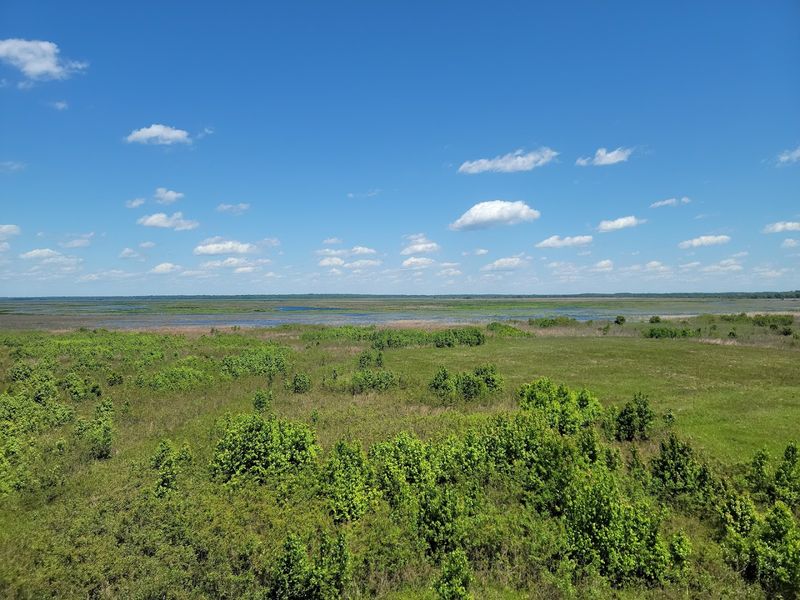
Wild bison roaming free in the American South sounds like something from a history book. Paynes Prairie Preserve State Park makes it completely real.
Located in Micanopy at 100 Savannah Blvd, this 21,000-acre basin prairie is one of the most ecologically diverse parks in the entire state.
Bison were reintroduced here in the 1970s, and feral horses also roam the open grasslands freely. Over 270 bird species have been recorded in this park, making it a serious destination for birding enthusiasts.
Sandhill cranes are practically impossible to miss.
The La Chua Trail is the most popular route for wildlife viewing, cutting through open prairie directly toward the basin overlook. Early morning visits almost always reward patience with extraordinary sightings.
Bring binoculars and plan to stay longer than you think you will.
The park opens daily at 8 AM and closes at sunset. Camping is available for those who want to experience the prairie at night, when the sounds shift completely.
Frogs, owls, and distant bison make for a very different kind of bedtime soundtrack.
8. Wekiwa Springs State Park
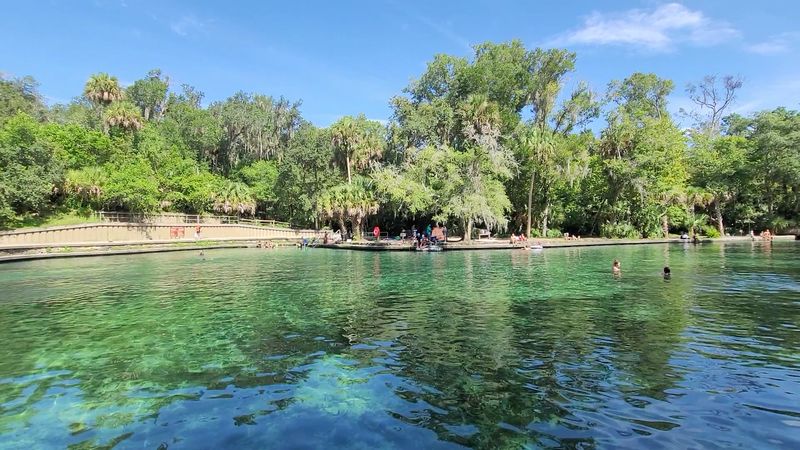
Just minutes from the sprawl of Orlando, a completely different world exists. Wekiwa Springs State Park pumps out 42 million gallons of emerald spring water every single day, feeding the wild Wekiva River through dense subtropical forest.
The contrast with the theme parks nearby is almost comical.
Swimming in the spring is the obvious draw, but kayaking the Wekiva River is just as rewarding. The river winds through old-growth forest where you might spot otters, deer, or the occasional black bear along the bank.
It feels nothing like Central Florida outside the park boundary.
The park sits at 1800 Wekiwa Cir, Apopka, FL 32712, and opens daily at 8 AM until sunset. Important note: as of September 2025, day-use reservations are required, so check the park website before heading out.
Planning ahead saves a lot of frustration at the gate.
Camping here is excellent, with sites tucked into the forest away from road noise. Night sounds in this park are rich and constant.
Waking up to birdsong instead of traffic is a reminder of what this whole region used to feel like.
9. Weeki Wachee Springs State Park
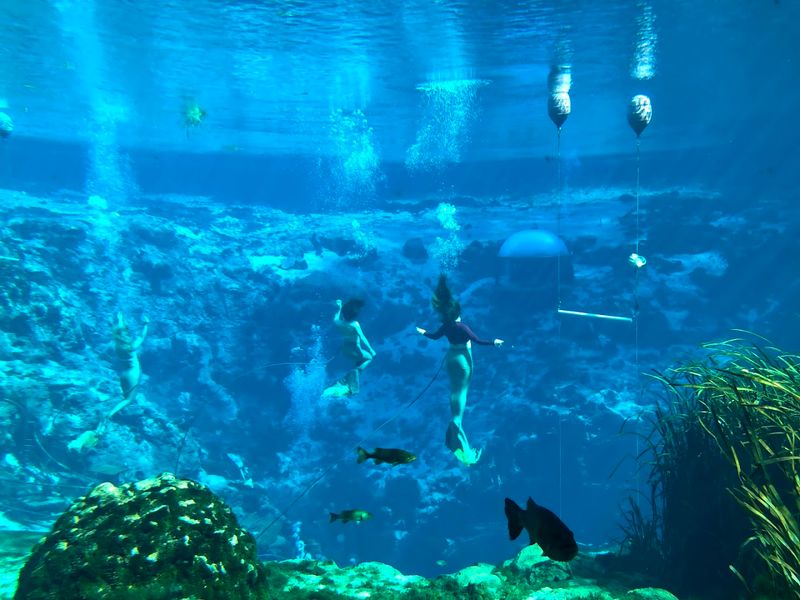
Live mermaid shows have been running continuously at Weeki Wachee since 1947. That alone makes this place one of the most wonderfully specific attractions in the country.
The performers swim in crystal-clear spring water while audiences watch through large glass windows from an underwater theater.
Beyond the shows, the spring itself is stunning. The water is brilliantly clear and cold, fed by one of the deepest natural springs in the country.
Manatees occasionally wander in during cooler months, making the experience even more surreal.
Located at 6131 Commercial Way, Spring Hill, FL 34606, the park is open daily and combines old-school charm with genuine natural beauty. Buccaneer Bay waterpark is also on-site for families looking for more activity.
Kayaking the Weeki Wachee River is a quieter way to enjoy the park at your own pace.
The river run winds through undeveloped wilderness for miles downstream. Manatees are frequently spotted along the way, drifting slowly through the clear water.
It is one of those rare spots that manages to be both genuinely wild and completely family-friendly at the same time.
10. Fakahatchee Strand Preserve State Park
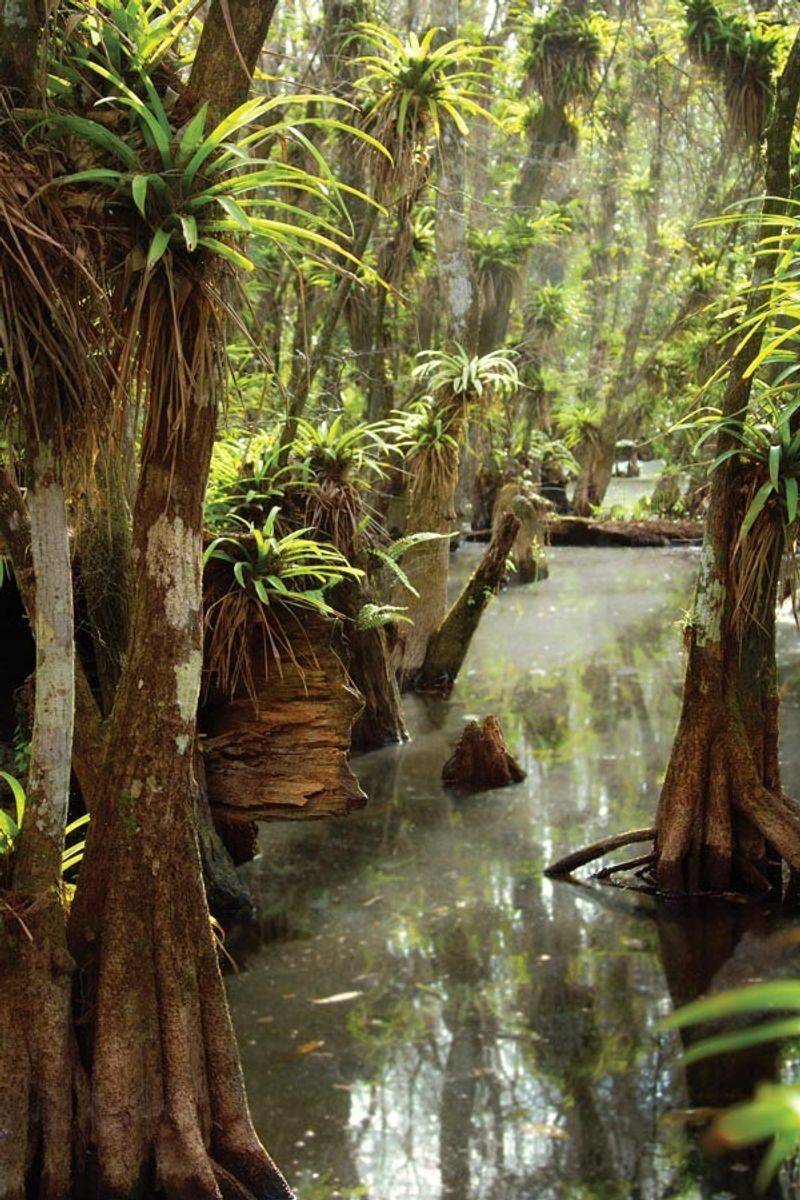
Called the Amazon of North America, Fakahatchee Strand holds ecological records that most people have never heard of. It contains the world’s largest strand swamp and the largest concentration of native orchid species on the continent.
The ghost orchid, one of the rarest flowers on Earth, blooms here.
Access is deliberately limited to protect the ecosystem, which means most visitors experience the preserve through guided swamp walks. Wading through knee-deep water into ancient cypress forest is not for the faint-hearted.
But the reward is access to a landscape that feels completely untouched.
The preserve entrance is at 137 Coastline Dr, Copeland, FL 34137, and it opens daily at 8 AM until sunset. Boardwalk trails are available for those who prefer to stay dry.
The Big Cypress Bend Boardwalk offers a stunning mile-long loop through old-growth cypress without getting your boots muddy.
Wildlife here is extraordinary. Alligators, black bears, panthers, and hundreds of bird species all share this swamp.
Standing quietly in the middle of it feels like being genuinely small in the best possible way.
11. Corkscrew Swamp Sanctuary
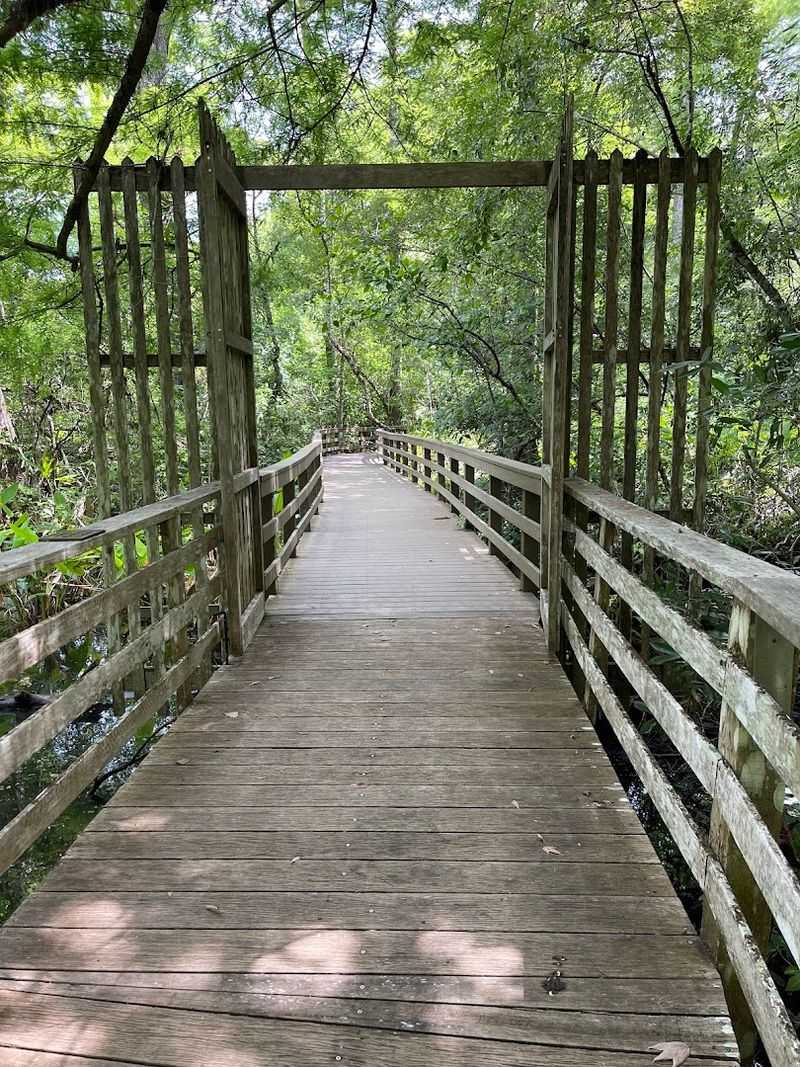
Some of these trees were already old when Shakespeare was writing plays. Corkscrew Swamp Sanctuary near Naples protects the oldest bald cypress forest on Earth, with individual trees estimated to be over 600 years old.
Walking beneath them feels genuinely humbling.
The 2.25-mile elevated boardwalk makes the entire sanctuary accessible without disturbing the ecosystem below. Managed by the National Audubon Society, the sanctuary is one of the best birding destinations in the country.
Wood storks, herons, and anhingas are regular residents.
The sanctuary is located at 375 Sanctuary Road West, Naples, FL 34120, and opens daily from 8 AM to 3 PM. Admission fees are modest and go directly toward conservation efforts.
An on-site naturalist center helps visitors understand what they are seeing before heading out on the boardwalk.
Early morning visits in winter offer the best wildlife activity. The swamp is quietest in those first hours, and the light filtering through the cypress canopy is extraordinary for photography.
Bring a long lens and comfortable shoes, and plan to move slowly. This place rewards patience.
12. Bok Tower Gardens
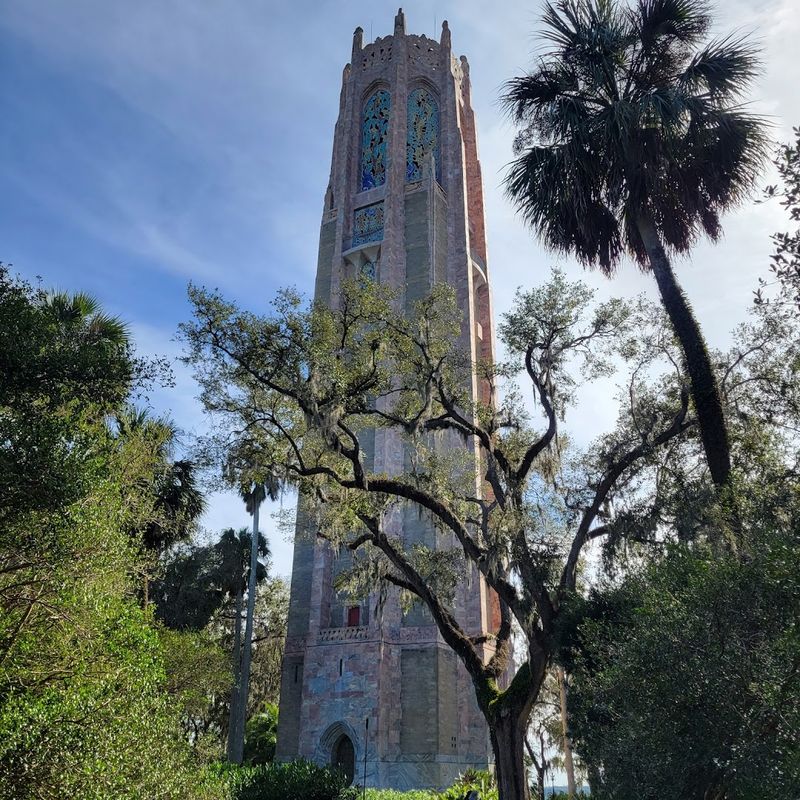
Perched on the highest point of the Florida peninsula, Bok Tower Gardens surprises every single first-time visitor. At 205 feet tall, the singing tower is a masterpiece of Art Deco and Gothic architecture, and it chimes every 30 minutes with bells that carry for miles.
Nobody expects to find something this extraordinary in Lake Wales.
The surrounding 250 acres of gardens were designed by landscape architect Frederick Law Olmsted Jr. and designated a National Historic Landmark. Reflecting pools mirror the tower perfectly on calm mornings.
Rare plants from around the world grow alongside native palms and flowering shrubs.
The address is 1151 Tower Blvd, Lake Wales, FL 33853, and the gardens are open daily. A historic Mediterranean Revival estate called Pinewood Estate is also on the grounds and worth exploring.
The combination of architecture, horticulture, and natural scenery is unlike anything else in this part of the country.
Carillon concerts are performed live on select days, filling the gardens with layered, resonant sound. Sitting on the lawn while the tower plays is one of those quietly perfect experiences.
It is calm, beautiful, and completely free of crowds on weekday mornings.
13. Kissimmee Prairie Preserve State Park
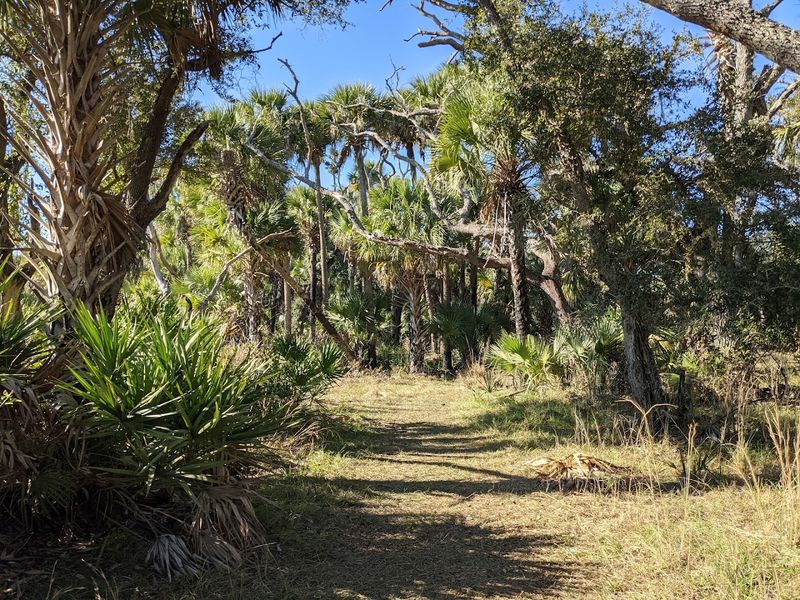
Light pollution has stolen the night sky from most of America, but not here. Kissimmee Prairie Preserve State Park is the state’s only International Dark Sky Park, and the Milky Way is visible on clear nights with a clarity that genuinely stops people mid-sentence.
This is what the sky looked like before electricity.
The preserve covers 54,000 acres of dry prairie, a vanishing ecosystem that once covered much of the central peninsula. Crested caracaras, sandhill cranes, and burrowing owls are among the rare species that call this landscape home.
Daytime wildlife viewing is excellent year-round.
Located at 33104 NW 192nd Ave, Okeechobee, FL 34972, the park is open daily. Camping here is the real draw for stargazers, since spending the full night under those skies is worth every bit of effort.
Primitive and improved campsites are both available.
Ranger-led stargazing programs are offered periodically and are extremely popular. Arriving with a red-light flashlight and a star map turns a camping trip into a proper astronomy experience.
This is one of those places that changes your perspective on just about everything.
14. Rainbow Springs State Park
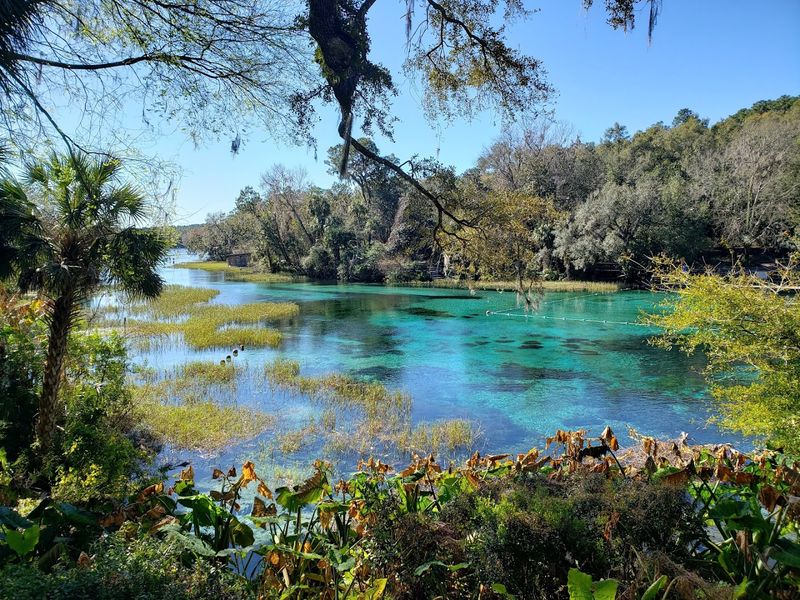
People have been drawn to this water for roughly 10,000 years, which says something significant about its appeal. Rainbow Springs is the fourth-largest spring in the state, and the color of the water on a sunny day is a shade of blue that seems almost artificially vivid.
It is entirely real.
The park features man-made waterfalls built during a 1960s attraction era that add a whimsical charm to the natural scenery. Tubing down the Rainbow River is a roughly two-mile float through clear spring-fed water.
The river bottom is visible in every direction, even in the deepest sections.
Find the park at 19158 SW 81st Place Rd, Dunnellon, FL 34432. It opens daily from 8 AM until sunset, and both swimming and tubing are available throughout the season.
The headspring area is ideal for snorkeling, with large fish visible in every direction.
The garden area near the entrance features flowering plants, koi ponds, and peacocks wandering freely through the grounds. It is a strange and delightful combination.
Rainbow Springs manages to feel both wild and welcoming, which is a balance very few parks actually achieve.