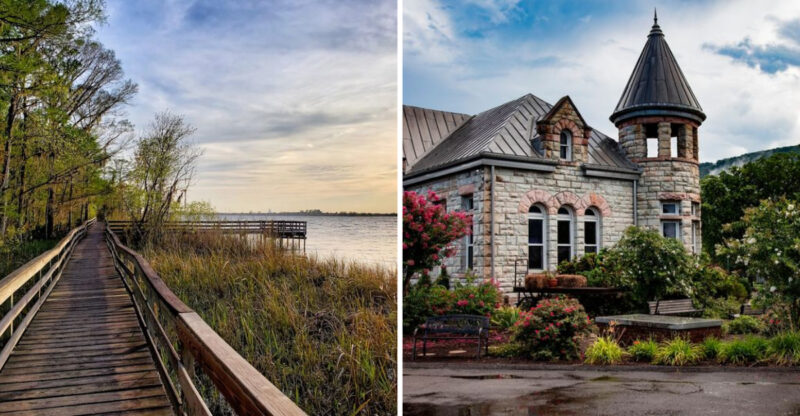
8 Scenic Alabama Hikes Almost Anyone Can Enjoy This Spring
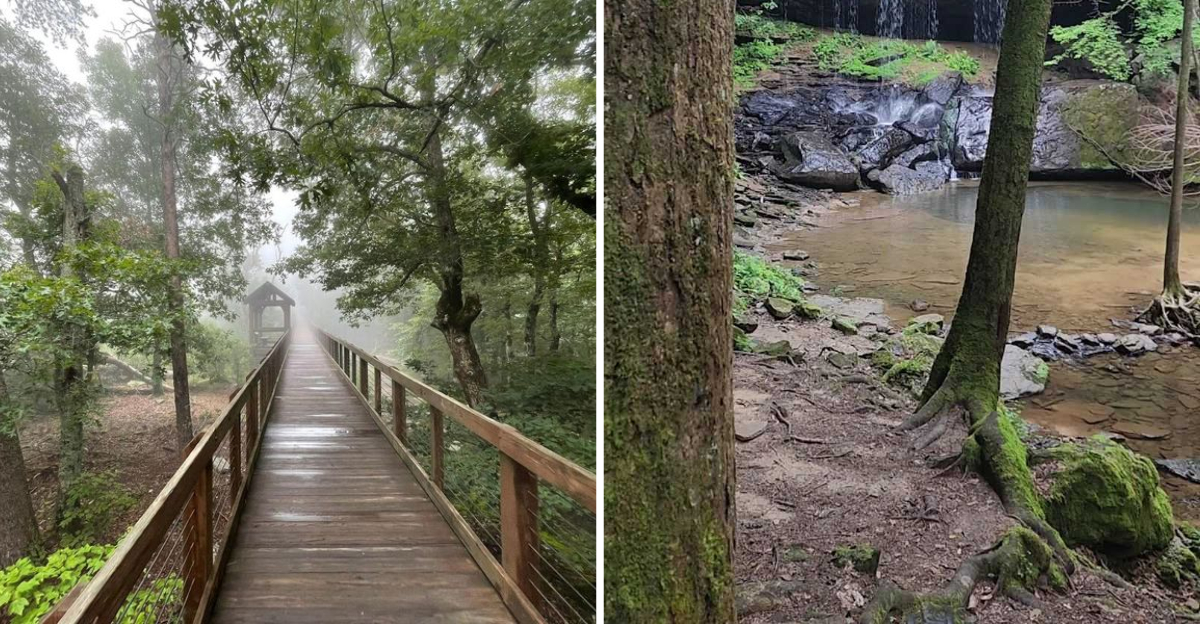
Spring hiking in Alabama has almost anyone willing to step outside. These scenic routes offer beauty, access, and a payoff worth every step.
Wildflowers line many of the paths this time of year in abundance. Elevation stays manageable and the scenery more than compensates for any effort.
Alabama in spring presents a landscape unlike anything the colder months allow. I completed one on a clear morning and immediately wanted another one.
The blooming season adds something no other time of year can match. Every skill level finds something appropriate and genuinely rewarding across this list.
Pick any trail here and trust that spring will carry you through.
1. Pine Beach Trail, Bon Secour National Wildlife Refuge
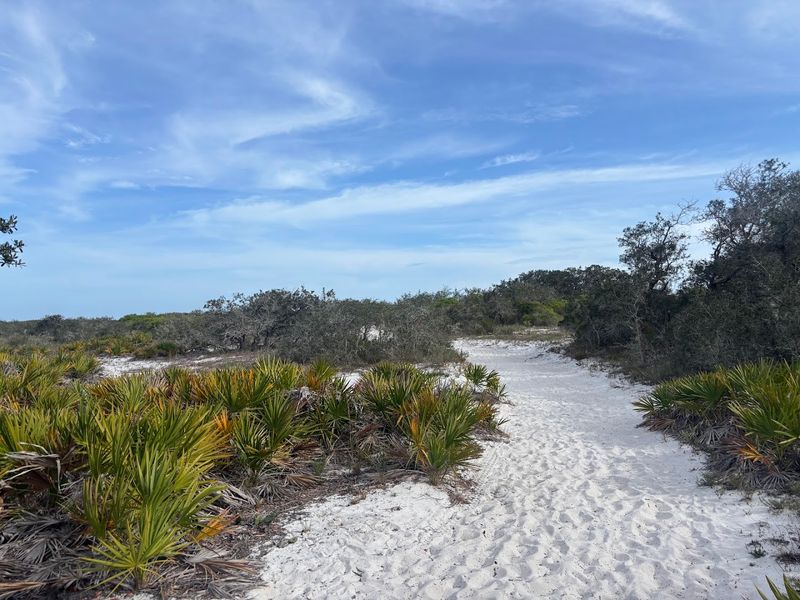
Trust me, coastal Alabama holds surprises beyond seafood restaurants. This 4.5-mile round-trip adventure winds through maritime forests before rewarding you with pristine Gulf beaches.
Ancient live oaks draped in Spanish moss create natural tunnels overhead. The sandy path stays mostly flat and easy to navigate.
Wildlife sightings include everything from painted buntings to ghost crabs scuttling across your path.
Spring brings migrating birds that turn the refuge into a birdwatcher’s paradise. The trail splits into two loops, so you can customize your distance. Families with young children often stick to the shorter Beach Loop.
Soft sand replaces hard-packed dirt as you approach the shoreline. The transition feels gradual and natural. Your reward arrives when you break through the final line of sea oats.
Undeveloped beaches stretch in both directions, often nearly empty on weekdays. The waves roll in with a rhythm that makes stress evaporate. Pack water because shade disappears near the beach.
The return journey offers different perspectives as afternoon light filters through the canopy. Many hikers report seeing deer, armadillos, and various reptiles.
The entire experience combines forest serenity with coastal beauty.
The refuge is at 12295 State Highway 180 in Gulf Shores. Parking fills quickly on beautiful spring weekends, so arrive early for the best experience.
2. Madison County Nature Trail, Green Mountain
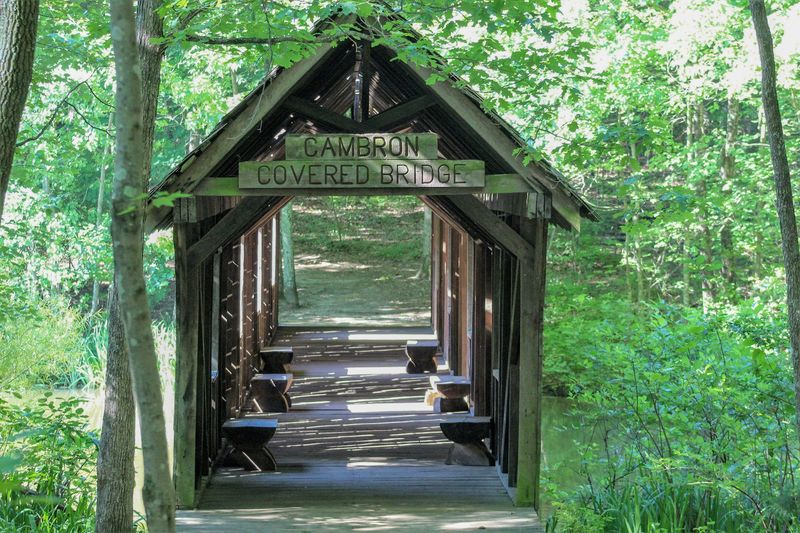
Who would’ve thought a quick escape exists just minutes from Huntsville’s suburbs? This 2-mile loop packs serious scenic punch into a beginner-friendly package.
The trail meanders along limestone bluffs that drop dramatically into forested valleys below. Spring wildflowers carpet the forest floor in purples, yellows, and whites.
Interpretive signs explain the unique geology and plant communities.
Families appreciate the well-maintained path and gentle elevation changes. The entire loop takes most people about an hour at a relaxed pace. Benches positioned at scenic overlooks invite you to pause and absorb the views.
Birdsong fills the air during the spring migration season. Warblers, vireos, and thrushes flit through the canopy overhead. The limestone outcroppings create microclimates that support unusual plant species.
Children enjoy exploring the small rock formations and hunting for interesting leaves. The trail stays wide enough for side-by-side walking and conversation. Shade covers most of the route, keeping temperatures comfortable even as spring warms up.
Educational opportunities abound for curious minds of all ages. Wildflower identification becomes an engaging game for young naturalists.
The overlooks provide perfect photo opportunities without requiring dangerous scrambling.
This hidden treasure sits within Green Mountain Nature Preserve in Huntsville. The accessible location makes it perfect for after-work hikes or weekend family outings without extensive travel time.
3. Maggie’s Glen Loop, Oak Mountain State Park
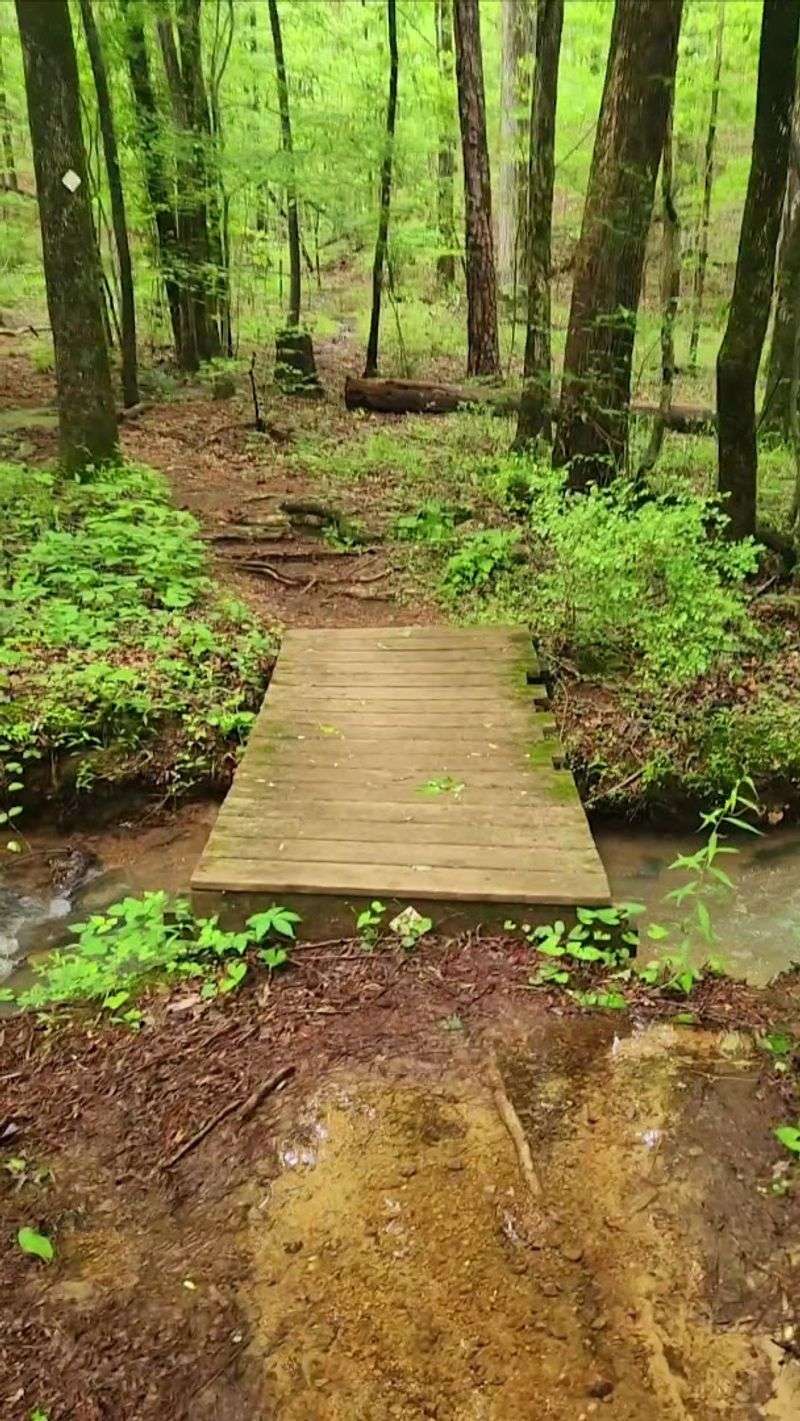
I never would’ve guessed Alabama’s largest state park hides such an enchanting beginner trail. This 1.5-mile loop feels like stepping into a storybook forest complete with babbling brooks.
The path crosses wooden bridges over clear streams that gurgle with spring runoff. Moss-covered rocks line the waterways, creating miniature landscapes worth examining closely.
The terrain stays gentle with only minor elevation changes.
Oak Mountain’s diverse ecosystem showcases everything Alabama forests offer in concentrated form. Towering hardwoods provide a cathedral-like canopy overhead. Ferns unfurl their fiddle-heads in early spring, creating prehistoric-looking understory gardens.
The loop’s short distance makes it perfect for introducing children to hiking. Rest areas appear frequently enough that nobody feels pushed beyond their comfort zone.
Wildlife sightings commonly include squirrels, woodpeckers, and occasionally white-tailed deer.
Spring temperatures transform this trail into an ideal escape from warming days. The creek crossings offer opportunities to cool off or simply listen to water music. Photographers find endless subjects in the interplay of light, water, and vegetation.
Well-marked junctions prevent navigation confusion even for first-time visitors. The trail surface stays manageable after rain, though waterproof footwear helps near stream crossings.
Benches positioned at particularly scenic spots encourage contemplation.
Oak Mountain State Park is located at 200 Terrace Drive in Pelham. The park charges a modest admission fee that grants access to numerous trails and recreational facilities.
4. Alum Hollow Trail, Green Mountain Nature Preserve
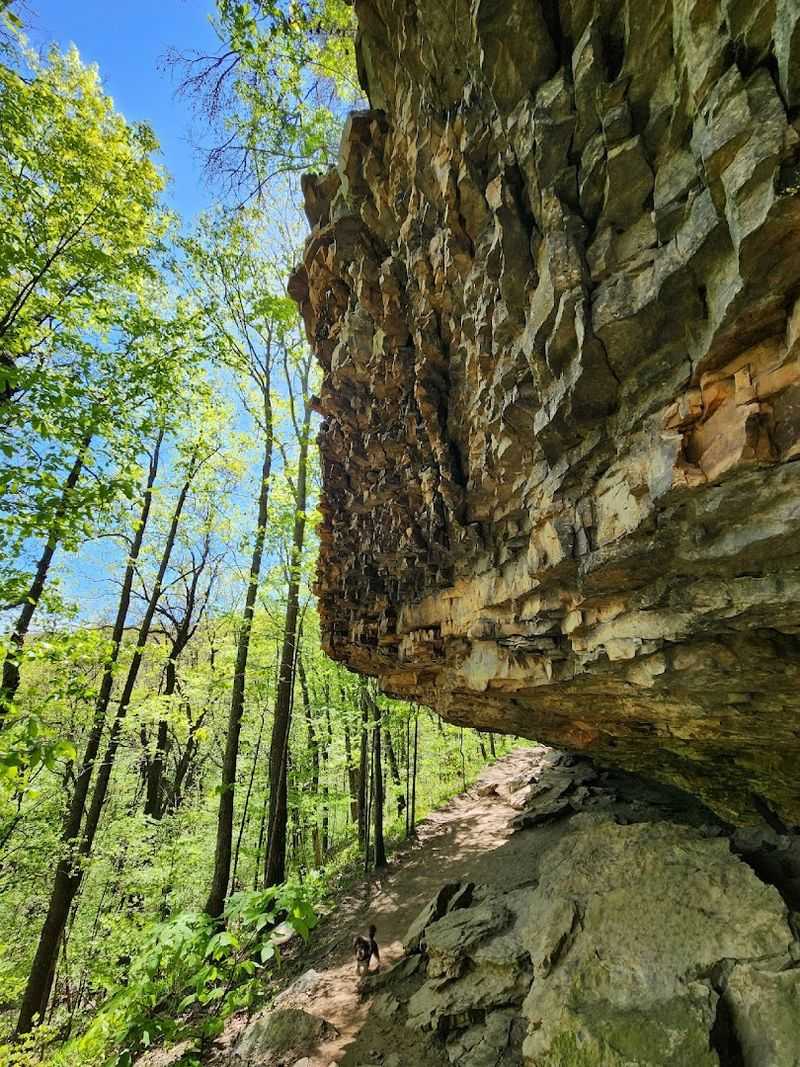
Can you believe a 1.8-mile trail can feel like a completely different world? Alum Hollow delivers that exact experience through diverse terrain and unexpected geological features.
The pathway descends into a hollow where temperatures drop noticeably even on warm days. Rock formations create natural sculptures that inspire imagination.
Spring brings an explosion of trilliums, bloodroot, and other ephemeral wildflowers.
Limestone outcrops tell stories of ancient seas that once covered this region. The trail’s moderate difficulty comes from some steeper sections, but nothing too challenging. Handrails assist on the trickiest spots.
Bird enthusiasts bring binoculars to scan for species drawn to the hollow’s unique microclimate. The sheltered environment supports plants rarely found elsewhere in the area. Educational signs explain the preserve’s conservation efforts and natural history.
Children find adventure in the changing landscapes as the trail winds deeper. The return climb feels manageable with several switchbacks easing the grade. Shade dominates most of the route, making spring hiking particularly pleasant.
The preserve’s commitment to minimal development maintains an authentic wilderness feel. Trail maintenance balances accessibility with environmental protection. Quiet moments allow you to hear rustling leaves and distant bird calls.
Seasonal wildflowers peak in April when the forest floor becomes a living tapestry. Photographers should bring macro lenses to capture delicate blooms. The trail is a gift for those who hike slowly and observe carefully.
Green Mountain Nature Preserve is located in Huntsville, offering convenient access to remarkable natural beauty and geological diversity.
5. Pulpit Rock Trail, Cheaha State Park
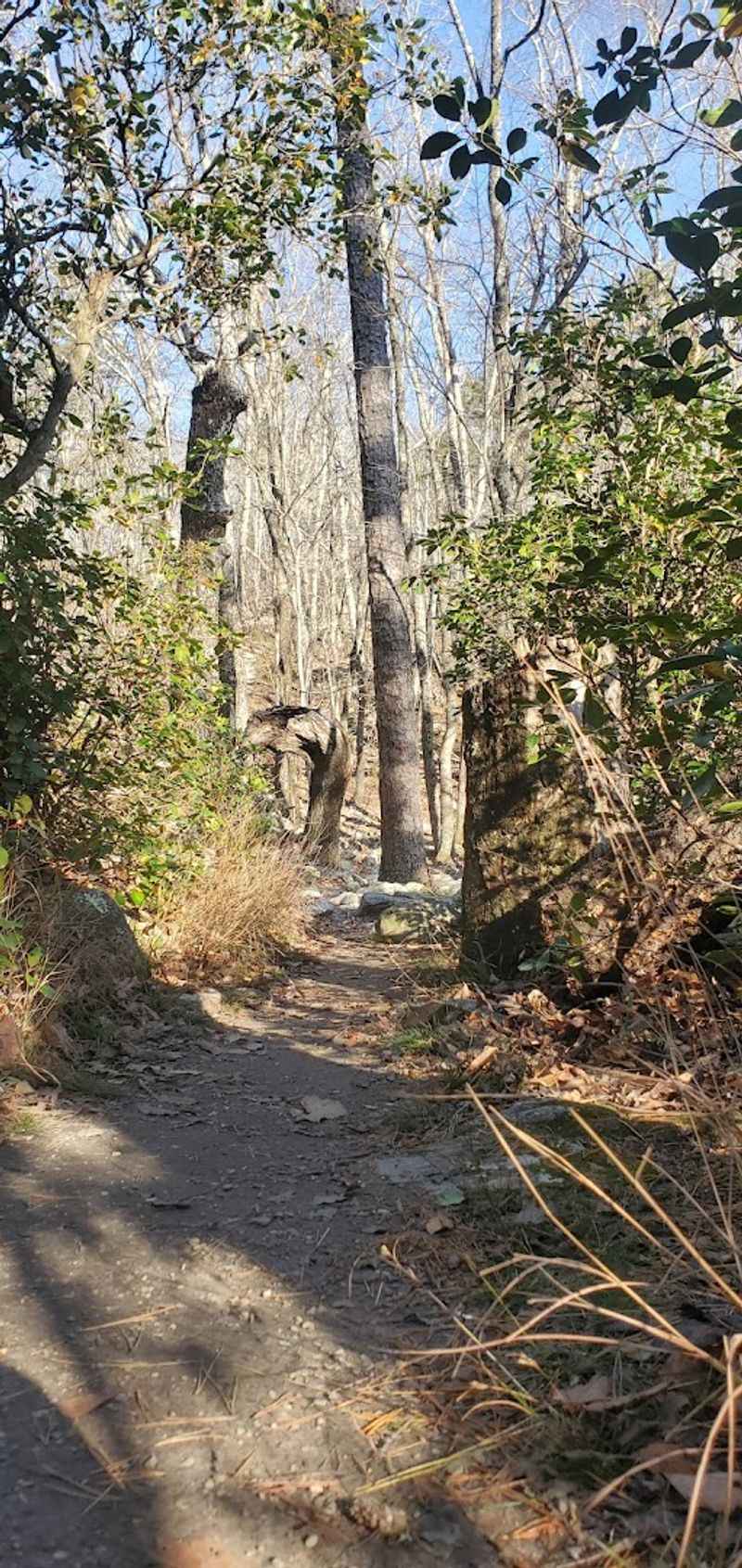
Doesn’t it sound interesting that Alabama’s highest point offers views without brutal climbs? Pulpit Rock Trail proves mountains don’t require suffering to appreciate their majesty.
This 1-mile round-trip journey leads to a spectacular rock formation jutting out over the valley. The elevation gain stays modest, making it accessible for most fitness levels.
Spring air carries the scent of blooming mountain laurel and azaleas.
The trail winds through mountain forests showcasing Alabama’s highland ecosystems. Interpretive information explains how these mountains formed millions of years ago.
Wildflowers bloom in waves as spring progresses up the elevation gradient.
Pulpit Rock itself provides a natural viewing platform with stomach-dropping perspectives. The panoramic views stretch for miles across forested ridges and valleys. Sunrise and sunset transform the landscape into layers of colored silhouettes.
Families often make this their introduction to mountain hiking. The short distance prevents fatigue while delivering memorable scenery. Safety railings help those uncomfortable with heights feel more secure.
Spring weather at this elevation can change quickly, so layers are smart. The rock surface can be slippery when wet, requiring caution. Crowds gather on perfect-weather weekends, but weekdays offer solitude.
Photography opportunities abound from multiple angles around the rock formation. The return trip feels quick after spending time absorbing the views. Many hikers combine this with other park trails for longer outings.
Cheaha State Park is located at 19644 Highway 281 in Delta, atop the state’s highest peak at 2,407 feet elevation.
6. Bald Rock Boardwalk, Cheaha State Park
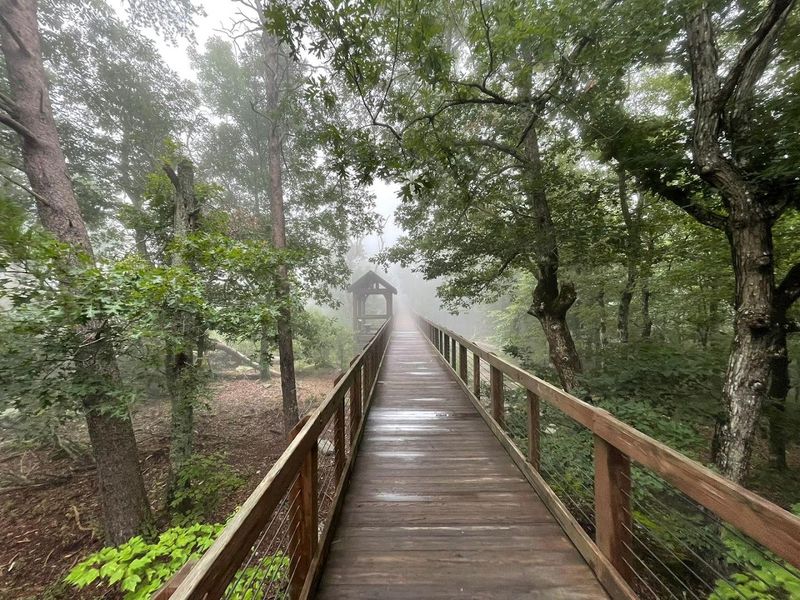
I must admit, accessible trails rarely deliver world-class views like this one does. The boardwalk removes barriers while preserving the stunning mountain scenery that makes Cheaha special.
This quarter-mile accessible path reaches Bald Rock’s summit with minimal effort required. The boardwalk construction protects fragile alpine vegetation while welcoming all visitors.
Wheelchairs and strollers navigate the route without difficulty.
Bald Rock lives up to its name with exposed granite creating an almost lunar landscape. The 360-degree views encompass the Talladega National Forest spreading in every direction.
Spring brings clarity to the air, extending visibility for miles.
Interpretive panels describe the unique ecosystem clinging to these windswept heights. Rare plants adapted to harsh conditions grow in rock crevices. The elevation creates weather patterns distinct from surrounding lowlands.
Benches along the boardwalk invite extended contemplation of the scenery. Sunrise seekers arrive early to watch the sun paint the valleys below. The short distance makes multiple daily visits feasible for park campers.
Wind often sweeps across the exposed summit, so jackets prove useful even on warm days. The boardwalk surface provides secure footing in all conditions.
Photography from the viewing platforms captures dramatic landscapes without leaving the path.
This trail demonstrates how accessibility and wilderness experience can coexist beautifully. Families with varied abilities can share the mountain summit together. The brief walk delivers disproportionate rewards in scenic beauty.
The boardwalk is located within Cheaha State Park in Delta, near other popular park attractions and facilities.
7. Kinlock Falls Trail, Bankhead National Forest

Would you ever think a 0.6-mile walk could lead to one of Alabama’s prettiest waterfalls? Kinlock Falls proves that great rewards sometimes require minimal effort.
The trail descends gently through hardwood forest toward the sound of rushing water. Spring runoff transforms the falls into a powerful cascade. The path stays well-maintained and easy to follow.
Kinlock Creek tumbles over layered rock formations creating multiple tiers of falling water. Mist rises from the base, cooling the surrounding air noticeably. Ferns and moss thrive in the constant humidity near the falls.
The viewing area provides safe vantage points for admiring and photographing the cascade. Families with young children successfully complete this hike regularly. The short distance means you can turn back anytime without major commitment.
Spring brings the falls to peak performance with maximum water volume. The surrounding forest explodes in various shades of green. Wildflowers bloom along the trail, adding color to the journey.
Rock-hopping opportunities exist for those wanting closer waterfall encounters. The creek’s clear water reveals smooth stones and occasionally small fish. Sound dominates the experience as water crashes over ancient rocks.
Return trips feel quick, though the uphill grade becomes noticeable. The elevation gain remains manageable for most fitness levels. Many hikers combine this with nearby trails for extended forest time.
The trailhead is located off County Road 60 in the Bankhead National Forest near Moulton. Parking areas fill quickly on beautiful spring weekends, so early arrival is recommended.
8. Sougahoagdee Falls Trail, Bankhead National Forest
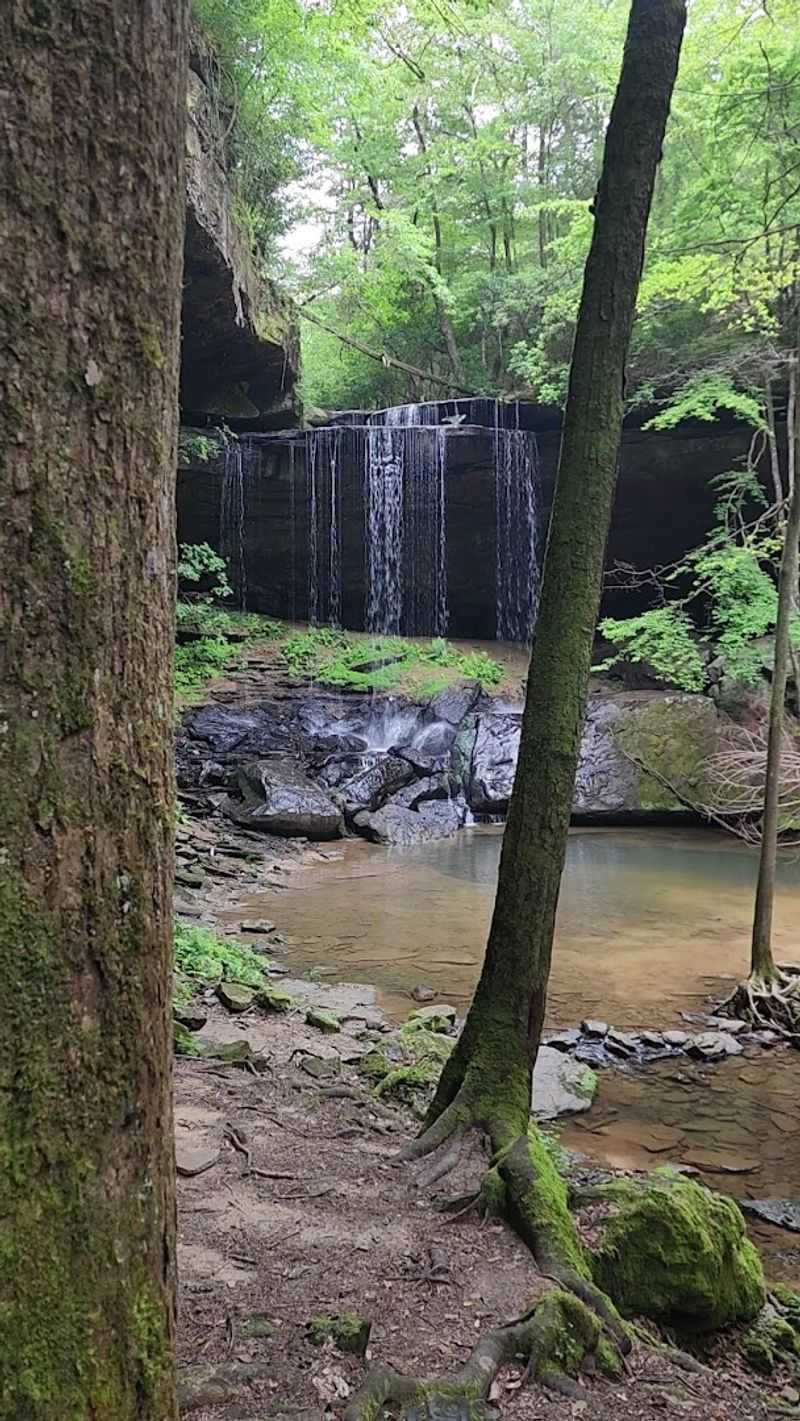
Believe me, pronouncing this waterfall’s name proves harder than reaching it.
The 1.4-mile round-trip adventure delivers one of northwest Alabama’s most photogenic natural features.
The trail follows an old roadbed before narrowing into a forest path. Spring greenery creates a tunnel effect as vegetation fills in overhead. The sound of falling water grows gradually louder as you approach.
Sougahoagdee Falls tumbles approximately 15 feet over a wide rock ledge. The horseshoe-shaped formation creates multiple curtains of water in high flow. Spring typically provides the most impressive displays.
Rock shelters behind the falls allow unique perspectives and photo opportunities. The mist creates rainbow effects when sunlight hits at proper angles. Smooth bedrock around the falls invites careful exploration.
The trail’s moderate difficulty comes from some uneven terrain and minor elevation changes. Tree roots and rocks require attention but nothing too technical. Families with older children handle this hike comfortably.
Wildlife sightings along the route include various songbirds and occasionally deer. The forest canopy provides excellent shade during warming spring days. Wildflowers bloom in scattered patches throughout the hiking season.
The falls area offers spots for peaceful contemplation or picnic breaks. Water volume varies with recent rainfall, so check conditions if possible.
The return journey provides different perspectives as you retrace your steps.
The trailhead is located off Forest Road in Bankhead National Forest near Double Springs. Signs guide visitors from main roads to the parking area.