Travelers Looking For Authentic Southern Charm Keep Falling For These 10 Louisiana Towns
There is a specific kind of travel magic that only happens when you put the GPS on hold and start following curiosity instead.
Louisiana has been perfecting that kind of magic for centuries, and the small towns scattered across this state are where you feel it most.
I planned a quick overnight once and ended up staying four days because the food alone made leaving feel irresponsible.
These are not the towns that show up on every Louisiana highlight reel. They do not need to be.
They have centuries-old architecture, cooking that would make a grown adult emotional, and locals who treat a stranger like someone worth talking to.
This state has a genuinely rare talent for making you feel like you belong somewhere you have never been before.
These towns are the ones worth rearranging your entire itinerary for, and every single one of them earns it.
1. Natchitoches
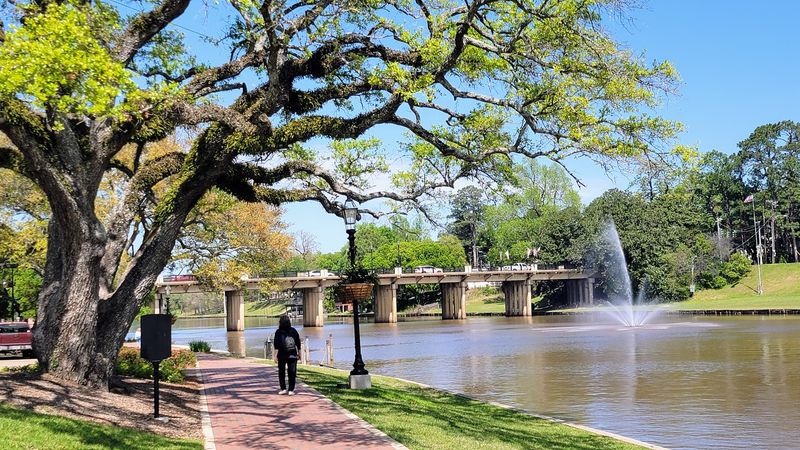
The oldest permanent settlement in the Louisiana Purchase territory, Natchitoches does not need to shout to get your attention.
The Cane River runs quietly alongside Front Street, where 19th-century brick storefronts lean into the evening light like old friends sharing a story.
I wandered down here on a cool October afternoon and ended up staying for two nights. The meat pies alone could justify a road trip.
Lasyone’s Meat Pie Restaurant at 622 Second Street has been serving those flaky, savory pastries since 1959, and one bite explains exactly why.
The historic district is a National Historic Landmark, meaning the architecture is genuinely original, not reconstructed for tourism.
Oak-lined streets, iron-lace balconies, and a river that actually moves slowly enough to sit beside.
Natchitoches hosts a beloved Christmas festival every December with lights strung along the waterfront that look like something from a movie set, except it is all real. Come for the meat pies, stay for everything else.
2. St. Francisville
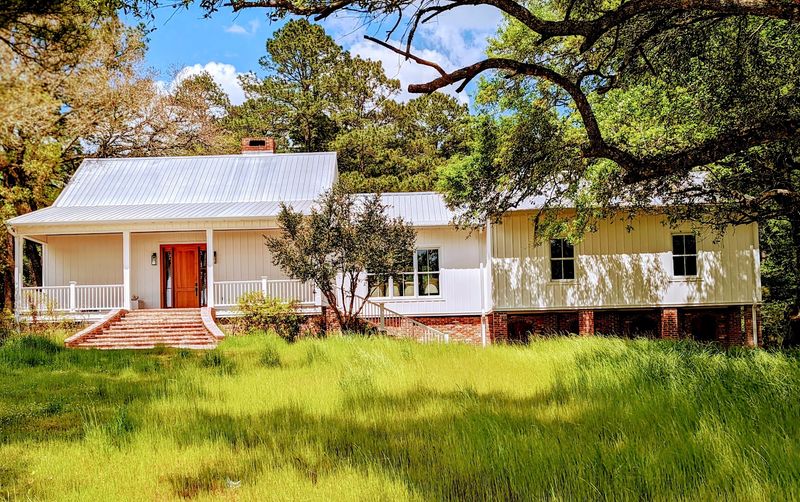
St. Francisville sits on a narrow ridge above the Mississippi River, and the whole town feels like it is balancing between two centuries at once.
Spanish moss drapes the live oaks so heavily that afternoon light filters through in gold ribbons.
The Audubon State Historic Site is here, where John James Audubon painted 32 of his famous bird illustrations while working as a tutor at Oakley Plantation.
That detail alone makes the place feel like a real piece of American art history, not just a pretty backdrop.
Grace Episcopal Church, founded in 1827, still holds services and its cemetery reads like a quiet novel of Louisiana life.
The town has fewer than 2,000 residents, which means the streets stay calm and the locals actually have time to talk to you.
Overnight guests often stay at the Cottage Plantation, one of the few antebellum homes in Louisiana that has remained in continuous use.
Located at 10528 Cottage Lane, it puts you right inside the history rather than just looking at it through a velvet rope.
3. Donaldsonville
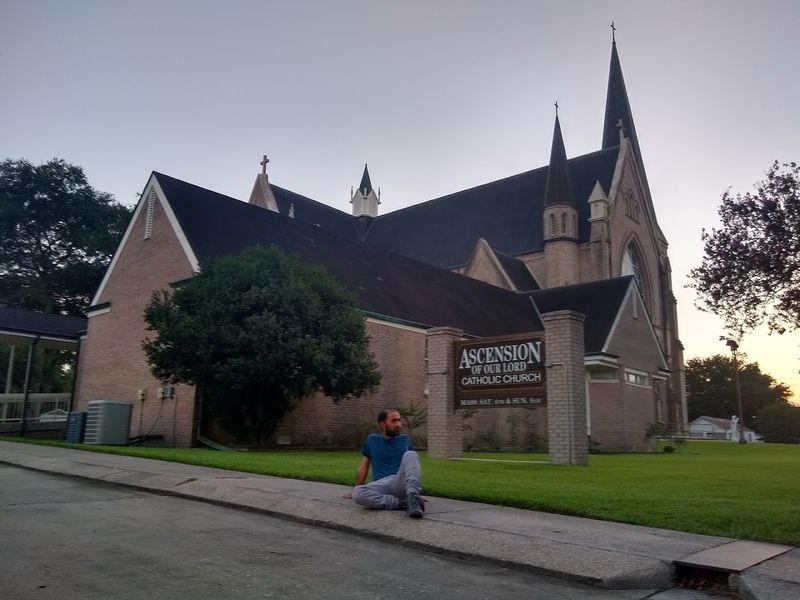
Donaldsonville was once the capital of Louisiana, which surprises most people who have never heard of it.
That brief political chapter lasted only a few months in 1830, but the town still carries itself with a quiet civic pride that you can feel in the architecture.
The historic downtown along Railroad Avenue has some of the best-preserved Creole commercial buildings in the state.
Lainé’s Bakery has been a local institution for decades, and the king cake during Mardi Gras season draws people from surrounding parishes who know better than to settle for the grocery store version.
The Sunshine Bridge connects Donaldsonville to the west bank, and the views of the Mississippi from the levee are worth the stop on their own.
Ascension Parish is crawling with real Louisiana culture that never made it into the guidebooks.
The River Road African American Museum, located at 406 Charles Street, tells stories about the enslaved and free people of color who shaped this region in ways that most mainstream history skipped over entirely.
Donaldsonville rewards the curious traveler every single time.
4. St. Martinville
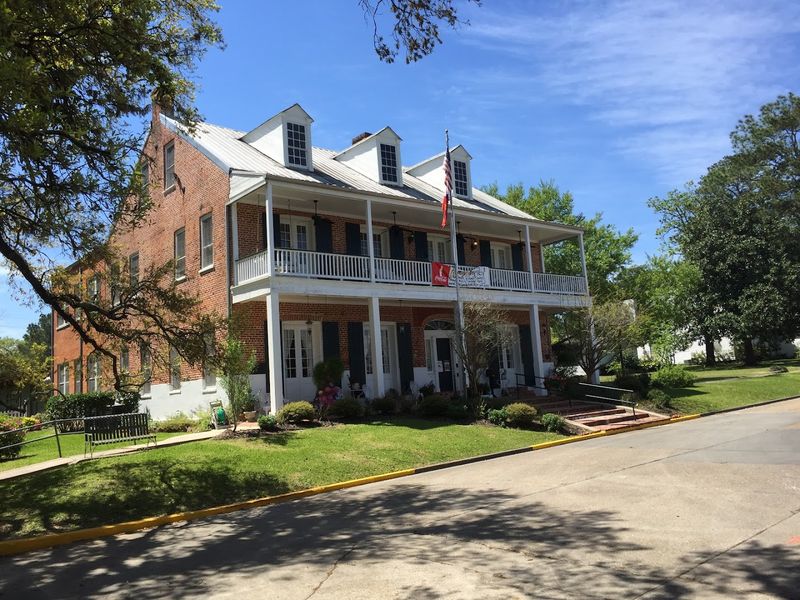
Poets have written about this place, and after one afternoon here you will understand why. St. Martinville sits along Bayou Teche with a dignity that feels earned over centuries rather than manufactured for visitors.
The Evangeline Oak, standing at the edge of the bayou near Port Street, is one of the most famous trees in Louisiana.
It marks the spot where the real-life Emmeline Labiche, inspiration for Longfellow’s poem Evangeline, is said to have reunited with her lost love after the Acadian exile.
That story is both romantic and genuinely heartbreaking, which pretty much defines the Cajun experience.
St. Martin de Tours Catholic Church, built in 1765, is one of the oldest Catholic churches in the United States and still draws worshippers every Sunday. The town square around it feels frozen in the best possible way.
The African American Museum of St. Martinville on Main Street fills in the fuller picture of the community’s layered past. St. Martinville is small, walkable, and deeply sincere.
It is the kind of place that stays with you long after the drive home.
5. Franklin
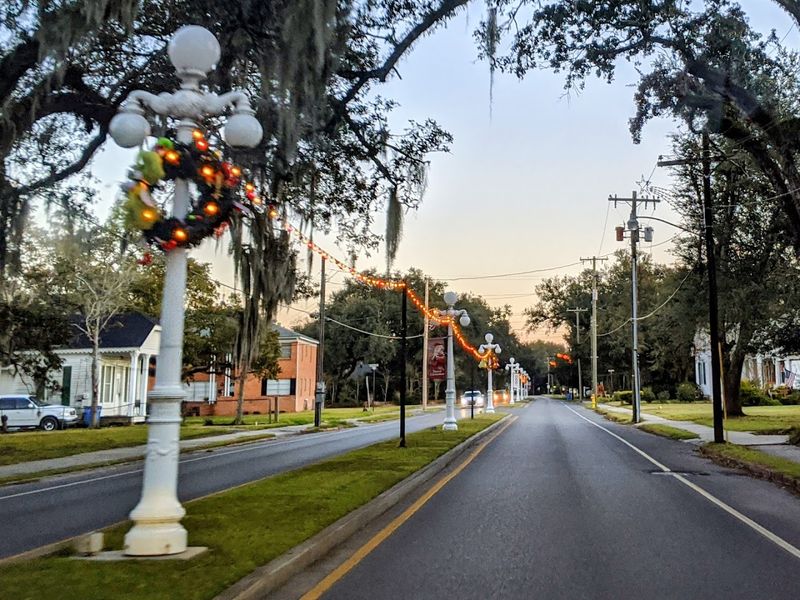
Franklin has one of the most beautiful main streets in the entire South, and almost nobody outside of Louisiana knows it exists.
A double canopy of live oaks stretches for blocks along Main Street, shading antebellum homes that have stood since before the Civil War.
The town sits in the heart of St. Mary Parish, deep in the Cajun prairie and bayou country.
Charenton, just a few miles away, is home to the Chitimacha Tribe of Louisiana, one of the few Native American tribes in the country still living on a portion of their original homeland.
That proximity gives the whole area a cultural depth that most small towns simply do not have.
The Grevemberg House Museum at 407 Sterling Road preserves an 1851 raised cottage that gives a real sense of plantation-era domestic life without the sanitized version.
Franklin’s downtown is quiet enough to walk slowly and actually look at things.
The local farmers market on Saturday mornings brings out the kind of community energy that reminds you why small towns matter. Franklin is genuinely underrated in every possible way.
6. New Iberia
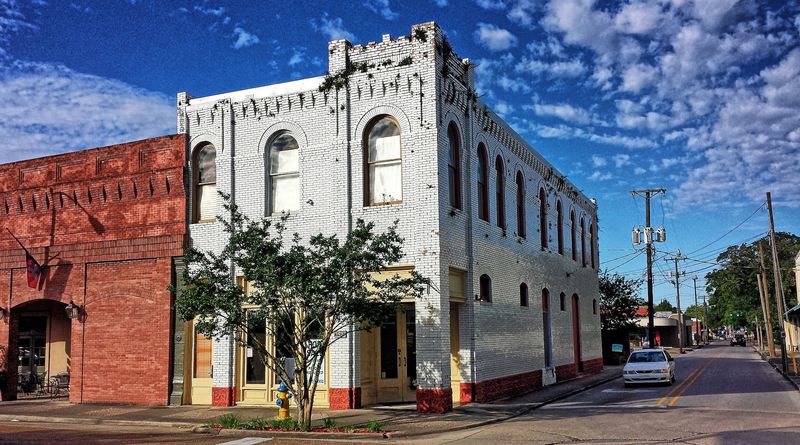
This town smells like sugarcane and possibility, especially in the fall when the harvest is on and the fields outside of town look like green oceans bending in the breeze.
This is Cajun country at its most confident.
Shadows-on-the-Teche, a National Trust Historic Site at 317 East Main Street, is one of the most photographed plantation homes in Louisiana and earns every single click of the shutter.
The 1834 mansion sits right on Bayou Teche with live oaks overhead and a garden that blooms almost year-round. It is the kind of place that makes you slow down involuntarily.
Avery Island, just southwest of town, is where Tabasco pepper sauce has been made since 1868.
The McIlhenny Company still runs the factory and the surrounding Jungle Gardens, which include a bird sanctuary with thousands of egrets and herons.
New Iberia’s downtown has a lively restaurant scene rooted in Cajun cooking that feels nothing like the tourist versions in bigger cities.
Lagniappe on the Bayou captures that local spirit perfectly. The whole town moves at a pace that feels like a deliberate choice rather than an accident.
7. Opelousas
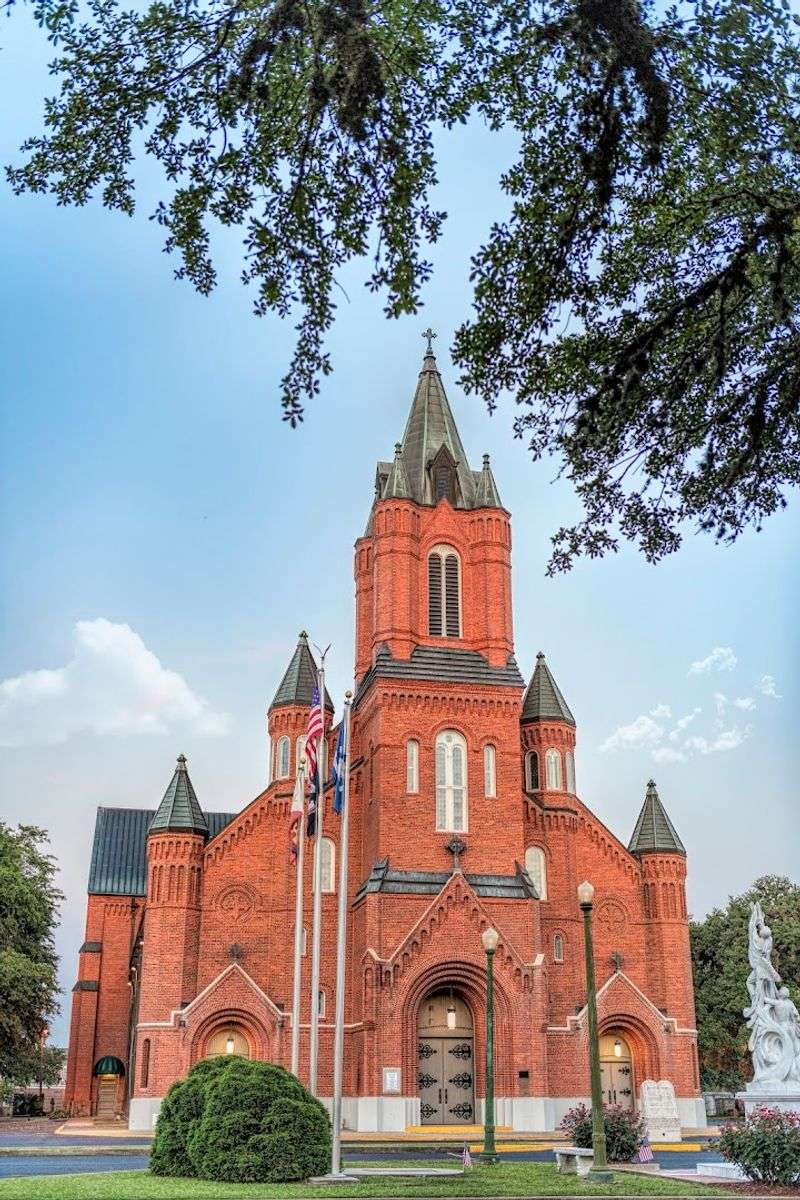
Opelousas is the zydeco capital of the world, and if you show up on a weekend without knowing that, the sound coming from the dance halls will sort you out quickly.
This is one of those towns where the music is not a performance for tourists but a genuine part of daily life.
St. Landry Parish has more Catholic churches per square mile than almost anywhere in the country, and the faith here is old, layered, and tied directly to the French Creole and Acadian roots of the community.
The Opelousas Museum and Interpretive Center on North Union Street does a solid job of connecting those threads without oversimplifying them.
Jim Bowie, of Bowie knife fame, spent part of his early life in this area, and the town is not shy about that history.
The Saturday morning market on the courthouse square draws farmers, craftspeople, and cooks who bring the kind of produce and boudin that remind you food is still a craft here.
Opelousas has rough edges and real character, which is exactly what makes it feel honest. It is the kind of town that does not pretend to be anything other than exactly what it is.
8. Thibodaux
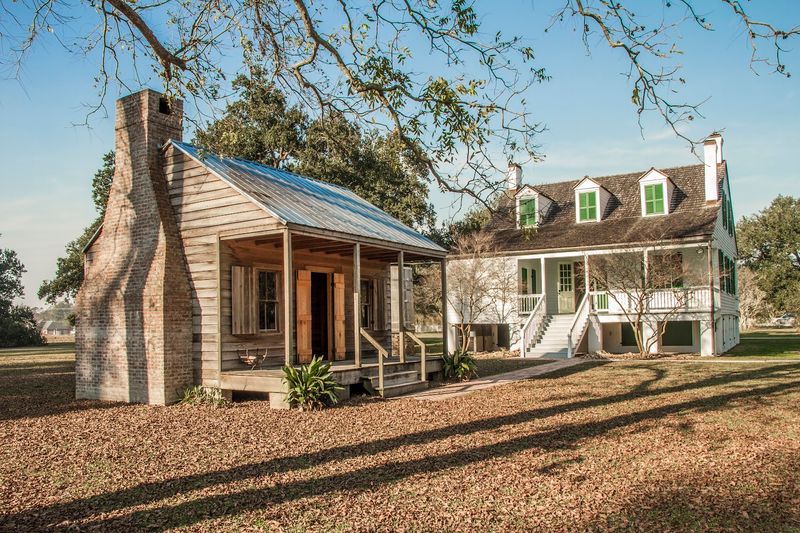
It sits along Bayou Lafourche, which locals call the longest street in the world because communities line both banks of the bayou for over 100 miles.
That geographic quirk gives Thibodaux a particular sense of place that you do not find on a map.
Nicholls State University anchors the town with a younger energy that mixes well with the deep Cajun heritage of the surrounding parishes.
The E.D. White Historic Site, located a few miles north at 2295 Highway 1, preserves the boyhood home of the ninth Chief Justice of the United States.
That is a fact that surprises most visitors who assumed this level of history belonged only to bigger cities.
The Wetlands Acadian Cultural Center, part of the Jean Lafitte National Historical Park system, offers one of the most honest and moving portraits of Cajun life I have encountered anywhere in south Louisiana.
The exhibits are specific, not generic, and the rangers actually know what they are talking about. Thibodaux also hosts an annual Firemen’s Fair that dates back over a century.
The food scene along St. Mary Street keeps getting better every year, with crawfish dishes that justify the drive from anywhere in the state.
9. Washington
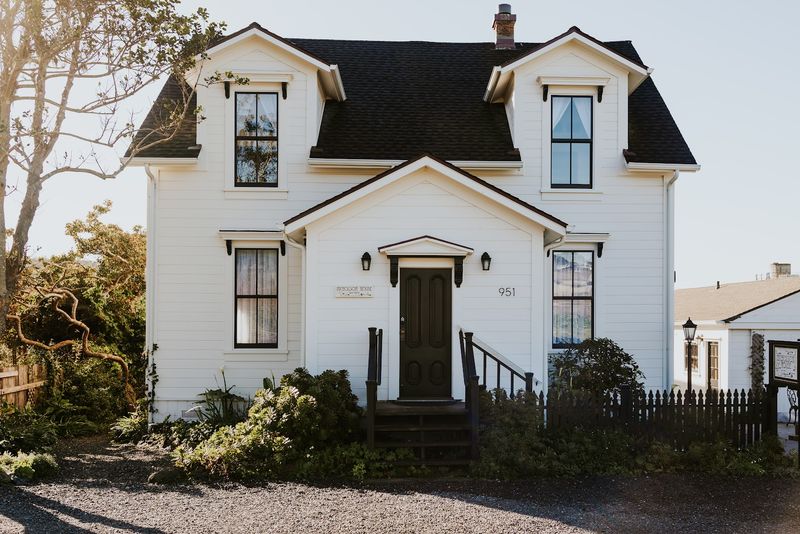
Washington, Louisiana is the kind of place you drive through and then immediately turn around because something in the rearview mirror caught your eye.
The town sits along Bayou Courtableau and has one of the most intact collections of antebellum commercial buildings in the state.
At its peak in the early 1800s, Washington was a thriving inland port, the farthest point steamboats could navigate up Bayou Courtableau.
That commercial history left behind a Main Street that still looks like it belongs in another century, and not in a fake way.
The Hinckley House, the Arlington Plantation, and the Nicholson House of History are all within easy walking distance of each other.
The Nicholson House at 400 South Main Street is particularly striking, a Greek Revival raised cottage that has been carefully preserved and is open for tours.
Washington has fewer than 1,000 residents, which means you will have most of these streets entirely to yourself.
That kind of quiet is increasingly rare and genuinely valuable. For anyone traveling the Cajun Prairie region, skipping Washington would be a real mistake that you would probably regret once someone told you what you missed.
10. Grand Coteau
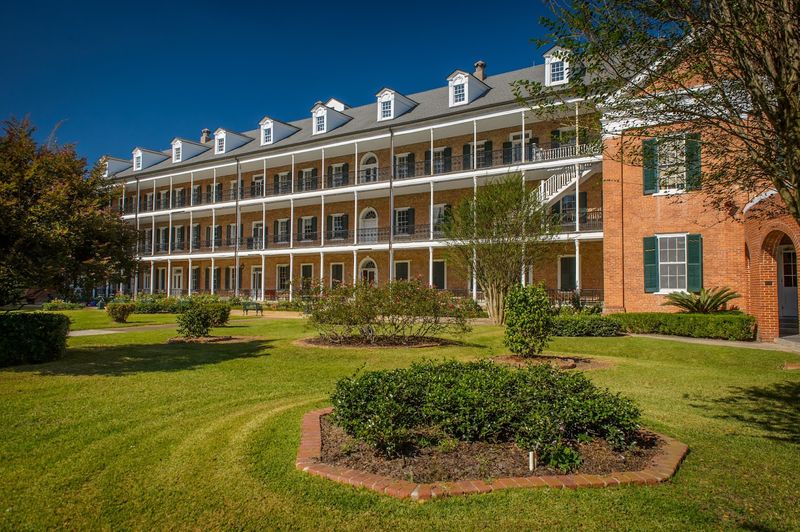
This town is about a mile long and feels like a place where time agreed to slow down and never quite sped back up.
Grand Coteau sits on a natural ridge in St. Landry Parish, which is actually significant in a region this flat, and that elevation gives the whole place a slightly different feel from the surrounding prairie.
The Academy of the Sacred Heart, founded in 1821, is one of the oldest continuously operating schools in the country. The campus alone, with its brick buildings and ancient oaks, is worth the detour.
A documented miracle recognized by the Catholic Church occurred here in 1866, making Grand Coteau a site of genuine religious significance that draws quiet pilgrims from across the country.
The Church of St. Charles Borromeo, built in 1879, anchors the town spiritually and architecturally.
The streets around it are lined with Creole cottages and raised houses that have never been touched by developers with bad ideas.
I stopped here on the way back from Opelousas and ended up sitting on a bench outside the church for 45 minutes just listening. Grand Coteau is located along Highway 93 and rewards anyone patient enough to simply be present in it.