10 Stunning New Mexico State Parks Most People Haven’t Discovered Yet
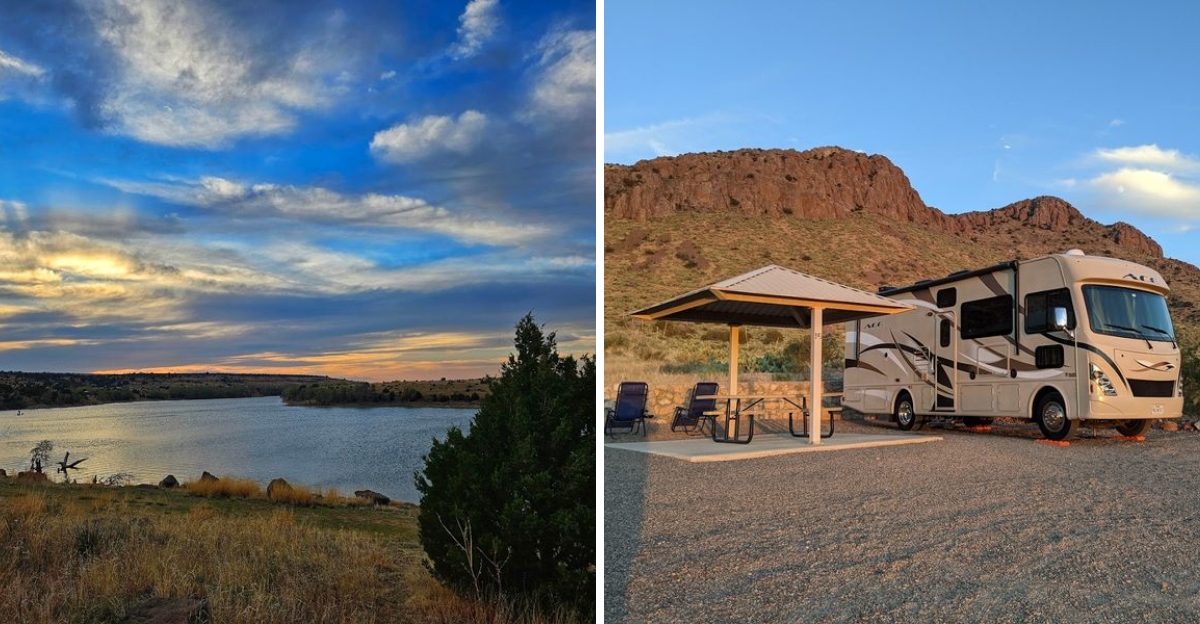
New Mexico can make you feel like the first person to ever discover something, even when you are standing somewhere that has existed for millions of years.
The landscape here operates on a completely different scale from anywhere else.
Find red rock canyons dropping into unexpected valleys, ancient ruins appearing around blind corners, and skies so wide and clear they make you feel genuinely small in the best possible way.
Most travelers collect the obvious stops and move on, never realizing that the state parks quietly tucked between the famous landmarks are often the most extraordinary places of all.
New Mexico rewards the curious and the unhurried, the ones willing to take the unmarked exit and see what happens next.
These state parks are what happens next. Each one is stunning, largely overlooked, and absolutely worth rearranging your entire road trip itinerary to include.
1. Bottomless Lakes State Park
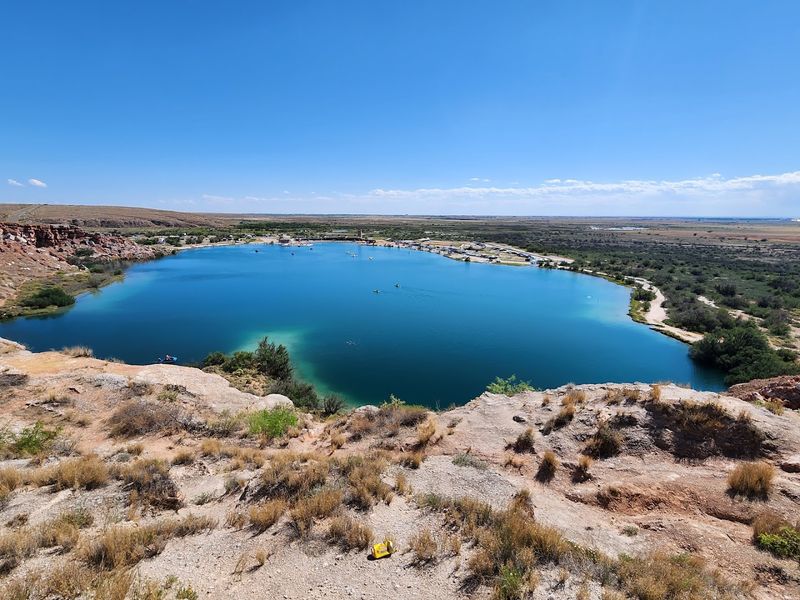
Forget everything you think you know about New Mexico being just flat desert. Bottomless Lakes State Park near Roswell surprises you with a chain of seven brilliant blue sinkholes carved into red sandstone cliffs.
The water looks almost electric against the rust-colored rock.
The name comes from early cowboys who lowered ropes into the lakes and never hit bottom. They were wrong about that, but you can forgive them because the water really does look impossibly deep.
The deepest lake, Lea Lake, reaches about 90 feet down.
Lea Lake is the only one open for swimming, and on a hot summer day, jumping into that cool turquoise water feels like a reward you actually earned. Paddleboarding and kayaking are popular here too.
The park also has a campground right on the water, which makes stargazing after dark a serious bonus.
Find the park at 545 Bottomless Lakes Rd, Roswell. It sits about 12 miles southeast of town and is worth every mile of that drive.
2. Cimarron Canyon State Park
Some parks make you feel small in the best possible way.
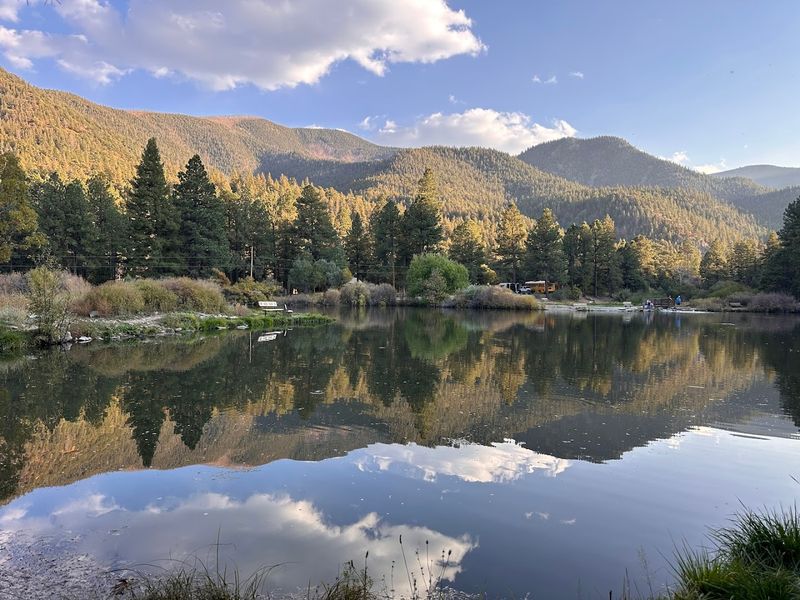
Cimarron Canyon does exactly that the moment you drive through its towering granite walls, called the Palisades, which shoot straight up from the road like nature decided to build its own skyscrapers.
The Cimarron River runs right through the canyon and has earned a serious reputation among fly fishing fans. The water is cold, clear, and stocked with trout, making this one of the top fishing spots in the entire state.
Even if you never pick up a rod, watching the river catch the light through the pines is entertainment enough.
Fall is almost unfairly beautiful here. The cottonwoods and aspens turn gold and orange against the dark granite, and the whole canyon looks like it belongs on a postcard.
Hiking trails range from easy riverside walks to steeper routes that take you above the cliffs. Black bears and mule deer are regular visitors, so keep your eyes open and your food secured.
The park runs along Highway 64 near Eagle Nest, at 28869 Highway 64. Camping spots fill up fast in summer, so plan ahead.
3. City Of Rocks State Park
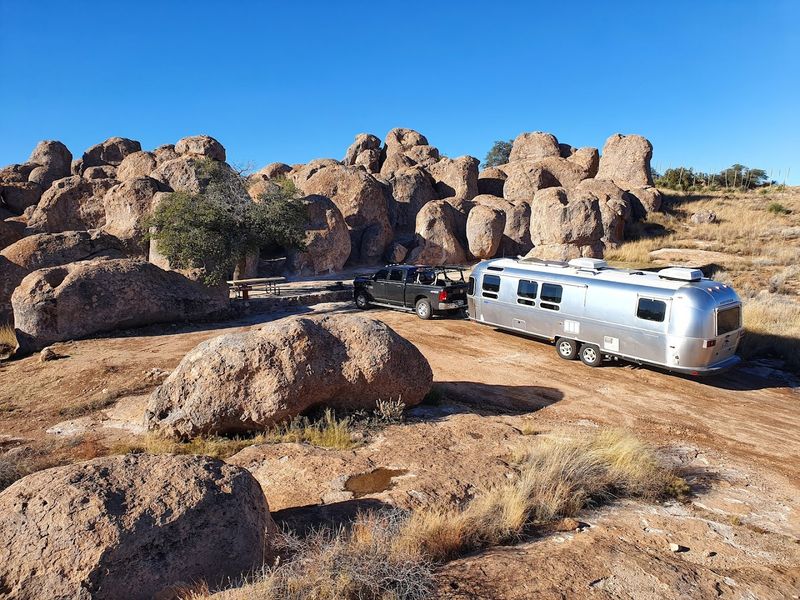
Thirty million years ago, a supervolcano exploded and left behind a field of massive rhyolite boulders scattered across the desert like a giant knocked over a bag of rocks.
That volcanic event created City of Rocks State Park, and walking through it feels genuinely surreal.
The boulders cluster together in formations that create natural rooms, corridors, and dead ends. Kids go absolutely wild here because every turn reveals a new maze to explore.
Adults do too, honestly.
The rocks glow pink and orange at sunset, and the whole place takes on a completely different personality depending on the time of day.
There is a cactus garden on site featuring over 60 species, which adds an unexpected botanical twist to the visit.
Stargazing is exceptional here because the park sits far from major city lights, and the New Mexico skies are notoriously clear.
The campground sits right among the rock formations, meaning you wake up completely surrounded by stone giants.
Located at 327 NM-61, Faywood, the park is about 28 miles northeast of Deming. Bring sturdy shoes because the ground is uneven and the scrambling is irresistible.
4. Cerrillos Hills State Park
Long before Spanish colonizers arrived, Indigenous peoples were mining turquoise from these hills for over a thousand years.
Cerrillos Hills State Park sits on one of the oldest mining districts in North America, and that history practically vibrates through the ground when you walk the trails.
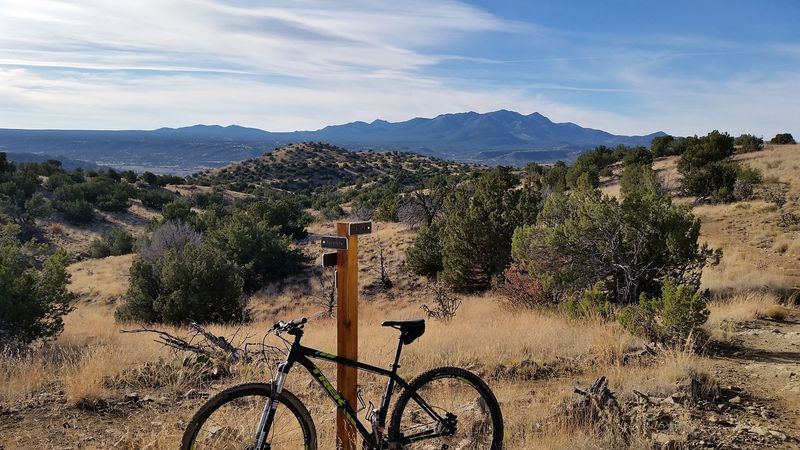
The park covers about 1,100 acres of high desert terrain with 5 miles of multi-use trails open to hikers, mountain bikers, and leashed dogs.
The views of the surrounding Ortiz Mountains and the Galisteo Basin are wide and dramatic, especially in the golden light of early morning.
You might spot old mine shafts along the way, fenced off for safety but still fascinating to peer at.
The village of Cerrillos nearby feels like a time capsule, with adobe buildings and a sleepy main street that has barely changed in decades.
The park itself is quiet and rarely crowded, which makes it a refreshing contrast to the busier parks around Santa Fe.
County Road 59, Los Cerrillos is where you find the trailhead. Spring wildflowers carpet the hills in April and May, turning the scrubby landscape into something genuinely pretty.
Admission is affordable and the solitude is priceless.
5. Villanueva State Park
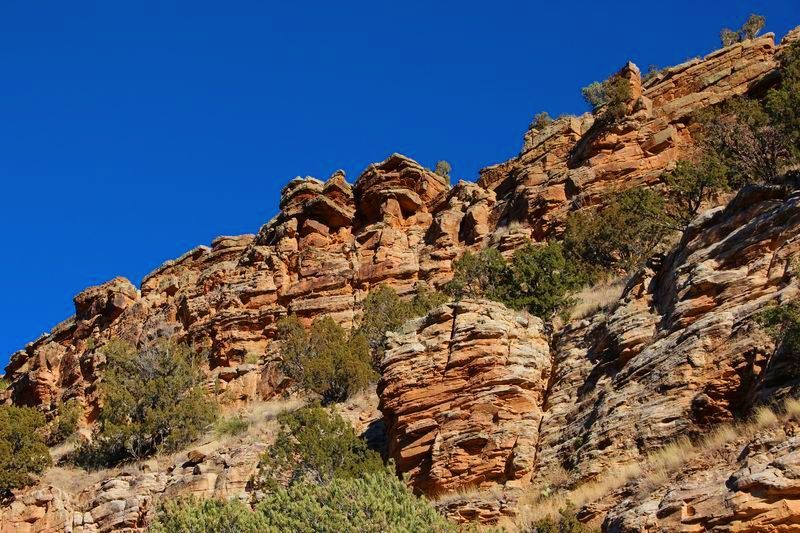
The Pecos River carves through red and yellow sandstone canyon walls here with a kind of quiet confidence that makes you want to sit down and just watch it work.
Villanueva State Park is one of those places that feels genuinely off the map, even though it sits only about 75 miles from Albuquerque.
Fishing is excellent along this stretch of the Pecos, and the cottonwood groves along the riverbank provide serious shade on hot days.
The canyon walls glow warm amber in the afternoon sun, and the reflections in the water are almost too good to be real. A short hiking trail runs along the rim and gives you a bird-eye view of the whole canyon below.
The campground here is small and peaceful, with sites close enough to the river that you can fall asleep to the sound of moving water.
Birdwatching is surprisingly rewarding, with great blue herons and various raptors spotted regularly.
The nearby village of Villanueva is a traditional New Mexico community with deep Hispanic roots and adobe architecture that has stood for centuries.
The park entrance is off NM-3, Villanueva. Pack a picnic, bring a book, and plan to stay longer than you intended.
6. Rockhound State Park
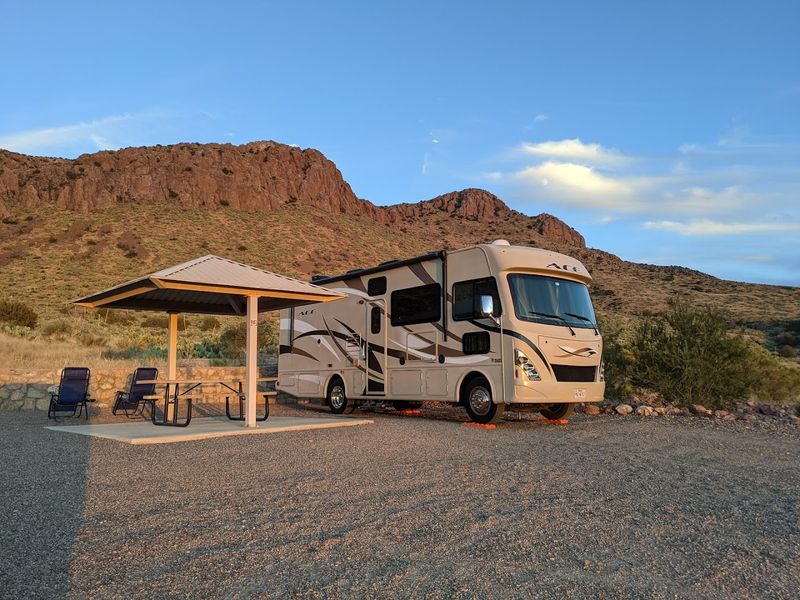
At most parks, picking up rocks is technically against the rules. Rockhound State Park flips that completely on its head by actually encouraging visitors to collect minerals and take them home.
You are allowed to haul out up to 15 pounds of rocks per visit, which is either thrilling or exhausting depending on how seriously you take it.
The park sits at the base of the Little Florida Mountains near Deming, and the ground here is loaded with jasper, agate, perlite, and occasionally geodes.
Serious rockhounds plan entire road trips around this place. Even casual visitors end up crouching down and filling their pockets within the first ten minutes.
It is genuinely contagious.
Beyond the rocks, the desert scenery is stark and beautiful in its own right. The Florida Mountains create a dramatic backdrop, especially at sunrise when the light hits the ridgeline.
Spring blooms bring brittlebush and prickly pear cactus flowers to life across the hillsides. The campground is basic but comfortable, with RV hookups available.
Find the park at 9880 Rockhound Rd, Deming.
Bring gloves, a small trowel, and a sturdy bag because you will absolutely find something worth keeping.
7. Sugarite Canyon State Park
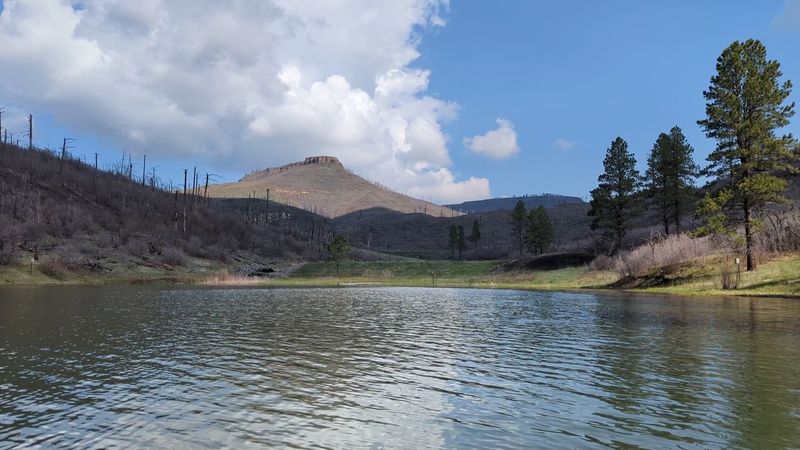
Nobody expects to find a lush, forested canyon full of lakes in northeastern New Mexico.
Sugarite Canyon keeps that secret well, tucked up near the Colorado border where the elevation climbs high enough to support ponderosa pines, oaks, and cool mountain air that feels like a completely different state.
Two lakes, Lake Alice and Lake Maloya, sit at the heart of the park and are popular for fishing, non-motorized boating, and simply staring at the reflections of the surrounding cliffs.
The fishing here is solid, with rainbow and brown trout regularly stocked. The lakes are calm and scenic, framed by canyon walls that turn brilliant red and orange in autumn.
The park has a fascinating coal mining history. Between 1910 and 1941, the Sugarite Coal Camp operated here, and remnants of the old camp still exist as a historic site within the park.
Walking through the ruins adds a layer of depth to the visit that you do not expect from a state park. Wildlife sightings include wild turkey, elk, and black bear.
The campground is shaded and comfortable, with sites near both lakes. You find the entrance at 211 HCR 63, Raton.
Summer weekends are busy, but weekdays are blissfully quiet.
8. Coyote Creek State Park
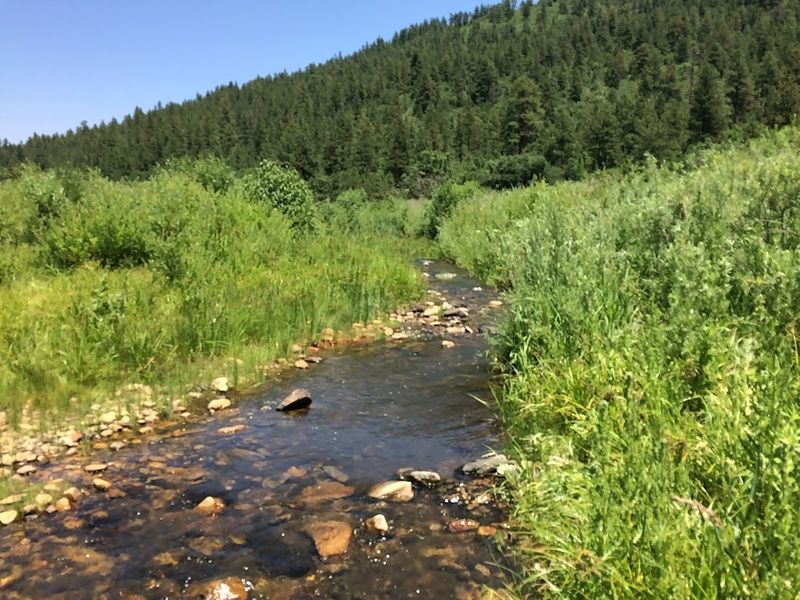
Small parks sometimes pack the biggest punches. Coyote Creek State Park covers only about 80 acres, but what it does with that space is remarkable.
The park follows a narrow canyon carved by Coyote Creek through the Sangre de Cristo foothills, and the whole place feels like a secret that the locals are quietly protective of.
The creek itself is the main attraction. Clear, cold, and shallow enough to wade through in summer, it runs through meadows and past towering ponderosa pines before disappearing around the next bend.
Fishing is available for stocked trout, and the creek is small enough that even young anglers can feel like experts here.
Birding is exceptional along the riparian corridor, with species that depend on that rare combination of water and mountain forest.
Deer wander through the campground with a comfort level that suggests they have been doing it for years. The campground itself is shaded and peaceful, with sites that sit right alongside the creek.
Fall colors here are genuinely spectacular, with aspens and cottonwoods going golden against the dark evergreens.
Find the park along NM-434 near Guadalupita. It is the kind of place you discover and immediately want to come back to with everyone you know.
9. Oasis State Park
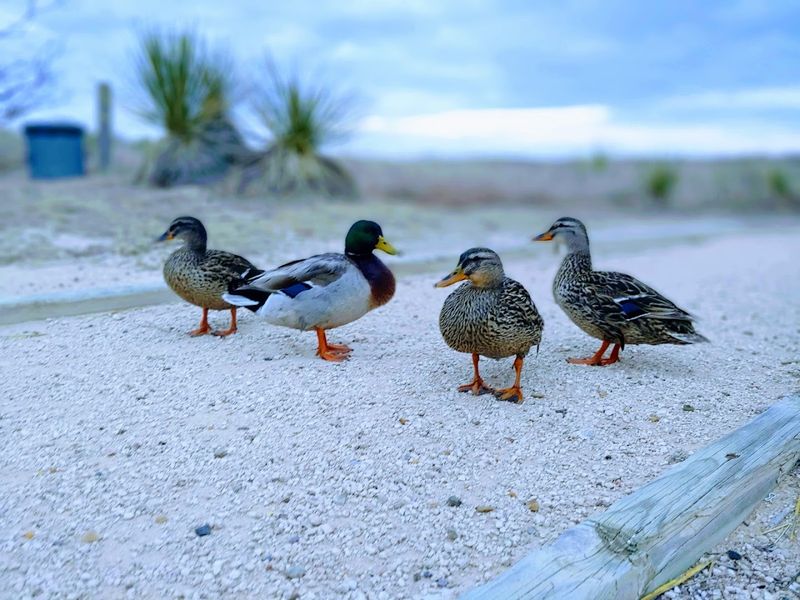
Standing in the middle of the eastern New Mexico plains, surrounded by miles of flat agricultural land, the last thing you expect is a shaded lake with a sandy beach.
Oasis State Park earns its name completely and without apology. Seeing it for the first time genuinely makes you question your GPS.
The park centers around a small lake ringed by tall cottonwood trees that create a canopy of shade rare in this part of the state.
Fishing, paddleboating, and swimming keep families occupied for hours. The beach area is sandy and clean, making it a legitimate summer destination for locals who need a break from the relentless sun.
Birdwatching here surprises most visitors. The cottonwood grove attracts migrating species that use this isolated patch of water and trees as a rest stop during long journeys.
Over 100 bird species have been recorded in and around the park. The campground is pleasant and well-maintained, with electrical hookups available for RVs.
Located at 1891 Oasis Rd, Portales, the park is a short drive from town and well worth the detour. Bring a fishing rod, a folding chair, and absolutely no expectations, because this place will exceed them anyway.
10. Clayton Lake State Park
One hundred million years ago, dinosaurs walked through the mud along the edge of an ancient inland sea right here in northeastern New Mexico.
That mud hardened into rock, and today Clayton Lake State Park protects over 500 dinosaur tracks preserved in remarkable detail.
Seeing them in person is one of those experiences that makes the world feel both very old and very small.
The tracks were discovered in 1982 and include prints from at least eight different dinosaur species, including large theropods and smaller ornithopods.
A paved interpretive trail with informative signs leads you right to the trackway site, making it accessible for visitors of all ages. Kids react to this with the kind of wide-eyed excitement that no theme park can replicate.
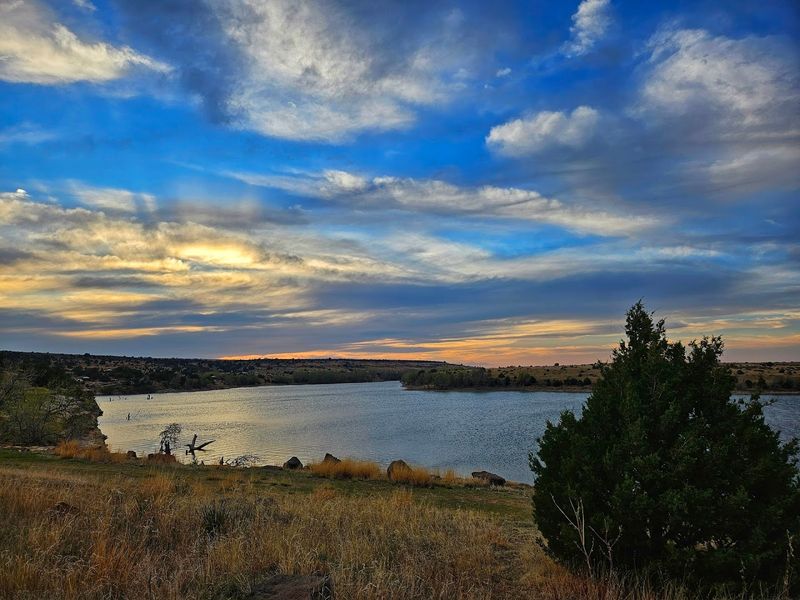
Beyond the fossils, the park has a scenic reservoir that sits in the middle of shortgrass prairie.
Fishing for walleye, catfish, and bass is popular, and the birding during migration season draws serious ornithologists from across the region. Sandhill cranes pass through in large numbers during fall and spring migrations.
The campground offers both tent and RV sites with good facilities. Find the park at 141 Clayton Lake Rd, Clayton.
The combination of prehistoric history and peaceful prairie scenery makes this one of New Mexico’s most underrated destinations.