This Charming Oregon Rock Museum Is A Treasure Trove Of Geological Wonders
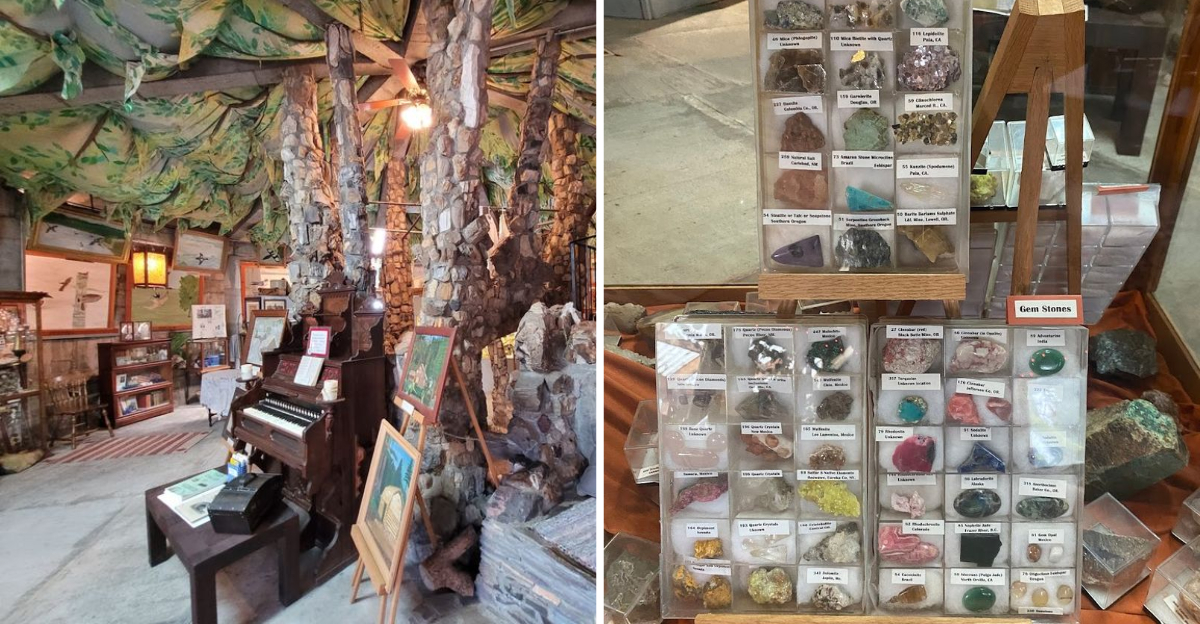
Rock museums vary and this Oregon one sets a genuinely high standard. The collection exceeds what most visitors ever expect to find inside here.
Crystals, minerals, and fossils cover every surface with real geological variety. Each specimen carries a story that started long before people existed here.
Browsing here feels like exploration rather than any ordinary kind of visit. The curators know their inventory and that knowledge shapes every single display.
I picked up obsidian and genuinely could not set it down. Geology skeptics leave here rethinking everything they assumed about rocks entirely.
Give yourself more time than you think this particular visit will take.
A Building Unlike Any Other
Before I even opened the front door, I was already standing still with my mouth open.
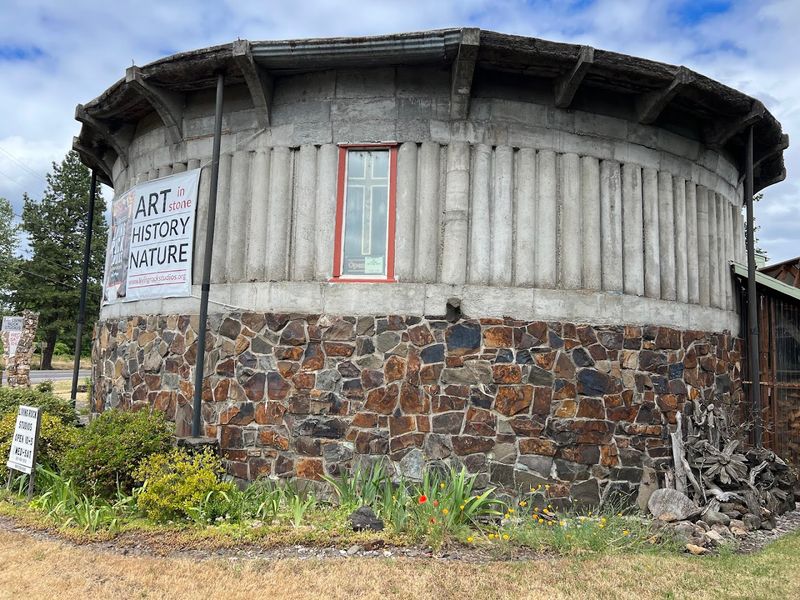
The exterior walls of Living Rock Studios are not painted or sided like a normal building. They are covered, almost entirely, in rocks and minerals gathered mostly from around Oregon.
Agates, petrified wood, and chunks of quartz are mortared right into the structure. Some of those stones are thin enough to let sunlight pass through them, creating soft glowing patches along the walls.
Bring a small flashlight, because holding one up to the translucent sections reveals colors and patterns that are genuinely breathtaking.
The building was constructed over many years by a dedicated craftsman with an extraordinary vision. Every exterior panel was chosen with intention. Nothing feels random or accidental here.
Spotting this rock-encrusted structure rising out of the green countryside is a moment you will not forget anytime soon.
The Story Behind The Studio
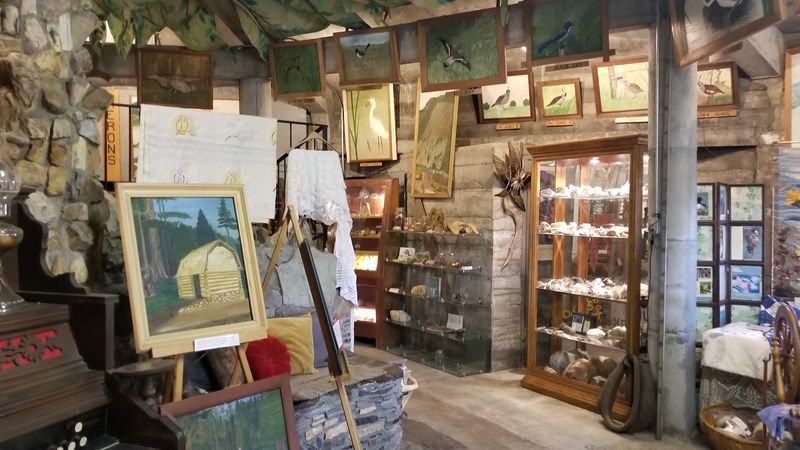
Every great place has a great origin story, and this one at 911 W Bishop Way in Brownsville is no exception.
The creator of Living Rock Studios was a passionate craftsman, geologist at heart, and artist who spent decades building something the world had never quite seen before.
He gathered rocks from across Oregon and beyond, shaping them into art, architecture, and storytelling displays.
One of the most famous pieces he created was a set of rocks carved and painted to look like bacon and eggs, which he entered into a geological community competition.
He also built an elaborate two-story Tree of Life interpretation using rocks as the primary medium.
His daughter has continued his legacy with tremendous care. She leads tours herself, sharing family stories and geological knowledge in equal measure.
Hearing those stories firsthand gives the whole museum a warmth that no exhibit label could ever replicate.
It takes a rare kind of person to transform that beauty into a building, a museum, and a lasting family legacy. This is a place born from genuine passion, and every room reflects that fully.
The Crystal Room Experience
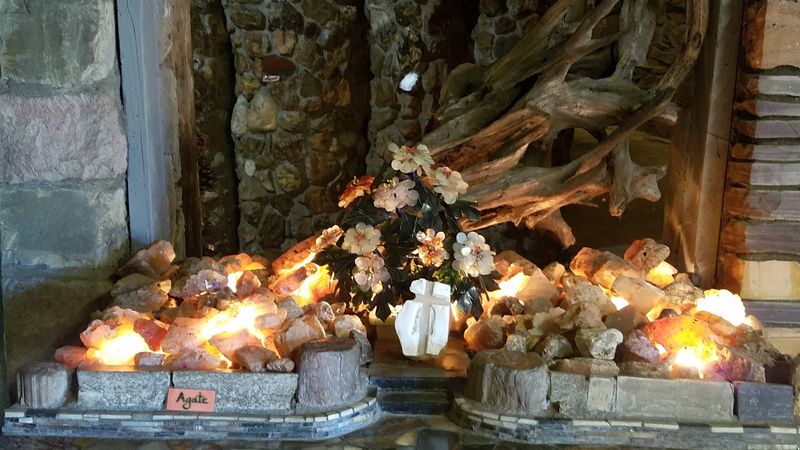
If there is one room in this museum that earns a full stop and a slow, careful look around, it is the crystal room.
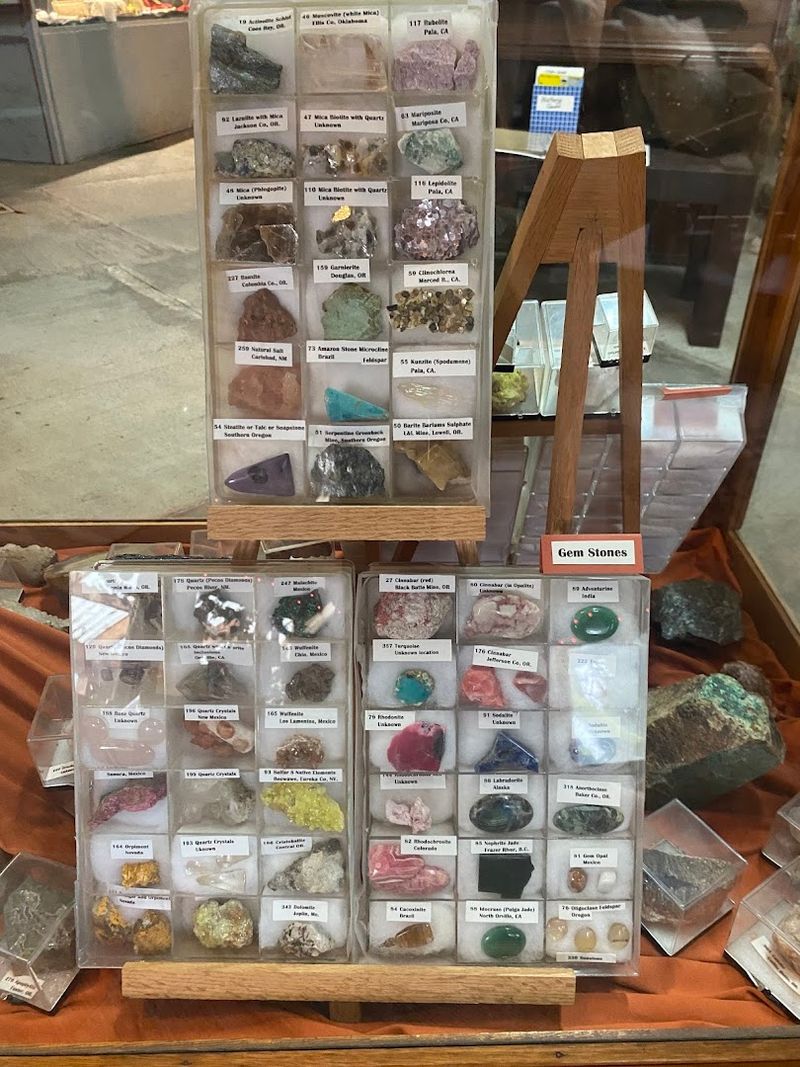
Packed with quartz, agates, zeolite, and other minerals, this space feels like walking into the interior of the earth itself. The collection is dense, colorful, and arranged in a way that rewards close attention.
What makes it special is not just the volume of specimens, but the variety. Minerals from different geological periods and different corners of Oregon and the wider region sit side by side.
Each one has a different texture, a different color story, and a different origin.
I found myself leaning in close to individual pieces, noticing how the light played differently across each surface. Some stones looked almost liquid at certain angles.
Others had deep internal fractures that caught the beam of my flashlight and scattered it in unexpected directions.
For anyone who has even a passing interest in geology, this room alone is worth the trip.
Rock Art That Defies Expectation
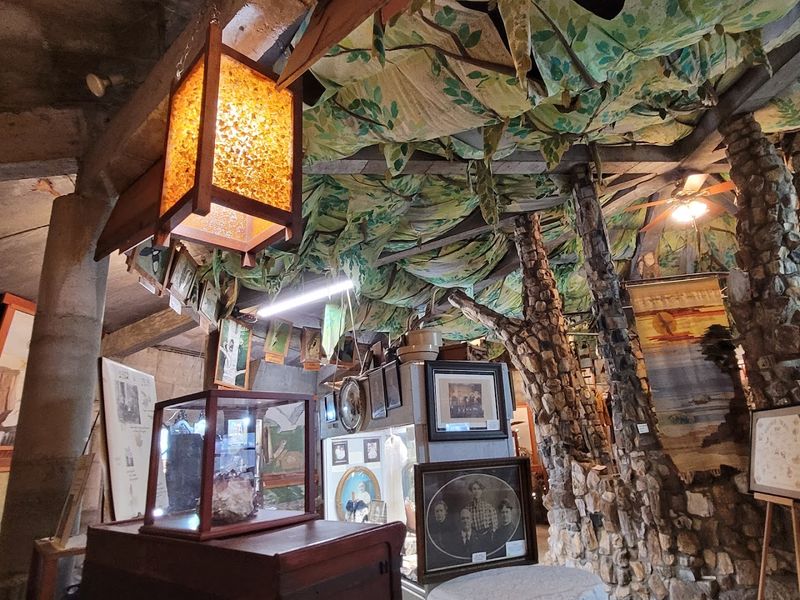
Some of the most jaw-dropping pieces in this museum are not rocks in the traditional sense at all.
They are artworks created from thin slices of stone arranged to mimic stained glass windows. The effect is stunning, and the craftsmanship required to achieve it is extraordinary.
Imagine a detailed scene, a landscape or a figure, built entirely from sliced agates and minerals in varying shades of amber, green, rust, and white. When light passes through them, the colors deepen and shift.
These pieces were created with painstaking patience. Each slice had to be chosen for its color, its translucency, and its fit within the larger composition.
The result is a series of images that are unlike anything produced in a conventional art studio.
I kept returning to these panels throughout my tour because each viewing angle revealed something new. This is creativity operating at a truly remarkable level.
They serve as a breathtaking reminder that when human ingenuity meets the raw beauty of the earth, the results are nothing short of transcendent.
Wood Carvings And Paintings On Display
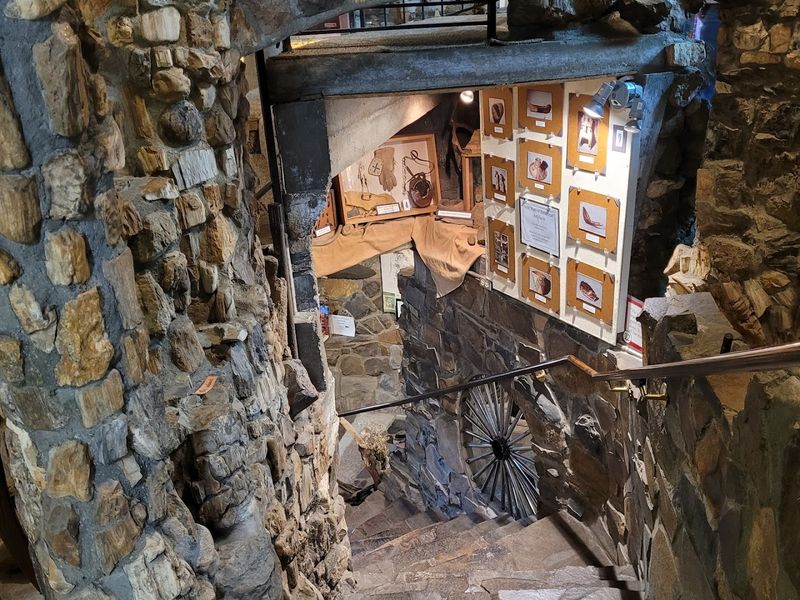
Rock was not the only medium this museum’s founder worked in.
Throughout the building, you will find intricate wood carvings that reveal a second layer of artistic talent that is easy to underestimate until you see it up close. The detail in these pieces is precise and expressive in equal measure.
There are also paintings displayed throughout the space, adding color and narrative depth to the overall experience. They serve as visual companions to the rock displays, offering a different kind of storytelling.
Together, the carvings and paintings build a portrait of a man whose creativity had no single outlet.
One standout piece is a miniature Conestoga wagon scene crafted by his daughter, who clearly inherited his eye for detail and his patience for meticulous work. It sits among the other pieces with quiet confidence, holding its own in a room full of remarkable things.
What strikes you most when moving through these displays is how cohesive everything feels despite the variety of media.
The Ancient Oak And Outdoor Grounds
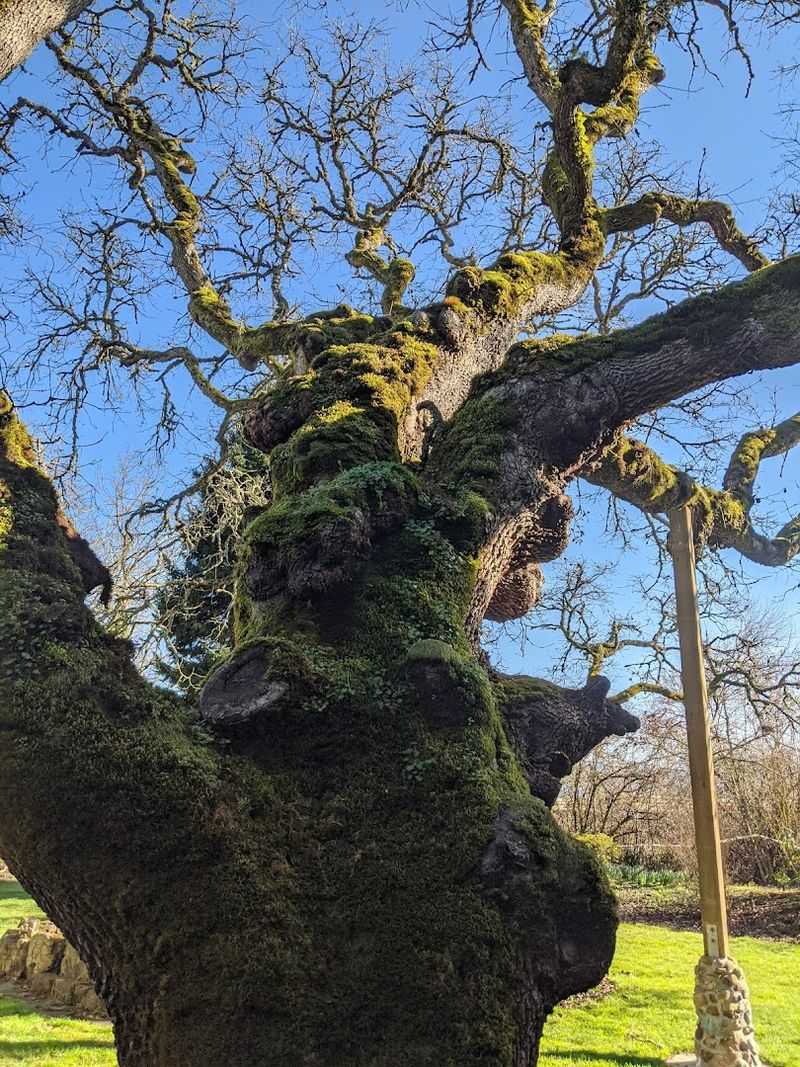
Not everything worth seeing at this destination is inside the building.
Outside is one of the most impressive natural features on the property: a 400-year-old oak tree that has been quietly growing here since long before Oregon was even a state.
The tree’s canopy is wide and its trunk is thick with the kind of texture that only centuries of growth can produce. Standing under it gives you a sense of scale that is hard to put into words.
It has outlasted everything built around it and will likely outlast everything being built now.
The grounds themselves are peaceful and worth a slow walk. The surrounding area is lush Oregon farmland, with green fields stretching out in every direction.
After the sensory richness of the interior displays, the outdoor space offers a welcome moment to breathe and absorb what you have just experienced.
There is also a certain poetry in the contrast between the ancient tree and the rock-encrusted building beside it. One grew naturally over four centuries. The other was assembled piece by piece by human hands over decades.
Hidden Details Worth Searching For
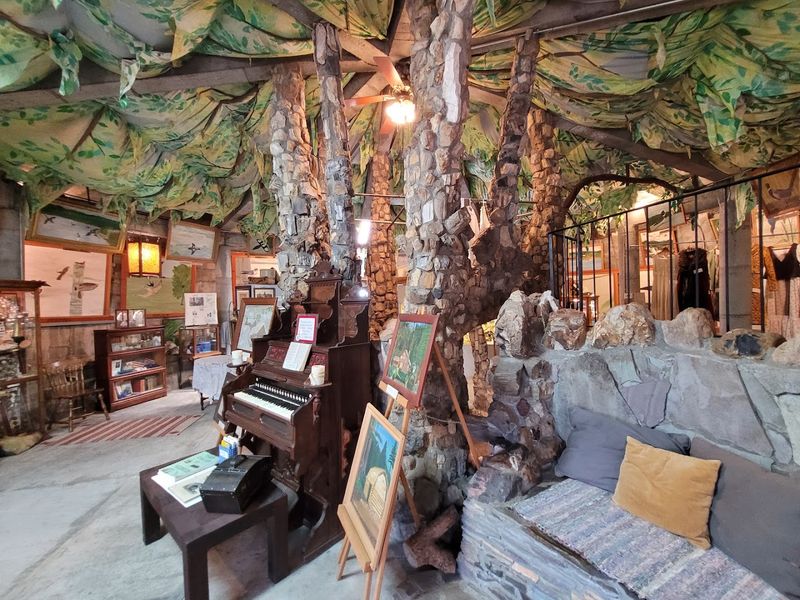
Part of what makes this museum so rewarding is that it rewards the curious and the patient.
There are details hidden throughout the building that you will only notice if you slow down and look carefully.
One of the most talked-about features is a spot inside the structure that remains permanently cold to the touch, regardless of the outside temperature.
Nobody seems entirely sure why it stays cold, and that mystery is part of the appeal. Running your hand across that section of wall is a genuinely odd and memorable moment. It is the small discovery that you end up telling people about for years.
The flashlight tip is real and worth repeating. Many of the rocks embedded in the walls are translucent, and shining a light directly onto them reveals internal patterns, colors, and structures invisible in regular lighting.
What looks like a plain stone from a distance becomes a glowing landscape up close.
Oregon is full of places that reveal themselves quickly and completely on a first visit. This is not one of those places.
Every return trip uncovers something overlooked before.
Guided Tours And What To Expect
The family member who leads tours has lived with this collection her entire life, and that shows in every story she tells. Her knowledge covers geology, local history, family lore, and the specific origin of individual pieces.
She can explain why certain rocks were chosen for certain walls, what each mineral display represents, and how her father approached each creative challenge.
That context is impossible to replicate with a printed guide or an audio tour. It makes everything feel personal and immediate.
The tour typically runs about an hour, though it can stretch longer if you ask a lot of questions, which I strongly encourage.
Oregon history comes into the conversation naturally, since many of the rocks and artifacts have direct connections to the region’s geological and cultural past.
There is no entry fee to visit Living Rock Studios, though donations are welcomed and genuinely appreciated. The museum operates on a tight schedule, open Wednesday through Saturday from 10 AM to 5 PM, so plan accordingly.