This North Carolina Bird Sanctuary Lets You Get Surprisingly Close To Owls And Hawks
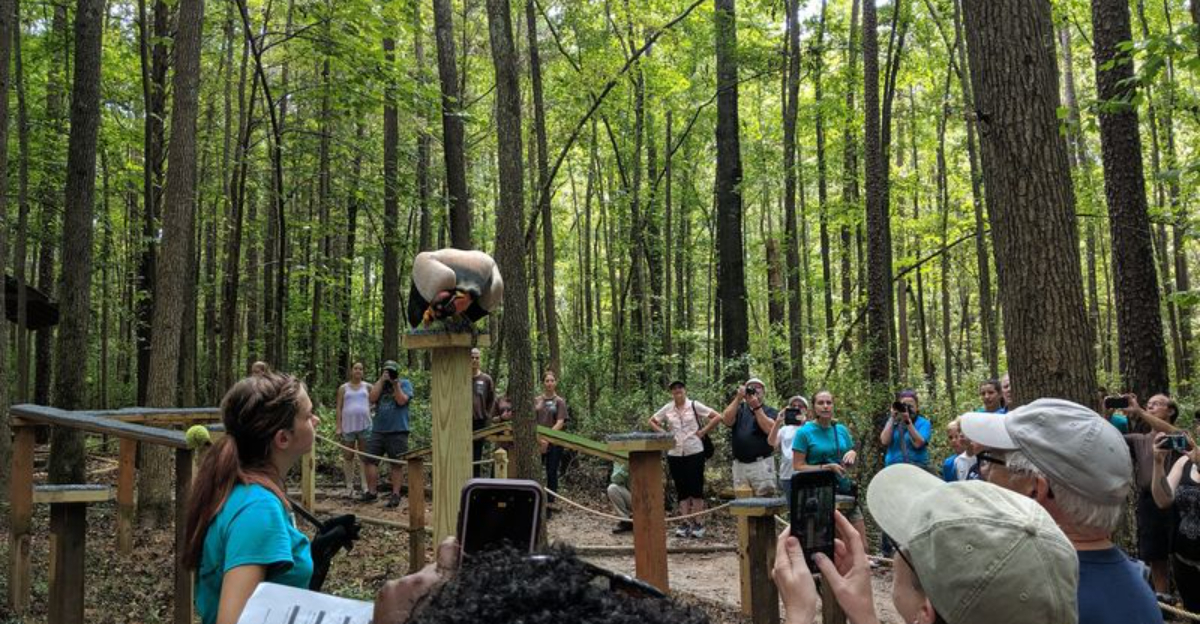
Around here, the birds are basically the coworkers, and yes, some of them have better eye contact than most humans.
A shaded North Carolina trail leads visitors past owls, hawks, eagles, and falcons that immediately make ordinary backyard birds look like they are not even trying.
Staff members love watching people slow down the second those sharp eyes look back at them, because the “wow” usually arrives before any explanation does.
More than 30 avian ambassadors help turn the visit into something memorable without making it feel like a lecture.
Kids get curious fast, adults ask surprisingly good questions, and the birds remain completely unimpressed with everyone.
The Raptor Trail Experience
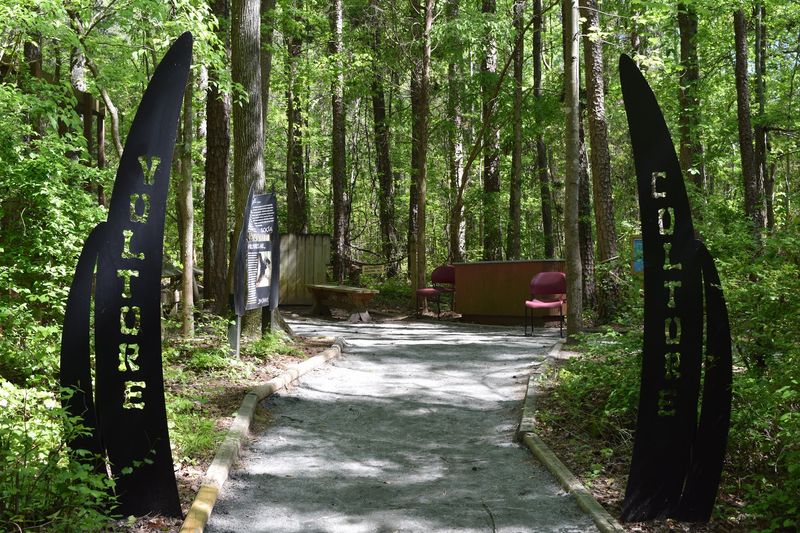
Winding through a wooded section of Latta Nature Preserve, the Raptor Trail covers about three-quarters of a mile and gives the visit a calm, outdoor rhythm instead of a crowded indoor-zoo feeling. Carolina Raptor Center sits at 6000 Sample Road in Huntersville, where the trail introduces guests to birds of prey from North Carolina and beyond.
Aviaries are arranged so many birds can be seen clearly, allowing families to pause often instead of rushing past exhibits. Informational signs explain each species, individual bird stories, and the broader role raptors play in healthy ecosystems.
Hours can shift seasonally, with the trail generally open 10 a.m. to 4 p.m. and expanded daily operations during warmer months, so checking the official schedule before visiting is smart. Comfortable shoes matter because the path follows natural terrain, and water helps on warm days.
Rather than feeling like a quick stop, the trail encourages slow looking, quiet curiosity, and plenty of “wait, look over there” moments.
Meet The Owl Ambassadors
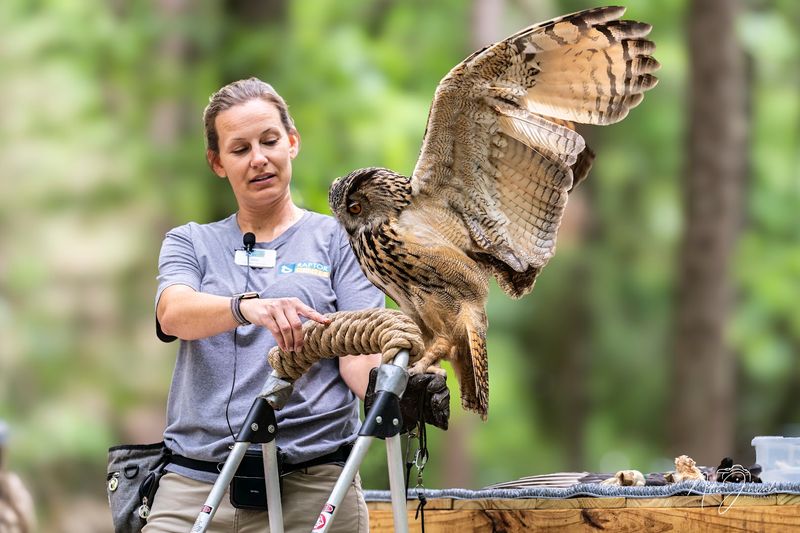
Among the most memorable stops along the trail, owl habitats tend to make people slow down without anyone asking. Carolina Raptor Center’s owl ambassadors represent several species, each with a story tied to education, injury, imprinting, or another reason life in the wild is no longer possible.
Small owls often surprise visitors with how much presence they carry, while larger species draw attention with steady eyes, feathered edges, and almost silent movements. Trail signs and staff-led programs help explain why owls hear so well, how their wing feathers soften flight noise, and why their faces work almost like sound-catching dishes.
Special programs sometimes feature owl-focused encounters or evening-style educational events, depending on the season and schedule. For children, seeing an owl close enough to notice tiny feather details can feel like meeting a storybook creature with very real hunting skills.
For adults, the same moment often lands differently, revealing how specialized and fragile these birds can be.
Hawks Up Close
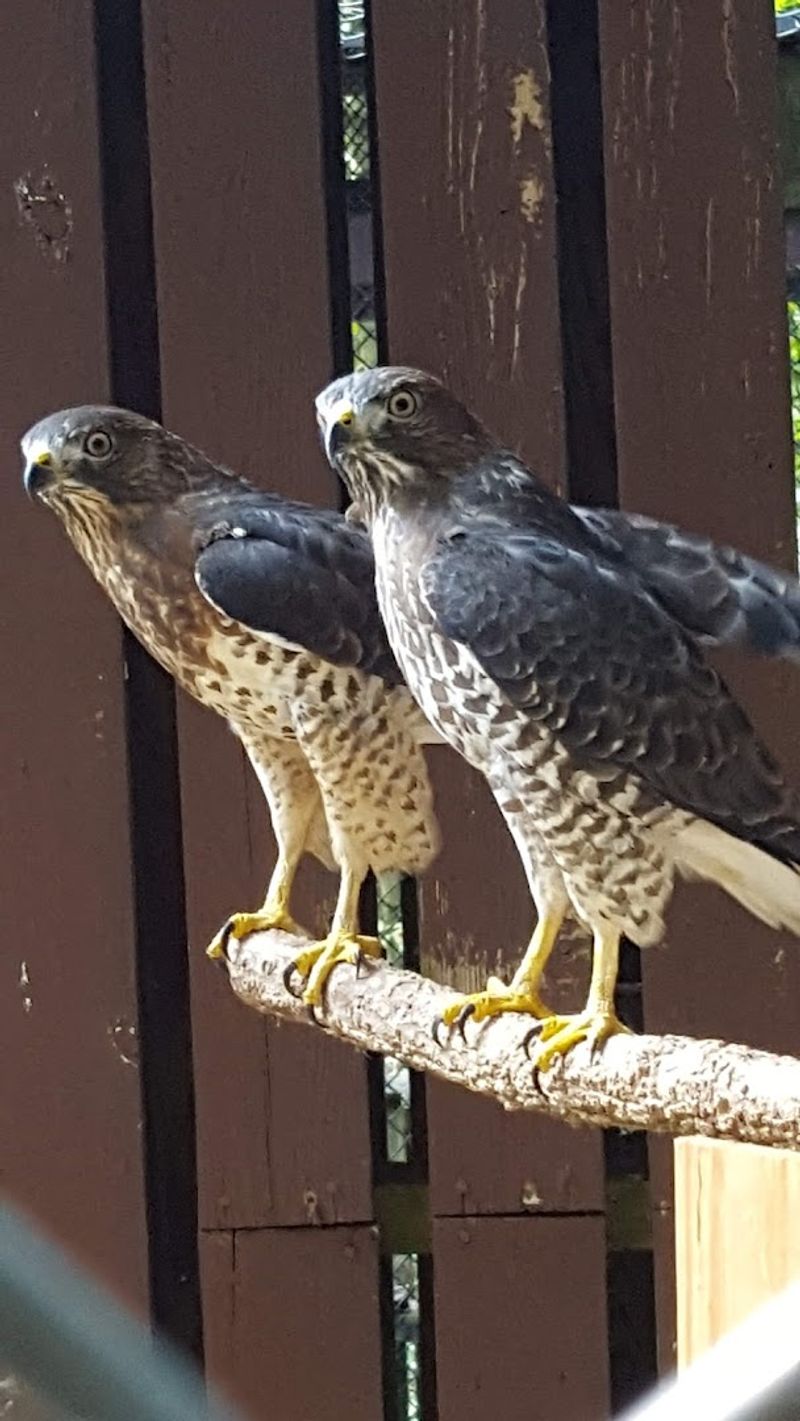
Sharp profiles, powerful feet, and alert expressions give the hawks at Carolina Raptor Center a striking presence along the trail. Rather than appearing as distant silhouettes circling above highways and fields, these birds can be studied at close range, where feather patterns, hooked beaks, and watchful body language become easier to appreciate.
Red-tailed Hawks and other ambassador species help guests understand how varied hawks can be, especially when staff or signage explains hunting styles, habitat preferences, and common hazards that bring injured birds into rehabilitation. Many raptors arrive after collisions, illness, or other problems, and some recover well enough to be released.
Others remain at the center because survival outside would no longer be realistic. Learning those stories changes the way visitors look at each enclosure.
A hawk holding still on a perch may seem calm, but its focus feels intense. Few trail moments make the connection between wild beauty and wildlife rescue feel quite as clear.
Falcons And Their Fierce Charm
Near the falcon habitats, conversation often turns to speed, precision, and the extraordinary design of birds built for pursuit. Peregrine Falcons are famously capable of reaching more than 200 miles per hour during hunting dives, a fact that makes even a resting falcon feel charged with hidden energy.
Carolina Raptor Center uses these ambassador birds to explain more than record-setting speed, including wing shape, eyesight, migration, conservation history, and the threats raptors still face in modern landscapes. Standing near a falcon gives visitors time to notice details that would vanish in the sky, from compact bodies to fierce-looking facial markings and quick, deliberate head movements.
Educational boards keep the information approachable, while scheduled programs may add staff insight when available. Younger guests usually react to the speed facts first, but the deeper takeaway is more lasting.
Falcons are not just impressive because they are fast; they are remarkable because every part of them seems shaped for accuracy.
Bald Eagles And American Pride
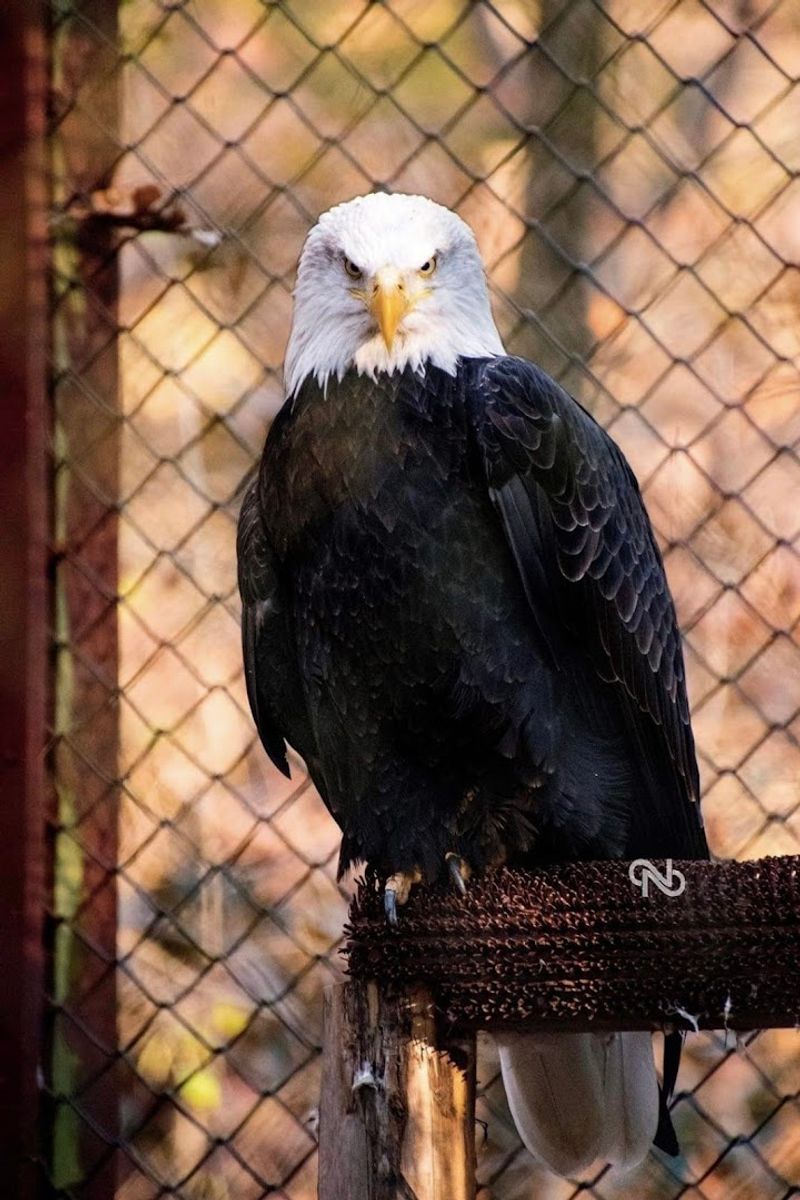
Seeing a Bald Eagle in person is a bucket-list moment for many people, and the Carolina Raptor Center makes it accessible to anyone who visits. These birds are enormous up close, with wingspans that can stretch past seven feet, and standing near one inside the preserve feels genuinely awe-inspiring.
The center’s eagle enclosures are among the most visited spots along the trail, and it is easy to see why. Visitors often arrive at the eagle area after already being amazed by smaller raptors, and then find themselves completely stunned all over again by the sheer size and presence of these birds.
Each eagle at the center has its own history, and staff are eager to share the details of how these birds came to call the sanctuary home. Some arrived after vehicle collisions, others after being found unable to fly in the wild.
Knowing those stories makes the encounter feel personal rather than just like a display. This is one of the most powerful moments the trail has to offer, and visitors rarely walk away without feeling moved.
Misunderstood Marvels
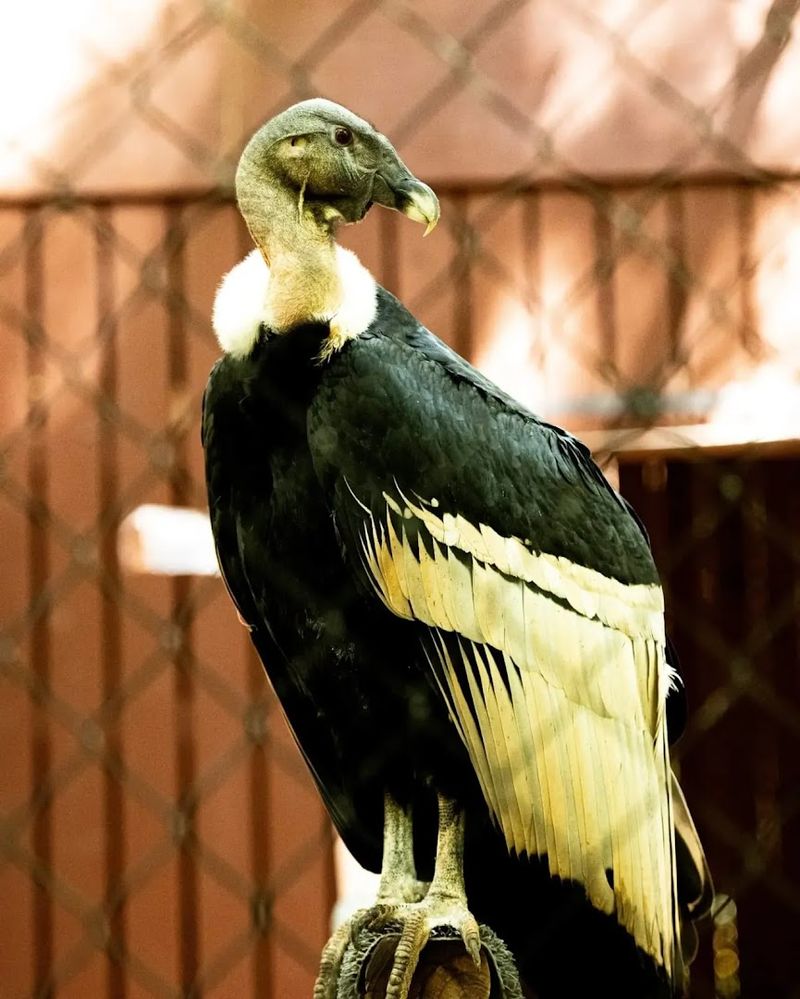
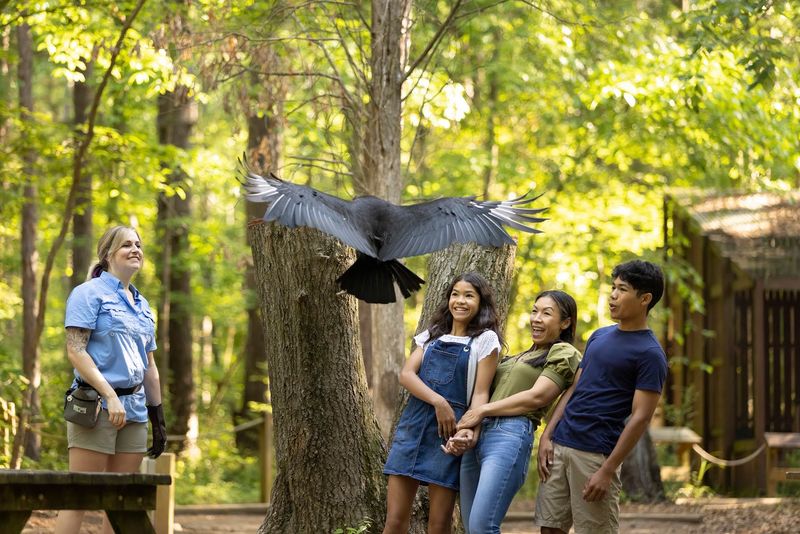
Often overlooked beside eagles and hawks, vultures become surprisingly fascinating once Carolina Raptor Center gives them center stage. Their role in nature is essential, because scavenging birds help clean up the environment and reduce the spread of disease.
Up close, their size, posture, and intelligence are much easier to appreciate than when they are circling high overhead. Trail information helps explain how vultures locate food, why their featherless heads are useful, and how their digestive systems allow them to handle material that would be dangerous for many other animals.
Kids often arrive with mixed feelings about vultures, then leave with a better understanding of why these birds matter. Adults tend to appreciate the same shift, especially when staff present the facts with humor and respect.
Instead of treating vultures as background birds, the center gives them a well-earned place in the story of healthy ecosystems. By the end, “misunderstood” feels like the right word.
Raptor Encounter And Keeper Talks
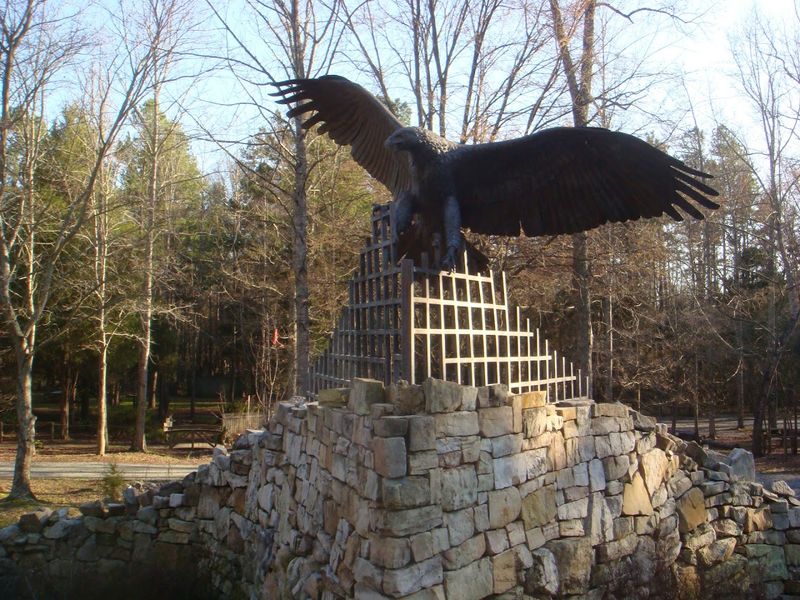
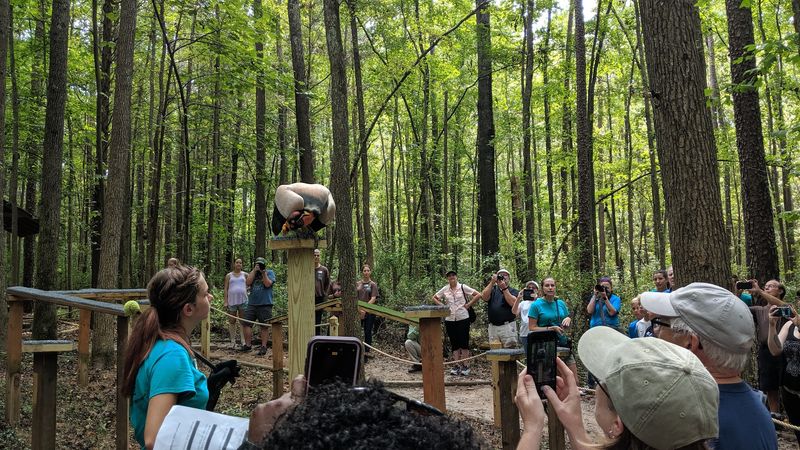
Scheduled programs can turn a good visit into the part everyone talks about on the ride home. Carolina Raptor Center offers experiences such as Meet a Raptor, Keeper Chat, Fly By, and hospital-focused talks depending on the day and season, with some programs requiring advance tickets or limited space.
During these sessions, guests may see an ambassador bird presented by trained staff at a closer educational distance, allowing details to stand out in a way trail viewing alone cannot always provide. Keepers explain behavior, natural history, training, rescue background, and the safety routines that protect both people and birds.
Questions are usually encouraged, which makes the programs especially useful for curious kids who want more than quick answers. Checking the online calendar before arriving helps visitors plan around the sessions they care about most.
Instead of feeling like an add-on, these talks deepen the entire visit by connecting each bird’s appearance with its story, care, and conservation message.
Conservation And Rescue Mission
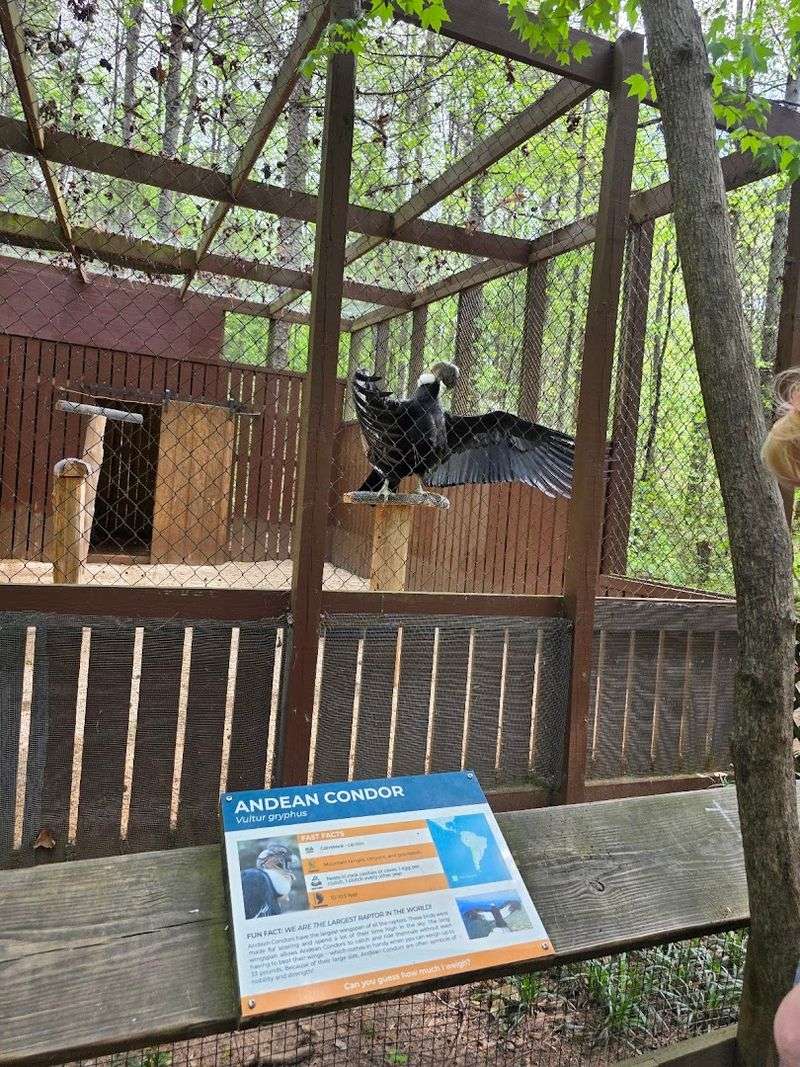
Behind the beautiful trail and the impressive birds lies a serious mission that makes the Carolina Raptor Center far more than just a fun day out. The center treats over 800 sick and injured birds of prey every single year, working to rehabilitate them and, when possible, release them back into the wild.
Many of the birds living along the Raptor Trail arrived as patients who could not be returned to their natural habitat, whether due to permanent injuries or a loss of the survival instincts needed to thrive outside. Rather than giving up on these birds, the center found a meaningful second role for them as ambassadors and educators.
Supporting the center through admission fees, memberships, or donations directly funds this ongoing rescue work, which is something visitors often feel good about when they leave. The facility is run as a non-profit organization, and every dollar helps care for both the resident birds and the hundreds of patients that pass through the hospital each year.
Visiting here means contributing to something that genuinely matters for wildlife conservation.
Planning Your Visit
Preparing for Carolina Raptor Center is simple, but a few details can make the trip smoother. Navigation should point to 6000 Sample Road in Huntersville, inside Latta Nature Preserve, with signs leading guests toward the raptor center parking area.
Raptor Trail hours are generally 10 a.m. to 4 p.m., but open days vary by season, especially outside the March-through-October period, so checking the official website before driving over is the safest plan. Most guests spend one to two hours on the trail, depending on how long they read signs, watch the birds, and attend programs.
Closed-toe shoes work best because the path has a natural outdoor surface, and bringing water is helpful during warmer months. Snacks should be planned thoughtfully since food options inside the preserve are limited.
Phone inquiries can be made through the center at 704-875-6521. For families, bird lovers, and anyone craving an outdoor experience with substance, Carolina Raptor Center delivers a memorable North Carolina stop.