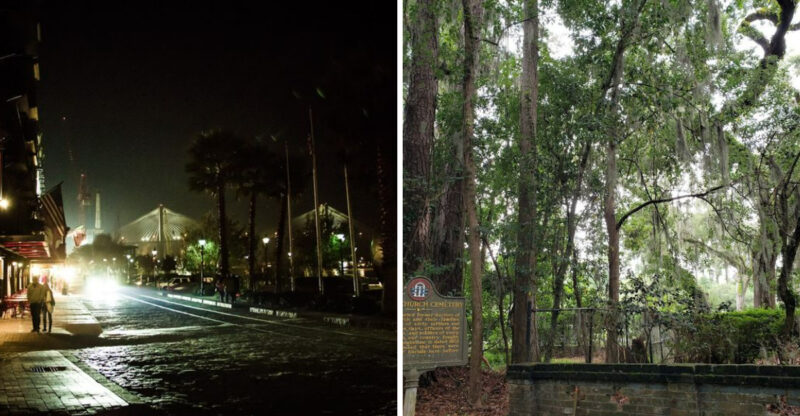
The 15 Georgia Spots That Are Even More Beautiful In Spring Than Most People Realize
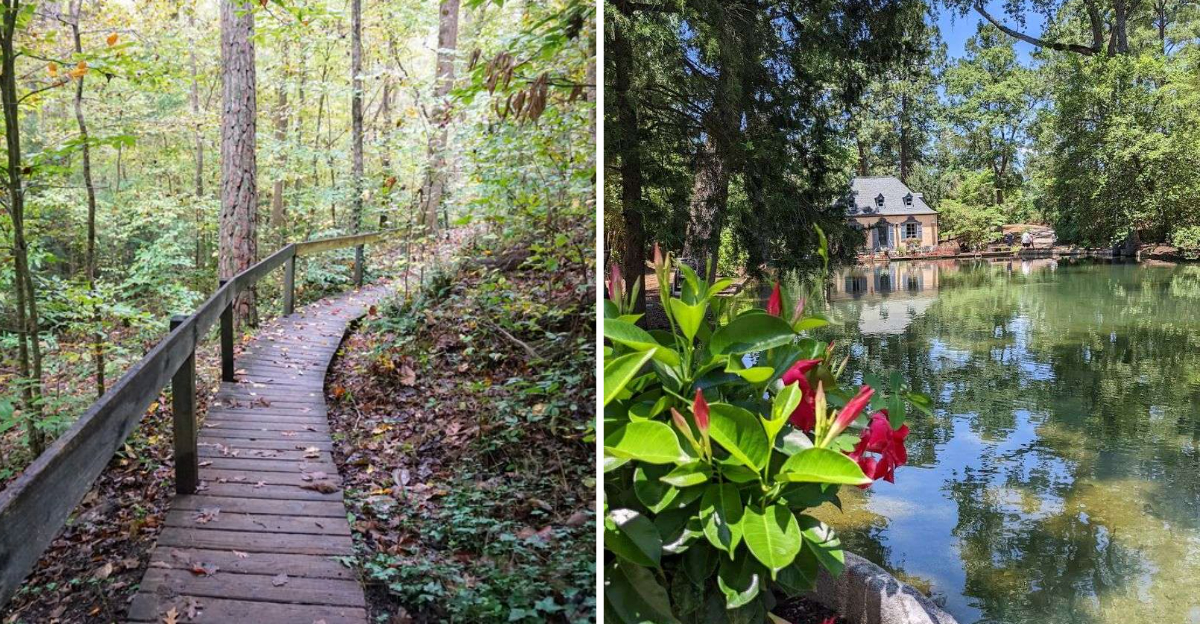
Forget everything you think you know about Georgia’s spring you’re missing the real magic completely. Beyond famous peach blossoms lies a world of hidden gardens exploding with unexpected colors.
Have you ever stood beneath a waterfall so powerful it takes your breath away? Forest trails transform overnight as vegetation awakens in spectacular displays. Do mountain elevations showcase completely different blooming cycles throughout seasons? Northern peaks celebrate spring arriving gradually and delicately.
Coastal regions burst into color weeks earlier than inland areas. Hidden gardens surprise visitors with secret locations worth discovering.
Roaring waterfalls create unforgettable moments during peak spring flow. Color explosions inspire genuine awe and photographic obsession naturally. Weekend road trips gain meaningful dimension through seasonal exploration.
Afternoon escapes provide accessible nature connection easily. Miles traveled feel completely worthwhile.
1. Amicalola Falls State Park
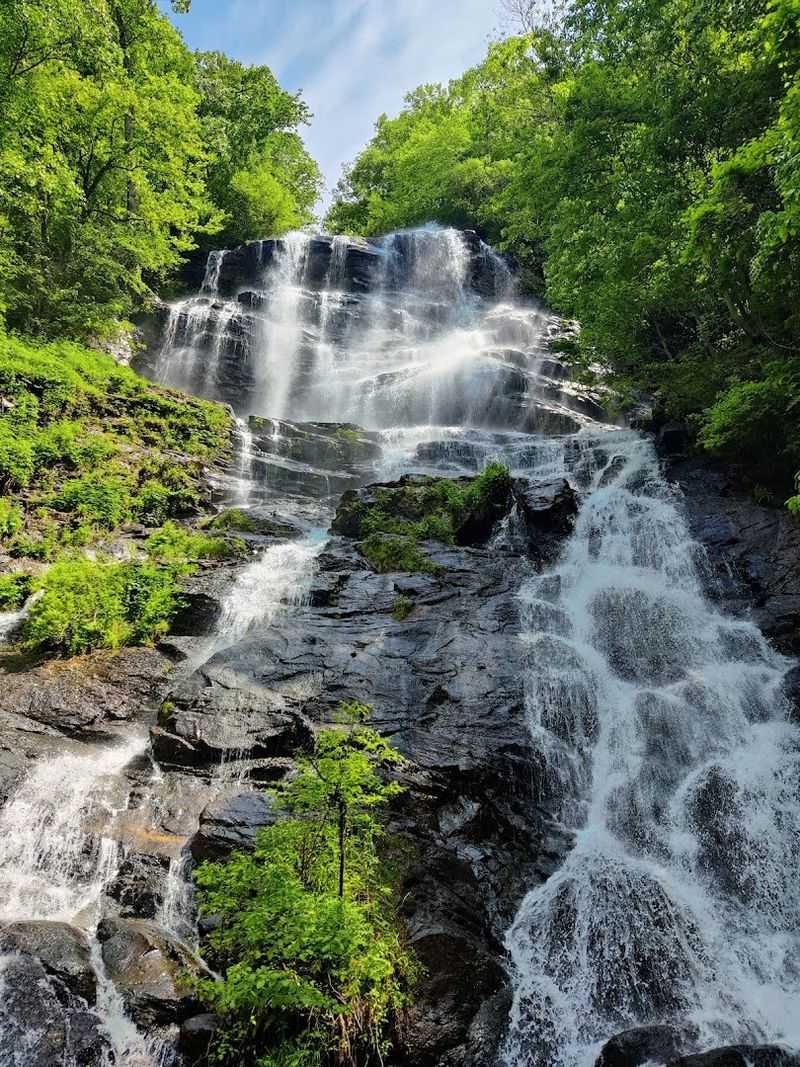
Tucked into the Blue Ridge Mountains, Amicalola Falls is one of the tallest cascading waterfalls east of the Mississippi River, and spring turns the surrounding forest into a vivid green dreamscape. Located at 418 Amicalola Falls State Park Rd, Dawsonville, GA 30534, the park sits at the southern approach to the Appalachian Trail.
Wildflowers carpet the base of the falls by late March, and the extra rainfall from spring showers makes the cascade roar with impressive force.
Parking is available near the visitor center, and a moderate trail leads up to the top of the falls with several viewing platforms along the way. Weekday mornings tend to be quieter, making them ideal for photography or peaceful walks.
Wear sturdy shoes since the paths can be slippery after rain. The park also offers lodge accommodations for those who want to stay overnight and catch the misty morning light on the falls.
2. Gibbs Gardens
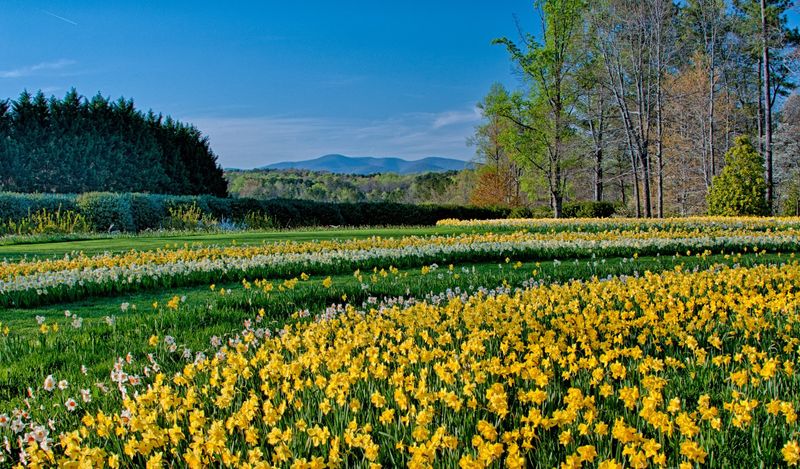
Few places in the American South rival the spring spectacle at Gibbs Gardens, where millions of daffodils blanket rolling hillsides in waves of yellow and white. Located at 1987 Gibbs Dr, Ball Ground, GA 30107, this privately owned botanical garden spans over 300 acres and took decades of careful planning to create.
The daffodil display typically peaks in late February through March, drawing visitors from across the Southeast.
Spring also brings blooming Japanese maples, wisteria, and azaleas that transform the garden paths into something almost storybook-like. Weekends can get crowded during peak bloom season, so arriving early in the morning helps beat the rush.
Comfortable walking shoes are recommended since the terrain involves gentle hills and winding paths. Timed entry tickets are often required during the busiest weeks, so checking the garden website before visiting is a smart move.
3. Cloudland Canyon State Park
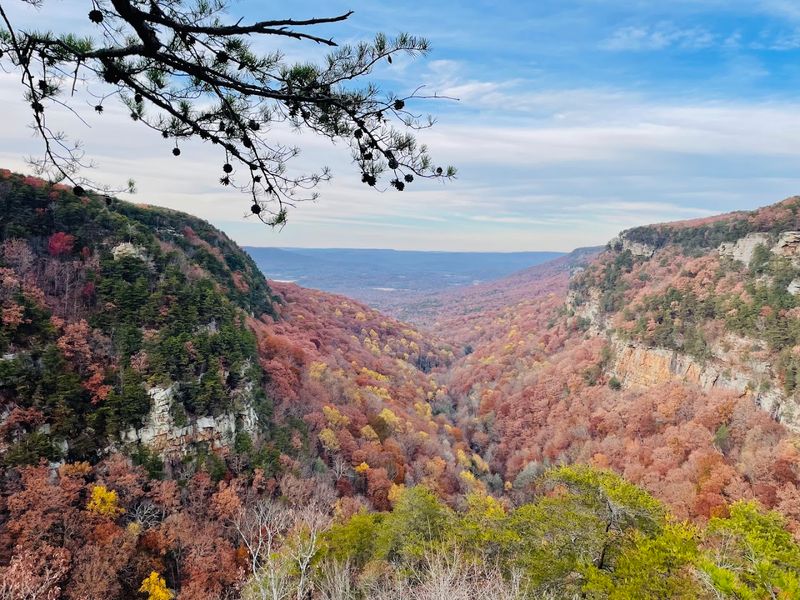
Standing at the rim of Cloudland Canyon on a clear spring morning feels like discovering a secret the rest of the world forgot to mention. Located at 122 Cloudland Canyon Park Rd, Rising Fawn, GA 30738, this park sits on the western edge of Lookout Mountain and features two stunning waterfalls deep inside the canyon.
Spring greenery fills the canyon walls with bright new growth, and wildflowers appear along nearly every trail by April.
The gorge trail that leads down to the waterfalls involves hundreds of steps, so comfortable footwear and a reasonable level of fitness are helpful. Sunrise visits reward early risers with soft mist drifting through the canyon, creating an almost surreal atmosphere.
Picnic areas near the rim offer peaceful spots for lunch with dramatic views. Tent and RV camping is available for those who want to spend a full spring weekend soaking in the scenery.
4. The State Botanical Garden Of Georgia
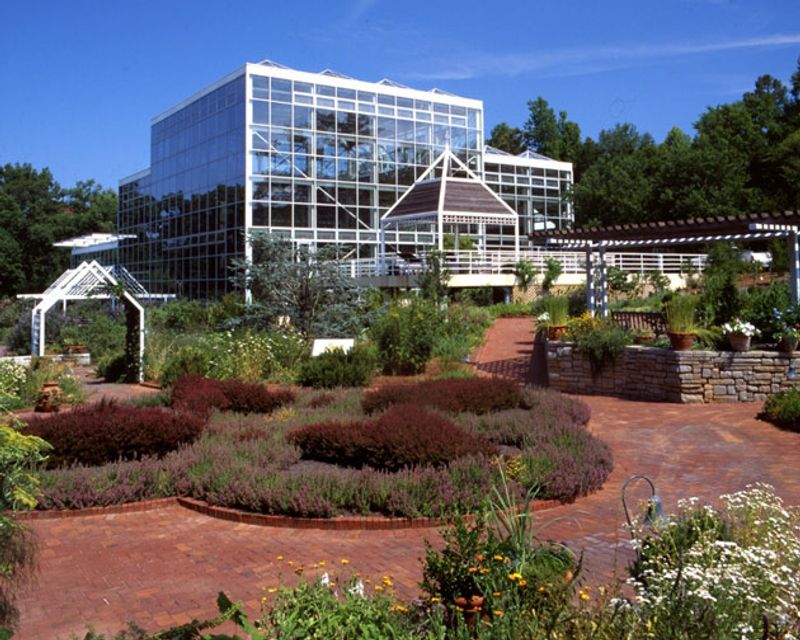
Athens might be best known for its music scene and university culture, but the State Botanical Garden of Georgia is a spring destination that deserves far more attention. Located at 2450 S Milledge Ave, Athens, GA 30605, the garden covers 313 acres along the Middle Oconee River and includes themed collections ranging from native plants to international gardens.
Spring activates nearly every section at once, with azaleas, tulips, and flowering trees all competing for attention in the best possible way.
The International Garden features plants from around the world that look especially vibrant in Georgia spring warmth. A conservatory on-site stays open year-round, but spring is when the outdoor spaces truly steal the show.
Admission to the grounds is free, making this one of the most accessible botanical experiences in the state. Bring a camera and plan for at least two hours to properly explore the winding paths and overlooks along the river trail.
5. Anna Ruby Falls Recreation Area
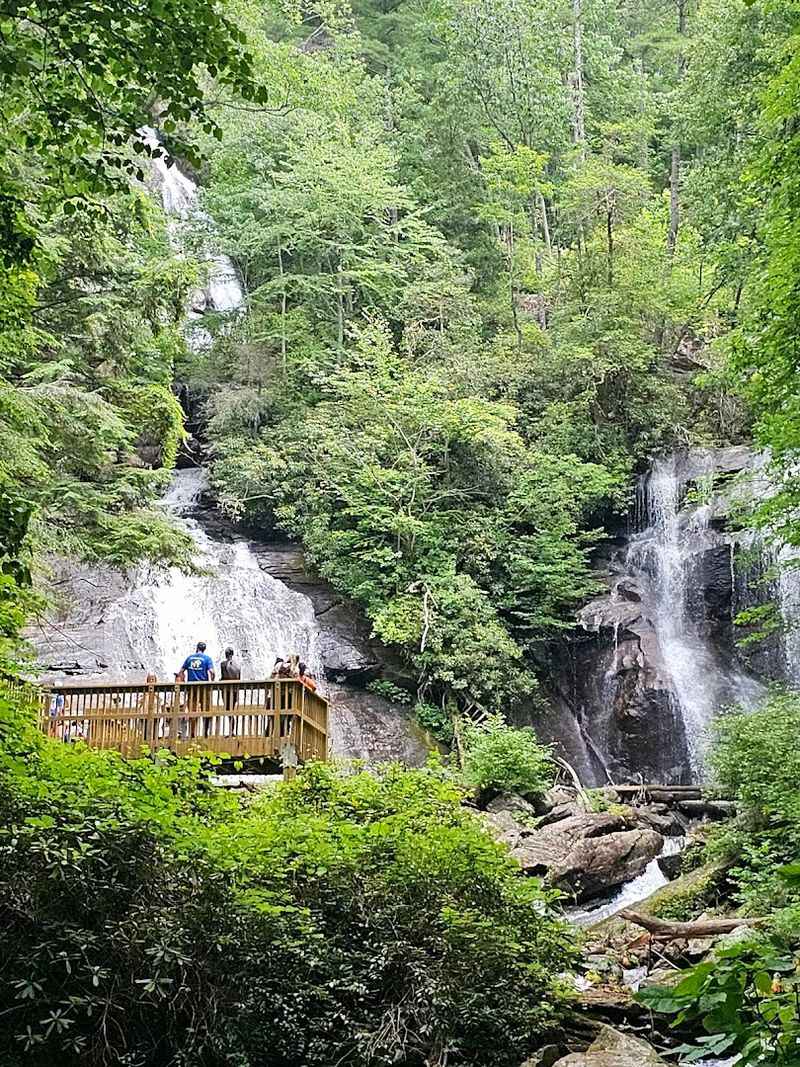
Anna Ruby Falls is one of those rare places that manages to look even better in person than in photographs, especially during spring when the surrounding forest is at its greenest. Located on Anna Ruby Falls Rd, Sautee Nacoochee, GA 30571, the recreation area sits within the Chattahoochee-Oconee National Forest and features a paved trail leading to the impressive twin waterfalls.
The falls are formed by Curtis Creek and York Creek merging just before they drop, creating a dramatic double cascade framed by spring foliage.
The paved path to the falls is about half a mile each way and is relatively accessible for most visitors. Spring wildflowers bloom along the creek banks, and the sound of rushing water carries through the forest well before the falls come into view.
A small fee is required for parking, and weekends in April tend to bring steady crowds. Early morning visits on weekdays offer the most peaceful experience.
6. Hamilton Rhododendron Gardens
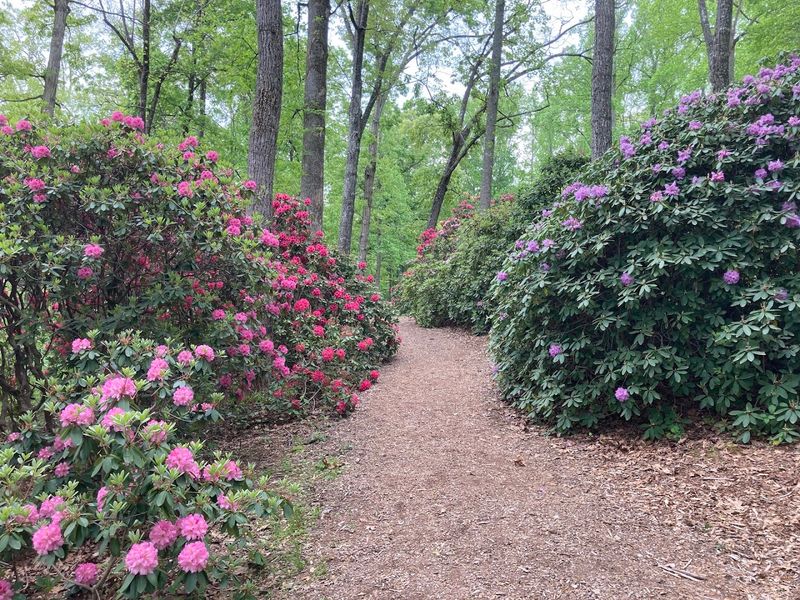
Tucked into the Georgia mountains near Lake Chatuge, the Hamilton Rhododendron Gardens put on a floral show every spring that feels almost impossibly beautiful for such a quiet, lesser-known spot. Located at 96 Pavilion Rd, Hiawassee, GA 30546, the gardens feature extensive plantings of native and hybrid rhododendrons that typically peak in late April through May.
The blooms range from soft pink to deep purple, and walking through the garden during peak season feels like stepping into a living painting.
The setting in the North Georgia mountains adds an extra layer of charm, with mountain views visible through gaps in the flowering shrubs. The gardens are part of the Georgia Mountain Fairgrounds property, and the grounds are generally easy to walk with relatively flat terrain.
Visiting on a weekday avoids most of the weekend foot traffic. Nearby Lake Chatuge offers additional scenery for those who want to extend the outing into a full day trip.
7. Raven Cliffs Trailhead
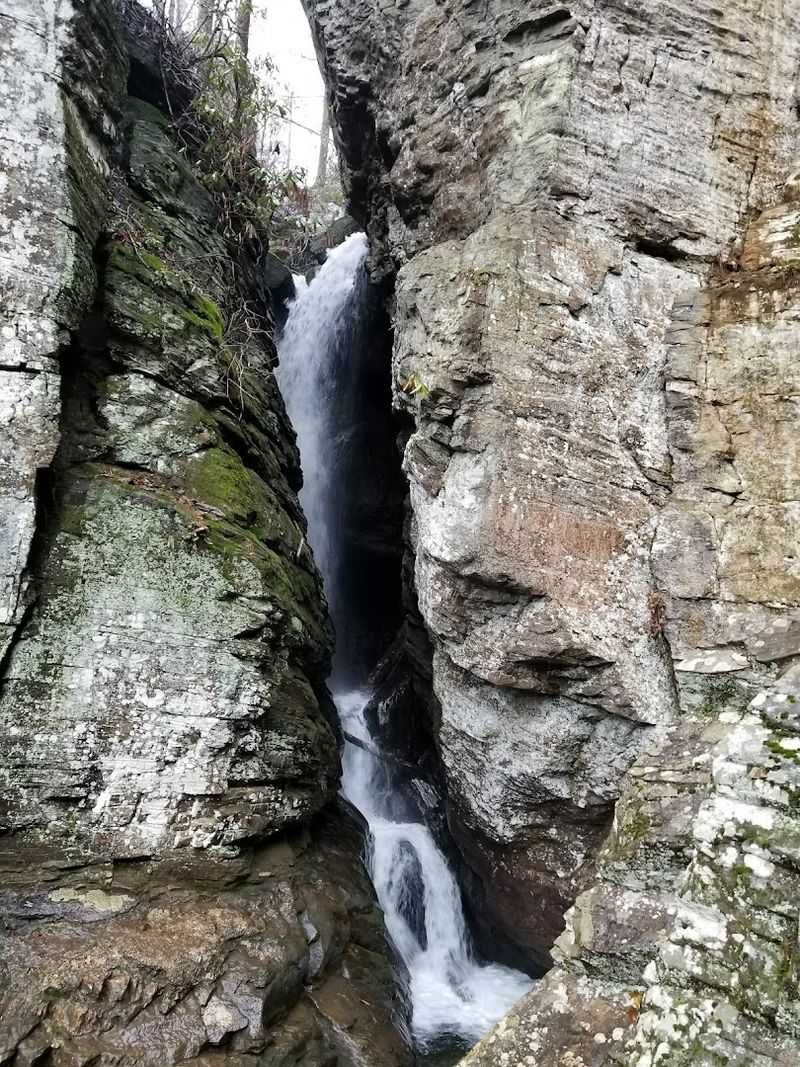
Some trails reward hikers with a single destination, but the Raven Cliffs Trail rewards every single step with something worth stopping to admire. Located at 3000 Richard B Russell Scenic Hwy, Cleveland, GA 30528, the trailhead sits along one of the most scenic highways in the entire state, and the trail itself follows Dodd Creek through a narrow gorge filled with spring wildflowers and cascading waterfalls.
The final destination is a dramatic cliff face where Dodd Creek spills through a natural crack in the rock.
Spring is arguably the best season for this hike because the creek runs high and the surrounding forest practically glows with new growth. The trail is approximately five miles round trip and involves some uneven rocky terrain, so proper footwear is essential.
Parking at the trailhead is limited, and early arrival on spring weekends is strongly recommended. The drive along Richard B.
Russell Scenic Highway alone is worth the trip.
8. Cascade Springs Nature Preserve
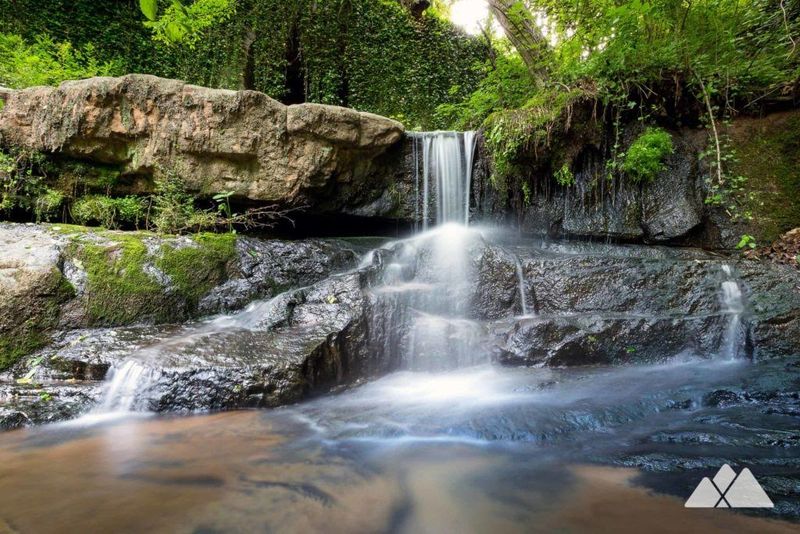
Hidden inside southwest Atlanta, Cascade Springs Nature Preserve is the kind of place that makes city dwellers do a double take when they realize how wild and beautiful it feels just minutes from busy streets. Located at 2852 Cascade Rd, Atlanta, GA 30311, the preserve protects a natural limestone spring and small waterfall that becomes especially lively after spring rains.
Wildflowers bloom along the trail in March and April, and the canopy of mature hardwoods creates a cool, shaded environment that feels far removed from urban life.
The main trail is relatively short and accessible, making it a good option for families with younger children or visitors who prefer a lighter walk. Spring weekends tend to attract local nature enthusiasts, but the preserve rarely feels overcrowded.
No admission fee is required, which makes it one of the most budget-friendly nature escapes in the Atlanta metro area. Early morning visits offer the best chance of spotting wildlife near the spring.
9. Coastal Georgia Botanical Gardens At The Historic Bamboo Farm
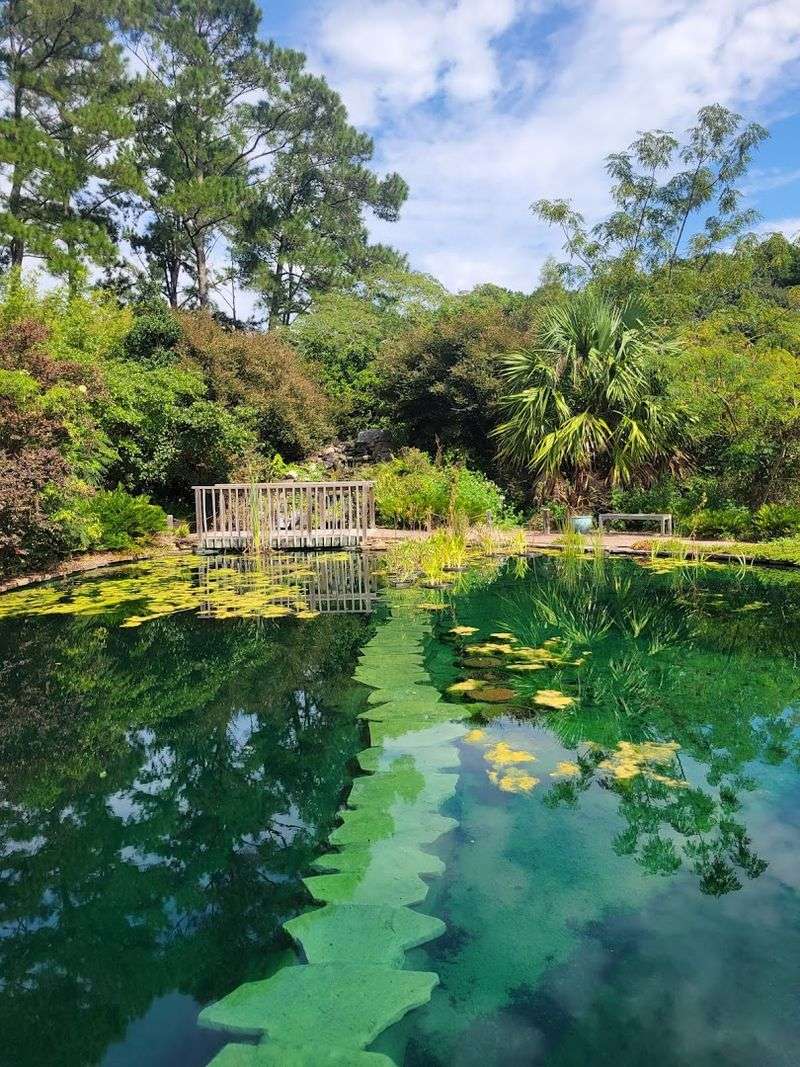
Most people picture formal rose gardens when they think of botanical gardens, but the Coastal Georgia Botanical Gardens at the Historic Bamboo Farm offers something far more unexpected and fascinating. Located at 2 Canebrake Rd, Savannah, GA 31419, this unique garden is managed by the University of Georgia Cooperative Extension and features one of the most diverse bamboo collections in the country alongside colorful seasonal gardens.
Spring brings a burst of flowering plants and fresh growth throughout the grounds, and the towering bamboo groves create a lush, almost tropical atmosphere.
The property has an interesting history as a former USDA bamboo research station, and interpretive signs throughout help explain the different species on display. Admission is typically low-cost or free for certain events, making it an accessible outing for families.
The grounds are mostly flat and easy to navigate. Visiting in April gives the best chance of seeing both the bamboo and the seasonal flower displays at their peak.
10. Columbus Botanical Garden
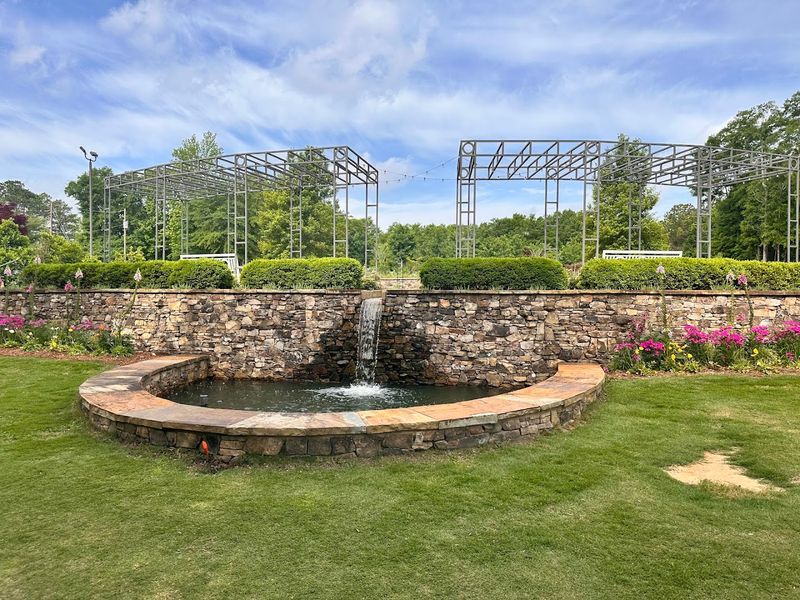
Sitting along the Chattahoochee River, the Columbus Botanical Garden is a genuine spring gem that locals adore but out-of-towners rarely put on their radar. Located at 3603 Weems Rd, Columbus, GA 31909, the garden spans 12 acres and features themed areas including a rose garden, butterfly garden, and native plant section that all come alive with spring color by late March.
The peaceful setting along the river adds an extra dimension that most gardens simply cannot replicate.
Spring weekends occasionally feature garden events and plant sales, which are worth checking on the garden website before planning a visit. The grounds are well-maintained and relatively easy to walk for visitors of most mobility levels.
Admission is free, which makes this one of the most underrated free attractions in western Georgia. Dogwood trees scattered throughout the property typically bloom in early April, adding layers of delicate white and pink blossoms above the formal garden beds below.
11. Gwinnett County Vines Gardens
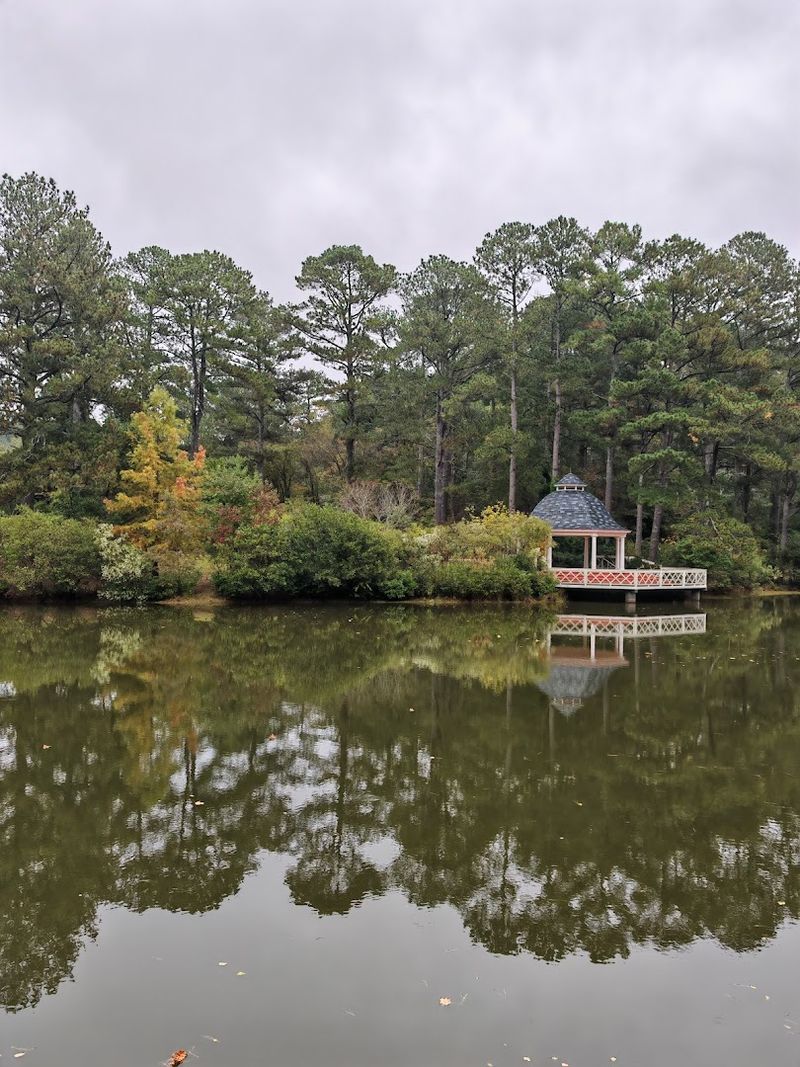
Tucked into a quiet corner of Gwinnett County, Vines Botanical Gardens is the kind of place that earns loyal repeat visitors every spring without ever making much noise about itself. Located at 3500 Oak Grove Rd SW, Loganville, GA 30052, the garden covers over 14 acres and features formal European-style garden rooms alongside more naturalistic planted areas that explode with color each spring.
Wisteria-draped pergolas, blooming azaleas, and flowering cherry trees all tend to overlap in April, creating a spectacular layered display.
The garden also features a scenic lake and waterfall that look particularly beautiful against spring greenery. Admission is free, which makes it an easy choice for a spontaneous spring outing.
The grounds are generally accessible and include paved pathways through most of the formal garden sections. Weekday visits offer a quieter atmosphere, though the garden rarely feels crowded even on weekends.
Photographers especially appreciate the variety of backdrops available within a relatively compact space.
12. Big Trees Forest Preserve
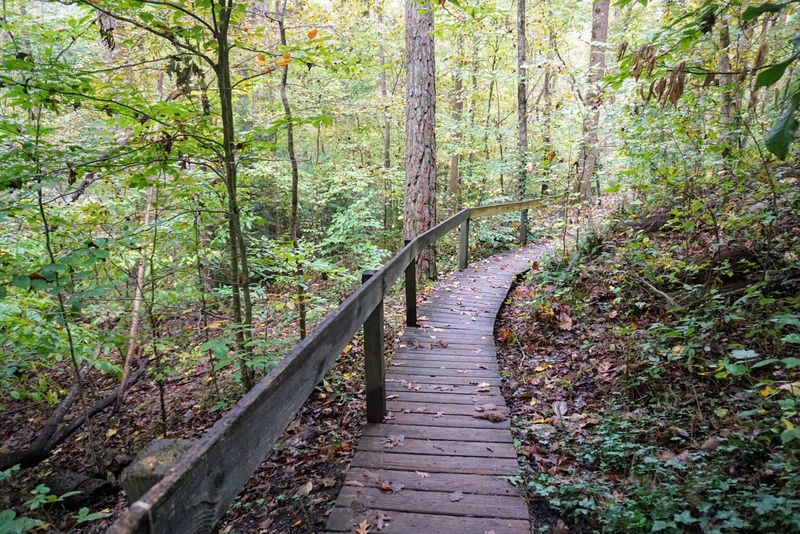
Walking into Big Trees Forest Preserve feels like stumbling into a forest that time somehow forgot to touch, especially in spring when the understory fills with wildflowers beneath towering old-growth trees. Located at 7645 Roswell Rd NE, Sandy Springs, GA 30350, this small but remarkable preserve protects one of the last stands of old-growth hardwood forest in the Atlanta metro area.
Spring ephemerals like trout lilies and trillium bloom along the trail in March and April before the tree canopy closes overhead.
The trail system is relatively short, covering just over a mile of wooded path, making it an ideal quick escape for nature lovers who may not have time for a longer hike. The preserve is free to visit and open year-round.
Parking is limited along the road, so arriving early on spring weekends is a smart approach. The sheer size of the old trees creates a sense of awe that is hard to find anywhere else this close to a major city.
13. Bath Gardens
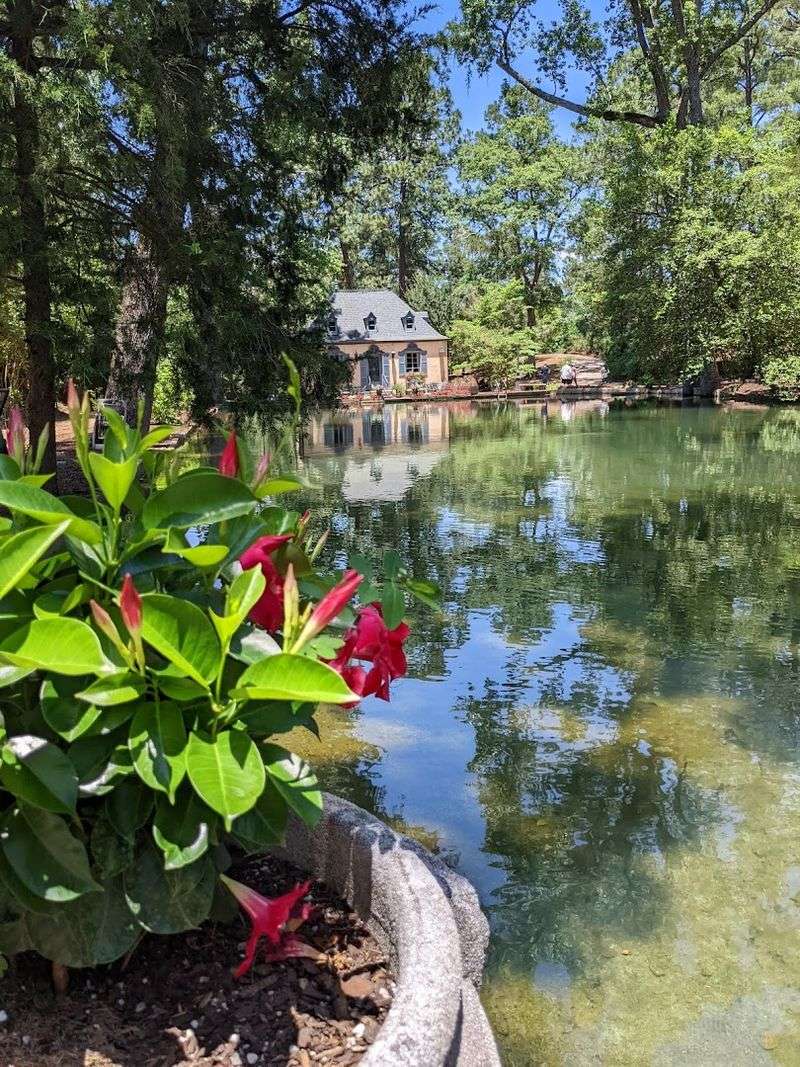
Spring in Georgia takes on a particularly quiet, old-world charm at Bath Gardens, a historic property that most travelers drive right past without ever knowing it exists. Located at 3855 Bath-Edie Rd, Blythe, GA 30805, these gardens reflect a deep horticultural heritage rooted in the rural Augusta area, where spring azaleas and camellias have been cultivated for generations.
The combination of mature trees, flowering shrubs, and open lawn areas creates a layered spring landscape that shifts in appearance throughout the season.
Visiting in late March through April catches the peak of the azalea bloom, when color pops from nearly every direction along the garden paths. The property has a calm, unhurried atmosphere that feels genuinely different from larger, busier botanical destinations.
Checking current access and visiting hours before making the trip is recommended since smaller historic gardens sometimes have limited public access. Bringing a picnic to enjoy on the grounds makes for a relaxed and memorable spring afternoon.
14. Radium Springs Garden
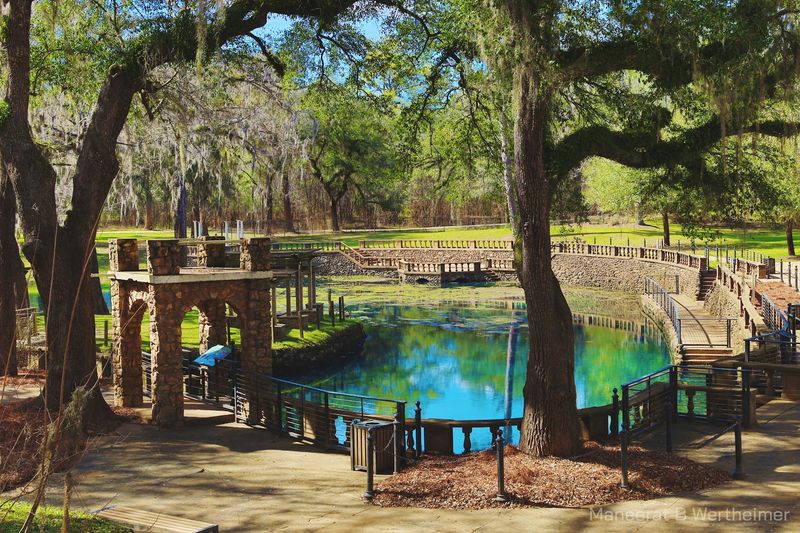
Radium Springs has one of the more resilient stories in Georgia, having recovered and been reimagined as a public garden after years of flood damage that reshaped the original historic site. Located at 2501 Radium Springs Rd, Albany, GA 31705, the garden sits along the Flint River and draws on the legacy of a natural spring that once produced millions of gallons of crystal-clear water daily.
Spring brings new greenery and seasonal blooms to the restored grounds, softening the landscape around the remaining spring basin.
The site carries a layered history that makes a visit feel meaningful beyond just the scenery, and interpretive information on-site helps explain both the natural and cultural story of the spring. Spring wildflowers and riverside vegetation create a peaceful, photogenic setting that rewards slow, unhurried exploration.
Checking current park hours before visiting is always a good idea. The surrounding Albany area also offers additional outdoor and cultural attractions for those building a longer day trip.
15. Cecil B. Day Butterfly Center
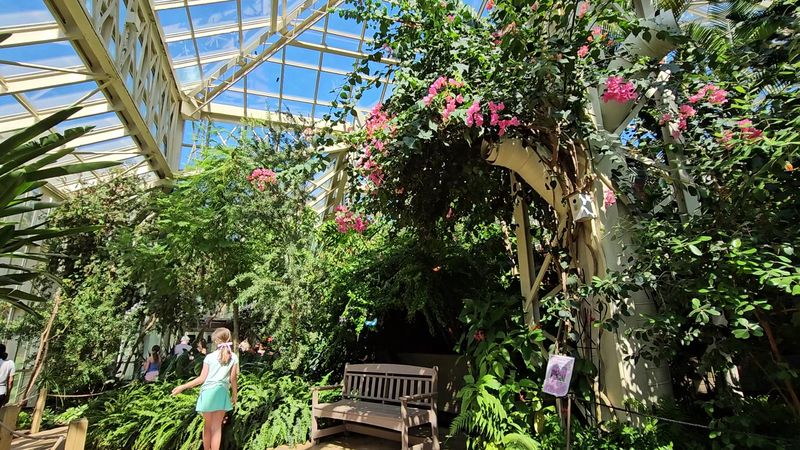
Stepping inside the Cecil B. Day Butterfly Center at Callaway Gardens feels like walking into a living kaleidoscope, with hundreds of free-flying butterflies moving through a glass-enclosed tropical garden.
Located in Pine Mountain, GA 31822, within the larger Callaway Gardens resort and botanical complex, the butterfly center is one of the largest glass-enclosed butterfly conservatories in North America. Spring is a particularly magical time to visit because the outdoor gardens at Callaway simultaneously burst into bloom, creating a full sensory experience across the property.
The conservatory maintains a warm, humid tropical environment year-round, which means visitors should dress in light layers. Butterflies are most active during the warmer midday hours, making a late morning arrival ideal for the best viewing experience.
Callaway Gardens admission covers access to multiple attractions across the property, so planning a full day allows visitors to see the butterfly center alongside the azalea trails and lakeside gardens. Spring weekends tend to draw families with children.