This Scenic Texas Rail Trail Was Practically Built For Weekend Bike Rides
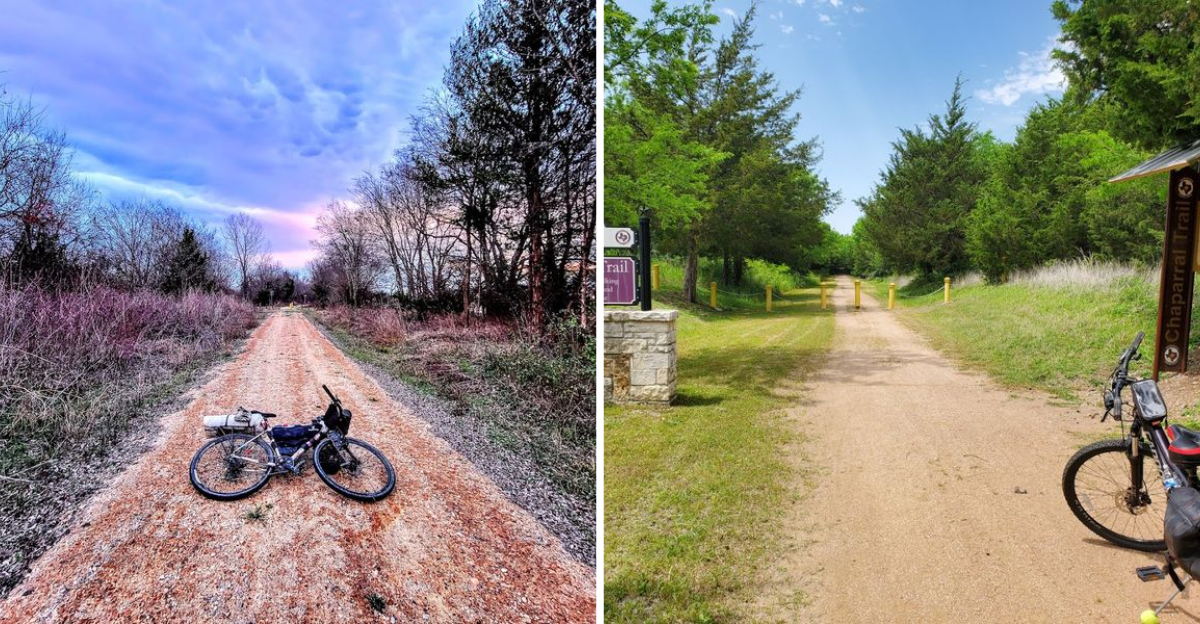
Rail trails do something road cycling simply cannot replicate. Texas has one that was practically built for a great weekend ride.
Improved sections offer an approachable ride for casual cyclists. Rougher stretches appeal more to experienced trail riders.
Wildflowers and shade trees appear exactly when the trail needs them most. The trailhead is accessible and the experience rewards every effort made here.
I rode this on a cool morning and lost track of time. This state does outdoor recreation quietly well and this trail is the proof.
Bring your bike and find out what a proper escape looks like.
A Rail Trail With Real Roots
Old railroad lines have a way of telling stories without saying a word.
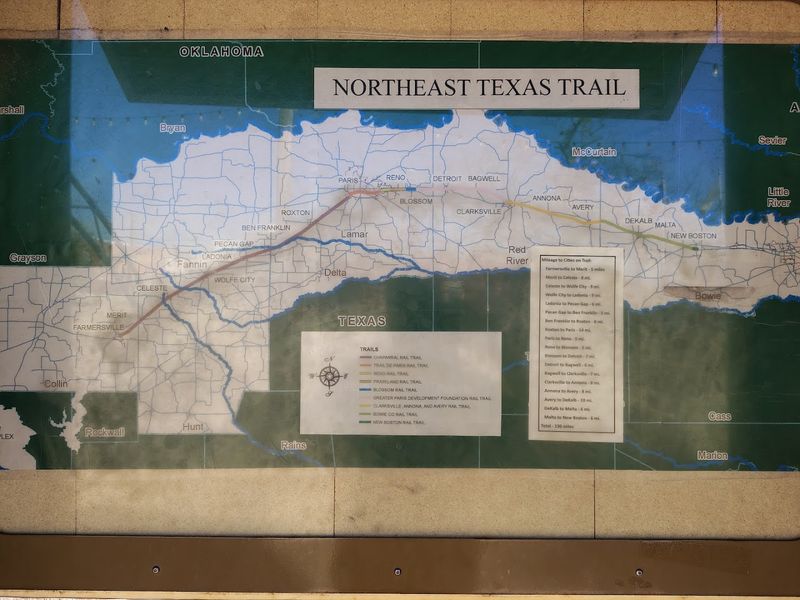
The Northeast Texas Trail, known locally as the NETT, follows the former Texas and Pacific Railway corridor through the northeastern corner of Texas. The trail stretches roughly 125 miles, connecting communities from New Boston in the east to Farmersville in the west.
The railway that once carried cotton, timber, and passengers through this region was eventually abandoned.
Local trail advocates and organizations stepped in to transform the corridor into a multi-use recreational path. That conversion effort has been ongoing for years, which means different sections are at different stages of development.
The address most commonly associated with the trail is simply Texas, as access points are spread across multiple towns and counties.
The trail passes through communities including Paris, Reno, Blossom, Wolfe City, and Merit. Each town adds its own flavor to the overall experience.
Understanding this history helps set expectations before you arrive. This is not a perfectly groomed urban trail.
The Landscape Along The Way
East Texas has a different personality than the rest of the state.
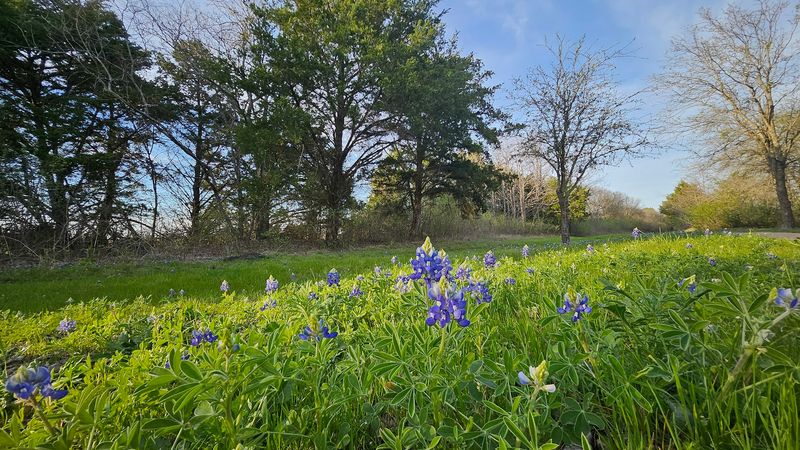
Tall pines, dense hardwoods, and creek bottoms define the scenery along much of the Northeast Texas Trail. In spring, wildflowers push up through the trail edges, adding bursts of yellow, purple, and white to the green surroundings.
The terrain is mostly flat, which is genuinely good news for cyclists who want mileage without punishment.
The old railroad grade keeps elevation changes minimal. You can focus on soaking in the scenery rather than surviving the hills. Open meadows break up the wooded stretches, giving you wide sky views that feel refreshing.
Near Wolfe City, the trail passes over old railroad trestles that cross creek beds and low-lying areas. These wooden structures add a dramatic visual element to the ride. Birds are plentiful throughout the corridor.
The natural corridor also provides welcome shade during warmer months, making the trail more comfortable than many open-road routes.
Best Sections To Ride Now
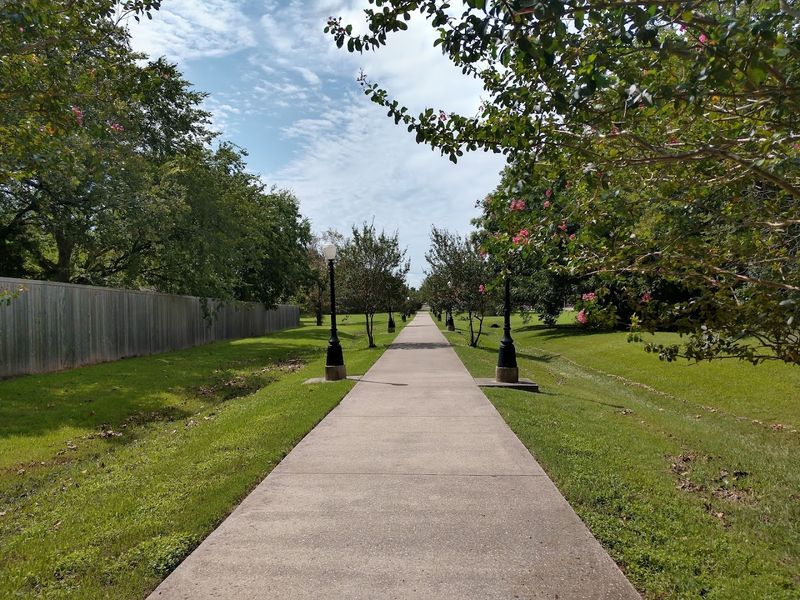
Not every section of this trail is in the same condition, and knowing where to start makes a real difference.
The stretch from Paris through Reno and into Blossom is among the most improved and rider-friendly sections of the corridor. I would say that it is a great starting point for first-time visitors.
The Chaparral Trail section near Farmersville provides one of the best-developed access points into the western portion of the corridor. It connects smoothly and gives riders a satisfying out-and-back option or a starting point for a longer push eastward.
The segment between Merit and Farmersville is also known for being a rewarding ride through open countryside.
Sections near Celeste tend to be overgrown and less maintained, so those are best avoided unless conditions have recently improved. Near New Boston, only about three miles of paved trail exist, with the rest being a mowed grassy path that can be hard to follow.
My personal recommendation is to start in Paris and head west toward Blossom for a smooth, satisfying ride.
Navigating The Trestles
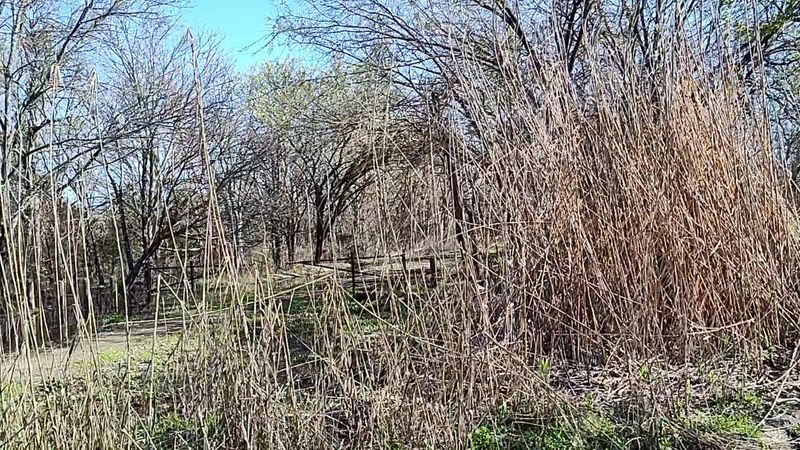
Few moments on a trail feel as memorable as crossing an old wooden railroad trestle.
The Northeast Texas Trail has several of these structures still standing, particularly in the Wolfe City area. They are hikeable with care, and they add a genuine sense of adventure to the journey.
Cyclists should know in advance that bikes need to be carried across these trestles rather than ridden. The wooden planking and gaps between boards make riding unsafe, so plan for a short walk-over.
It only takes a few minutes, but it is worth factoring into your timing, especially if you are carrying a loaded pack.
Standing on one of these trestles and looking down into the creek below is one of those trail moments that sticks with you.
The old timber, the quiet water, and the surrounding trees create a scene that feels genuinely removed from everyday life. It is a photographer’s moment hiding inside a cycling trail.
Always test each plank before committing your full weight, and avoid crossing trestles after heavy rain when wood becomes slippery.
What To Pack For The Trail
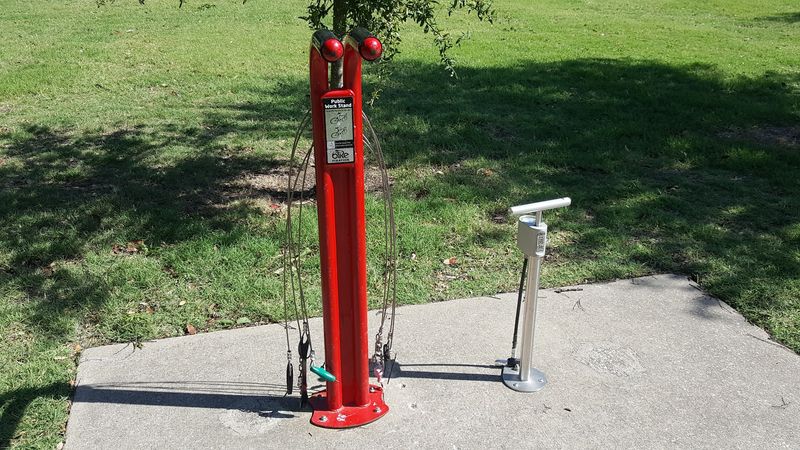
Preparation matters more on a trail like this than on a groomed urban path. Because the Northeast Texas Trail passes through rural areas with limited services, carrying everything you need is essential.
Water is at the top of that list, as shade and rest stops are not always available in the more remote sections. Bring more water than you think you need, especially between May and September when Texas heat is serious business.
A hydration pack or multiple large bottles will serve you well. Snacks with real calorie content, like nuts, dried fruit, or energy bars, keep energy levels steady over longer distances.
A basic bike repair kit is also worth packing. Flat tires happen, especially on gravel and packed-dirt sections where sharp debris can be hidden under loose surface material.
A small pump, tire levers, and a spare tube take up minimal space and save a long walk back to the trailhead.
Sunscreen and insect repellent round out the essentials, particularly in wooded sections where mosquitoes gather near creek areas. Wearing moisture-wicking clothing and a good helmet goes without saying.
A downloaded offline map of the trail route is a smart backup when cell service fades in more rural stretches of the corridor.
The Towns Along The Route
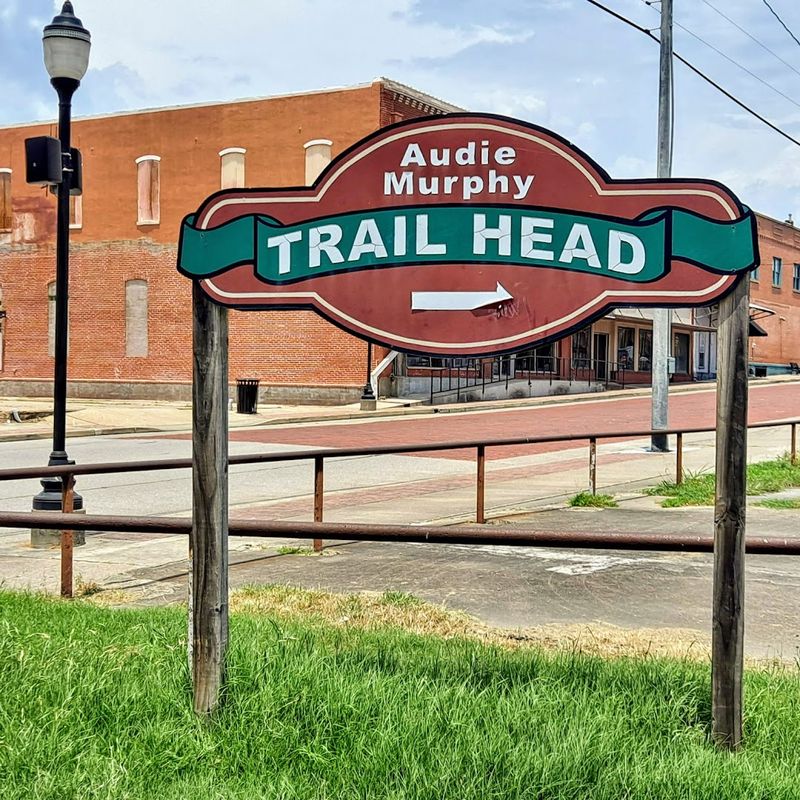
One of the quiet pleasures of riding the Northeast Texas Trail is passing through the small towns that dot the corridor.
Paris, Texas serves as one of the main anchors of the trail experience. It has a historic downtown, local eateries, and enough services to make it a comfortable base for a weekend trip.
Farmersville, on the western end, has its own small-town charm and serves as a popular starting or ending point for riders tackling the western sections.
Wolfe City and Merit are smaller stops along the way, offering a glimpse into rural East Texas life that feels refreshingly unhurried.
Blossom and Reno are worth a brief stop as you pass through, especially if you want to stretch your legs and see a bit of local character.
These communities have supported the trail over the years, and their presence along the route adds a human dimension to what might otherwise feel like a purely natural experience.
Small-town Texas has a warmth that is easy to underestimate until you are actually standing in it.
Trail Conditions And Timing
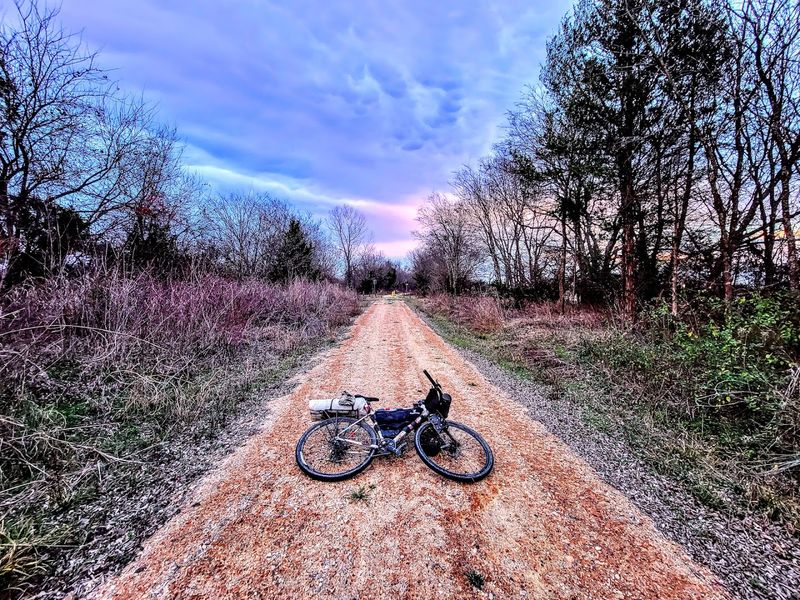
Timing your visit to the Northeast Texas Trail can make or break the experience.
Spring is personally the best season, with mild temperatures, blooming wildflowers, and manageable trail conditions. Fall is a close second, offering cooler air and the added bonus of changing leaf colors in the hardwood sections.
Summer riding is possible but demands early starts. By mid-morning in July or August, Texas heat turns even a shaded trail into a sweaty challenge.
Starting before sunrise and finishing by late morning is a practical strategy that experienced local riders use regularly during the warmer months.
Winter visits are possible and often quiet, with fewer users on the trail and crisp air that makes riding feel brisk and energizing.
Frost can affect surface conditions in January and February, so waterproof footwear and layered clothing become important considerations for anyone planning a cold-weather ride through the corridor.
Supporting The Trail Community
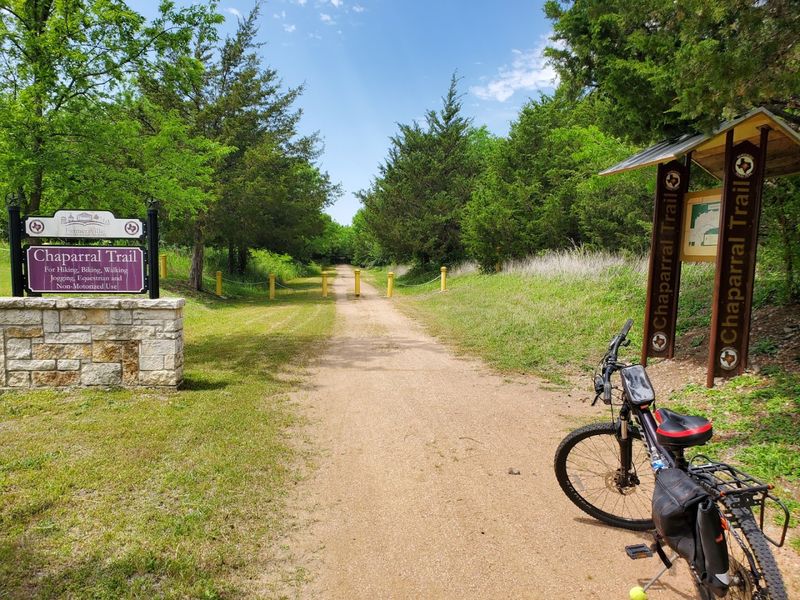
The Northeast Texas Trail exists because of people who refused to let old railroad land go to waste.
Volunteer groups, local governments, and trail advocacy organizations have all played a role in building and maintaining what exists today.
That community effort is visible in every cleared section and every repaired access point along the route. If you visit and enjoy the trail, consider giving back in some way.
Picking up litter near road crossings, reporting downed trees or damage, and sharing accurate trail information online all help the community maintain what volunteers have worked hard to build.
Trash near roadway access points has been a persistent issue, and awareness helps. The trail is still growing, with new sections being developed and existing ones being improved regularly.
Being part of that story, even as a visitor, feels meaningful.
Supporting the Northeast Texas Trail means supporting the communities and the open land of East Texas that makes this kind of ride possible in the first place.