California’s Most Charming Small Town Belongs On The Hallmark Channel
Small-town charm gets suspicious when every corner looks ready for a movie scene.
Old storefronts glow a little warmer. Sidewalks slow people down. A simple coffee run starts feeling like the opening scene before the meet-cute happens.
One small town can make California feel like it borrowed a script from a cozy movie set.
That feels almost unfair, doesn’t it?
A place like this does not need manufactured magic. Historic buildings do plenty of work. Tree-lined streets help too.
Of course, so do inviting shops, friendly patios, and that soft sense of nostalgia people pretend they are not chasing.
Visitors come for a quick stroll and somehow start mentally casting the bakery owner and the person who definitely runs the town festival.
Tell me, how is anyone supposed to resist a place that looks like it already has its own soundtrack?
Hallmark Actually Filmed Here And The Evidence Is Everywhere
Back in 2006, a Hallmark Channel Christmas movie called The Christmas Card used Nevada City as its backdrop, and the town has never quite let that go, in the best possible way.
The Chamber of Commerce actively promotes a self-guided tour of filming locations around downtown, so visitors can walk the same streets that appeared on screen.
The Nevada City Classic Cafe and the National Exchange Hotel are among the spots that appeared in the film.
Both are real, operating places that visitors can actually step inside, which makes the whole experience feel grounded rather than touristy.
Knowing a place was chosen by a film crew because it already looked that good says a lot about what Nevada City offers without any added decoration.
The town did not need to be dressed up for the cameras.
What the film crew captured was already there, from the sloping brick streets to the wooden balconies to the warm glow of shop windows on a cold December evening.
Visiting with that context in mind adds an extra layer to the experience that most small towns simply cannot offer.
A Real Movie-Tour Experience Tied To The Familiar Film
The Chamber of Commerce promotes a self-guided walking experience that points visitors toward the specific spots used during the filming of The Christmas Card, the 2006 Hallmark Channel movie.
The National Exchange Hotel, located at 211 Broad Street in Nevada City, is one of the most recognizable stops on that informal tour.
The building has been operating since 1856, making it one of the oldest continuously running hotels west of the Rockies, and its Victorian balconies and historic facade are immediately recognizable to anyone who has seen the film.
Staying there adds a layer to the visit that goes well beyond a typical historic inn experience.
The Nevada City Classic Cafe is another filming location that visitors can actually enter and use as a real dining stop rather than just a photo opportunity.
Having functioning, open businesses at these locations makes the tour feel practical and rewarding rather than purely nostalgic.
For anyone who enjoys connecting travel experiences to familiar stories, this kind of real-world film connection is genuinely satisfying and easy to do at a relaxed pace.
Victorian Downtown Architecture That Looks Too Good To Be Real
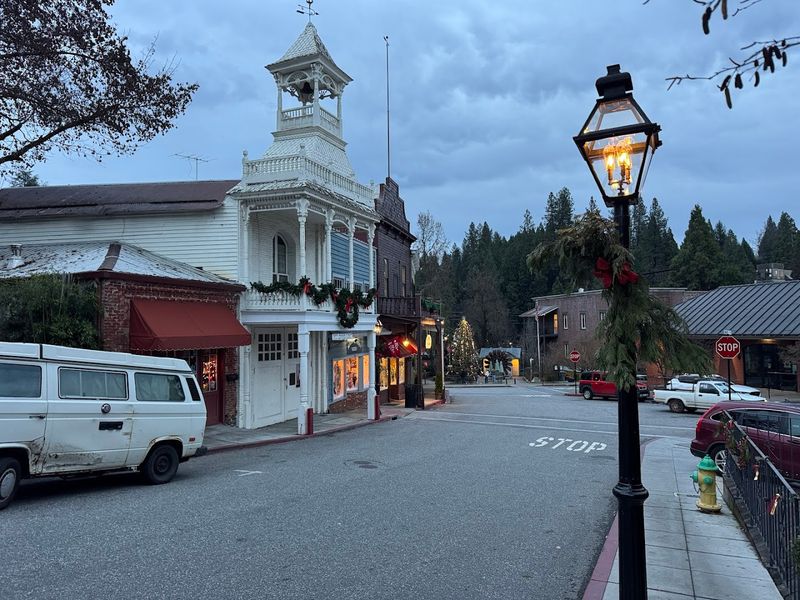
Walking down Broad Street in Nevada City feels like stepping into a carefully preserved version of 19th-century California.
The entire downtown area is designated a National Historic Landmark, with roughly 70 structures dating from 1856 to 1917 still standing and in active use.
That kind of architectural density in a working downtown is genuinely rare.
Wooden balconies hang over the sidewalks, brick facades line the main corridor, and the hilly terrain gives every block a slightly different visual angle.
Nothing about the streetscape feels reconstructed or themed.
These are original buildings that have simply been maintained and adapted over time, which gives the whole area an honest, lived-in quality that polished resort towns often lack.
The Downtown Historic District is listed on the National Register of Historic Places, which means the preservation standards here are serious and ongoing.
Boutiques, art galleries, cafes, and antique shops now occupy spaces that once served Gold Rush miners and merchants.
The mix of history and current use is part of what makes the architecture feel relevant rather than frozen in time, and it gives every storefront something worth pausing to look at.
Victorian Christmas Turns The Town Into A Holiday Scene
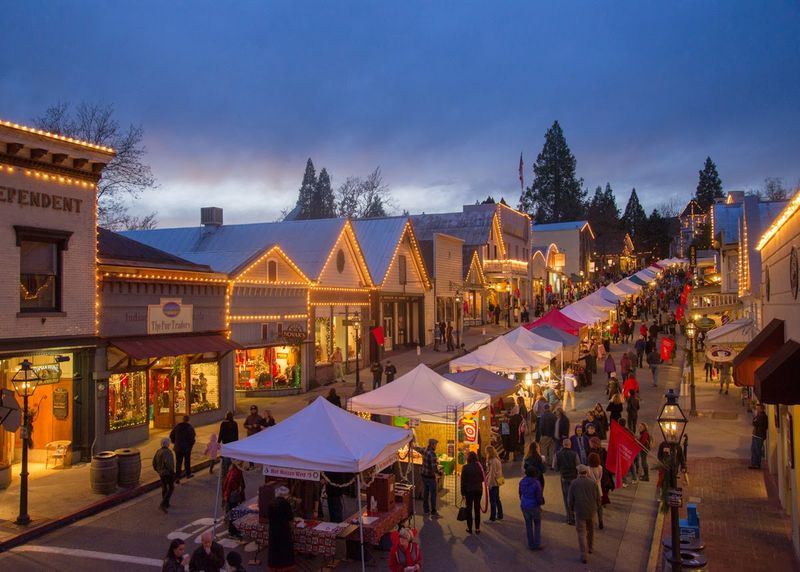
Every December, Nevada City hosts its annual Victorian Christmas celebration, and the event transforms the already-charming downtown into something that genuinely looks like a holiday movie set.
Gas lamps line the streets, vendors set up along the sidewalks, carolers in period costumes perform at various corners, and the storefronts are decorated in a style that leans into the Victorian theme with real commitment.
The atmosphere during Victorian Christmas tends to feel warm and communal rather than overcrowded or commercial.
Families walk the streets at an easy pace, shops stay open late, and the overall mood leans festive without feeling frantic.
The gas lamp lighting in particular gives the whole scene a soft, amber glow that photographs beautifully and feels genuinely cozy in person.
For the 2025 season, the Victorian Christmas event was scheduled on select Sundays and Wednesdays in December, which helped spread attendance across multiple dates rather than concentrating everything into a single weekend.
Checking the official Nevada City event calendar before planning a trip is the most reliable way to confirm current dates and any street closure details.
The event is free to attend and walkable from most downtown parking areas.
Gold Rush Character Instead Of Commercial Polish
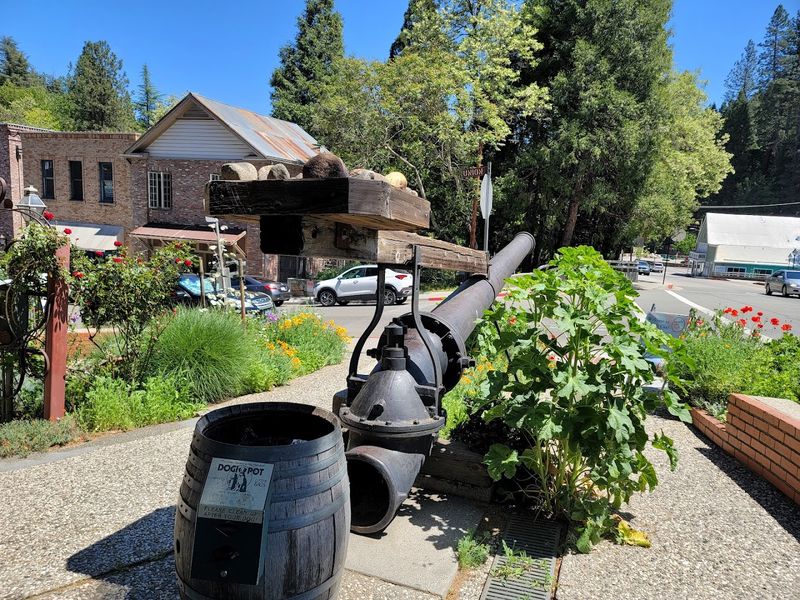
There is a version of a historic small town that has been so thoroughly renovated and branded that it loses whatever made it interesting in the first place. Nevada City has largely avoided that outcome.
The downtown streets retain a rougher, more honest quality that reflects their Gold Rush origins rather than a curated version of them.
Brick buildings show their age in ways that feel appropriate rather than neglected.
Wooden storefronts carry the kind of patina that comes from genuine use over many decades, and the hilly terrain adds a physical character that no amount of renovation could replicate.
The result is a place that feels like it has been continuously inhabited rather than restored for the benefit of visitors.
That distinction matters when choosing a travel destination. A place that has preserved its actual history rather than performing it tends to reward slower, more curious exploration.
Wandering off Broad Street into the surrounding blocks reveals quieter corners, older structures, and neighborhood details that a more polished tourist town would have smoothed away.
Nevada City’s willingness to stay a little uneven and a little weathered is part of what makes it feel genuinely worth the drive into the foothills.
Small Shops And Local Businesses Fill Every Block
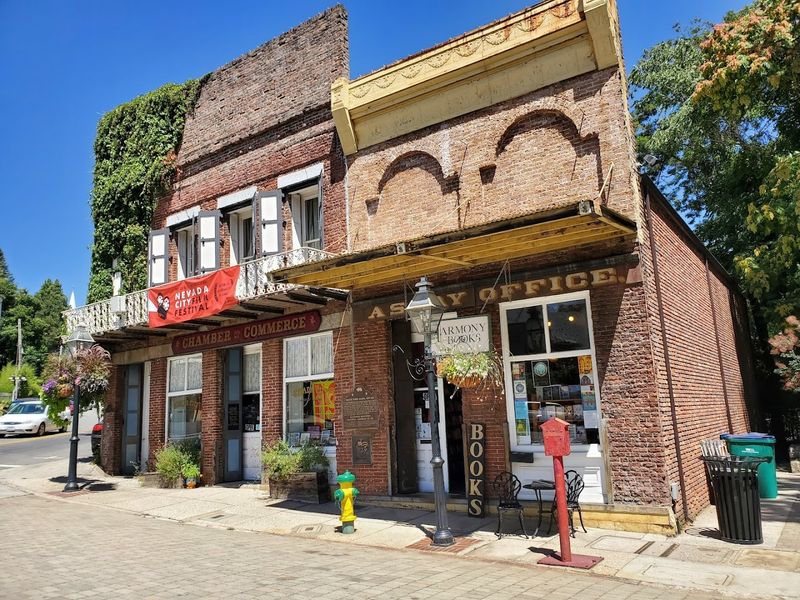
Downtown Nevada City has the kind of retail mix that makes a walkable main street actually worth walking.
Boutiques, art galleries, antique shops, gift stores, and independent restaurants occupy the historic storefronts along Broad Street and the surrounding blocks, and the overall feel leans local rather than chain-driven.
Art galleries are a notable part of the mix, reflecting a broader creative community that has made Nevada City a quiet hub for artists and makers over the decades.
Browsing the galleries does not require any particular art knowledge or purchasing intent. Many visitors simply move through them as part of a longer stroll, which the walkable layout fully supports.
The restaurant options range from casual cafe-style spots to sit-down dining, with enough variety that a full afternoon and evening in town does not require any advance reservations in most cases.
Gift shops carry items that feel specific to the region rather than the generic souvenir fare found in more heavily touristed towns.
For visitors who enjoy the rhythm of wandering into whatever looks interesting, the density of genuinely independent businesses makes Nevada City’s downtown one of the more satisfying main streets in Northern California.
Every Corner Offers A Photogenic Angle
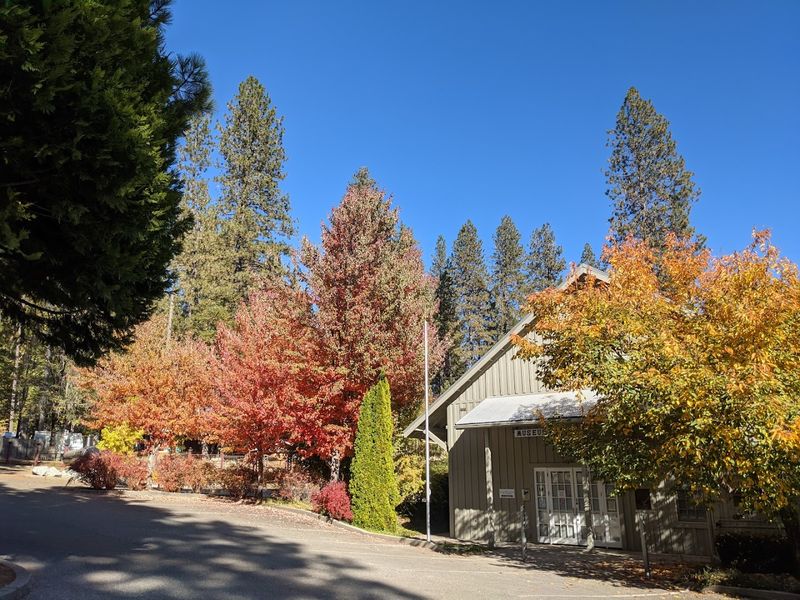
Few small towns manage to be consistently photogenic from multiple angles, but the combination of Victorian architecture, hilly terrain, and Sierra foothill light gives Nevada City an almost unfair visual advantage.
The slopes mean that looking up a street or down from a higher block reveals layered rooflines and depth that flat-town main streets simply cannot produce.
Brick facades, wooden balconies, iron lamp posts, and mature street trees create the kind of visual texture that makes even an ordinary afternoon walk feel worth documenting.
During fall, foliage adds warm color to the already warm-toned storefronts.
During December, the gas lamps and holiday decorations of Victorian Christmas give the same streets a completely different but equally striking character.
Morning light tends to hit the east-facing facades along Broad Street in a way that makes the brick glow orange and amber, which is worth knowing for anyone who wants to photograph the town at its most atmospheric.
The town does not feel staged or set-dressed for photography.
The visual appeal comes from the architecture and topography themselves, which means the photogenic quality holds up in every season and at most times of day rather than depending on a single ideal window.
The Charm Holds Up Well Outside The Holiday Season
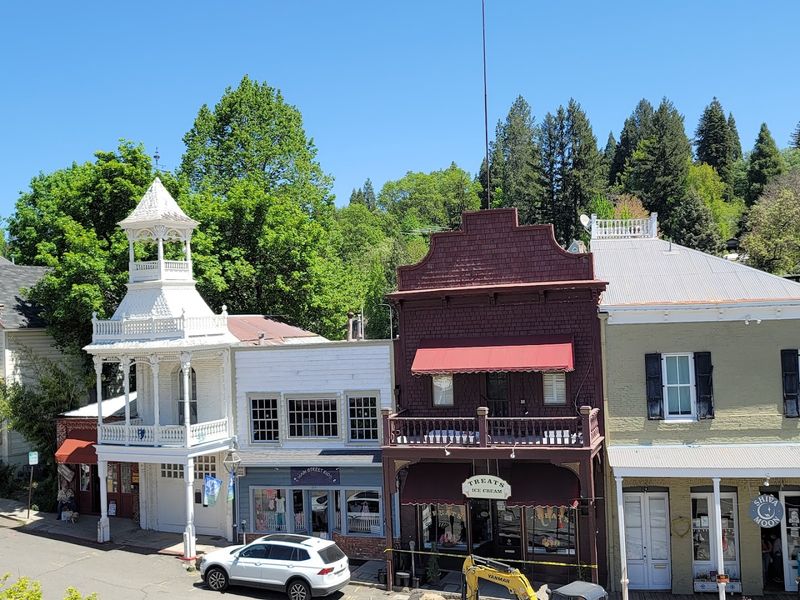
Victorian Christmas gets most of the attention, but Nevada City has a lot to offer across other seasons as well.
Fall foliage in the Sierra Nevada foothills brings warm color to the hillsides and the tree-lined streets downtown, and the cooler temperatures make walking the area genuinely comfortable rather than something to push through quickly.
Historic inns and bed-and-breakfasts in the area offer lodging that fits the overall character of the town, and staying overnight allows for a slower pace that a day trip does not always permit.
The surrounding landscape includes access to the South Yuba River State Park and the Tahoe National Forest, both of which offer outdoor recreation that extends a visit well beyond the downtown shopping and dining circuit.
Spring and early summer bring their own appeal, with milder weather and fewer crowds than the December holiday events.
The Deer Creek Tribute Trail, which features a suspension bridge and passes through foothill terrain near town, is a popular option for visitors who want to add some movement to a cultural and historic itinerary.
Nevada City’s off-season character is quieter but no less appealing, and for visitors who prefer a more relaxed pace, the shoulder seasons may actually be the better time to go.
A Community That Feels Genuinely Lived In
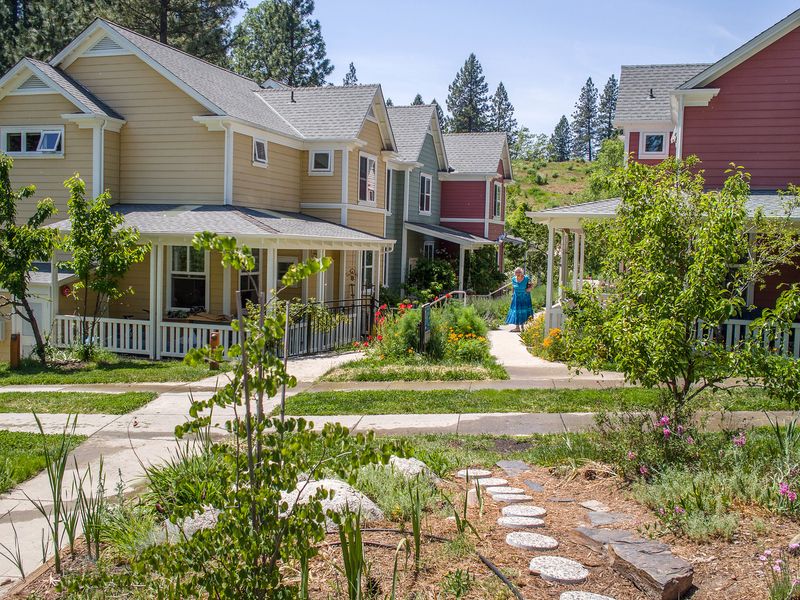
One of the quieter selling points of Nevada City is that it does not feel like a town that exists primarily for visitors.
Local events, community theater, farmers markets, and seasonal traditions give the downtown a rhythm that reflects actual residents going about their lives rather than a performance put on for weekend tourists.
The Nevada Theatre, located at 401 Broad Street in Nevada City, has been operating since 1865, making it California’s oldest existing theater building still in use.
Performances and community events continue to be held there, and the building itself is a remarkable piece of California cultural history that is easy to walk past without fully registering its significance.
Checking the theater’s current schedule before a visit is worthwhile for anyone interested in catching a live performance in a genuinely historic venue.
Farmers markets and local cultural events appear throughout the year, adding to the sense that the town has an active civic identity beyond its tourism appeal.
The Constitution Day parade and other community celebrations reflect a place that marks its own traditions with genuine investment rather than performing them for an outside audience.
That lived-in quality is harder to manufacture than Victorian architecture, and it is one of the things that makes Nevada City feel worth returning to.