This List Of 14 Idaho Hikes Takes You From Beginner Trails To Epic Views
Idaho hiking has a dangerous habit of ruining ordinary trails for people. After a few hikes here, a simple neighborhood walking path starts feeling deeply underqualified.
The state throws unreal scenery at hikers almost nonstop. One trail leads to an alpine lake so blue it looks edited.
Another climbs through jagged peaks and volcanic terrain that barely feels real when you are standing in it.
Every mile seems determined to outdo the last one. Some hikes let you ease into the day with peaceful forest paths and calm water beside the trail.
Others make your legs question every life decision somewhere around the switchbacks.
Honestly, that suffering usually disappears the second the view opens up.
1. Fishhook Creek Trail
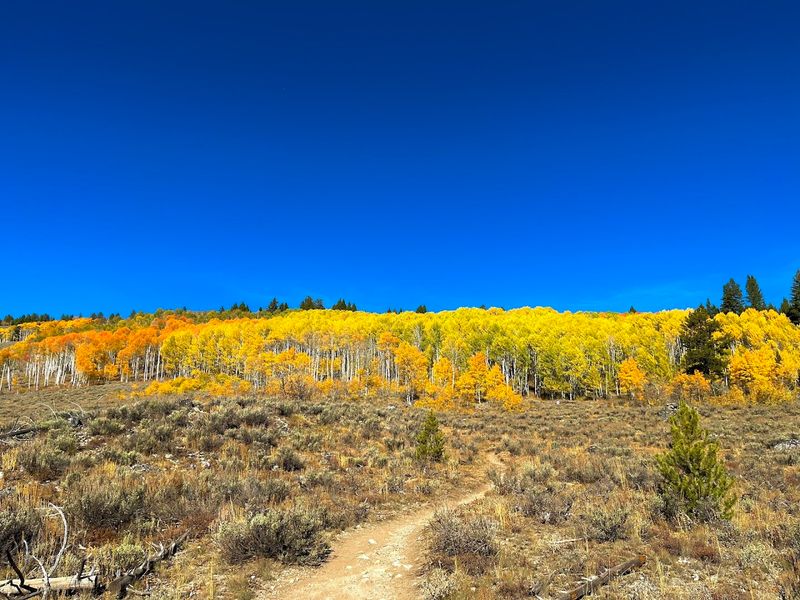
Near Redfish Lake, Fishhook Creek Trail gives beginners and families the kind of mountain scenery that usually sounds like it should require much more effort. Starting from the Redfish Lake area near Stanley, the route runs about 4.4 miles round trip with modest elevation gain, making it approachable for hikers who want a real trail without turning the day into an endurance test.
Cool forest, creekside stretches, open meadows, and Sawtooth views make the walk feel generous from the beginning. Children can enjoy the water and changing scenery, while adults get those jagged mountain backdrops that make the Stanley area so memorable.
Summer is usually the most comfortable season, though snow and muddy conditions can linger depending on the year. A picnic works well here because the trail’s final views invite lingering instead of rushing back to the car.
Rather than overwhelming newer hikers, Fishhook Creek builds confidence, rewards curiosity, and proves a moderate walk can still feel beautifully dramatic.
2. Mesa Falls Nature Trail
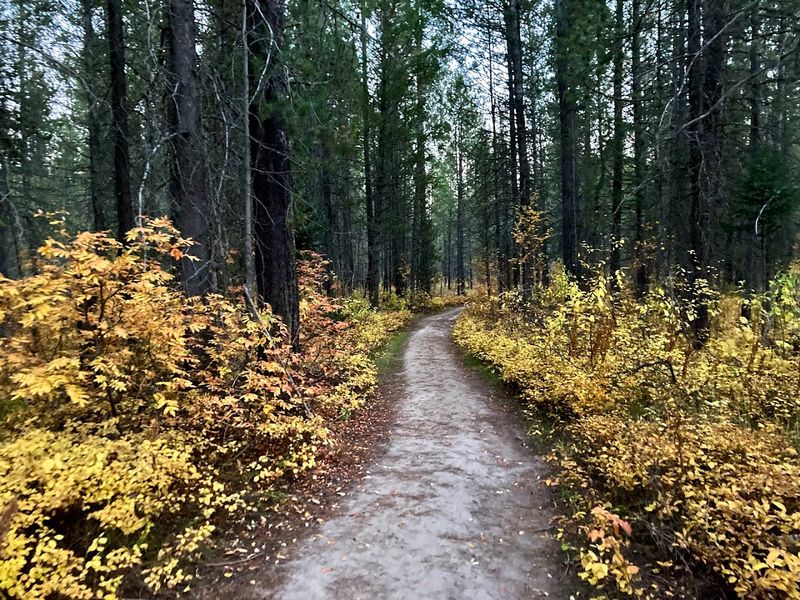
Around Upper Mesa Falls, an easy nature trail and boardwalk system make waterfall viewing feel wonderfully accessible without taking away the power of the setting. Starting near the Upper Mesa Falls parking area off the Mesa Falls Scenic Byway near Ashton, the route leads to close views of one of the region’s most impressive waterfalls.
Rushing water announces itself before the main overlook, and the viewing platforms give visitors a safe, clear place to take in the drop, spray, and surrounding forested canyon. Older travelers, families, and first-time hikers can enjoy the experience without a long climb, which makes it a smart stop on an eastern road trip.
Nearby overlooks also help visitors appreciate the larger Henrys Fork landscape. Good shoes still help because wet surfaces can be slick, especially near spray or after rain.
Instead of requiring hours on the trail, Mesa Falls delivers a big scenic payoff quickly, making it one of the most satisfying short outdoor stops in this lineup.
3. Osprey Point Trail
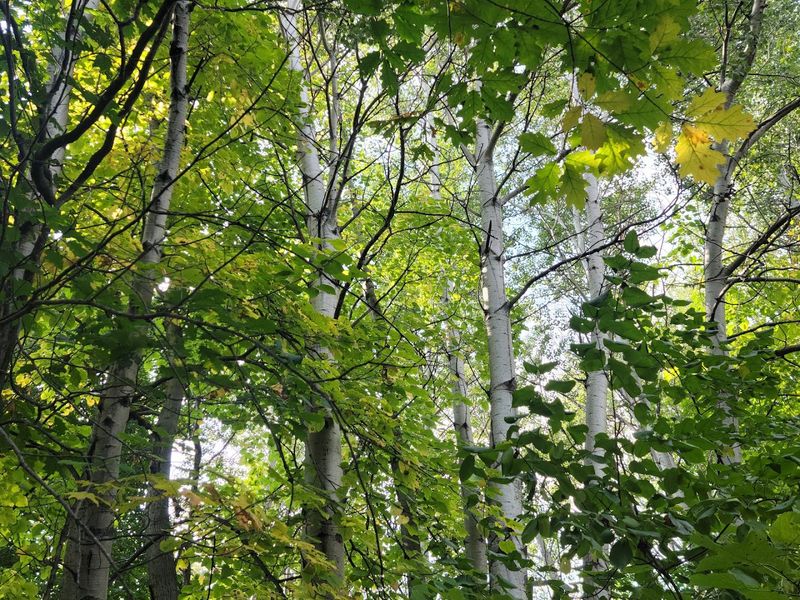
Within Ponderosa State Park in McCall, Osprey Point gives casual hikers a lake-view reward wrapped in pine forest, mountain air, and an easygoing park setting. The park sits on a peninsula reaching into Payette Lake, so even the approach feels scenic before the trail fully begins.
Routes through this section pass among tall ponderosa pines and lead toward an overlook where the lake opens wide below. Calm days can make the water look polished and reflective, while breezier afternoons bring a livelier shoreline mood.
Wildlife adds another reason to slow down, since birds often move through the trees and above the water. Families appreciate that the outing does not demand technical hiking skills, and visitors staying in McCall can fit it into a relaxed morning or afternoon.
Trail conditions may vary by season, especially after snow or storms, so checking park updates is useful. Osprey Point works best for hikers who want a gentle trail with a view that feels far bigger than the effort required.
4. Harriman State Park Trails
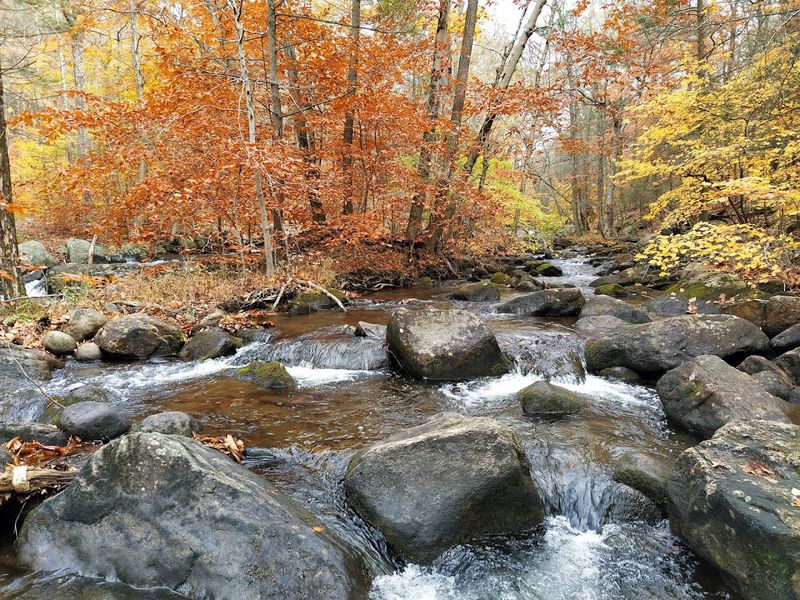
Not every great hike demands steep switchbacks or rocky scrambles. Harriman State Park near Island Park offers 22 miles of trails that meander through meadows, along riverbanks, and through cool evergreen forest, creating a hiking experience that feels more like wandering through a painting than working out.
The park entrance is located at 3489 Green Canyon Road, Island Park, ID 83429, and it welcomes hikers, cyclists, and equestrians alike.
The Henry’s Fork of the Snake River flows through the park, and sections of trail run right alongside its crystal-clear banks. Wildlife here is spectacular, with sandhill cranes, trumpeter swans, and white-tailed deer making regular appearances.
The flat terrain and wide-open scenery make these trails feel peaceful and unhurried, a wonderful contrast to more intense mountain routes.
History adds another dimension to the experience. The park was once a private retreat for wealthy railroad families, and the historic ranch buildings still stand, offering a glimpse into early 20th-century Idaho life.
Whether you walk one mile or ten, Harriman delivers a rich, layered outdoor experience that lingers long after you leave the trailhead.
5. Idaho Falls River Walk
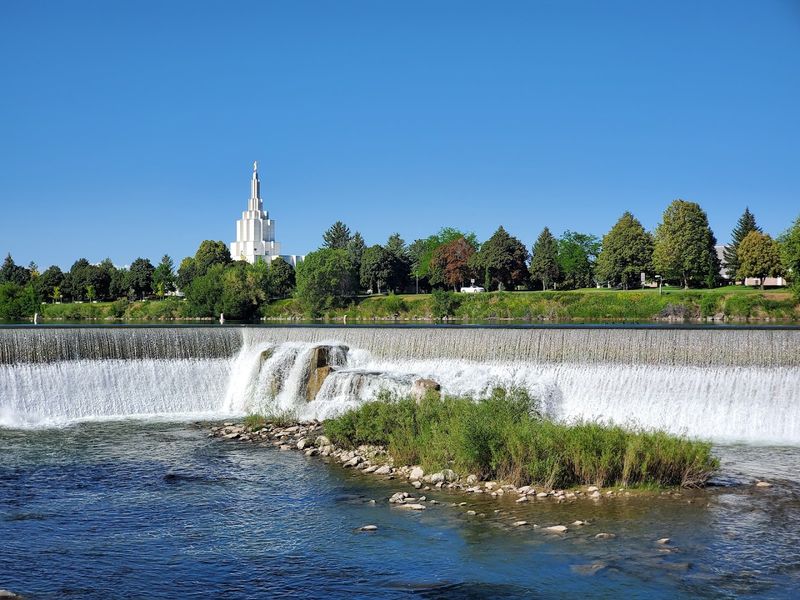
Urban trails can be easy to underestimate, but the Idaho Falls River Walk proves a paved path can still feel scenic, refreshing, and memorable. Running along the Snake River through the heart of the city, the route connects parks, green spaces, viewpoints, and downtown scenery without asking hikers to leave town.
A broad waterfall across the river creates the signature moment, giving the walk more drama than many visitors expect from a city path. Flat pavement makes the route friendly for strollers, wheelchairs, casual walkers, and travelers who want a low-effort stop between longer drives.
Benches and lawns encourage a slower pace, while early morning light often gives the river and falls a softer look. Families use the path for everyday outings, yet road trippers can enjoy it as a quick, rewarding break.
Nearby restaurants and attractions make it easy to build a fuller stop around the walk. Instead of feeling like a compromise, this greenbelt shows how water, public space, and city life can work beautifully together.
6. Table Rock Trail
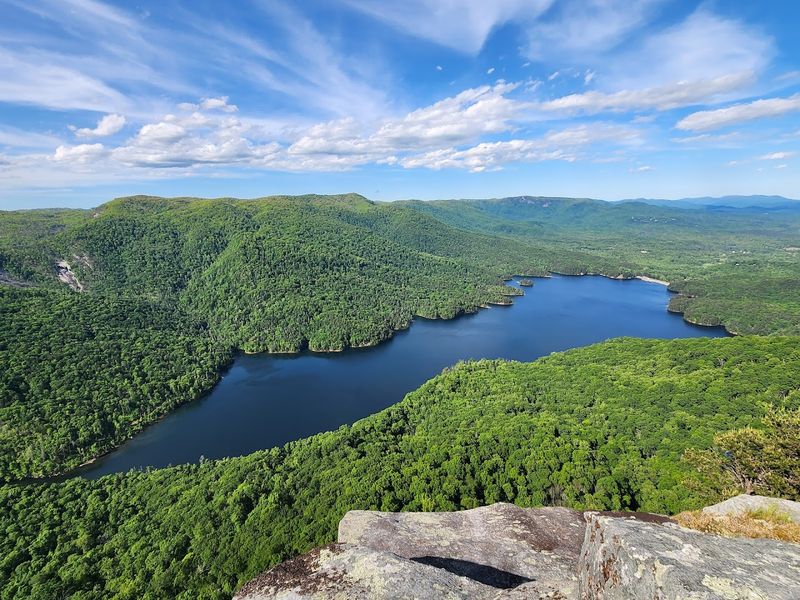
Boise’s Table Rock Trail brings a classic local challenge close enough to town that it has become part workout, part ritual, and part scenic overlook. Beginning near the Old Penitentiary and foothills trail system, the route climbs through dry sagebrush terrain toward a flat mesa above the valley.
Elevation gain makes the hike feel earned, but the distance remains manageable for many active visitors who want a satisfying climb without committing to a full mountain day. Views expand as the trail rises, eventually revealing downtown, the foothills, and the wider Treasure Valley.
Sunrise and evening hikes are especially popular because the light softens the dry landscape and makes the city below glow. Heat can be intense during warmer months, so water, sun protection, and smart timing matter.
Trail users should stay on marked routes to protect the fragile foothills environment. Table Rock’s appeal comes from that mix of convenience and payoff, giving hikers a real climb with one of the area’s most recognizable views.
7. Bruneau Dunes Six-Mile Trail
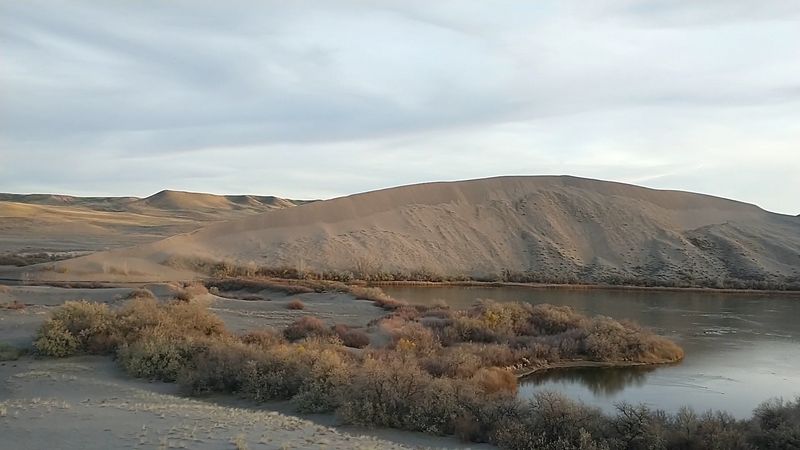
Sand dunes and Idaho might not be the first combination that comes to mind, but Bruneau Dunes State Park holds one of the most unexpected landscapes in the entire American West. The six-mile trail loops through this dramatic park at 27608 Sand Dunes Road, Bruneau, ID 83604, circling around dunes that rise as high as 470 feet, making them the tallest single-structured sand dunes in North America.
Walking here feels unlike anything else on this list.
The hike itself is not technically difficult, but soft sand underfoot adds resistance that works your legs in surprising ways. Early morning visits are highly recommended, when the dunes cast long shadows and temperatures stay comfortable.
Two small lakes sit at the base of the main dune, reflecting the golden slopes in a way that feels almost surreal.
Stargazing is another reason people love this park, and an observatory on site hosts public viewing nights during warmer months. The contrast between the vast desert sky and the sculpted dunes makes this one of Idaho’s most photogenic outdoor destinations.
Even seasoned hikers tend to leave Bruneau Dunes with a sense of genuine wonder and surprise.
8. Box Canyon Springs Trail
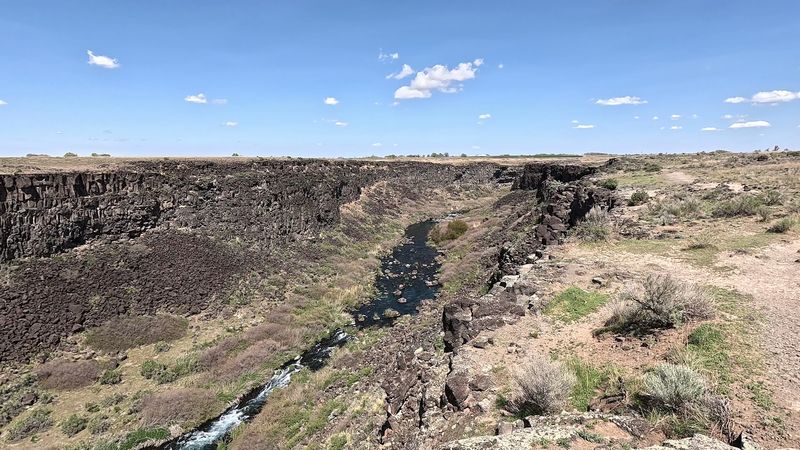
Near Wendell, Box Canyon Springs Trail drops hikers into a basalt canyon where clear blue-green spring water makes the desert setting feel almost unreal. The route is relatively short, but the descent, rocky sections, and changing footing give it more texture than a simple overlook stop.
From above, the canyon reveals water pouring from the spring system with remarkable clarity, while lower sections bring hikers closer to the contrast between dark rock, bright water, and green vegetation. Interpretive information helps explain how the springs fit into the Thousand Springs region, where groundwater emerges dramatically from canyon walls and slopes.
Warm days make the cool canyon air especially welcome, but sturdy shoes are still important because loose rock and steeper spots require attention. Families with older children may find the geology and water color especially engaging, while photographers will probably want extra time near the viewpoints.
Box Canyon Springs rewards hikers who appreciate compact trails with a strong sense of place, scientific interest, and scenery that feels unusually vivid.
9. Mineral Ridge National Recreation Trail
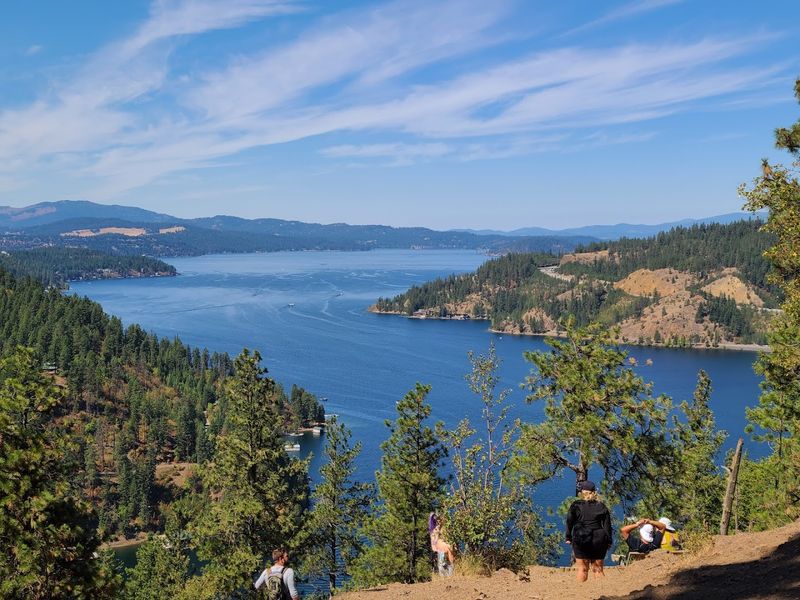
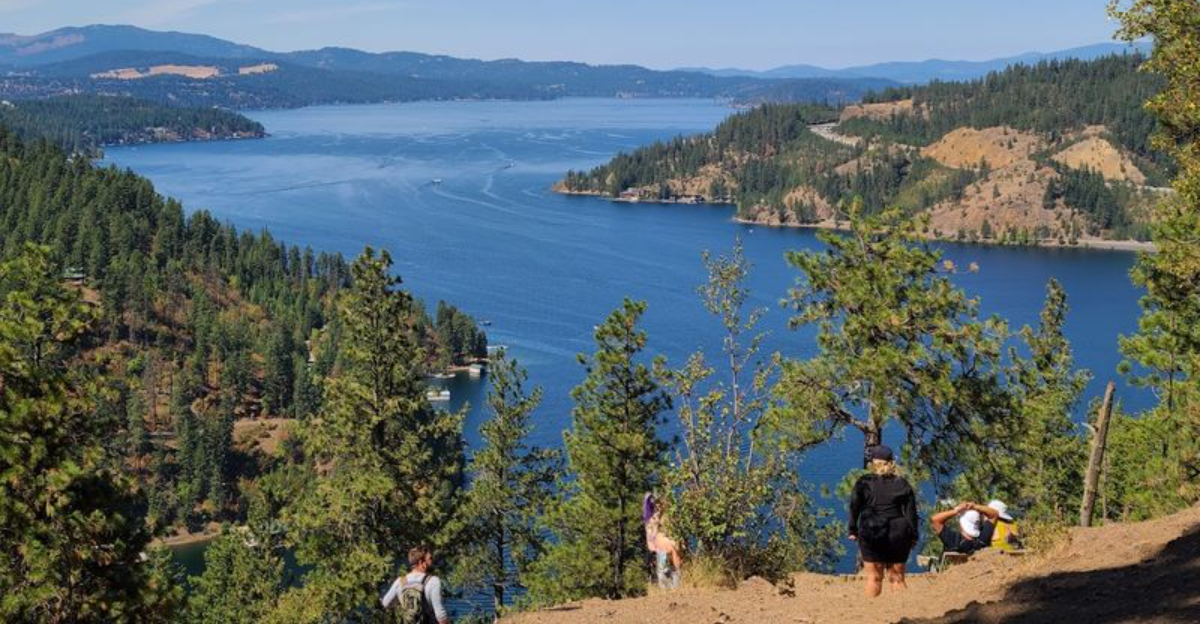
Above Lake Coeur d’Alene, Mineral Ridge National Recreation Trail offers a satisfying step up from beginner hikes without becoming an overwhelming mountain objective. The 3.3-mile loop climbs steadily through mixed forest before opening to overlooks where the lake curves between wooded slopes and distant ridges.
Interpretive signs along the route add context about plants, wildlife, geology, and mining history, making the hike feel more layered than a simple viewpoint climb. Spring and early summer can bring fresh greenery, while autumn adds color to the forested slopes.
Bald eagles and osprey may be seen in the broader lake area, especially when conditions are right, though sightings are never guaranteed. Shaded sections help on warm days, but the climb still deserves water and comfortable footwear.
Because the loop is not too long, hikers can enjoy the ridge and still have time for nearby lake stops afterward. Mineral Ridge works especially well for travelers ready to move beyond flat trails and earn a view without making the day feel punishing.
10. Sawtooth Lake Via Iron Creek Trailhead
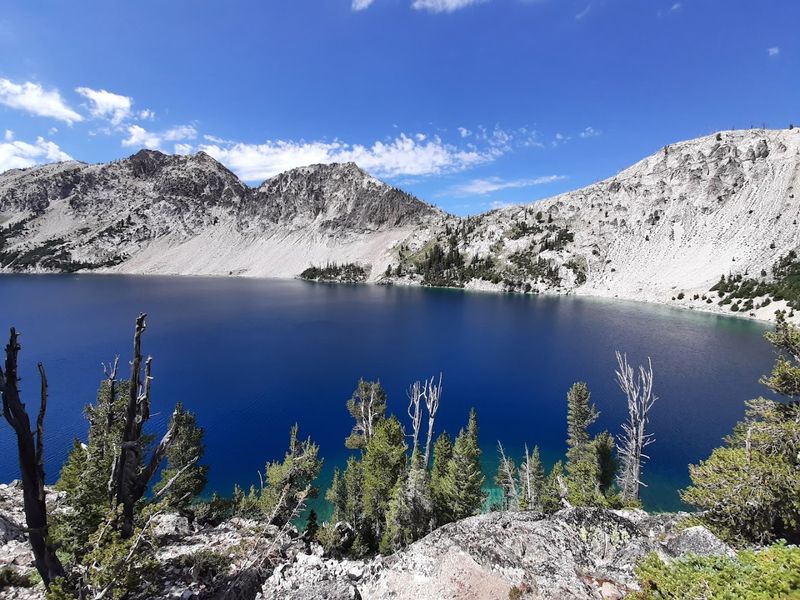
Sawtooth Lake is the kind of destination that makes hikers stop mid-stride and simply stare. Reached via the Iron Creek Trailhead on Iron Creek Road, Stanley, ID 83278, this trail climbs through the heart of the Sawtooth Wilderness, one of the most spectacular roadless areas in the entire country.
The round-trip distance is approximately 10 miles, with significant elevation gain that rewards persistent hikers with an alpine lake framed by raw granite towers.
AllTrails lists Sawtooth Lake via Iron Creek among the most popular summer hikes in the wilderness area, and it is easy to understand why once you reach the water. The lake sits at over 8,400 feet elevation, and its color shifts from deep blue to turquoise depending on the angle of sunlight.
Wildflowers carpet the meadows surrounding the shoreline during peak summer weeks, adding bursts of color to the already dramatic scene.
This hike belongs firmly on the challenging end of the list. Proper footwear, plenty of water, and an early start are all essential for a safe and enjoyable trip.
The physical effort involved makes reaching the lakeshore feel like a genuine achievement, and the memory of that first view stays with hikers for years.
11. Alice Lake Trail
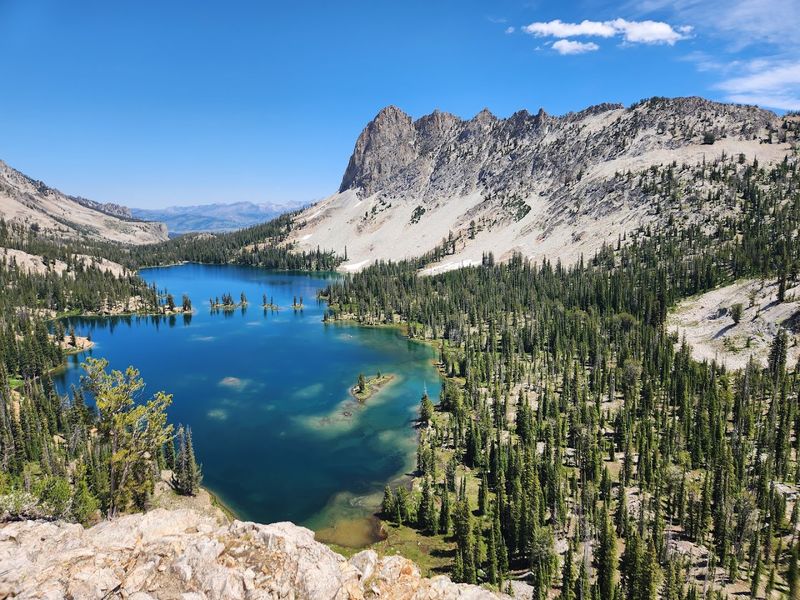
Starting from Tin Cup Trailhead near Pettit Lake, Alice Lake Trail leads into classic Sawtooth backcountry with enough distance and elevation gain to feel like a serious adventure. Many hikers complete the route as a long day trip of about 12 miles round trip, while others use it as part of a larger loop or overnight plan.
Forest, creek crossings, rocky sections, and open alpine scenery all appear before the lake, keeping the route varied even before the main reward arrives. Once at Alice Lake, granite peaks rise around clear water in a setting that feels remote, bright, and spacious.
Calm conditions can create mirror-like reflections, while afternoon clouds add a moodier mountain edge. Because this is wilderness terrain, preparation matters.
Hikers should bring navigation, water treatment, layers, food, and an understanding of current trail conditions. Campsites must be chosen responsibly, and Leave No Trace practices are essential.
Alice Lake asks for effort, but the destination carries the quiet, hard-earned beauty that makes backcountry hiking so addictive.
12. Goat Lake And Goat Falls Trail
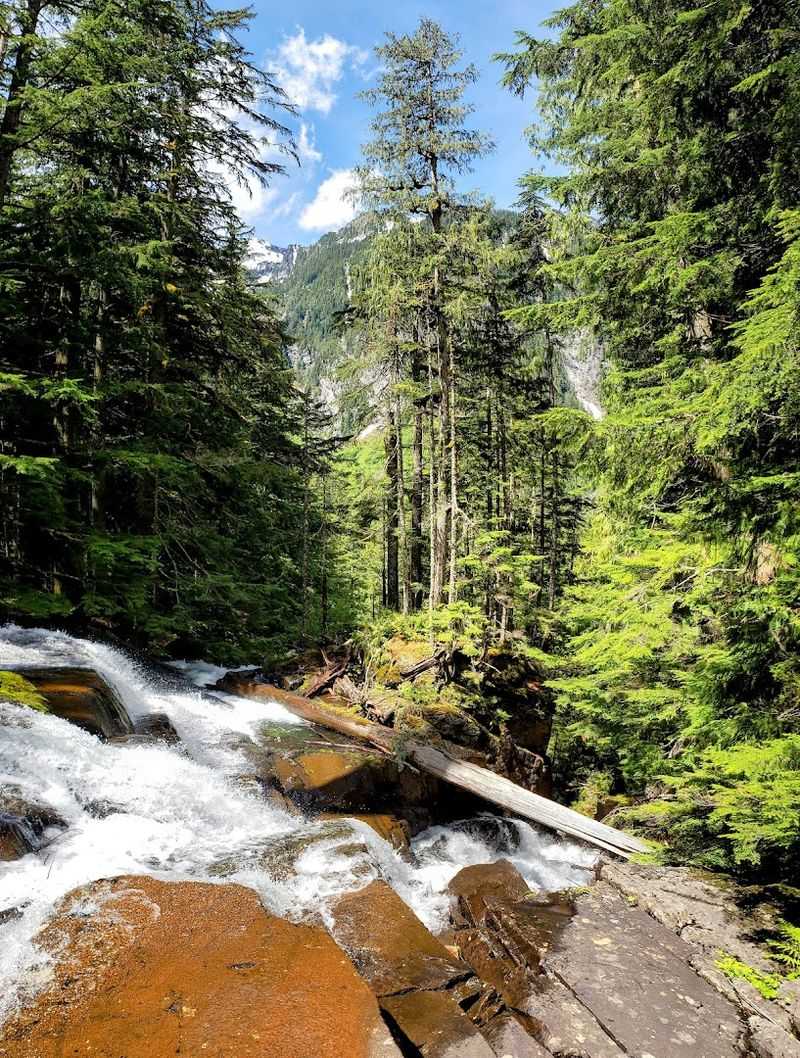
Two rewards for the price of one trail effort makes Goat Lake and Goat Falls Trail a standout on any serious hiker’s list. Starting from Iron Creek Trailhead on Iron Creek Road, Stanley, ID 83278, the route pushes deeper into the Sawtooth Wilderness than many casual hikers venture, gaining real elevation through rocky terrain and open alpine zones.
The falls appear before the lake, offering a dramatic mid-hike moment that builds excitement for what lies ahead.
Goat Falls drops with impressive force over a granite cliff face, and the spray reaches hikers standing on nearby rocks for a natural cooling effect during summer. The lake above the falls sits in a high cirque framed by the same jagged Sawtooth peaks that define the entire wilderness area.
The color of the water, a deep glacial blue, intensifies as afternoon light shifts across the surrounding rock faces.
This trail is more rugged than a casual lake walk, and the terrain demands sure footing and careful route-finding in places. Trekking poles are a smart addition for the descent, especially on loose rocky sections.
For hikers ready to push beyond the intermediate level, Goat Lake and Goat Falls deliver a backcountry experience that ranks among the most visually spectacular routes in the entire region.
13. Craters Of The Moon North Crater Trail
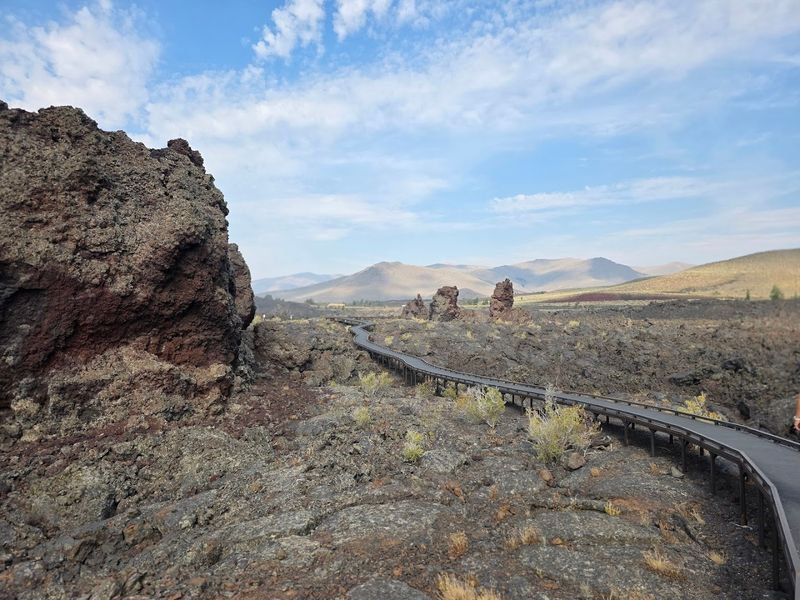
Across Craters of the Moon National Monument and Preserve, North Crater Trail offers one of the strangest hiking experiences in the Northwest. Instead of trees, creeks, or alpine lakes, the route moves through black lava rock, cinder cones, crater views, and rugged volcanic formations shaped by eruptions from the region’s relatively recent geologic past.
The trail is not especially long compared with mountain routes, but the surface can be uneven, exposed, and sharp, so sturdy shoes matter more than some visitors expect. Dark basalt absorbs heat quickly, making morning hikes and extra water important during warm weather.
Interpretive information throughout the monument helps explain how lava flows, cones, and fissures formed this otherworldly terrain. Parts of the landscape feel almost lunar, which gives the national monument its memorable name and makes the hike stand apart from every forest or lake route on this list.
North Crater works well for travelers who want geology, open sky, and scenery that looks completely unlike a standard trail day.
14. Scotchman Peak Trail
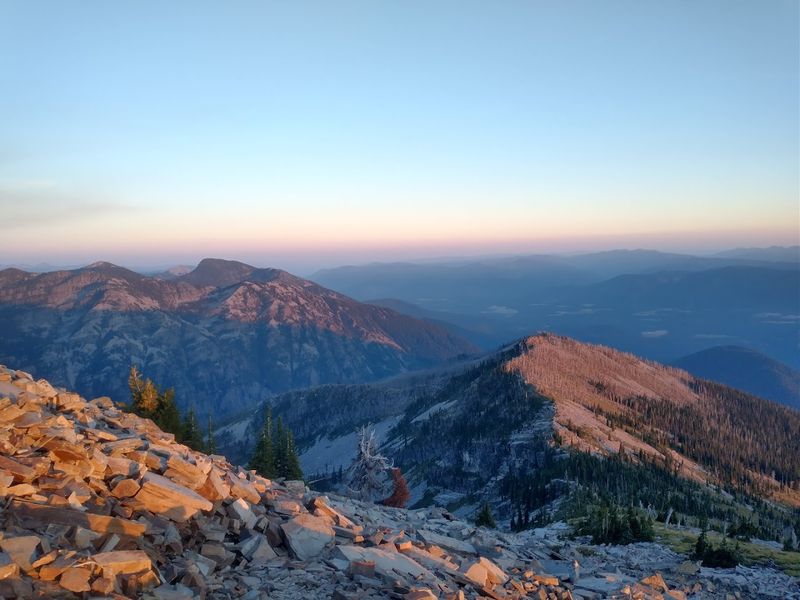
Saving the hardest for last is a tradition on any great hiking list, and Scotchman Peak Trail earns that final spot with authority. Located near Clark Fork, ID 83811, this trail is described by the Forest Service as very steep, with rugged alpine terrain that challenges even experienced hikers.
The elevation gain is serious, the footing demands full attention, and the commitment required is genuine. This is not a casual afternoon stroll.
What waits at the top justifies every difficult step. From the summit, hikers look out over Lake Pend Oreille, one of the deepest and most beautiful lakes in the country, and the sprawling Clark Fork River Valley below.
On clear days, the view extends across mountain ranges into neighboring Montana, giving the summit a sense of vast, almost overwhelming scale. Mountain goats are frequently spotted on the rocky upper slopes, adding wildlife drama to the already spectacular scenery.
Experienced hikers should plan for a full day on this trail, starting early to avoid afternoon thunderstorms common in late summer. Carrying enough food, water, and layers for changing mountain weather is non-negotiable.
Scotchman Peak stands as the perfect epic finale for this Idaho hiking list, a trail that demands respect and delivers views that genuinely take your breath away.