This Enchanting Botanical Garden In California Is One Of The Most Overlooked Gems In The State
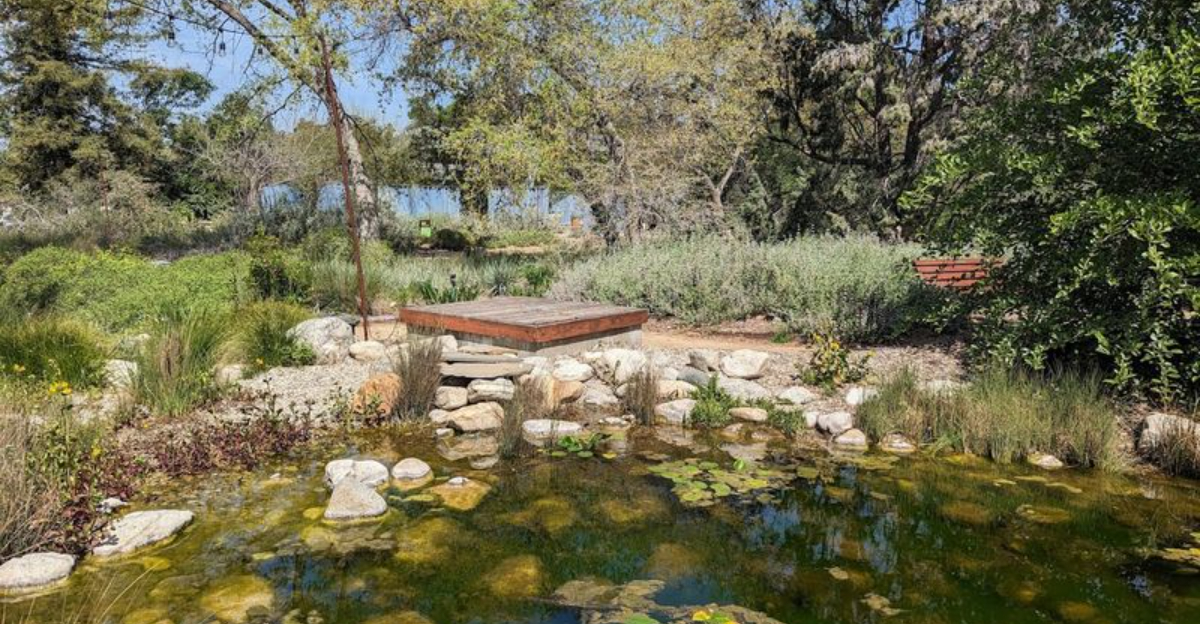
Plants can be surprisingly persuasive when they get the right stage.
On one side a bloom steals focus. On another, a shady corner starts feeling like it knows something the rest of the world missed.
A garden like this makes California feel softer and far more interesting than another crowded weekend plan.
That is the kind of hidden gem worth bragging about, right?
Botanical gardens have a sneaky way of changing the pace without asking permission.
You arrive thinking it will be a simple walk. Then the textures start competing and colors get dramatic.
Suddenly, a few peaceful acres feel like a secret chapter of the state most people skip.
Doesn’t that sound better than fighting crowds somewhere louder?
A Living Museum Dedicated Entirely To California Native Plants
Not every garden earns the title of living museum, but California Botanic Garden carries that description honestly.
Spanning 86 acres in Claremont, the garden is organized into curated collections that reflect the full range of California plant communities, from coastal sage scrub to desert landscapes to oak woodlands.
The collections include roughly 2,000 taxa of California native plants, and more than half of the garden’s acreage is dedicated to showing plants growing in arrangements that echo their natural habitats.
Walking through different sections feels like moving through different corners of the state without ever leaving one property.
Founded in 1927 and relocated to its current Claremont site in 1951, the garden was renamed California Botanic Garden in 2019 to better reflect its singular focus on native flora.
It holds accreditation from both the American Public Gardens Association and the American Alliance of Museums, two distinctions that speak to the seriousness of its mission.
Visitors who take time to read the plant labels and interpretive signage tend to leave with a noticeably deeper appreciation for the natural world around them.
The Trails and How the Garden Actually Feels to Walk
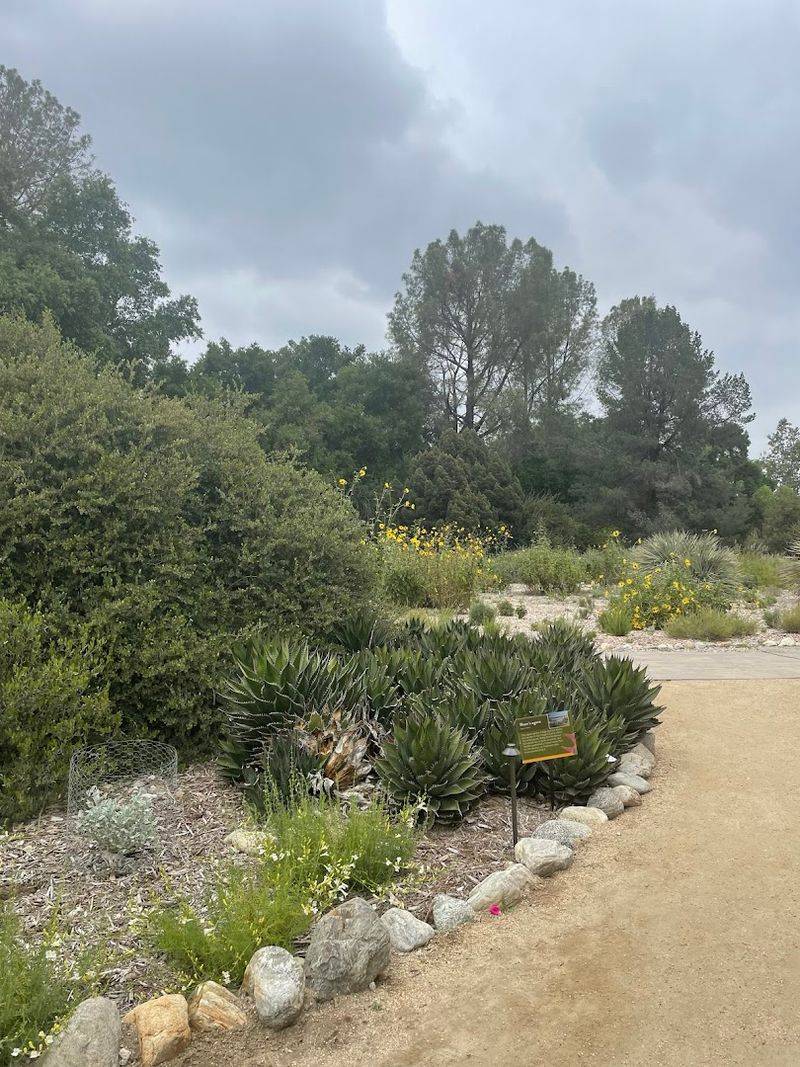
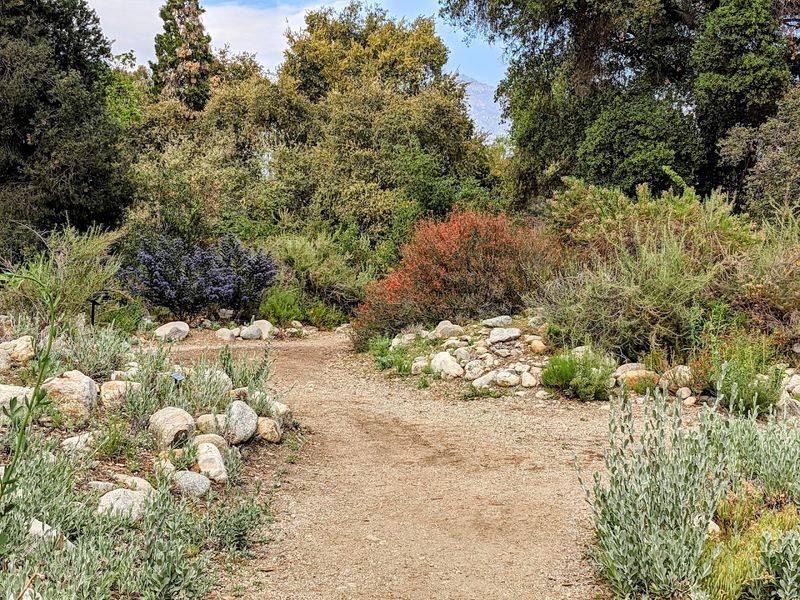
There is something honest about a garden that asks you to slow down. The paths here are a mix of paved, dirt, and gravel surfaces, organized into three main loops that guide visitors through different plant communities at a comfortable pace.
Most visitors find that two hours is a reasonable minimum to take in the highlights without feeling rushed.
The trails are well-marked and relatively easy to follow using the guided map available at the entrance. Benches appear throughout the property at regular intervals, giving visitors natural places to rest and take in the sounds around them, which often include birdsong, rustling leaves, and the occasional rustle of a lizard or squirrel moving through nearby brush.
The terrain is mostly gentle, with some uneven gravel sections that call for comfortable walking shoes. Stroller and wheelchair access is available on the main paved paths, making the garden navigable for a range of visitors.
Bringing water is genuinely recommended since much of the garden is exposed to open sun, especially during warmer months. The overall pacing feels unhurried and restorative rather than demanding, which suits families, solo walkers, and curious naturalists equally well.
Conservation Work Happening Right Beneath Your Feet
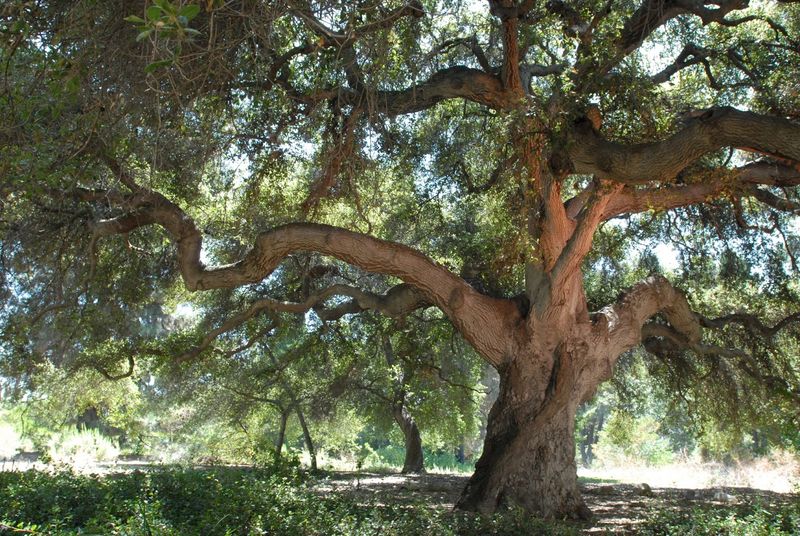
Behind the peaceful scenery, serious scientific work shapes everything growing here.
California Botanic Garden has been involved in native plant conservation since its founding in 1927.
Today that work includes rare plant research, population genetics studies, seed banking, plant propagation, and invasive species management across California landscapes.
The seed bank alone preserves embryos from thousands of rare plant species, functioning as a kind of biological insurance policy for plants that face pressure from habitat loss, drought, and climate shifts.
Several plants growing in the garden’s living collections are classified as rare or endangered, which means a casual walk through the property doubles as a quiet encounter with species that struggle to survive in the wild.
The garden is a founding member of the Center for Plant Conservation, a network of institutions working collaboratively to protect North American plants at risk of extinction.
Knowing that context changes how the garden feels underfoot. Each labeled plant represents not just a horticultural choice but a deliberate act of preservation.
Visitors who take time to read the signage near rare species collections tend to find the conservation angle one of the most memorable parts of the entire experience.
The Poppy Shop And The Grow Native Nursery
Not every highlight at a botanical garden involves walking a trail.
Right at the entrance, the Poppy Shop offers a collection of garden-related gifts, books, and merchandise without requiring a garden admission ticket to browse or purchase.
It is a genuinely useful stop for anyone who wants to pick up something garden-inspired without committing to a full visit.
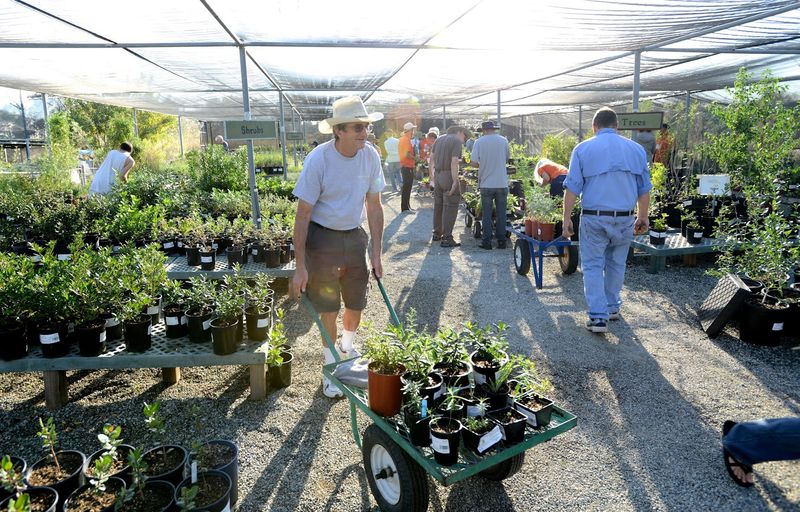
The Grow Native Nursery operates seasonally from October through June and carries a selection of California native plants available for purchase.
For gardeners looking to bring regionally appropriate plants into their own landscapes, the nursery offers access to species that can be difficult to find at conventional garden centers.
Current hours and availability are listed on the garden’s official website at calbg.org, and checking before visiting is a practical step since seasonal schedules can shift.
Both the shop and the nursery reflect the garden’s broader educational mission, which encourages the use of native plants in home landscapes across California.
Picking up a plant or a field guide here extends the experience beyond the garden visit itself.
The combination of a no-admission gift shop and a seasonally operating native plant nursery makes the entrance area worth exploring on its own terms, not just as a starting point for the trails.
Research, Education, And The Herbarium You Probably Did Not Know Existed
Underneath the garden’s approachable public face sits one of the most significant botanical research institutions on the West Coast.
The herbarium housed here is the third largest in California and ranks tenth in the entire United States, containing over 1.2 million preserved plant specimens.
Its collection of Southern California plants is considered the largest of its kind in the world.
The garden maintains an affiliation with The Claremont Colleges and supports graduate-level botany programs through Claremont Graduate University, including both master’s and doctoral degrees.
A botanical library on the property holds around 32,000 books and roughly 1,100 print journal titles focused on systematic, floristic, and evolutionary botany, making it a genuinely world-class resource for researchers.
The garden also publishes a semiannual scientific journal called Aliso, which contributes peer-reviewed botanical research to the broader scientific community.
Public education programs extend the garden’s reach beyond researchers, offering horticulture classes and community workshops designed to help everyday gardeners incorporate native plants into their own yards.
Knowing that a place this academically serious is also open and welcoming to casual visitors on a Tuesday morning adds a layer of richness to a simple afternoon walk through its trails.
Events And Programs That Give Every Season A Reason To Return
Seasonal programming keeps the garden feeling fresh across the entire year rather than peaking during a single bloom period.
Weekly Bird Walks offer a structured way to experience the garden’s wildlife alongside knowledgeable guides, and the variety of birds that move through the property makes these walks genuinely rewarding.
Other recurring programs include Yoga in the Garden sessions and Meditative Art events, both of which use the natural surroundings as part of the experience rather than simply as a backdrop.
The garden has also hosted a popular seasonal event called Things That Go Bump in the Night, which brings a playful and atmospheric quality to an evening visit.
Each of these programs reflects the garden’s effort to make native plant spaces feel welcoming and multi-dimensional rather than purely educational.
The garden has even partnered to create Freeze Wild ice cream flavors using native California plants, which adds an unexpectedly fun dimension to its community engagement.
Checking the events calendar on calbg.org before a visit is worthwhile because programs rotate and availability changes throughout the year.
Returning visitors often find that each season offers a noticeably different character, from spring wildflower displays to quieter winter walks through the desert garden sections.
Native Wildlife Makes The Garden Feel Alive
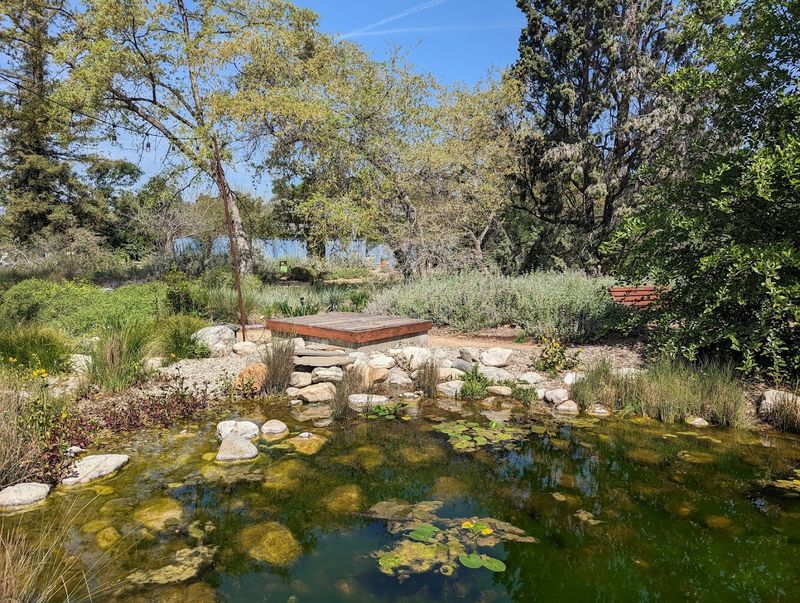
Beyond the plant collections, California Botanic Garden gives visitors a quiet chance to notice how native landscaping supports wildlife without turning the experience into a staged attraction.
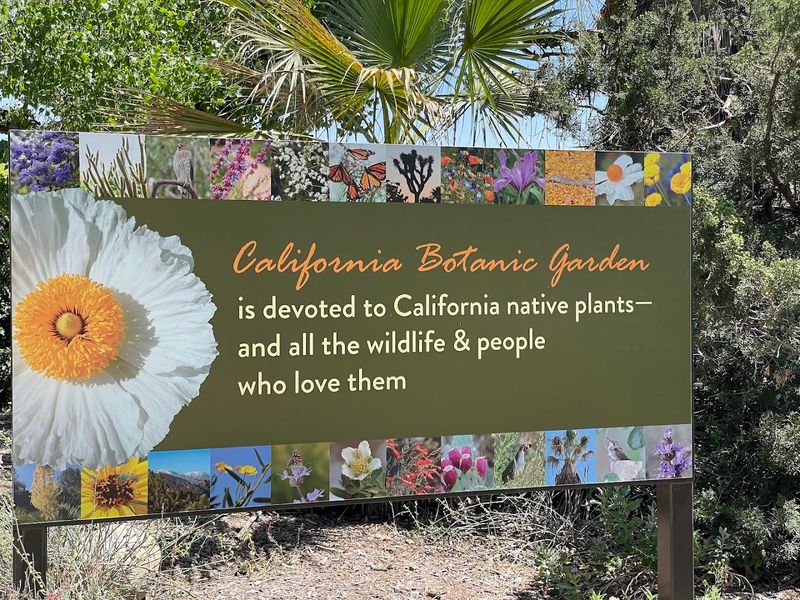
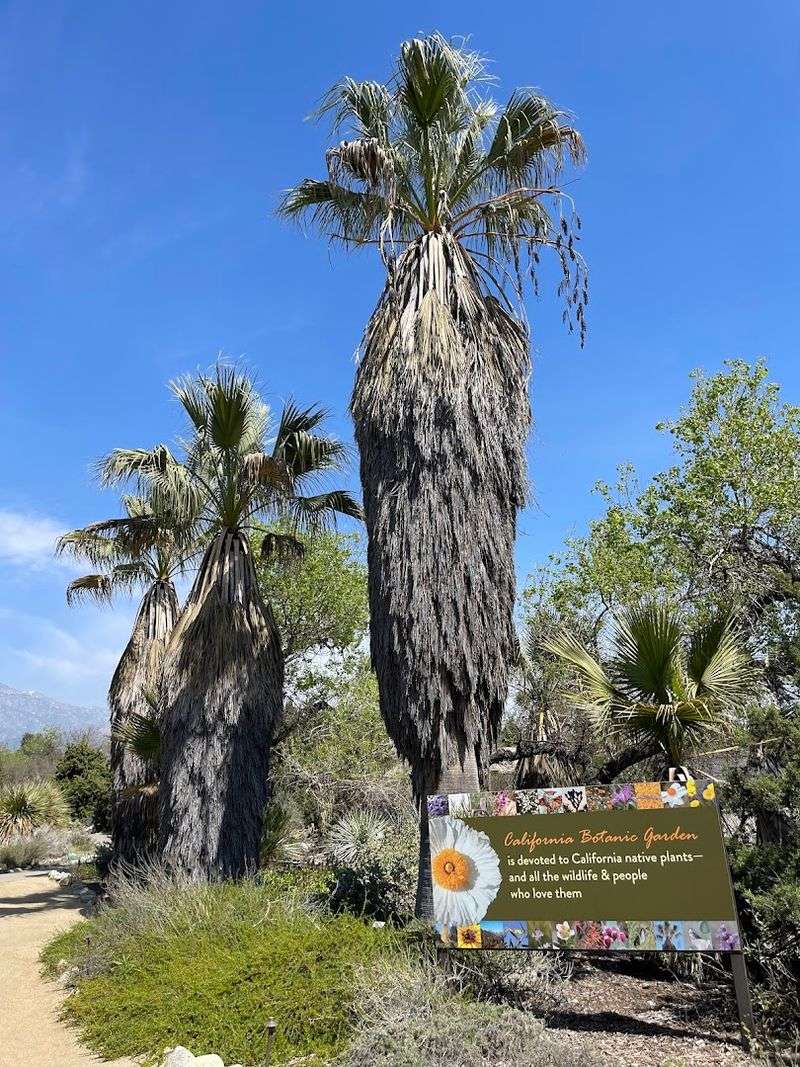
The garden describes itself as devoted to California native plants “and all the wildlife and people who love them,” which makes the animal activity here feel like part of the main story rather than a bonus detail.
Birds move through the trees and chaparral-like sections, while butterflies, bees, and other pollinators help explain why native plants matter beyond their appearance.
The Bird and Butterfly Garden adds a particularly strong angle because it was designed to highlight plant and animal interactions, with interpretive signage, shady sitting areas, and an outdoor classroom nearby.
That makes the garden especially useful for readers who want more than pretty scenery.
A visit can feel like a slow scavenger hunt, where every flutter, wingbeat, and rustle turns into a reminder that California’s native landscapes are working systems.
Instead of feeling overly manicured, this part of the garden feels active, seasonal, and quietly alive, which gives the whole property more personality.
Planning Your Visit To California Botanic Garden In Claremont
Getting the logistics right makes a real difference when visiting a property this size.
Located at 1500 N. College Ave, Claremont, CA 91711, the garden sits close to the base of the San Gabriel foothills and offers ample on-site parking for arriving visitors.
Pre-purchasing tickets online through calbg.org is strongly encouraged since it streamlines entry and helps the garden manage capacity on busier days.
The garden is open Tuesday through Sunday from 8 AM to 7 PM and is closed on Mondays.
Adult admission is currently listed at $15, though pricing can change and checking the official website before visiting is the most reliable way to confirm current rates.
Annual membership passes are available for those who plan to return multiple times throughout the year and tend to represent strong value for local visitors.
Wearing comfortable shoes with good grip is practical given the mix of paved and gravel surfaces across the three main trail loops.
Bringing a water bottle is genuinely important since shade is available in some sections but much of the garden is open to full sun.
Weekday mornings tend to feel quieter than weekend afternoons, making them a good choice for visitors who prefer a more contemplative pace through the collections.