The World’s Largest Natural Habitat Zoo Is Hiding In North Carolina
Most zoos ask visitors to spend a few hours walking around. This one basically says, “Hope you stretched first.”
North Carolina somehow looked at regular zoos and decided animals deserved an entire wilderness upgrade instead.
Miles of wooded space spread across the landscape with enough room to make the whole experience feel closer to a safari than a casual afternoon outing.
More than 1,700 animals live in habitats designed to feel genuinely natural, which means visitors spend half the day admiring wildlife and the other half wondering whether their step count deserves a trophy afterward.
Families come prepared for a zoo trip and accidentally end up on a full outdoor expedition.
Honestly, even the animals probably wake up every morning thinking, “Okay wow, this place is huge.”
A Record-Breaking Size Worth Exploring
Scale is the first surprise at the North Carolina Zoo. The official zoo site describes the property as spanning about 2,600 acres, with hundreds of acres developed for exhibits, pathways, animal habitats, guest services, and conservation work.
That size supports the zoo’s claim as the world’s largest natural habitat zoo, a title that fits the experience once visitors start walking through the grounds.
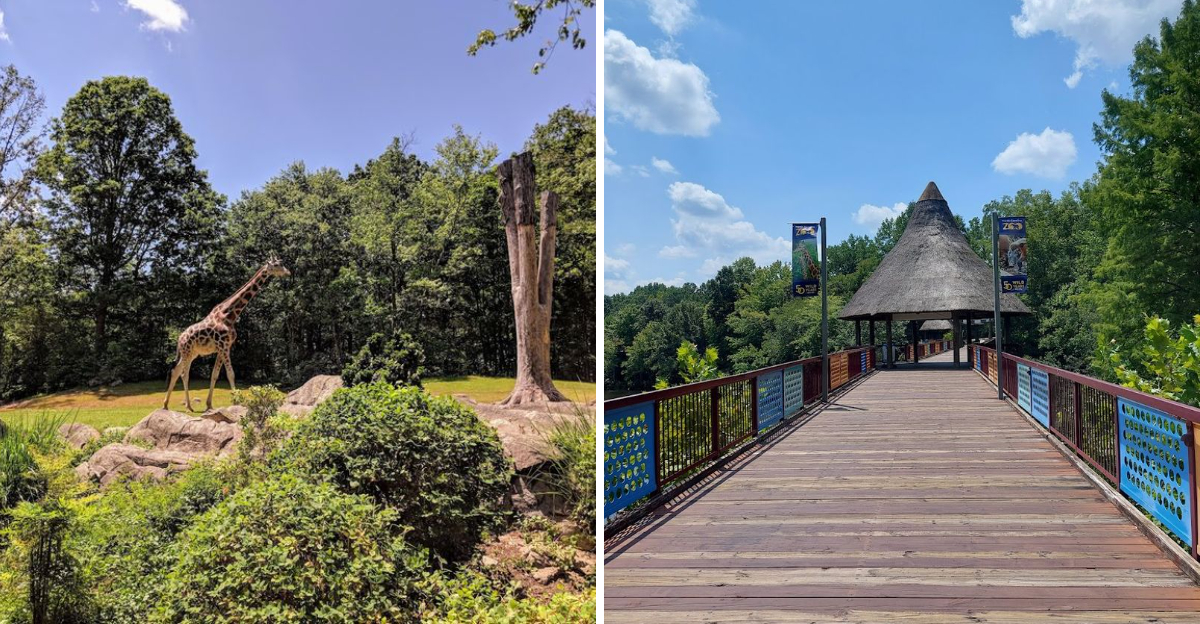
Instead of short rows of enclosures packed tightly together, the layout stretches through forests, open habitat areas, shaded paths, overlooks, and long transitions between continents.
A visit can easily feel like a nature walk, a family hike, and a wildlife trip all at once. Guests should plan for real distance, not a quick lap.
Strollers, comfortable walking shoes, refillable water bottles, hats, and breaks matter, especially during warmer months. The zoo’s address, 4401 Zoo Parkway in Asheboro, places it in the center of the state, making it reachable as a day trip from several major cities.
Still, arriving early is the best strategy because the grounds are too large to rush comfortably.
Over 1,700 Animals Calling This Place Home
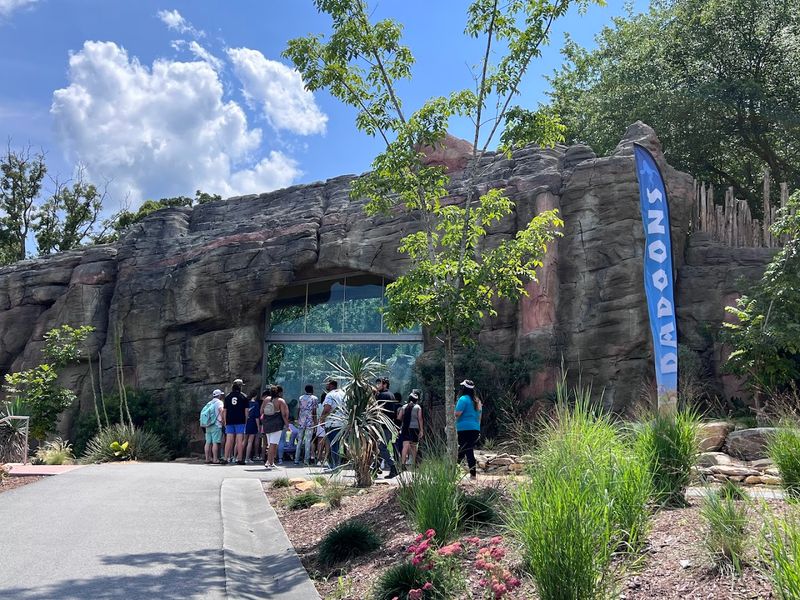
Wildlife variety keeps the long walk rewarding from one section to the next. The North Carolina Zoo says more than 1,700 animals live across its habitats, representing species from Africa and North America, with Asia species planned for the upcoming expansion.
That number matters because the zoo does not rely on one or two headline animals to carry the whole day.
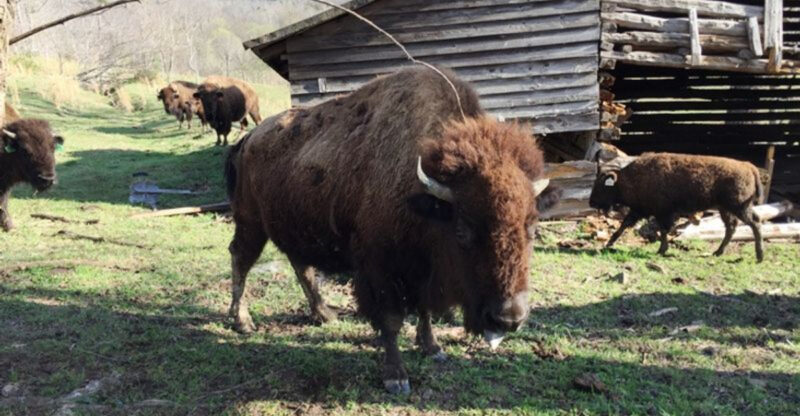
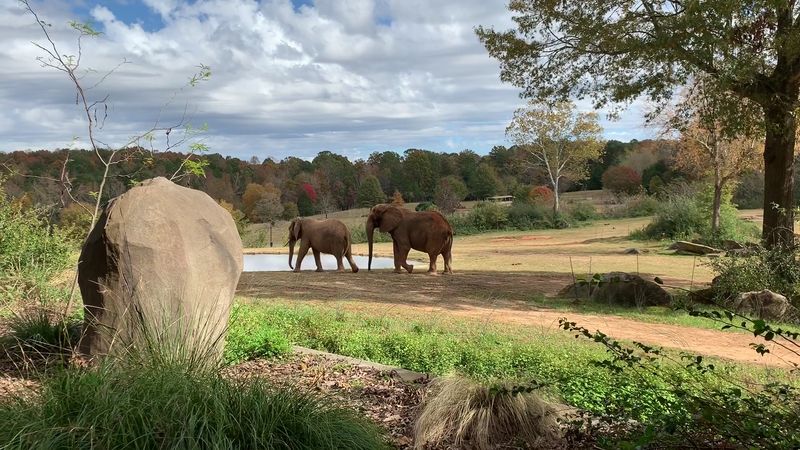
Visitors may see elephants, giraffes, rhinos, lions, chimpanzees, bears, bison, alligators, otters, reptiles, birds, and many smaller species woven into habitats designed around natural behavior and space.
Some animals may be resting or hidden during certain times of day, which is normal for a natural habitat zoo. Patience pays off.
A quiet few minutes at one viewing area can reveal movement that hurried guests miss. Cooler mornings often bring better activity, especially in warm weather.
Families with children can make the day more engaging by choosing a few must-see animals before arrival instead of trying to sprint through everything. The zoo’s strength is not just how many animals live there.
It is how the setting gives those animals room to feel part of a larger landscape.
Africa’s Watani Grasslands Experience
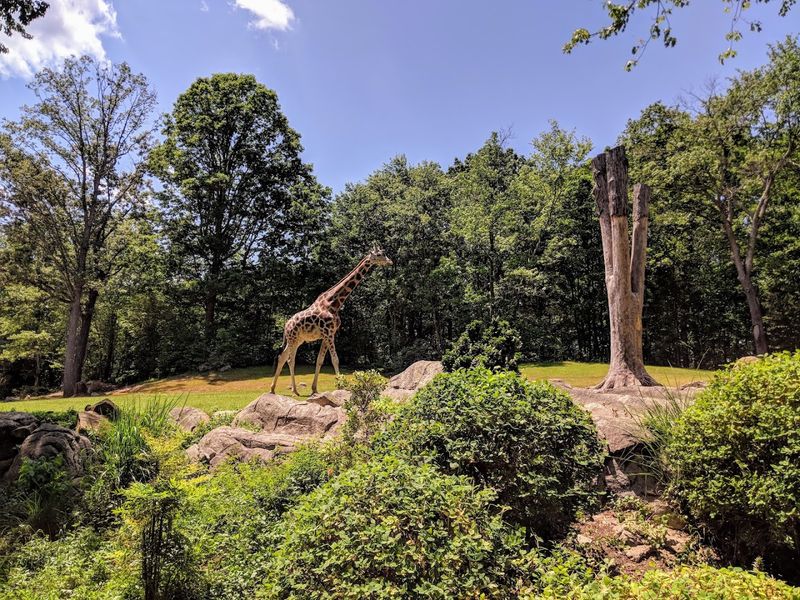
Africa is where the zoo’s natural-habitat design feels especially dramatic. The Watani Grasslands area gives visitors wide viewing spaces and a sense of scale that feels very different from a traditional enclosure.
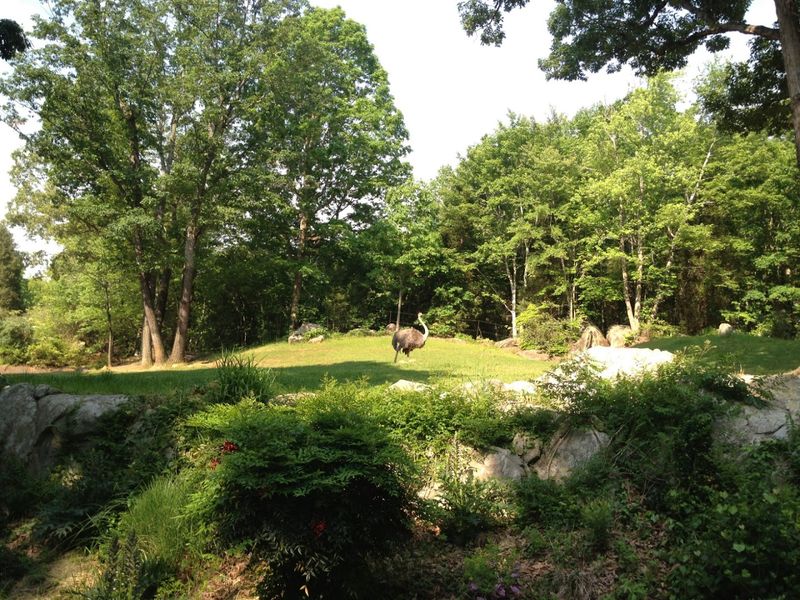
Giraffes, rhinos, zebras, ostriches, and other species appear in broad habitat settings that encourage guests to slow down and scan the landscape rather than expect every animal to stand close to the glass.
That slower style of viewing makes the experience feel more like a safari-inspired walk than a standard zoo stop.
Lions, chimpanzees, elephants, gorillas, lemurs, and other African species add variety throughout the continent, so visitors can spend a large part of the day in this side alone.
Food options and rest points make Africa a practical place to pause, especially for families who need breaks between larger habitat areas.
The views also change with weather and season. Morning light, cooler temperatures, and active animals can make this section especially memorable.
Anyone visiting for the first time should give Africa enough time instead of treating it like one quick loop. The reward is in the details: movement across grass, shade, sound, and scale.
North American Habitats Full Of Surprises
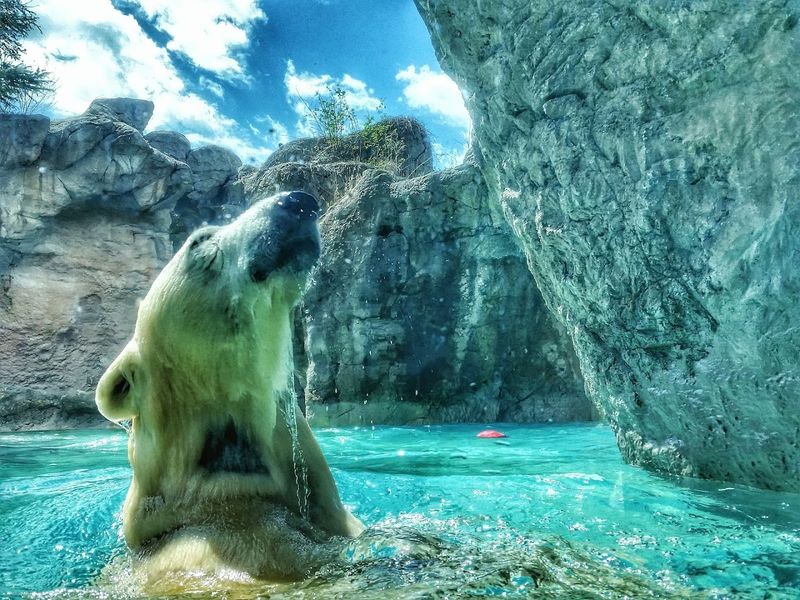
Beyond the African exhibits, the North American section of this zoo delivers its own brand of wow.
Cypress swamps draped in Spanish moss, rocky desert-style landscapes, and lush woodland settings create a patchwork of ecosystems that represent the incredible diversity found across the continent.
Each zone feels distinct, almost like teleporting between different American regions within a single afternoon.
Grizzly bears, polar bears, alligators, and river otters are just a few of the residents that make this section endlessly entertaining.
One visitor shared a story about watching an Indigo Snake shed its skin right in front of them during a December visit, which is exactly the kind of spontaneous magic that makes this place so memorable.
Located in North Carolina, the zoo weaves local natural heritage into these exhibits beautifully.
Families with younger children tend to linger here because the animals are often highly active and easy to spot. The varied terrain also makes the walking feel more like a nature hike than a standard zoo stroll, which adds to the overall sense of adventure throughout the day.
The Zoo Trekker Program Kids Absolutely Love

Interactive activities can make a big zoo feel more manageable for children.
The North Carolina Zoo’s educational offerings include family-friendly ways to explore, learn, and stay engaged across a long day, though visitors should confirm current Zoo Trekker availability.
Programs and learning tools matter at a place this large because children often need goals to keep the walk fun. A checklist, map challenge, scavenger-style activity, or animal-focused mission can turn long paths into a game.
Parents can also create their own simple version by choosing animals to spot, habitats to compare, or conservation facts to remember. The zoo’s scale means younger visitors may get tired before adults expect it, so breaks, snacks, shaded pauses, and tram rides can help keep the day positive.
Educational framing works best when it feels playful rather than like schoolwork. A child who starts the day searching for giraffes may end it talking about otters, snakes, bison, or how much space animals need.
That kind of curiosity is exactly what a strong zoo visit should encourage.
Tram Rides And Practical Visitor Tips
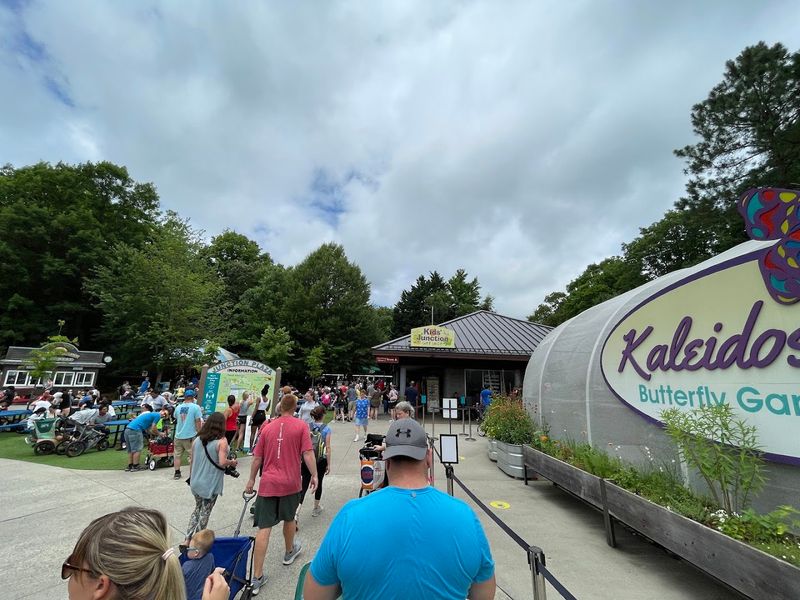
Transportation inside the zoo can make the difference between an exciting day and an exhausting one.
The North Carolina Zoo provides tram service to help visitors move between major areas, which is especially useful for families with young children, older visitors, and anyone who wants to visit.
Guests should still expect significant walking because viewing habitats, exploring paths, reaching food spots, and moving through exhibit areas all take time.
The zoo recommends planning ahead, and current ticket information lists peak-season admission from March 15 through November 15, with online adult tickets currently priced lower than on-site adult admission.
Visitors using NC EBT may qualify for discounted admission for up to four total admissions with the cardholder, according to the zoo’s ticket page. Buying tickets online, checking hours before arrival, bringing water, and studying the map can save time.
The address is 4401 Zoo Parkway, Asheboro, NC 27205, and arriving early remains the smartest move. A full zoo day is much easier when visitors pace themselves from the beginning.
Best Seasons To Visit For Maximum Wildlife Action
Season choice can shape the whole experience. Spring and fall often offer the most comfortable walking weather, with cooler temperatures that help guests cover long distances without feeling drained.
Animals may also be more active during milder parts of the day, especially in the morning. Summer brings long daylight, family travel season, and full vacation energy, but heat and humidity can make pacing important.
Shade, water, sunscreen, and indoor or covered breaks become essential. Winter visits can be quieter, and some animals may be more active in cool weather, though visitors should check seasonal availability, maintenance updates, and weather closures before committing to the drive.
The zoo’s official hours page is the best place to confirm current openings because schedules can change around holidays, weather, and special events. Weekdays generally feel calmer than weekends, while school breaks and pleasant Saturdays can bring heavier crowds.
A great strategy is to arrive early, start with priority animals, use the tram when needed, and save slower exhibits for later in the day. The zoo is too large for a rushed checklist, so the best season is often the one that lets visitors linger comfortably.
The Upcoming Asia Continent Exhibit
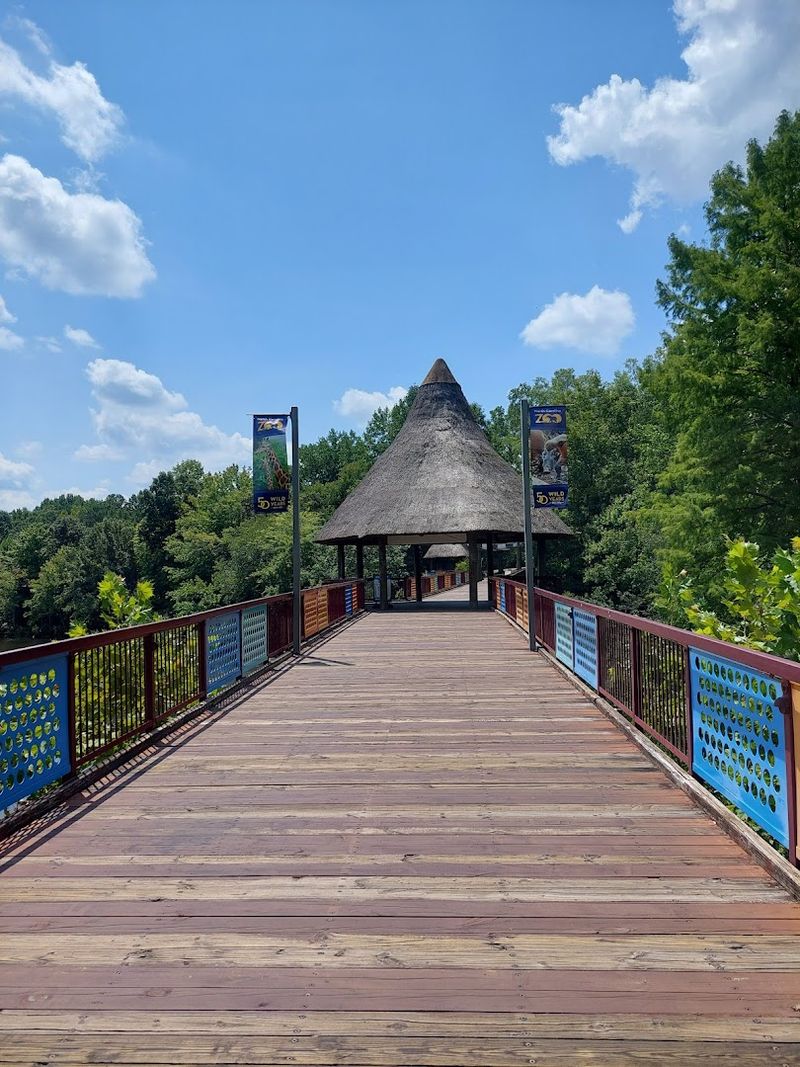
Asia is the zoo’s most anticipated next chapter, but the opening timeline needs careful wording.
The official North Carolina Zoo Asia page says the new continent is 12.5 acres and will feature planned species such as tigers, white-cheeked gibbons, Komodo dragons, Chinese alligators, king cobras.
The same official page also says the zoo cannot provide an opening date at this time and will open Asia as quickly as possible once funding challenges are resolved. That means articles should avoid promising a firm opening date unless the zoo announces one directly.
Even without a confirmed date, the expansion is a major reason to watch the zoo closely. A new continent will add fresh habitats, new species, and another layer to an already enormous attraction.
Visitors planning a once-in-a-while trip may want to check the official Asia update page before choosing dates.
For now, the safest and most accurate phrase is “opening soon” rather than “opening this summer” or “opening in June.”
Wildlife Conservation At The Heart Of Everything

Beyond the animal habitats and walking trails, conservation is central to the North Carolina Zoo’s mission. Conservation is woven into every aspect of how this zoo operates, from the way habitats are designed to the educational programs offered to schools and families throughout the year.
Every ticket purchased directly supports the care of over 1,700 animals and contributes to broader wildlife protection efforts around the globe.
Staff members are passionate advocates for the animals they work with, and visitors frequently comment on how approachable and knowledgeable the team is.
One reviewer described staying after a polar bear training session to ask questions and never once feeling like a bother, which speaks to the culture of openness and education the zoo actively fosters.
That connection between guests and conservation goals is genuinely inspiring.
For families visiting from across North Carolina and beyond, the zoo offers a rare chance to engage with conservation in a hands-on, meaningful way. Seeing healthy, thriving animals in well-designed habitats sends a powerful message about what is possible when wildlife care is taken seriously.