You Must Visit This Stunning Fairytale Forest In Washington Immediately
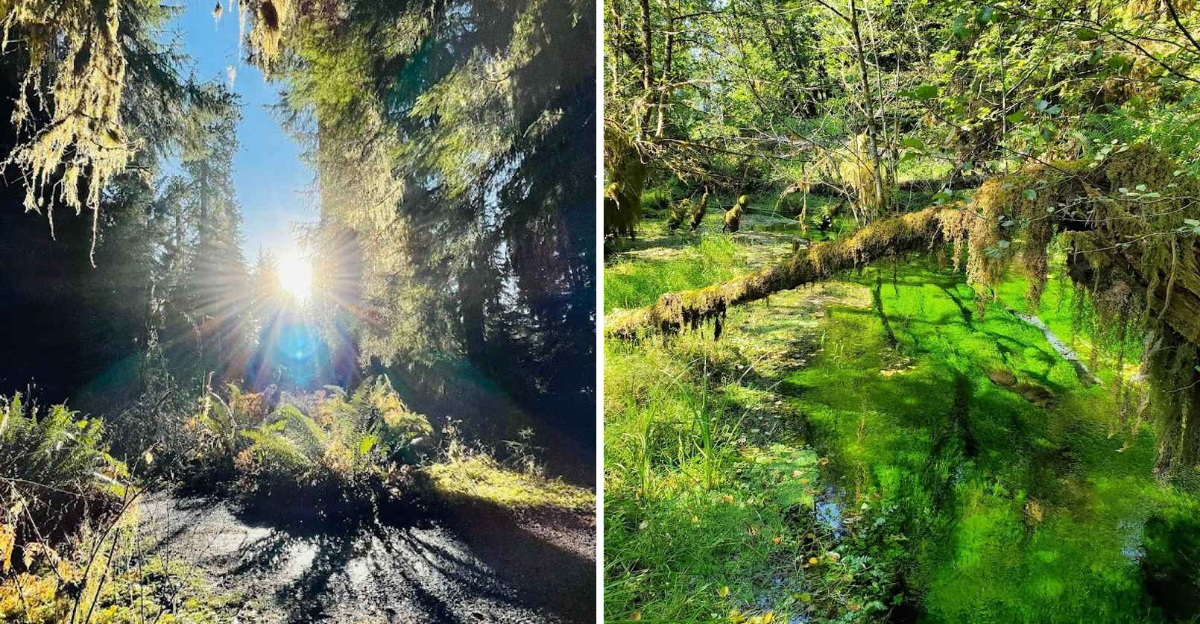
Yes, fairytale forests do exist in the real world and Washington has one.
The trees, the light, and the paths combine into something cameras miss. Moss-covered branches and filtered sunlight create something words also struggle to hold.
Visitors move through quietly because the space somehow asks for it. People who come out tend to describe the same feeling every time.
The place explains itself the moment you step inside and look around. Being here on a misty morning is one of those things.
Washington earns its natural reputation in places exactly like this one. Go soon, take it slowly, and let the forest do its work.
A Forest Straight Out Of A Storybook
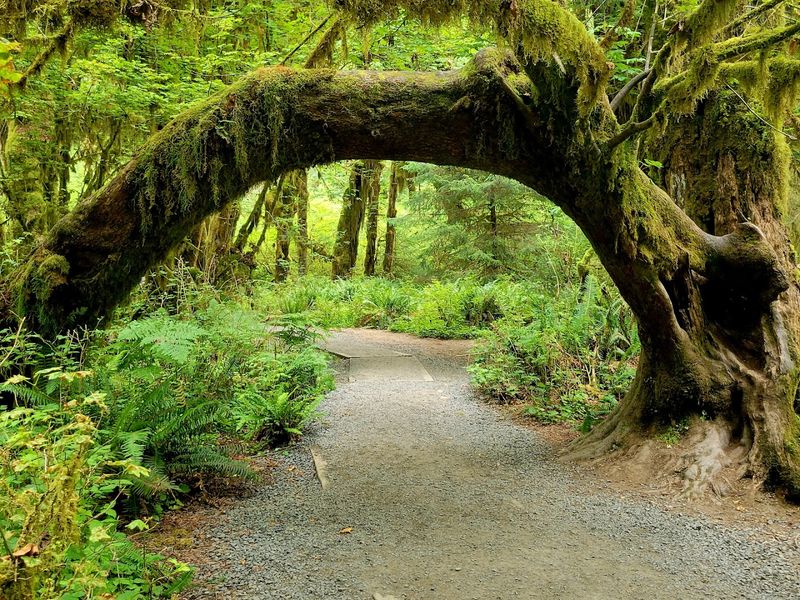
Every surface, from tree trunks to fallen logs to rocks, is blanketed in thick, velvety moss. The greens at Hoh Rain Forest are so layered and deep that your eyes almost struggle to keep up.
This forest is in Forks within Olympic National Park. The temperate rainforest climate creates a unique ecosystem found in very few places across North America.
Annual rainfall here averages between 140 and 170 inches, feeding the dense, lush growth all around you.
Bigleaf maple trees arch overhead, their massive branches completely covered in hanging moss. Sitka spruce and western red cedar rise to incredible heights beside them.
The forest floor is equally rich, layered with ferns, oxalis, and young seedlings growing right on top of old fallen logs called nurse logs.
First-time visitors often stop mid-trail just to stand still and take it all in, and honestly, that reaction makes complete sense once you are standing there yourself.
Morning light filtering through the canopy at 18113 Upper Hoh Rd creates a soft, almost dreamlike glow. Even on a cloudy day, the forest holds its own kind of quiet magic.
The Famous Hall Of Mosses Trail
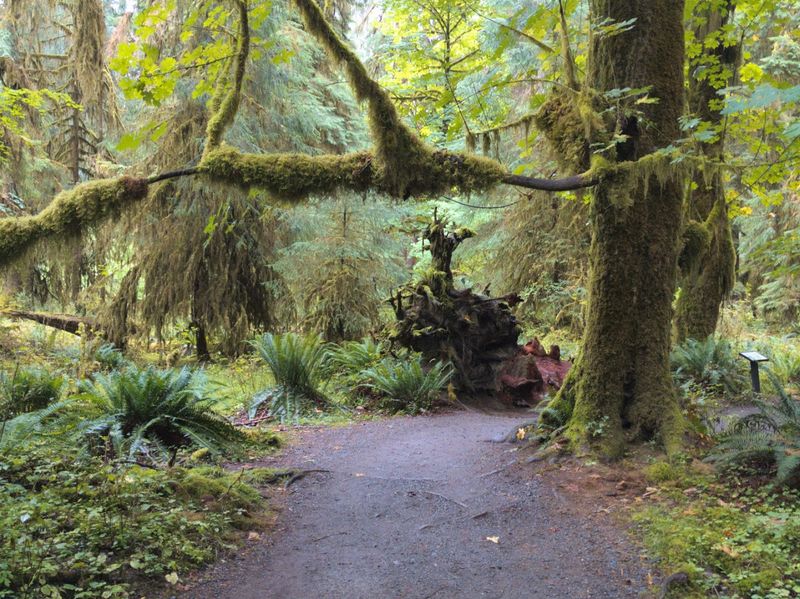
Few trails in Washington earn the kind of devoted following that the Hall of Mosses has built over the years.
This short loop stretches just under one mile, making it accessible for nearly every visitor, from young children to grandparents looking for a gentle stroll.
The trail winds beneath a cathedral of bigleaf maple trees, their enormous limbs sagging under the weight of hanging moss.
Shafts of pale light filter through the canopy. The overall effect is so surreal that many visitors describe it as walking through a living painting.
Small informational plaques along the route explain what you are seeing, from the different moss species to how nurse logs support new plant growth.
Even in the rain, this trail delivers. Wet conditions actually deepen the colors of the moss, making everything look richer and more saturated than on a dry day.
Waterproof footwear is strongly recommended since sections of the path can get muddy.
Wildlife Encounters Worth Waking Up For
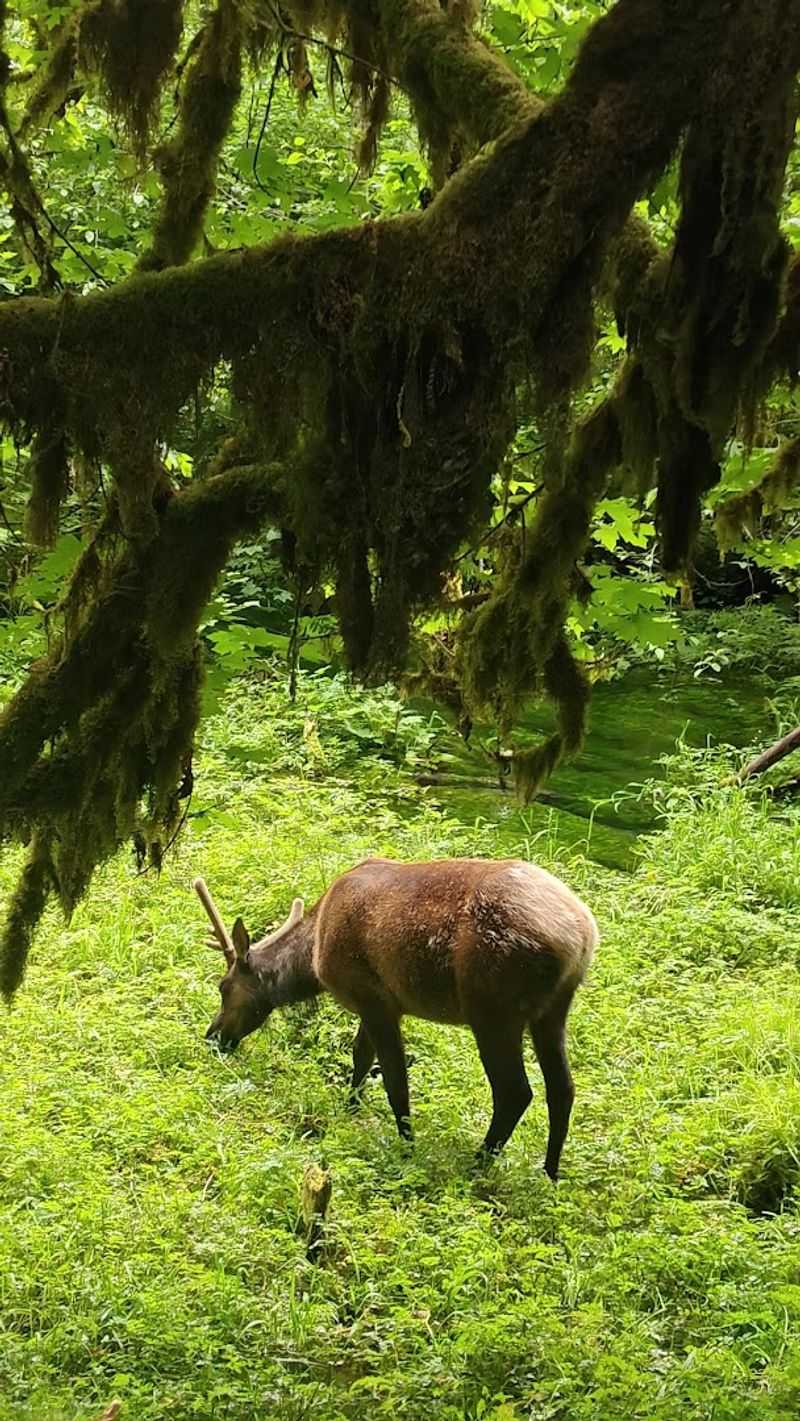
One of the most thrilling surprises the Hoh Rain Forest offers is its wildlife.
Roosevelt elk are the undisputed stars here, and spotting a herd moving quietly through the trees or grazing near the river is a genuinely unforgettable moment.
These elk are the largest subspecies of elk in North America, and the Hoh Valley provides some of their most important habitat in Washington.
Their hooves have shaped the forest floor for thousands of years, and you can sometimes spot their trails cutting through the undergrowth. Early mornings and late afternoons offer the best chances of seeing them up close.
Beyond elk, the forest shelters black bears, cougars, river otters, and dozens of bird species.
Deer are also commonly spotted near the river banks, especially at dawn. Keeping quiet on the trail dramatically improves your chances of a real encounter.
Park rangers recommend staying at least 75 feet from all wildlife, and that rule genuinely matters here. The animals in this forest are wild, not accustomed to being fed or approached.
The Spruce Nature Trail And Hoh River
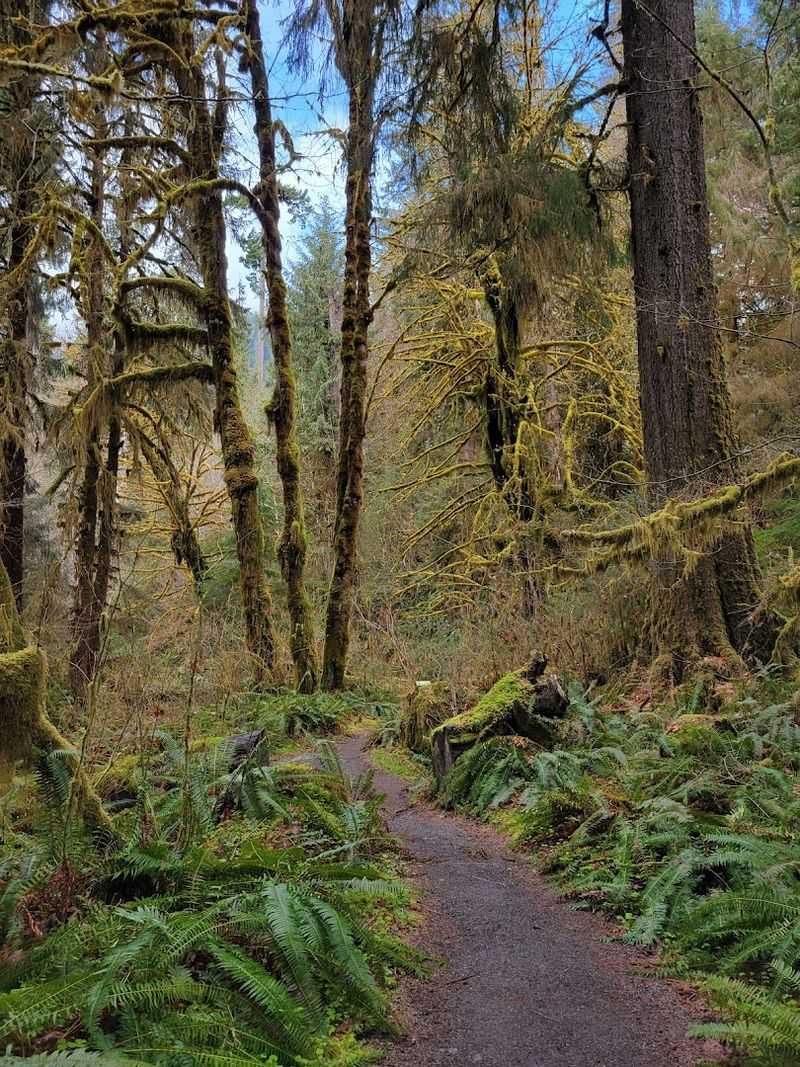
Beyond the Hall of Mosses, the Spruce Nature Trail offers a slightly longer and wonderfully varied experience.
This loop stretches about 1.2 miles and takes hikers through old-growth Sitka spruce forest before opening up to sweeping views of the Hoh River.
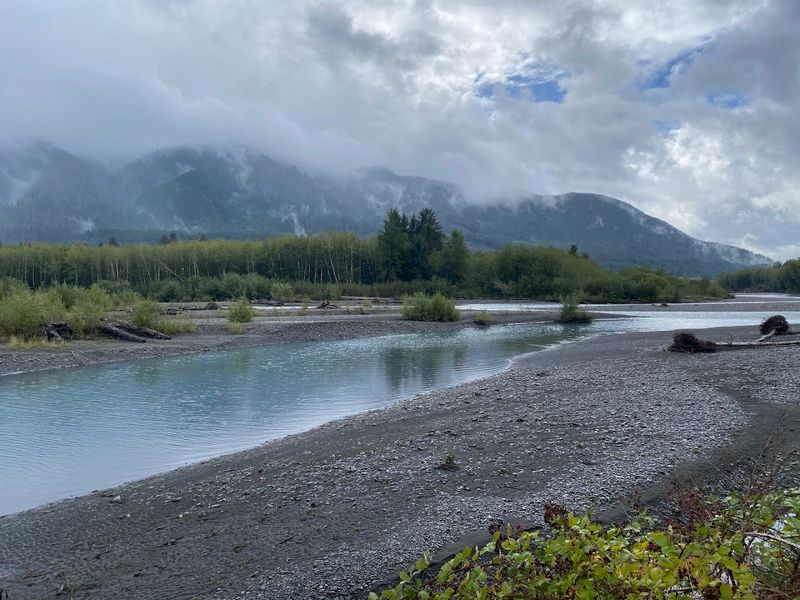
The river itself is a highlight that many visitors do not expect. Fed by glaciers from Mount Olympus, the Hoh runs a milky blue-green color from glacial flour suspended in the water.
The wide gravel bars along its banks frame distant mountain views that feel almost too perfect to be real.
The trail passes enormous Sitka spruce trees, some of the largest in Washington, their massive root systems creating dramatic, almost sculptural shapes along the forest floor.
Interpretive signs explain the relationship between the river, the forest, and the salmon that travel upstream each year.
Fishing is permitted in the Hoh River with the appropriate Washington state license, and fly fishing enthusiasts travel from across the country for the chance to cast a line here.
The Long Hoh River Trail Adventure
For those who want more than a short loop, the Hoh River Trail is one of the most spectacular long-distance hikes in all of Washington.
The trail follows the Hoh River for roughly 17 miles before climbing toward the glaciers of Mount Olympus, the highest peak in the Olympic range.
Most day hikers walk out a few miles and turn back at a natural stopping point, such as the first waterfall or one of the scenic river overlooks.
Even just three or four miles in, the trail delivers old-growth forest, river crossings, and the kind of deep wilderness quiet that is increasingly rare to find.
Backpackers with camping permits can continue all the way to Glacier Meadows at the base of Mount Olympus. That multi-day journey passes through some of the most remote and pristine wilderness in the entire Pacific Northwest.
Trail conditions vary by season, and river crossings can be challenging during spring snowmelt. Checking current conditions with the visitor center before heading out is always a good idea.
Visiting The Hoh Visitor Center
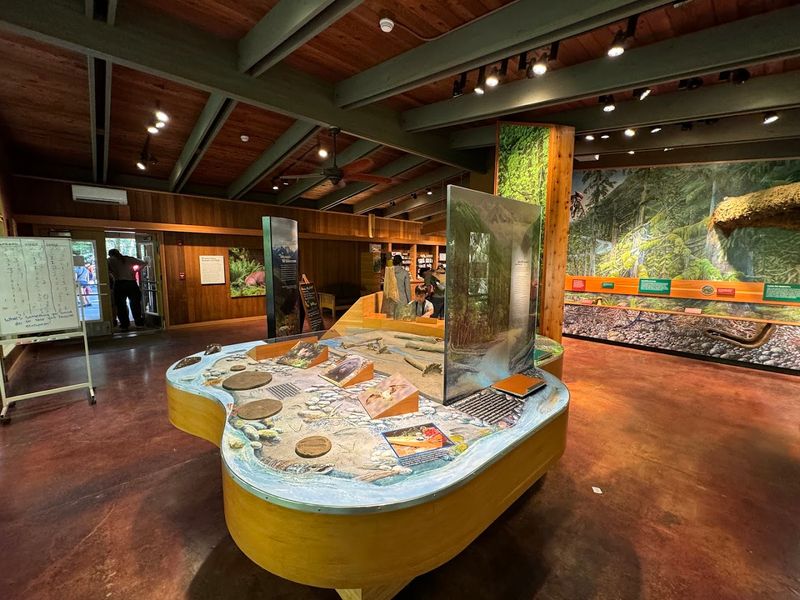
Starting your visit at the Hoh Rain Forest Visitor Center is one of the smartest things you can do before hitting the trails.
The center sits right near the main trailheads and offers exhibits that explain how a temperate rainforest actually works, from its water cycle to its layered ecosystem.
Rangers are stationed here and genuinely enjoy talking with visitors about the forest. They can recommend trails based on your group size, fitness level, and how much time you have.
Trail maps are available, and the staff can give you up-to-date information on wildlife activity, trail closures, and current weather conditions.
The center also sells a small selection of field guides and nature books, which are handy if you want to identify the plants and animals you encounter.
A short film about Olympic National Park plays regularly and gives helpful context about the broader ecosystem surrounding the forest.
Best Times To Visit And What To Pack
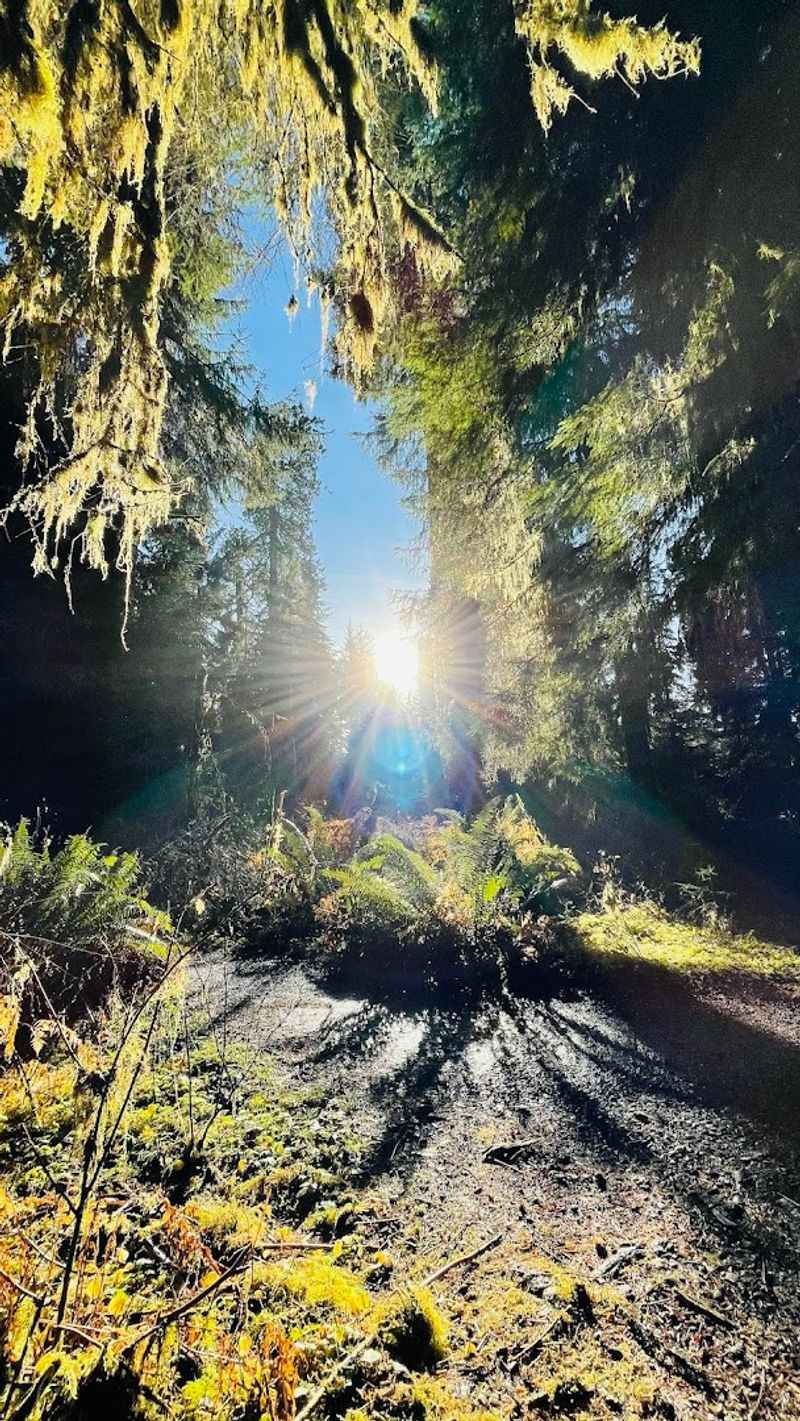
Timing your visit to the Hoh Rain Forest takes a little strategy, but the payoff is worth the planning.
Summer brings the highest visitor numbers and the longest wait times for parking, sometimes stretching to two hours or more on peak weekends. Arriving before 8 a.m. is the single most effective way to avoid those delays.
Fall is genuinely special here. Cooler temperatures, lighter crowds, and the added drama of mist and rain create an atmosphere that feels deeply immersive.
The moss looks richest when wet, and the forest takes on a moody, atmospheric quality that photographers especially love. Spring brings fresh growth and active wildlife, with elk calves visible in the meadows near the river.
Winter visits are quieter still, and the forest has an almost otherworldly stillness during the colder months. Snow occasionally dusts the higher elevations, adding yet another visual layer to the scene.
Packing correctly makes a significant difference to your comfort here. Waterproof hiking shoes are essential, not optional.
A quality rain jacket, extra socks, and a dry bag for your phone and camera will keep the experience enjoyable rather than soggy.
Getting There And Practical Tips
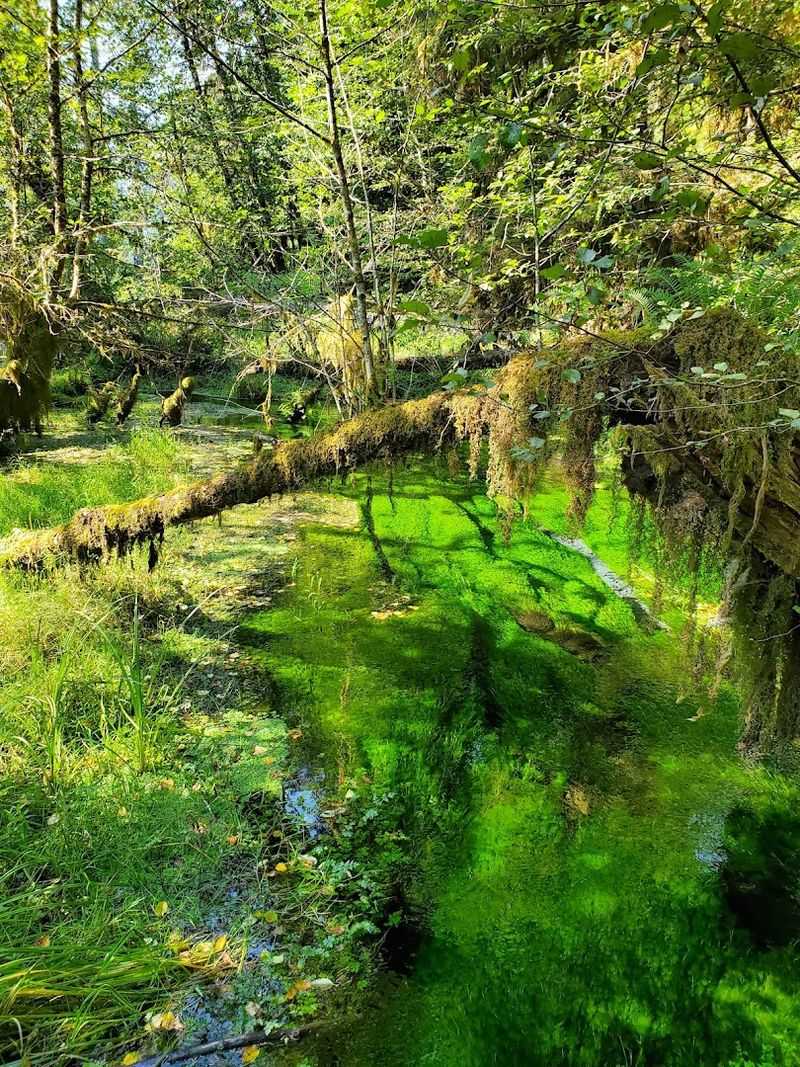
Reaching the Hoh Rain Forest requires a bit of a drive, but the journey itself is part of the experience.
From the town of Forks in Washington, head south on US-101 and then turn onto Upper Hoh Road. The drive along this road winds through increasingly dense forest and already starts delivering scenery worth slowing down for.
Fuel up before leaving Forks, because gas stations are sparse along the route. The town of Forks is your best opportunity to fill the tank, grab snacks, and pick up any supplies you might have forgotten.
The drive from Forks to the forest entrance takes roughly 45 minutes.
An Olympic National Park pass is required for entry. The America the Beautiful annual pass covers this fee and is excellent value if you plan to visit multiple national parks in Washington or elsewhere during the year.
There are three separate parking lots at the forest, so if the main lot is full, check the secondary options before joining a waiting line.
Staying on marked trails protects the fragile ecosystem and keeps you safe from getting turned around in dense forest.