These 10 Peaceful Washington Towns Make Low-Cost Living Feel Realistic
Low-cost living done well means keeping quality while reducing the expense.
These towns across Washington prove this point in ten different ways. Each offers real affordability without asking residents to give up what matters.
Housing here ranges from rentals to homes within honest reach of families. Community character, outdoor access, and local services hold up well throughout.
People who relocated here say the hardest part was deciding to go. I researched everyday expenses in a few of these places myself.
The numbers shifted how I thought about where living well could happen. Pick one that fits and see what low-cost living can look like.
1. Sequim
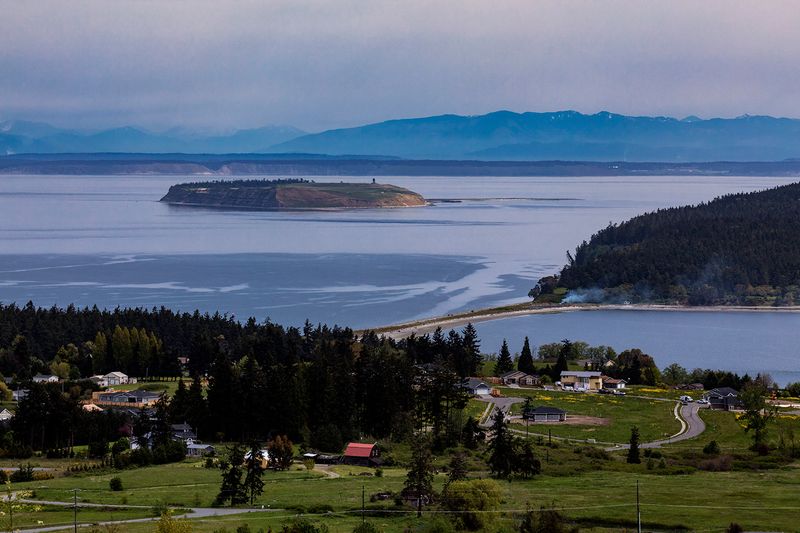
Believe me, not many people expect to find a sun-soaked pocket of Washington surrounded by so much green.
Sequim is on the northeastern tip of the Olympic Peninsula, sheltered by the Olympic Mountains in a rare rain shadow zone.
The town gets far less rainfall than most of western Washington. That means more outdoor days, more time in the garden, and more reasons to stay outside year-round.
Lavender farms dot the landscape here, and the annual Lavender Festival draws curious travelers each July. Beyond the flowers, Sequim Bay State Park offers easy kayaking, hiking trails, and birdwatching without the crowds.
Housing costs here run noticeably lower than Seattle or Bellevue. Small bungalows and modest ranches line quiet streets flanked by tall firs and open sky.
The farmers market runs seasonally and keeps locals stocked with fresh produce at fair prices. Dungeness crab pulled straight from local waters makes for an affordable and unforgettable dinner.
Retirees and young families are both discovering Sequim for its calm pace and outdoor access. The Olympic Discovery Trail stretches through town, giving cyclists and walkers a scenic daily route that costs absolutely nothing to enjoy.
2. Port Townsend
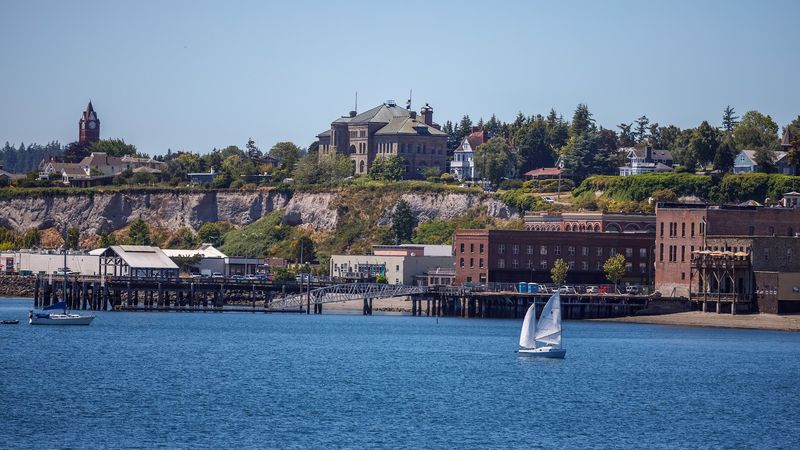
Can you believe a town this charming has managed to stay under the radar for so long?
Port Townsend sits at the northeastern corner of the Olympic Peninsula, right where the Strait of Juan de Fuca meets Puget Sound.
The town is packed with Victorian architecture that feels almost theatrical. Ornate facades, wraparound porches, and tall turrets line the main streets in a way that makes every walk feel like a history lesson.
Port Townsend was once a booming seaport expected to rival Seattle. That growth never came, which is honestly why so much of its original character survived intact.
Arts and music thrive here in a genuine, grassroots way. Local galleries, independent bookshops, and small theaters fill the downtown core with creative energy that does not cost much to enjoy.
The waterfront is always active with sailboats, kayakers, and fishing vessels. Fort Worden State Park, just outside the town center, offers camping, beaches, and historic buildings from a former military installation.
Grocery costs and utility rates stay manageable compared to larger Washington cities. Renting a historic home here is a different experience.
Buying property remains far more accessible than in the Puget Sound metro area.
3. Walla Walla
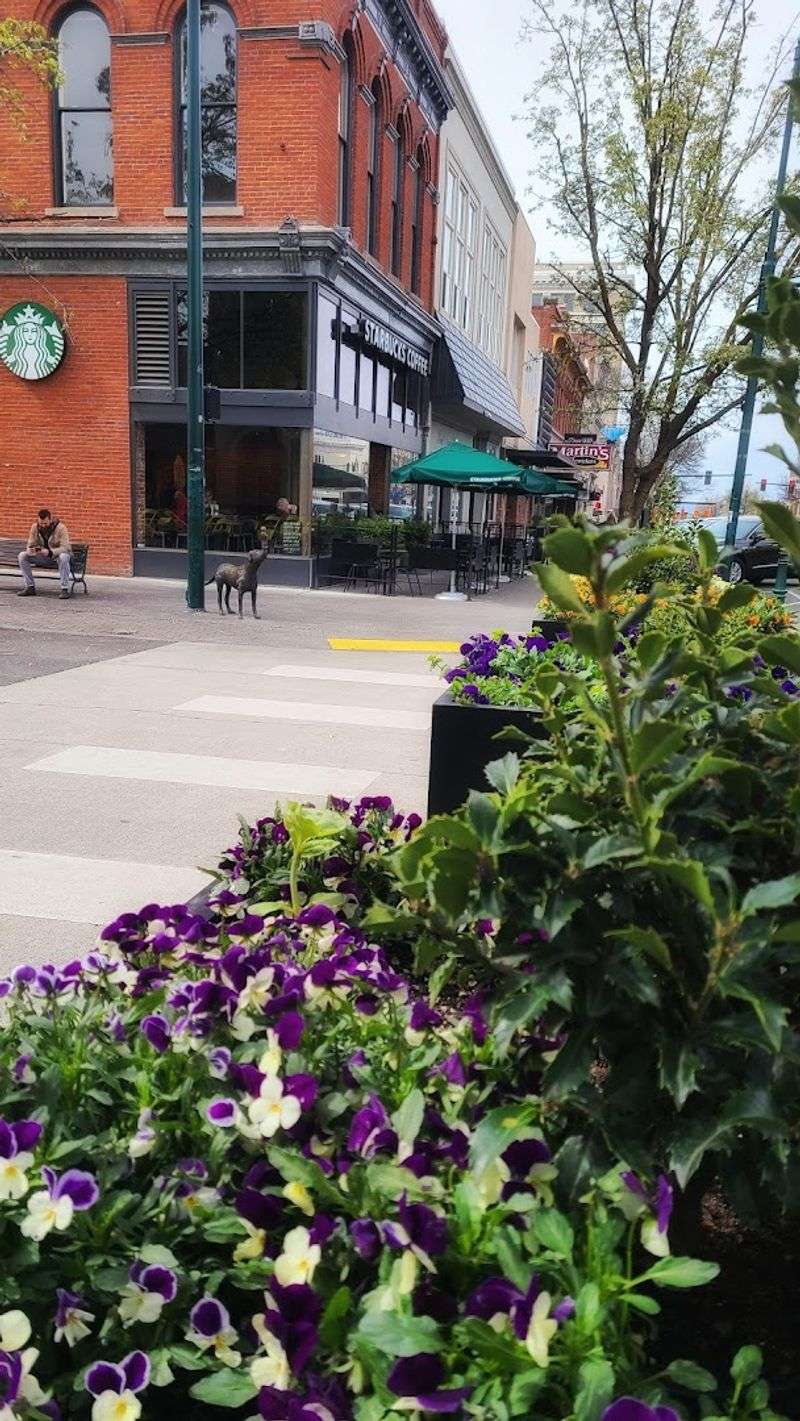
Trust me, the first time you drive into this southeastern Washington city, the wide-open sky alone is worth the trip.
Walla Walla is nestled in the Blue Mountain foothills near the Oregon border, surrounded by some of the most productive farmland in the Pacific Northwest.
Sweet onions are the town’s most famous crop, and locals wear that reputation proudly. Farmers markets overflow with seasonal produce, and cooking at home here is rewarding and budget-friendly.
The historic downtown is walkable, warm, and full of independently owned shops. Brick storefronts and shaded sidewalks create a comfortable atmosphere for an afternoon spent wandering without spending much.
Whitman College at 345 Boyer Ave gives the town an intellectual edge and a steady calendar of free public events. Lectures, performances, and art exhibitions are regularly open to the community at no charge.
Spacious older homes with generous yards are available at prices that would seem impossible in western Washington.
Summers are warm and dry, perfect for hiking the nearby Blue Mountains. Winters stay mild enough to keep outdoor activities accessible for most of the year.
4. Ellensburg
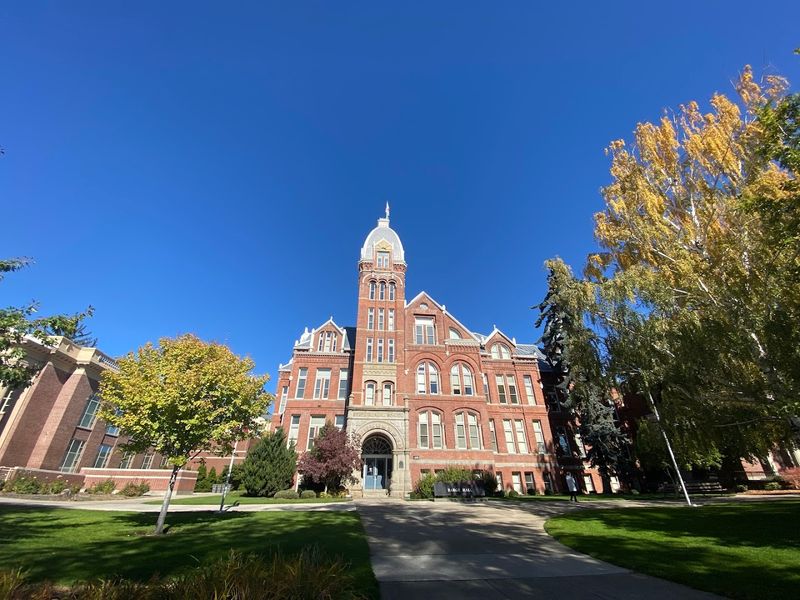
I never would have guessed that a town sitting right in the geographic heart of Washington could feel this quietly self-sufficient.
Ellensburg is in Kittitas County, just east of the Cascade Mountains along the Yakima River valley.
Central Washington University at 400 E University Way anchors the community and keeps the cultural calendar surprisingly full. Student performances, sports events, and gallery openings happen regularly and are often free or very low cost.
The downtown area is compact and genuinely pleasant to explore on foot. Independent coffee shops, bookstores, and locally owned restaurants line the streets without the corporate sameness found in bigger cities.
Ellensburg hosts one of the most well-known rodeos in the Pacific Northwest each Labor Day weekend. The event draws a crowd, but the rest of the year the town stays refreshingly quiet and unhurried.
Outdoor recreation is a constant here. The Yakima River draws fly fishers and floaters, while nearby Umtanum Ridge offers hiking trails with sweeping views of the surrounding plateau.
Home prices are among the lowest for any college town in Washington. Renters and buyers alike find the market much more accessible than in Spokane or Seattle.
The high desert climate means four real seasons. Cold winters and hot summers keep things interesting throughout the entire year.
5. Aberdeen
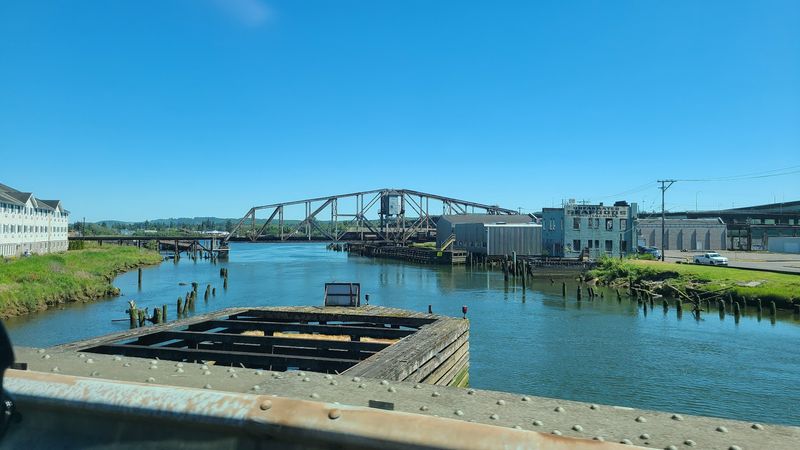
Who would have thought that a small harbor city on the Washington coast could offer this much livability at such a low price?
Aberdeen sits at the mouth of the Chehalis River in Grays Harbor County, about two hours southwest of Seattle.
The town grew up around timber and fishing industries that still shape its working-class character. There is a no-nonsense honesty to Aberdeen that feels refreshing compared to more polished Pacific Northwest cities.
Ocean beaches are remarkably close, with Ocean Shores just a short drive away. Locals can reach some of the most dramatic Pacific coastline in the state without much effort or expense.
The Quinault Rain Forest and Olympic National Park are both within reasonable driving distance. Having that kind of wilderness access while paying modest housing costs is a combination that is hard to find anywhere else.
Aberdeen’s housing market is among the most affordable ones in the state. Older craftsman homes with character and space are available at prices that make owning realistic for first-time buyers.
The town has been working steadily on downtown revitalization. New murals, a growing arts scene, and a handful of new local businesses have been quietly reshaping the main streets over recent years.
6. Chehalis
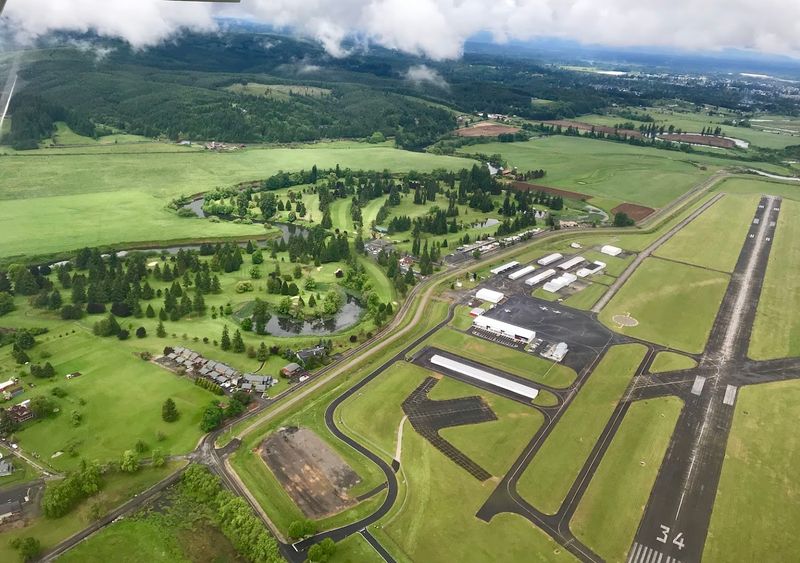
I must admit, Chehalis caught me off guard with how much everyday comfort it packs into such a compact footprint.
This southwest Washington town sits roughly halfway between Seattle and Portland. That central location is one of its most practical advantages.
Residents can access two major metro areas for work or entertainment while returning home to a noticeably quieter and more affordable daily life.
The Chehalis River runs along the edge of town and provides easy access to fishing, wildlife watching, and peaceful riverside walks. Getting outside here requires almost no planning or equipment investment.
Lewis County Historical Museum at 599 NW Front St holds a thoughtful collection of regional artifacts. It is one of those small-town museums that ends up being far more interesting than expected.
The local school district has a solid reputation, which makes Chehalis attractive to families looking for stability. Community events, youth sports, and public parks are all part of the regular rhythm of life here.
The pace of life here is steady and unhurried. That alone is something many people are actively willing to relocate for these days.
7. Moses Lake
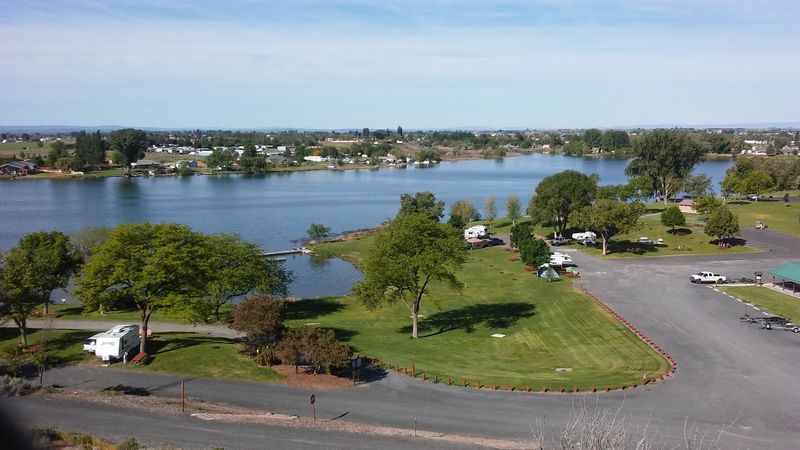
Would you ever think that one of Washington’s most underrated outdoor playgrounds is also one of its most affordable places to live?
Moses Lake is in Grant County in the Columbia Basin, roughly 180 miles east of Seattle. The lake itself is the centerpiece of everyday life here.
At nearly 7,000 acres, it gives residents access to boating, swimming, water skiing, and fishing without ever leaving town.
The desert landscape surrounding Moses Lake is dramatic in a quiet, wide-open way. Sage-covered hills, big skies, and warm summers create a setting that feels very different from the forested west side of the state.
Moses Lake has a growing economy supported by agriculture, manufacturing, and food processing. That diversity means a range of job opportunities that keeps the local employment picture relatively stable.
The housing market here is one of the most accessible in all of eastern Washington. New construction has expanded the options for buyers, and rental costs stay well below state averages.
Larson Playfield and Blue Heron Park offer free outdoor spaces that families use constantly throughout the warmer months. Community events at these parks bring neighbors together regularly without any cost involved.
Sun exposure here is generous. Roughly 300 sunny days per year make outdoor living a realistic part of daily routine for most residents.
8. Clarkston
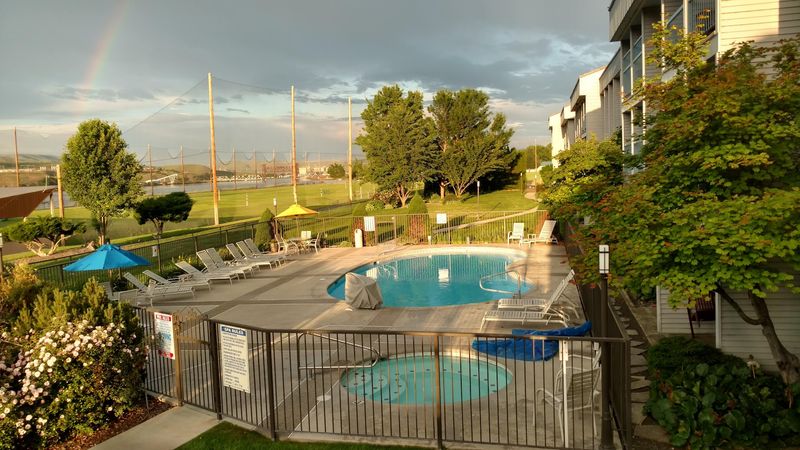
I know it sounds like an unlikely travel recommendation, but Clarkston may be one of the most scenically dramatic affordable towns in the state.
Clarkston, situated in Asotin County along the Snake River, sits directly across from Lewiston, Idaho, in the deep canyon country of the Pacific Northwest.
The Snake River canyon walls rise dramatically above town, creating a natural backdrop that never gets old. Jet boat tours run through Hells Canyon from here, offering one of the most thrilling outdoor experiences in the entire region.
Despite that adventure access, daily life in Clarkston moves at an easy, unhurried pace. Neighbors know each other, streets are quiet, and there is a genuine sense of community that larger cities rarely replicate.
The climate here is one of the warmest in Washington. Long, dry summers and mild winters make outdoor activity possible for an extended portion of the year.
Housing in Clarkston is remarkably affordable even by eastern Washington standards. Buyers frequently find large homes with river views at prices that feel almost too good to be real.
Chief Looking Glass Park runs along the riverfront and gives locals a green gathering space with boat launches and walking paths.
The nearby Hells Gate State Park in Idaho is just across the bridge and adds even more outdoor access to an already impressive list.
9. Shelton
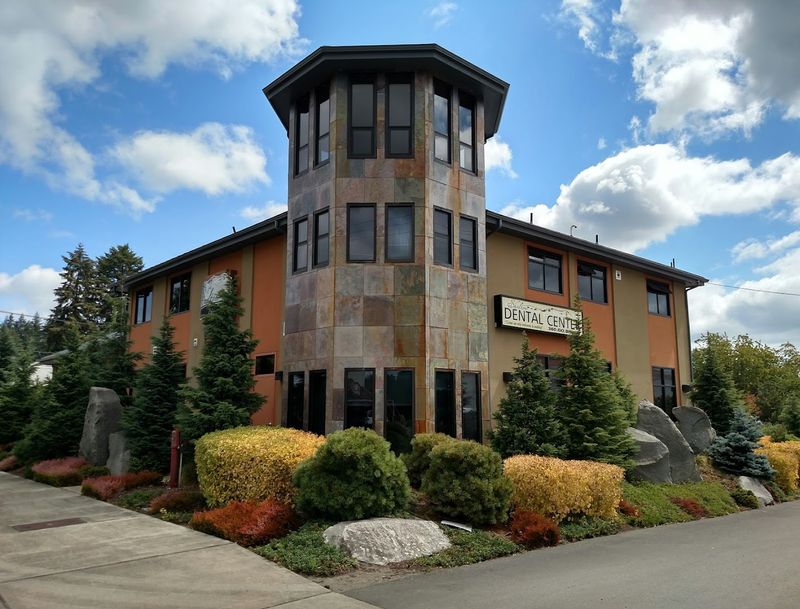
You might not believe me, but a town surrounded by oyster farms and old-growth timber country can also be one of the most budget-friendly places to settle in western Washington.
Shelton is the county seat of Mason County, at the southern tip of Hood Canal about 30 miles north of Olympia.
Oysters are a serious local industry here, and fresh shellfish from Hood Canal is part of everyday life for Shelton residents.
The surrounding forests are dense, green, and endlessly explorable. Olympic National Forest and a network of state lands border the town, making hiking, hunting, and foraging accessible right from the edge of the community.
Shelton has a tight-knit, working-class character that feels authentic and welcoming. The annual Forest Festival celebrates the town’s timber heritage each spring with a parade, competitions, and community gatherings.
Housing costs in Shelton are significantly lower than in nearby Olympia or Tacoma. Families and individuals moving from western Washington’s pricier corridors often find the difference in cost genuinely life-changing.
The drive to Olympia takes under 40 minutes, keeping state government jobs and services within reach.
Hood Canal itself is beautiful, and access to its shoreline adds quiet recreational value to life in this small but resourceful town.
10. Colville
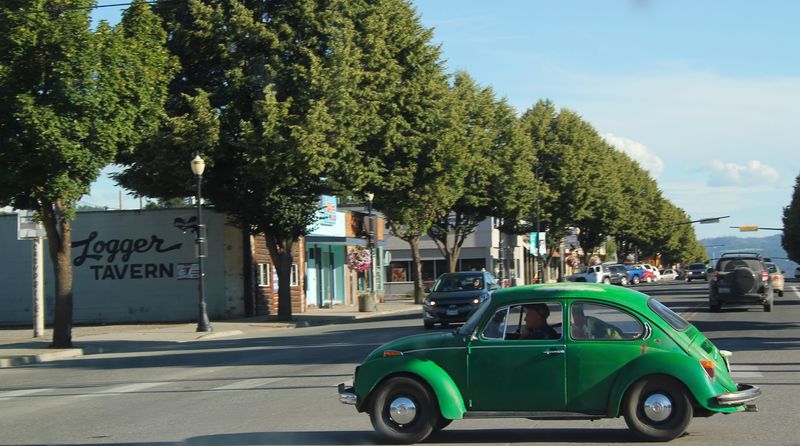
Doesn’t it seem almost too good to be true when a town offers mountain scenery, fresh air, and low housing costs all in one package?
Colville is the county seat of Stevens County, tucked in the Colville River valley in northeastern Washington near the Canadian border.
The Selkirk Mountains surround the area and create a rugged, forested backdrop that draws outdoor enthusiasts from across the region. Hiking, hunting, snowmobiling, and cross-country skiing are all part of the local lifestyle depending on the season.
Colville has a relaxed, self-reliant character that feels increasingly rare. Locals grow gardens, raise animals, and take pride in a lifestyle that does not depend on constant urban convenience.
The town supports a small but complete set of services including a regional hospital, schools, and independent shops. Having that infrastructure in such a remote setting makes everyday life here more manageable than many expect.
Lake Roosevelt National Recreation Area is within easy reach, offering boating, camping, and fishing along the Columbia River. The Kettle Falls area nearby adds even more natural recreation to an already generous outdoor menu.
For anyone serious about affordable, nature-forward living, this northeastern corner of the state deserves a long, honest look.