The Overlooked 2,400-Acre State Park In Nebraska That’s Quietly Beautiful, And No One’s Talking About It
Popular parks usually advertise themselves loudly. Packed parking lots. Constant photos. Trails busy enough to feel like sidewalks.
Then a place like this quietly exists off to the side, somehow escaping the hype while offering thousands of acres of scenery.
Thousands of quiet acres can make Nebraska feel like it has been holding back one of its best-kept outdoor secrets.
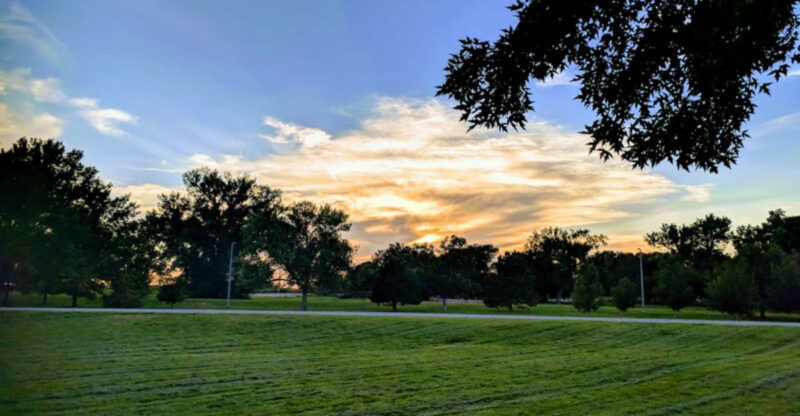
Long stretches of trail, open skies, and the kind of stillness that makes people check their phones less often.
Nothing competes for attention here. The landscape handles that on its own.
Hours pass differently in a park like this because the experience feels unhurried from the moment you arrive.
Most people drive past places like this without realizing what they missed. That is exactly why the ones who do stop tend to remember it for a long time.
The Three State Overlook And Blufftop Scenery
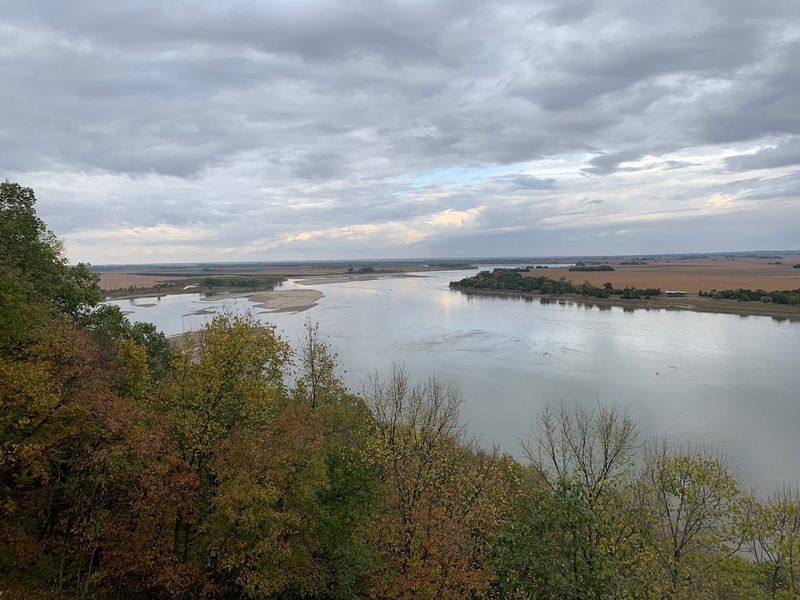
Standing at the Three State Overlook feels like the kind of moment that makes you stop mid-sentence and just look.
From this single vantage point high above the Missouri River valley, the landscapes of Nebraska, Iowa, and South Dakota stretch out in every direction, layered with green hills, river bends, and open sky.
Few overlooks in the Great Plains region offer this kind of three-state perspective, and it tends to catch first-time visitors completely off guard.
Getting there is easier than expected. A parking area sits close to the viewpoint, and the walk from the lot is short enough to be accessible for most visitors, including those who prefer not to hike long distances.
A restroom is also located nearby, making it a practical stop during a longer day in the park.
The best light for viewing tends to arrive in the early morning or late afternoon when the sun angles low over the river valley.
Fall visits bring particularly vivid color since the hardwood trees below turn shades of orange, amber, and deep red.
Spring visits offer a fresh green canopy and the sounds of migrating birds moving through the area. Either season makes this overlook a genuinely memorable stop.
Over 20 Miles Of Hiking And Biking Trails
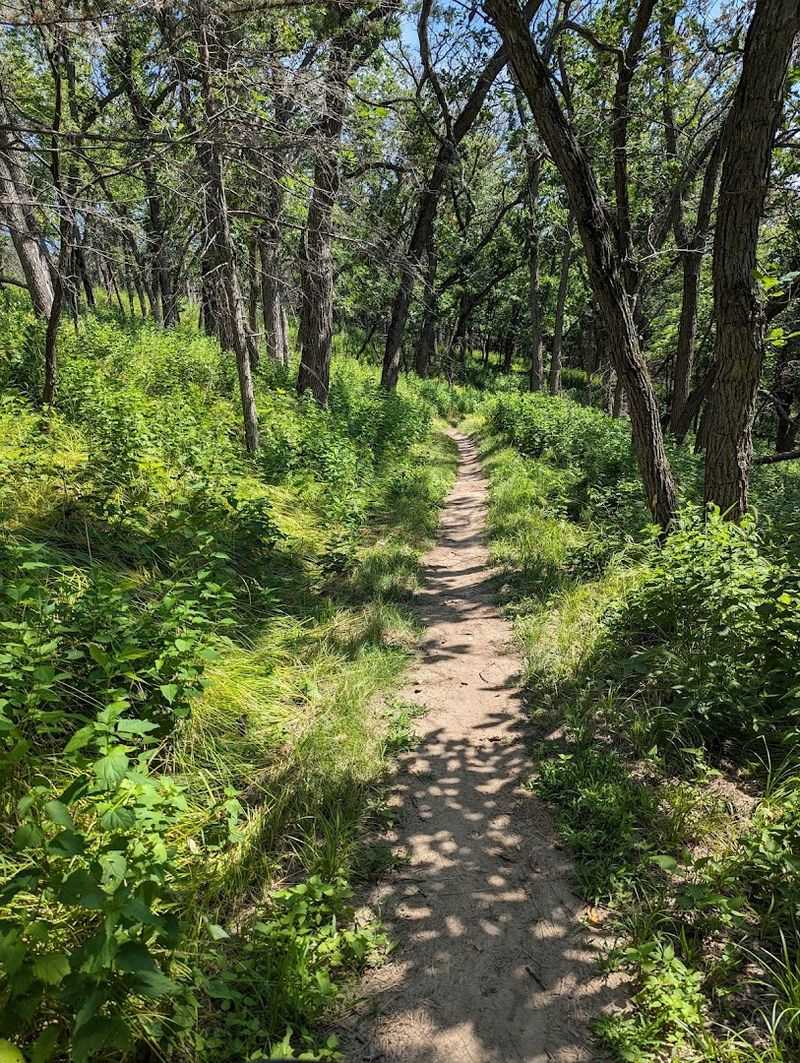
Trails here range from easy riverside walks to challenging ridge routes that gain real elevation through thick hardwood forest.
The park offers more than 20 miles of marked paths that wind through deep ravines, along hilltop ridges, and down toward the Missouri River bottomland.
Mountain bikers and hikers share many of these routes, though the terrain keeps things interesting for both groups at any skill level.
The Corps of Discovery Trail stands out as a favorite among returning visitors for its mix of wooded climbs and river views that echo the landscape the Lewis and Clark Expedition would have seen in 1804.
The park sits along the Lewis and Clark Historical Trail, which adds a layer of historical context to what might otherwise feel like a standard nature walk.
Trail conditions vary by season, and some routes can get muddy after rain, so sturdy footwear is a practical choice.
The park does a reasonable job of marking most trails, though carrying a trail map from the main office is worth the extra minute it takes to grab one.
Early mornings on weekdays tend to offer the quietest experience, with wildlife sightings more likely when foot traffic is low.
Birdwatching With Over 200 Species Recorded
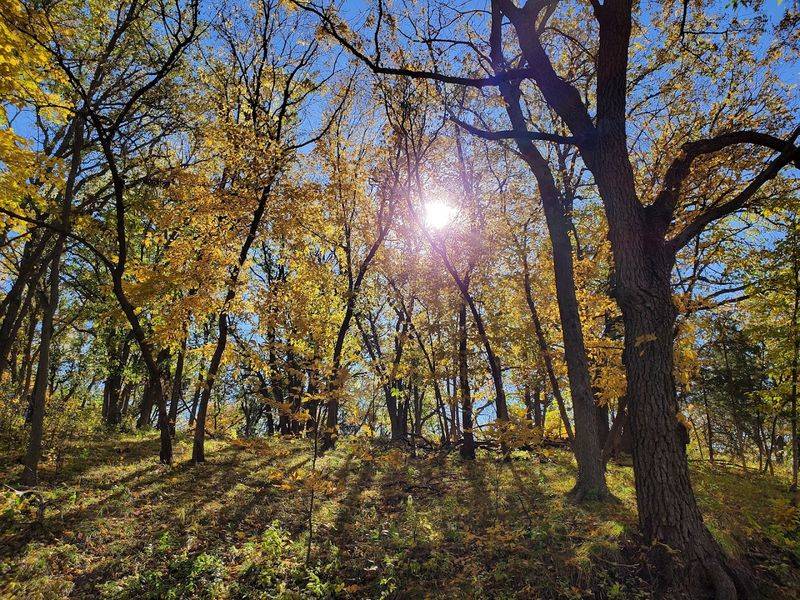
More than 200 bird species have been recorded at Ponca State Park, making it one of the more productive birdwatching destinations in the entire state.
Spring migration turns the wetlands and forested edges into a busy corridor for warblers, shorebirds, and waterfowl moving north along the Missouri River flyway.
The variety during peak migration weeks can be genuinely surprising, even for experienced birders who visit regularly.
Winter brings its own reward. Bald eagles tend to gather along the river during colder months, perching in the tall cottonwoods and hunting the open water near the bank.
Spotting one from the blufftop trails on a crisp January morning is the kind of quiet thrill that keeps visitors coming back off-season.
For the best experience, arriving at the park shortly after it opens at 8 AM gives birders the advantage of early morning activity before foot traffic picks up.
Binoculars and a field guide or birding app are practical additions to any visit. The park does not require a special permit for birdwatching beyond the standard park entry fee, which varies for in-state and out-of-state visitors.
Checking the Nebraska Game and Parks website before visiting helps clarify current pricing and any seasonal program schedules.
Missouri River Access For Fishing And Boating
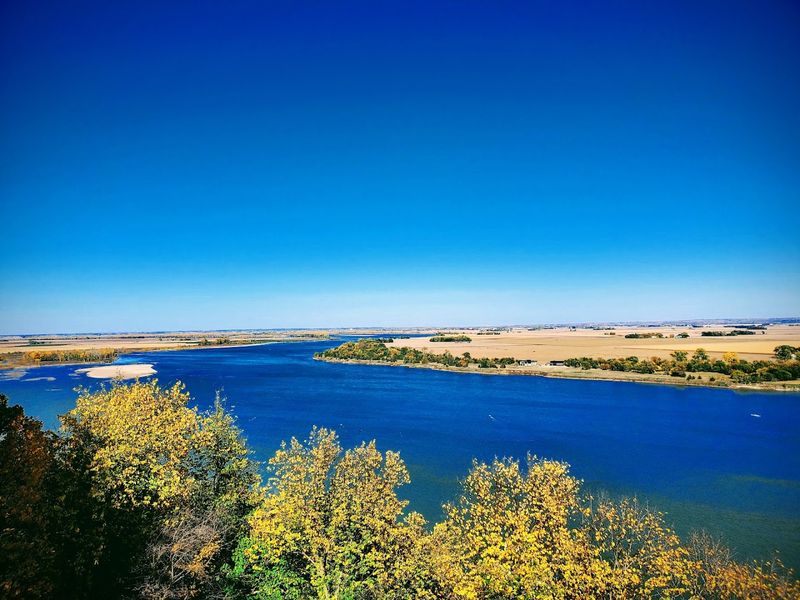
River access at Ponca connects visitors directly to one of the most significant waterways in North America.
The park borders a 59-mile unchannelized stretch of the Missouri National Recreational River, meaning this section of the river still behaves more like its natural self than the heavily engineered portions found downstream.
Fishing from the bank or by boat is a popular activity, and the river holds channel catfish, flathead catfish, and other species common to the Missouri River corridor.
Beyond the river itself, the park maintains a stocked pond that draws anglers of all ages looking for a more contained fishing experience.
The pond reportedly holds rainbow trout and other stocked species, making it a reliable option for younger visitors or anyone who prefers calmer water.
A Nebraska fishing license is required for anyone 16 and older, and current regulations are worth reviewing on the Nebraska Game and Parks website before visiting.
Canoeing and kayaking are also options for those who want to experience the river from the water.
The current and conditions on the Missouri River can vary considerably by season and recent rainfall, so checking conditions before launching any watercraft is a smart habit.
The park staff at headquarters tend to have current information about river conditions during operating hours.
Spring Wildflowers And Fall Foliage Worth Timing Your Visit Around
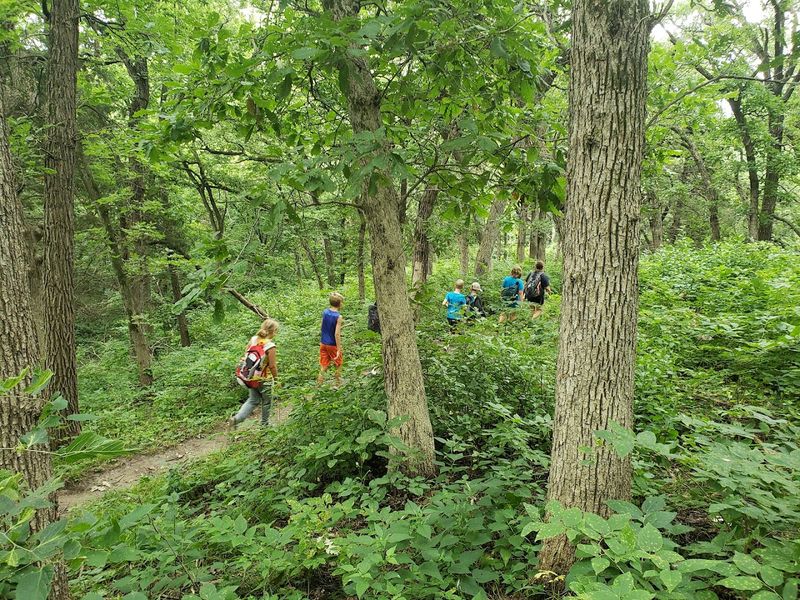
Few people talk about Ponca State Park as a wildflower destination, but the forest floor puts on a quiet show each spring that rewards anyone paying attention.
Bloodroot, Canada violet, phlox, sweet cicely, and wild plum all bloom through the wooded ravines in April and May, coloring the understory before the tree canopy fills in overhead.
The timing can shift by a week or two depending on the year, so checking local nature reports or contacting the park directly helps with planning.
Fall delivers a different kind of spectacle. The hardwood forest, which includes bur oak, basswood, black walnut, hickory, and maple, turns in waves of orange and red from late September through October.
The blufftop trails offer some of the best vantage points for watching that color spread across the river valley below. Photographers tend to find the late afternoon light particularly useful during this season.
Both spring and fall also happen to be the most comfortable times for hiking in terms of temperature and insect activity.
Summer brings heat and humidity along the river corridor, and winter visits are quieter but require preparation for cold conditions on the exposed ridge trails.
Each season genuinely offers something different, which is part of what keeps repeat visitors returning throughout the year.
Family-Friendly Programming And Nature Education
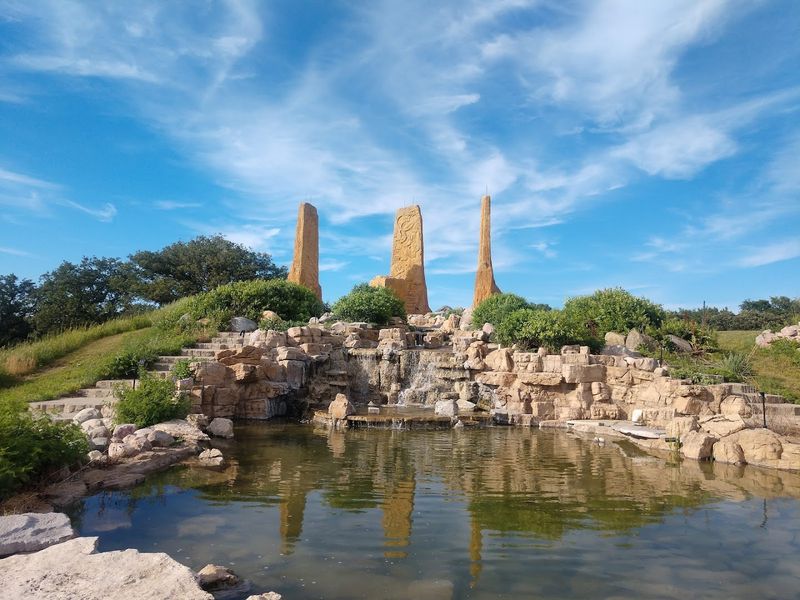
What sets Ponca apart from many state parks is the range of structured programming available to families throughout the season.
The park offers free or low-cost daily activities during peak season, covering topics like wildlife biology, outdoor cooking, and hands-on nature exploration.
Programs are run through the park headquarters and tend to change week by week, so checking the current schedule at the main office when arriving is a good habit.
An interactive museum and interpretive displays at the park headquarters provide background on the Missouri River ecosystem and the history of the region, including its connection to the Lewis and Clark Expedition of 1804.
The displays are accessible to younger visitors and help give context to what they might see on the trails.
The park also features an archery range and a seasonal swimming pool with a water slide, diving board, and zero-entry area, both of which tend to be popular with kids during summer visits.
Combining trail time with one or two structured activities makes for a full and varied day that holds the attention of younger visitors.
Campground Options From Primitive To Paved Electric Sites
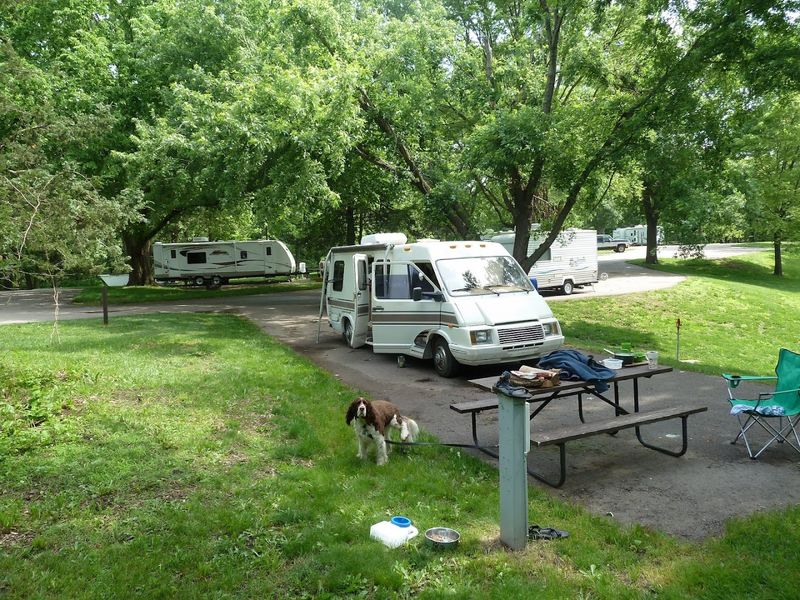
Camping at Ponca covers a wide range of preferences, from bare-bones primitive tent sites to paved electrical hookup spots suited for larger campers and trailers.
The Oak Bluff campground and Turkey Ridge campground are among the areas used by regular visitors, with Turkey Ridge noted for its first-come first-served availability
This works well for anyone who does not plan months ahead.
Spacious sites and wooded edges make the campgrounds feel less crowded than the numbers might suggest.
The campground along the Missouri River bank offers a different atmosphere entirely, sitting low near the water with a quieter, more open feel than the hillside sites.
Mornings down by the river tend to be calm and cool, with the sound of the water providing a steady backdrop.
This site tends to fill quickly during summer weekends, so arriving earlier in the day gives a better chance at a preferred spot.
Shower facilities are available in the campground areas, though summer heat can make the shower houses warm during peak hours, which is worth keeping in mind when planning a morning routine.
Storm shelters are located throughout the park, and their positions are noted in the park map available at headquarters.
Charcoal grills are scattered throughout the campground areas for those staying in tent sites without a propane setup.
Seasonal Events Including Christmas In The Woods And Winterfest
Ponca State Park does not shut down when the weather turns cold, and the annual events calendar is part of what makes an off-season visit feel worthwhile.
Christmas in the Woods transforms the park’s forested trails and cabin areas into a lit holiday landscape, drawing visitors who might not otherwise think of a state park as a winter destination.
The event timing varies by year, so checking the Nebraska Game and Parks website or calling the park directly at 402-755-2284 gives the most accurate schedule.
Winterfest brings a different kind of energy, with activities like sledding, ice fishing, and snowshoeing available depending on conditions.
The park headquarters serve as the central point for event registration and information during both seasonal programs.
Having the park’s phone number on hand during winter visits is practical since hours and activity availability can shift with weather.
Even outside of organized events, winter at Ponca offers a quieter version of the park that regular visitors tend to appreciate.
Snow on the blufftop trails softens the landscape considerably, and bald eagles along the river are more visible in winter when the tree canopy thins out.
A warm cabin rental combined with a cold-morning trail walk makes for a genuinely restorative off-season experience.