9 Beautiful Virginia Towns Straight Out Of A Storybook Setting
Some towns look as if borrowed from a much quieter century. Virginia has many that carry that quality with no visible effort.
Historic storefronts, church steeples, and leafy streets define each one differently. Wandering through any of them produces a calm that resists easy explanation.
Photographers, slow travelers, and weekend escapers find what they came looking for. Each town holds its own identity and resists comparison to all others.
I stopped in one without planning and stayed well into the afternoon.
Virginia keeps places like this for those who take time to look. Pick one from this list and see what the word charming means.
1. Middleburg
You might not believe me, but a town this polished and peaceful actually exists in real life.
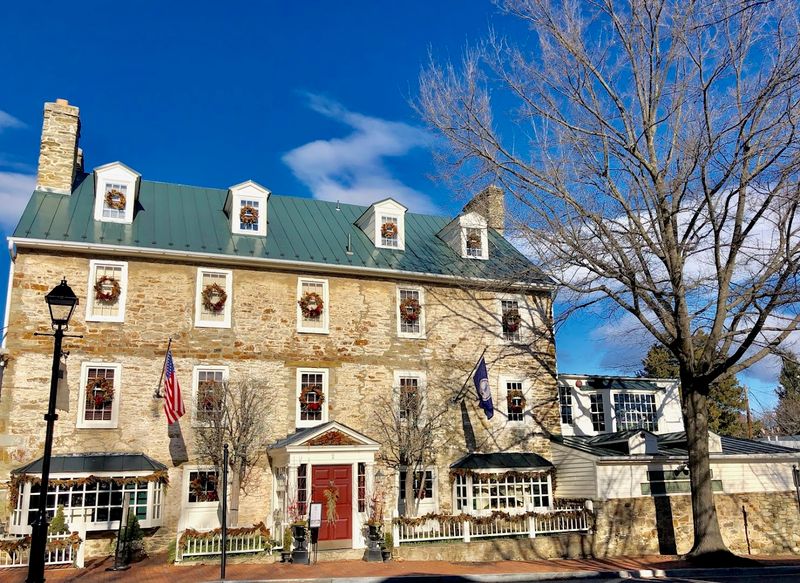
Middleburg sits in the heart of Virginia’s Loudoun County, tucked between green hills and wide horse farms. It carries the kind of quiet dignity that takes decades to earn.
The main street is lined with independent boutiques and cozy cafes. Red brick storefronts sit beneath hand-painted signs that have barely changed in generations.
Every corner feels curated without feeling fake.
Middleburg has deep roots in equestrian culture. Hunt country traditions are still very much alive here, and you can often spot riders trotting through the countryside nearby.
The annual Middleburg Classic Horse Show draws crowds from across the mid-Atlantic region.
History runs deep in this town. Founded in 1787, it served as a strategic crossroads during the Civil War. Walking the streets, you feel the weight of that history without it ever feeling heavy.
Fall is arguably the best time to come here. The surrounding foliage turns brilliant shades of orange and gold, framing the town like a painting. Spring brings blooming dogwoods that soften every stone wall in sight.
2. Chincoteague
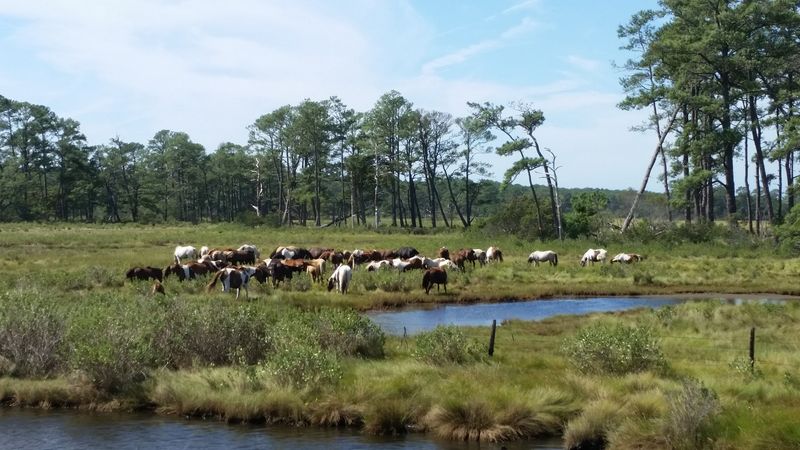
Can you believe a tiny island town made entirely of salt air, seafood shacks, and wild ponies actually exists?
Chincoteague sits off Virginia’s Eastern Shore, connected to the mainland by a single causeway. The Atlantic Ocean and Chincoteague Bay wrap around it on nearly all sides.
The town is best known for its famous wild ponies. These small, sturdy horses have roamed nearby Assateague Island for centuries.
Beyond the ponies, Chincoteague is a paradise for nature lovers. Chincoteague National Wildlife Refuge protects thousands of acres of marshland and beach.
Birdwatchers, kayakers, and cyclists all find reasons to linger here longer than planned.
The downtown area has a genuinely unhurried pace. Ice cream shops and tackle stores sit side by side along the waterfront. Fishing boats come and go with the tides, and nobody seems to be in a rush.
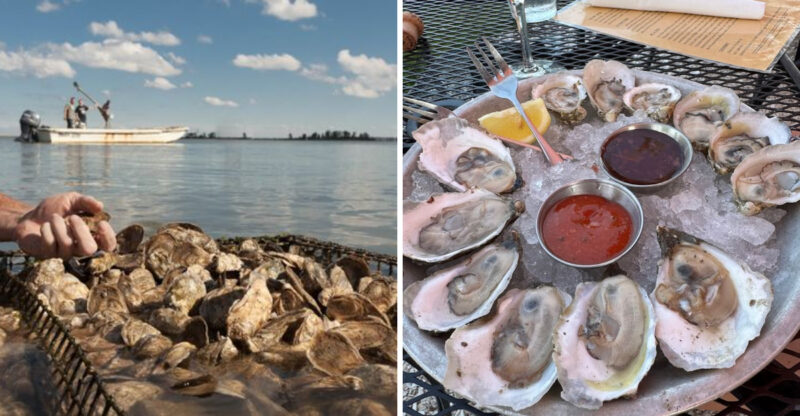
Seafood here is as fresh as it gets. The local oysters and clams are harvested just offshore. Eating a bowl of clam chowder while watching the sun drop over the bay is a simple pleasure that stays with you.
Autumn is a magical time to visit the island. The summer crowds thin out, and the light turns warm and golden.
3. Abingdon
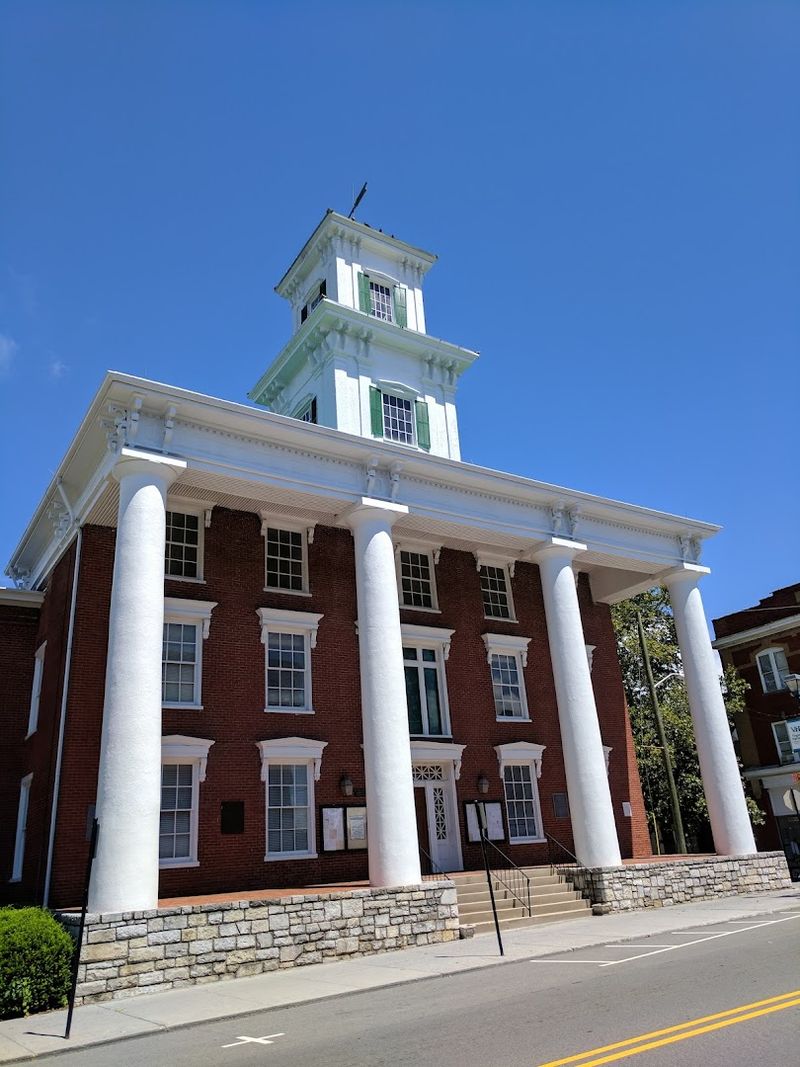
I never would have guessed that one of America’s oldest towns west of the Allegheny Mountains would feel this alive and creative.
Abingdon sits in the far southwestern corner of Virginia, nestled in the Blue Ridge Highlands. It carries a proud, independent spirit that sets it apart from towns twice its size.
The downtown district is a genuine architectural treasure. Nineteenth-century brick buildings line Main Street in near-perfect preservation.
The Virginia Creeper Trail, a beloved rail-trail, begins right here and stretches through 34 miles of stunning mountain scenery.
Abingdon is home to the Barter Theatre at 127 W Main St, Virginia’s official state theatre. Founded in 1933, it has launched the careers of many prominent American actors. Performances run year-round, making it a cultural anchor for the entire region.
The town also sits along the Crooked Road, state’s heritage music trail. Traditional mountain music still echoes through local venues and front porches. This is a place where Appalachian culture is celebrated rather than just preserved behind glass.
History buffs will find plenty to explore here. The town was established in 1778 and has survived fires, wars, and economic shifts while keeping its character intact. The historic district includes dozens of contributing historic buildings.
Spring and fall are the sweetest seasons to wander Abingdon’s streets. Flowering trees frame the old storefronts beautifully.
4. Staunton
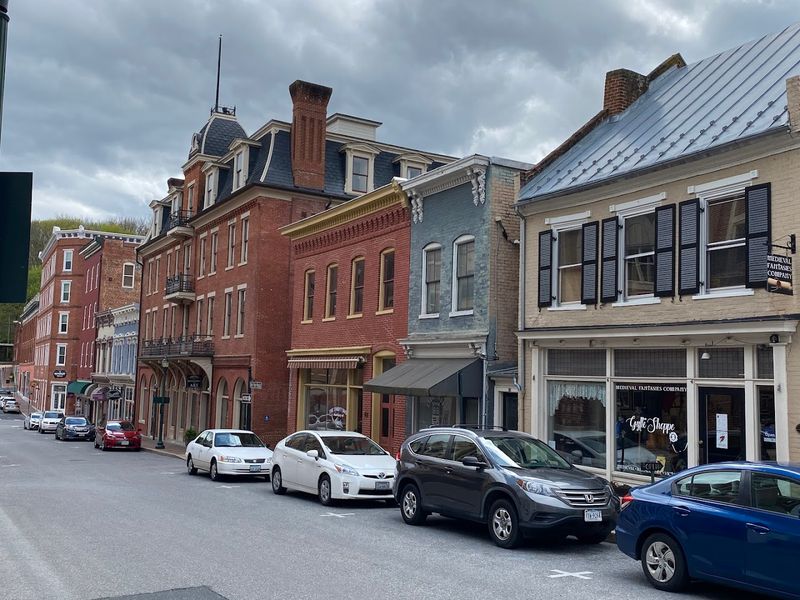
Believe me, not every small town in Virginia has managed to preserve its Victorian architecture this well.
Staunton sits in the Shenandoah Valley, cradled between the Blue Ridge and Allegheny mountain ranges. It is one of the few Virginia cities that escaped Civil War destruction, which explains why so much of the original architecture still stands.
The downtown area is a masterpiece of 19th-century design. Gothic towers, ornate facades, and historic-lit streetlamps line the main corridors. Five distinct historic districts make up the core of the city, each with its own personality and story.
Staunton is the birthplace of Woodrow Wilson, the 28th President of the United States. The Woodrow
Wilson Presidential Library and Museum at 230 E Frederick St sits on the same street where he was born. It is a thoughtful and well-curated stop for anyone interested in American political history.
The American Shakespeare Center at 10 S Market St calls Staunton home.
The Blackfriars Playhouse at 10 S Market St, is the world’s only re-creation of Shakespeare’s original indoor theatre. Productions here are performed in full light, with the audience visible, just as they were in the 1600s.
Food and music culture thrive here as well. The Staunton Music Festival brings classical performers to historic venues every summer.
Local restaurants have earned recognition far beyond the Shenandoah Valley for their farm-to-table creativity.
5. Flint Hill
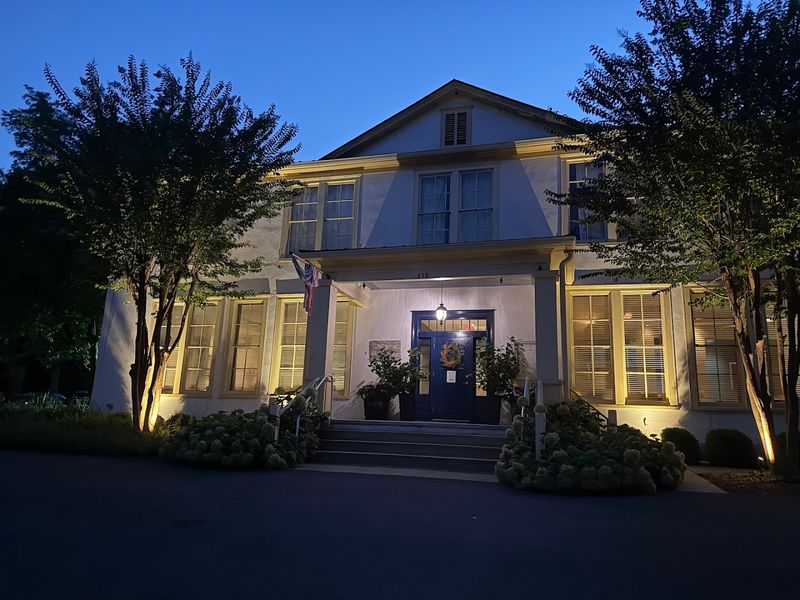
I must admit, stumbling across Flint Hill felt like finding a page that had been accidentally left out of a guidebook.
This small, unassuming village sits in Rappahannock County, deep in the foothills of the Blue Ridge Mountains. It is the kind of town that rewards those who slow down and pay attention.
Flint Hill has no traffic lights, no chain stores, and no hurry. The village center consists of a handful of historic buildings, a white-steepled church, and roads that curve gently through farmland.
Silence here is not empty but full of birdsong and wind.
Rappahannock County itself is one of the most scenic counties in all of Virginia. It has no incorporated towns and no fast-food chains anywhere in the county.
That intentional simplicity is increasingly rare and deeply refreshing.
The surrounding countryside is a patchwork of vineyards, horse farms, and apple orchards. Scenic drives through the area in autumn are genuinely breathtaking. The Blue Ridge Mountains form a constant, dramatic backdrop to every view.
Artists and writers have long been drawn to this area for its solitude and beauty. Several well-known creatives have made the Rappahannock countryside their permanent home.
That artistic energy adds a subtle richness to the local culture without overwhelming the peace.
One of the places I must mention is The Blue Door Kitchen and Inn. I immediately fell in love with the place upon arrival, but once I actually tried the food at 675 Zachary Taylor Hwy, I realized that passing it up would have been a massive mistake.
6. Lexington
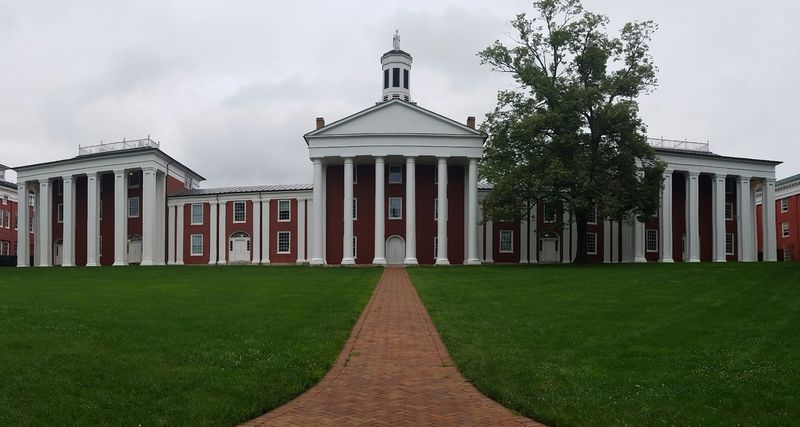
Trust me, few towns in Virginia carry as much history per square foot as this one does.
Lexington is in the Shenandoah Valley, flanked by the Blue Ridge and Allegheny ranges in Rockbridge County.
It is home to two of the most storied institutions in the American South: Virginia Military Institute at 319 Letcher Ave, and Washington and Lee University at 204 W Washington St.
The presence of those two schools gives Lexington a distinct energy. Young students mix with history enthusiasts and outdoor adventurers on the same brick sidewalks. The town feels both timeless and fully alive at the same time.
VMI’s parade grounds and Gothic barracks are visually striking. The campus has a formal, almost cinematic quality that makes even a casual walk feel significant.
The VMI Museum, at Memorial Hall, 415 Letcher Ave, houses one of the most complete collections of Civil War military artifacts in the country.
Washington and Lee University is equally impressive. Its colonnaded main building is one of the most photographed spots in Virginia.
The campus chapel holds the remains of General Robert E. Lee, drawing visitors with a deep interest in Civil War history.
Downtown Lexington is compact and walkable. Independent bookstores, local bakeries, and antique shops fill the historic storefronts. The Natural Bridge, a 215-foot-tall geological wonder, sits just a short drive south of town.
Autumn transforms Lexington into something extraordinary. The trees lining the university grounds turn fiery shades of red and amber.
7. Occoquan
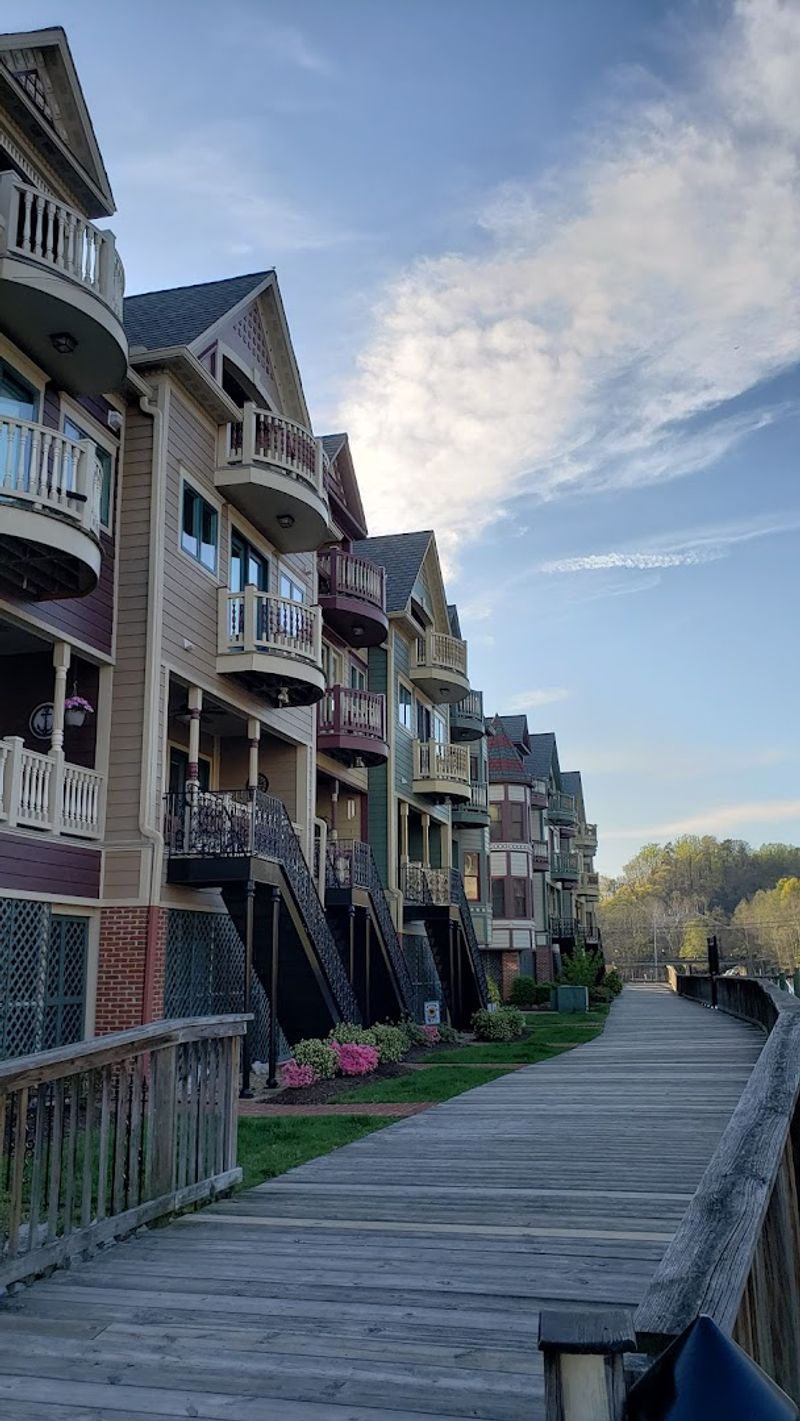
Who would have thought a tiny mill town along a winding river could pack this much charm into just a few blocks?
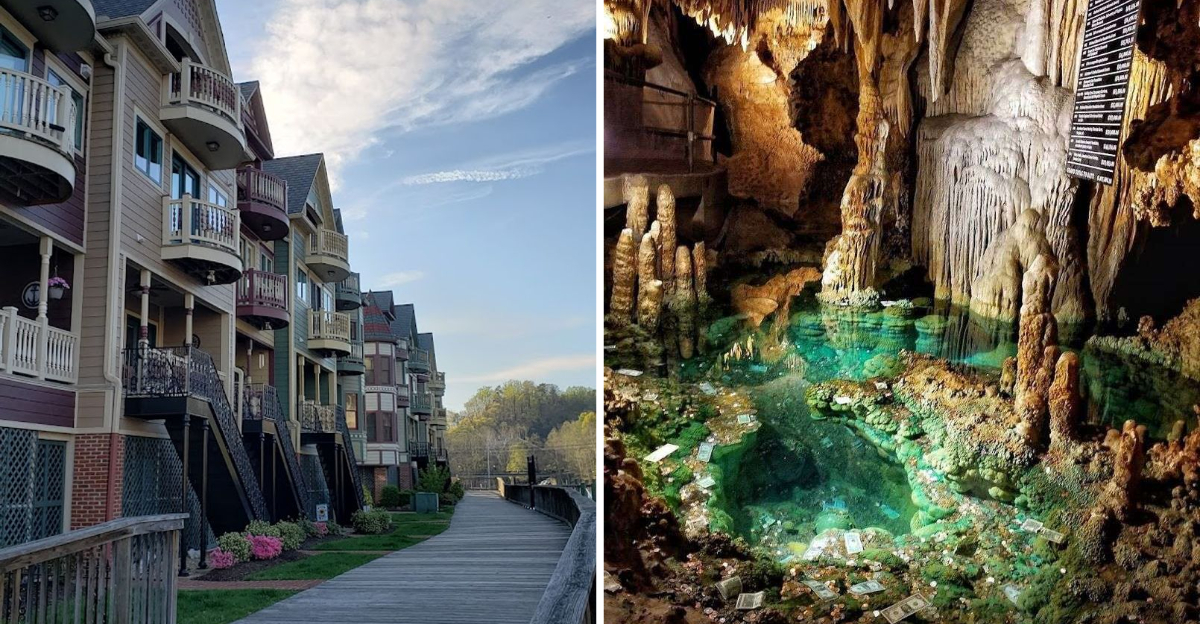
Occoquan is a historic waterfront village in Prince William County. It sits where the Occoquan River narrows between wooded banks, creating a setting almost too scenic to be real.
The town’s name comes from a Doeg Native American word meaning “at the end of the water.” That poetic origin fits perfectly. Every street eventually leads you back to the riverbank, where the water shimmers and the trees lean in close.
Occoquan is known for its thriving arts scene. Independent galleries, handmade jewelry shops, and artisan studios fill the historic stone and brick buildings.
Weekends bring a lively mix of artists, shoppers, and wanderers who come to browse and stay to explore.
The town hosts one of Virginia’s most beloved craft shows twice a year. Thousands of artists set up along the riverfront in a celebration of handmade goods. It is one of the Mid-Atlantic’s longest-running outdoor craft festivals.
Architecture lovers will find the streetscape endlessly interesting. Some buildings date back to the 1700s and still carry their original stonework. Walking the narrow lanes feels like flipping through a history book, one beautiful page at a time.
The waterfront is ideal for a slow afternoon. Kayakers glide past while diners eat on open-air patios. Occoquan earns every bit of its storybook reputation with effortless, unhurried grace.
8. Cape Charles
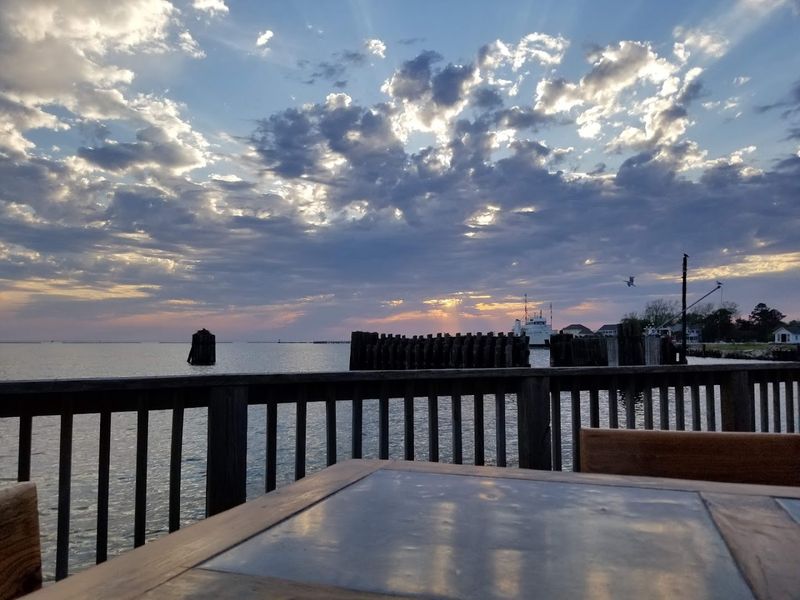
Would you ever think a Victorian beach town on the Chesapeake Bay could feel this unhurried and genuinely unspoiled?
Cape Charles sits at the southern tip of Virginia’s Eastern Shore, just before the Chesapeake Bay Bridge-Tunnel carries you toward Norfolk. It is one of the last intact late-19th-century planned towns on the East Coast.
The town was built in 1884 as a railroad terminus. Its grid of wide, tree-lined streets and large Victorian homes was designed with purpose and pride.
The historic district contains one of the largest concentrations of turn-of-the-century architecture in Virginia.
Painted wooden porches, widow’s walks, and ornate gingerbread trim adorn nearly every block. It is the kind of streetscape that makes photographers stop mid-stride.
The beach here is calm and shallow, protected by the bay rather than battered by the open Atlantic. Sunsets over the Chesapeake are legendary among those who have witnessed them.
The sky turns shades of pink, orange, and violet in a display that feels almost theatrical.
Cape Charles has attracted a growing community of artists and independent entrepreneurs. New galleries and farm-to-table restaurants have opened in recent years without disrupting the town’s easy pace.
Summer evenings on the town green are a local ritual. Families gather, music drifts through the warm air, and the bay glimmers in the distance. Cape Charles is a place that teaches you how to exhale.
9. Luray
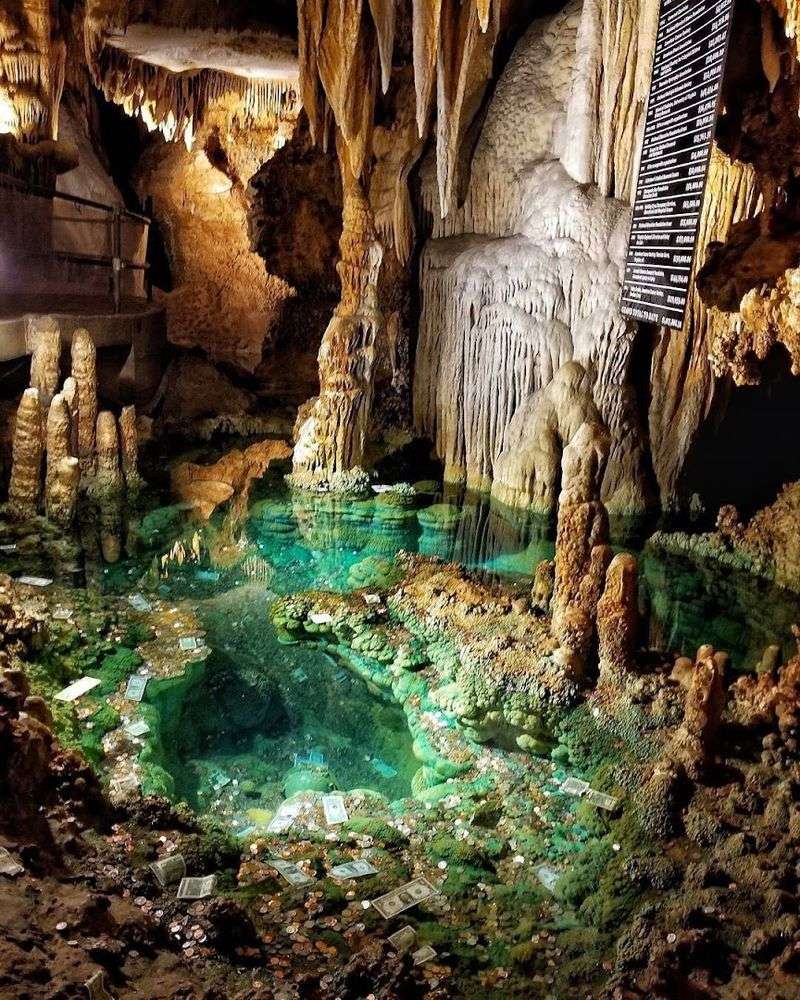
Doesn’t it seem almost impossible that a town this small could sit above one of the most spectacular underground wonders in the world?
Luray is a small town in Page County, tucked snugly in the Shenandoah Valley between two ridges of the Blue Ridge Mountains. It is best known as the gateway to Luray Caverns, the largest cavern system in the eastern United States.
Luray Caverns at 101 Cave Hill Rd opened to the public in 1878 and has been drawing wide-eyed visitors ever since. The cavern’s chambers stretch for miles beneath the valley floor.
Massive stalactites and stalagmites create formations that took millions of years to grow.
One of the caverns’ most unusual features is the Great Stalacpipe Organ. It is the world’s largest natural musical instrument, using rubber mallets to tap stalactites and produce tones.
The resulting sound fills the cavern with something between music and magic.
Above ground, Luray is surrounded by some of Virginia’s most celebrated outdoor scenery. Shenandoah National Park and Skyline Drive are just minutes away.
Hiking, cycling, and fishing draw outdoor enthusiasts throughout all four seasons.
The town itself has a sweet, unhurried character. A historic courthouse anchors the small downtown, and local shops and diners give the main street genuine warmth.
The Luray Singing Tower at Northcott Dr, chimes across the valley on select evenings. This town earns its storybook reputation from the ground all the way up to the sky.