This 38,000-Square-Foot North Carolina Museum Is A Dream Come True For Harley Fans
I pulled off the road in Maggie Valley on someone else’s word.
No research, no reviews, just a friend who said trust me on this one and a mountain afternoon with nowhere specific to be.
That kind of recommendation either pays off completely or teaches you a lesson about trusting people. This one paid off in a way I was not remotely prepared for.
What sits inside that building is not just a collection of old motorcycles gathering dust behind velvet ropes.
It is 38,000 square feet of American history that actually runs, rumbles, and reminds you why people fell so hard for the open road in the first place.
Over 350 rare machines, many of them more than a century old, and nearly every single one of them still in working condition.
North Carolina has plenty of museums worth your time, but this one in the Smoky Mountains does something most museums never manage.
It makes you feel something the moment you walk in, and that feeling does not leave when you do.
38,000 Square Feet Of Pure Two-Wheeled History
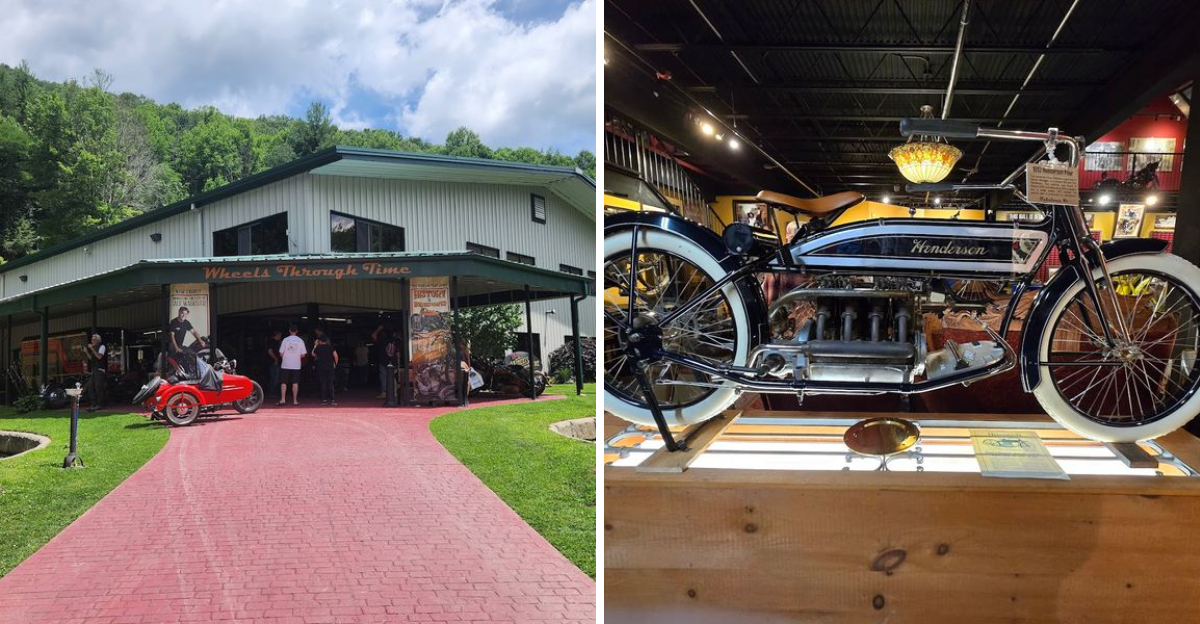
Wheels Through Time Motorcycle Museum sits in the heart of the Great Smoky Mountains and covers a jaw-dropping 38,000 square feet of pure two-wheeled history. That is not a typo.
Thirty-eight thousand square feet.
The museum was founded by Dale Walksler, a lifelong collector who turned a personal passion into one of the most respected motorcycle museums in the United States.
His collection grew for decades before finding a permanent home in Maggie Valley.
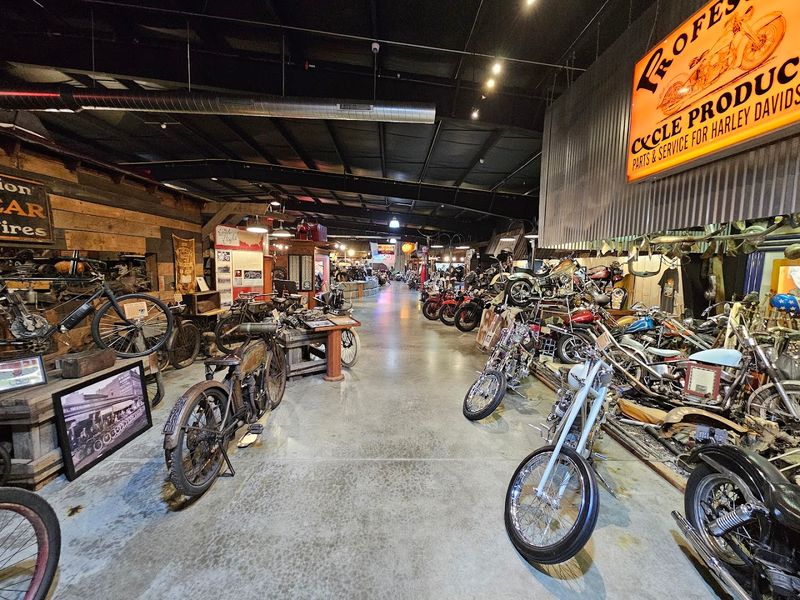
The building itself is enormous, and it takes a moment to process just how much is packed inside. Row after row of restored machines line the floor, each one with its own story.
You get the sense that this place at 62 Vintage Ln, Maggie Valley, North Carolina, was built by someone who genuinely cares about preserving history, not just showing off.
That authenticity comes through in every corner of the space.
The Harley-Davidson Collection That Will Make Your Jaw Drop
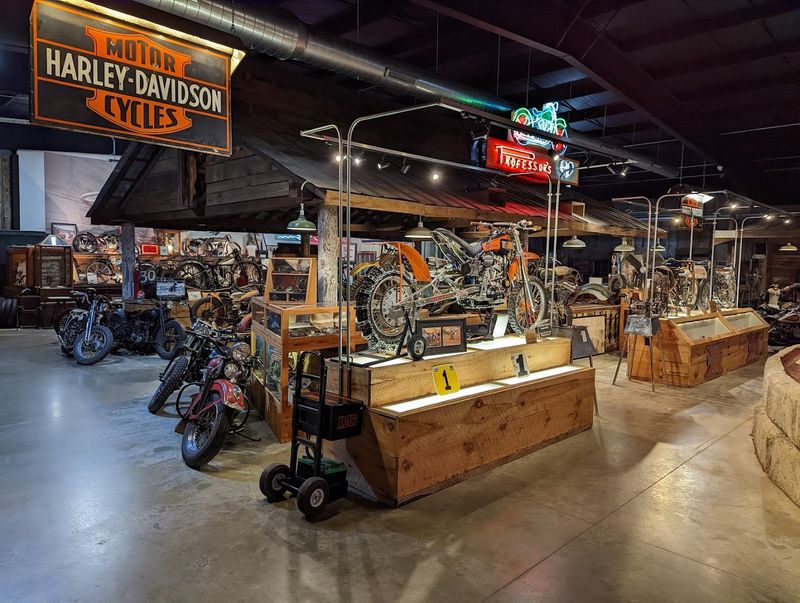
Nobody does Harley like this place does Harley. The museum houses one of the largest collections of rare and antique Harley-Davidson motorcycles anywhere in the country, spanning over a century of production.
We are talking early 1900s board-track racers, knucklehead engines from the 1930s, and wartime military models that actually saw service.
Each machine is presented in pristine, running condition, which is part of what makes this collection so remarkable. These are not dusty relics behind velvet ropes.
Dale Walksler had a philosophy that every bike in the museum should be able to fire up and run. That commitment to living history means you might actually hear one of these machines roar to life during your visit.
There is something genuinely thrilling about standing next to a 1915 Harley and knowing it still works.
The collection is organized thoughtfully, so even if you are new to motorcycles, you can follow the story of how Harley evolved over the decades without feeling lost.
Rare Finds You Cannot See Anywhere Else
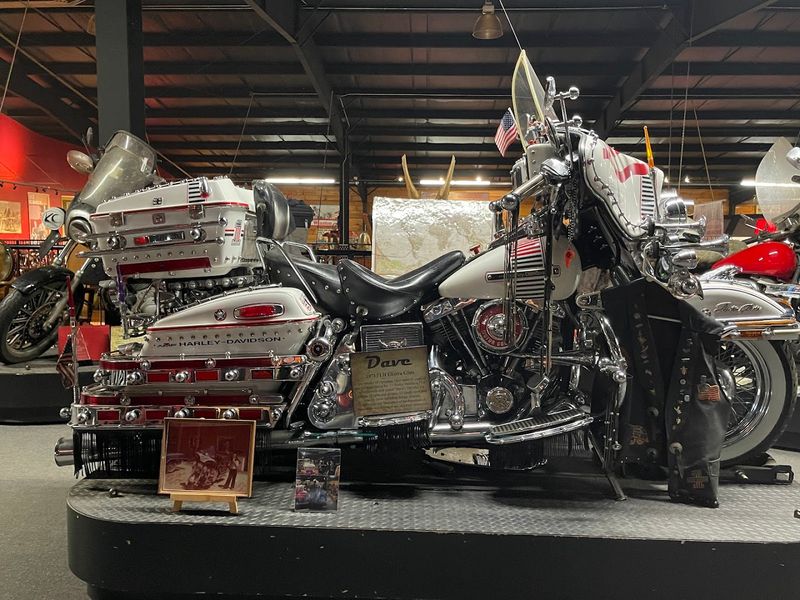
Some of the bikes here are the only surviving examples of their kind in the entire world. That fact alone is worth the drive through the mountains.
The museum holds machines from brands most people have never heard of, like Excelsior, Henderson, Flying Merkel, and Pope.
These were real American motorcycle manufacturers that thrived in the early 20th century before the industry consolidated around a few dominant names.
Seeing them in person is like flipping through a chapter of history that most textbooks skip entirely.
One standout is a 1908 Indian that looks like it rolled off the factory floor yesterday.
The restoration work throughout the museum is meticulous, and you can tell that every bike received serious time and attention before it was placed on the floor.
There are also several one-of-a-kind custom builds and prototype machines that never made it to production.
For anyone interested in American industrial history, not just motorcycles, this section alone justifies the entire trip to Maggie Valley.
Military Motorcycles With Real Stories Behind Them
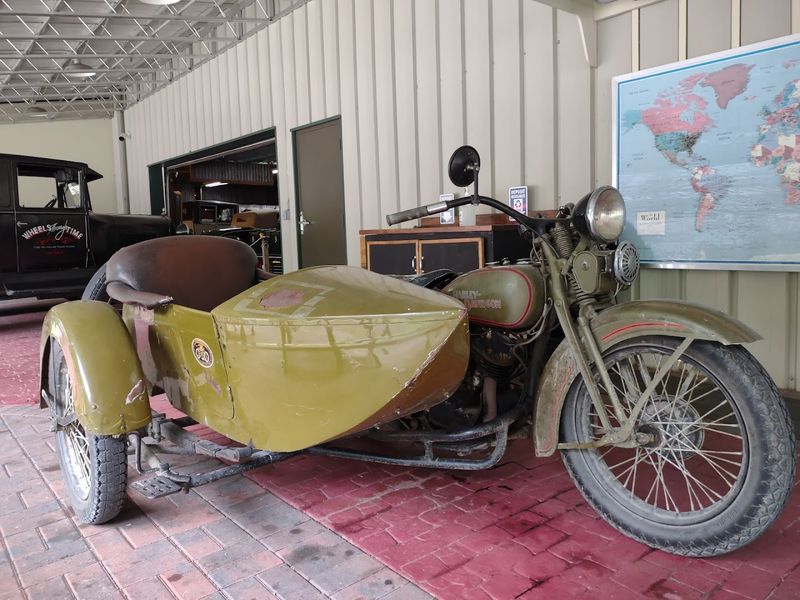
The military section of the museum hits differently than the rest. These machines were not built for leisure or sport.
They were built for purpose, and you feel that weight when you stand next to them.
The collection includes military-spec Harley-Davidson and Indian motorcycles used during World War II, complete with original equipment and markings.
Some of these bikes were recovered from overseas and restored over many years. The level of research and documentation that went into each one is impressive.
There is a particular Harley WLA model on display that looks exactly as it would have appeared in active service, down to the leather saddlebags and rifle scabbard.
Seeing a machine like that in person connects history in a way that a photograph never quite manages.
The museum treats this section with appropriate respect, providing context about how motorcycles were used in military logistics and reconnaissance.
It is one of the most thoughtfully curated sections in the entire building, and it tends to draw quiet, attentive crowds.
The “All Runs” Policy That Sets This Place Apart
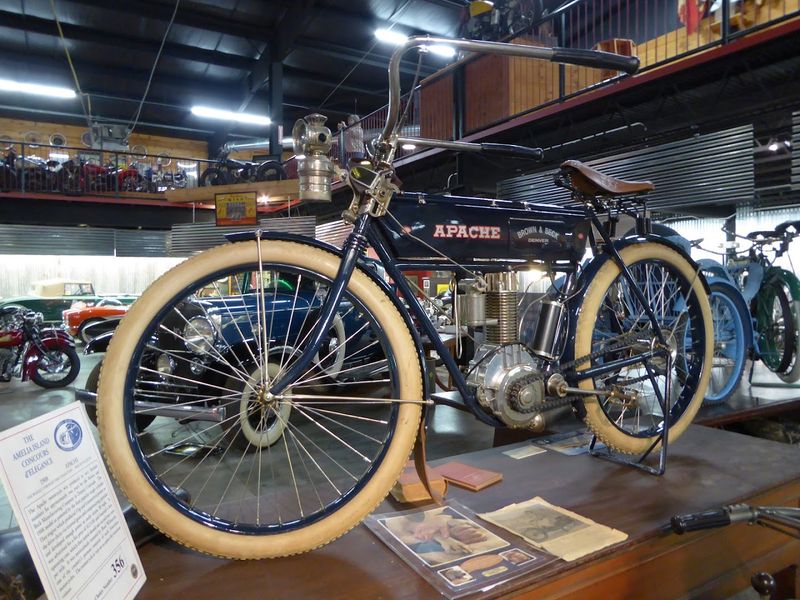
Most museums post a sign that says do not touch. Wheels Through Time takes a completely different approach, and it is one of the reasons people come back again and again.
The museum operates under what they call an “all runs” policy, meaning every single motorcycle on the floor is maintained in working condition.
Staff members periodically fire up select machines during museum hours, filling the building with the unmistakable sound of vintage engines. It is the kind of sensory experience that no photograph can prepare you for.
Hearing a 1930s knucklehead engine rumble to life just a few feet away from you is genuinely memorable. The sound bounces off the walls, and for a moment, the decades collapse.
You are not looking at history through glass. You are standing in the middle of it.
This policy also reflects the museum founder’s deep belief that motorcycles are meant to run, not sit.
It takes significant skill and dedication to maintain machines this old in operational condition, and the staff clearly takes that responsibility seriously.
How To Make The Most Of Your Visit
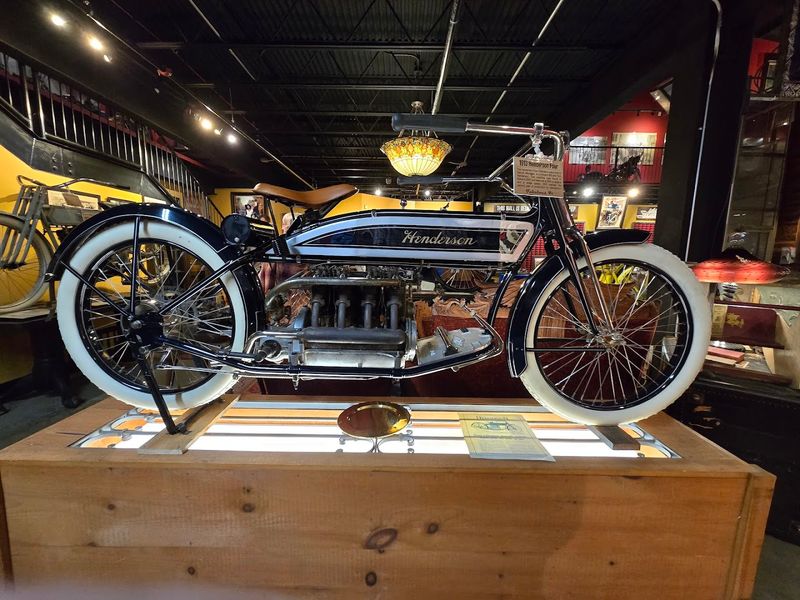
Thirty-eight thousand square feet sounds like a lot until you are actually inside and realize you want to spend time with every single machine on the floor. Plan for at least two hours, and honestly, three is better.
The layout flows chronologically in sections, making it easy to follow the evolution of American motorcycle design from the earliest gas-powered bicycles through mid-century classics.
Signage throughout is clear and informative without being overwhelming. You do not need to be a motorcycle expert to understand and enjoy what you are seeing.
There is also a gift shop with quality merchandise, and the staff is genuinely knowledgeable and approachable. If you ask questions, you will get real answers, not rehearsed talking points.
The museum is family-friendly, and kids tend to respond to the machines with the same wide-eyed curiosity as adults.
Weekdays are typically less crowded, giving you more space to linger at the bikes that catch your eye. Admission is reasonably priced for what you get, and the experience stays with you long after you leave the parking lot.
Maggie Valley As The Perfect Backdrop For This Museum
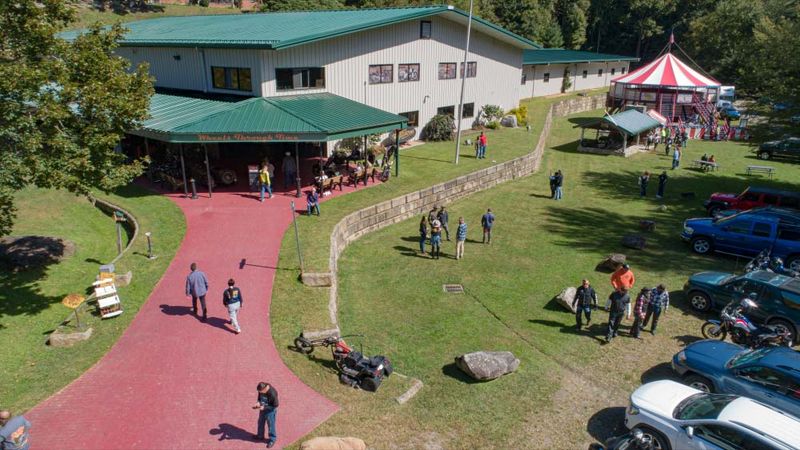
The location is not an accident. Maggie Valley sits in a mountain corridor that draws motorcycle riders from across the Southeast, and the roads surrounding it are some of the most celebrated riding routes in the country.
The Blue Ridge Parkway and Tail of the Dragon are both within easy reach, making Maggie Valley a natural stopping point for riders who want to combine great roads with great history.
The museum fits perfectly into that culture. It feels like it belongs exactly where it is.
Even if you arrive by car rather than motorcycle, the mountain setting adds something to the experience. The drive in through the valley is scenic and calming, and the town itself is small and welcoming.
There are places to eat and stay nearby, making it easy to turn the museum visit into a full day or even a weekend trip.
Visiting in fall, when the leaves are turning, adds another layer of beauty to an already memorable outing. The combination of landscape and living history makes this part of North Carolina genuinely hard to leave.
Why This Museum Deserves A Spot On Your Road Trip List
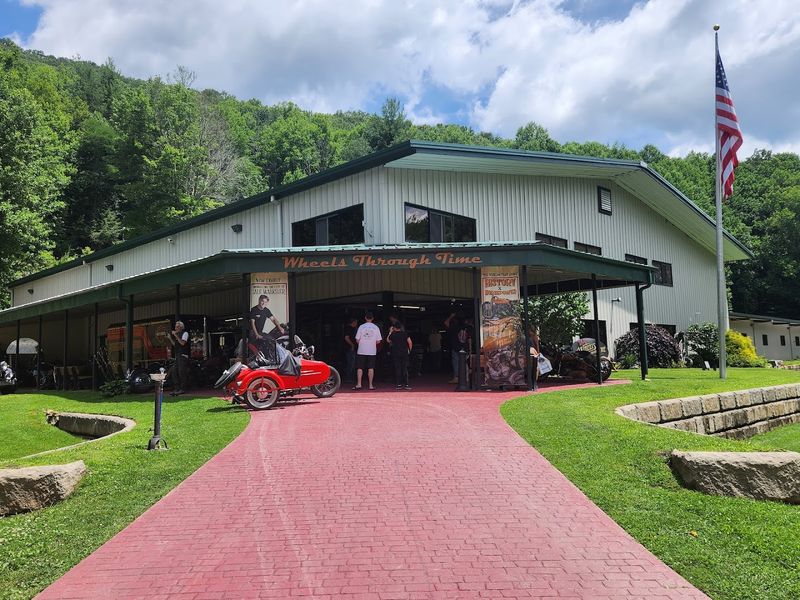
Not every attraction earns its reputation, but this one absolutely does. Wheels Through Time is the kind of place that people describe with the same energy years after their visit as they had the day they left the parking lot.
The collection is world-class. The presentation is thoughtful.
The staff is passionate.
And the sheer variety of machines on display means there is genuinely something for every level of motorcycle knowledge, from total beginner to seasoned collector.
That accessibility is rare in a specialty museum of this depth.
What stays with you most is not any single bike, but the cumulative effect of standing in a room full of American craftsmanship spanning more than a century.
Each machine represents someone’s ingenuity, someone’s labor, and someone’s dream of building something that moves.
Dale Walksler spent a lifetime making sure those stories were not forgotten, and this museum continues that mission with obvious care.
If you are anywhere near western North Carolina and you have even a passing interest in motorcycles or American history, this stop is non-negotiable.